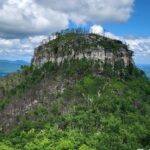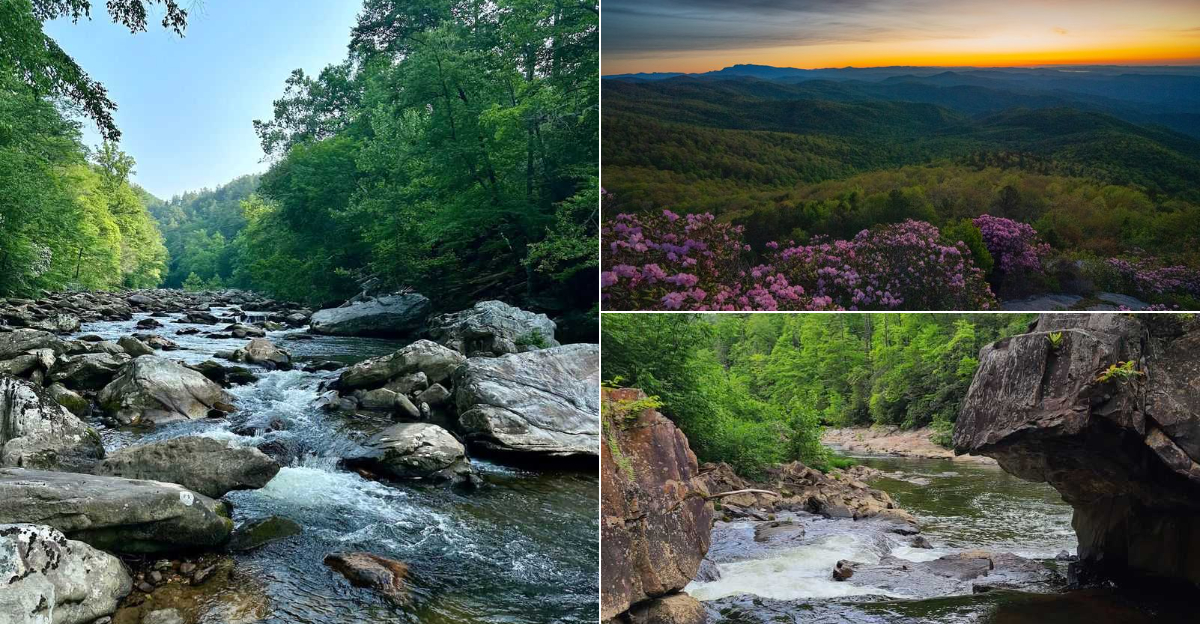
Tucked into the mountains of Burke County, Linville Gorge is the kind of place that makes you wonder how so many people have managed to miss it.
Dropping more than a thousand feet from rim to river, it’s one of the deepest gorges east of the Mississippi, raw, rugged, and largely unchanged for thousands of years.
The Linville River carves through ancient rock while forested walls rise on either side, creating a wilderness corridor unlike anything else in the eastern United States.
Despite sitting just a few hours from major cities, the gorge sees a fraction of the visitors it deserves.
Most people breeze past on their way to Asheville or Boone, unaware that one of the continent’s most dramatic landscapes is right there.
Once you’ve seen Linville Gorge, it becomes very hard to talk about it without wanting to go back.
1. Linville Gorge Wilderness, Burke County
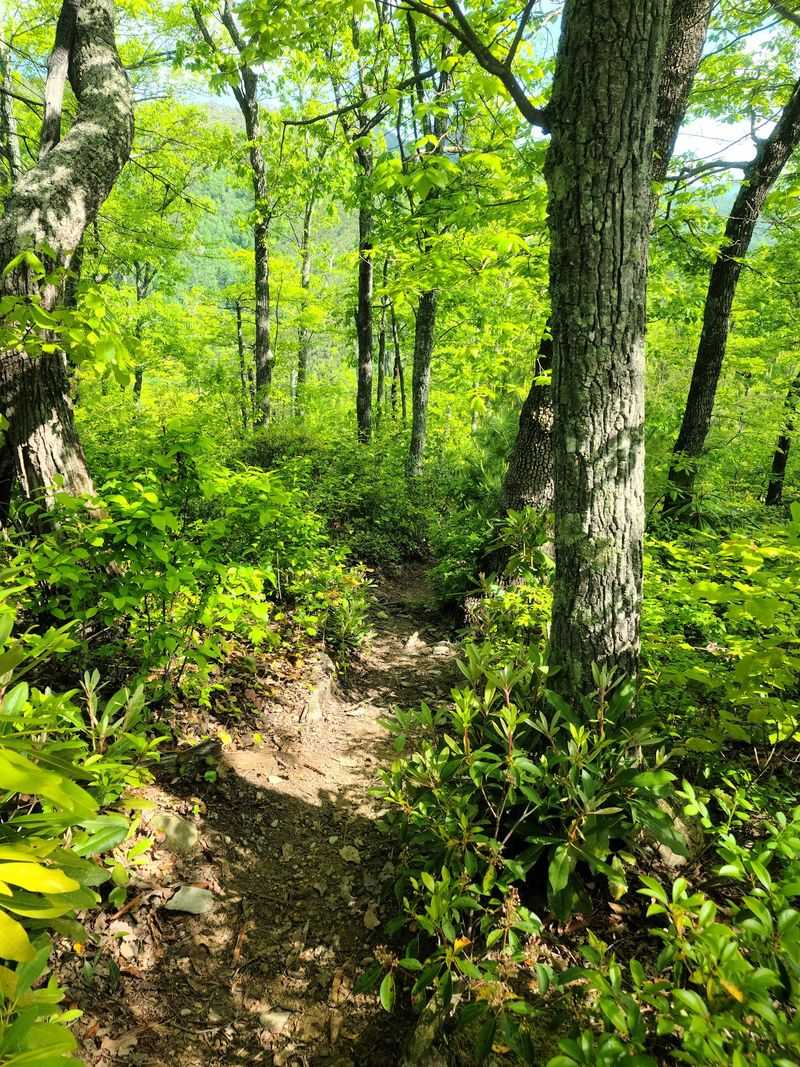
Morning fog sometimes sits in the canyon like a secret waiting for someone patient enough to stop.
Many drivers on nearby highways never realize the Linville Gorge Wilderness spreads below them in Burke County.
The area is often called the Grand Canyon of the East because its cliffs, river, and forests feel huge.
Unlike a polished park with railings everywhere, this place stays wild, rough, and wonderfully quiet.
Trails can be steep, rocky, and confusing, so bring a paper map, water, snacks, and sturdy shoes.
Cell service is spotty, and weather can change fast along the ridges.
Visitors who take their time may hear ravens, see rhododendron tunnels, or watch sunlight slide across Table Rock.
The gorge is protected as wilderness, which means signs and services are limited on purpose.
That quiet protection helps rare plants, black bears, deer, and countless birds survive.
For the safest first visit, start at an overlook, check current road conditions, and leave no trash behind at all.
2. Linville Falls, Burke County
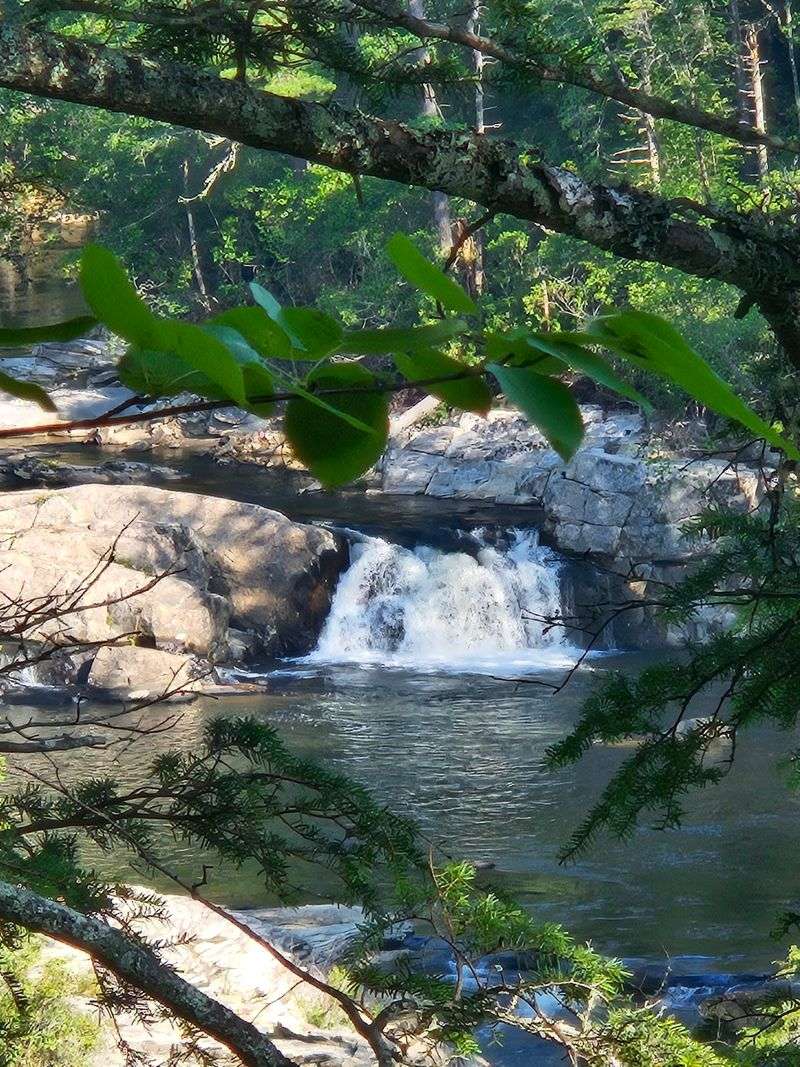
The sound reaches you before the view, a steady roar bouncing off stone and trees.
Linville Falls in Burke County is one of the easiest places to feel the power of the gorge.
Water squeezes through narrow rock, drops in stages, and then rushes toward the deep canyon below.
The main visitor area is reached from the Blue Ridge Parkway, which is why many people stop briefly.
Still, the falls deserve more than a quick photo and a return to the car.
Short trails lead to several overlooks, and each angle shows a different side of the rushing water.
Wear shoes with grip because rocks and steps can be slick after rain.
Families often enjoy the upper viewpoints, while stronger hikers may choose paths with steeper climbs.
Autumn brings bright color, spring adds fresh green leaves, and winter can reveal shapes hidden by summer growth.
Stay behind barriers, watch children closely, and give yourself time to listen, not just look, during your visit.
3. Wiseman’s View, Burke County
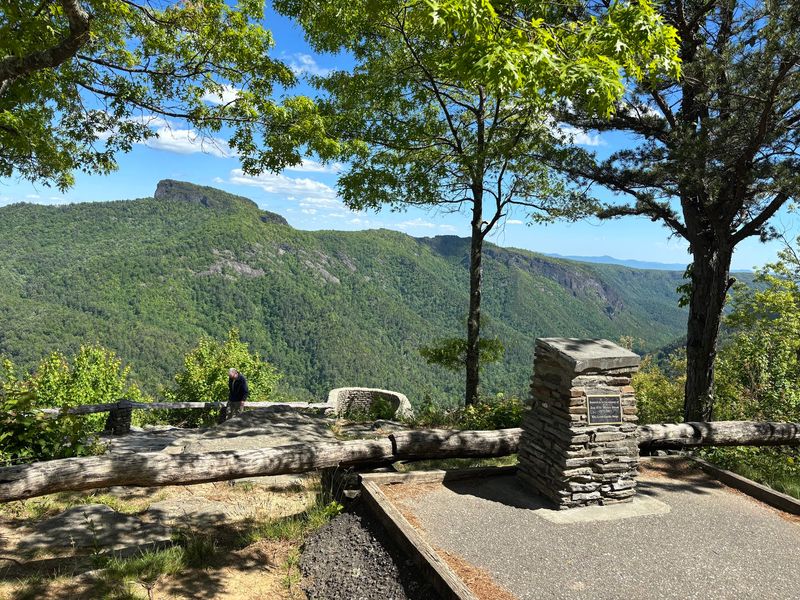
Few overlooks deliver such a big reward for such a short walk from the parking area.
Wiseman’s View in Burke County faces straight into the heart of Linville Gorge, with cliffs lined across the horizon.
On clear days, Table Rock and Hawksbill look like stone guards watching the canyon.
The drive along Kistler Memorial Highway can be bumpy, dusty, and slow, especially after storms.
A high clearance vehicle helps, but careful drivers should still check conditions before going.
Once parked, a paved path leads to viewing spots, making this one of the more reachable gorge experiences.
Sunset is especially memorable because the walls glow orange and shadows pool deep below.
Bring a jacket, since wind can surprise you even when the valley feels warm.
Photographers love the wide view, but regular visitors may love the silence even more.
Arrive early for parking, keep pets leashed, and remember that the drop-offs are serious, even near easy paths.
4. Table Rock Trail, Burke County
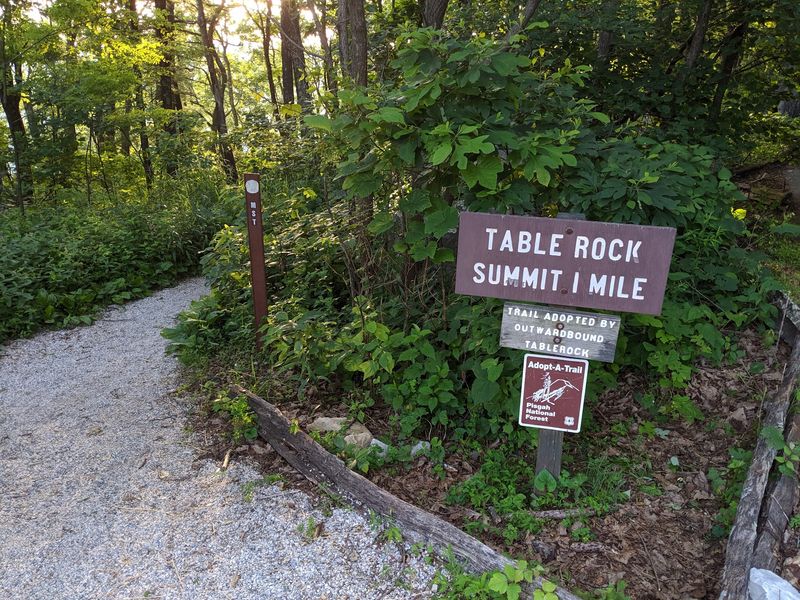
A flat-topped mountain can look almost friendly from far away, but the climb still makes your legs work.
Table Rock Trail in Burke County is a classic route for people who want a summit view without an all-day hike.
The trail climbs through woods, rock steps, and open ledges before reaching a broad stone crown.
From the top, Linville Gorge spreads out in folds of green, gray, and blue.
You can spot Hawksbill, the river corridor, and layers of the Blue Ridge fading into the distance.
Because the summit is exposed, avoid thunderstorms and turn back if dark clouds build.
Many hikers bring lunch, but food should be packed out carefully because wildlife learns quickly.
The access road may close seasonally, so check with the Forest Service before planning.
Rock climbers also use this area, which adds to the lively trailhead feel on busy weekends.
Start early, carry plenty of water, and leave room in your schedule for simply standing still at the top.
5. Hawksbill Mountain, Burke County
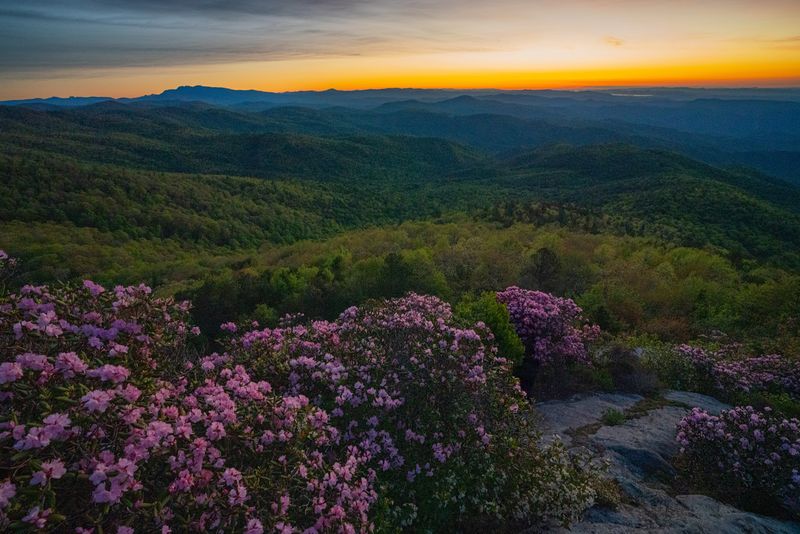
Some summits feel like balconies, and this one hangs over the gorge with thrilling confidence.
Hawksbill Mountain in Burke County rises sharply above Linville Gorge and gives hikers a bold, open view.
The name fits because the peak has a beak-like shape when seen from nearby ridges.
The trail is not very long, but it climbs steadily enough to make you breathe hard.
Roots, rocks, and loose dirt require attention, especially when heading back downhill.
Near the top, trees open suddenly, and the canyon appears in a way that feels almost theatrical.
Sunrise hikers often arrive with headlamps, warm layers, and quiet voices.
That early effort can pay off with pink light touching cliffs before the valley fully wakes.
If you visit later, bring sun protection because parts of the summit are exposed.
Stay away from cliff edges, respect other hikers taking photos, and pack a small first aid kit for scrapes.
A careful pace makes the climb safer and gives you more chances to notice wildflowers, birds, and changing views.
6. Shortoff Mountain, Burke County
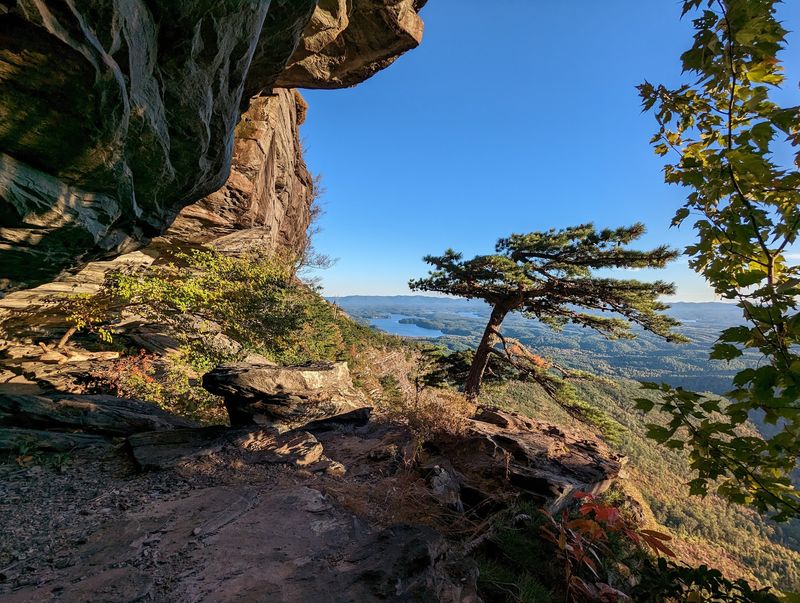
The southern end of the gorge feels sunnier, wider, and a little more desert-like than visitors expect.
Shortoff Mountain in Burke County offers long cliff walks with views toward Linville Gorge and Lake James.
Its open rock, scrubby pines, and wide sky make the area feel different from shadier northern trails.
The climb from the Wolf Pit area is steady and can feel hot during warm months.
Carry more water than you think you need, because shade is limited along several stretches.
After gaining height, the trail rolls across broad ledges with one view after another.
Spring may bring blooming plants, while fall gives clear air and colorful slopes.
Because fires have shaped parts of this landscape, you may notice younger trees and open ground.
That history helps explain why the mountain has such a rugged, sun-washed look.
Avoid hiking near cliff edges in strong wind, and never shortcut across fragile plants.
For a quieter trip, try a weekday morning and listen for the river far below.
7. Conley Cove Trail, Burke County
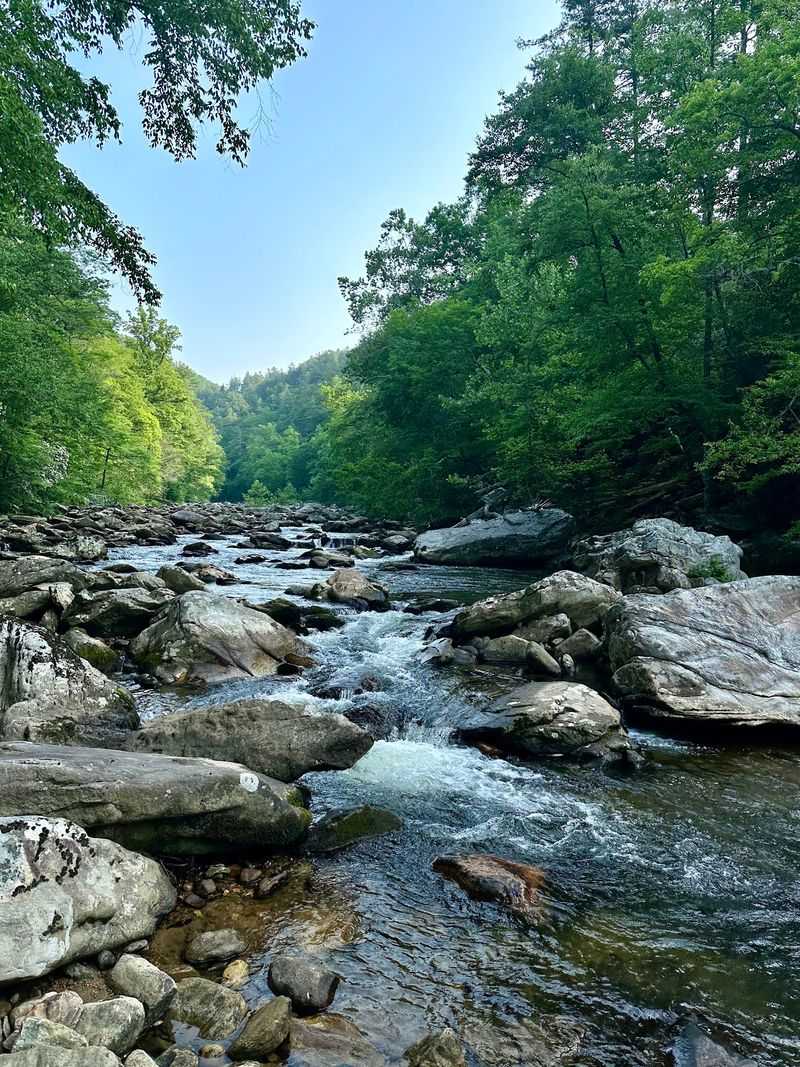
Not every great gorge trip begins with a wide view, and that surprise keeps this trail interesting.
Conley Cove Trail in Burke County drops from the rim toward the Linville River through deep forest.
The path feels quiet, shaded, and serious, reminding hikers that going down first means climbing later.
Switchbacks lead through hardwoods, rhododendron, roots, and rocky sections that can slow your pace.
Trekking poles can help your knees, especially on the return climb.
At the bottom, connections to river routes invite longer adventures, but beginners should plan carefully.
Distances in the gorge often feel harder than they look on a map.
Carry a map, headlamp, water filter, and enough food in case the hike takes longer than expected.
After rain, the trail can be muddy, and stream crossings nearby may become risky.
The reward is a close-up sense of the wilderness that overlooks cannot provide.
You smell damp leaves, hear moving water, and feel the canyon walls rise around you.
Tell someone your plan before leaving, and turn around early if energy or daylight starts running low.
8. Bynum Bluff, Burke County
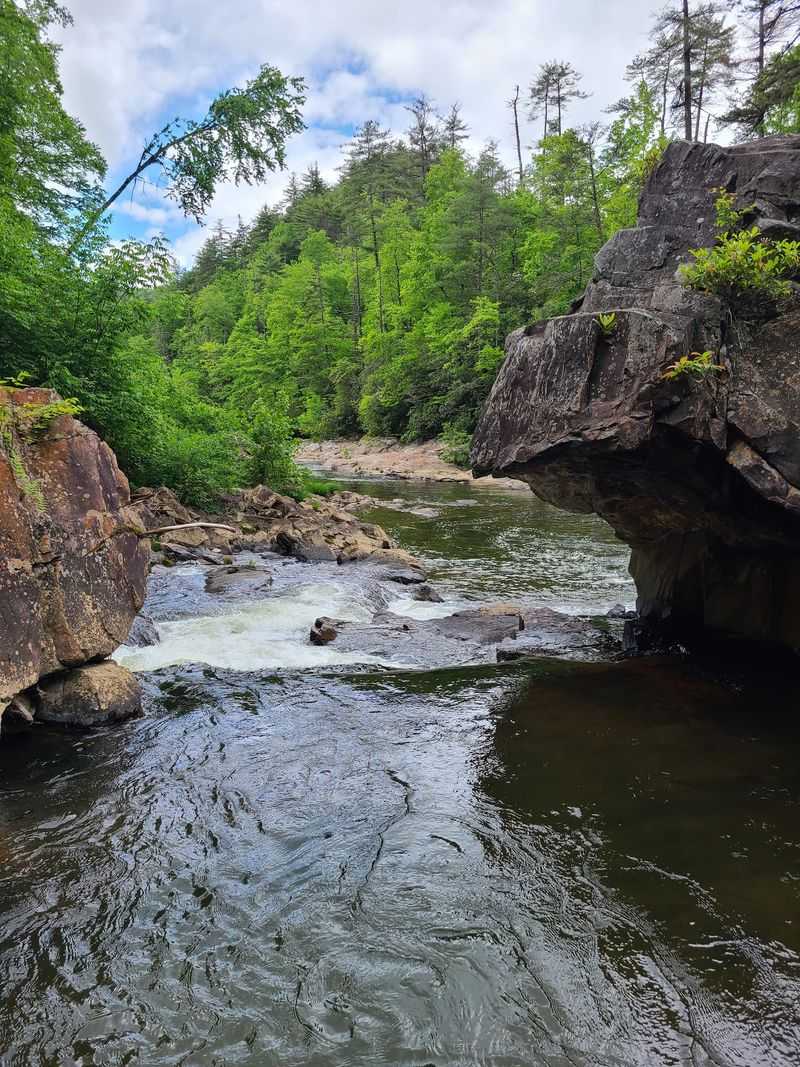
A name heard less often can sometimes lead to one of the most satisfying quiet corners.
Bynum Bluff in Burke County sits within the greater Linville Gorge area, away from the busiest headline stops.
For visitors who enjoy lesser-known viewpoints, it offers a chance to trade crowds for patience and planning.
Routes around the bluff may be faint, rugged, or tied to unofficial paths, so research matters.
Use updated maps, local trail reports, and good judgment before trying to reach the area.
The terrain can include steep slopes, loose footing, and thick vegetation that hides rocks underfoot.
That challenge is part of why the place still feels wild.
You may find quiet views, bird calls, and a strong sense of space without constant voices nearby.
However, solitude also means you need to be more self-reliant.
Bring navigation tools, extra water, rain gear, and a plan for turning back.
If conditions feel wrong, choose a safer overlook and save the adventure for another day.
Respect private land boundaries and wilderness rules, because protecting hidden places keeps them beautiful for future hikers.
9. Sitting Bear, Burke County
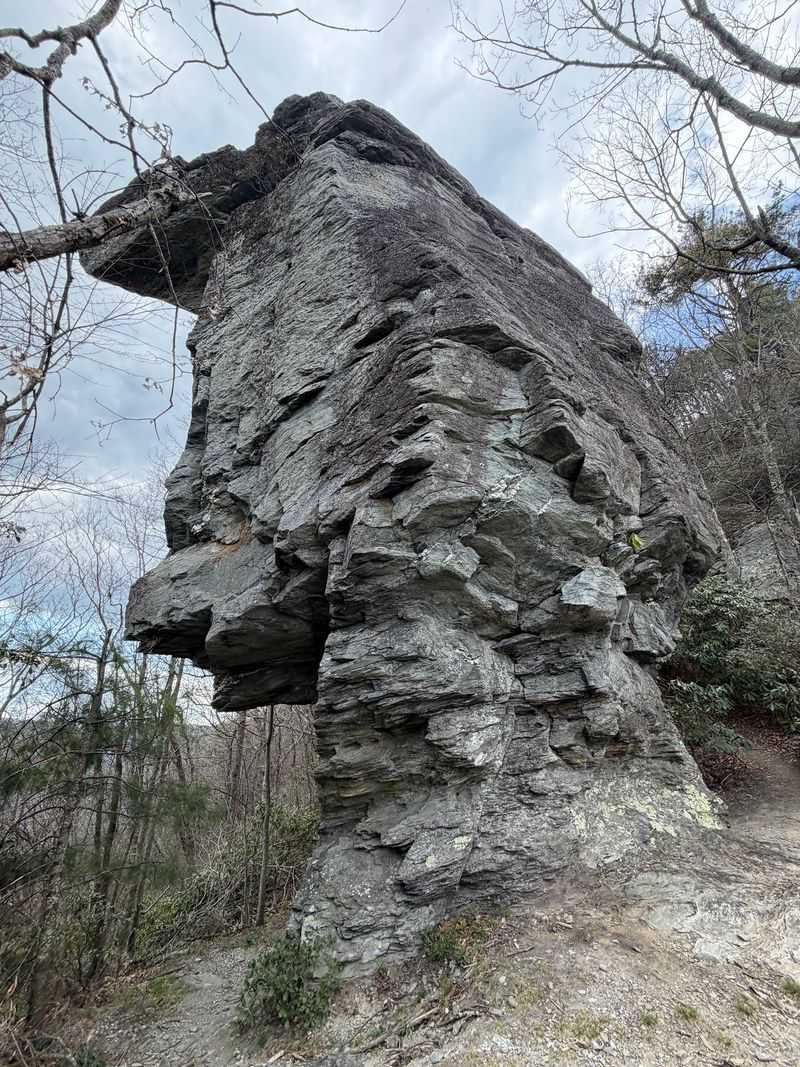
The name sounds almost playful, like a forest creature paused to watch the canyon below.
Sitting Bear in Burke County is a rugged feature connected to the dramatic scenery around Linville Gorge.
Its rocky character fits the wild mood of the area, where shapes in stone often spark imagination.
People exploring nearby routes should not expect a simple roadside attraction with big signs.
Instead, careful map reading and local knowledge may be needed, depending on the approach.
That makes the place better suited for prepared hikers than casual visitors in flip-flops.
The reward is the feeling of finding a piece of the gorge that many travelers never notice.
Look for textured rock, wind-shaped trees, and changing views through breaks in the forest.
Because cliff country can be dangerous, move slowly and avoid climbing on unstable edges.
A small group is safer than hiking alone, especially in rough terrain.
Bring gloves if you expect scrambling, and keep your phone battery saved for emergencies.
The best memory here may be the quiet thrill of seeing familiar mountains from an unfamiliar angle.
10. Chimneys Trail, Burke County
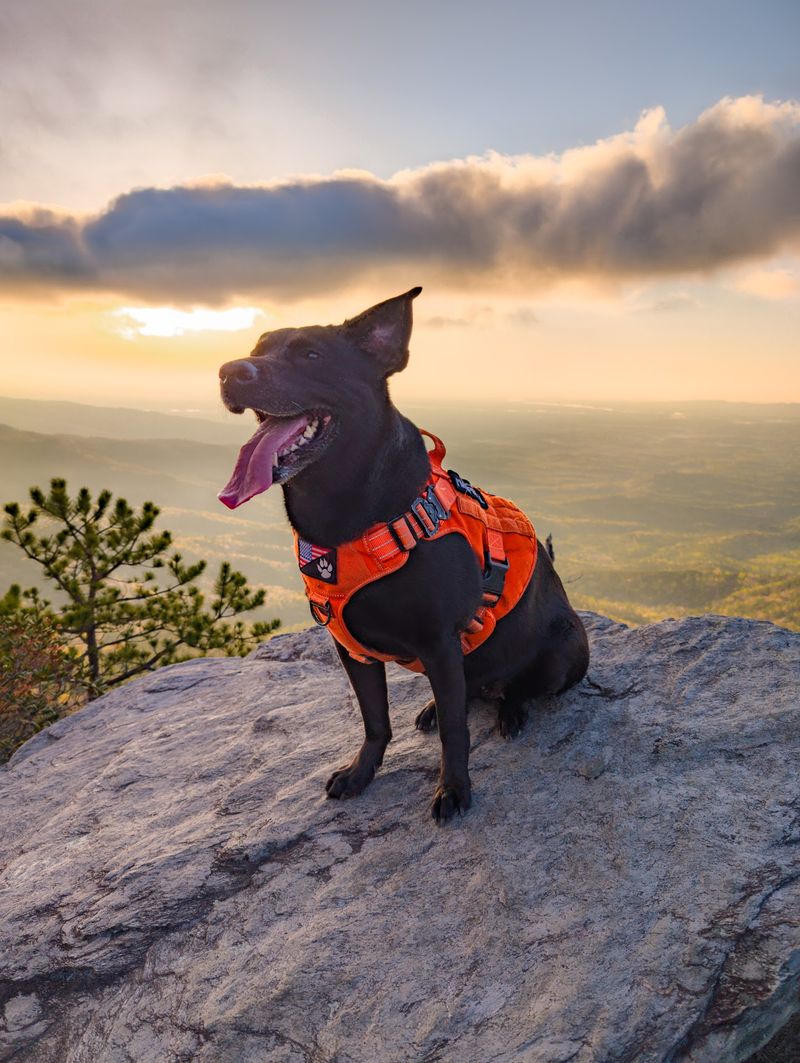
Rock towers line the ridge like old castle walls, giving this trail a bold and playful look.
Chimneys Trail in Burke County runs near Table Rock and is famous for its dramatic stone formations.
Hikers, climbers, and photographers all find reasons to pause every few minutes along the route.
The path is not always difficult, but exposed sections demand care and common sense.
Children should stay close, and everyone should watch footing around drop-offs.
The area is especially popular on weekends, so early arrivals get easier parking and calmer views.
Climbers often use the cliffs, which means hikers should avoid standing below ropes or loose rock.
If you are only walking, there is still plenty to enjoy without leaving the trail.
The shapes of the Chimneys change as you move, sometimes looking sharp, stacked, or almost sculpted.
Late afternoon light can make the rocks glow, while morning often brings cooler hiking conditions.
Pack water, protect the fragile plants near the path, and take trash back with you.
As a final stop, this trail neatly shows why Linville Gorge rewards people who leave the main road.