

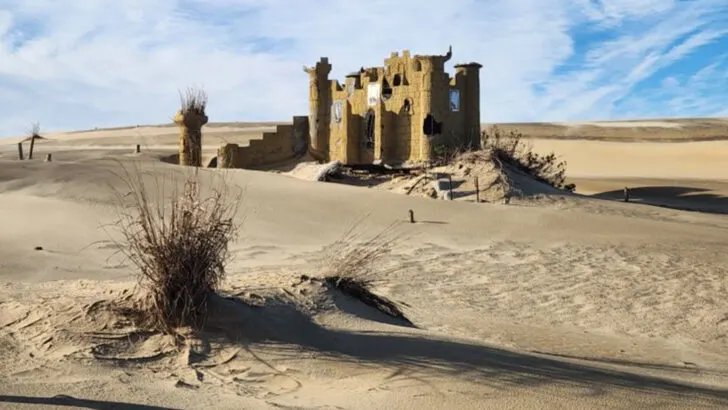
North Carolina is a photographer’s dream come true.
From towering mountains to windswept beaches, every corner of this state begs to be captured. Snap a sunrise over the Blue Ridge Parkway, chase waterfalls in Chimney Rock, or frame the wild horses roaming the Outer Banks.
Colors explode in every season. Fall paints the mountains in fiery reds and golds. Spring brings delicate blooms in the Arboretum. Summer sunsets turn beaches into glowing canvases. Even winter has its quiet, frosty charm.
Every shot tells a story. Whether you’re a pro chasing perfect light or a traveler with a phone camera, North Carolina delivers scenes that stop you in your tracks. Get ready to fill your lens with unforgettable sights.
Biltmore Estate – Asheville
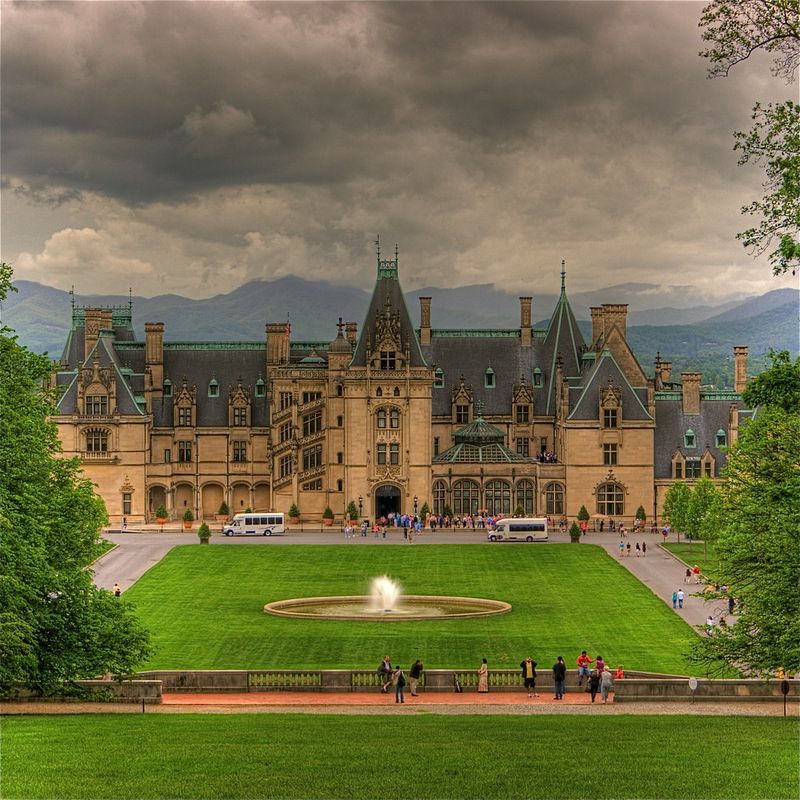
Biltmore Estate feels like stepping into a European fairytale, but with Blue Ridge drama in the background. The mansion’s ornate limestone facade begs for symmetry shots from the Front Lawn, while the roofline statues reward longer lenses.
For softer storytelling, compose through foreground blooms in the Walled Garden or frame reflections in the Italian Garden pools.
Arrive early for calm light and fewer crowds, then wander the Conservatory for macro details and tropical color. If clouds build, use them as a moody backdrop that balances the light stonework.
During spring and fall, floral bursts and foliage contrast beautifully with the estate’s neutral tones.
For sweeping views, head to the Lagoon and place the house distant across the water with leading lines from the path. Golden hour backlight adds a regal glow that makes greens pop without oversaturation.
Steady your shot, keep verticals straight, and let the estate’s grandeur do the rest.
Cape Hatteras Lighthouse – Outer Banks
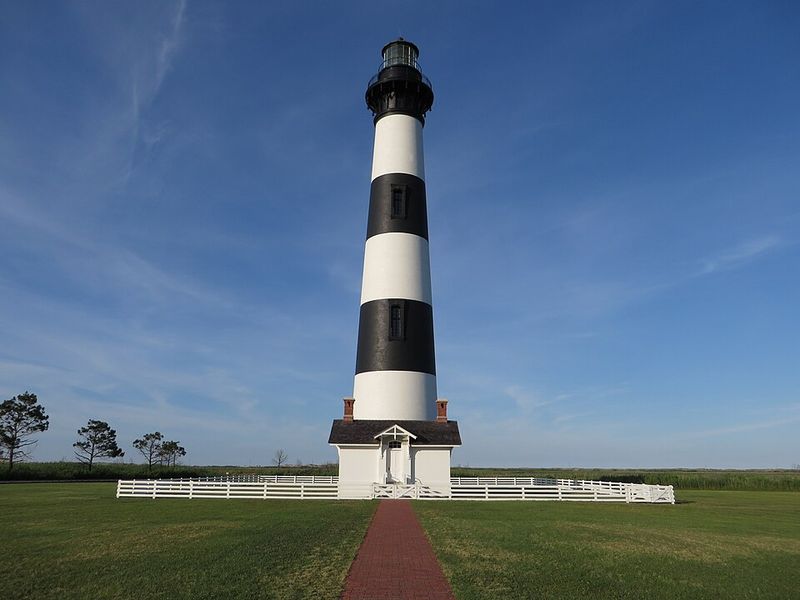
Cape Hatteras Lighthouse stands bold against Atlantic light, its spiral stripes guiding your eye skyward. Position sea oats or driftwood in the foreground for texture, then let the tower anchor your frame.
At sunrise, pastel skies wrap the beacon in gentle color, while low tide reveals reflective sand for mirror-like compositions.
Experiment with a longer exposure to soften waves and emphasize the lighthouse’s solid presence. Shift angles along the beach to play with leading lines from shoreline curves.
When clouds race overhead, use a faster shutter and tight composition for a graphic, stormy portrait.
Golden hour warms the brick base and highlights the pattern’s contrast without harsh glare. If crowds gather, angle low and use wide perspective to isolate the tower against open sky.
Pack a microfiber cloth for sea spray, and keep horizons level so the iconic geometry stays clean and powerful.
Chimney Rock State Park & Hickory Nut Falls
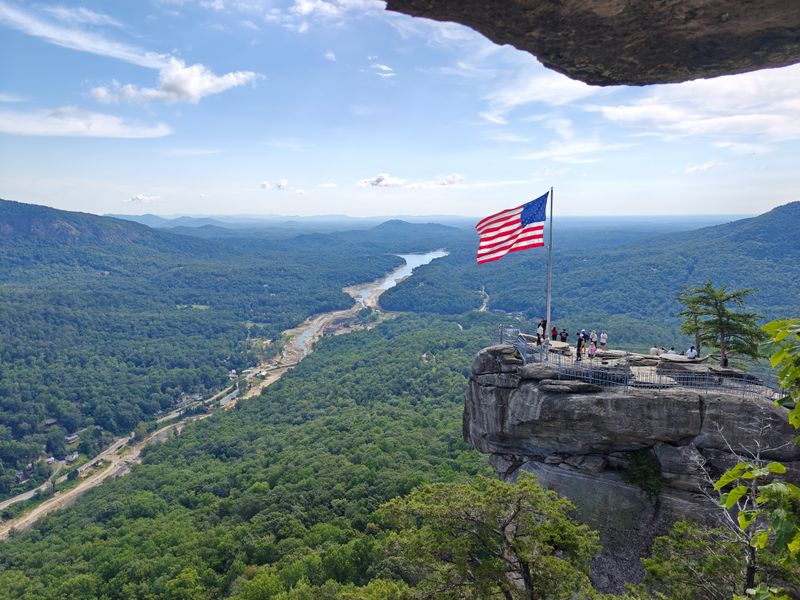
Chimney Rock rises like a granite stage above emerald forest, offering a sweeping view that begs for a wide lens. From the flag-topped overlook, layer ridgelines to show depth, then pivot toward Hickory Nut Falls for a vertical composition.
A polarizer helps cut glare on rock and enrich foliage, especially after rain.
For Hickory Nut Falls, slow your shutter to show silky motion, but keep nearby leaves sharp for contrast. Use a sturdy railing or tripod to steady the frame in gusty winds.
Framing through railings or trees creates natural vignettes that draw the eye into the cascade.
Morning light brings crisp clarity, while late afternoon paints warm highlights across the gorge. If clouds roll in, lean into moody tones and let mist soften the background.
Pack layers and water because stairs and elevation changes add effort, but the photographs carry that rewarding summit energy.
Blue Ridge Parkway – Western NC
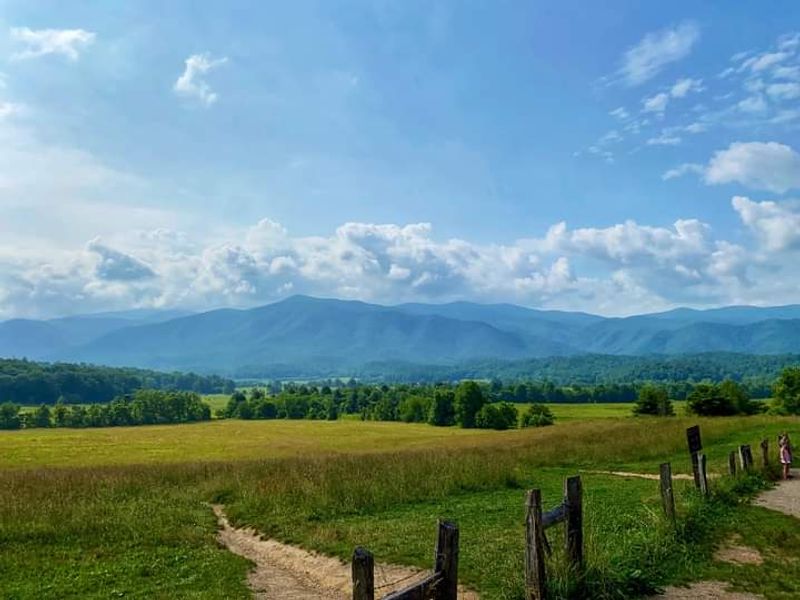
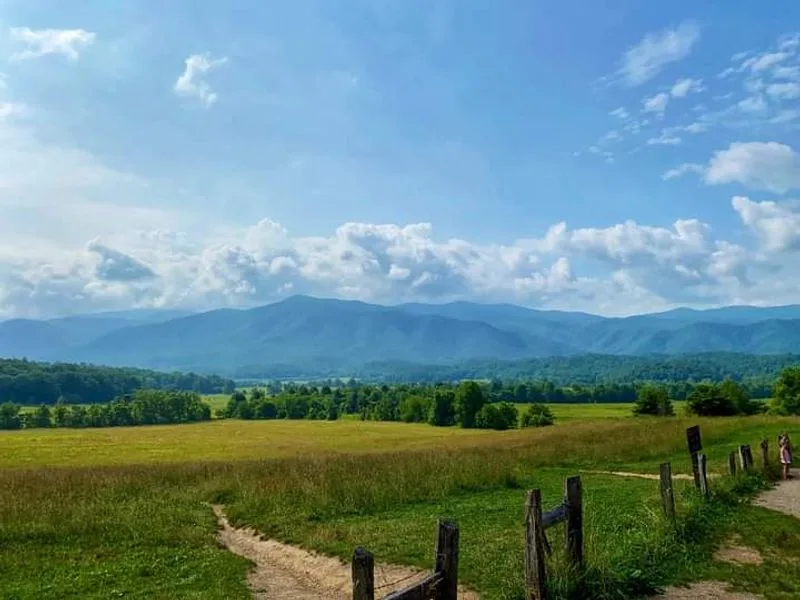
The Blue Ridge Parkway is a painter’s palette of light, color, and curve. Start at sunrise when ridgelines stack in blue haze and valleys hold pockets of mist.
Frame the Linn Cove Viaduct as a graceful arc, using leading lines to guide viewers through crimson and gold foliage.
Craggy Gardens offers rhododendron blooms and stunted trees that twist into striking silhouettes. Work foreground leaves or weathered rock into the frame to build depth, then bracket exposures to protect those bright skies.
A polarizer deepens tones and tames glare on glossy leaves after rain.
As daylight shifts, scout overlooks and milepost pullouts for new layers and moods. On windy days, use faster shutter speeds for crispness, or intentionally blur blowing grasses for movement.
Golden hour paints the slopes with honeyed warmth, turning every bend into a cinematic postcard you will want to chase for miles.
Outer Banks Beaches (Cape Hatteras to Corolla)
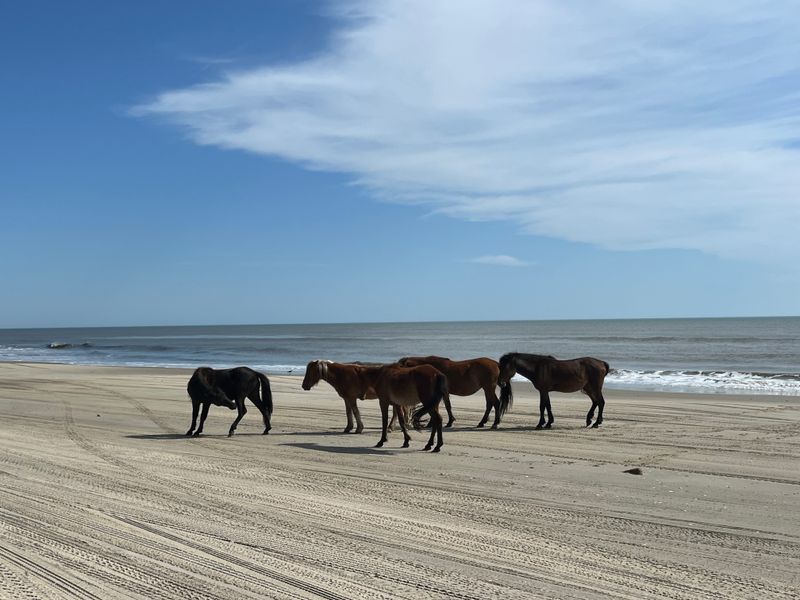
From Cape Hatteras to Corolla, the Outer Banks deliver unbroken horizons and a rhythm of surf that photographs beautifully. Walk the tideline at sunrise for glowing reflections, then step into the dunes to sculpt compositions with sweeping curves.
If you spot Corolla’s wild horses, maintain distance and use a telephoto to capture candid, respectful moments.
Blend beach textures with human scale by including footprints, a distant angler, or a kite tracing color across the sky. Cloud banks bring drama, while storm light can turn the ocean steel blue.
Use leading lines from shorebreak edges to pull the eye toward the horizon.
For variety, shoot from dune crests with grasses as wispy foreground frames. A circular polarizer manages glare on wet sand and saturates aquas without overdoing it.
Sunset sidelight reveals patterns in ripples and wind-carved ridges, giving your images a timeless, windswept feel.
Linville Falls & Gorge – Blue Ridge Mountains
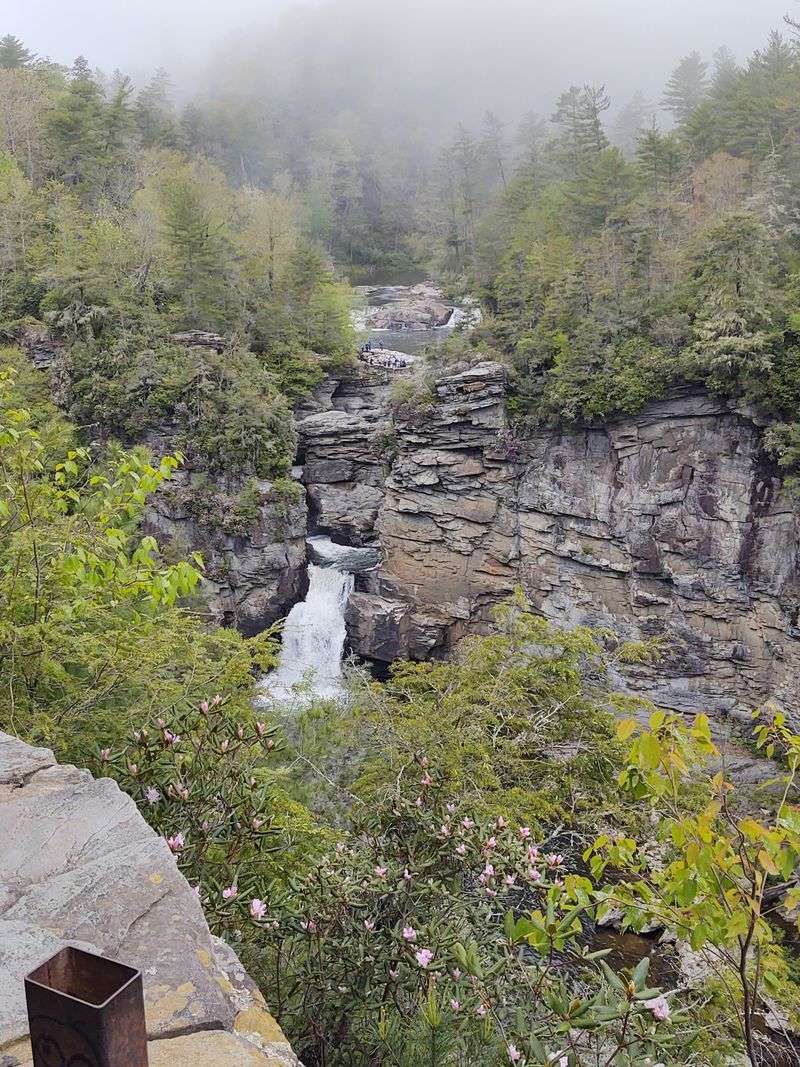
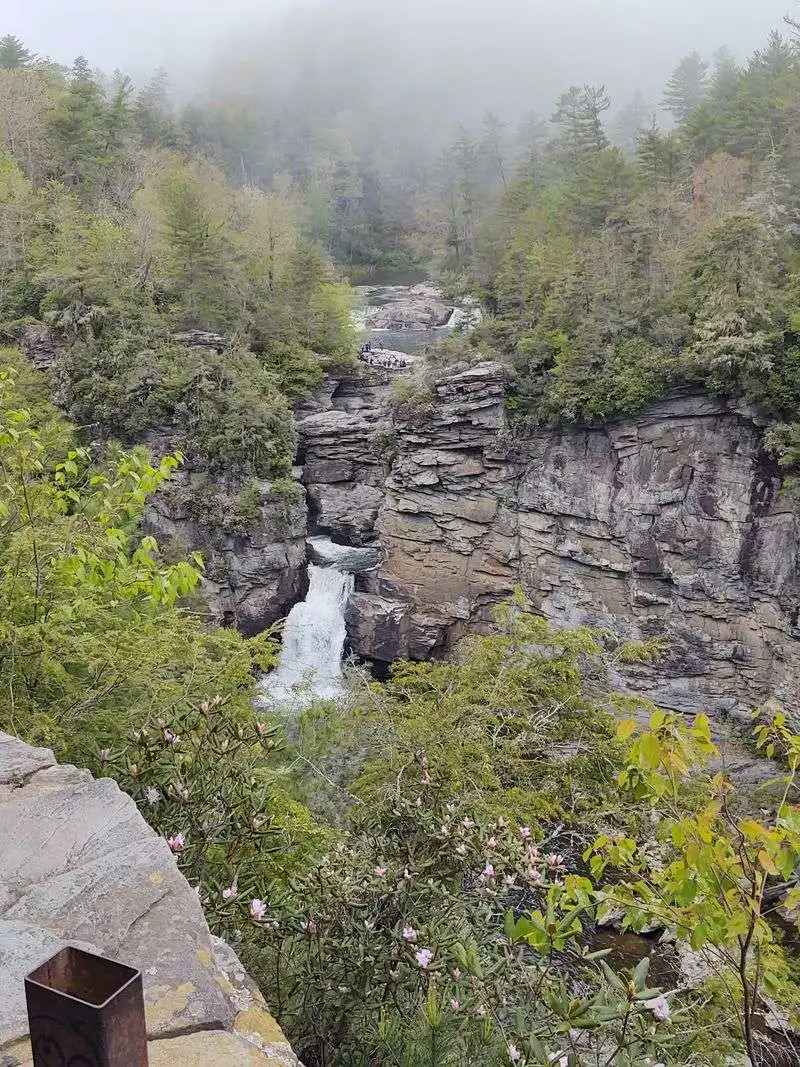
Linville Falls thunders through a sculpted gorge, offering multiple angles that each feel distinct. Start at Erwins View for a classic, multi-tier composition that shows the river’s journey.
Then descend toward Plunge Basin to feel the mist and fill the frame with dynamic, churning water.
Overcast days are your ally here, softening highlights and preserving rock texture. Use a tripod and ND filter to stretch shutter speeds, but keep some structure so the falls do not turn featureless.
Step carefully on wet stone and watch for spray that can fog your lens.
Compose with canyon walls as strong borders that funnel attention to the cascade. In fall, warm foliage balances the cool water tones beautifully.
Early morning usually means calmer crowds, making it easier to fine-tune spacing, breathe with the roar, and bring home a photograph that feels alive.
Wright Brothers National Memorial – Kill Devil Hills
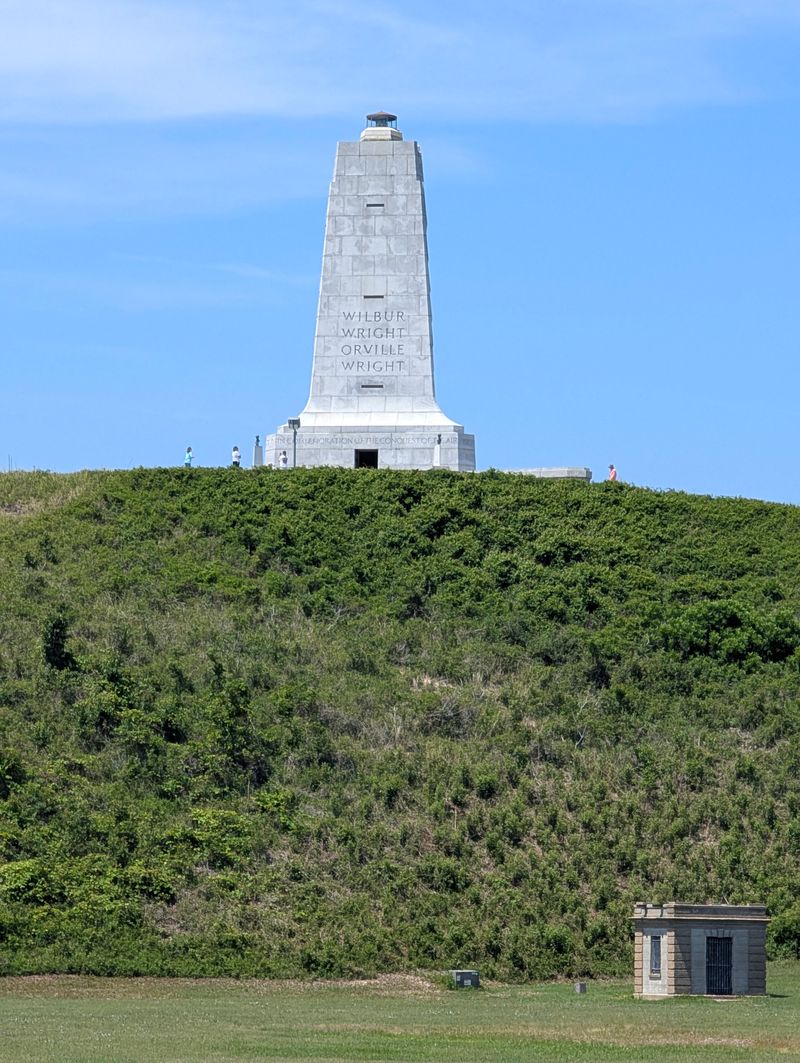
Wright Brothers National Memorial invites simple, powerful compositions that honor first flight. Position the granite monument against generous sky and let negative space breathe.
At sunrise, long shadows sweep across the field, creating graphic geometry that leads your viewer forward.
Walk the route of the 1903 flights and use the stone markers as a subtle timeline. A low vantage and wide lens exaggerate space, while a tighter frame isolates the inscription details.
On breezy mornings, let flags or grasses introduce motion for a living tribute to lift and air.
Keep the palette clean and avoid clutter, embracing minimalism to match the site’s spirit. Side light carves texture into the monument’s surface without harsh contrast.
With patience, your images will balance history, openness, and hope, celebrating a moment when human curiosity truly took off.
Grandfather Mountain – Linville
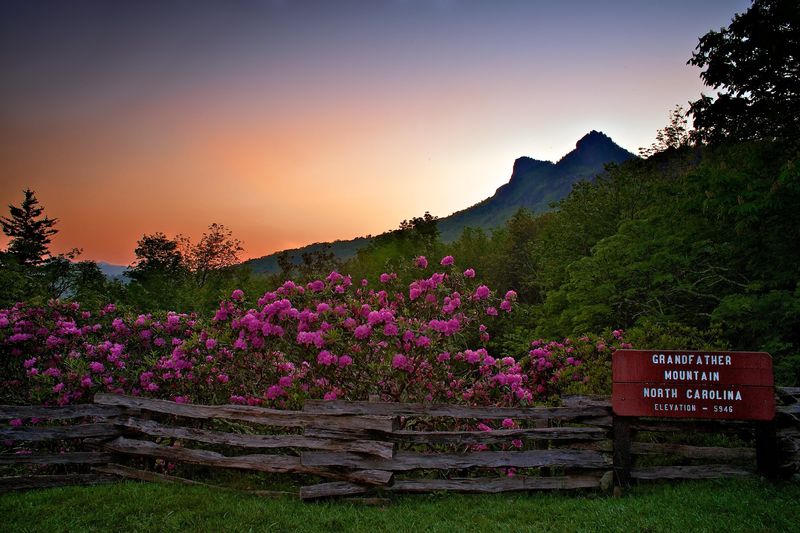
Grandfather Mountain pairs big drama with intimate detail. The Mile-High Swinging Bridge makes a bold focal point, especially when backlit with hikers crossing for scale.
Step to the rocky outcrops, set a wide lens, and layer the saw-tooth ridges marching into blue distance.
Wind is common, so stabilize your camera and use faster shutter speeds on the bridge. If clouds scrape the peaks, wait for breaks that reveal spotlighted textures.
Long lenses capture wildlife and compress ridgelines into graphic bands that feel almost abstract.
Golden hour warms the granite and pulls color from the surrounding forest. Compose with leading cracks in rock or alpine shrubs as tactile foregrounds.
Whether you chase sweeping panoramas or quiet lichen patterns, this summit rewards patience with photographs that feel rugged, elevated, and unmistakably North Carolina.
North Carolina Arboretum – Asheville
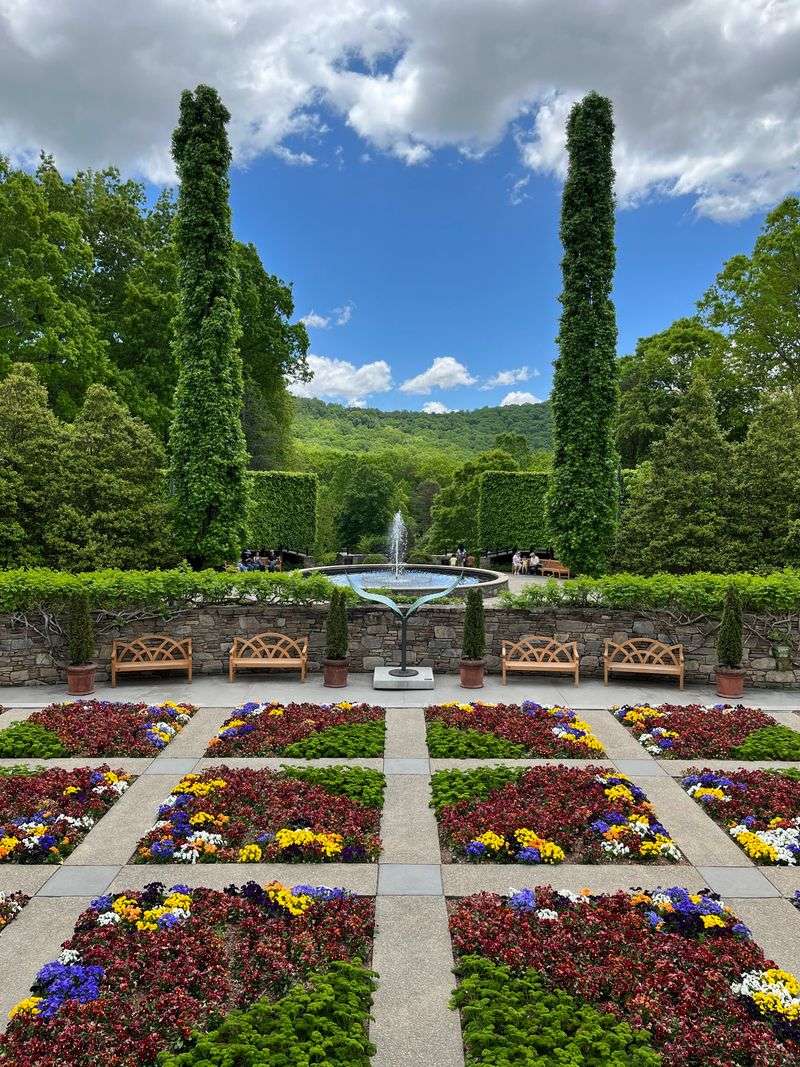
The North Carolina Arboretum is a playground for color, pattern, and peaceful pacing. Start at the quilt garden where geometric beds create ready-made compositions.
Walk the paths to find water features that offer reflections, then switch to macro for petals, pollinators, and dewdrop sparkle after rain.
Arrive on overcast days to enjoy gentle, even light that flatters foliage. Use leading lines from pathways and hedges to guide the eye toward focal points.
A short telephoto helps compress layered beds into abstract tapestries without losing clarity.
Seasonal displays refresh the palette, from spring’s pastels to autumn’s deep warmth. Watch your backgrounds and keep horizons simple so colors remain calm and intentional.
With patience and playful angles, you will leave with images that feel serene, structured, and delightfully alive.
Jockey’s Ridge State Park – Nags Head
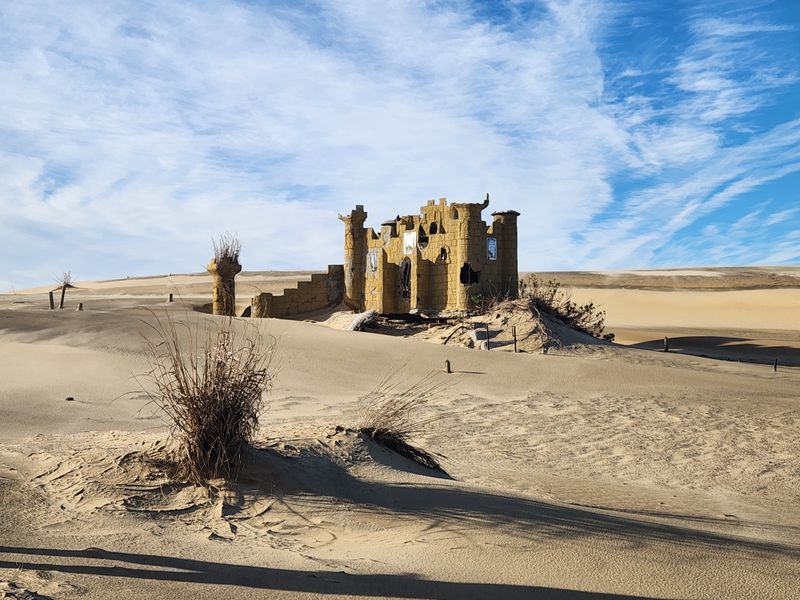
Jockey’s Ridge looks like a coastal desert where light sculpts the land by the minute. Climb the tallest dunes and frame crest lines as clean diagonals that slice glowing sky.
At sunset, long shadows carve dramatic relief, turning simple sand into intricate geometry.
Use footprints as leading lines or wait for a gust to erase them for pristine minimalism. Drop low for ripple textures that shimmer under side light.
If clouds catch color, expose for highlights and let the dunes fall into soft, moody gradients.
A wide lens exaggerates scale, but a telephoto compresses dunes into abstract waves. Protect your gear from blowing sand with a bag and frequent cleaning.
With patience, you will capture images that feel otherworldly and timeless, proving North Carolina holds deserts of light right beside the sea.