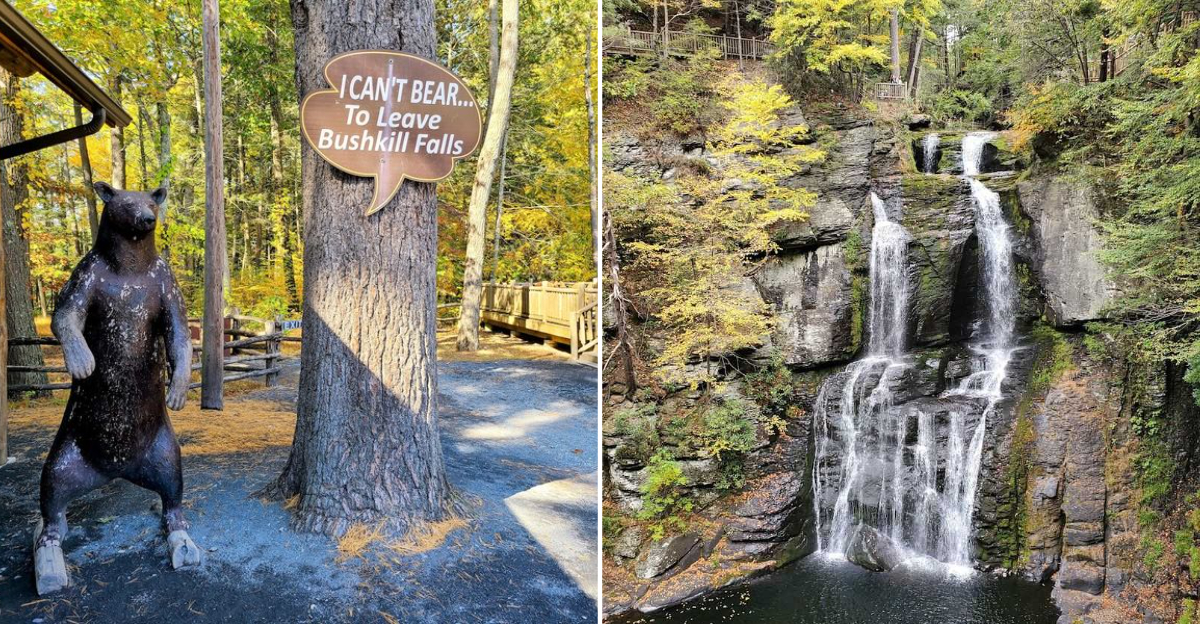
Deep in the Pocono Mountains, where cool mist drifts through towering hemlocks and spring air carries the scent of fresh earth and new growth, Bushkill Falls feels like a quiet escape into another world. Trails wind through shaded forest paths, where the sound of rushing water grows stronger with each step, guiding you toward one of Pennsylvania’s most striking natural landmarks.
In late spring, the landscape feels especially alive—wildflowers begin to bloom, streams run fuller from seasonal rain, and the waterfalls thunder through rocky cliffs with renewed force. Wooden walkways and scenic overlooks make it easy to pause and take in the views, where layers of green forest frame cascading water in every direction.
Often called the “Niagara of Pennsylvania,” this peaceful corner of Lehman Township blends adventure and calm in equal measure. Here’s what makes Bushkill Falls worth slowing down for.
The Majestic Main Falls Experience
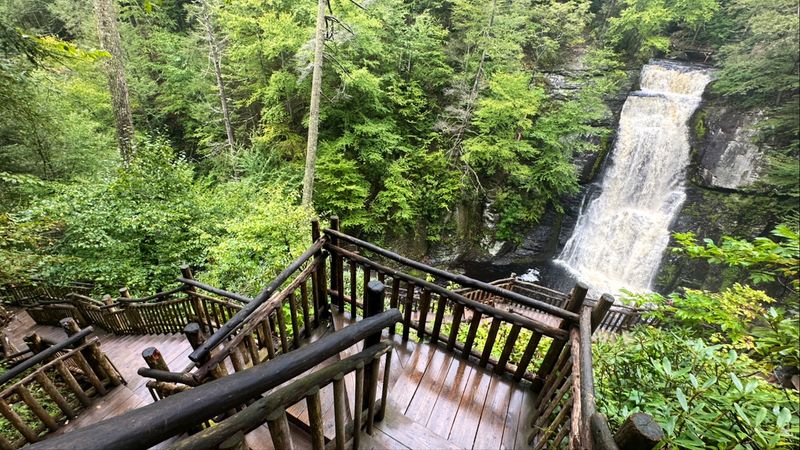
Thunder echoes through the gorge as thousands of gallons of water plunge over ancient rock formations, creating a spectacle that lives up to every bit of its grand nickname. Standing before the centerpiece attraction at Bushkill Falls, visitors experience nature’s raw power in a way few other locations can match.
The sheer drop creates a misty veil that catches sunlight, often producing rainbow effects on sunny afternoons.
Multiple viewing platforms positioned at different heights allow guests to appreciate the cascade from various perspectives. The lower platform brings you close enough to feel the cool spray on your face, while upper viewpoints offer panoramic views of the entire descent.
This engineering marvel of wooden walkways and sturdy railings ensures safety without diminishing the wild beauty of the setting.
Photographers gather here year-round, each season offering distinct characteristics. Spring brings peak water flow from snowmelt, while autumn frames the falls with brilliant foliage colors.
Winter transforms it into an ice sculpture, and summer provides the perfect temperature balance for comfortable viewing.
First-time visitors often spend thirty minutes or more at this single location, mesmerized by the constant motion and thunderous sound that defines this Pennsylvania treasure.
Eight Cascades in One Natural Wonderland
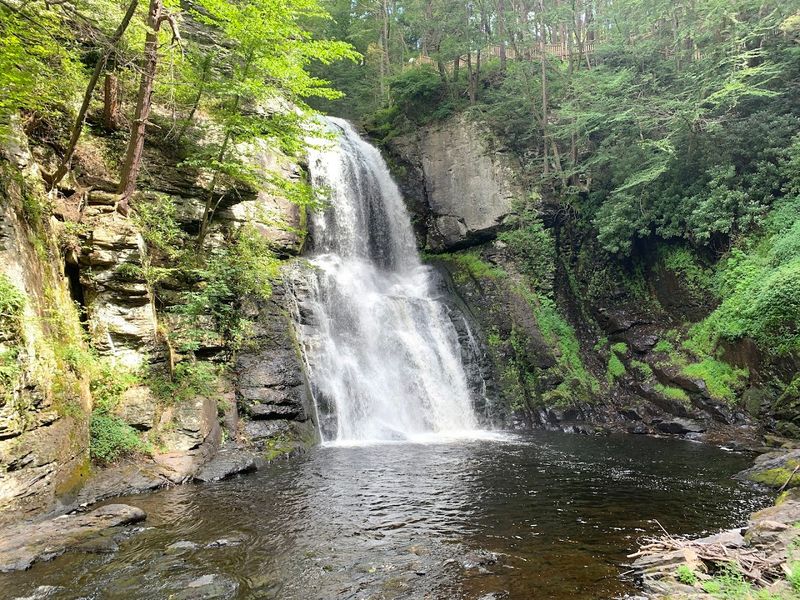
Few waterfall destinations offer such variety within a compact area, making every turn along the path reveal something new and unexpected. Beyond the famous main cascade, seven additional waterfalls create a symphony of flowing water throughout the property.
Each possesses its own character, from gentle ribbons trickling over moss-covered rocks to powerful torrents carving through stone.
The complete waterfall system developed over thousands of years as Pond Run Creek carved its path through the mountain terrain. Geological layers of different rock hardness created the varying heights and styles of each cascade.
Some fall straight down like curtains, while others bounce and tumble over multiple ledges.
Visitors who choose the comprehensive Red Trail route can view all eight waterfalls during their journey. The progression from one to another creates natural anticipation, with each discovery feeling like finding hidden treasure.
Trail maps clearly mark waterfall locations, helping hikers plan their route based on time and energy levels.
Local guides often explain how seasonal water levels dramatically affect each waterfall’s appearance. Spring typically showcases the most dramatic displays, while late summer may reduce some to trickles, yet the beauty remains captivating regardless of flow rate.
Color-Coded Trail Network for Every Ability
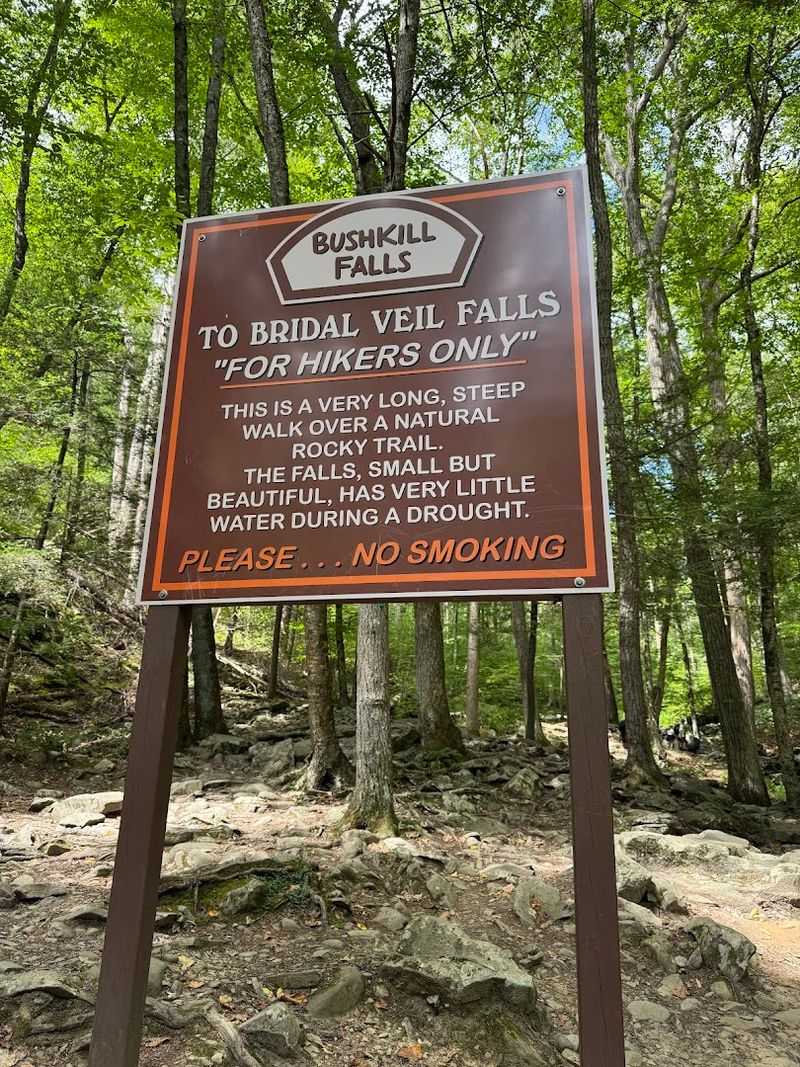
Wooden trail markers painted in vibrant colors guide adventurers through the forest, creating a system simple enough for children yet comprehensive enough for serious hikers. The park’s genius lies in offering multiple route options that accommodate various fitness levels and time constraints.
Green, Yellow, and Red trails each promise different experiences, distances, and difficulty levels.
Trail lengths range from quick fifteen-minute walks to extensive two-hour hikes covering over two miles of terrain. The shortest route focuses solely on the main waterfall, perfect for visitors with mobility concerns or limited time.
Middle options add several more cascades with moderate stair climbing, while the longest path encompasses everything the park offers.
Well-maintained wooden steps, bridges, and handrails line most pathways, distinguishing this location from purely wild hiking areas. Some purists criticize this infrastructure, preferring raw natural trails, but families appreciate the safety features and accessibility improvements.
The construction required significant investment and ongoing maintenance, justifying the entrance fee that some visitors initially question.
Clear signage at every junction prevents getting lost, with estimated times and difficulty ratings posted prominently. Benches positioned strategically along routes provide rest spots, especially welcome after climbing steep stair sections through the gorge.
Towering Ancient Hemlock Cathedral
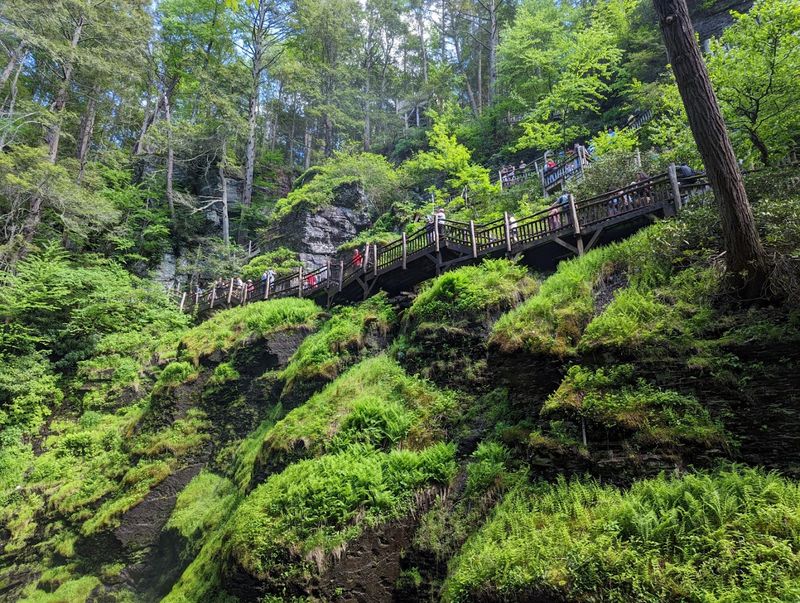
Centuries-old giants rise toward the sky, their evergreen boughs creating a living roof that filters sunlight into enchanting golden beams. The eastern hemlock forest surrounding the waterfall system represents one of Pennsylvania’s most ecologically significant habitats.
These trees, some exceeding two hundred years old, provide crucial shelter for wildlife and maintain the cool, moist environment necessary for the gorge ecosystem to thrive.
Walking beneath this canopy transports visitors to another time when such forests covered much of the northeastern landscape. The distinctive layered branch pattern of hemlocks creates unique lighting effects, especially during early morning and late afternoon hours.
The temperature beneath these trees remains noticeably cooler than surrounding areas, offering natural air conditioning during summer visits.
Unfortunately, these magnificent trees face threats from woolly adelgid infestations affecting hemlocks throughout the region. Park management works diligently to protect the forest, implementing treatment programs to preserve these irreplaceable natural treasures.
Educational signage along trails explains the ecological importance and ongoing conservation efforts.
The forest floor beneath the hemlocks supports distinctive plant communities adapted to low light conditions. Ferns, mosses, and wildflowers create layers of green vegetation that enhance the prehistoric atmosphere of the setting.
Architectural Marvels of Wood and Steel
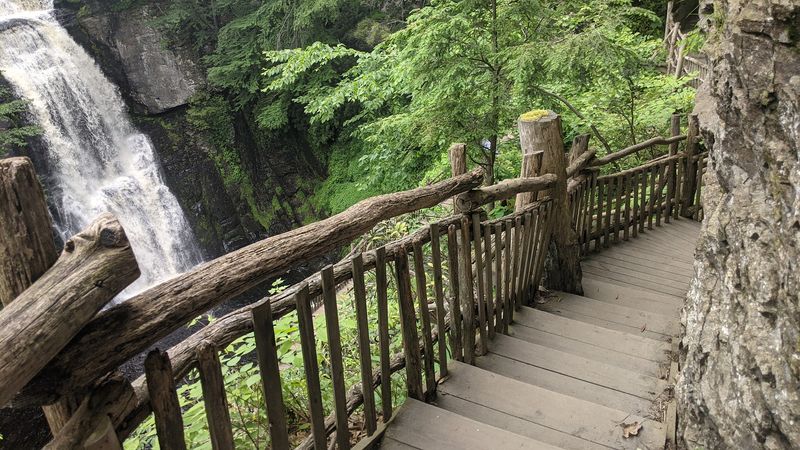
Engineering meets nature in spectacular fashion through hundreds of feet of carefully constructed pathways that seem to float above the gorge. The extensive system of wooden bridges, staircases, and platforms represents years of planning and construction work.
These structures allow visitors safe access to viewpoints that would otherwise require technical climbing skills or dangerous scrambling over wet rocks.
Each viewing platform positions guests at optimal angles for appreciating specific waterfalls or gorge features. Railings throughout ensure safety without obstructing views, while non-slip surfaces on steps prevent accidents during wet conditions.
The wooden materials blend aesthetically with the natural environment, avoiding the harsh industrial appearance metal structures might create.
Maintenance crews continuously inspect and repair these walkways, as constant moisture and heavy foot traffic create ongoing challenges. Visitors sometimes complain about the entrance fee, not realizing the enormous expense involved in preserving this infrastructure.
Without proper upkeep, the trails would become dangerous and eventually unusable.
Photographers particularly appreciate how the geometric lines of bridges and railings can be incorporated into compositions, adding human-made contrast to natural beauty. The pathways themselves become photographic subjects, especially when autumn leaves carpet the wooden planks or morning mist swirls between the railings.
The Ultimate Red Trail Challenge
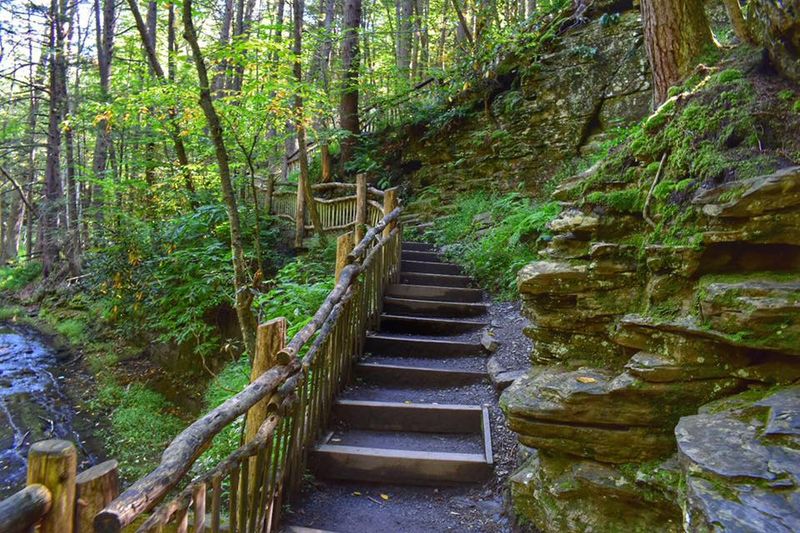
Serious adventurers seek out the longest route option, which promises the most comprehensive experience but demands significant physical effort. Spanning roughly two miles, this path visits all eight waterfalls while climbing and descending hundreds of stairs carved into the mountainside.
Most hikers complete the circuit in two to three hours, though leisurely explorers taking frequent photo breaks may need longer.
The trail begins with the most strenuous section, tackling steep elevation changes right away. Experienced hikers recommend going counterclockwise, as this approach gets the hardest climbing finished while energy levels remain high.
The latter half becomes progressively easier, allowing tired legs to enjoy gentler terrain before returning to the entrance area.
Strategic rest benches appear at intervals where exhausted visitors can pause and catch their breath while enjoying forest views. Water bottle refill stations don’t exist along the trail, so carrying adequate hydration proves essential, especially during summer heat.
Many hikers pack light snacks to maintain energy levels throughout the extended journey.
Despite the physical demands, families with reasonably fit children successfully complete this route regularly. The pride children feel after finishing the full trail creates lasting memories and builds confidence in their outdoor abilities.
Family-Friendly Yellow Trail Adventure
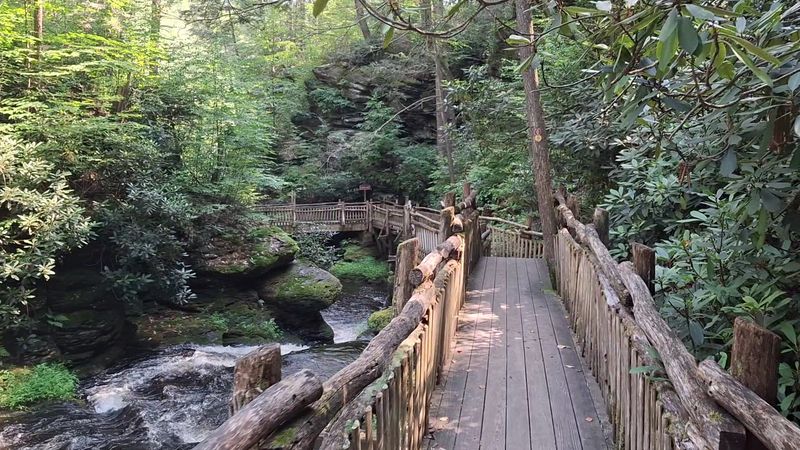
Parents seeking an accessible outdoor adventure find perfect balance in the moderate middle route option that delivers impressive scenery without overwhelming young children. This trail extends beyond the basic green route but stops short of the red trail’s demanding sections.
Taking approximately one hour to complete, it showcases several waterfalls while incorporating manageable stair climbing that builds kids’ hiking confidence.
The pathway design considers families specifically, with gentler grades and shorter stair sections compared to the most difficult route. Frequent viewpoints provide natural stopping places where children can rest, have snacks, or simply marvel at the scenery.
Parents appreciate these built-in break spots that prevent complaints and meltdowns that might occur on longer, more difficult trails.
Educational signs positioned along this route teach children about forest ecology, waterfall formation, and local wildlife. Reading these together creates learning opportunities beyond simple physical activity.
Many families bring field guides to identify plants, birds, and insects encountered along the way, transforming the hike into a science lesson.
Stroller accessibility remains limited due to stairs and uneven surfaces, so baby carriers work better for families with infants. However, toddlers who walk confidently generally handle the terrain without problems, especially wearing proper footwear with good grip on potentially slippery wooden surfaces.
Paradise for Waterfall Photographers
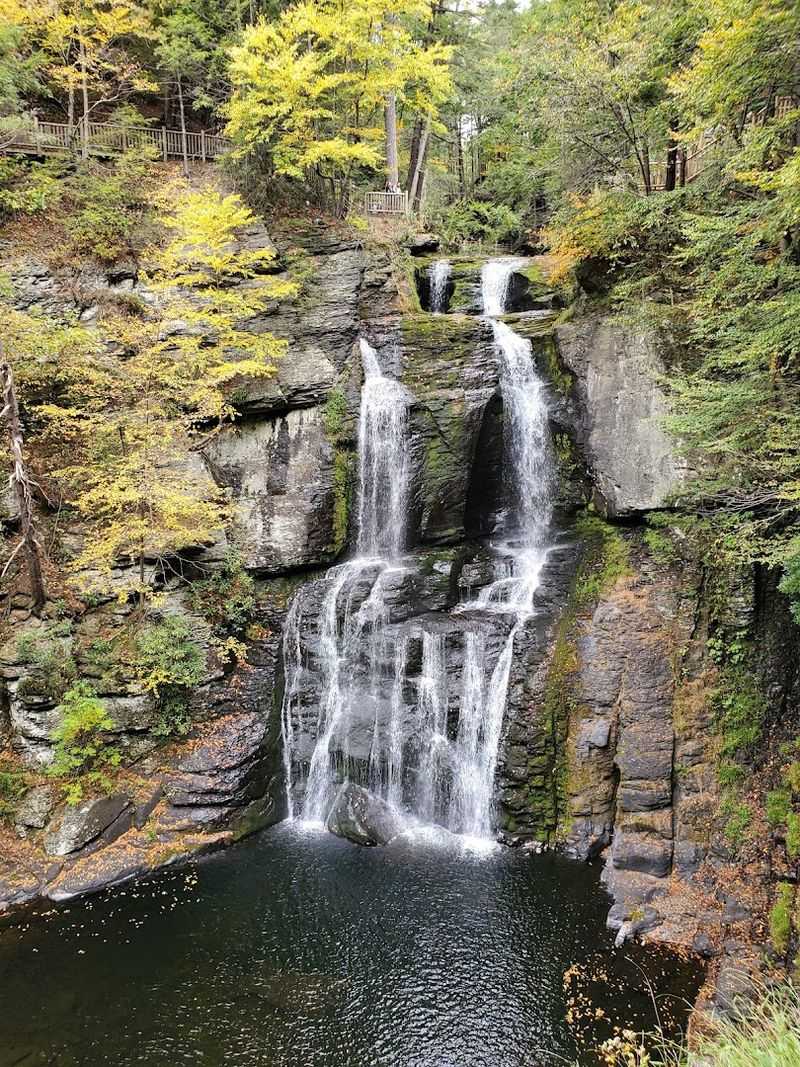
Camera shutters click constantly throughout the park as both amateur and professional photographers pursue that perfect shot. The combination of multiple waterfalls, dramatic lighting conditions, and photogenic forest settings creates endless composition possibilities.
Each season delivers unique photographic opportunities, from ice formations in winter to vibrant foliage in autumn, ensuring repeat visits yield fresh images.
Serious photographers arrive early when crowds remain thin and morning light filters beautifully through the hemlock canopy. Long exposure techniques transform flowing water into silky curtains of white, requiring tripods that some visitors lug along despite the challenging stairs.
Polarizing filters help manage bright reflections off wet rocks and enhance forest colors.
The wooden bridges and viewing platforms, while criticized by some as too developed, actually provide stable shooting positions that would be impossible on raw natural trails. These structures allow photographers to set up equipment securely while accessing angles unavailable from the ground.
Many stunning published photographs of the falls were only possible because of this infrastructure.
Social media has increased photography pressure at popular viewpoints, with visitors sometimes waiting turns at prime locations. Weekday visits offer more space and flexibility for setting up shots without crowds in the background.
The park’s natural beauty makes even smartphone snapshots impressive, democratizing the photography experience.
Comprehensive Visitor Amenities and Services
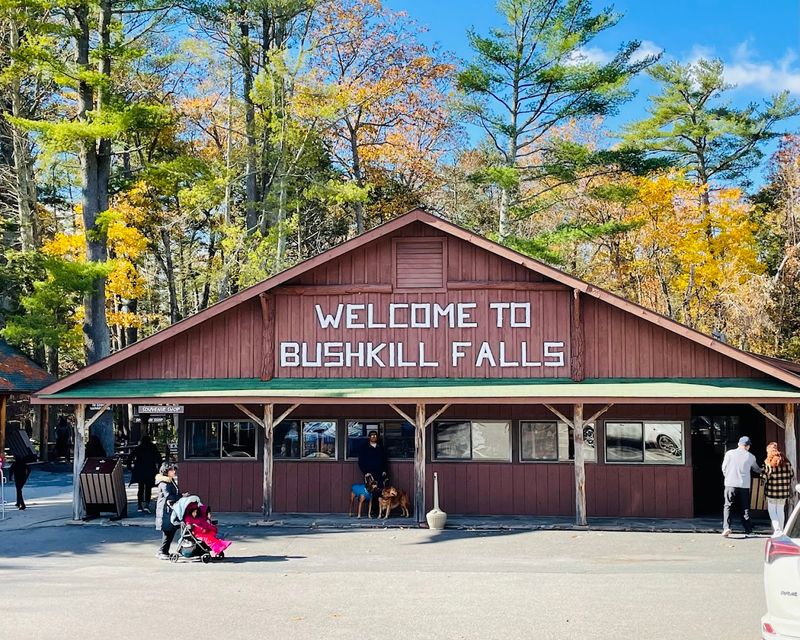
Unlike remote wilderness locations requiring extensive preparation, this destination provides modern conveniences that enhance comfort without diminishing the natural experience. Clean restroom facilities with running water greet visitors at the entrance, eliminating concerns about primitive facilities that discourage some potential hikers.
The well-stocked gift shop offers Pennsylvania-themed souvenirs, hiking supplies, and educational materials about local ecology and history.
Food service options range from quick snacks to more substantial meals, though many reviewers suggest bringing personal food for better quality and value. Picnic areas with tables allow families to enjoy lunches surrounded by nature without the expense of purchasing on-site meals.
However, the convenience of grabbing ice cream or drinks after a hot hike appeals to many visitors despite higher prices.
Ample parking accommodates busy weekend crowds, though arriving early ensures spots closest to the entrance. The privately-owned operation means admission fees support all facility maintenance, staff salaries, and ongoing improvements.
At twenty-two dollars per adult, some visitors initially balk at the cost compared to free natural areas, yet most agree the price proves worthwhile after experiencing the well-maintained trails and stunning scenery.
Advance online ticket purchases help avoid entrance lines during peak times, with printed or digital confirmations accepted. Cell phone service proves unreliable, so downloading tickets beforehand prevents technical difficulties at the gate.
Seasonal Transformations Throughout the Year
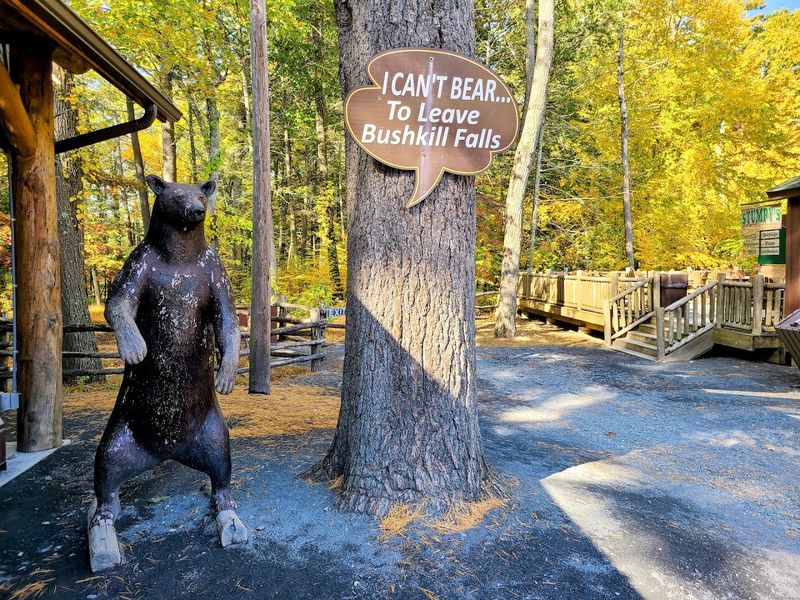
Nature’s calendar transforms this landscape dramatically with each passing month, rewarding repeat visitors with completely different experiences across seasons. Spring awakening brings maximum water flow as snowmelt swells the streams, creating the most powerful and thunderous waterfall displays.
Wildflowers carpet the forest floor, and migrating birds fill the canopy with song, adding auditory dimension to the visual spectacle.
Summer offers the most comfortable hiking conditions, with the hemlock canopy providing shade and the gorge’s microclimate keeping temperatures pleasant even during heat waves. However, this season attracts peak crowds, especially weekends, leading to congestion at popular viewpoints and longer waits for perfect photographs.
Weekday visits or early morning arrivals help avoid the masses.
Autumn transforms the surrounding deciduous trees into brilliant displays of orange, red, and yellow, creating stunning contrast against evergreen hemlocks and white cascading water. This season ranks as many visitors’ favorite, though it also draws large crowds seeking fall foliage experiences.
The cooler temperatures make hiking more comfortable than summer’s humidity.
Winter visits remain possible when weather permits, though ice conditions can make trails treacherous and some sections may close for safety. The waterfalls partially freeze into spectacular ice sculptures, creating otherworldly beauty worth braving cold temperatures to witness.