A garden can completely change the way a summer day feels. One moment the North Carolina heat is pressing in, and the next you are walking beneath shaded trees, hearing fountains trickle, watching butterflies move through flowers, and finding quiet corners that invite you to slow down.
Across North Carolina, blooming gardens transform August into a season of color and discovery. These carefully designed landscapes showcase everything from native wildflowers and vibrant summer blooms to historic paths, peaceful ponds, and beautifully maintained plant collections.
Some offer grand displays spread across acres, while others create intimate spaces where every flower, stone pathway, and garden detail feels thoughtfully placed.
For those looking to experience the softer side of late summer, these 12 North Carolina blooming gardens offer refreshing escapes filled with beauty, calm, and unforgettable scenery. Here are the places where August truly comes alive.
North Carolina Botanical Garden
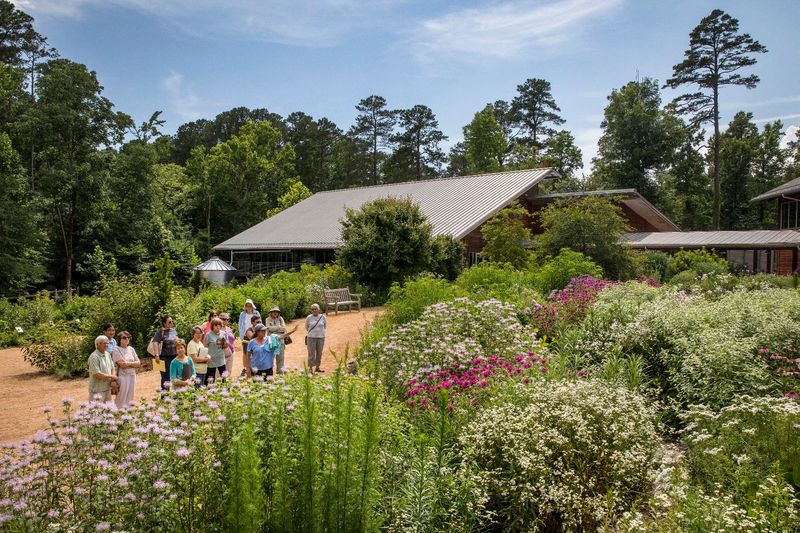
The first thing you notice is not neatness but movement. Grasses lean, bees work the blooms, and the whole landscape feels alive in a way that polished gardens sometimes do not.
That wild, intelligent beauty defines the North Carolina Botanical Garden in Chapel Hill, where native plants shape nearly every view. August brings coneflowers, sun-loving perennials, and shady woodland stretches that feel cooler than the rest of town, especially along the trails near the Piedmont Nature Paths.
There is something grounding about being surrounded by plants that belong exactly where they are. If you stop at the carnivorous plant collection or linger near a meadow edge listening to cicadas, you start to understand the place as more than a garden – it feels like a conversation with the state itself.
JC Raulston Arboretum
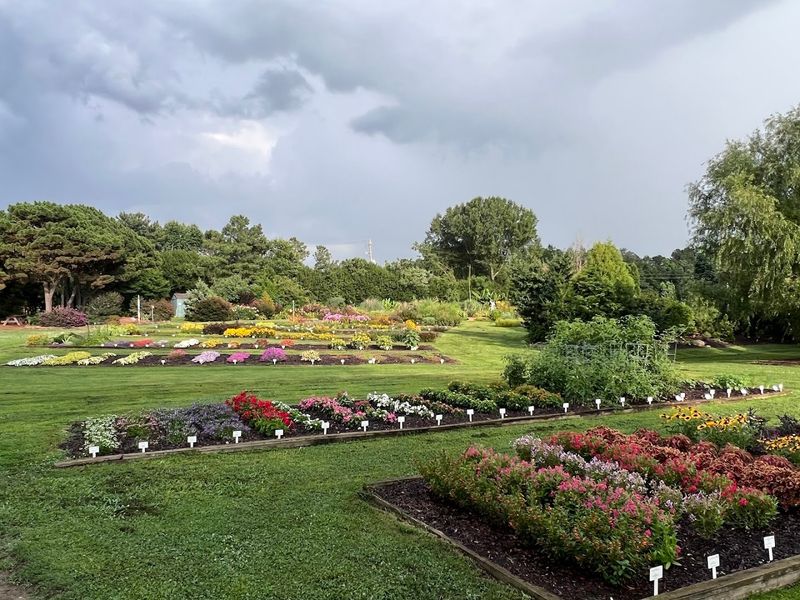
Some gardens calm you down immediately. This one wakes up your eyes first, with bold textures, unusual foliage, and flower combinations that make every turn feel slightly unexpected.
At JC Raulston Arboretum in Raleigh, August is full of contrast: tropical-looking leaves beside crisp structural beds, bright annuals against deep green trees, and specialty collections that reward slow looking. The Asian Valley and the mixed borders are especially good when summer color is at its peak and the air smells faintly warm and leafy.
I like visiting when the sun is still high because the garden does not flatten under the heat – it glows through it. You leave with details stuck in your mind, maybe a standout crape myrtle, maybe a border full of salvias, maybe simply the feeling that summer still has plenty to say.
Daniel Stowe Botanical Garden
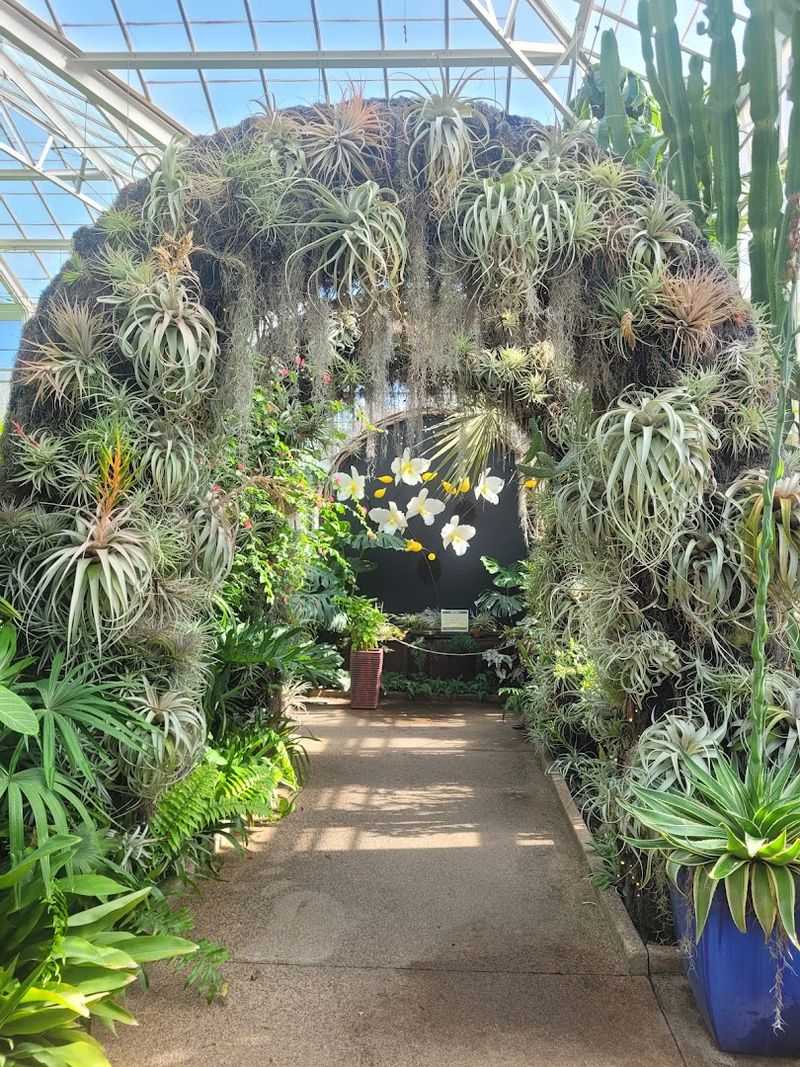
Heat hangs over the lawns here in a way that makes the fountains feel almost theatrical. Water catches the light, stone paths hold the warmth of the day, and the whole place seems designed for long, unhurried wandering.
Daniel Stowe Botanical Garden in Belmont spreads out with a sense of occasion, from broad formal spaces to quieter planted edges. In August, summer flowers fill the beds, the conservatory adds an extra layer of lushness, and the orchid displays can feel like stepping into another climate entirely.
What stays with me most is the rhythm of the place. One minute you are crossing open lawns with big sky above, the next you are close to petals, fragrance, and the soft splash of water, and that shift makes the garden feel generous without ever being overwhelming.
UNC Charlotte Botanical Gardens
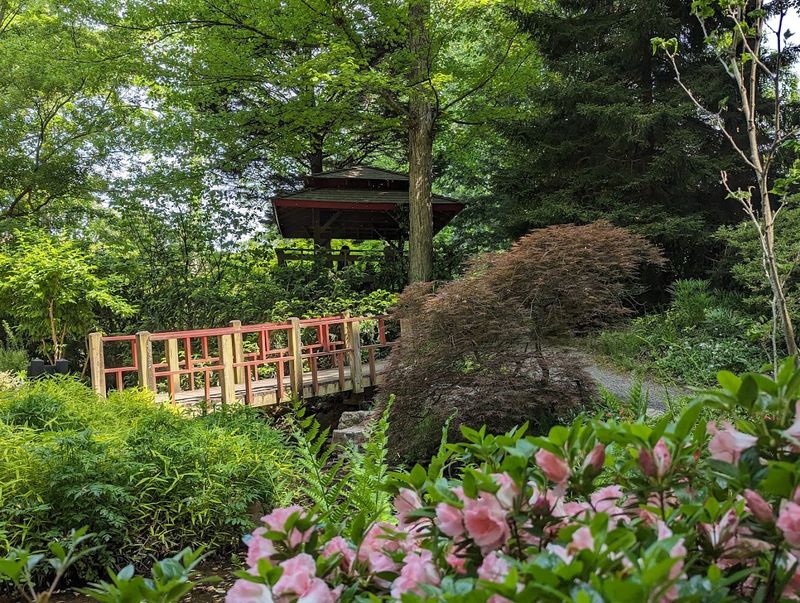
There is a pleasant surprise in finding a garden this layered in the middle of university energy. You move from summer brightness to greenhouse humidity and back again, as if the campus keeps opening secret doors.
At the UNC Charlotte Botanical Gardens, August puts the outdoor collections and the McMillan Greenhouse in a particularly interesting conversation. Native plant sections feel grounded and regional, while tropical specimens indoors deliver that lush, close, almost cinematic kind of beauty that makes you slow your pace.
I love how approachable the whole place feels. You can spend time studying unusual leaves, catch pockets of seasonal color near the paths, and then sit for a minute while students pass nearby, giving the garden a living backdrop that feels current rather than preserved.
Elizabethan Gardens
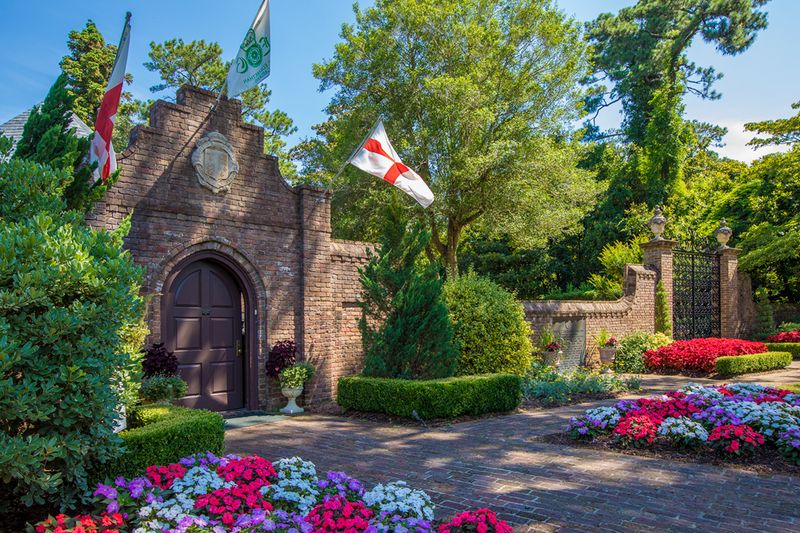
Salt air and roses are not a combination you forget quickly. The breeze shifts through the trees, and suddenly a formal garden on the coast feels both stately and a little dreamlike.
That mood belongs to Elizabethan Gardens in Manteo, where history softens into flowers, brick paths, and wide green rooms framed by old trees. In August, the coastal light gives the plantings a gentler glow, and details like statuary, seasonal beds, and glimpses of Roanoke Island sky make each turn feel quietly dramatic.
It is not just beautiful – it feels storied without becoming stiff. If you pause near the sunken garden or wander after visiting the nearby waterfront, you get that rare sense of place where landscape, weather, and history meet in a way that lingers long after you leave.
Sarah P. Duke Gardens
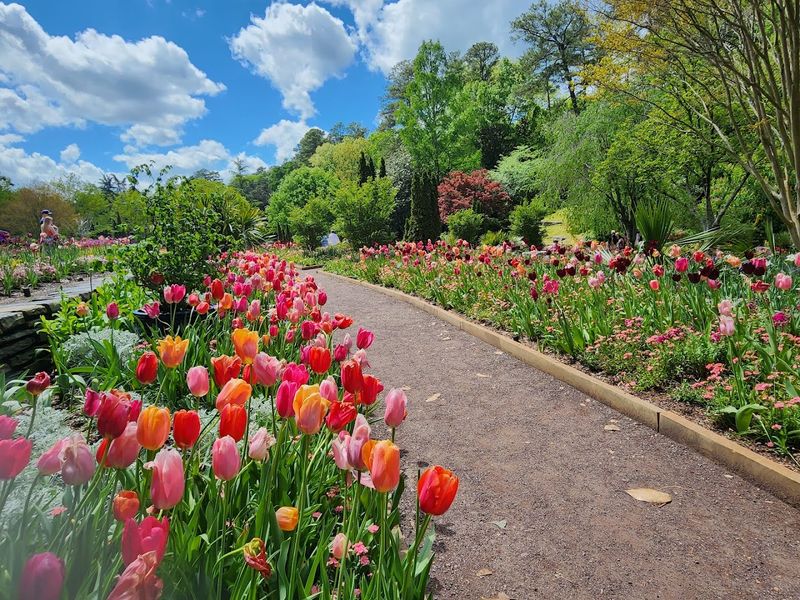
By August, the light feels syrupy here, settling over clipped hedges and flowerbeds with a softness that makes even a hot afternoon seem forgiving. You catch flashes of bright zinnias, the cool shimmer of water, and long green views that keep pulling you forward.
Later, the path opens into Sarah P. Duke Gardens in Durham, where the formal terraces feel balanced by looser, exuberant plantings.
I love how the Doris Duke Center area gives way to quieter corners, and how the lilies and fountains create little pockets of relief.
It is the kind of place where you can wander without checking the time. A bench under mature trees, a slow pass through the Blomquist section, and the hum of insects in the heat make August feel rich instead of rushed.
Paul J. Ciener Botanical Garden
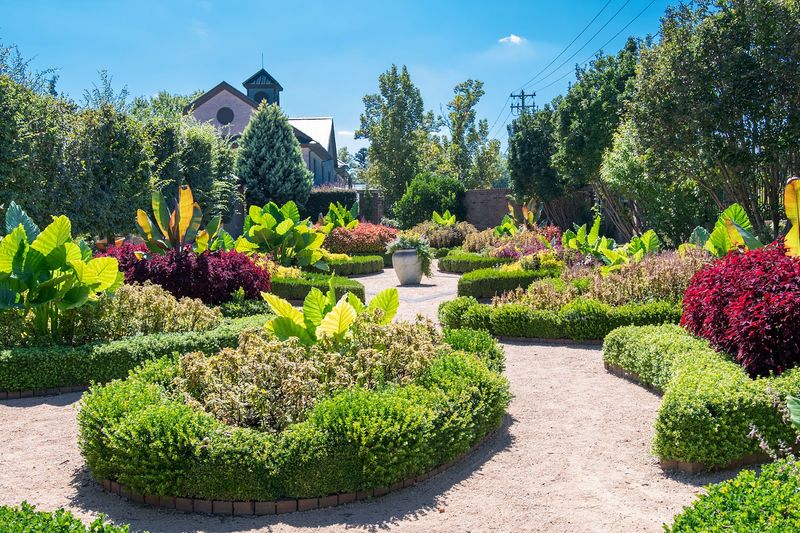
Not every memorable garden needs grand scale. Sometimes what works best in August is a place that feels intimate, composed, and easy to slip into between the rest of the day.
Paul J. Ciener Botanical Garden in Kernersville has that kind of charm, with carefully arranged beds, seasonal perennials, and roses that still manage to command attention in late summer.
The garden sits close to downtown, yet once you are inside, the mood turns hushed, almost tucked away from traffic and routine.
I find its smaller size part of the appeal because nothing competes for your attention. You notice the curve of paths, the color layering in the borders, and the way a quick visit can stretch into something slower, especially when the evening light settles across the plantings and everything looks briefly luminous.
Reynolda Gardens
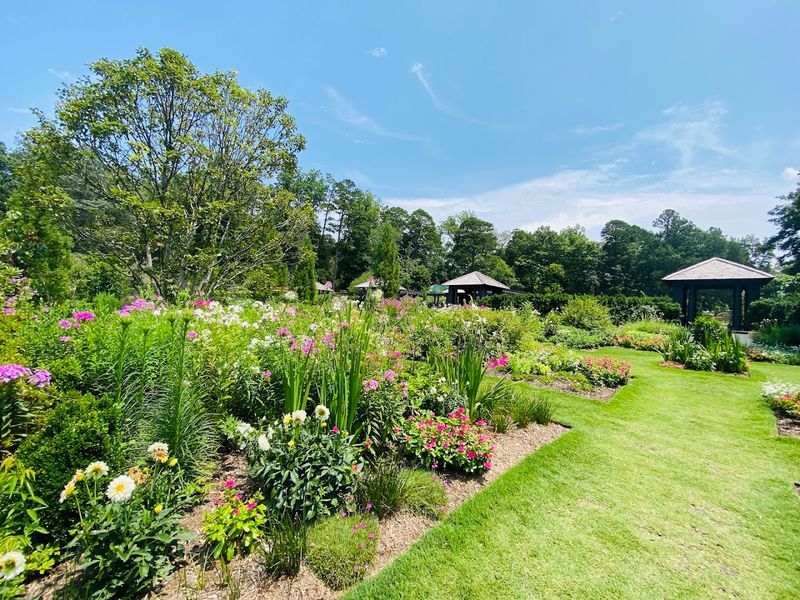
Some places hold summer with a kind of old-fashioned grace. Brick, clipped beds, and long-established trees create a feeling that the season has passed through here beautifully for generations.
Reynolda Gardens in Winston-Salem carries that mood effortlessly, especially in August when formal areas, borders, and shaded walks balance color with calm. The restored greenhouse complex and the surrounding estate landscape add depth, making it easy to shift from admiring flowers to noticing architecture, garden structure, and the way history sits gently in the background.
What I appreciate most is how unshowy it is. You can stroll, catch the scent of warm earth after a recent watering, then wander toward Reynolda Village for coffee, and the whole outing feels stitched together by elegance rather than spectacle.
The Arboretum at Tanglewood Park
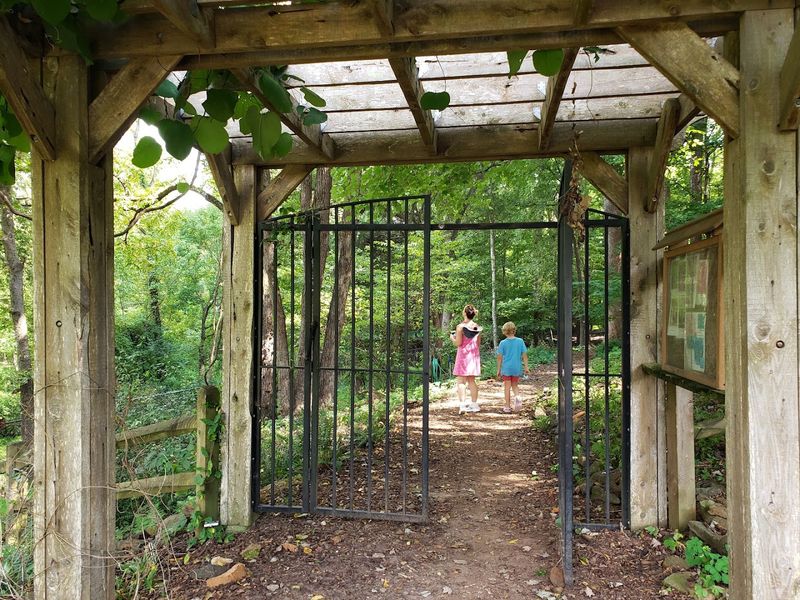
There is something satisfying about a garden that feels woven into a full day outdoors. You hear kids in the distance, catch the scent of sun-warmed flowers, and the landscape seems made for walking rather than posing.
That easy appeal defines the Arboretum at Tanglewood Park in Clemmons, where landscaped beds and trails sit inside a larger park setting. August brings strong color and generous greenery, and the transition between cultivated spaces and broader open grounds makes the visit feel relaxed instead of overly curated.
It is a good place to notice small things without losing the bigger picture. Maybe it is a butterfly working a cluster of blooms, maybe the shelter of mature trees after a bright stretch of path, or maybe simply the way the garden lets summer feel social and peaceful at the same time.
Greensboro Arboretum
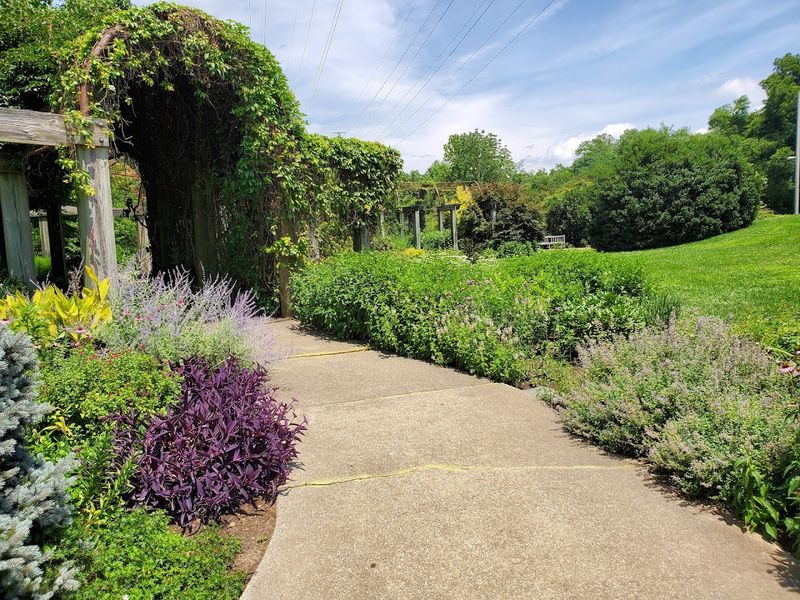
A wooden bridge, a bend in the path, and suddenly the city feels farther away than it really is. August can be loud and bright, but this garden answers with texture, shade, and water-smart calm.
The Greensboro Arboretum spreads across themed areas that keep the walk interesting, from perennial beds to rose plantings and open lawns. In late summer, the variety matters because every section catches the season differently, and little details like arbors, bridges, and layered borders help the place feel exploratory rather than linear.
You do not need a plan here, which is part of its appeal. Wander until a flower combination stops you, sit long enough to hear insects over distant traffic, and the garden starts to feel less like a municipal space and more like one of the city’s best-kept pauses.
The North Carolina Arboretum
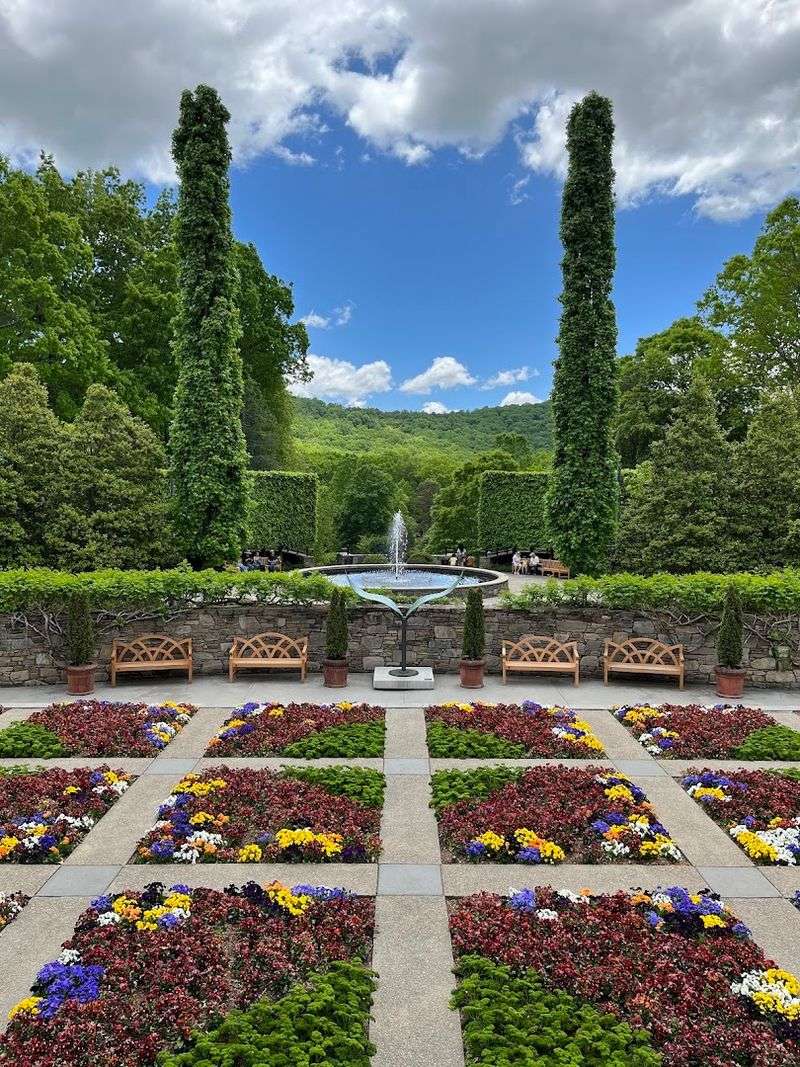
The North Carolina Arboretum transforms the beauty of the Blue Ridge Mountains into a living showcase of colorful gardens, native plants, and carefully designed landscapes. Located just south of Asheville, this 434-acre public garden offers visitors a peaceful escape filled with blooming displays, forest trails, and breathtaking mountain scenery.
The gardens are especially beautiful during the warmer months, when seasonal flowers, wildflowers, and pollinator-friendly plants bring vibrant color throughout the property. Visitors can explore the Quilt Garden, the National Native Azalea Collection, the Bonsai Exhibition Garden, and more than 65 acres of cultivated gardens designed to highlight the region’s natural beauty.
August is a wonderful time to wander the shaded pathways, admire summer blooms, and enjoy the peaceful combination of flowers, forests, and mountain views. With miles of trails, educational exhibits, and constantly changing seasonal displays, The North Carolina Arboretum feels less like a traditional garden and more like a complete nature experience in the heart of western North Carolina.
Biltmore Rose Garden
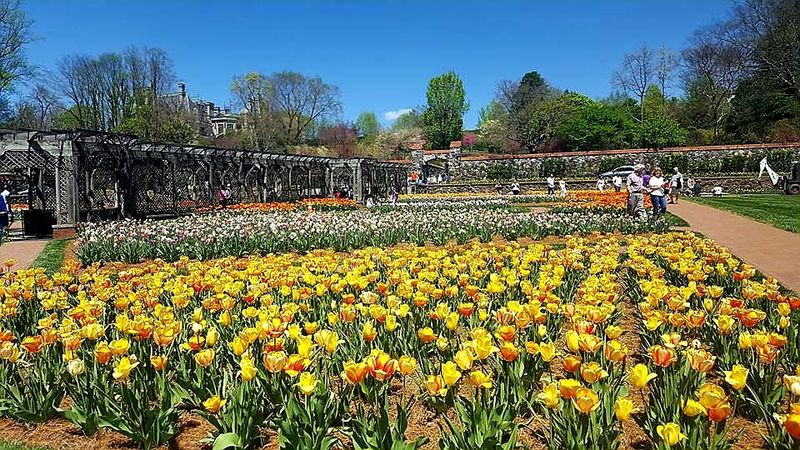
Biltmore’s Gardens and Grounds transform a historic estate into one of North Carolina’s most breathtaking blooming destinations. Spanning 8,000 acres in Asheville, this extraordinary landscape was designed by legendary landscape architect Frederick Law Olmsted, the creator of New York’s Central Park.
Today, visitors can explore formal gardens, peaceful walking paths, forests, meadows, and seasonal flower displays that change throughout the year.
The Walled Garden is one of the estate’s highlights, bursting with colorful flowers, while the Conservatory showcases tropical plants and exotic blooms in every season. The Rose Garden features hundreds of rose varieties, creating a spectacular display for flower lovers.
August is a beautiful time to visit, when summer blooms fill the gardens with vibrant color and the surrounding Blue Ridge Mountain scenery adds an unforgettable backdrop. With its combination of history, architecture, and carefully designed landscapes, Biltmore feels less like a garden visit and more like stepping into a living work of art.