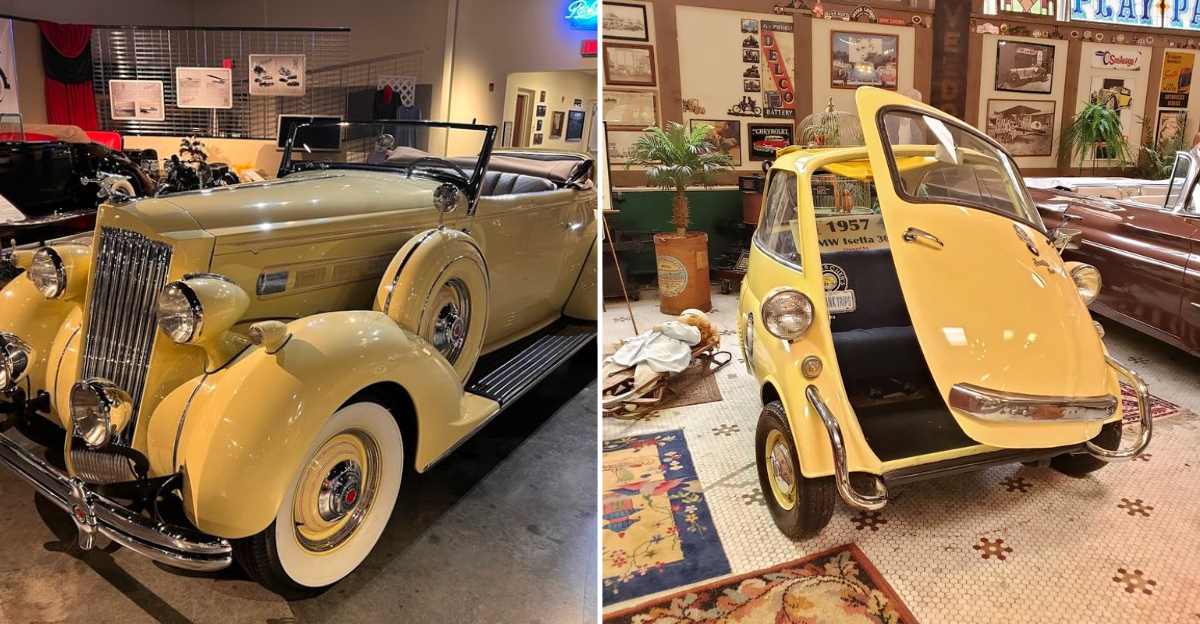
Neon reflections on polished hoods, the faint echo of showroom footsteps, and the quiet permanence of machines that once defined entire eras still linger in parts of Ohio where automotive history hasn’t been forgotten—it’s been carefully preserved. Former dealerships, tucked-away private collections, and purpose-built museums give the state a layered identity, where every vehicle seems to arrive with its own backstory already in motion.
Across the region, Ohio car museums offer a surprisingly rich journey through American automotive culture, blending classic cars, racing legends, rare prototypes, and personal collections shaped by decades of passion. Many of these spaces feel less like exhibits and more like time capsules, where design choices, mechanical details, and regional history come together under one roof.
This guide to the Ohio car museums that belong on every gearhead’s bucket list brings together standout destinations worth planning a trip around. Inside, you’ll discover 12 stops where craftsmanship, nostalgia, and horsepower meet in ways that turn an ordinary drive into something unforgettable.
America’s Packard Museum
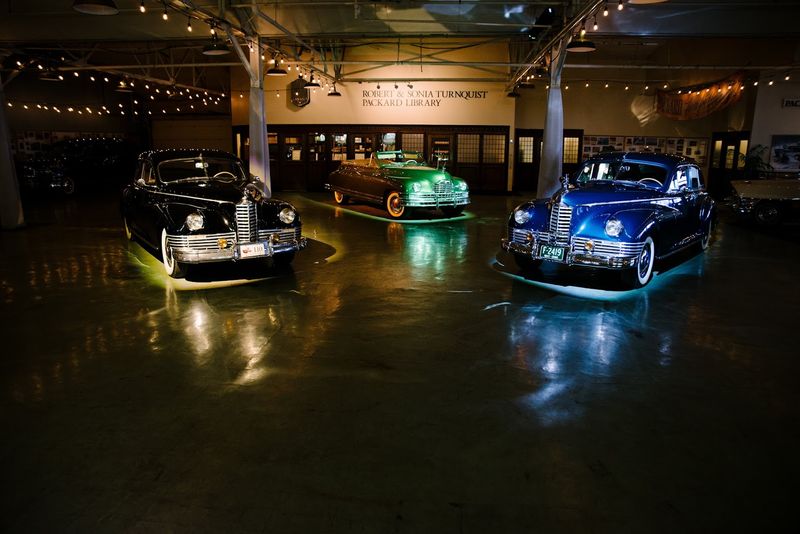
The first thing that hits you is the elegance. Not speed, not noise, but the hushed glamour of a time when buying a car felt closer to attending the opera than walking a sales lot.
Marble, glass, and gleaming fenders set the mood before you even start reading the placards.
That atmosphere makes America’s Packard Museum in Dayton feel unusually intimate. Set inside a restored 1917 dealership on South Ludlow Street, it lets you drift through Packard’s golden years while taking in details like ornate light fixtures, hood ornaments, and deep leather interiors that still look ready for a night downtown.
Step outside afterward and you are close to Dayton’s walkable core, where you can grab coffee or lunch and keep the day moving. Even if Packard was never your brand, this place has a way of making you understand why it mattered so much.
National Packard Museum
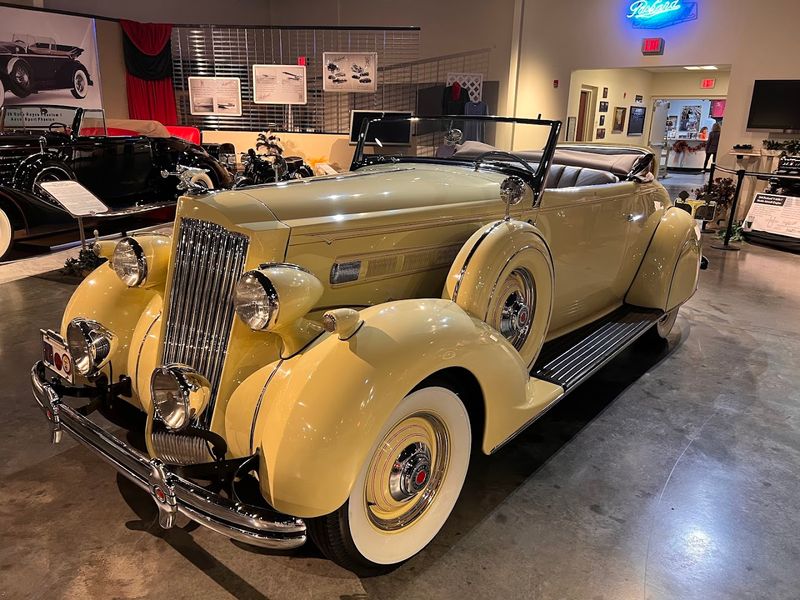
There is something quietly moving about a museum built around devotion. You can feel it in the careful spacing of the cars, the preserved advertisements, and the sense that every badge and brochure was saved because someone knew it would matter later.
It feels less like storage and more like memory made visible.
In Warren, the National Packard Museum gives that feeling real weight. Along with rare automobiles, you will find rotating exhibits, archives, and period memorabilia that fill in the human side of the brand, from design ambition to dealership culture.
It is the kind of place where one hood line can hold your attention longer than expected.
The museum sits in Packard country, which adds a little emotional gravity to the visit. Afterward, a simple lunch nearby and a slow walk through town make a good pairing, especially if you like your car history with context instead of just horsepower.
Crawford Auto-Aviation Museum
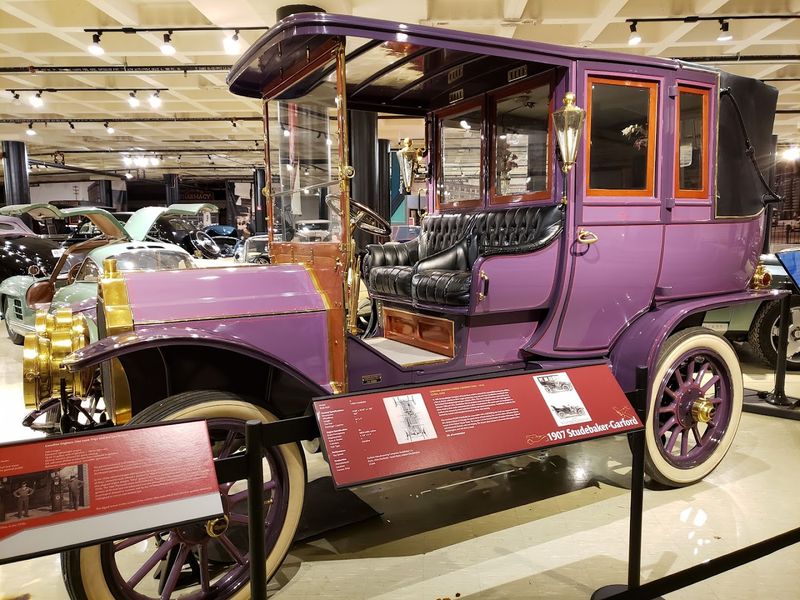
Some museums feel like a straight line, but this one moves like a conversation between inventions. You look at a car, then a motorcycle, then an aircraft, and suddenly the whole century seems to be arguing, beautifully, about how people wanted to move.
The result is energizing rather than overwhelming.
Inside Cleveland’s Crawford Auto-Aviation Museum, Ohio’s role in transportation history comes into sharp focus. The collection ranges across automobiles, bicycles, motorcycles, and aviation, with Ohio-built vehicles giving the experience a strong sense of place.
You are not just seeing machines here – you are watching a state introduce itself through motion, industry, and design.
Because it sits within University Circle, the stop fits neatly into a bigger cultural day. You can step out for a coffee, stroll past grand institutions, and come back still thinking about the way one polished fender echoed the curves of an early airplane.
Canton Classic Car Museum
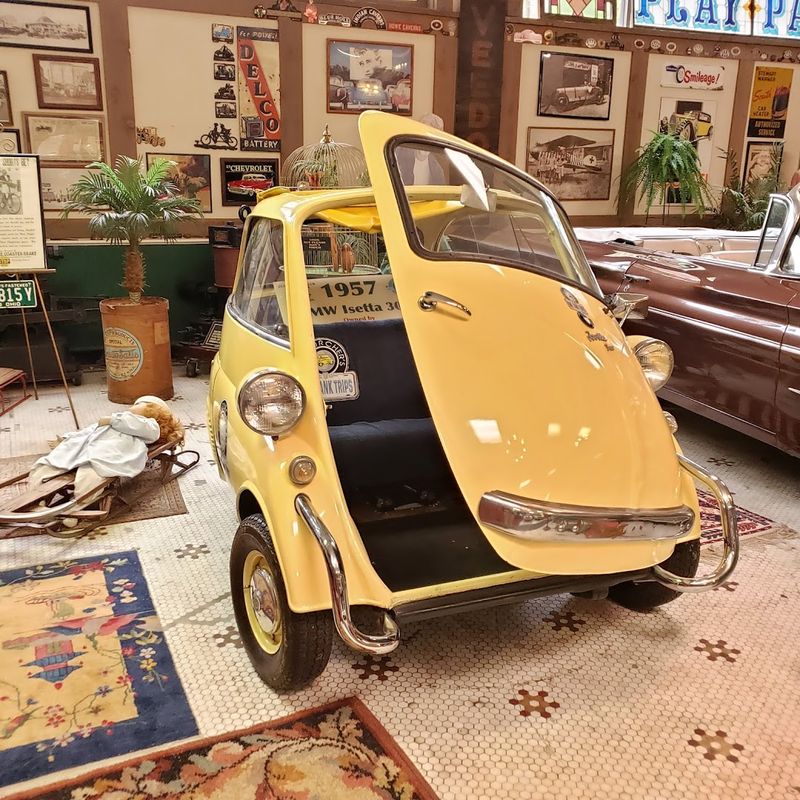
You do not need a massive building to create wonder. Sometimes a smaller museum works better, because every turn feels personal and every vehicle seems close enough to study like a sculpture.
The intimacy sharpens your attention in the best possible way.
That is exactly the charm of the Canton Classic Car Museum in downtown Canton. Its collection spans from Brass Era machines to postwar classics, and the range keeps the visit lively as styles, engineering ideas, and social moods shift from one car to the next.
Chrome, narrow tires, and beautifully simple dashboards tell stories without trying too hard.
Being in the city center helps, too. You can make a relaxed afternoon of it with lunch nearby, then return to the museum floor still thinking about how quickly automotive taste changed across decades.
It is a reminder that even a concise collection can leave a long impression on you.
Snook’s Dream Cars
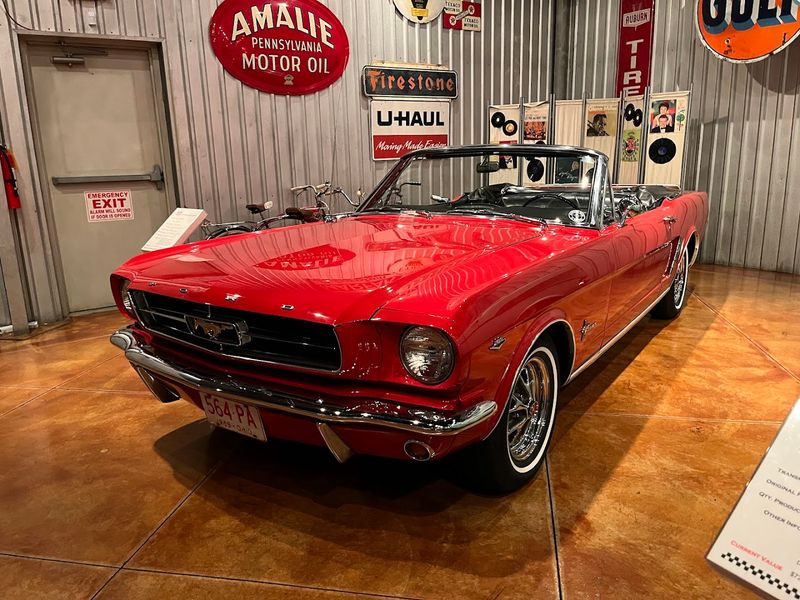
At first, it feels almost theatrical. One gallery leans into nostalgia, another into glamour, and before long you are moving through automotive history as if it were staged for maximum daydreaming.
The lighting, the polish, and the themed displays all make the cars feel larger than life.
Snook’s Dream Cars in Bowling Green embraces that sense of spectacle without losing warmth. More than seventy restored luxury, antique, and classic automobiles fill the museum, and the themed presentation keeps your eyes moving from tailfins to grilles to tiny interior details you might otherwise miss.
It is easy to get pleasantly stuck in one room longer than planned.
The surrounding area makes the stop feel easygoing rather than rushed. A meal in town or a drive through the flat northwest Ohio landscape pairs nicely with all that chrome.
You leave with the feeling that collecting cars can be both serious history and a little bit of pure joy.
Millbury Classic Cars & Trucks Museum
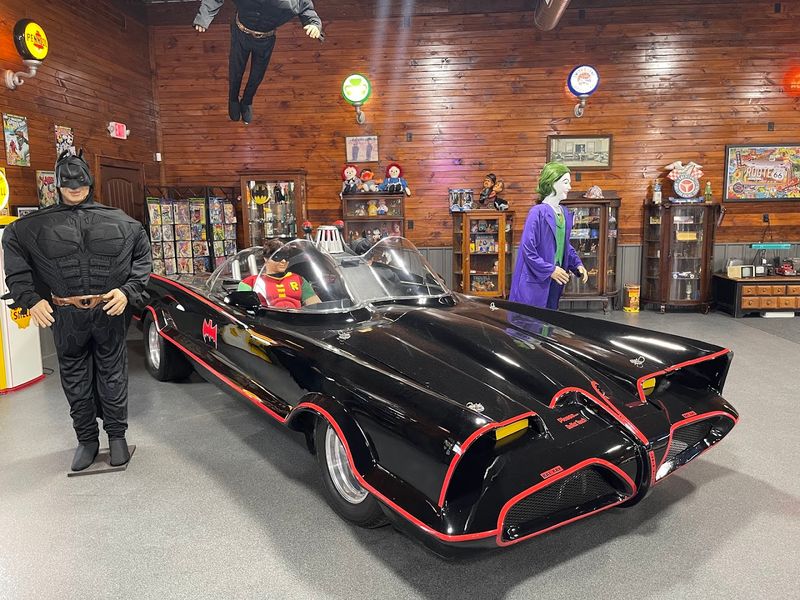
The smell of old rubber and the sight of weathered signs can pull you backward in time faster than any history book. Here, the appeal is not only in polished coupes but in the working vehicles and roadside artifacts that made everyday American driving culture what it was.
It feels wonderfully grounded.
At Millbury Classic Cars and Trucks Museum, that blue-collar side of motoring takes center stage. Restored classic cars share space with vintage pickup trucks, automobilia, and nostalgic Americana, creating a visit that feels part museum, part memory lane.
You notice little things – old service station graphics, truck beds, and practical design choices that speak to farm roads and weekend errands.
Millbury also makes a convenient stop if you are exploring the Toledo area or heading toward Lake Erie. Grab something casual to eat nearby, then let the museum’s unpretentious charm settle in.
It is a place that reminds you cars were built for real lives, not just concours lawns.
Wagner-Hagans Auto Museum
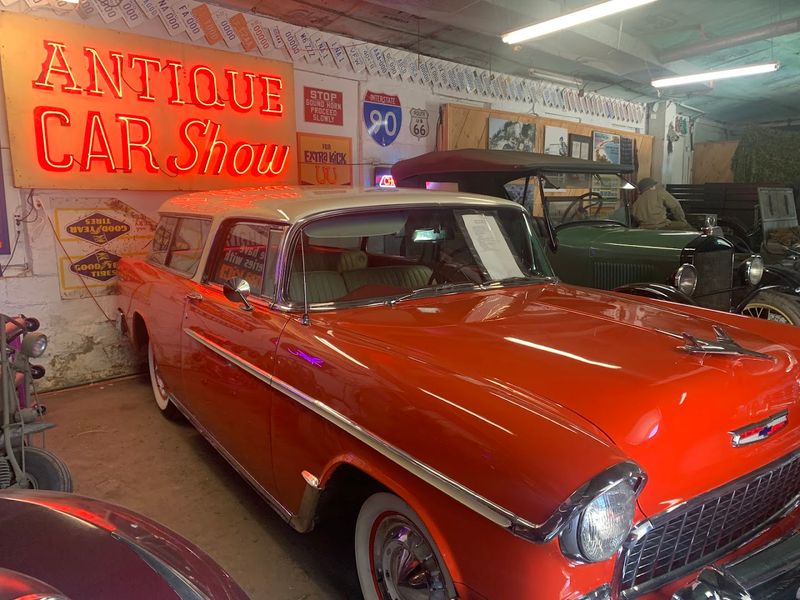
Some collections carry a pulse the moment you walk in. The race cars inject energy, the memorabilia fills in the texture, and the whole place feels like a private obsession opened just wide enough for curious visitors.
That closeness gives the museum a distinct personality.
In Columbus, the Wagner-Hagans Auto Museum blends vintage automobiles with racing machines and automotive artifacts in a way that keeps the pace lively. One minute you are admiring elegant bodywork, and the next you are reading details that point toward competition, risk, and the showmanship surrounding the sport.
It never feels sterile.
Because it is so close to the rhythms of the city, this stop works well as part of a broader Columbus day. You can grab tacos or coffee nearby, then head back out still replaying the contrast between a refined classic and a purpose-built racer.
That tension is part of what makes the visit stick with you.
British Transportation Museum
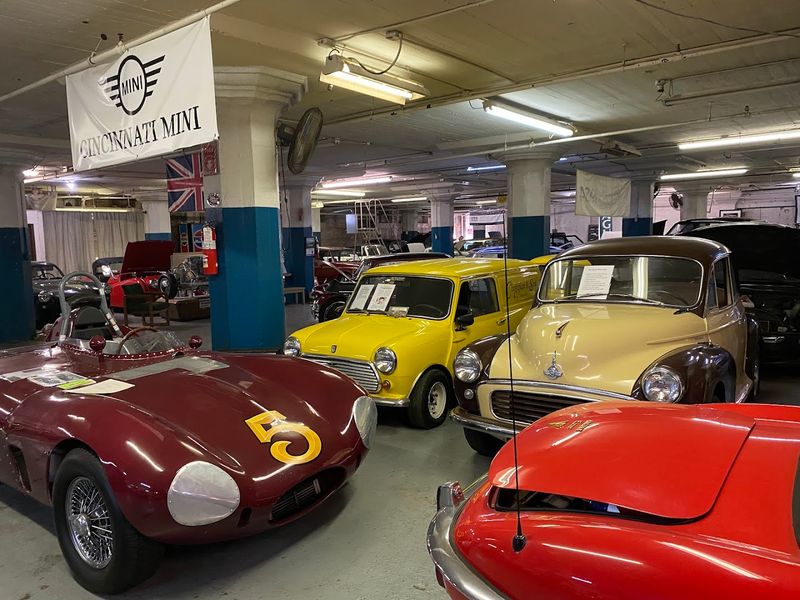
The mood shifts the second you notice the proportions. These machines are slimmer, sometimes quirkier, and full of personality that feels different from the broad-shouldered American iron found elsewhere around the state.
It is a refreshing change of accent for any road-trip itinerary.
The British Transportation Museum in Dayton celebrates that difference with cars, motorcycles, bicycles, and other transportation artifacts tied to British design and engineering. Rare imports give the visit its spark, but the real pleasure comes from comparing styles and solutions across cultures – tidy roadsters, clever details, and a kind of mechanical character that feels unmistakably British.
Dayton rewards the extra effort, too. You can pair the museum with another transportation stop, then find a local spot for lunch and let the contrasts settle in.
By the time you leave, you may find yourself thinking less about horsepower and more about charm, proportion, and the strange magic of niche automotive worlds.
Honda Heritage Center
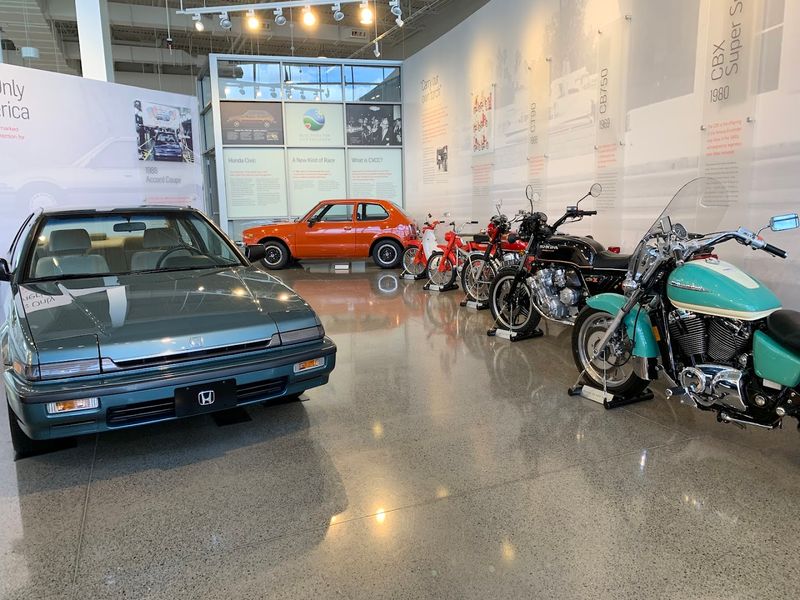
Not every museum visit is about longing for a vanished world. Sometimes the thrill comes from seeing how an everyday brand built its American identity, one factory floor and one surprisingly ambitious vehicle at a time.
The experience feels modern, precise, and a little underrated.
At the Honda Heritage Center in Marysville, production cars, motorcycles, race machines, and prototypes tell that story clearly. You get a sense of how manufacturing history, engineering culture, and consumer memory overlap, especially when familiar models sit near rarer performance or experimental vehicles.
For anyone who grew up around Hondas, the recognition factor is immediate.
The museum also works well because it broadens an Ohio car itinerary beyond classic Americana. After your visit, a drive through central Ohio’s open roads feels appropriate, as if the landscape itself explains why building and testing vehicles here made sense.
It is thoughtful, accessible, and more revealing than many travelers expect.
Clifford’s Mini Auto Museum
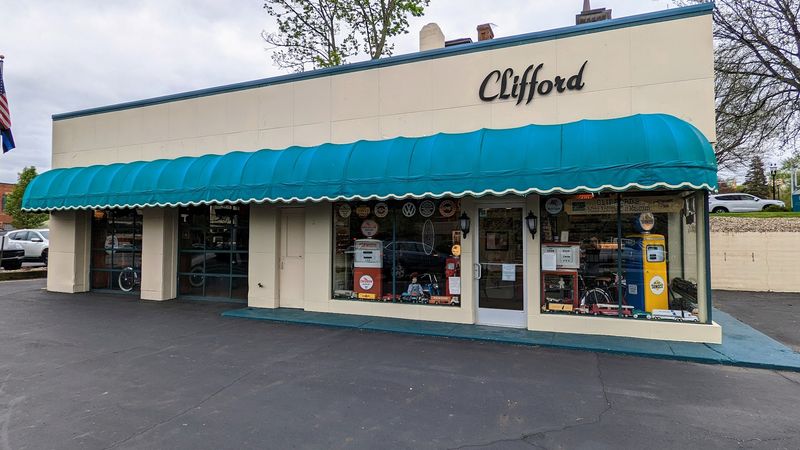
Scale can be deceptive. A tiny car behind glass can draw you in just as completely as a full-sized roadster, especially when the craftsmanship is fine enough to make you lean closer and forget everything else in the room.
That small-world fascination is the whole point here.
Clifford’s Mini Auto Museum in Cuyahoga Falls offers a different kind of gearhead pleasure through miniature automobiles, automotive collectibles, and transportation-themed displays. Instead of chasing horsepower, the visit rewards patience and curiosity, asking you to notice proportions, paint, and the loving detail packed into each model.
It is charming without being slight.
The setting also pairs nicely with a relaxed day in town. You can wander near the river, grab coffee, and treat this museum as a thoughtful detour rather than a major production.
That is part of its appeal: it reminds you automotive enthusiasm is not always about size or volume, but about attention, memory, and delight.
Carl’s Gas Station Museum & 50’s Memories
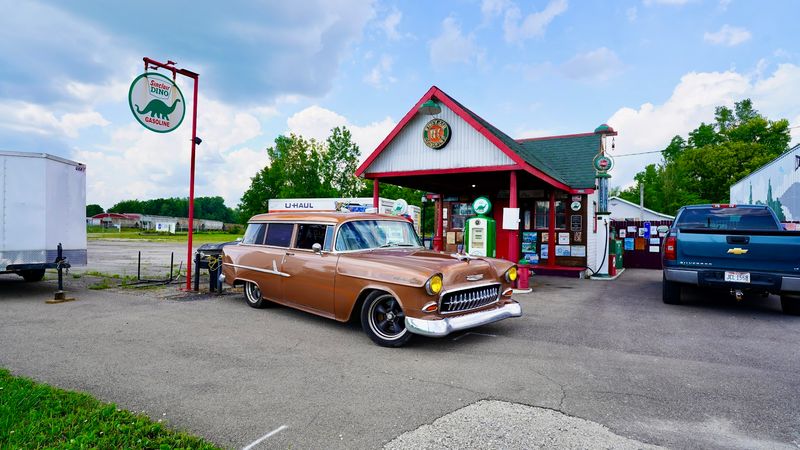
The glow of old pumps and faded signage can make an ordinary afternoon feel cinematic. Before you focus on any single car, you are already inside a mood – part roadside America, part family scrapbook, part love letter to the years when service stations had personality.
It is delightfully immersive.
Carl’s Gas Station Museum and 50’s Memories in Bucyrus leans into that nostalgia with vintage pumps, signs, automobilia, and classic vehicles arranged to evoke a mid-century stop along the highway. The details do the heavy lifting: oil cans, branded logos, and the visual rhythm of a place built for conversation as much as fuel.
Because the museum is as much atmosphere as collection, it tends to linger in your head after you leave. Find a local diner, order something simple, and the whole day starts to feel thematically perfect.
For travelers who love the culture around cars, not just the cars themselves, this one lands especially well.
The Salty Dog Museum
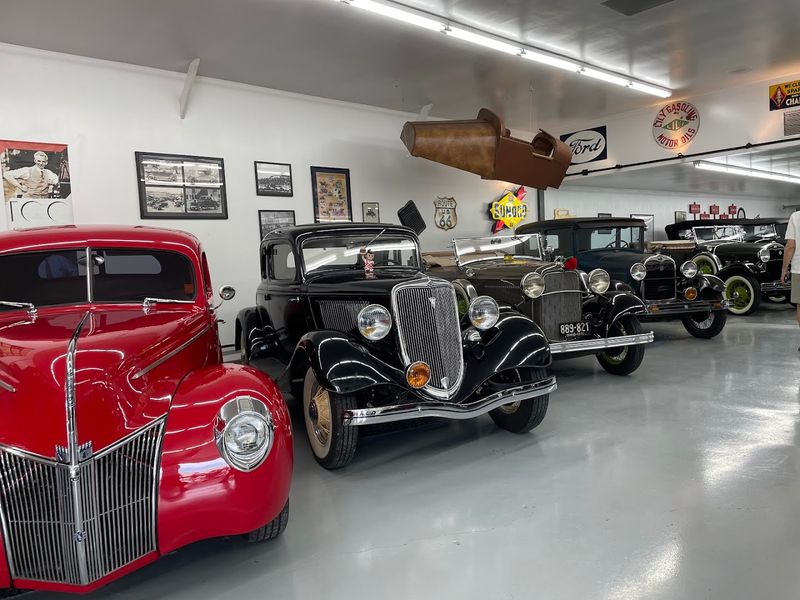
There is a certain pleasure in a place that refuses to stay in one lane. A classic automobile might share your attention with an antique truck, a military vehicle, or a tractor, and that unpredictability keeps the visit lively from start to finish.
You never quite know what will appear around the next corner.
That spirit defines The Salty Dog Museum in Shandon. The collection stretches across classic cars, antique trucks, military hardware, vintage tractors, and transportation memorabilia, creating a broad portrait of American mobility that feels personal rather than overly polished.
It is less about perfection and more about the satisfaction of seeing history preserved because someone cared enough to save it.
The rural setting adds to the experience. A drive through the countryside before or after your stop makes the museum feel connected to the land and labor many of these machines once served.
It is wonderfully eclectic, and that very looseness is why so many visitors remember it.