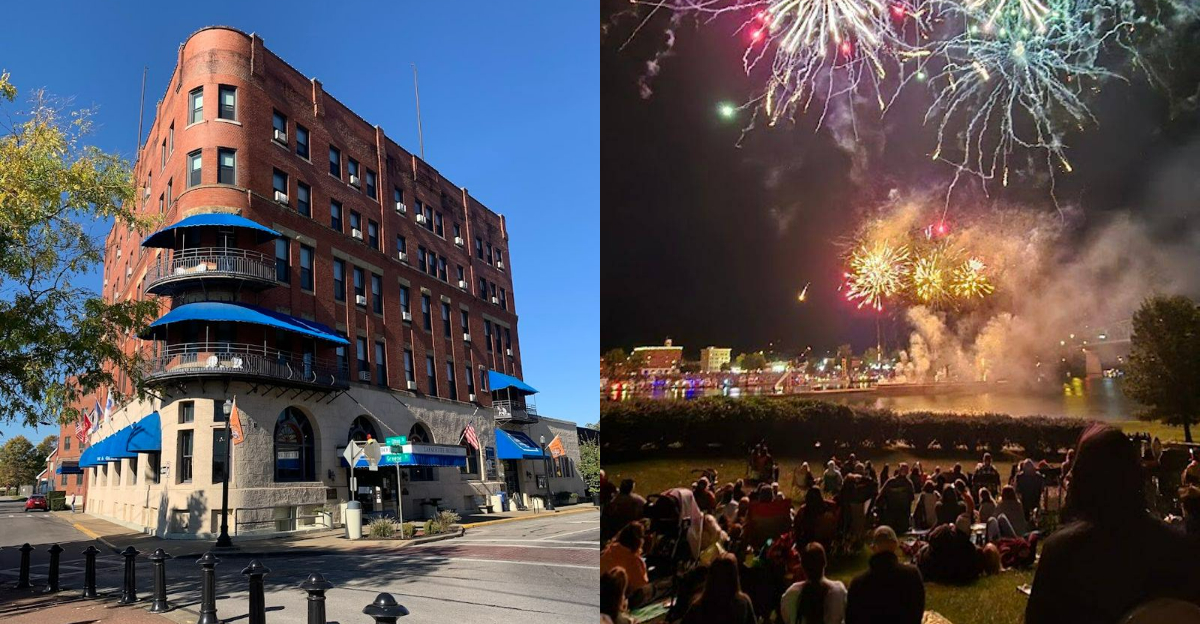
Tucked into the southeastern corner of Ohio, where the Muskingum River quietly empties into the Ohio River, sits Marietta a town that carries more history per square block than most cities ten times its size. Founded in 1788 by Revolutionary War veterans, it was the first permanent American settlement in the Northwest Territory, and it once stood on the edge of becoming Ohio’s state capital.
That near-miss with greatness never seemed to wound Marietta; if anything, it preserved the place. Walking through town today feels like the clocks slowed down sometime around 1890 and nobody bothered to speed them back up.
A River Town with a Longer Memory Than Most
Some towns are old. Marietta, Ohio is foundational the kind of old that shaped everything that came after it in the American Midwest.
Established in 1788 by a group of Revolutionary War veterans, it became the first permanent settlement in the entire Northwest Territory, a region that would eventually become five states.
Those veterans didn’t just hack out a frontier camp. They built a planned city, naming streets after ancient Greek and Roman figures like Sacra Via and Muskingum Avenue.
The intention was clear: this place was meant to matter.
Standing at the confluence of the Muskingum and Ohio Rivers today, you can still feel that original ambition. The town is small by modern standards, with just over 13,000 residents, but its bones are those of something that once aimed much higher.
That tension between grand origins and quiet present makes Marietta one of the most unexpectedly moving small towns in America.
Marietta’s Brush with Ohio’s Seat of Power
Imagine your hometown almost becoming the capital of a state and then losing out to a smaller, less established rival. That’s exactly what happened to Marietta when Ohio was working toward statehood in the early 1800s.
Marietta had serious credentials. It was the oldest settlement, had educated founders, and sat on a major river junction that made trade and communication practical.
But Chillicothe won the prize, largely due to geography and the political muscle of settlers who lived farther west and south.
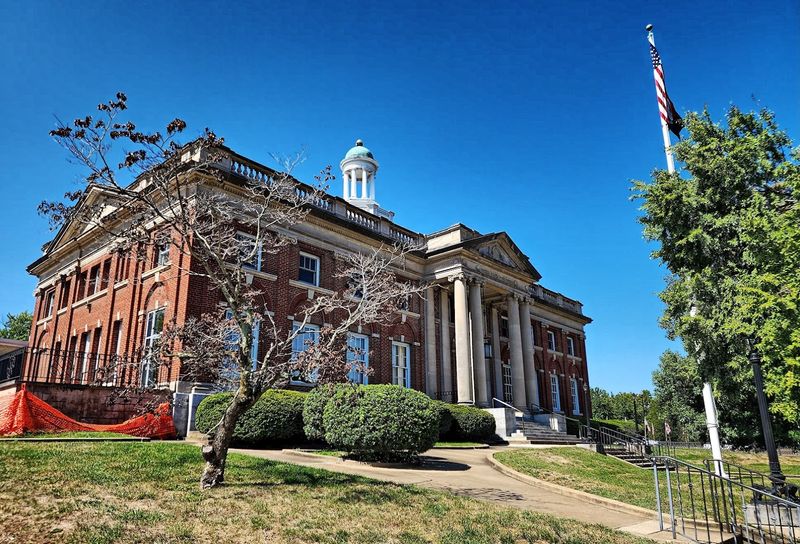
The loss left a quiet mark on the town’s identity. You notice it in the grandness of some of the older public buildings structures built with the confidence of people who expected more foot traffic, more importance, more eyes on them.
Marietta has been living in that “almost” for over two centuries, and somehow the feeling suits the place perfectly. It’s a town that carries its might-have-been with surprising grace.
The Ohio River Waterfront
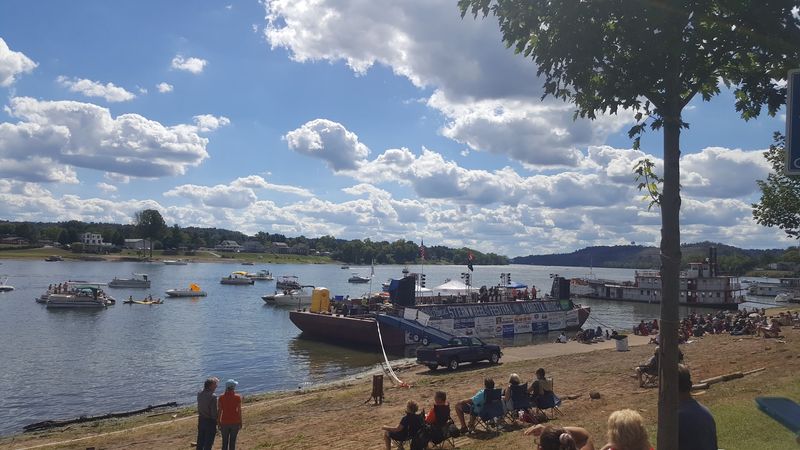
Not every river town actually faces its river anymore. Highways, parking lots, and commercial strips often cut a city off from the water that built it.
Marietta never made that mistake or maybe it just never got busy enough to make it.
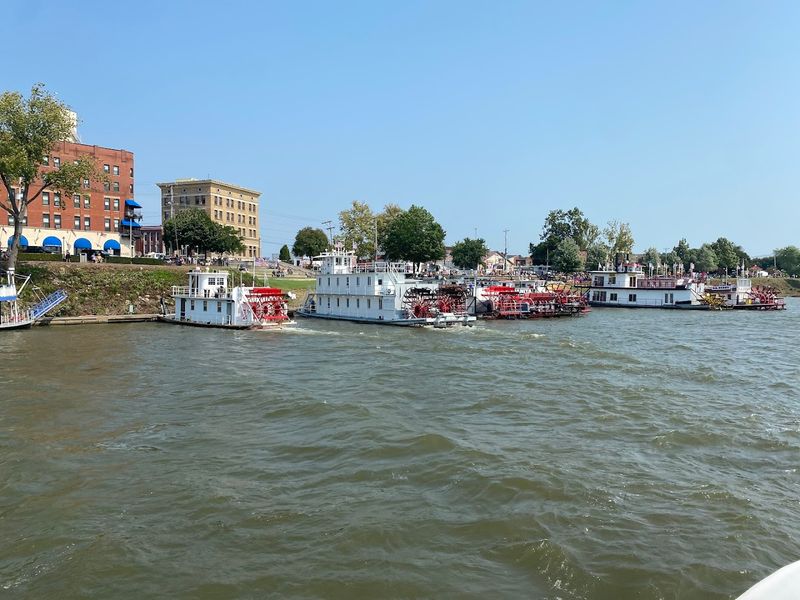
The waterfront along the Ohio is lived-in and unpretentious. Pleasure boats bob near the dock, a historic sternwheeler sits moored within easy walking distance, and on quiet evenings you can watch barge traffic move upriver with the kind of slow, deliberate power that freeways never quite replicate.
What makes the levee walk especially striking are the high-water marks on some downtown buildings dates and flood levels etched or painted right into the brick. The river has swamped this town repeatedly over the centuries, and rather than hide that fact, Marietta wears those marks like a record of survival.
The water shaped this place, and the town has never pretended otherwise.
Campus Martius Museum
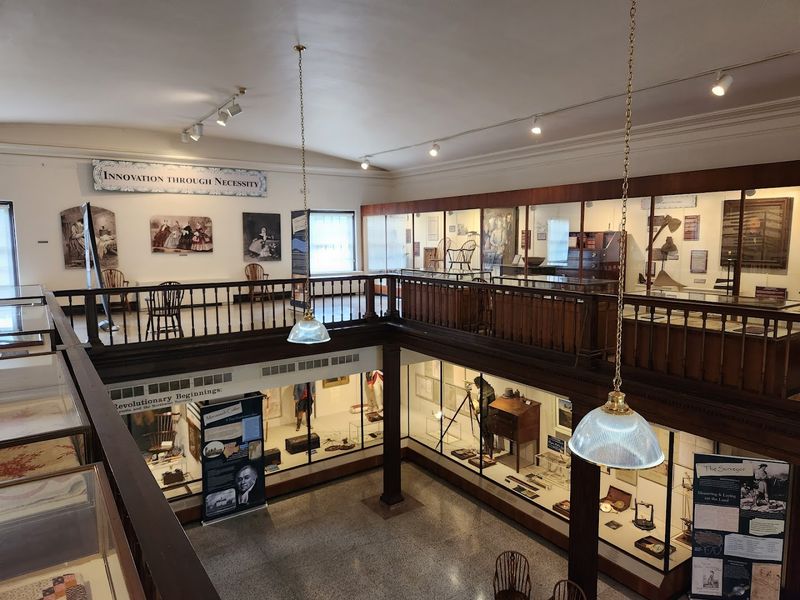
Most history museums show you objects behind glass. Campus Martius in Marietta does something rarer it lets you walk into the actual rooms where history happened.
The original fortified settlement, built in 1788, was where the first Ohio Company settlers lived when they arrived in the wilderness west of the Appalachians. The museum constructed around its remains preserves one of the original structures inside its walls, including the home of General Rufus Putnam, one of Marietta’s founders.
These aren’t reconstructions or replicas. They’re the real rooms, with original flooring and walls that have absorbed 235 years of Ohio weather.
The experience is surprisingly personal. The museum focuses less on sweeping national narratives and more on the actual people who packed their furniture onto flatboats and crossed a mountain range to build something new.
Their names, their letters, their furniture all of it is here, waiting to be noticed by anyone willing to slow down enough to look.
The Ohio River Museum
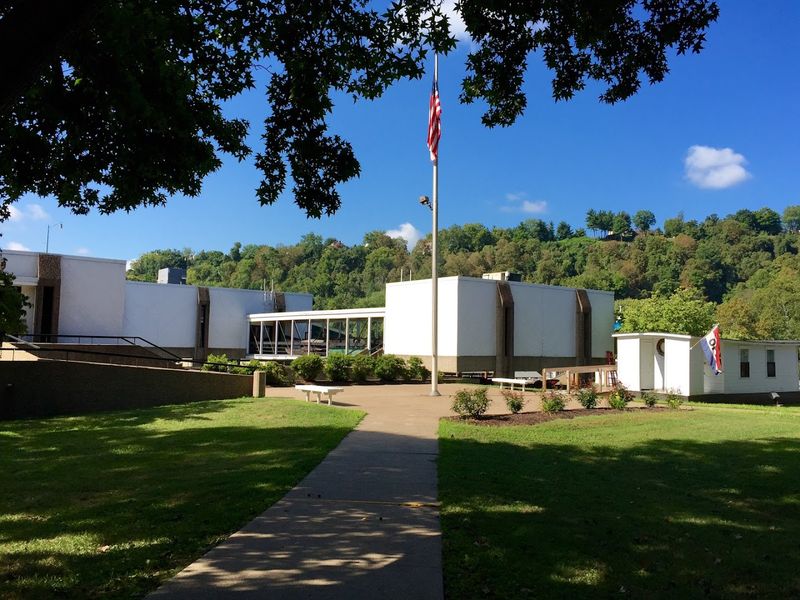
Before there were highways, before there were railroads in any real number, the Ohio River was the highway. Everything moved by water people, furniture, livestock, grain, whiskey, and ambition.
The Ohio River Museum in Marietta tells that story from the flatboat era through the steamboat age with genuine depth and well-chosen artifacts.
The real prize sits outside at the dock. The W.P.
Snyder Jr. is the last surviving steam-powered, stern-wheel towboat in the United States and it is not a replica. It worked the Ohio and Kanawha Rivers until 1955, pushing barges of coal and freight with the same mechanical logic it used on its very first run.
Walking its decks gives you an immediate, physical understanding of what river commerce actually looked like. The scale is humbling the machinery enormous, the living quarters cramped, the whole vessel built for function over comfort.
It’s one of the most honest industrial artifacts in the Ohio Valley, and it’s hiding in plain sight.
Downtown Marietta: Victorian Storefronts That Never Got Torn Down
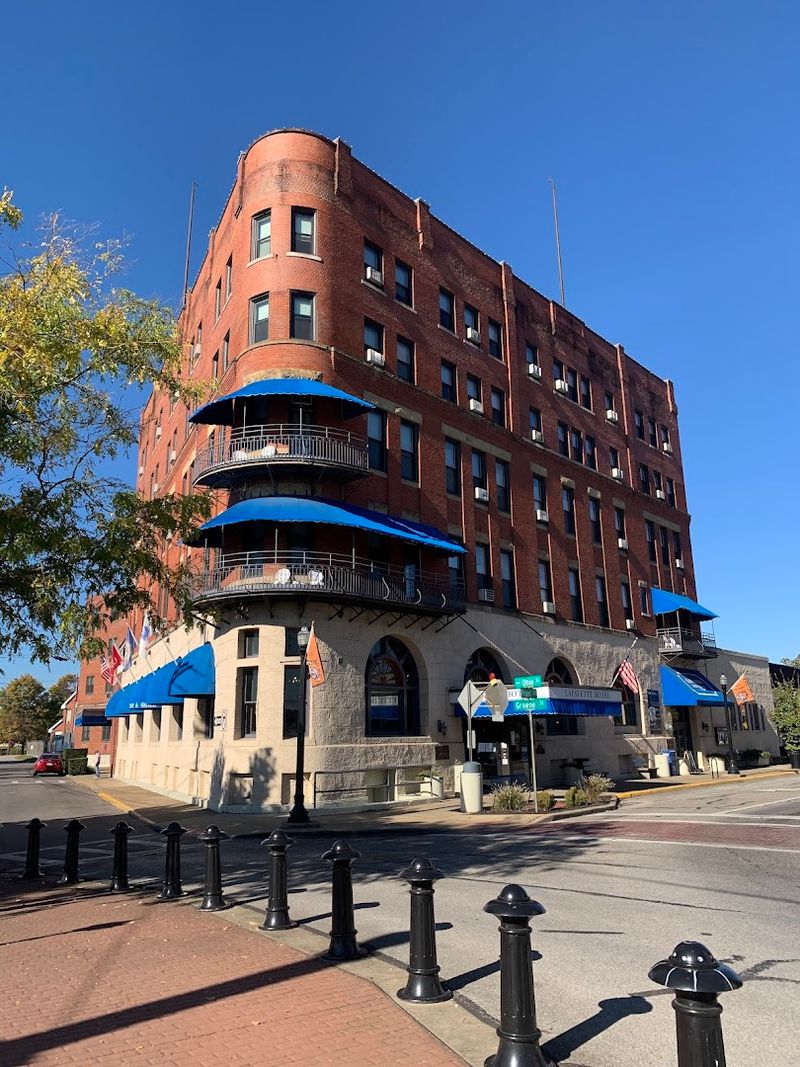
Urban renewal programs in the mid-20th century tore the heart out of a lot of American downtowns. Marietta mostly missed that wave not because anyone was particularly farsighted, but because the economic pressure to demolish and rebuild never quite arrived with enough force.
The result is a downtown that feels genuinely old rather than carefully restored. The brick storefronts along Front Street and Putnam Street have their original bones: Italianate facades, Federal-style cornices, and Greek Revival details sitting side by side in the kind of architectural mix that only happens when buildings go up across different eras without a master plan forcing them into uniformity.
Small independent businesses fill most of the ground floors hardware stores, bookshops, clothing retailers, and cafes that have been running in various forms for generations. There’s no single landmark moment that makes downtown Marietta worth visiting.
The experience is purely textural: the cumulative effect of a place that was built carefully and then, mostly, left alone.
Mound Cemetery: A Prehistoric Earthwork in the Middle of a City Graveyard
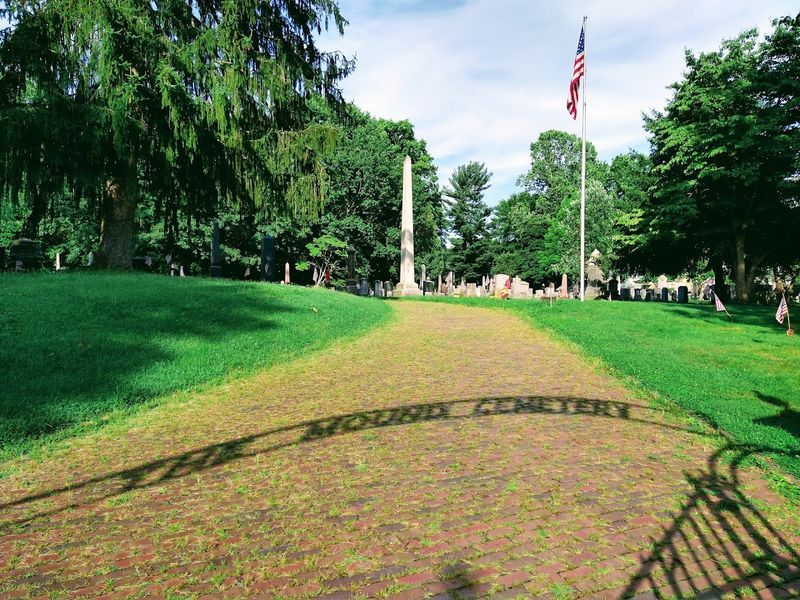
Somewhere between eerie and extraordinary, Mound Cemetery in Marietta is one of the most layered historical spaces in the entire country. At its center stands a large conical earthwork mound built by the Hopewell culture roughly 2,000 years ago rising from the ground with a quiet authority that all the surrounding headstones seem to respect.
Around its base, Revolutionary War officers and early Ohio settlers are buried in a concentration that researchers say is unmatched anywhere else in the United States. The town takes that claim seriously and documents it well, with markers and records that trace the identities and stories of the men buried there.
Walking through the cemetery on a weekday morning, when it’s nearly empty, you get a feeling that’s hard to name. Two thousand years of human history compressed into a few acres Indigenous earthwork, colonial graves, and a city growing quietly around all of it.
Marietta doesn’t always announce its wonders; sometimes it just lets them sit there.
The Anchorage and Putnam Street: Ohio’s Best-Preserved Antebellum Neighborhood
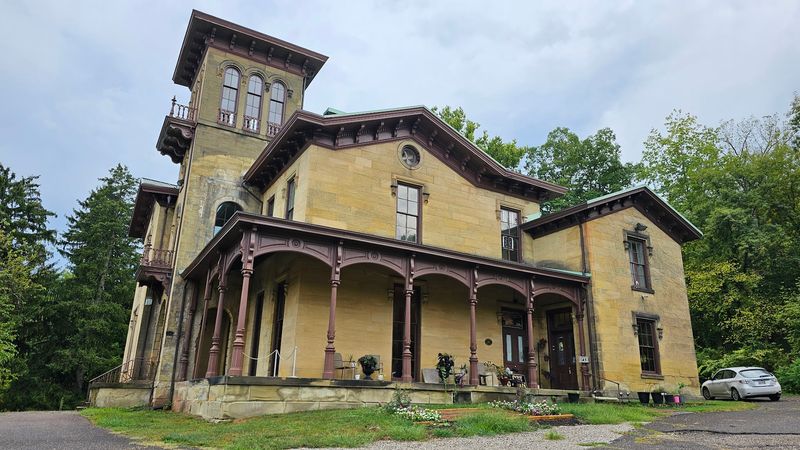
Putnam Street moves at a different pace than the rest of Marietta quieter, more deliberate, shaded by trees old enough to remember the Civil War. The homes lining it are Federal and Greek Revival structures from the early 1800s, and the street has retained its character so completely that historians have called it one of the best-preserved antebellum residential blocks in the Midwest.
The Anchorage, a Greek Revival mansion completed in 1859, anchors the neighborhood with wide columns and a setback from the street that communicates old-money confidence. It’s the kind of house that was built to be looked at and still earns that attention.
Several homes on Putnam Street have documented histories as stops on the Underground Railroad. Local historians have spent years piecing together those routes, cross-referencing letters, census records, and oral histories.
The neighborhood carries that hidden chapter quietly, the way old houses often do not advertising it, but not hiding it either, for those who know to ask.
The Levee House Cafe and Local Dining: Eating Where the River Pilots Ate
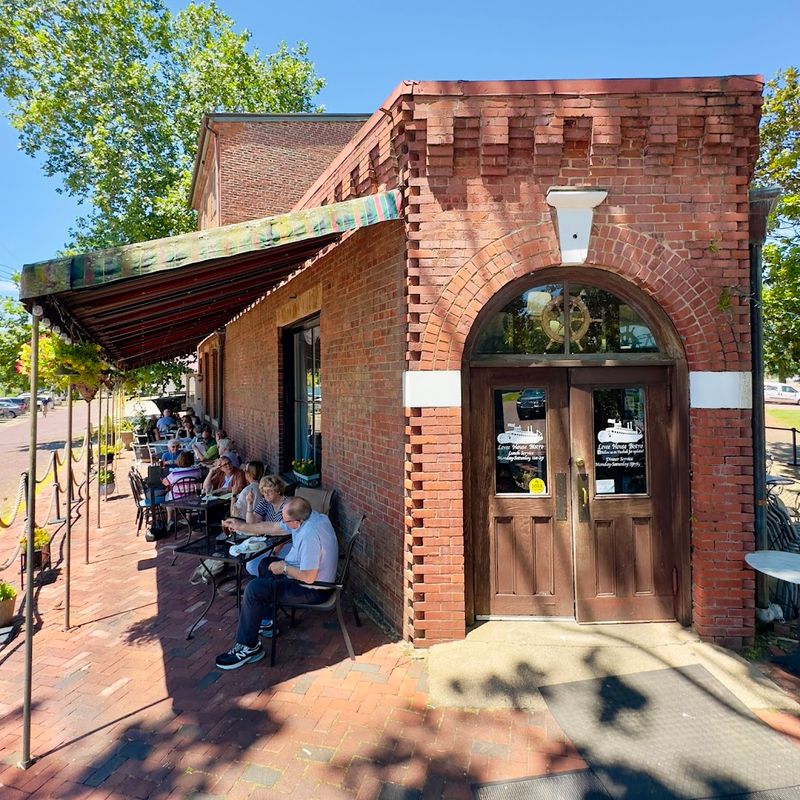
The Levee House Cafe has a trick that most restaurants can’t buy: its walls have stories that predate the menu by about 150 years. Sitting in a 19th-century building right on the Marietta riverfront, it has served as a tavern, an inn, and various commercial spaces since the 1800s and the building remembers all of it.
The menu leans into American comfort food done with care: hearty portions, familiar flavors, and the kind of cooking that pairs well with a long afternoon and a view of the Ohio River moving past the windows. The river view is genuinely the draw here, not just a selling point.
Watching barge traffic from a table inside a building that once hosted river pilots and frontier merchants adds a layer that no amount of interior design can replicate.
Marietta has a handful of other local restaurants worth exploring, but the Levee House earns its reputation simply by being exactly what it is worn, warm, and rooted in a place that hasn’t forgotten where it came from.
Sternwheel Festival: When the River Comes Back to Life Every September
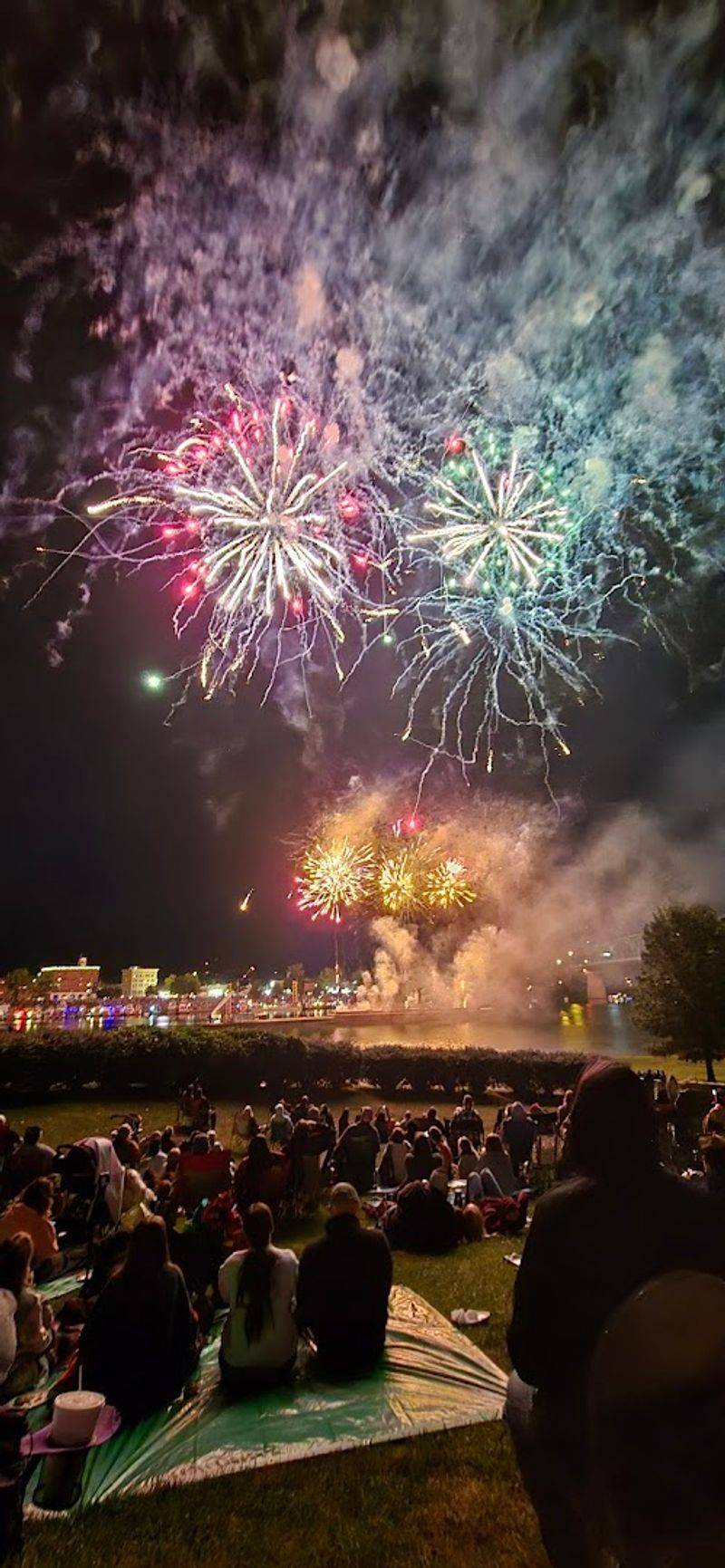
Every September, something shifts in Marietta. The riverfront fills with smoke from stacks, the sound of steam whistles carries across the water, and the town briefly becomes the center of the entire Ohio River sternwheel world.
The Sternwheel Festival is one of the largest events of its kind in the country, drawing working and pleasure craft from across the Ohio River system for a weekend of races, live music, and river traffic that makes the 1880s feel genuinely close. The boats that show up aren’t props they’re real vessels, some still working freight routes, others maintained by enthusiasts who spend all year preparing for this weekend.
The race on the river is an actual competition, and the energy on the levee when the boats line up is the kind of crowd excitement that doesn’t need manufactured drama to land. If you’ve ever wondered what this river looked like when it was the main road west, this festival answers that question better than any museum exhibit ever could.
A Town That Rewards Slow Travel
Marietta sits about two hours southeast of Columbus and roughly an hour south of Zanesville, right on the Ohio-West Virginia border. It’s close enough for a weekend trip from most of the mid-Ohio Valley, but far enough off the interstate that it never gets casual drive-through traffic which is, honestly, a large part of its charm.
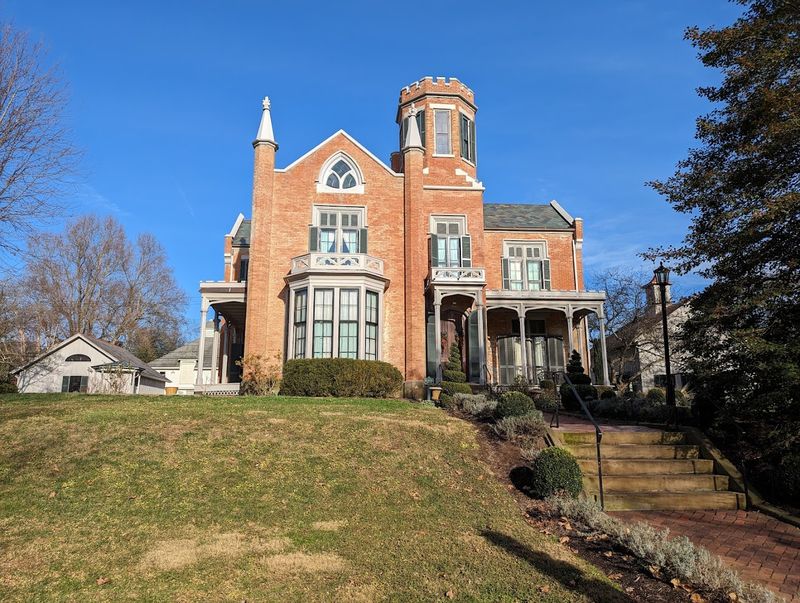
The town has a handful of bed-and-breakfasts and small inns, most of them housed in historic buildings that fit the pace of the place far better than a chain hotel ever would. Staying in a Federal-style house on a quiet street a few blocks from the river is part of the experience, not just a place to sleep.
Marietta is the kind of town that reveals itself slowly. The first day you find the landmarks.
The second day you start noticing the details the flood marks on the buildings, the names on the cemetery stones, the way the river moves. People who grew up here tend to come back.
After two days, you start to understand why.