
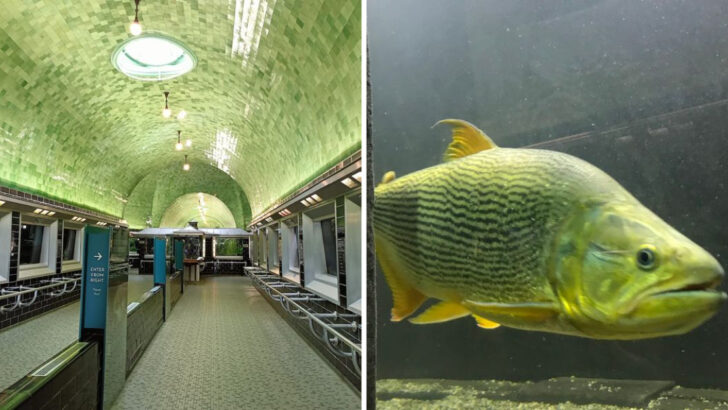
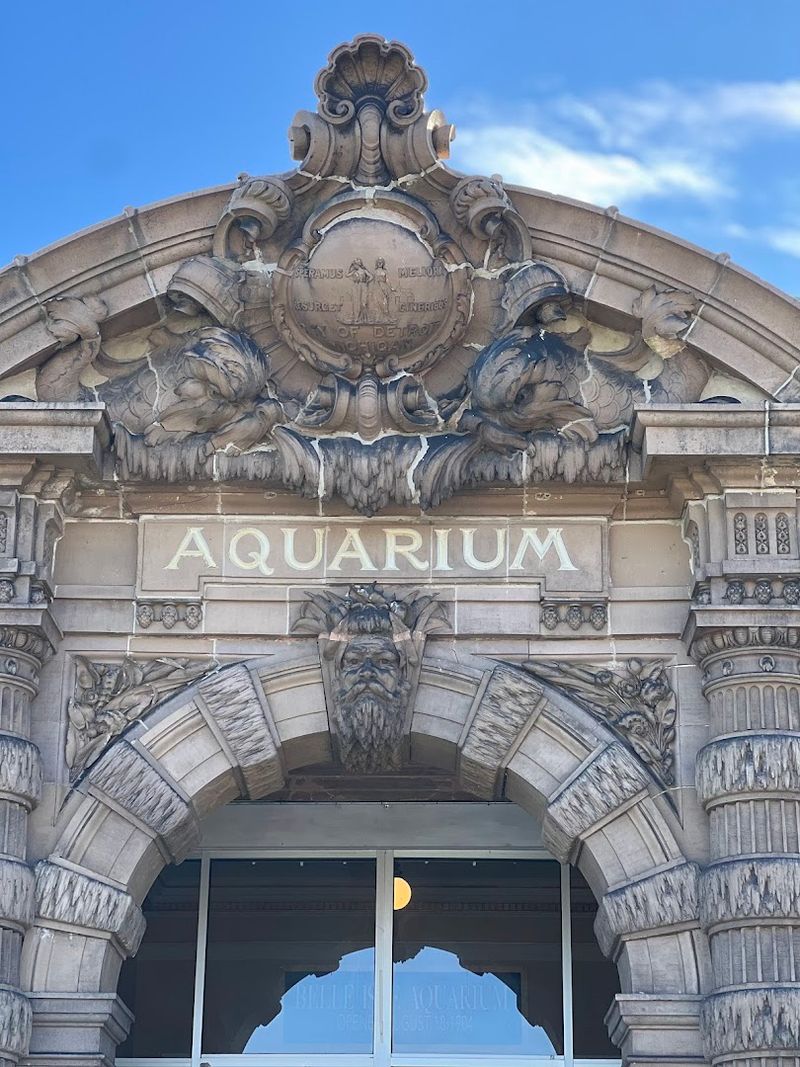
Tucked inside Detroit’s Belle Isle, this 1904 gem proves history and hands-on learning can live under one gleaming green ceiling. Admission is free, so the only thing you need to bring is curiosity and maybe a few dollars for the donation jar.
Native Great Lakes fish, charismatic oddballs like gar, and thoughtful volunteers make every tank feel personal. Plan a morning visit, pair it with the conservatory next door, and you will leave plotting your next trip.
Free To Visit, Worth Supporting
Entry costs nothing, which lowers the threshold for spontaneous trips and repeat visits. A small donation keeps lights glowing, filters humming, and educational programs running for the next family in line.
Treat the jar like a ticket you set yourself, and it feels good to fund something tangible in your community.
Cash works, but tap-to-give and QR codes make it easy if you forget the wallet. If you loved the gar encounter or a patient chat with a volunteer, let that gratitude set your number.
Even five or ten dollars helps replace signage, update habitats, and expand care for native species.
Budget minded travelers can plan a low-cost Detroit day anchored here, then add the conservatory and a picnic by the James Scott Fountain. Parents appreciate that free entry reduces pressure if little ones run out of steam early.
Say thanks on the way out and watch the staff light up because your support keeps this place free.
Native Great Lakes Stars
Local waters get the spotlight, so you see fish you could actually spot from Michigan piers and rivers. Sturgeon glide like armored blimps, sunfish flash coins of color, and perch school with calm precision.
These tanks connect the dots between weekend fishing stories and real aquatic ecosystems.
Use the labels to spark quick talks about invasive species, water quality, and seasonal migrations. Kids latch onto simple challenges: count the barbels on a sturgeon, trace a watershed on the map, or find the camouflage pattern on a darter.
Short, focused observations add up to a full understanding without feeling like homework.
Before you leave this section, take sixty seconds to reflect on the Great Lakes as a freshwater superpower. That context makes shoreline cleanups, storm drain care, and mindful boating feel relevant.
Grab a photo near the native species wall as a reminder that big environmental wins begin with everyday choices.
A Storied Past and That Green-Tiled Glow
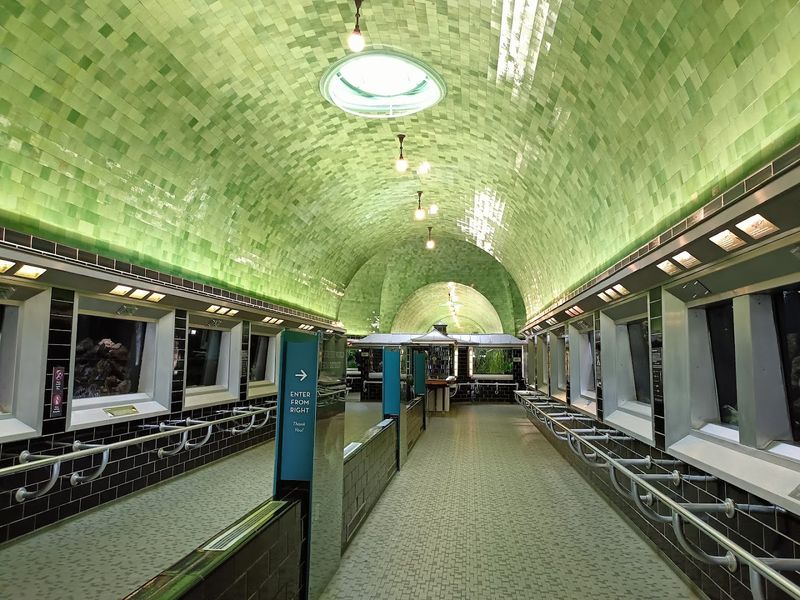
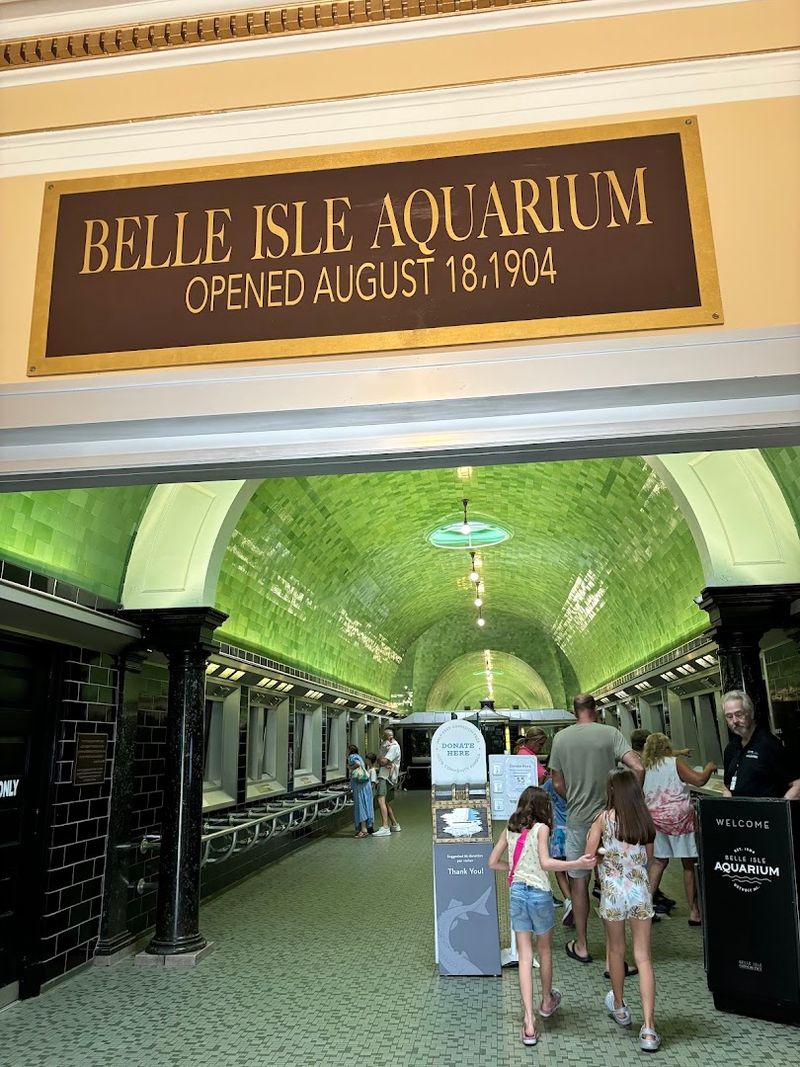
Step inside and the vaulted ceiling washes everything in a green glow that feels like standing under calm water. Designed by Albert Kahn in 1904, the building blends Beaux-Arts form with practical function, still welcoming crowds a century later.
You notice details fast: brass vents, terrazzo floors, and original glass blocks that soften daylight.
Detroit pride lives in these tiles, but it is not stuck in time. Restoration work by the Belle Isle Conservancy keeps the space fresh while honoring the past, so your photos capture both history and clarity.
Pause near the entrance map to sketch a quick loop, then let curiosity bend that route tank by tank.
Architecture becomes part of the exhibit here, shaping how you move and look. Quiet corners make it easy to talk with kids about design while you point out repeating arches.
Before leaving, stand in the central aisle, hold still for ten seconds, and watch reflections shimmer across the ceiling like a living mural.
Gar Central: Oddballs With Attitude
Prehistoric silhouettes cruise by like living fossils, and you suddenly understand why reviewers mention gar so often. Long noses, diamond armor, and unblinking eyes give them a mythic presence you do not forget.
Stand slightly off to the side to avoid reflections and you will catch their chrome scales flaring.
Share a quick fact with kids: gar gulp air, using a modified swim bladder, which helps them thrive in low-oxygen water. That single trait sparks conversations about adaptation and resilience.
Track an individual across the tank and watch how subtle tail movements steer the body with almost no wasted motion.
Photographers can bump ISO and lean on the green ceiling glow for moody portraits. If crowds press in, circle back later, since these fish reward a slow gaze more than a drive-by look.
Before leaving, compare gar body shapes to pike or bowfin on the signage to anchor the broader family tree.
Small Footprint, Big Variety
The building is compact, which actually works to your advantage. You can cover everything in an hour at a relaxed pace, then loop back for favorites without feeling rushed.
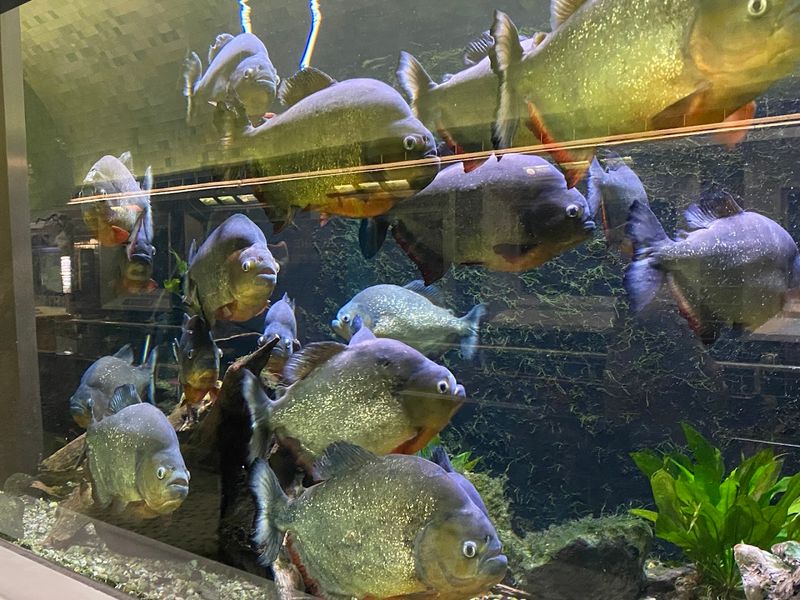
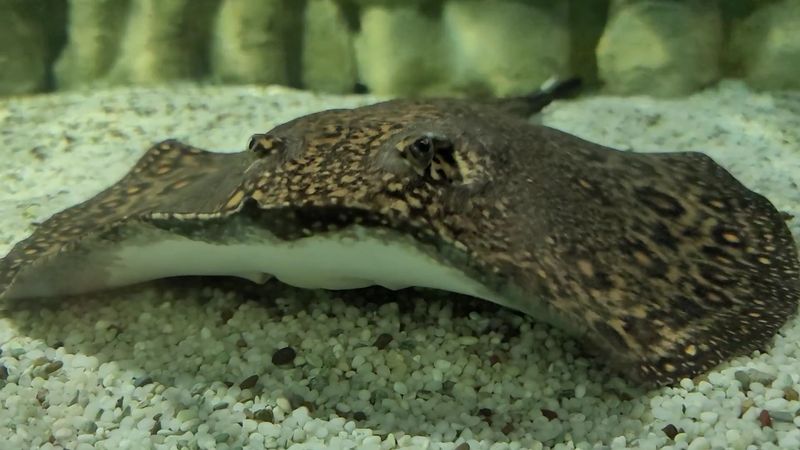
Expect freshwater staples, quirky invertebrates, and a few saltwater showstoppers chosen for personality over size.
Short attention spans are welcome here. Break the visit into micro-missions, like spotting three camouflage masters or finding one fish with an unusual jaw.
That structure keeps kids engaged and gives adults room to read labels or ask volunteers targeted questions.
Crowds swell midday on weekends, so arrive at opening for open sightlines and calmer vibes. If you hit a bottleneck, pivot to the side galleries and return when traffic thins.
The manageable scale turns a quick stop into quality time, and you will leave surprised by how much you actually saw.
Timing Your Visit Like a Local
Hours run Thursday through Sunday, 10 AM to 4 PM, and that window shapes the best plan. Aim for the first hour to enjoy quieter aisles, then slide next door to the conservatory as the aquarium gets busy.
If you arrive later, save the longest reads for calmer corners and keep moving when lines build.
Parking on Belle Isle follows Michigan State Park rules, so a Recreation Passport keeps things smooth. Keep snacks in the car and promise a post-visit treat to reset energy for another loop.
On hot days the interior can feel warm, so dress in layers and bring a small water bottle.
Check the Belle Isle Conservancy website for closures or special events. Holiday decor sometimes sneaks into tanks, adding playful surprises without distracting from the science.
A simple plan plus a little flexibility turns a short operating day into an easy win.
Volunteers Who Make It Personal
Conversations here stick with you because volunteers clearly love this place. Ask about feeding routines, enrichment, or behind-the-scenes care and you will get thoughtful, honest answers.
They handle a steady stream of questions with patience, making complex biology feel comfortable.
Bring a few prompts to spark richer chats: What habitat update is coming next, which species is the trickiest, and how can visitors help at home. You might learn why a tank looks sparse during quarantine, or how signage evolves with new research.
Every exchange turns a casual walk-through into real understanding.
Kids light up when a volunteer points out behavior in real time, like a mantis shrimp cleaning or a sturgeon cruising the bottom. Say thanks and consider signing up to help if you are local.
Community energy keeps admission free and the collection strong, and you can feel that care in every room.
Pair It With the Conservatory Next Door
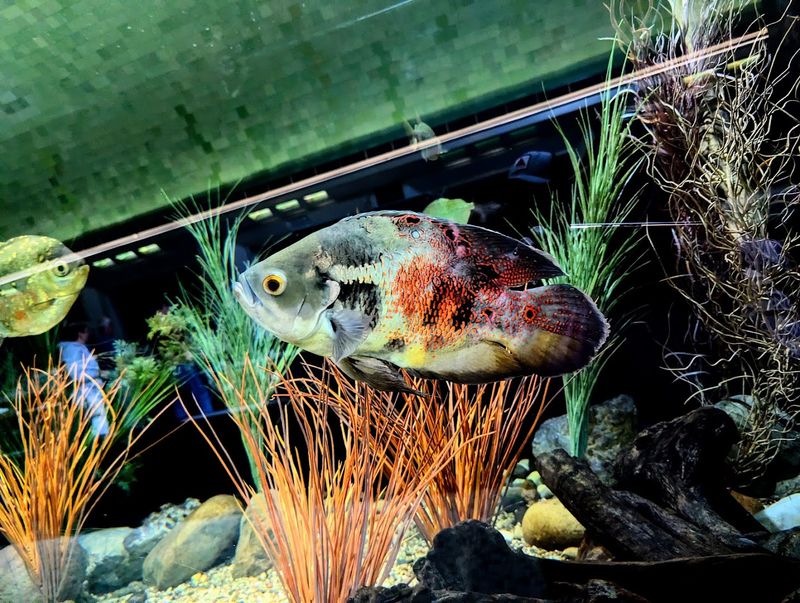
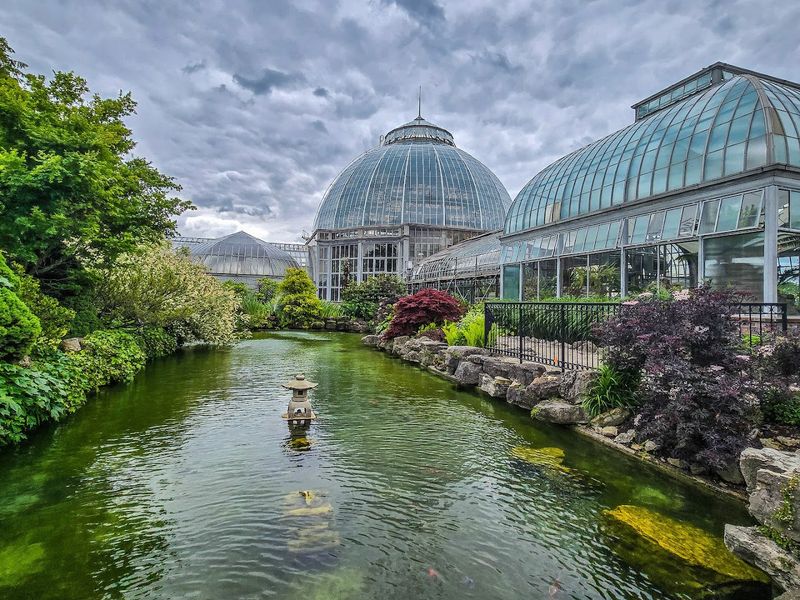
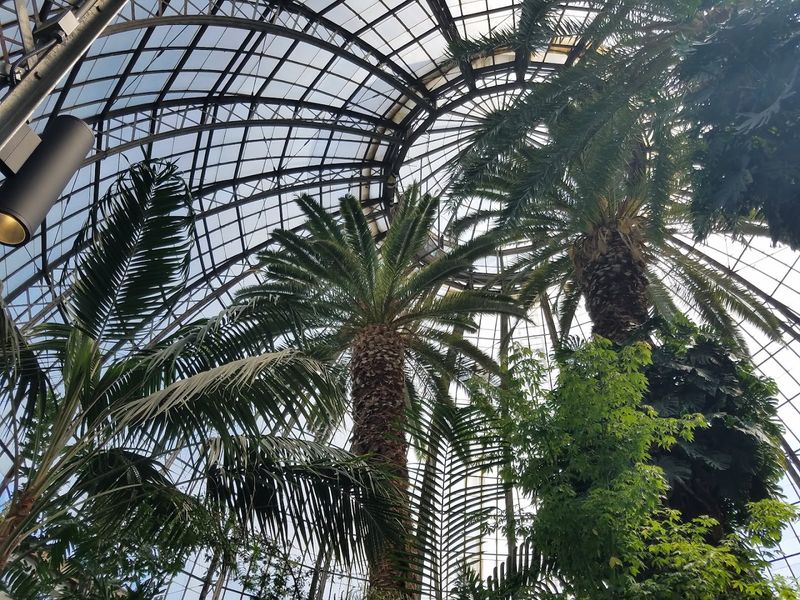
Two classic buildings sit side by side, which makes planning a perfect half day simple. Start with the aquarium’s cooler light, then warm up in the conservatory’s tropical dome.
Contrasting environments sharpen your senses, so textures and colors feel extra vivid on both sides.
Create a mini curriculum for kids or curious adults. Compare a mangrove tank’s root structure with real plant roots under glass next door, or match leaf shapes to habitat cards.
A quick picnic on the lawn bridges the experiences and keeps energy steady without another car move.
Photography lovers can chase reflections under the green ceiling, then switch to backlit fronds and macro plant details. If time is tight, set a timer for 45 minutes per building and leave wanting more.
That restraint beats burnout and gives you an easy excuse to return next season.
Hands-On Learning With Smart Tech
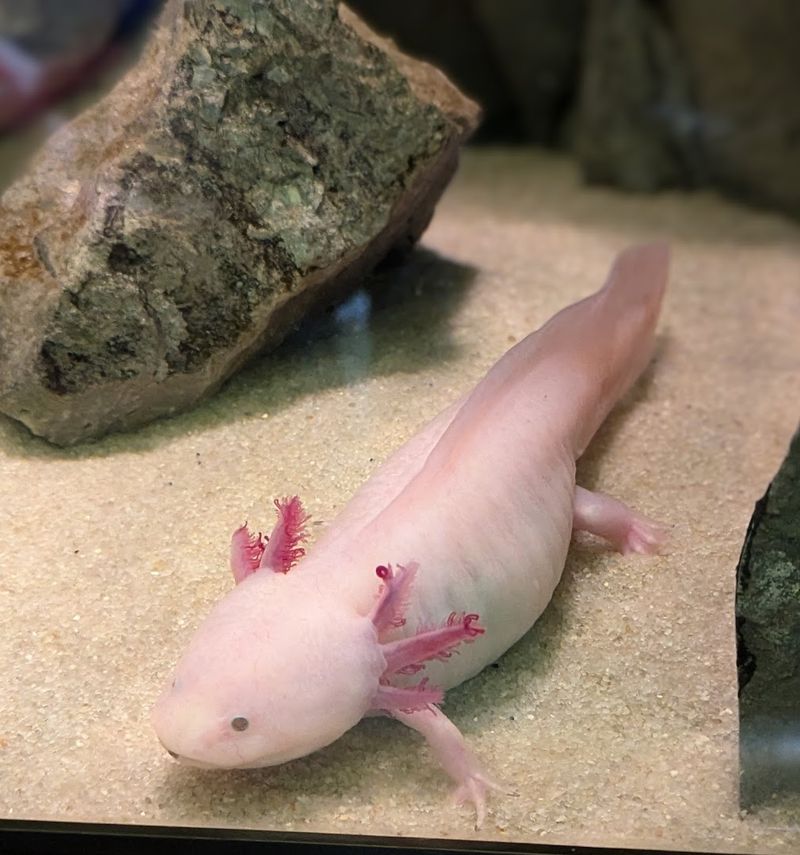
Labels are clear and concise, and QR codes add depth when curiosity boils over. Scan for range maps, care notes, and short videos that answer the question you were about to ask.
It feels like having a pocket guide tailored to the tank in front of you.
Make it a game for the family: each person claims one species, gathers two new facts, and shares them before you reach the exit. That ritual turns passive viewing into a conversation worth repeating on the way home.
Snap the code screens for later review if the aisle gets crowded.
Teachers and homeschoolers can grab quick lesson hooks for water cycles, adaptation, and responsible pet ownership. Follow up by mapping your neighborhood’s watershed to connect aquarium ideas to daily life.
The tech stays optional, but it is there the moment you want to go deeper.
Photo Tips Under Emerald Light
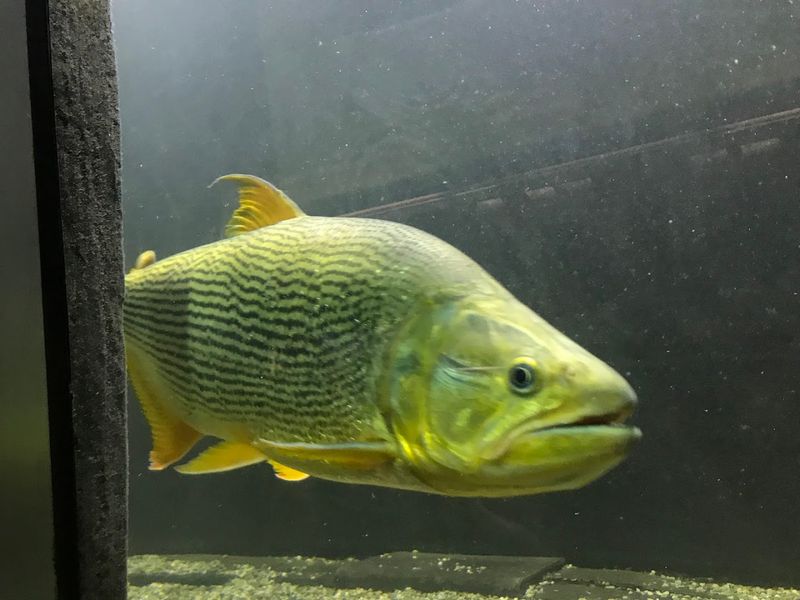
Glass, low light, and crowds can trip up even seasoned shooters, but a few tweaks change everything. Press the lens hood or phone edge gently to the glass to kill reflections, then angle slightly to dodge glare.
Bump ISO, use a faster shutter, and let the green ceiling cast mood rather than fighting it.
Focus on behavior, not just portraits. Look for schooling patterns, feeding interactions, or a fish pausing near signage to anchor a story frame.
Short bursts help freeze motion without scaring neighbors with constant clicking.
Respect space and keep flashes off to protect animals and avoid washout. If little hands are helping, assign roles: one holds a jacket as a flag to block reflections while another times shots when crowds part.
Finish with a wide hallway image to capture the architecture, because that emerald glow is part of the memory.
Practical Essentials: Parking, Access, Comfort
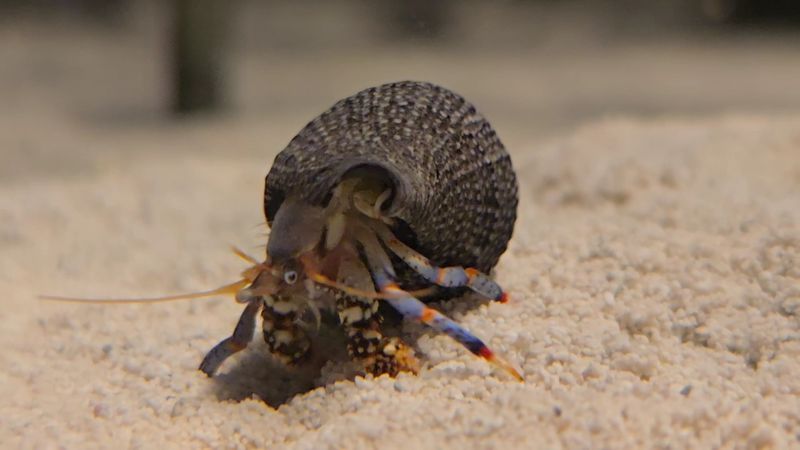
Getting here is straightforward with a Michigan Recreation Passport for Belle Isle access. Parking is close, paths are smooth, and strollers or wheelchairs handle the interior without fuss.
The compact layout reduces long pushes, and benches appear just when a break is needed.
Expect it to feel warm on busy days, so dress in layers and pack water. If you have sensory needs in the group, arrive early when sound levels are softer and lines are shorter.
Pick a meeting spot by the entrance in case the crowd separates your party.
Restrooms are nearby, and the conservatory adds climate contrast if you need a change of pace. Keep cash or a card handy for donations, since supporting operations preserves all these comforts.
With basics covered, attention can stay where it belongs: on the fish, the ceiling, and the stories that tie Detroit to its waters.