An old bar can tell a story without saying a word. Look closely at a worn wooden counter, exposed brick, or a dining room that has hosted generations of regulars, and you can almost picture the travelers, workers, and neighbors who once gathered there.
Across Ohio, some of the state’s oldest bars still carry those everyday traces of the past.
These historic Ohio bars offer more than a place to order a drink. Some are tied to stagecoach routes, river commerce, or the working communities that helped shape their towns.
Sitting beneath an old ceiling or settling into a timeworn booth gives history a more personal feel, turning an ordinary evening into a glimpse of another era.
For history lovers who enjoy discovering the past through real places, these establishments are worth a visit. Here are 10 of the oldest bars in Ohio, each with its own story to uncover.
The Hitching Post Saloon
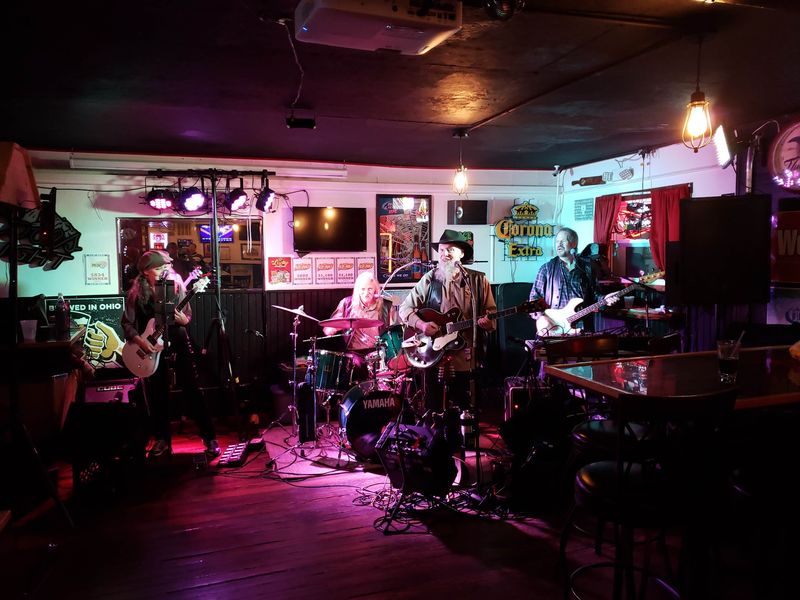
Dust, gravel, and open sky set the mood before you even reach the door. In a quiet corner of Darrtown, the Hitching Post Saloon carries the kind of age you can feel right away, like a place that remembers horses tied outside and travelers trading news after a long ride.
Founded in 1817 as a tavern and stagecoach stop, it is often described as Ohio’s oldest saloon still in operation. That history gives every detail extra weight, from the worn wood to the simple, no-fuss setting that feels honest instead of polished.
Order a drink, settle in, and pay attention to the pace. Nothing here needs to rush.
The rural location is part of the experience, so plan a scenic drive and take a little time to look around the village before or after your stop.
History lovers will appreciate how this place connects daily life from two centuries ago to the present. It is not just old.
It still works as a neighborhood gathering spot, which makes the past feel close enough to touch.
Ye Olde Trail Tavern
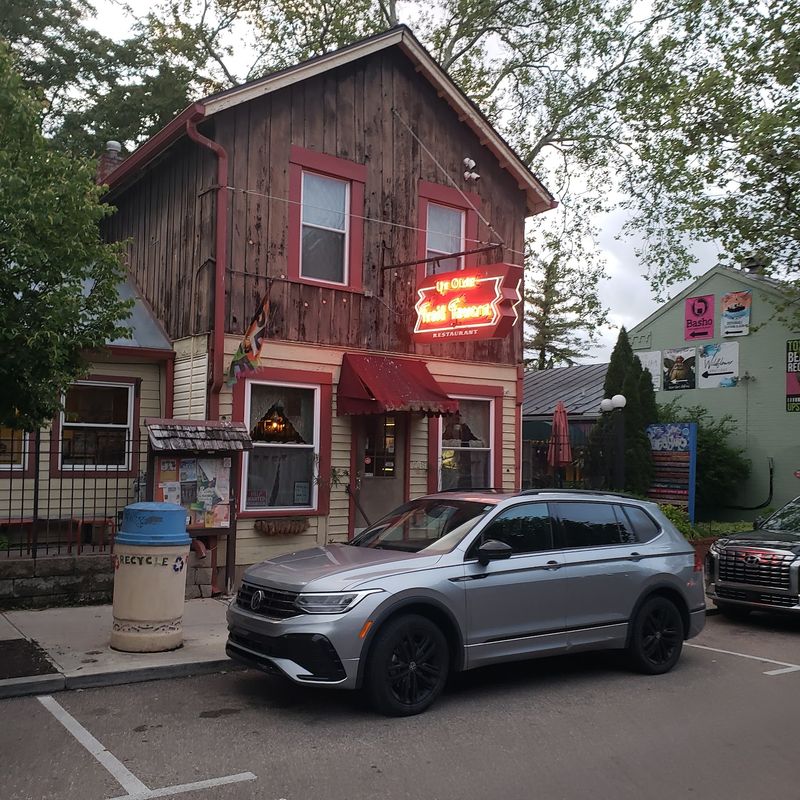
Some places feel lively before you even sit down, and that is part of the charm here. Along the main street in Yellow Springs, Ye Olde Trail Tavern blends old tavern character with the creative, walkable energy of one of Ohio’s most interesting small towns.
The original tavern dates to 1827, giving it a deep place in state history. Inside, the age shows up in the building’s bones, while the current food and full beer selection keep it grounded in the present instead of turning it into a museum piece.
A visit works best when you pair it with a stroll through downtown. Browse local shops, then come in for a meal and notice how easily students, locals, and weekend travelers share the same room.
That mix gives the tavern a friendly, lived-in feeling.
For history lovers, the appeal is simple. You get a surviving early Ohio tavern in a town that still values character.
The result is both educational and relaxed, a rare combination that makes the stop easy to remember long after you leave.
Red Brick Tavern
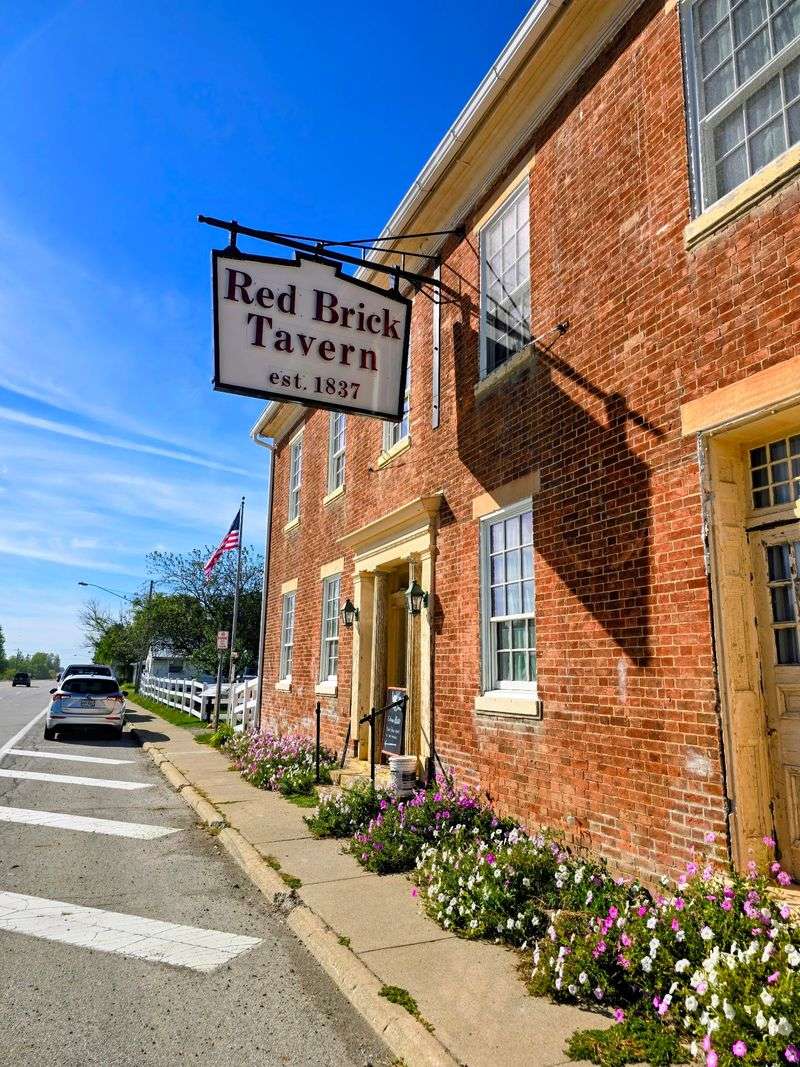
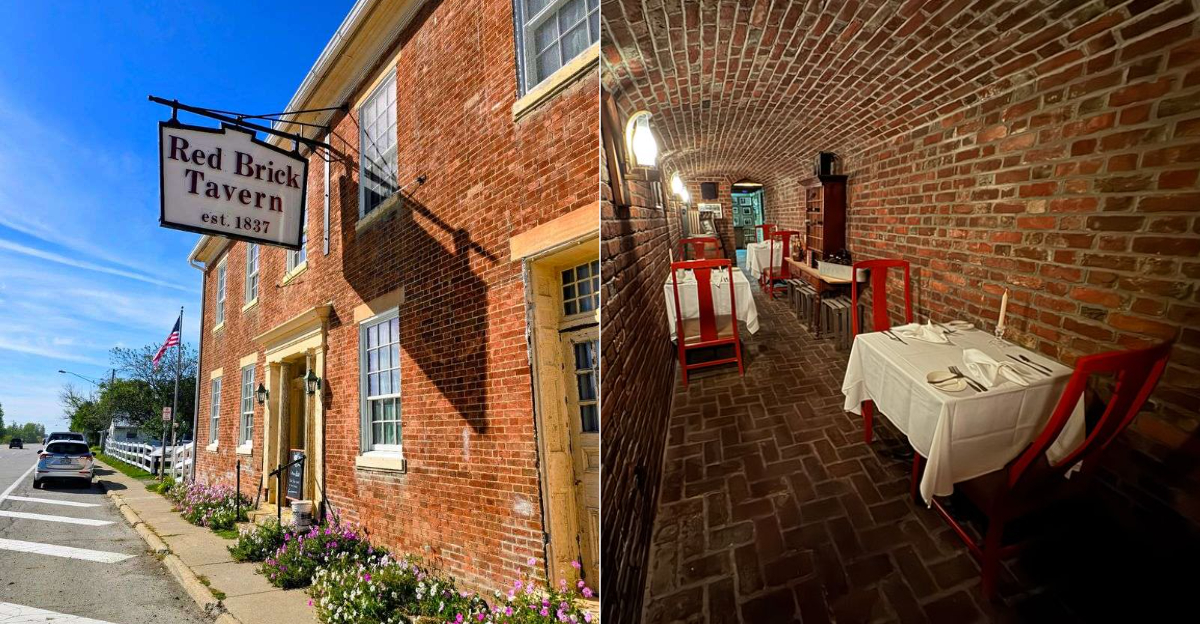
Brick has a way of holding memory, and few buildings prove that better than this one. Standing along the old National Road near London, the Red Brick Tavern looks like the kind of stop where muddy boots, travel trunks, and big journey plans once passed through daily life.
Built in 1837, the tavern served travelers moving across Ohio during the great era of road travel. It later reopened to the public in 1925, and that long timeline gives the place an unusual layered feeling, part frontier outpost, part preserved landmark, part active restaurant.
Try to visit with enough time to appreciate the setting beyond your table. The old road matters here.
Looking at the sturdy brick walls while eating a meal helps you imagine what overland travel felt like before interstates, gas stations, or even quick weather reports.
What makes it worth the trip is not only its age, but its connection to movement and migration. The tavern tells a bigger Ohio story about roads, commerce, and ordinary travelers who needed shelter, food, and a little company before moving on.
Spread Eagle Tavern and Inn
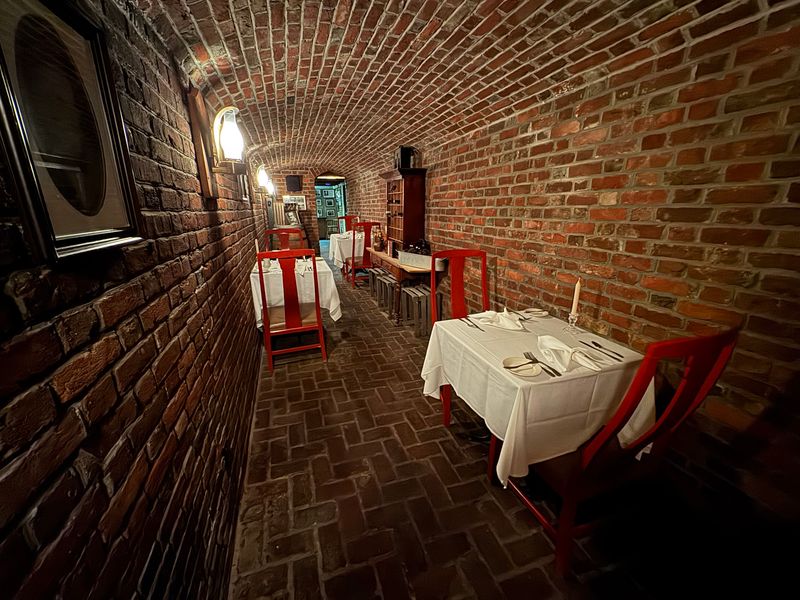
Quiet streets can hold big stories, and Hanoverton proves it. The Spread Eagle Tavern and Inn sits with a calm, dignified presence that hints at another century, when travelers needed a proper stopping place and a small village tavern could be the center of local life.
Opened in 1837 by William Rhodes, the property has been restored and returned to service as both tavern and inn. That matters, because sleeping, dining, and gathering under one historic roof gives visitors a fuller picture of how these places once worked.
Come hungry and stay curious. Lunch, dinner, and wine service make it easy to enjoy the building at a relaxed pace, and the surrounding historic village adds context that deepens the visit.
It feels especially rewarding if you like architecture and slower travel.
Rather than offering history from behind ropes or glass, this tavern lets you experience it in motion. A meal in a restored room, footsteps across old floors, and a glance out toward the quiet street can say more than a display case ever could.
The Mine Tavern
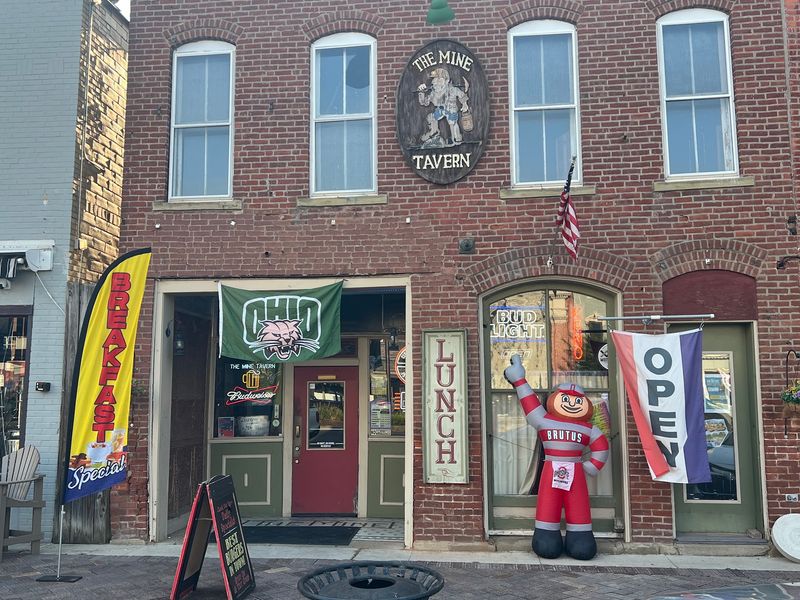
Low light, old wood, and a sense of stubborn survival give this place its punch. On Nelsonville’s Public Square, the Mine Tavern feels tied to the working history of southeastern Ohio, where labor, community, and a good drink were closely connected for generations.
The bar says it has remained essentially unchanged since 1842, and that claim is a big part of its power. You are not looking at a fresh imitation of a historic saloon.
You are stepping into a room that still carries the shape and spirit of another time.
Nelsonville itself deserves a little extra attention while you are there. The brick streets and Appalachian setting make the stop feel rooted in place, not dropped into nowhere.
Sit for a while, look around, and notice how much character the older details still bring.
For anyone interested in Ohio’s industrial past, this tavern offers a vivid link to local workers and mining culture. It feels modest, direct, and real, which may be exactly why it stays with visitors long after flashier places start to blur together.
Arnold’s Bar and Grill
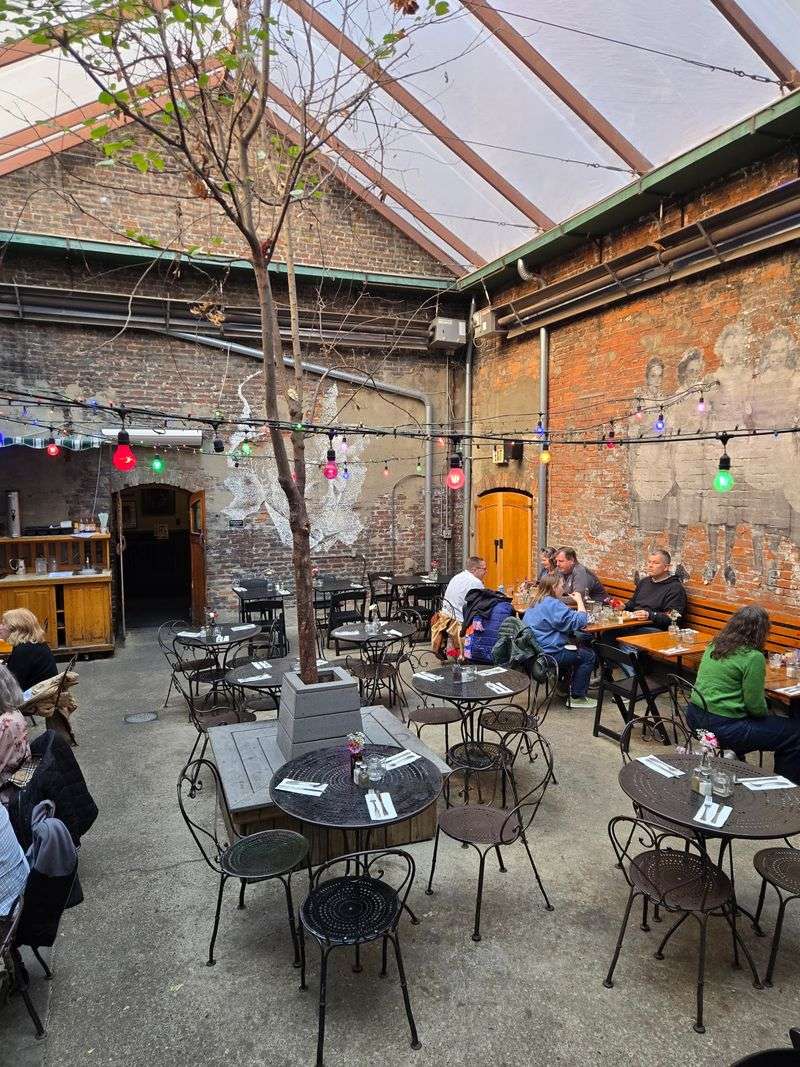
City noise fades a little when you slip into a place that has outlasted wars, trends, and changing neighborhoods. In downtown Cincinnati, Arnold’s Bar and Grill carries that kind of staying power, mixing old barroom character with the steady pulse of a place people still genuinely use.
Simon Arnold opened the tavern in 1861, and the same barroom remains the oldest bar in Cincinnati. That fact alone is impressive, but the real pleasure comes from seeing history blended into an active social scene rather than sealed off from everyday life.
The courtyard adds another layer to the visit, especially on a pleasant evening. You might catch live music, order a classic drink, and notice how the brick and wood create a setting that feels both grounded and lively.
It is easy to linger longer than planned.
Travelers who enjoy urban history will find plenty to like here. Arnold’s shows how an old tavern can survive by adapting without losing itself.
That balance gives the experience warmth, texture, and a sense of continuity that suits Cincinnati especially well.
Bun’s Restaurant and Bar
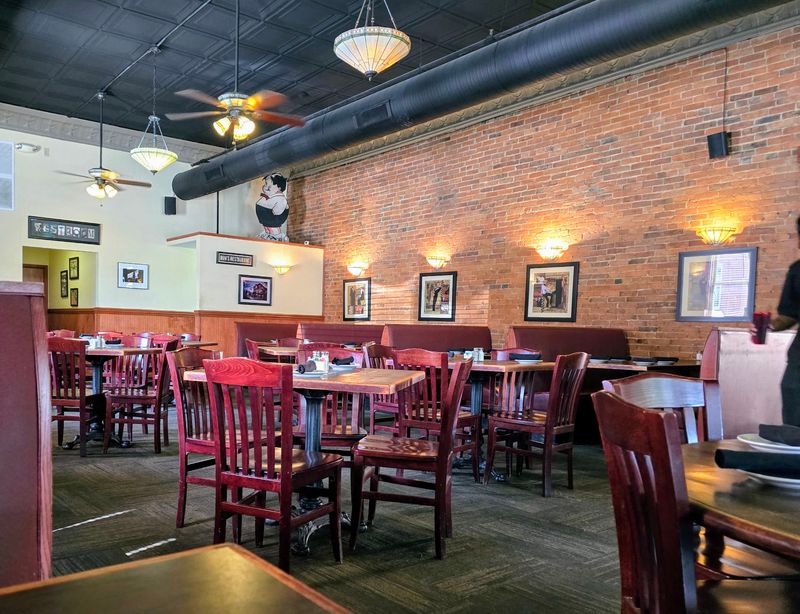
The nicest surprises are often tucked into ordinary downtown blocks, where history hides in plain sight. In Delaware, Bun’s Restaurant and Bar carries a story that began in 1864 as Hoffman’s Bakery, then slowly evolved into the local institution people know today.
That change from bakery to restaurant and bar makes the place especially interesting. Instead of one frozen identity, Bun’s reflects how Main Street businesses adapt as towns grow and needs shift.
The result feels deeply local, shaped by generations of regular customers and changing routines.
Come ready to enjoy both the food and the setting. The downtown location invites a walk before or after your meal, and the older building gives even a simple lunch or drink a little extra texture.
It feels approachable, not formal or overly precious.
History lovers may appreciate that Bun’s tells a quieter kind of story than a frontier tavern. It speaks to everyday community life, family ownership, and the long survival of a familiar gathering place.
Sometimes that kind of steady continuity says just as much about Ohio’s past.
Bender’s Tavern
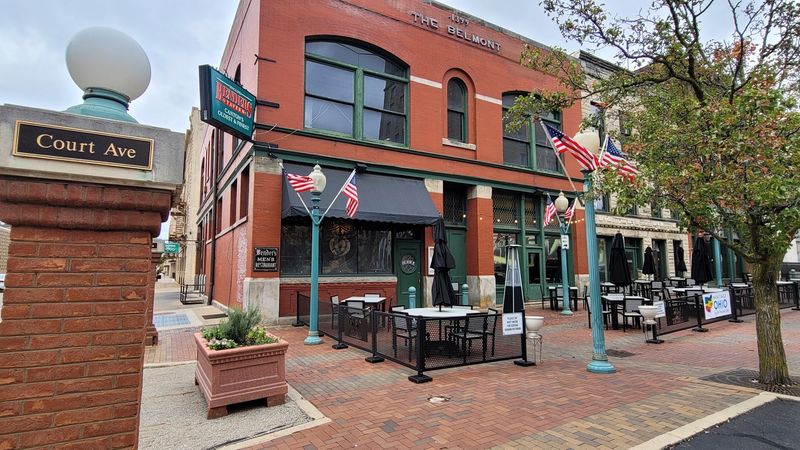
Polished wood, low conversation, and old-school confidence give this Canton favorite its mood. Bender’s Tavern has been open since 1902, and the room carries itself with the kind of quiet assurance that only comes from long practice and deep local roots.
As a fourth-generation family-owned restaurant and tavern, it offers a different kind of historic experience from rougher frontier saloons. Here, continuity shows up through care, service, and tradition.
The bar atmosphere still matters, but so does the sense that standards have been handed down over time.
Seafood has helped make Bender’s well known, so consider ordering something classic if you want a stronger feel for the place. A cocktail at the bar before dinner adds to the rhythm of the visit and lets you take in more of the historic interior.
For history lovers, Bender’s reveals how old bars can mature with their cities. It reflects Canton not as a relic, but as a place where family business, hospitality, and memory still meet.
That blend of refinement and age gives the stop its own distinct voice.
The Rowley Inn
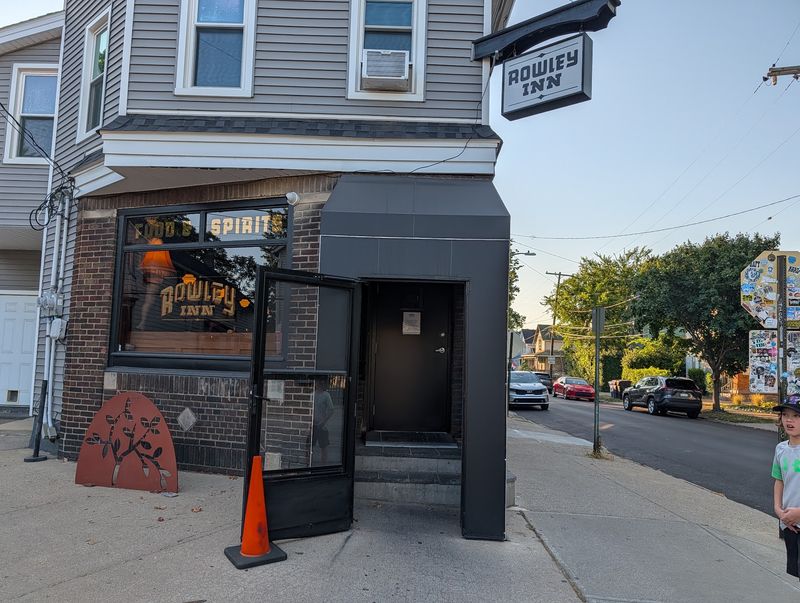
Not every historic bar was built for elegance. Some were built for tired workers, cold nights, and honest meals after long shifts.
That working-class spirit still clings to the Rowley Inn in Cleveland, making it feel personal in a way many polished places never quite manage.
Built in 1906, it began as a third-shift gathering spot for people from nearby mills and factories. That origin story matters because it places the bar inside the everyday life of industrial Cleveland, where taverns offered food, warmth, and a little relief after hard labor.
Today, part of the fun is pairing your visit with the surrounding neighborhood. The inn sits near important city landmarks, and its menu adds comfort to the experience.
Good, familiar food helps connect the present-day stop with the inn’s practical roots.
History here feels sturdy rather than delicate. The Rowley Inn reminds visitors that bars were not only social spaces, but support systems for whole communities.
If you want to understand Cleveland beyond grand buildings and famous names, this is a thoughtful place to start.
Flat Iron Cafe
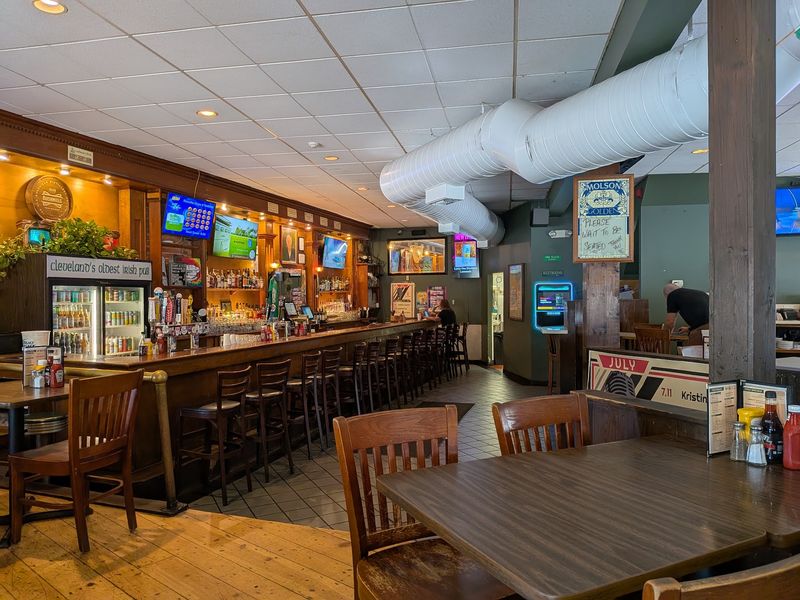
Riverside neighborhoods often keep their stories in taverns, and Cleveland’s Flat Iron Cafe is a fine example. Open since 1910, it began as an Irish cafe serving the working-class community near the river, where labor, family life, and local gathering spots were tightly connected.
The setting gives the place much of its character. Being close to the old industrial waterfront helps explain why a bar like this mattered so much.
It was part of the social fabric, a familiar room where people could eat, talk, and settle into something steady.
Fish dishes are closely associated with the cafe, and ordering one adds a nice local touch to the visit. Afterward, spend a little time taking in the surrounding area, where bridges, old buildings, and the river corridor help fill out the larger historical picture.
What makes Flat Iron Cafe memorable is its combination of neighborhood warmth and city history. It does not just tell a story about drinking.
It tells a story about immigrants, workers, and Cleveland itself, all through one enduring corner bar and restaurant.