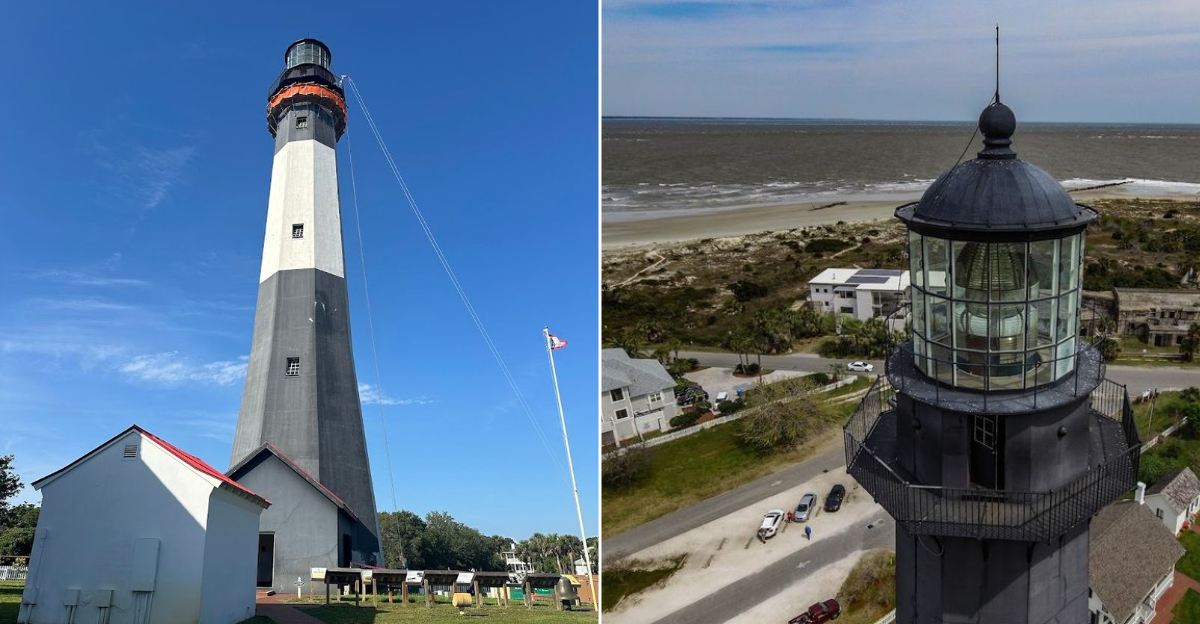
Standing tall at the northern tip of Tybee Island, the Tybee Island Light Station has been one of Georgia’s most beloved landmarks for nearly three centuries. Built on a site that has hosted a lighthouse since 1736, it holds the title of the oldest lighthouse site in all of Georgia.
Ships heading into Savannah Harbor have relied on its guiding light through storms, wars, and changing tides. Whether you love history, ocean views, or just a good adventure, this lighthouse has something truly special waiting for you.
A History That Stretches Back to Colonial Georgia
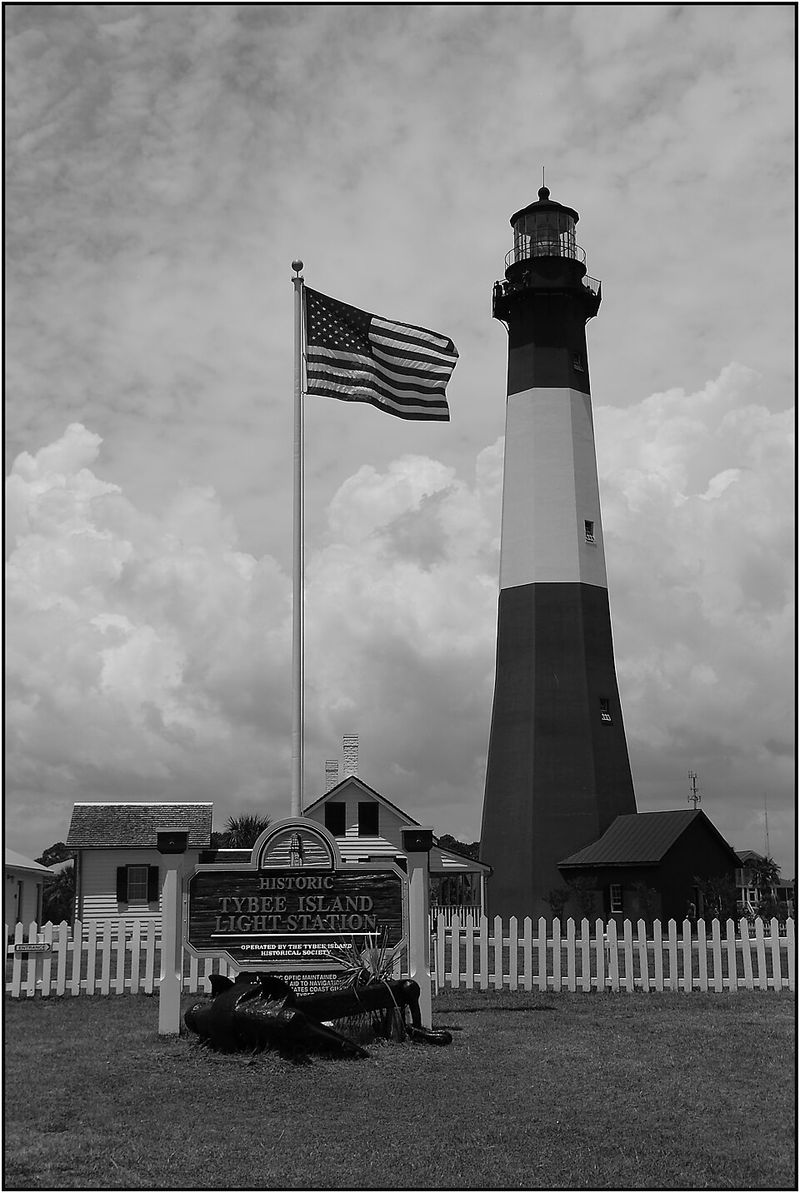
Few landmarks in America can claim roots as deep as Tybee Island Light Station. The very first lighthouse on this site was ordered by General James Oglethorpe, the founder of the Georgia Colony, all the way back in 1736.
That makes this spot one of the earliest lighthouse sites in the entire country, not just Georgia.
The original structure was a simple wooden tower, but it didn’t last long against Georgia’s fierce coastal storms. Over the following decades, the lighthouse was rebuilt and redesigned multiple times.
Each version reflected the engineering knowledge and materials available at the time, giving historians a fascinating window into early American construction.
The current tower, which dates largely to 1867, is the fourth major structure on this site. Wars, hurricanes, and even deliberate destruction by Confederate forces during the Civil War couldn’t permanently silence this beacon.
Every rebuilding effort showed just how critical this lighthouse was to the region’s economy and safety.
Walking the grounds today, you’re literally standing on soil where colonial-era workers once hauled timber and brick. That sense of layered history is something you simply can’t find at newer attractions.
This is living history at its most gripping.
The Iconic 178-Step Climb to the Top
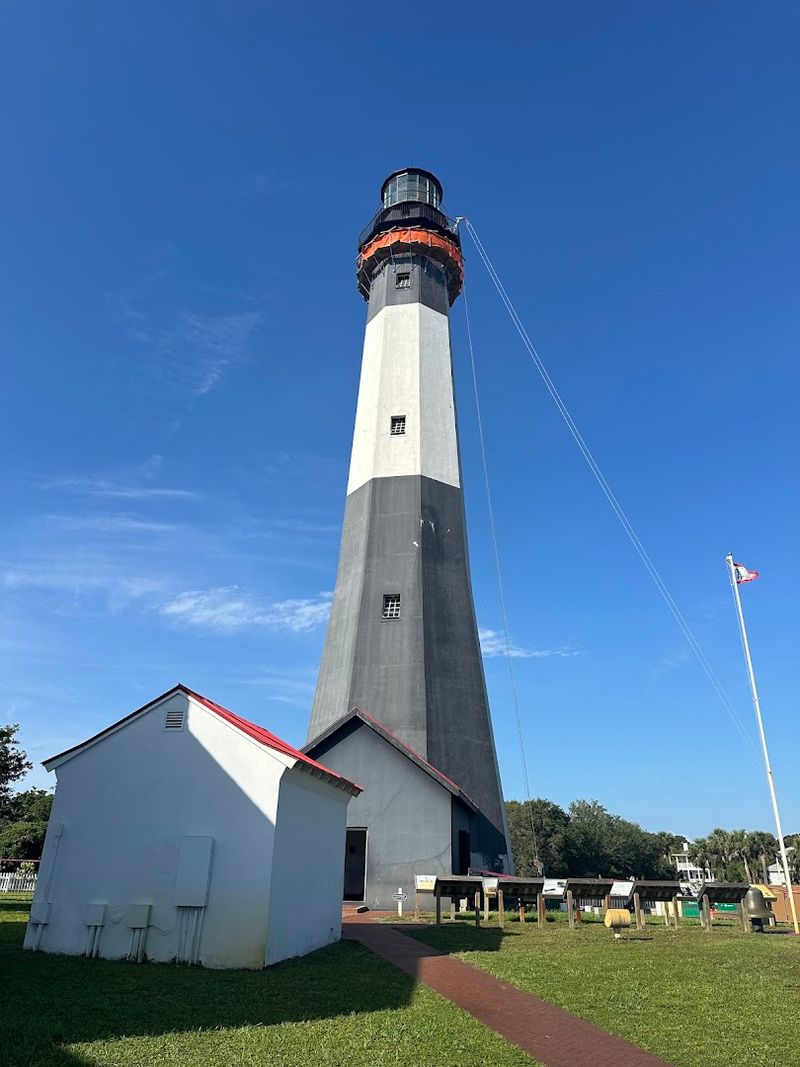
Ready for a workout with the best reward imaginable? Climbing Tybee Island Light Station means tackling 178 steps arranged in a sweeping spiral staircase that winds through seven separate landings.
Each landing gives you a natural stopping point to catch your breath, which is great news for younger visitors and anyone who just needs a moment to recover.
The staircase itself is a piece of art. Cast iron with a tight, elegant curve, it has been used by lighthouse keepers, military personnel, and curious tourists for well over a century.
As you climb, small windows let in glimpses of the sky and the surrounding marshlands, teasing you with what’s waiting at the top.
Visitors who make the full climb consistently say it’s one of the most memorable things they’ve ever done on a coastal trip. The burn in your legs disappears the second you step out onto the observation deck and the Atlantic Ocean stretches out before you in every direction.
Pro tip from fellow climbers: take your time on the way up, especially if groups are coming down simultaneously. The center steps have no handrail, so staying to the outer edge makes the whole experience smoother and safer for everyone.
Breathtaking 360-Degree Views from the Observation Deck
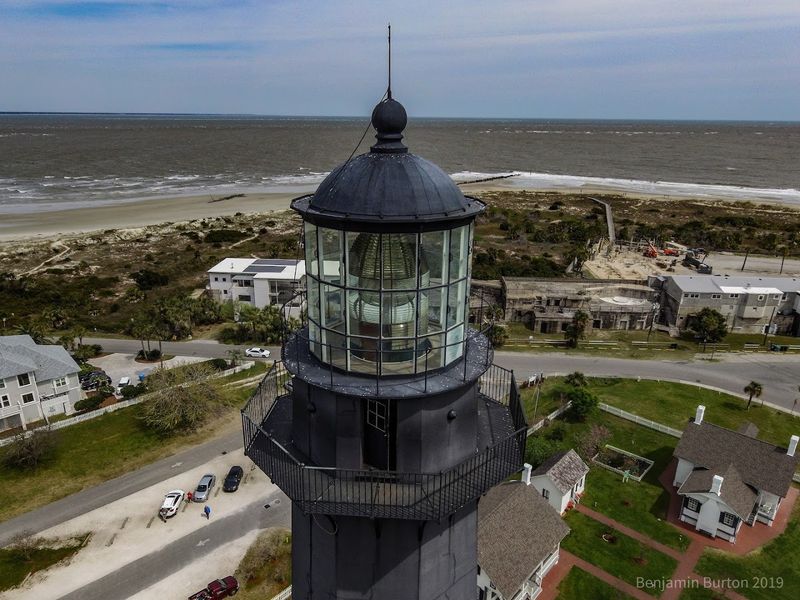
There is a reason visitors keep coming back to Tybee Island Light Station year after year, and the panoramic view from the top is a huge part of it. Once you push open that famously heavy door at the summit and step outside, the entire island unfolds beneath you like a living map.
The Atlantic Ocean glitters to the east, while the winding Savannah River stretches inland to the west.
On a clear day, you can spot Fort Pulaski, the surrounding marshes, and even parts of Hilton Head Island in South Carolina. The view covers so much geography that it instantly helps you understand why this spot was chosen as a lighthouse location nearly 300 years ago.
Sailors approaching from sea could spot the beacon from miles away.
Photographers absolutely love it up here. Pointing your camera downward at just the right angle captures the historic keeper’s cottages nestled among the trees below, creating a stunning contrast between old architecture and coastal nature.
If you aim carefully through the lantern room glass, you can even photograph the magnificent Fresnel lens up close.
Wind is a real factor at the top, so hold onto your phone, sunglasses, and hats. The staff actually monitors wind speed and will close the deck if conditions become unsafe.
The Beautifully Preserved Keeper’s Quarters
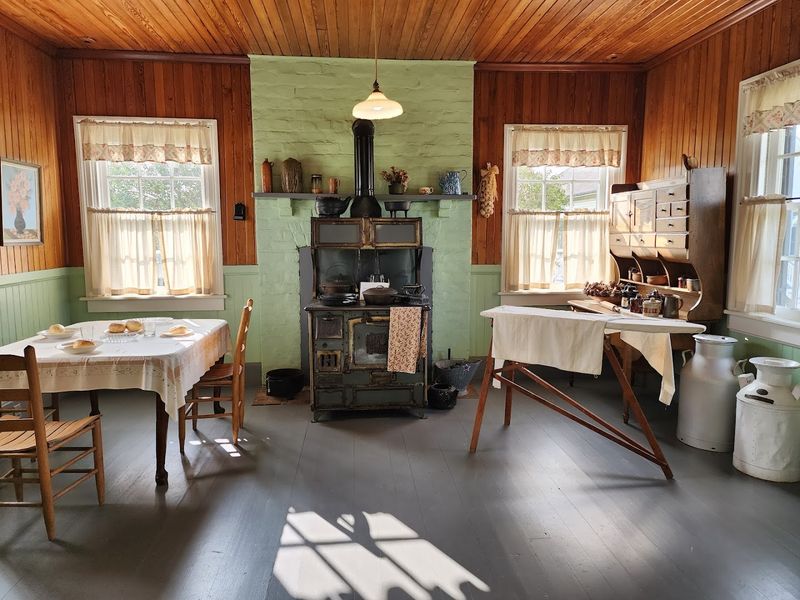
One of the most underrated highlights at Tybee Island Light Station is the head keeper’s quarters, a perfectly preserved Victorian-era home that gives visitors an intimate look at daily life in the 1800s and early 1900s. Many people rush past it on their way to the tower, but those who slow down are richly rewarded.
Step inside and you’ll find original quilts draped over beds, period-accurate kitchen tools, antique toys scattered in the children’s room, and furniture arranged exactly as it might have been when a real keeper’s family called this place home. The kitchen was deliberately built slightly separated from the main living area, a clever design choice meant to keep intense summer heat from making the rest of the house unbearable.
Details like that bring history alive in ways that textbook descriptions simply cannot. You start imagining the keeper waking before dawn, tending the light through a long night, then returning to this cozy home for breakfast with his family.
It’s a deeply human story told through objects and architecture.
Children especially connect with the keeper’s quarters because the everyday items feel familiar despite being over a century old. Friendly staff members share extra stories and anecdotes that fill in the gaps between the exhibit labels, making the whole experience feel personal and memorable.
The Tybee Island Light Station Museum
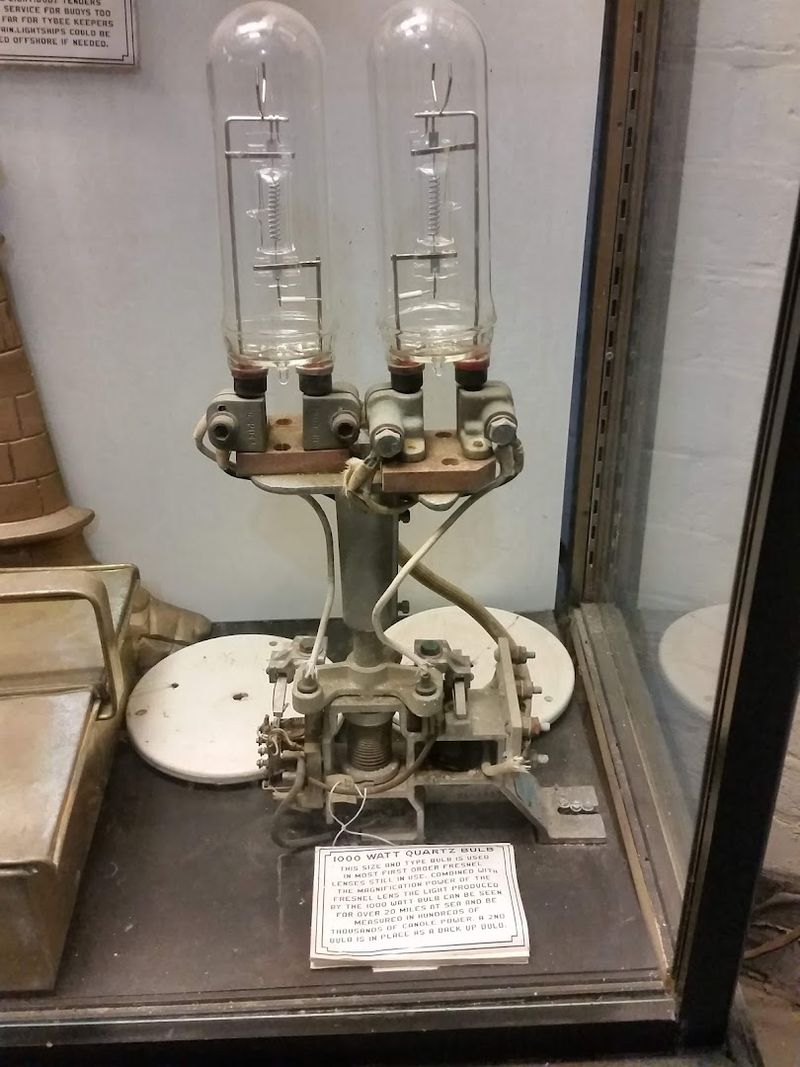
Across the street from the lighthouse tower sits a museum that deserves far more attention than it usually gets. The Tybee Island Light Station Museum packs an impressive amount of history into a compact, well-organized space.
It covers everything from the island’s indigenous roots and colonial settlement to its role in the Civil War and its transformation into a beloved beach destination.
Exhibits highlight the evolution of lighthouse technology, including detailed explanations of how Fresnel lenses work and why they were such a revolutionary advancement in maritime safety. There are also fascinating displays about the different lighthouse keepers who served here over the centuries, turning what could be a dry list of names into genuine human stories.
Your admission ticket to the lighthouse automatically includes entry to the museum, making it exceptional value for the price. Many visitors who planned to spend an hour end up staying half a day because there is simply so much to absorb.
The information boards throughout the museum are particularly praised by visitors for being genuinely engaging rather than just factual.
The museum also connects visitors to the broader history of Savannah Harbor, showing how commerce, military strategy, and maritime navigation all depended on the steady light shining from Tybee Island’s tower for nearly three centuries.
The Magnificent Fresnel Lens Still Shining Today
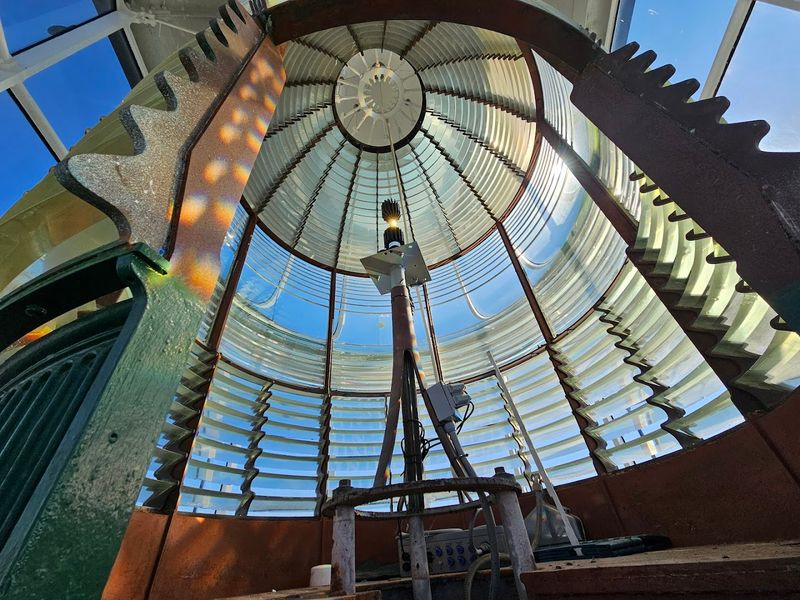
At the very top of the tower, housed inside the lantern room, sits one of the most impressive pieces of optical engineering you’ll ever see in person: a working Fresnel lens. Invented by French physicist Augustin-Jean Fresnel in the early 1800s, this type of lens transformed lighthouse technology by allowing a relatively small light source to project a powerful, focused beam visible from far out at sea.
The lens at Tybee is a first-order Fresnel lens, meaning it belongs to the largest and most powerful classification in the system. Its concentric rings of precisely ground glass prisms catch and bend light in a way that still feels almost magical when you see it up close.
Photographers who angle their cameras just right through the lantern room glass capture stunning images of the prisms refracting sunlight into rainbows.
What makes this even more remarkable is that the lens is still operational. The U.S.
Coast Guard maintains the light, and it continues to serve as an active aid to navigation for ships entering Savannah Harbor. This isn’t just a museum piece sitting behind glass; it’s a working instrument with a job to do.
Learning about the Fresnel lens adds a wonderful science dimension to the visit, making Tybee Light Station genuinely educational for students of all ages.
The Civil War Story Hidden in the Lighthouse Walls
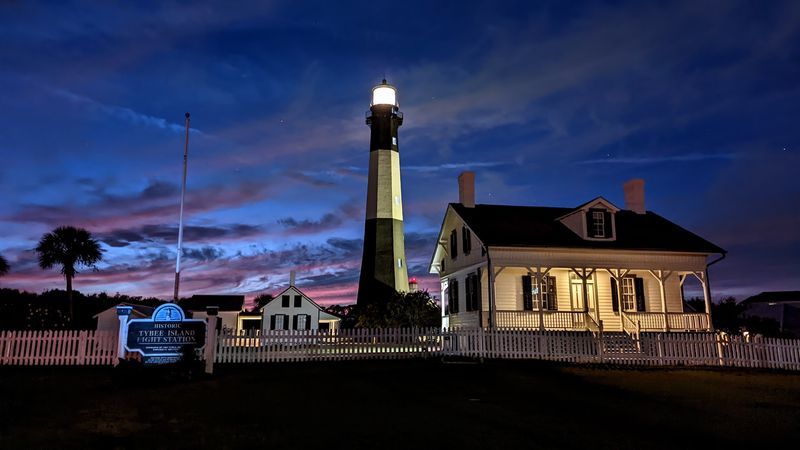
Most visitors don’t realize they’re standing inside a building with a dramatic Civil War story baked into its very bricks. When Confederate forces retreated from Tybee Island in 1861, they deliberately destroyed the lighthouse to prevent Union ships from using it to navigate into Savannah Harbor.
It was a calculated military move that temporarily blinded one of the coast’s most important waterways.
Union forces quickly recognized how valuable the lighthouse site was and began rebuilding it almost immediately. By 1862, a temporary light was back in operation, helping Federal naval vessels maneuver through the tricky waters around the island.
The story of Fort Pulaski’s fall to Union forces that same year is closely tied to the lighthouse’s strategic importance.
After the war ended, a major rebuilding project in 1867 gave Tybee Island its current lighthouse tower, incorporating the surviving lower portion of an earlier structure into the new design. That blend of construction periods is actually visible in the tower’s exterior if you know what to look for — the lower black-painted section dates from an earlier era than the upper white portion.
Standing at the base of the tower and knowing this history transforms it from a pretty coastal landmark into a genuine monument to resilience, conflict, and the enduring human need to guide others safely home.
Ticket Prices, Hours, and Practical Visitor Information
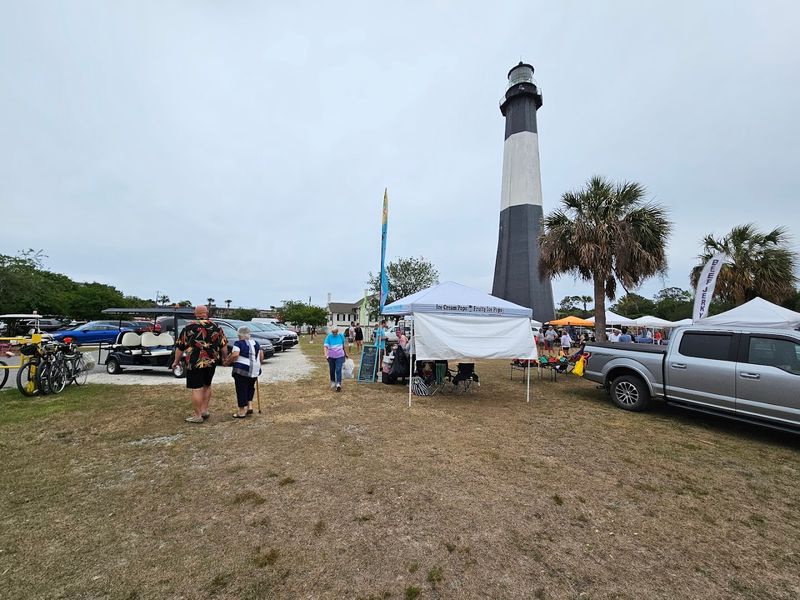
Planning a trip to Tybee Island Light Station is easy once you know the basics. Adult tickets are currently priced at $14, while children’s tickets run $12.
Kids under six years old get in free, making this a budget-friendly family outing. Military personnel and teachers receive discounts, which is a thoughtful gesture that many visitors genuinely appreciate.
The site is open Wednesday through Monday from 9 AM to 4:30 PM, and it is closed on Tuesdays. Ticket sales stop at 4:30 PM sharp, and the free on-site parking area must be cleared by 5:30 PM.
Knowing these details in advance saves you from arriving too late to make the most of your visit.
Your single admission ticket covers the lighthouse tower climb, access to the keeper’s quarters and surrounding historic buildings, the on-site museum, and even entry to the Battery Garland museum located across the street. That’s a remarkable amount of content for one ticket price, and it explains why visitors frequently report spending four to five hours on the property without running out of things to see.
The lighthouse address is 30 Meddin Drive, Tybee Island, GA 31328. You can also call ahead at 912-786-5801 or visit tybeelighthouse.org to check for any seasonal schedule changes before making the trip.
The Surrounding Historic Grounds and Buildings
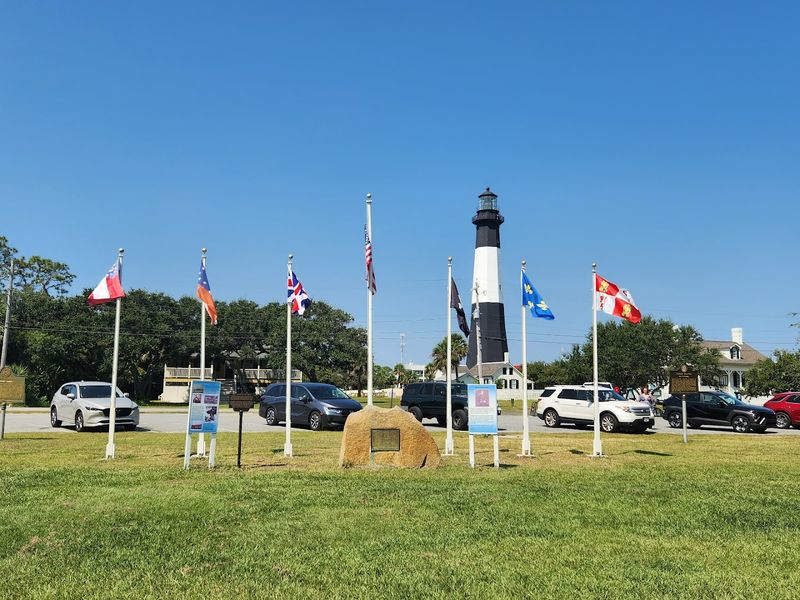
The lighthouse tower itself is just one piece of a much larger historic campus. The Tybee Island Light Station grounds include several restored buildings that together paint a complete picture of what life looked like for the people who kept this beacon burning through the decades.
Strolling the property feels like wandering through a carefully curated outdoor museum.
In addition to the head keeper’s quarters, there are assistant keeper’s cottages that have been restored and furnished to reflect different periods in the station’s long history. Some buildings display information about renovation techniques, showing visitors exactly how the preservation team works to maintain authenticity while keeping the structures safe and accessible.
It’s a surprisingly fascinating behind-the-scenes look at historic preservation in action.
The grounds are beautifully maintained, with mature trees providing shade and a sense of peaceful seclusion despite the lighthouse’s popularity. Many visitors comment on how calm and unhurried the property feels, even on busy holiday weekends.
There’s a souvenir shop on-site for those who want to bring a little piece of the lighthouse home.
Children particularly enjoy exploring the various buildings because each one offers something different to discover. The combination of open outdoor space and multiple indoor exhibits means families can easily pace the visit to suit everyone’s energy level and curiosity without feeling rushed.
Why Tybee Island Light Station Belongs on Your Georgia Bucket List
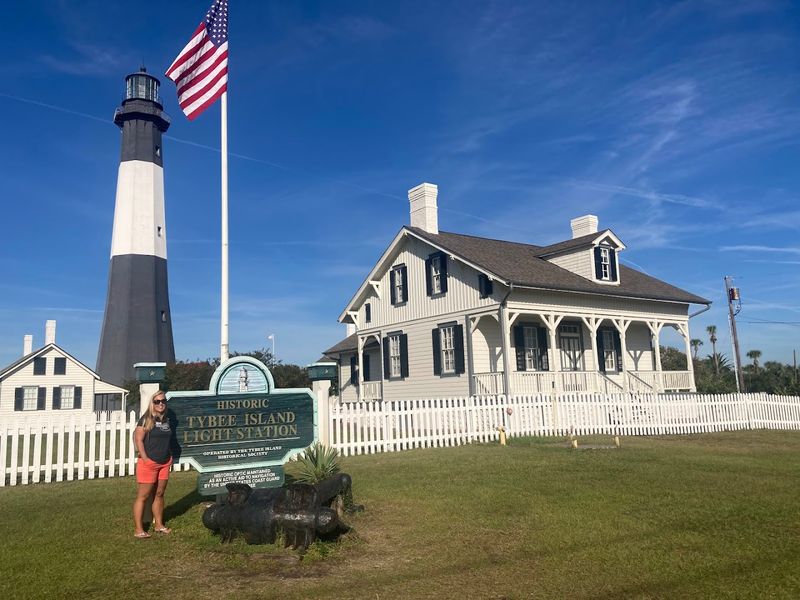
Some places earn their reputation simply by showing up on a list. Tybee Island Light Station earns its place through nearly three centuries of genuine service, survival, and storytelling.
With a 4.7-star rating from over 8,000 visitors, this is one of the most consistently praised attractions on the entire Georgia coast, and the enthusiasm in those reviews is unmistakably real.
The experience works for almost everyone. History lovers get layer upon layer of colonial, Civil War, and maritime stories.
Outdoor enthusiasts get a genuine physical challenge and spectacular natural views. Families get an affordable, all-day adventure that keeps kids engaged from the first exhibit to the final stair landing.
Even casual visitors who stumble in just for the view leave with a new appreciation for how much one lighthouse can mean to a community.
Tybee Island itself is a relaxed, charming beach town just 18 miles from downtown Savannah. Combining a lighthouse visit with a day at the beach, a meal of fresh local seafood, and a walk through the nearby Fort Pulaski National Monument creates one of the most satisfying day trips in the entire Southeast.
Whether this is your first visit or your fifth, Tybee Island Light Station has a way of feeling both familiar and fresh every single time. That’s the mark of a truly great landmark.