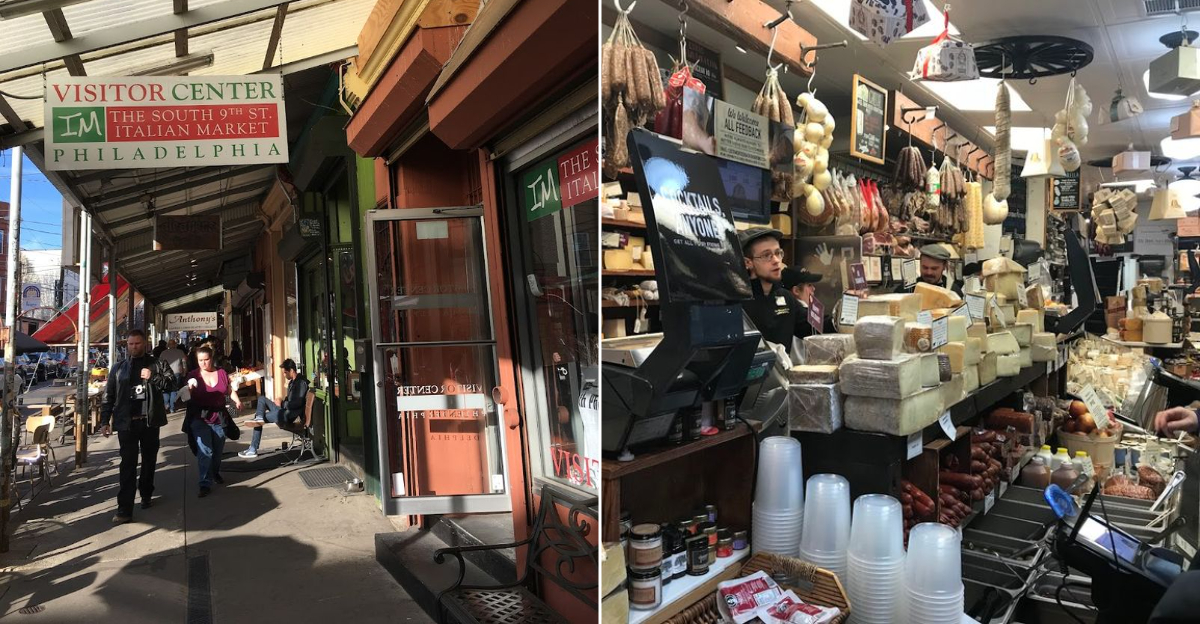
Philadelphia’s Italian Market has been serving hungry shoppers since the 1880s, making it the oldest continuously operating outdoor market in the entire United States. Stretching along nine vibrant blocks of South 9th Street, this historic marketplace brings together over 200 family-owned businesses selling everything from fresh produce to handmade pasta.
Walking past the aromatic cheese shops without stopping takes serious willpower, as the smells of imported Italian specialties mix with fresh-baked bread and sizzling street food to create an irresistible sensory experience that draws locals and tourists alike.
Fresh Produce Stands with Unbeatable Deals
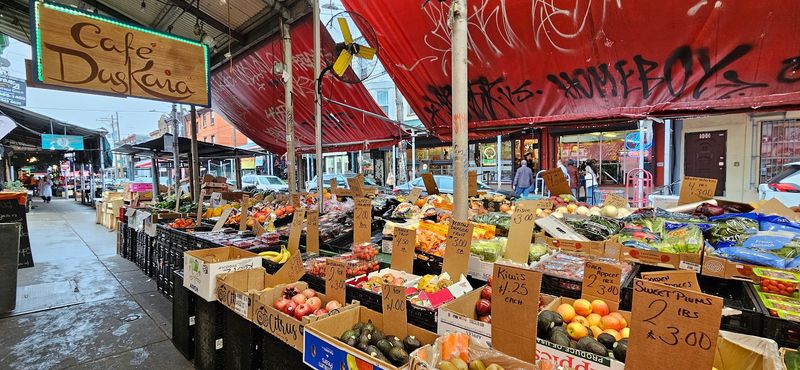
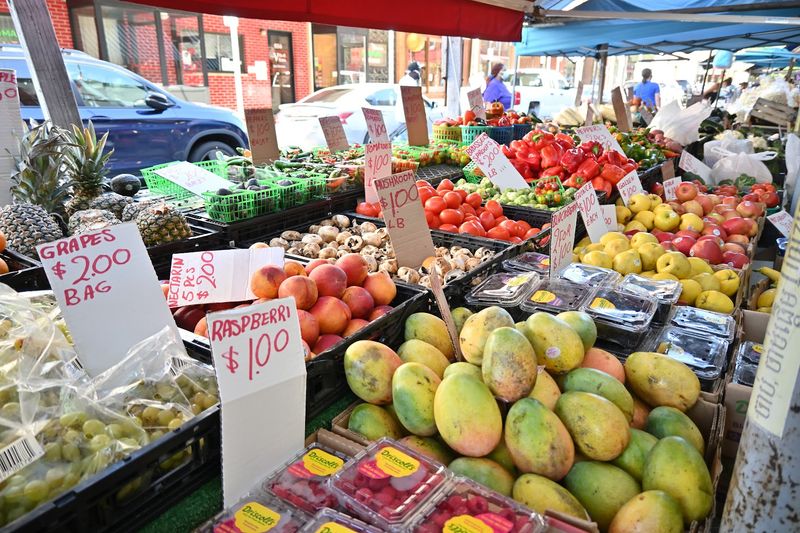
Every week, locals flock to the Italian Market knowing they’ll score incredible deals on the freshest fruits and vegetables in Philadelphia. Vendors display mountains of colorful produce right on the sidewalk, with prices that make grocery store costs look ridiculous.
You can find 16-ounce containers of perfectly ripe blueberries for just $1.50, alongside equally affordable strawberries bursting with flavor.
The secret to these amazing prices is the vendors’ relationships with local farms and their ability to move inventory quickly. Because the market operates year-round, shoppers develop loyalty to specific stands where they know the quality stays consistent.
Many families make their weekly shopping trips here a tradition, filling bags with enough fresh produce to last until their next visit.
Walking through the produce section feels like stepping back in time when neighborhood markets were the heart of community life. The vendors know their regular customers by name and often throw in extra items or share cooking tips.
This personal touch combined with unbeatable freshness keeps people coming back generation after generation.
Whether you’re looking for everyday staples or exotic ingredients for special recipes, the produce stands deliver quality that supermarkets simply can’t match.
Authentic Italian Cheese Shops
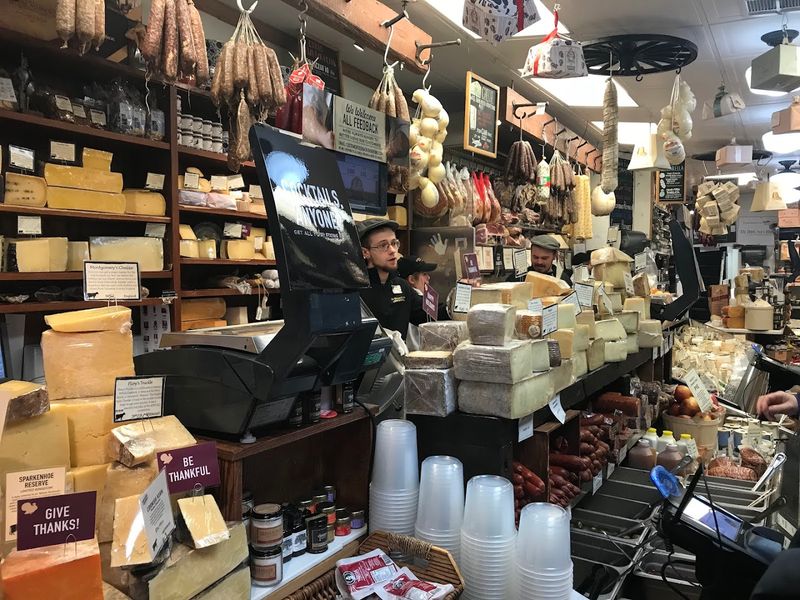
Walking past the cheese shops on 9th Street without stopping requires superhuman self-control. The aroma of aged Parmigiano-Reggiano, creamy fresh mozzarella, and sharp provolone wafts onto the street, practically pulling you inside.
These family-owned shops have been perfecting their craft for generations, importing authentic Italian cheeses while also making fresh varieties daily on-site.
Behind the counters, knowledgeable staff can guide you through hundreds of cheese varieties from different regions of Italy. They’ll slice samples, explain aging processes, and suggest perfect wine pairings.
Many shops still use traditional methods, hand-pulling mozzarella in warm water and wrapping purchases in butcher paper the old-fashioned way.
The selection goes far beyond what you’d find in typical grocery stores. Rare regional specialties sit alongside popular favorites, giving adventurous eaters the chance to explore Italy’s diverse cheese landscape.
Prices remain reasonable despite the premium quality, especially when compared to gourmet food stores in other neighborhoods.
Regular customers often form relationships with shop owners who remember their preferences and set aside special items when they arrive. This personalized service creates a shopping experience that feels more like visiting family than running errands, making every cheese purchase feel special.
Historic Family-Owned Butcher Shops
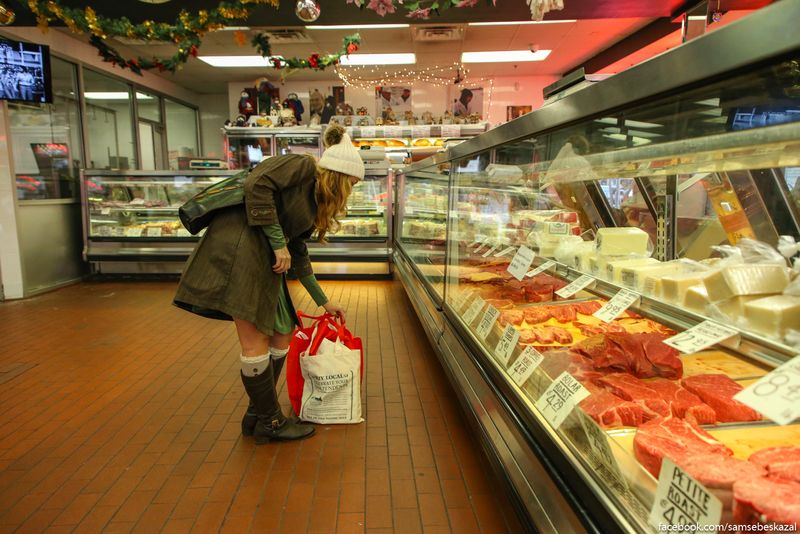
For over a century, Italian Market butcher shops have been providing Philadelphia families with the finest cuts of meat, prepared exactly how customers want them. These aren’t sterile supermarket meat departments—they’re authentic old-world establishments where butchers still break down whole animals and craft traditional Italian sausages using recipes passed down through generations.
The expertise behind these counters represents decades of training and family tradition.
Walking into these shops transports you to a different era. Sawdust covers the floors, whole prosciuttos hang from ceiling hooks, and the rhythmic sound of cleavers hitting butcher blocks creates a familiar soundtrack.
The butchers take pride in their craft, discussing different cuts, suggesting cooking methods, and customizing orders to meet specific needs.
Beyond standard cuts, these shops specialize in items difficult to find elsewhere. Fresh rabbit, veal, specialty poultry, and house-made sausages fill the cases.
Many shops also prepare ready-to-cook items like stuffed pork chops, marinated chicken, and rolled roasts that make weeknight dinners easier while maintaining quality.
The personal relationships between butchers and customers create a level of trust that keeps families returning for generations. Your butcher remembers how thick you like your steaks cut and saves special items when they come in.
Fresh Pasta and Prepared Italian Dishes
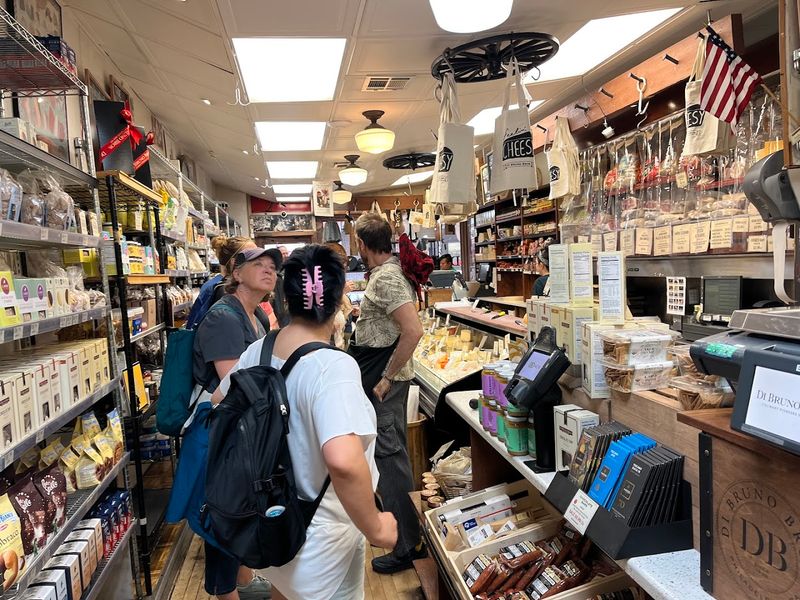
Nothing beats the convenience and quality of grabbing fresh pasta and prepared Italian dishes from the market’s specialty shops. These establishments make pasta daily using traditional techniques, creating everything from delicate angel hair to hearty rigatoni.
The prepared food cases overflow with classic Italian comfort foods like lasagna, chicken parmigiana, and eggplant rollatini that taste like nonna made them herself.
The pasta-making process happens right where customers can watch, with skilled hands rolling dough, cutting shapes, and filling ravioli with ricotta, spinach, or seasonal ingredients. This transparency ensures freshness and quality that dried pasta from boxes simply cannot match.
Cook times are shorter, textures are superior, and the taste difference is immediately noticeable.
Prepared dishes solve the eternal question of “what’s for dinner” without sacrificing quality or resorting to chain restaurant takeout. Many customers stock up on multiple dishes, creating a rotation of homemade-quality meals throughout the week.
The portions are generous, prices are fair, and the flavors are authentic.
Shop owners often share cooking instructions and sauce pairing suggestions, treating each sale as an opportunity to educate customers about Italian culinary traditions. This guidance helps even novice cooks create restaurant-quality meals at home, making Italian cooking accessible to everyone who visits.
Specialty Coffee and Espresso Cafes
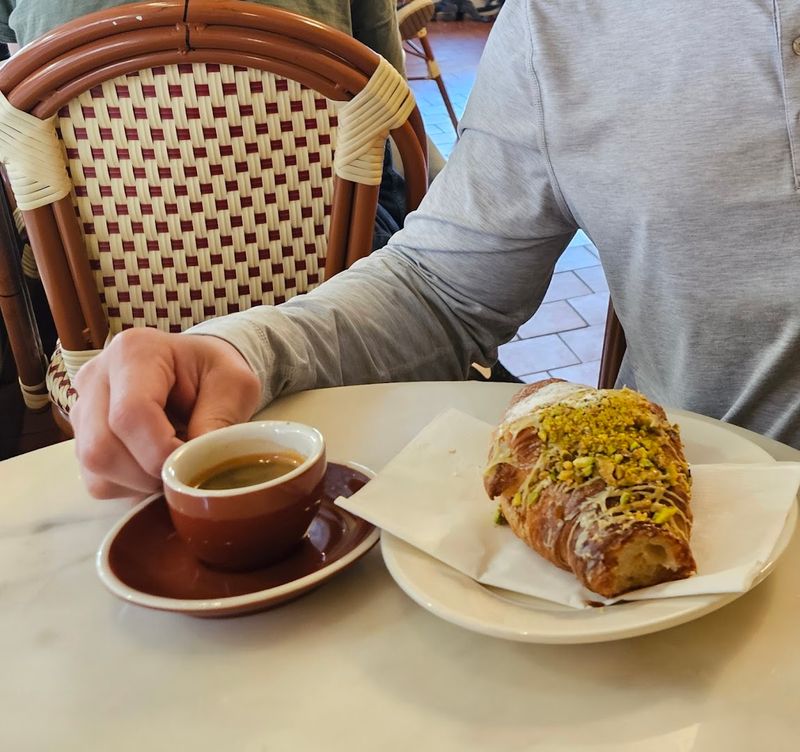
Coffee culture thrives along the Italian Market, where specialty cafes serve espresso drinks that rival anything found in Rome or Milan. These aren’t trendy third-wave coffee shops—they’re traditional Italian cafes where espresso is pulled with precision and cappuccinos are crafted with care.
The aroma of freshly roasted beans mingles with the scent of baking pastries, creating an irresistible invitation to sit and savor.
Many cafes roast their own beans or source them directly from Italian importers, ensuring authentic flavor profiles. Baristas understand that espresso is an art form requiring proper equipment, technique, and timing.
The result is coffee that’s bold without being bitter, smooth without being weak, and always served at the perfect temperature.
Beyond beverages, these cafes offer authentic Italian pastries like sfogliatelle, cannoli, and biscotti that pair perfectly with morning espresso. Some locations have been serving the neighborhood for decades, with loyal customers who stop in daily for their caffeine fix and friendly conversation.
The atmosphere is warm and welcoming, encouraging people to linger rather than rush.
Whether you grab a quick espresso at the bar or settle in with a cappuccino and pastry, these cafes provide authentic Italian experiences. They serve as community gathering spots where neighbors catch up and visitors experience genuine Philadelphia-Italian hospitality.
Multi-Ethnic Food Diversity
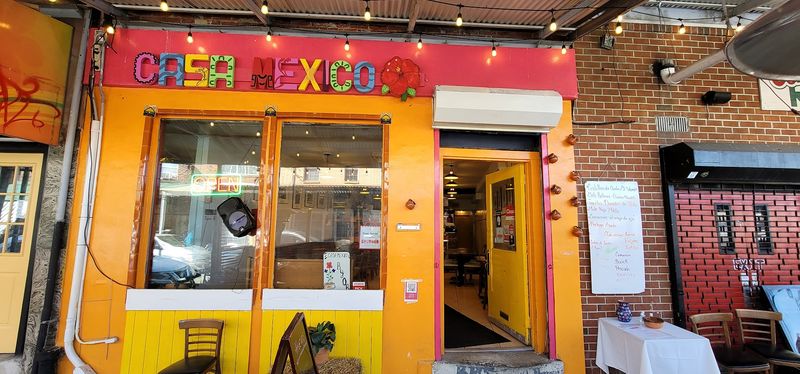
What started as an exclusively Italian enclave has evolved into a beautiful celebration of culinary diversity. Today’s Italian Market embraces Mexican, Turkish, Persian, Greek, and other ethnic establishments that comfortably share the blocks with traditional Italian vendors.
This multicultural transformation reflects Philadelphia’s changing demographics while maintaining the market’s essential character as a community food hub.
Mexican groceries stock authentic ingredients like fresh tortillas, specialty chiles, and traditional spices that are difficult to find elsewhere in the city. Turkish shops offer baklava, imported olive oils, and Middle Eastern specialties.
These businesses aren’t random additions—they’re family operations that share the Italian vendors’ commitment to quality, authenticity, and personal service.
The cultural mixing creates unexpected opportunities for culinary exploration. Shoppers can purchase Italian mozzarella, Mexican queso fresco, and Greek feta during a single trip.
Restaurants representing different cuisines line the streets, allowing adventurous eaters to enjoy Turkish coffee after lunch at an Italian trattoria or finish Mexican tacos with Italian gelato.
This diversity strengthens rather than dilutes the market’s appeal. It demonstrates how immigrant communities can coexist, learn from each other, and collectively create something greater than any single culture could achieve alone.
The market remains true to its roots while growing and adapting to serve Philadelphia’s evolving population.
Seasonal Cherry Blossom Atmosphere
Spring transforms the Italian Market into something magical when cherry trees lining the streets burst into clouds of pink blossoms. The contrast between delicate flowers and bustling commerce creates a uniquely beautiful atmosphere that draws photographers, romantic couples, and anyone seeking beauty in unexpected places.
Petals drift down onto produce displays and sidewalk tables, adding natural decoration to the already colorful scene.
The cherry trees were planted as part of neighborhood beautification efforts and have become one of the market’s most beloved features. Their blooming period in late March and early April coincides with pleasant weather, making it the perfect time to stroll the nine blocks.
Visitors snap countless photos, capturing the intersection of nature and urban life that makes the market special.
Beyond visual appeal, the blossoms signal renewal and the arrival of spring produce. Vendors begin displaying strawberries, asparagus, and other seasonal favorites just as the trees bloom.
This synchronization of natural cycles and market offerings connects shoppers to seasonal rhythms often lost in modern supermarket culture.
Even regular market visitors make special trips during cherry blossom season to experience the transformation. The flowers create a romantic backdrop for proposals, provide stunning settings for family photos, and remind everyone that beauty can flourish anywhere—even on busy commercial streets filled with shoppers and vendors.
Rocky Movie Fame and Cultural Icon Status
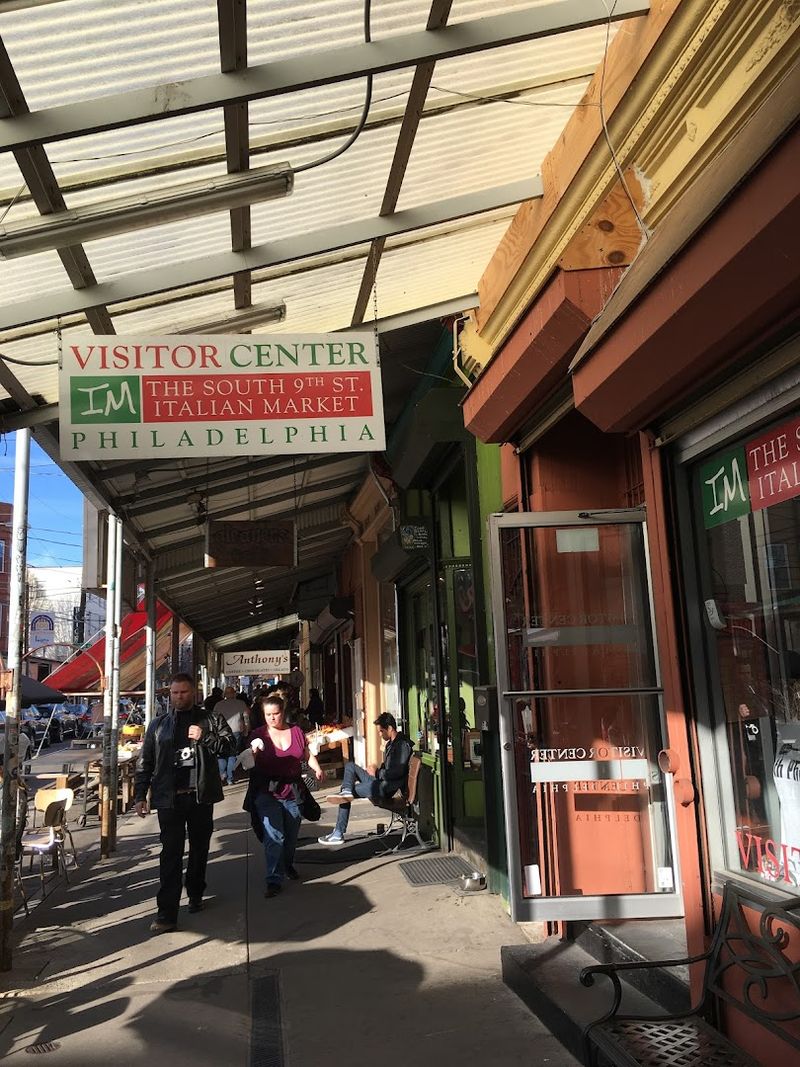
Movie buffs recognize the Italian Market instantly as the backdrop for iconic scenes in Rocky and Rocky II. When Sylvester Stallone’s character runs through these streets during training montages, he immortalized this neighborhood on film screens worldwide.
The market’s appearance in these beloved movies transformed it from a local shopping destination into an international cultural landmark that draws tourists from every corner of the globe.
Visitors often arrive hoping to recreate Rocky’s experiences, jogging through the market or posing for photos at recognizable locations. This cinematic connection adds another layer to the market’s already rich history, giving it pop culture relevance that extends beyond food shopping.
Local vendors embrace this fame, welcoming movie fans alongside regular customers and sharing stories about the filming.
The Rocky connection also highlights the market’s authentic working-class character. Stallone chose this location precisely because it represented real Philadelphia neighborhoods where ordinary people worked hard and built communities.
That authenticity remains today, with the same family businesses continuing operations decades after the movies premiered.
This cultural icon status benefits the entire neighborhood economically while preserving its historical character. Tourism dollars support local businesses, encouraging preservation rather than development.
The market proves that commercial success and historical authenticity can coexist when communities value their heritage and visitors respect local traditions.
Live Poultry and Fresh Seafood Markets
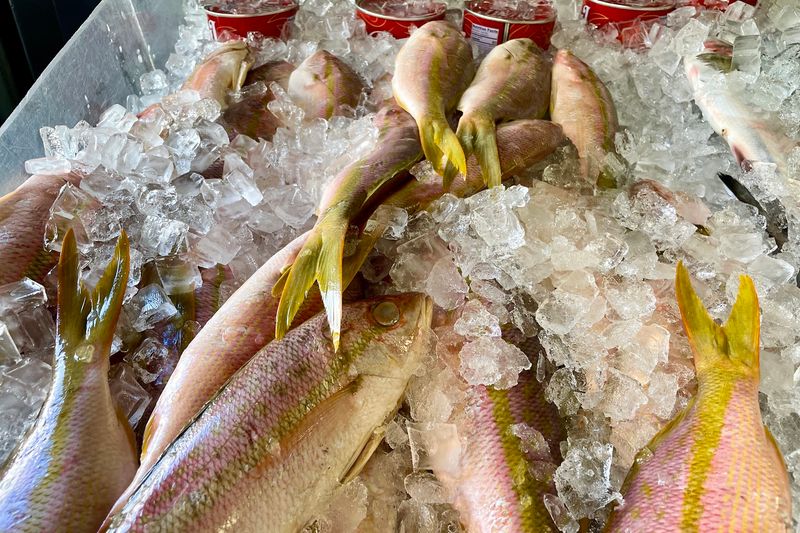
Few modern shopping experiences match the authenticity of purchasing live poultry or selecting fresh-caught seafood at the Italian Market. These specialized vendors maintain traditions that have nearly disappeared from American retail, offering customers the freshest possible products prepared exactly to specifications.
The live poultry shops operate much as they did a century ago, providing an educational glimpse into food sourcing before industrial agriculture.
Seafood vendors display catches that arrived at Philadelphia’s docks that same morning. Whole fish rest on beds of ice, their clear eyes indicating freshness that supermarket seafood counters rarely achieve.
Knowledgeable staff can fillet, clean, and prepare purchases while discussing cooking methods and recipe suggestions that help customers make the most of their selections.
This direct connection between source and table ensures superior quality and allows for customization impossible at chain stores. Want a specific cut?
Need bones removed a certain way? These vendors accommodate requests that would baffle typical grocery store employees.
Their expertise comes from years of experience and family training passed through generations.
While some shoppers initially find live poultry markets unsettling, they represent honest transparency about food origins. Understanding where food comes from and how it’s processed creates more conscious consumers who appreciate the work behind every meal.
These vendors preserve important knowledge about traditional food practices worth maintaining.
Year-Round Operation and Community Hub
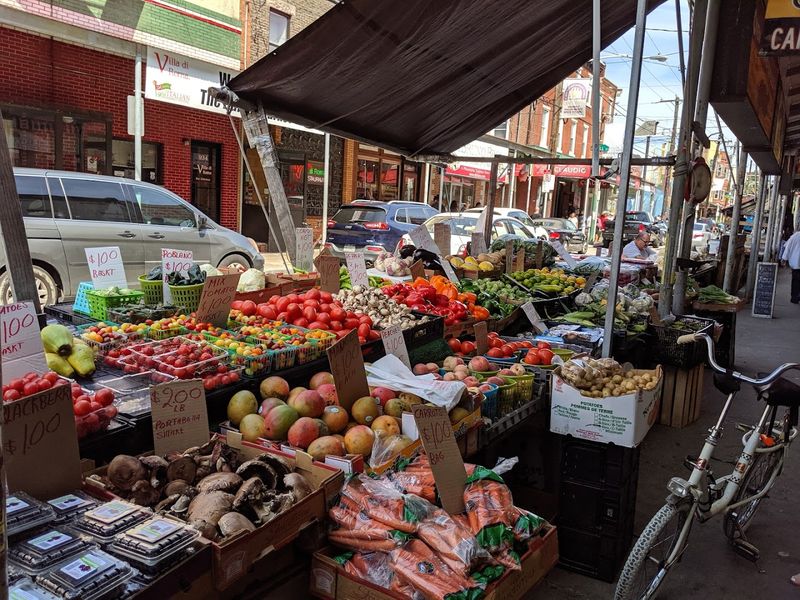
Unlike seasonal farmers markets that operate only during warm months, the Italian Market runs year-round, serving as a consistent food source and community gathering place regardless of weather. Vendors brave cold winters and hot summers, maintaining their sidewalk displays and welcoming customers who depend on them for weekly shopping.
This reliability creates stability in neighborhoods where food access might otherwise be limited.
The market’s continuous operation builds deep relationships between vendors and customers that seasonal markets cannot replicate. Shop owners watch children grow up, remember family preferences, and become embedded in the community’s social fabric.
These connections transform routine shopping into meaningful social interactions that combat urban isolation and build neighborhood cohesion.
Operating hours accommodate different schedules, with some vendors opening early for restaurant buyers and others staying late for working families. Sunday mornings bring especially large crowds as families combine shopping with social outings.
The visitor center provides information about market history and current vendors, helping newcomers navigate the nine-block stretch.
This year-round presence means the market adapts to seasonal changes while maintaining core identity. Fall brings pumpkins and winter squash, spring showcases asparagus and strawberries, summer overflows with tomatoes and corn.
Each season offers different experiences while the fundamental market character remains constant, providing comforting continuity in an ever-changing city.