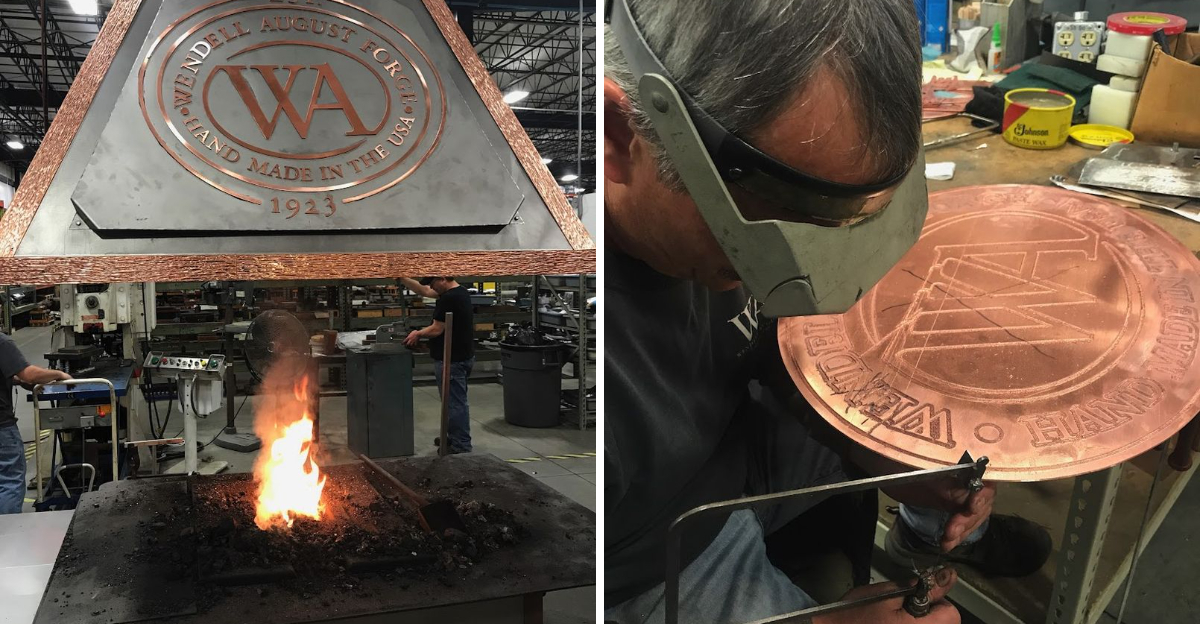
Nestled in Grove City, Pennsylvania, Wendell August Forge stands as a testament to American ingenuity and tradition.
As the oldest working forge in the state, it offers a unique glimpse into the art of metalworking, where craftsmen skillfully hammer intricate designs by hand.
This historic site invites visitors to explore the rich heritage and enduring techniques that have shaped its legacy since the early 20th century.
A Forge Rooted in Early American Craftsmanship (1923 Origins)
In 1923, a curious request for handmade door latches sparked the creation of Wendell August Forge. Wendell McMinn August, a visionary with a heart for craftsmanship, founded the forge in a humble workshop, focusing on iron pieces like hinges, gates, and household hardware.
These early works were not just functional; they were statements of artistry, showcasing August’s dedication to traditional blacksmithing.
Imagine the clanging of hammers and the glow of the forge as skilled hands transformed raw metal into intricate designs. This was a time when every piece told a story, shaped by the sweat and skill of dedicated artisans.
The forge quickly became known for its quality and craftsmanship, setting the standard for handmade metalwork in Pennsylvania. The early success of Wendell August Forge was rooted in its commitment to quality.
Each piece was crafted with meticulous attention to detail, ensuring that the artistry of blacksmithing continued to thrive in a rapidly industrializing world.
This dedication laid the foundation for the forge’s enduring legacy, one that continues to captivate visitors and collectors to this day.
From Coal Country to Metalworking Innovation
Wendell August’s journey from the gritty coal industry to the delicate art of metalworking is a story of transformation. Originally, August worked in coal-related fields, but an encounter with mine blacksmith Ottone “Tony” Pisoni altered his path.
Pisoni’s expertise in crafting decorative iron pieces ignited August’s passion for metal artistry, leading to a unique collaboration that would define Wendell August Forge.
This partnership marked the beginning of a new chapter, where innovation met tradition. The forge became a place where old-world techniques and new ideas merged, creating handcrafted pieces that resonated with both aesthetic beauty and functional design.
Iron, once a material of utility, was now a medium of expression, shaped by the hands of craftsmen who saw possibilities beyond its basic form.The transition from coal to craftsmanship was not just a change in vocation; it was a shift in vision.
August’s ability to see potential in unlikely places allowed the forge to flourish, setting a standard for creativity and quality that continues to influence metalwork today.
This evolution was a testament to Wendell August’s pioneering spirit and his relentless pursuit of excellence.
The Shift from Iron to Aluminum (1930 Breakthrough)
The year 1930 marked a pivotal moment for Wendell August Forge when the Aluminum Company of America (ALCOA) approached them with a special commission.
ALCOA’s request for decorative architectural pieces using aluminum opened a new chapter for the forge, revealing the metal’s potential as a canvas for creative expression.
This was a turning point that would redefine the forge’s future.Aluminum offered a fresh medium that was both lightweight and versatile, allowing artisans to explore new dimensions of metal art. The forge quickly adapted, embracing this innovative material to craft pieces that were not only beautiful but also accessible.
The transition from iron to aluminum was a breakthrough that expanded the forge’s offerings, positioning it as a leader in decorative metal giftware.
This shift was not just about changing materials; it was about embracing a new identity. Aluminum became synonymous with Wendell August Forge, representing a blend of tradition and modernity.
The forge’s ability to innovate while staying true to its roots created a legacy of craftsmanship that continues to inspire today. This adaptability and vision ensured that Wendell August Forge remained at the forefront of artisan metalwork.
Move to Grove City and Expansion (1932)
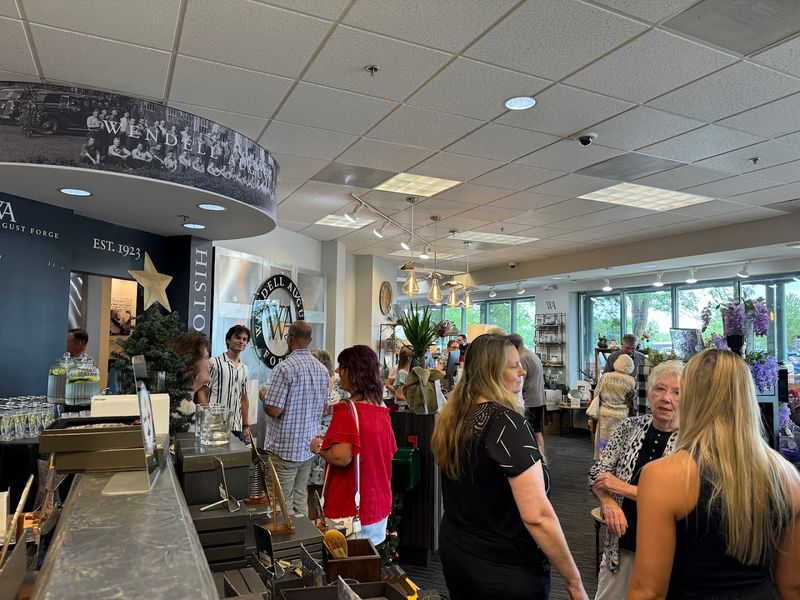
In 1932, Wendell August Forge made a significant move to Grove City, a decision fueled by local banking leaders eager to encourage industrial growth during the Great Depression.
This relocation was not merely a change of address; it was a strategic expansion that afforded the forge a permanent home and enhanced manufacturing capacity.Grove City offered a supportive community and a promising future, providing the forge with the resources it needed to thrive during challenging economic times.
The move also allowed for larger production facilities, enabling the forge to increase its output and diversify its product offerings. This period of growth was crucial for the forge, as it solidified its position as a staple of American craftsmanship.
The relocation to Grove City was a testament to Wendell August Forge’s resilience and forward-thinking strategy.
By embracing new opportunities and adapting to change, the forge ensured its continued success and influence in the world of metalworking. This expansion was not just about physical growth; it was about building a legacy that would endure for generations, rooted in the heart of a supportive community.
The Rise of Hand-Hammered Giftware
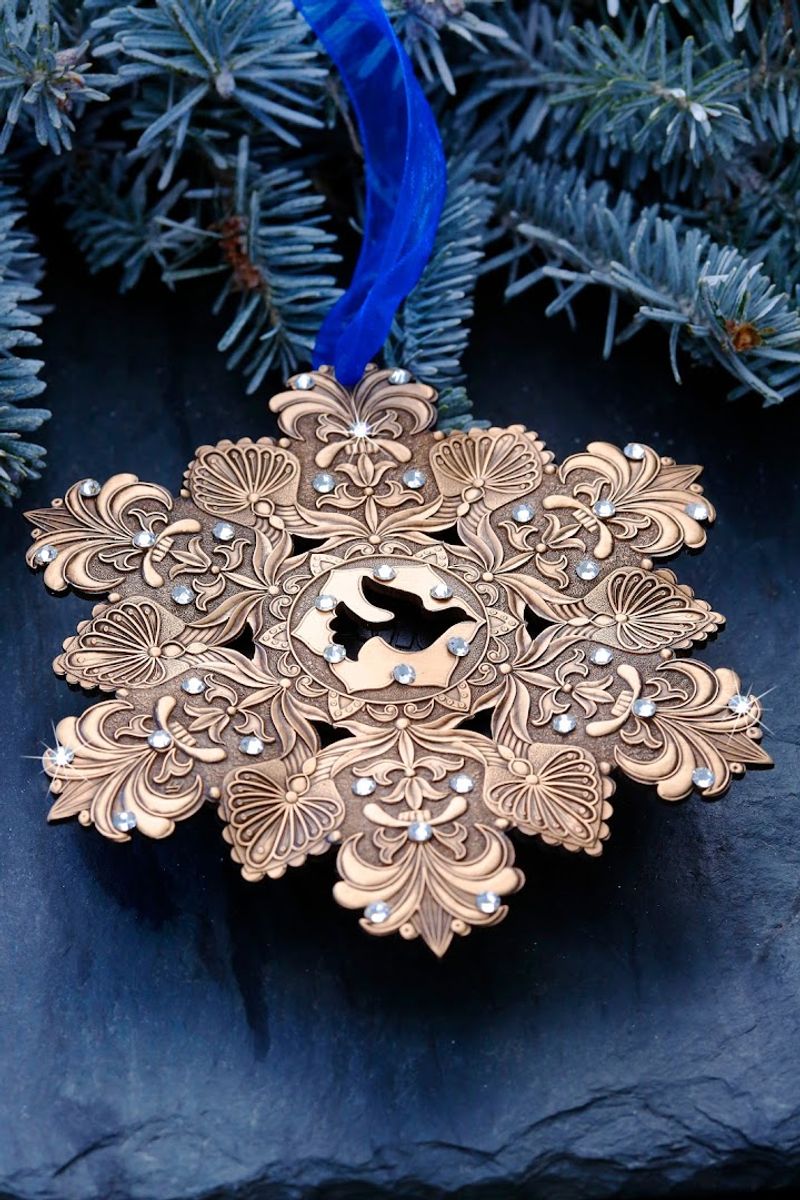
Wendell August Forge’s journey into the world of hand-hammered giftware is a testament to creativity and resourcefulness. Initially focused on architectural metalwork, the forge soon found new opportunities in decorative items like trays, ornaments, and commemorative plates.
These pieces were often crafted from leftover materials, transforming scraps into collectible art objects with charm and character.
This evolution was more than a shift in product focus; it was an exploration of artistry that resonated with a wide audience. The beauty of each hand-hammered piece lies in its individuality, with no two items being exactly alike.
Craftsmen infused each creation with unique details, making every piece a cherished keepsake.The success of Wendell August Forge’s giftware was rooted in its ability to marry tradition with innovation.
By utilizing existing resources and seeing potential in the everyday, the forge created a line of products that continue to captivate collectors and gift-givers alike.
This transformation into a haven of decorative artistry further cemented the forge’s reputation as a leader in handcrafted metal design.
A Unique Eight-Step Handcrafting Process
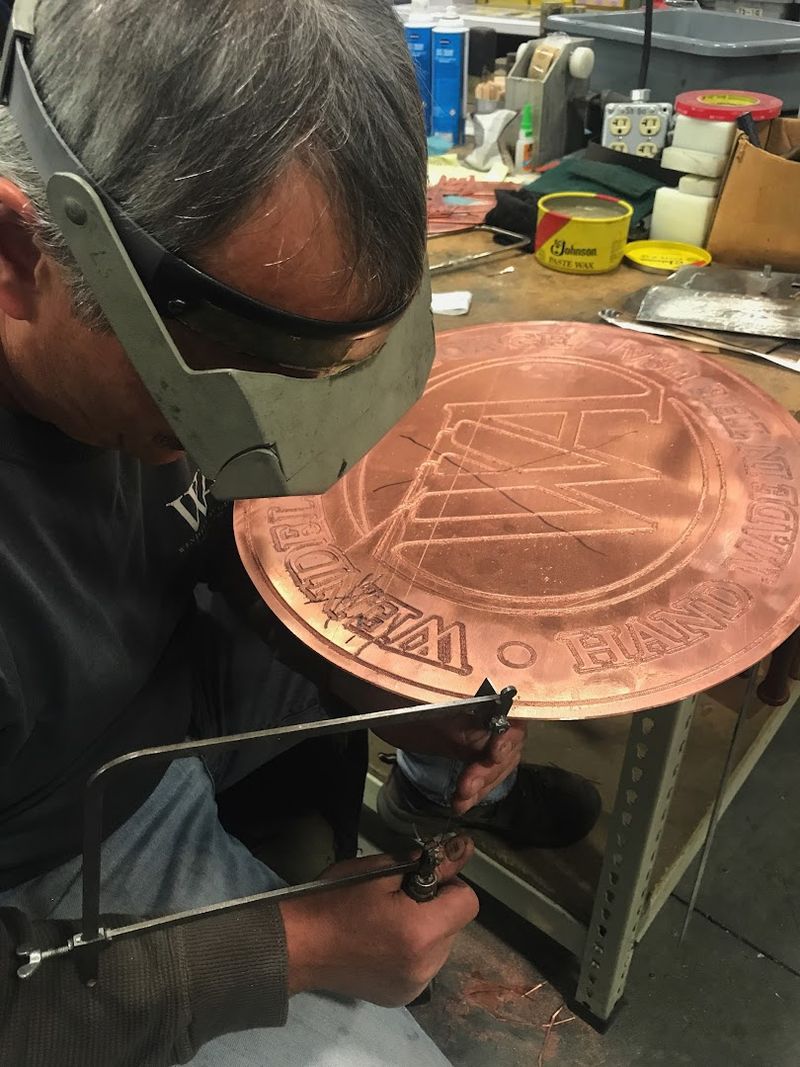
The artistry at Wendell August Forge is defined by its meticulous eight-step handcrafting process, a method rooted in old European metalworking traditions. This intricate process ensures each piece’s unique character, making every item a testament to skill and creativity.
The journey begins with die engraving, where skilled engravers carve intricate designs into steel dies.
This is followed by the hammering stage, where artisans use these dies to imprint patterns onto the metal.
Each step, from shaping to coloring and finishing, requires precision and patience, reflecting the heritage of craftsmanship.This multi-step process is more than a technique; it’s a dance of tradition and innovation.
By preserving these age-old methods, Wendell August Forge honors the legacy of metalworking, ensuring that every piece carries the signature of time-honored artistry.
This commitment to quality and detail is what sets the forge apart, making each item not just a product, but a piece of history.
Craftsmen Who Still Hammer Every Design by Hand
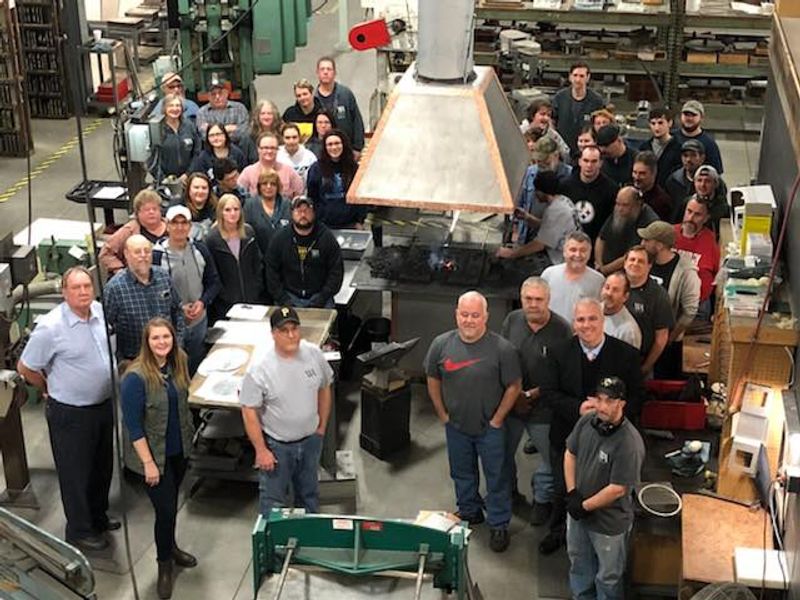
In an age of automation, the artisans at Wendell August Forge stand out for their dedication to hand-hammering each design. This commitment to traditional craftsmanship ensures that every piece is imbued with personal touch and authenticity, reflecting the forge’s enduring legacy.
Craftsmen use hammers and dies to imprint intricate patterns into metal, a process that requires both strength and finesse.
Each item often bears the signature of the engraver and craftsman, adding a layer of connection between creator and collector. This personal touch is what makes Wendell August Forge’s creations truly special.
The art of hand-hammering is not just about technique; it’s about passion and pride.
These skilled artisans keep the forge’s history alive, crafting pieces that resonate with beauty and individuality.
Their dedication ensures that Wendell August Forge remains a beacon of handmade authenticity, celebrating the craftsman’s role in preserving tradition.
Survival Through War, Depression, and Fire
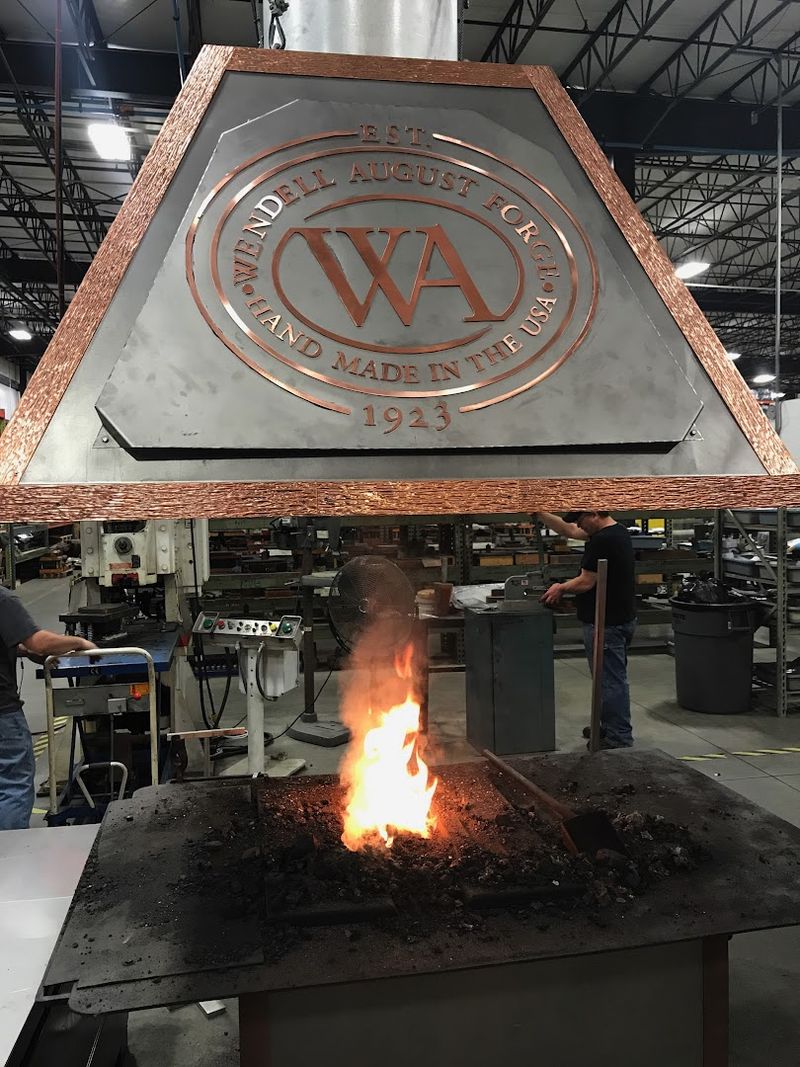
Wendell August Forge’s resilience is a tale of triumph over adversity. Throughout its history, the forge has faced numerous challenges, including the Great Depression, wartime material shortages, and a devastating fire in 2010 that destroyed its original facility.
Yet, despite these obstacles, the forge has continued to thrive.The ability to adapt and rebuild is woven into the fabric of Wendell August Forge.
After the 2010 fire, production resumed swiftly, and the company rebuilt in Grove City, preserving its legacy.
This spirit of perseverance is a testament to the forge’s commitment to craftsmanship and community.Wendell August Forge’s survival is not just about overcoming physical challenges; it’s about maintaining the heart and soul of its artistry.
Each piece crafted in the forge is a symbol of resilience and dedication, embodying a legacy that has withstood the test of time.
This enduring spirit continues to inspire and engage visitors from around the world.
A Modern Workshop That Preserves Old Traditions
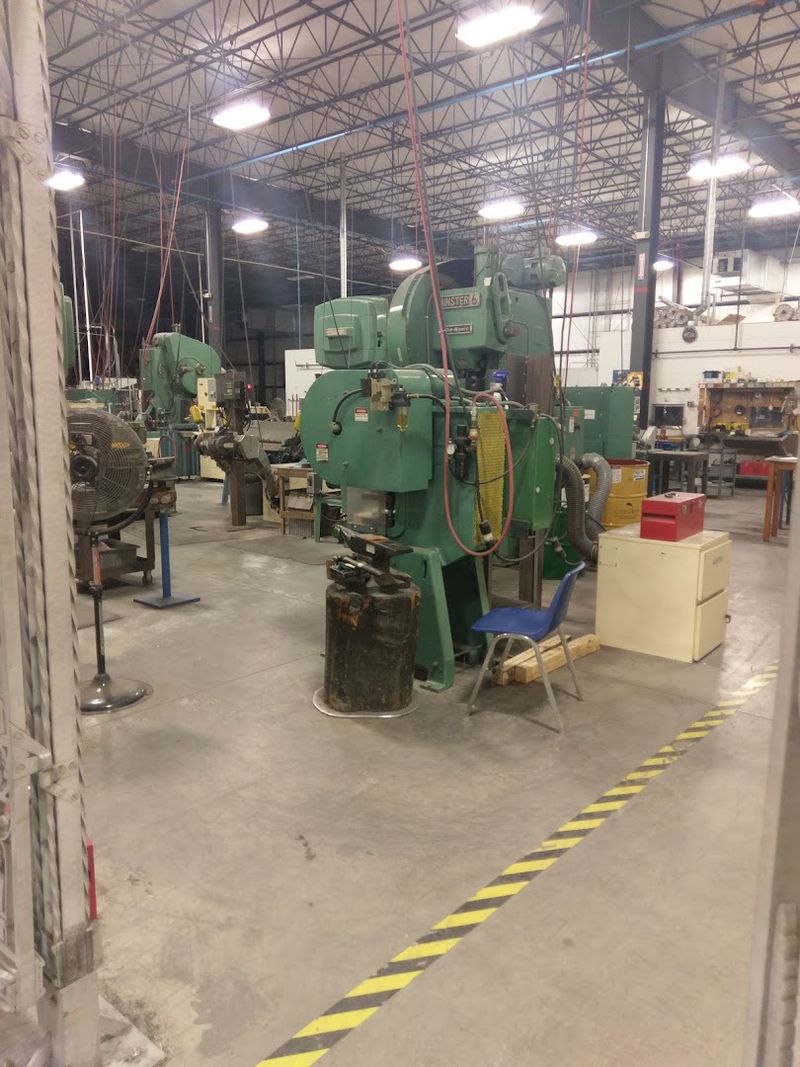
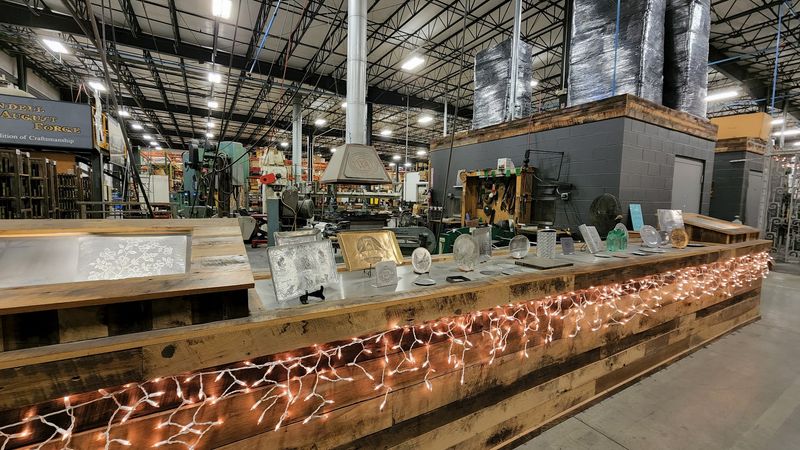
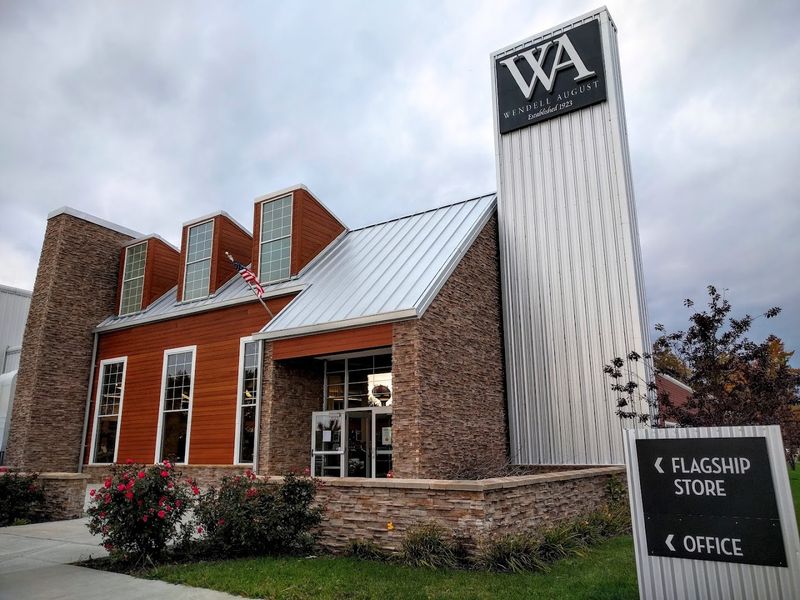
The current Wendell August Forge facility is a blend of modernity and tradition, offering a unique experience for visitors. Located in Grove City, the facility includes a factory, retail store, and history center, where the art of metalworking comes to life through live demonstrations.
Despite the modern building, the forging methods remain largely unchanged from early 20th-century techniques.
The artisans continue to use time-honored processes to craft each piece, ensuring that the essence of traditional craftsmanship is preserved. This commitment to authenticity is what draws visitors to the forge, offering a glimpse into the past while celebrating contemporary creativity.
The modern workshop is not just a place of production; it’s a living museum of artistry.
By seamlessly integrating the old with the new, Wendell August Forge provides a space where history is celebrated and the future is crafted. This dedication to preserving tradition while embracing innovation makes the forge a truly unique destination.
Visitor Info: Touring Wendell August Forge (Grove City, PA)
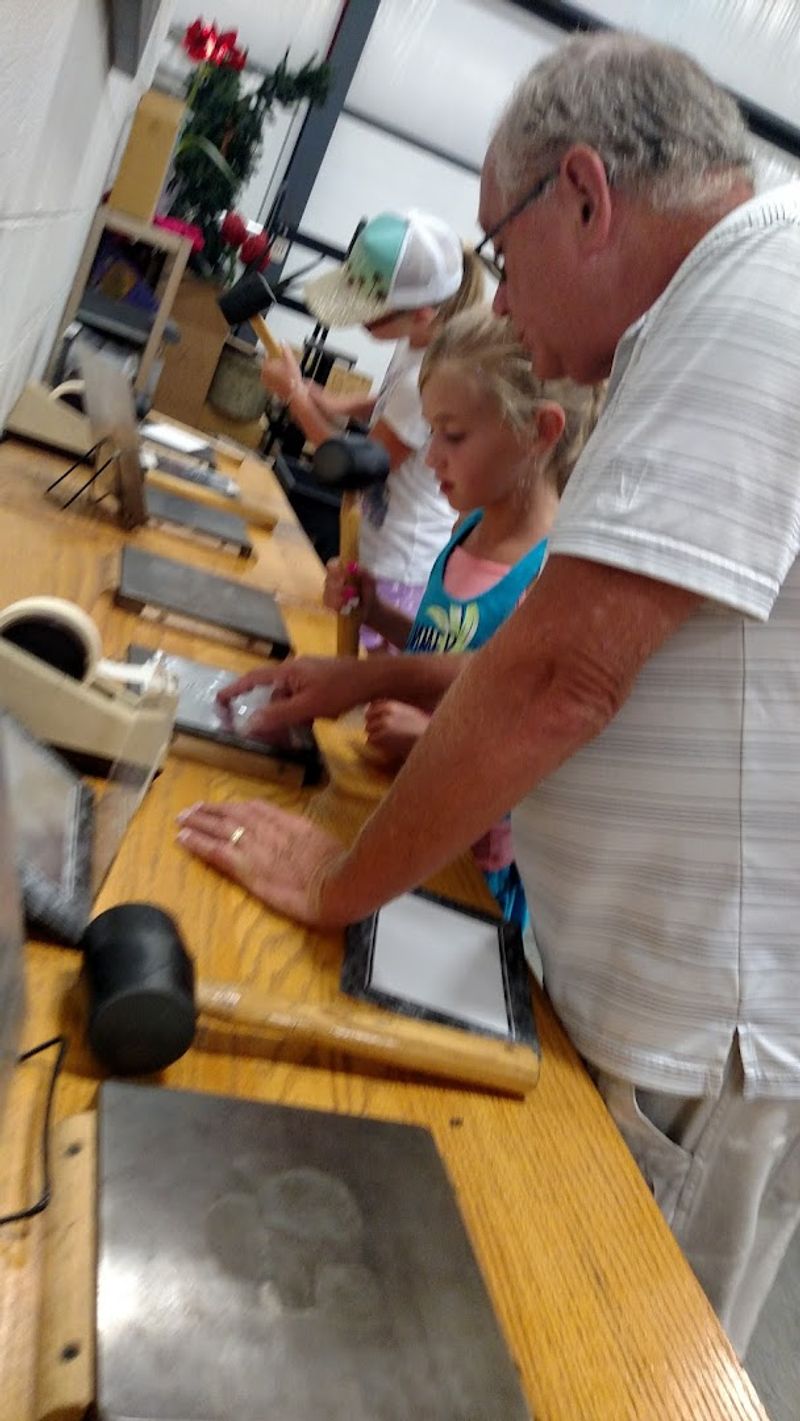
Wendell August Forge is not just a workshop; it’s an experience waiting to be explored. Located at 1911 Leesburg Grove City Rd, Suite 955, Grove City, PA 16127, the forge welcomes visitors to discover the art of metalworking firsthand.
With a phone call to +1 724-748-9501, you can plan your visit to this historic site.At the forge, you can tour the working facility, where skilled artisans craft each piece with precision and care.
The retail store offers a chance to purchase unique handmade metal gifts, each carrying the legacy of Wendell August Forge.
The history center provides insight into the forge’s storied past, offering visitors a rich context for the artistry they witness.Whether you’re a collector, a history enthusiast, or simply curious about metalwork, a visit to Wendell August Forge offers something for everyone.
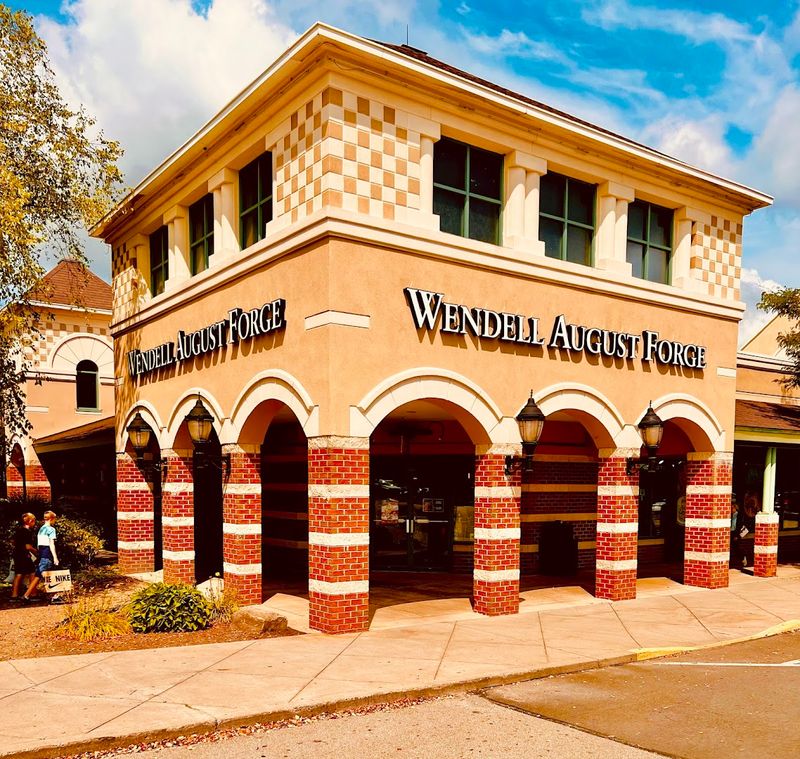
Located near the Grove City Premium Outlets, the forge is open for public visits and guided experiences, making it both a retail destination and a working craft museum.
It’s a place where the past meets the present, and tradition comes to life.