The Cascades didn’t lose their peace overnight — they got discovered. One photo, one road trip, one “hidden gem” post at a time, quiet mountain towns turned into weekend magnets packed with cars and camera-toting visitors.
Not long ago, many of these places were the kind of towns where people knew each other, traffic barely existed, and mountain views came with silence. Logging crews, railroad workers, and longtime residents shaped daily life while the forests stayed the loudest thing around.
Now the story can look very different. Trailhead parking fills before sunrise.
Main streets crawl with bumper-to-bumper traffic. Coffee lines stretch out the door while visitors chase the next postcard view.
Some longtime locals still love where they live. They just know one thing: when peak tourist season rolls around, the quiet days they remember can feel very far away.
Leavenworth (Chelan County)
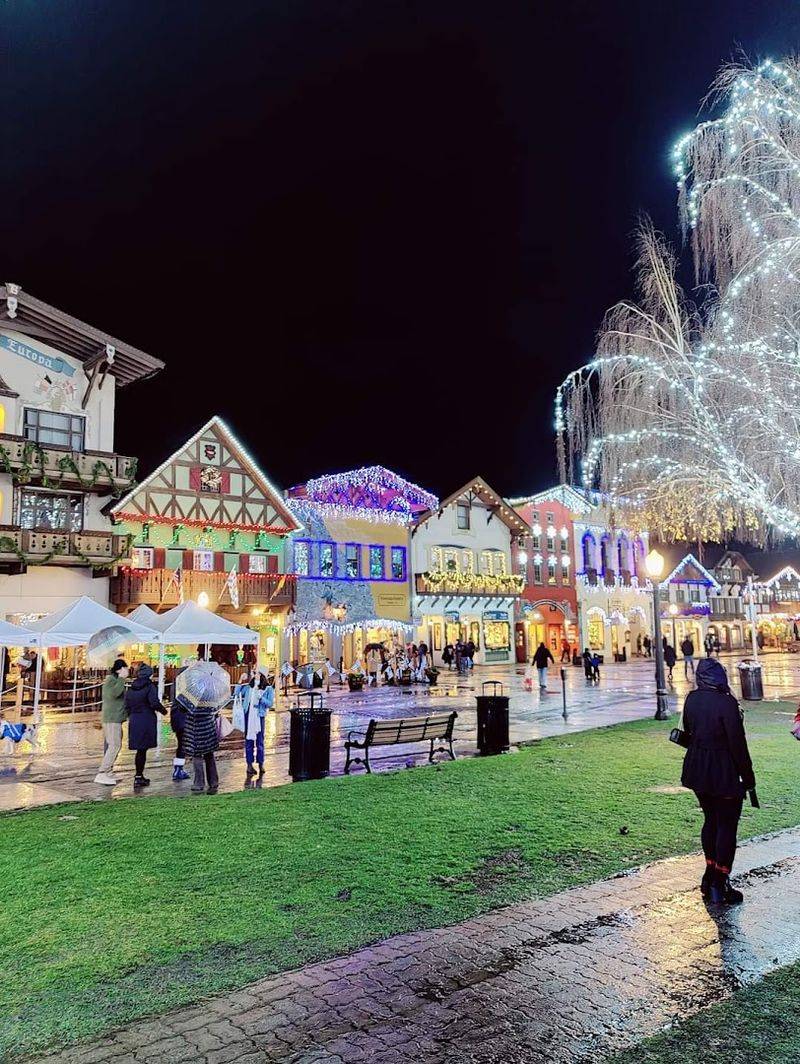
Picture a small railroad town that decided to dress up like a Bavarian village and became an absolute tourist magnet. That transformation happened in the 1960s when Leavenworth was struggling to survive.
Now this mountain community faces a completely different problem. During Oktoberfest and the famous Christmas lighting season, visitors flood the streets by the thousands.
The tiny downtown area gets so packed that finding parking becomes nearly impossible.
Local residents often leave town during peak seasons just to avoid the chaos. What used to be a place where everyone knew their neighbors has turned into a constant stream of unfamiliar faces.
Restaurants stay booked weeks in advance, and grocery shopping requires careful timing to dodge tourist crowds.
The Bavarian makeover saved the economy but cost the town its peaceful character. Many longtime families have moved away, unable to handle the relentless tourism pressure.
Weekend traffic turns Highway 2 into a parking lot for miles in both directions.
North Bend (King County)
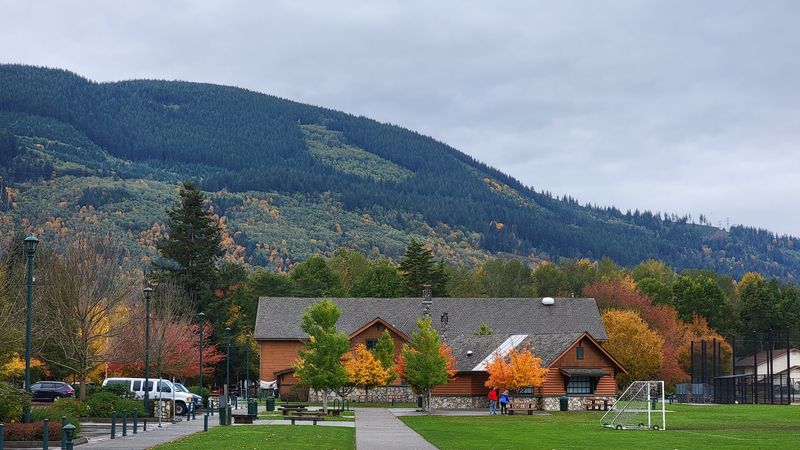
Every Seattle hiker knows exactly where North Bend sits on the map. This former logging community sits right at the doorway to some of Washington’s most popular trails.
Rattlesnake Ledge attracts thousands of hikers each weekend, and most of them drive straight through North Bend to get there. The quiet streets now handle a constant parade of SUVs loaded with camping gear and mountain bikes.
Gas stations stay packed, and local coffee shops run out of pastries by mid-morning on Saturdays.
The town never planned to become such a massive recreation hub. Traffic backs up through downtown as outdoor enthusiasts head toward Snoqualmie Pass.
Finding a parking spot near any trailhead requires arriving before sunrise during summer months.
Residents who wanted a peaceful mountain lifestyle now deal with urban-level traffic problems. The constant flow of visitors has pushed housing prices higher while changing the community’s entire atmosphere.
Many locals avoid downtown altogether on weekends.
Snoqualmie (King County)
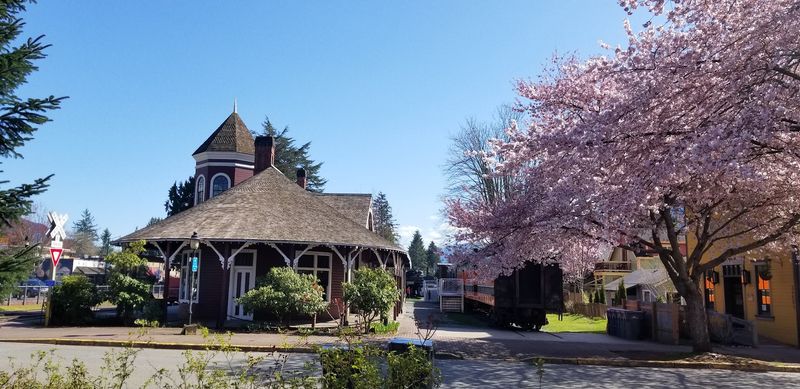
A 268-foot waterfall changed everything for this old mill town. Snoqualmie Falls became one of Washington’s most photographed natural wonders, bringing millions of visitors annually.
The timber industry once defined this community, with lumber mills providing most local jobs. Those days vanished as tourism took over completely.
The waterfall viewpoint now sees more daily visitors than the entire town’s population.
Traffic congestion around the falls area creates headaches for anyone trying to navigate through town. Tour buses arrive by the dozen during peak season, and the small roads weren’t designed for such heavy use.
Locals trying to run simple errands face unexpected delays from tourist traffic.
The constant influx of outsiders has transformed the community’s character entirely. Housing developments keep expanding to accommodate people who work in Seattle but want mountain views.
Original residents feel squeezed out by rising property values and endless crowds. The peaceful mill town atmosphere exists only in old photographs now.
Chelan (Chelan County)
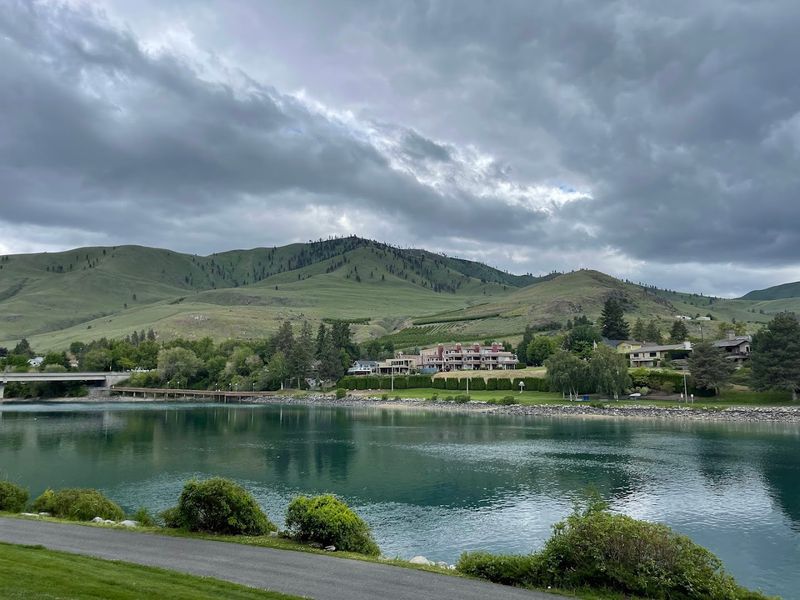
Summer transforms this orchard community into something completely unrecognizable. Lake Chelan’s crystal-clear waters draw vacation seekers from across the Pacific Northwest, overwhelming the small town’s infrastructure.
Wineries and waterfront rental properties multiply each year, pushing out traditional agricultural businesses. The population swells dramatically between June and September as tourists flood lakeside accommodations.
Marina parking lots fill up by early afternoon, and boat launches have waiting times measured in hours.
Year-round residents often joke about avoiding downtown during the tourist invasion. Grocery stores run short on supplies, restaurants require reservations days ahead, and traffic crawls along the main streets.
Finding a quiet spot along the shoreline becomes mission impossible during peak season.
The intense seasonal tourism has changed the town’s entire economic foundation. Many local families can barely afford housing anymore as vacation rental demand drives prices skyward.
The quiet orchard town that once defined Chelan exists mainly in older residents’ memories now.
Skykomish (Snohomish County)
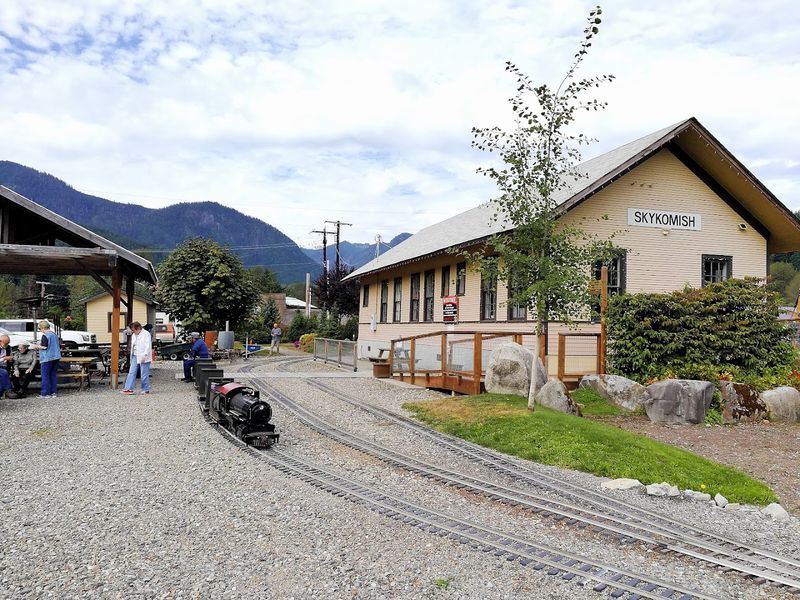
Railroad history runs deep through this mountain village along Stevens Pass. Trains still rumble through regularly, but now the real traffic comes from outdoor adventurers in cars and SUVs.
Skykomish serves as a convenient stopping point between Seattle and ski areas or hiking trailheads. The town’s tiny size makes the steady stream of visitors feel especially overwhelming.
Gas stations and the few local businesses stay busy with through-traffic that rarely stays long enough to really explore.
Hikers, skiers, and mountain bikers treat the town like a supply depot rather than an actual community. Weekend mornings bring lines of vehicles heading east toward recreation areas.
The population of fewer than 200 permanent residents gets dwarfed by the thousands who pass through weekly.
Long-time locals remember when trains provided the main excitement and visitors were rare. Now the constant flow of outdoor tourists defines daily life.
The quiet mountain atmosphere disappeared along with the railroad’s economic dominance.
Roslyn (Kittitas County)
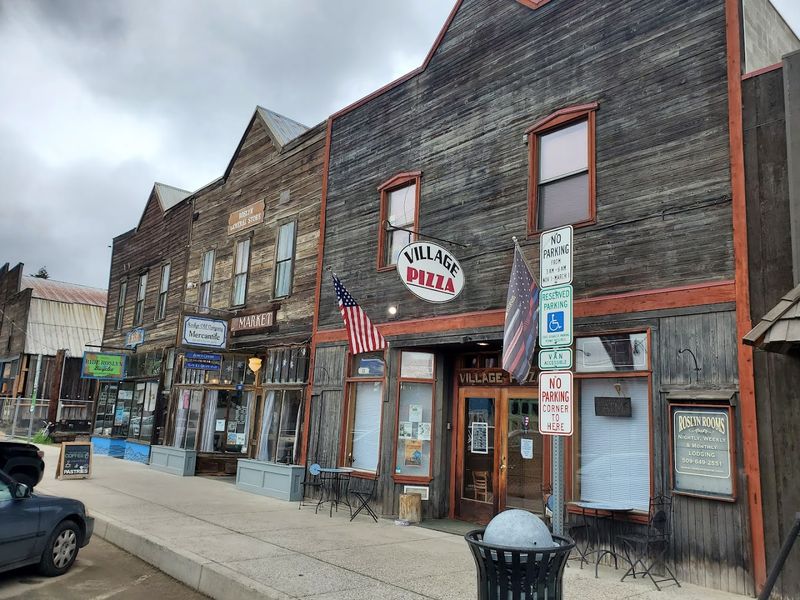
Coal mining built this town, but television made it famous. When Northern Exposure filmed here in the early 1990s, Roslyn gained unexpected celebrity status that still draws visitors today.
The brick buildings and historic character attract people seeking authentic mountain town vibes and filming locations. What worked well for a coal community serving a few hundred miners now struggles under constant tourist attention.
Parking disappears quickly on weekends as visitors explore the cemetery and downtown streets.
Outdoor recreation areas near town add another layer of traffic. Hiking trails and scenic drives bring additional crowds beyond the film tourism.
Local restaurants and shops depend heavily on outside visitors now, completely changing the economic landscape.
Residents who appreciate the preserved architecture also deal with the problems that preservation brings. Higher property values attract newcomers while pricing out longtime families.
The quiet mining town atmosphere has been replaced by a tourism-focused economy that leaves some locals feeling like strangers in their own community.
Ashford (Pierce County)
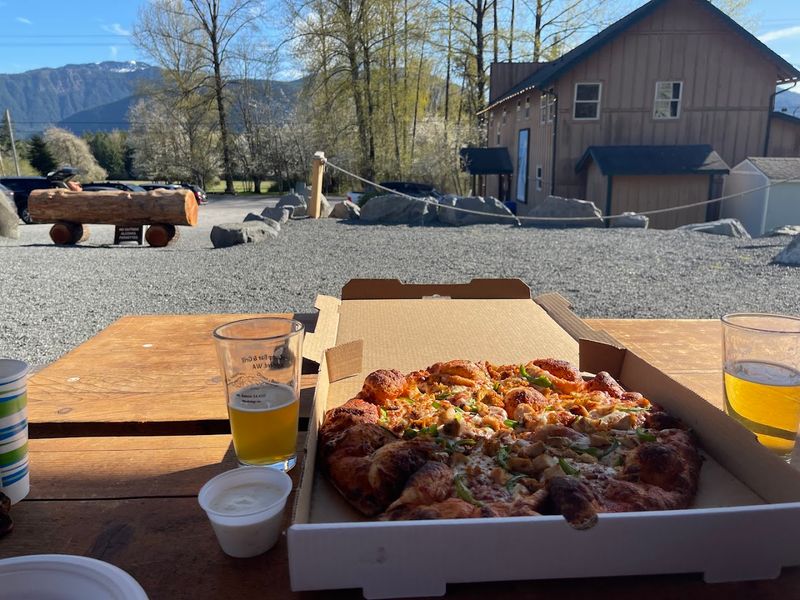
Mount Rainier National Park’s western entrance basically runs through this settlement’s backyard. That geographic reality transformed Ashford from a quiet service area into a bustling tourism hub.
Lodges, restaurants, and outfitting shops dominate the landscape now, replacing whatever quiet character existed before. During summer months, the traffic never stops as park visitors stream through continuously.
Finding accommodation without advance reservations becomes nearly impossible from June through September.
The Nisqually entrance draws the heaviest park traffic, and Ashford catches every bit of that flow. Tour buses rumble through regularly, and RVs line up at gas stations throughout the day.
The small community never expected to handle such massive visitor numbers.
Long-time residents watch their home become more of a service station than an actual town. The park’s popularity keeps growing, which means Ashford’s tourism burden increases yearly.
Some locals have given up trying to maintain a normal small-town life and simply adapted to the constant crowds.
Index (Snohomish County)
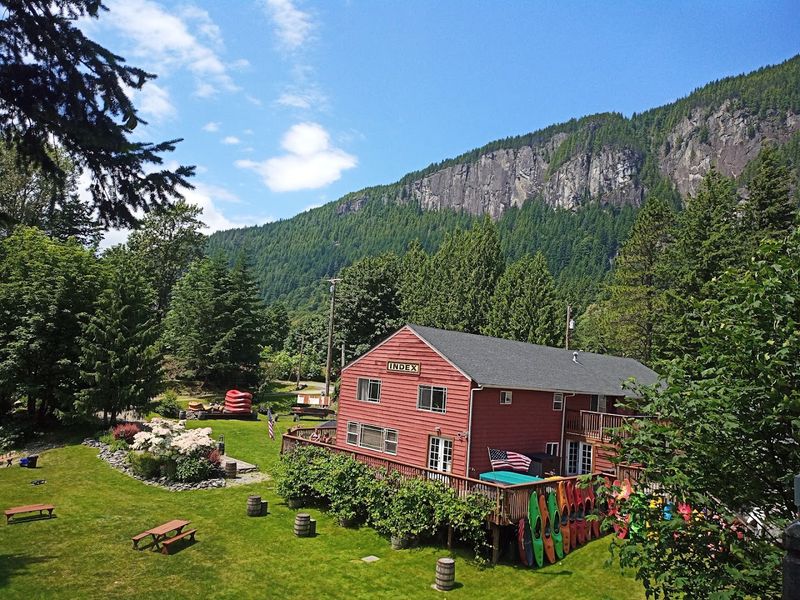
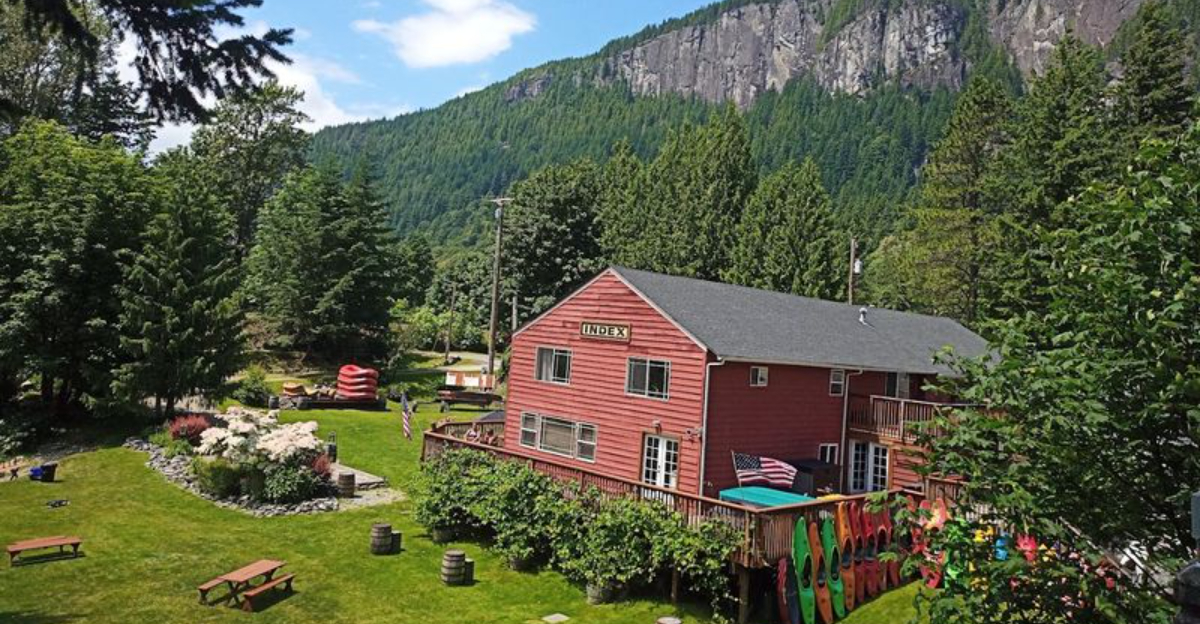
Dramatic granite walls tower above this riverside community, creating some of Washington’s best rock climbing routes. That vertical landscape turned a former logging town into a climber’s paradise and local headache.
The Index Town Walls attract serious climbers from around the world. Weekends bring caravans of vehicles loaded with climbing gear, filling every available parking space.
The town’s population barely reaches 200, but hundreds of outdoor enthusiasts pass through weekly during climbing season.
River access and wilderness trailheads add hikers to the climbing crowds. The tiny downtown area wasn’t built to handle such heavy recreational traffic.
Residents navigate around parked cars blocking streets and visitors wandering through neighborhoods seeking trail access.
Local families who chose Index for its peaceful mountain setting now live in an outdoor recreation hotspot. The logging industry’s decline seemed like a loss initially, but the tourism replacement brought different challenges.
The community’s quiet character got traded for economic survival through outdoor tourism that never stops growing.
Plain (Chelan County)
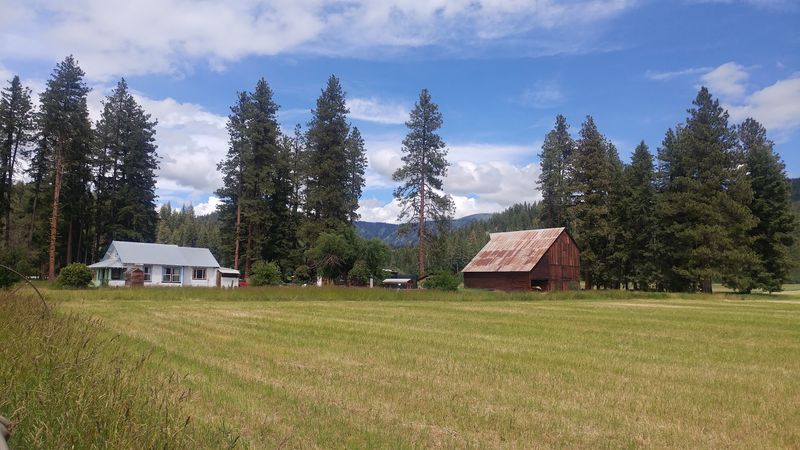
Hidden in the Wenatchee River valley, this agricultural community discovered that recreational access comes with major downsides. Snowmobilers, hikers, and Lake Wenatchee visitors transformed Plain into a seasonal recreation base.
Winter brings snowmobile trailers by the dozens, while summer fills campgrounds and trailheads with hikers. The rural roads weren’t designed for such heavy recreational traffic.
Peak season weekends create parking nightmares and turn the quiet valley into a crowded outdoor hub.
Local families who farmed and ranched here for generations now live surrounded by vacation rentals and recreation-focused businesses. The seasonal nature makes it worse because tourism intensity varies dramatically throughout the year.
Three months of overwhelming crowds give way to quieter periods, creating economic instability.
Traditional valley life has mostly disappeared as recreation dominates the landscape. Property values climbed beyond what agricultural families can afford.
The peaceful rural character that defined Plain for decades exists mainly as a memory for older residents who watched everything change.
Stevenson (Skamania County)
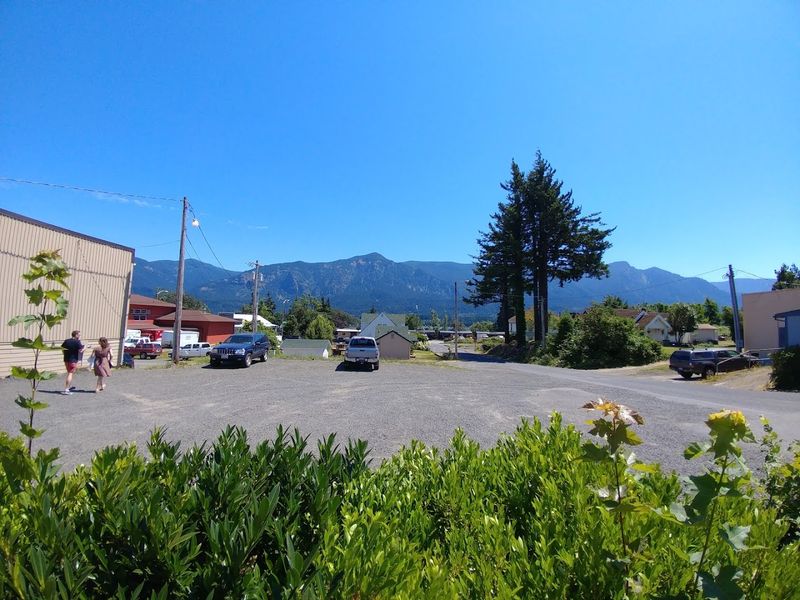
Columbia River Gorge scenery made this historic shipping town into a waterfall tourism destination. Travelers seeking Instagram-worthy cascade photos flood the area continuously during warmer months.
The Bridge of the Gods and nearby hiking trails create constant traffic through downtown. What functioned fine as a small river community struggles under recreational pressure.
Parking fills up early at trailheads, pushing overflow into residential streets. Restaurants and shops depend entirely on tourist dollars now.
Scenic drive routes bring additional crowds beyond the waterfall seekers and hikers. The Columbia Gorge’s popularity keeps increasing as more people discover its natural beauty.
Stevenson sits right in the middle of that tourism corridor, catching visitor overflow from both Washington and Oregon sides.
Long-time residents remember when local industry provided jobs and the town maintained a genuine community feel. Those days ended as shipping declined and tourism took over completely.
The character shift from working river town to tourist stop happened gradually but completely transformed daily life.