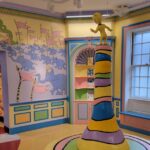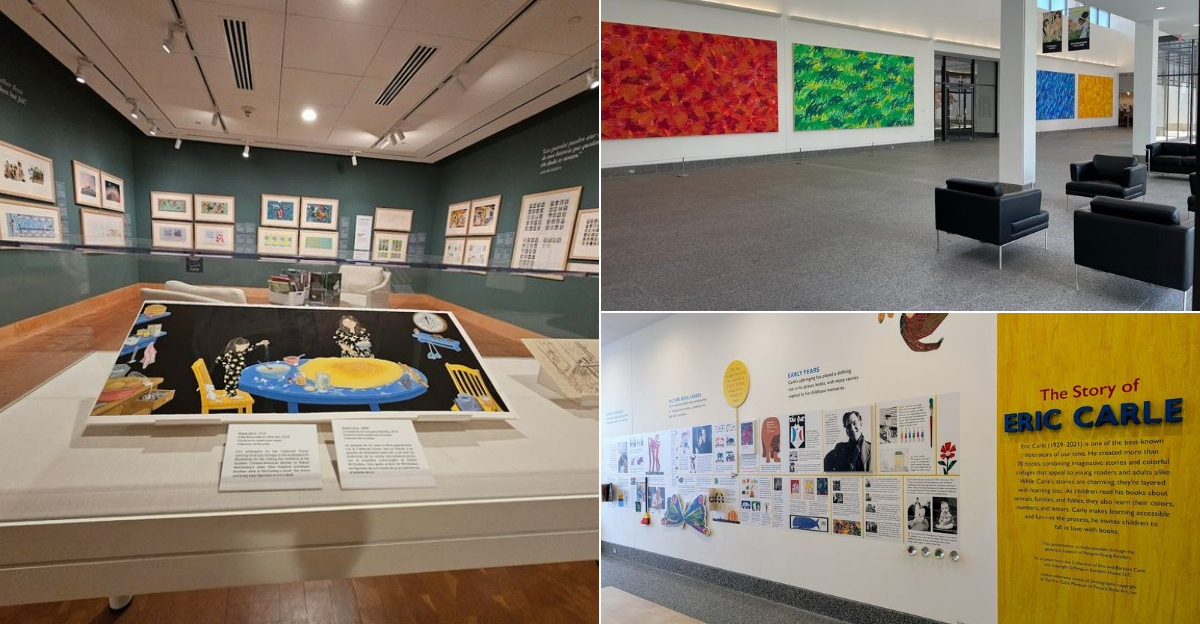
In Amherst, Massachusetts, a museum quietly makes the case that the pictures tucked inside childhood books deserve the same attention as canvas masterpieces. The Eric Carle Museum of Picture Book Art is bright, warm, and serious about wonder, which is a rare combination.
You can come for The Very Hungry Caterpillar and leave thinking differently about color, collage, storytelling, and the hands that make books unforgettable. It is small enough to feel personal, but distinctive enough to make the trip feel like a discovery.
A Museum Built on the Radical Idea That Picture Book Art Belongs in Galleries
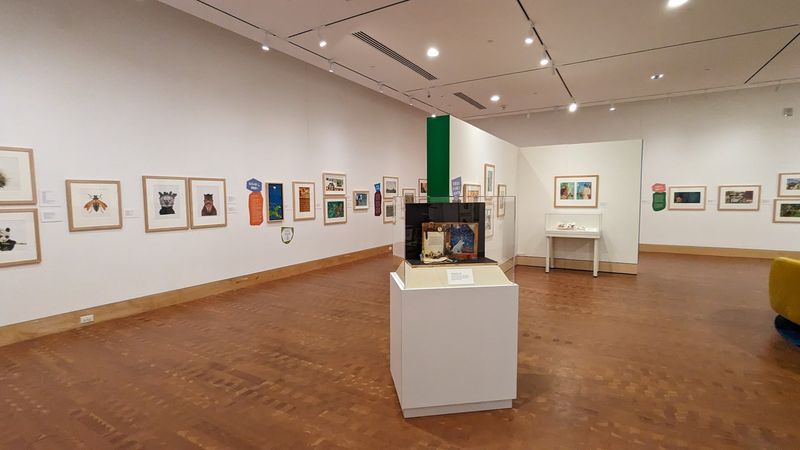
The Eric Carle Museum of Picture Book Art begins with a simple idea that still feels surprisingly bold: illustrations made for children’s books are original art. Not decoration, not filler, not something secondary to the words, but art worthy of preservation, study, and quiet looking.
That belief shapes every hallway, gallery, shelf, and studio at this Amherst museum.
Opened in November 2002 by Eric and Barbara Carle, the museum was inspired partly by picture book museums they encountered in Japan. Instead of building a nostalgic shrine, they created the first full-scale American museum devoted to national and international picture book art.
You feel that purpose immediately, because the work is presented with the same care you would expect in a major art institution.
What makes the place memorable is how accessible that mission feels. You do not need an art history degree, a toddler, or a childhood favorite in mind.
You just need curiosity and time to notice how much visual imagination fits inside one page.
Eric Carle Is the Name on the Door, But the Museum Is Bigger Than One Caterpillar
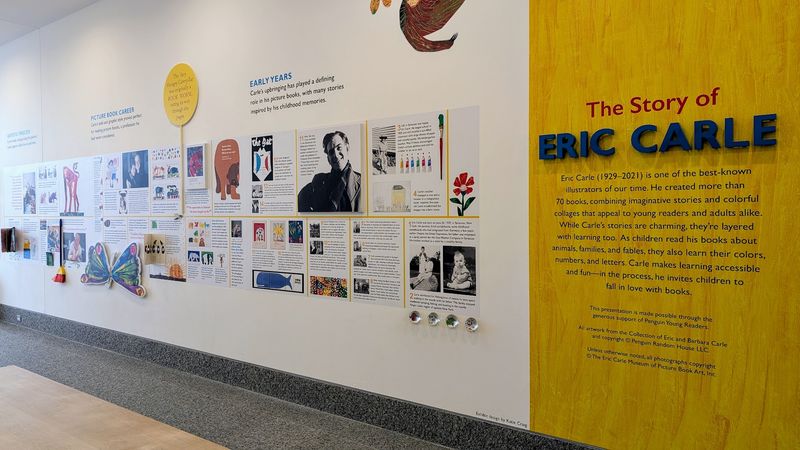
Eric Carle’s name naturally pulls you in, especially if The Very Hungry Caterpillar lived on your childhood bookshelf or your child’s nightstand. Carle became one of the most recognizable author-illustrators in the world, using bold colors, friendly shapes, and a rhythm that made pages feel alive.
Yet the museum carrying his name is not only about one famous book.
Carle and his wife Barbara founded the institution to lift the entire field of picture book art. After his death in 2021, the museum continued as an active place with exhibitions, programs, a library, and a growing collection.
That matters, because the experience feels alive rather than frozen in tribute.
You can still find Carle’s biography, techniques, and artistic voice woven throughout the visit. But the real surprise is how generously the museum opens the door to other illustrators, other countries, and other ways of telling stories.
The caterpillar gets you there, and the wider art keeps you looking.
The Building Feels Like a Picture Book You Can Walk Into
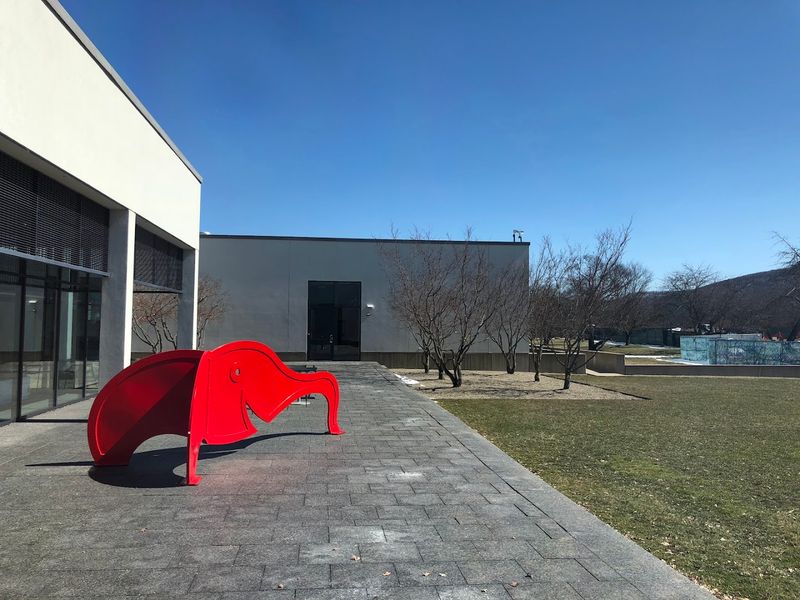
Some museums make you lower your voice before you even reach the ticket desk. The Eric Carle Museum does the opposite, welcoming you with open space, soft light, and a scale that feels manageable from the start.
Its building on West Bay Road in Amherst feels designed for real families carrying coats, strollers, snacks, questions, and shifting attention spans.
Large windows connect the galleries to the surrounding open land, so the museum never feels boxed in. Warm materials, clear pathways, and uncluttered rooms help younger visitors move without the tense feeling that everything is too precious to approach.
Adults get the calm of a gallery, while children get a place that does not seem built to exclude them.
That balance is harder to achieve than it looks. The building respects the art without becoming formal or chilly.
You can spend an hour or linger longer, and either way the architecture keeps saying, softly, that you belong here.
Original Artwork Makes Familiar Books Feel Strangely New Again
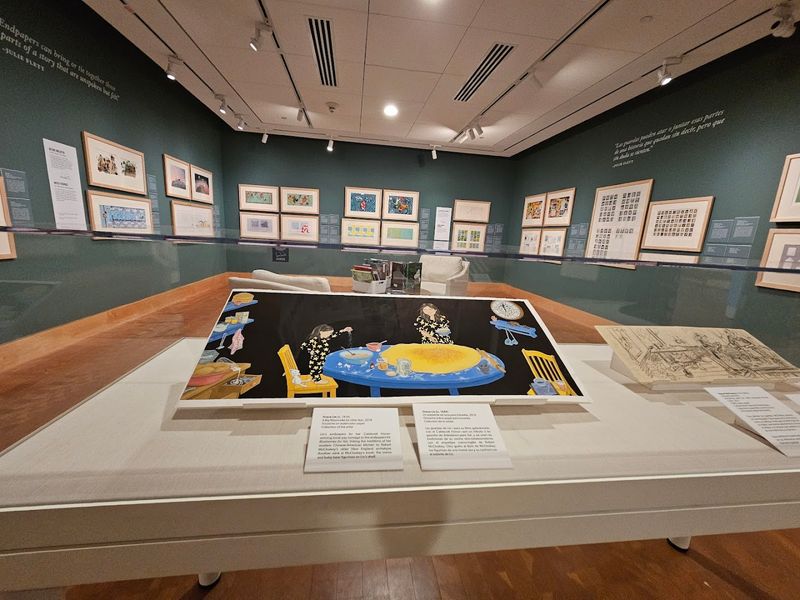
One of the museum’s quiet thrills is seeing original picture book artwork before it became a printed page. These are not copies or enlargements, but the actual drawings, paintings, collages, and mixed-media pieces made by illustrators.
If you have only met the images inside a book, the originals can feel startlingly present.
Texture changes everything. A painted edge, a pencil mark, a cut-paper seam, or a patch of layered color becomes visible in a way printing usually softens.
Suddenly a page you thought you knew has depth, scale, and evidence of someone’s hand making decisions.
The collection includes thousands of works, and exhibitions rotate what visitors can see at any given time. That keeps the museum from feeling like a single fixed display.
You might arrive expecting cute images and find yourself studying composition, line, pacing, and emotional tone. The best part is that the work stays approachable while revealing how sophisticated picture book art can be.
Carle’s Tissue Paper Technique Turns Process Into a Tiny Magic Trick
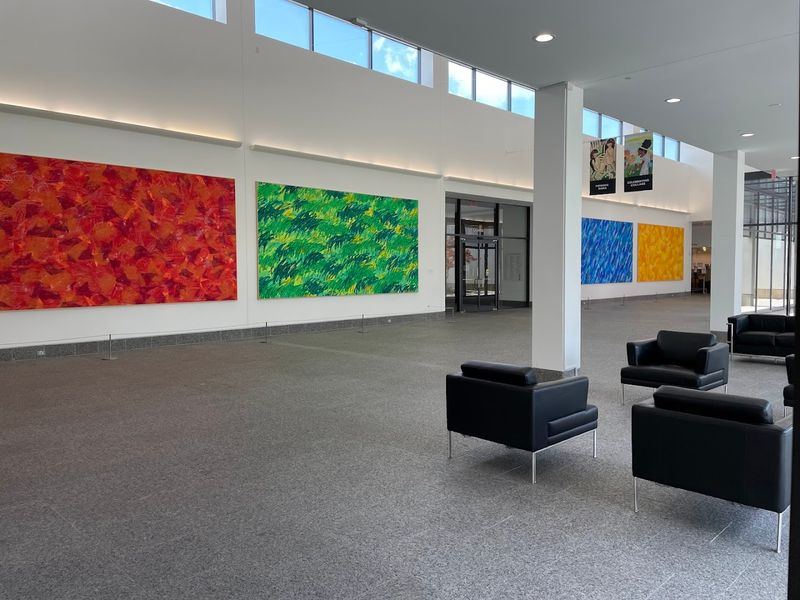
Eric Carle’s art looks effortless when you see it printed in a book, but the museum helps reveal the careful process underneath. His signature method involved painting tissue paper with different colors and textures, then cutting and layering those pieces into lively collages.
Once you understand that, every caterpillar, moon, bear, and leaf starts to look handmade in a richer way.
The pleasure is in seeing the ingredients beside the results. Painted tissue papers can appear loose, streaky, and abstract on their own, almost like scraps from a color experiment.
Then, when assembled, those fragments become animals, skies, fruit, and expressive characters that feel both simple and dynamic.
For children, the technique is wonderfully concrete because it shows that art can begin with paint, paper, scissors, and play. For adults, it is a reminder that recognizable style often comes from repetition and invention.
You leave noticing layers everywhere, even in ordinary printed pages.
Rotating Exhibitions Make Repeat Visits Feel Like Page Turns
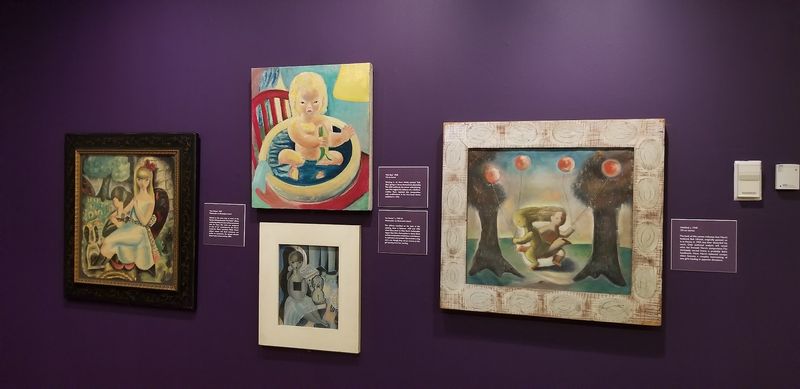
The museum may be small compared with sprawling city institutions, but its rotating exhibitions give it a surprising sense of movement. Shows change through the year, highlighting individual illustrators, artistic traditions, historic movements, and picture book work from around the world.
That means your second visit can feel less like a repeat and more like turning to a new chapter.
Recent and past exhibitions have explored artists beyond Carle, including creators with very different visual languages. Some shows lean playful, some poetic, some socially aware, and some deeply connected to bookmaking process.
This variety helps you see picture books not as one style, but as an expansive art form with many voices.
That is especially helpful if you visit with mixed ages. A toddler may respond to color and character, while an adult notices design, cultural context, or visual pacing.
The exhibitions meet visitors at different levels, which is exactly what the best picture books do too.
The Art Studio Lets You Leave With Proof That You Looked Closely
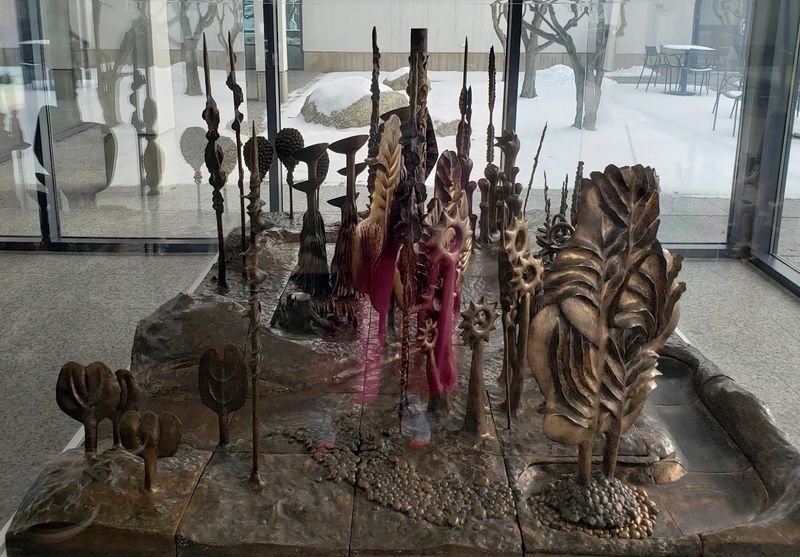
The art studio is where the museum’s ideas move from wall labels into your hands. During regular visiting hours, guests can drop in for activities connected to current exhibitions, materials, or illustration techniques.
It is not just a craft corner placed at the end of a visit, but a working space that extends what you have just seen.
That connection makes the studio feel unusually satisfying. If a gallery introduces collage, pattern, character design, or storytelling through images, the studio often gives you a chance to try something related.
Children may jump in quickly, but adults often get absorbed too, especially once the pressure to make something polished disappears.
The best part is that the activity changes the way you look afterward. Once you have cut paper, layered color, or tested a line yourself, framed artwork feels less mysterious and more impressive.
You leave with a small object, but also with a better understanding of artistic choices.
The Reading Library Is the Museum’s Slowest and Sweetest Room
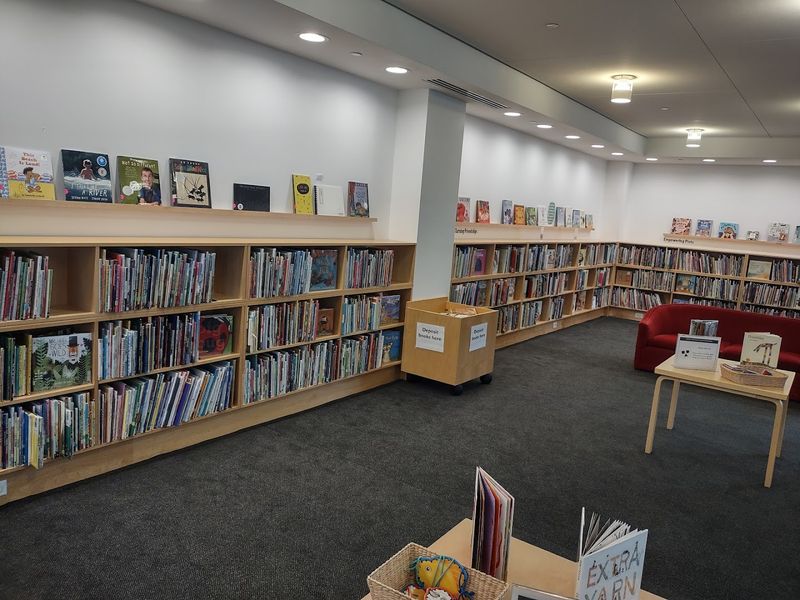
The reading library might be the place where the museum’s heart becomes most obvious. Shelves hold thousands of picture books, and visitors are welcome to sit, browse, and read without feeling rushed.
After time in the galleries, the room feels like a gentle invitation to return the artwork to its original habitat: the turning page.
Comfortable chairs and reading nooks make it easy to settle in longer than planned. Children can discover unfamiliar titles, while adults often stumble into books they had forgotten they loved.
That rediscovery can be surprisingly emotional, because picture books store memories in color, rhythm, and repeated bedtime phrases.
The library also helps balance the visit for families. If a gallery feels advanced for very young children, books and play opportunities give them another way in.
You can treat the room as a pause, a reward, or the main event. Either way, it reminds you that looking and reading belong together.
School Programs Treat Picture Books as Visual Literacy, Not Just Story Time
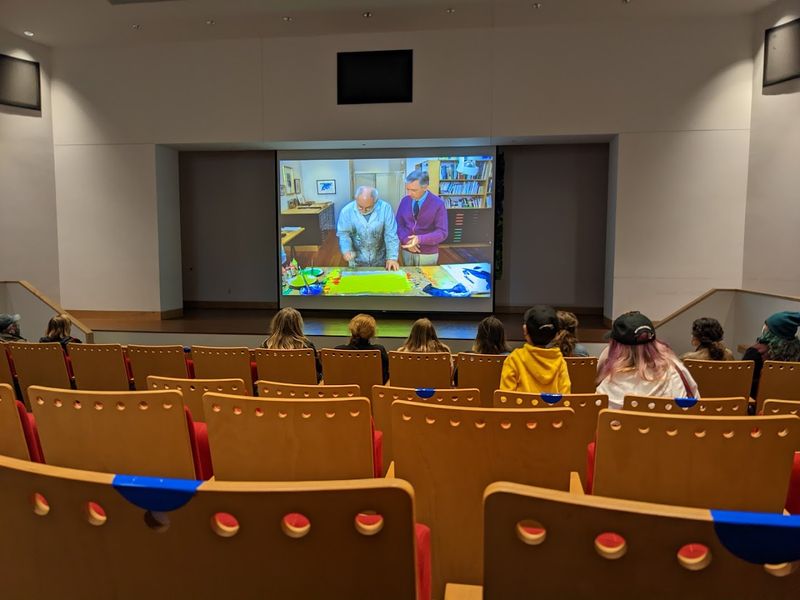
The Eric Carle Museum works beautifully as a casual family stop, but education is built into its bones. School groups, families, teachers, and young artists can connect with programs that make picture book art feel active and meaningful.
Author visits, illustrator talks, storytelling, workshops, and gallery experiences turn the collection into something you can discuss and use.
For teachers, the museum’s value reaches beyond a single field trip. Picture books can open conversations about visual literacy, sequence, character, emotion, culture, and artistic technique.
Students who might feel intimidated by traditional art analysis often understand quickly that images in books are making choices too.
That is why the museum feels important, not merely charming. It gives children permission to take illustration seriously and gives adults language for something they may have always loved instinctively.
When a child learns to read pictures closely, a book becomes more than a story. It becomes a way to think.
The Amherst Setting Turns a Museum Stop Into a College Town Day

The museum’s location in Amherst is part of its appeal. It sits at 125 West Bay Road, close enough to town to pair with coffee, bookstores, lunch, or a campus stroll, yet set apart enough to feel calm.
That mix of retreat and college-town energy makes the visit easy to shape around your own pace.
Amherst is home to Amherst College and part of the Five College area, so the cultural atmosphere is lively without feeling overwhelming. Independent shops, cafés, restaurants, and academic events give you reasons to stay after the museum.
If you like building a day around one anchor attraction, this is a good one.
The setting also suits the museum’s personality. Picture books are intimate, but they open outward into imagination, language, and community.
Amherst does something similar. You can spend the morning with framed illustrations, then step into a town that still values books, conversation, and lingering over ideas.
Planning a Visit Without Overplanning the Wonder
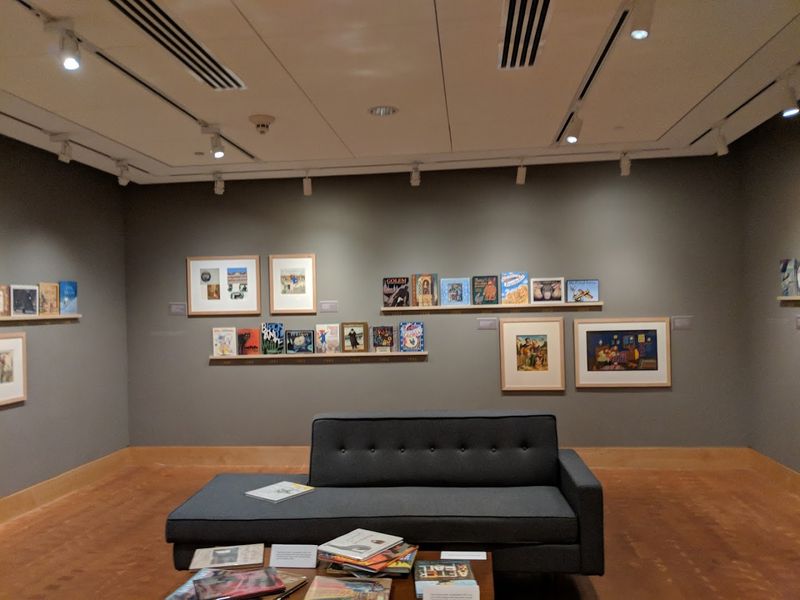
Planning for The Eric Carle Museum is refreshingly straightforward, but you should still check current hours before going. Google listings show the museum at 125 West Bay Road in Amherst, with a 4.6-star rating from hundreds of reviews and hours that vary by day.
It is closed on Monday and Tuesday in the listed schedule, then generally open Wednesday through Sunday.
Many visitors describe the museum as perfect for a one to two hour stop, though families using the studio, library, grounds, and store may stay longer. Admission is modest, parking is available on site, and the phone number is 413-559-6300 if you need details.
The official website is carlemuseum.org, and it is worth checking for exhibitions, events, and ticket updates.
Amherst sits about 90 miles west of Boston and around 30 miles north of Springfield. You can make it a day trip, but an overnight gives the museum more breathing room.