Every winter, big Pacific storms roll onto one stretch of the Oregon coast and leave behind something unexpected. Long after the wind dies down, people head out with buckets and sharp eyes, searching the tide line for treasure.
Some of it is smooth, frosted sea glass, and some of it is bright hand-blown glass hidden by local volunteers on purpose. This town has turned beachcombing into a tradition that brings people back year after year, even in the rainy season.
The best finds tend to show up after the roughest weather, which makes winter the secret season here.
Keep reading to learn where the glass hides, how the famous float program works, which beaches deserve your time, and the small tips that help first-timers come home with full pockets and good stories.
Where the Treasure Hunt Begins
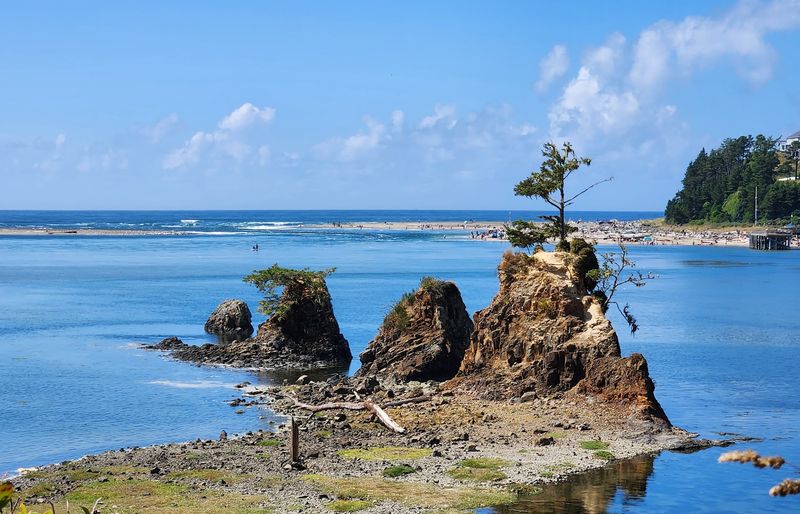
Seven miles of public beach run along the edge of Lincoln City, Oregon, a small coastal town on the central Oregon coast in the United States. Highway 101 runs right through it, so nearly every beach access is only a short drive away.
The town sits roughly two hours west of Portland. That makes it one of the easiest coastal escapes for folks living in the Willamette Valley.
Lincoln City was formed in 1965 when several small communities joined together. Places like Taft, Nelscott, Delake, Oceanlake, and Cutler City became one town, and many of those names still mark neighborhoods today.
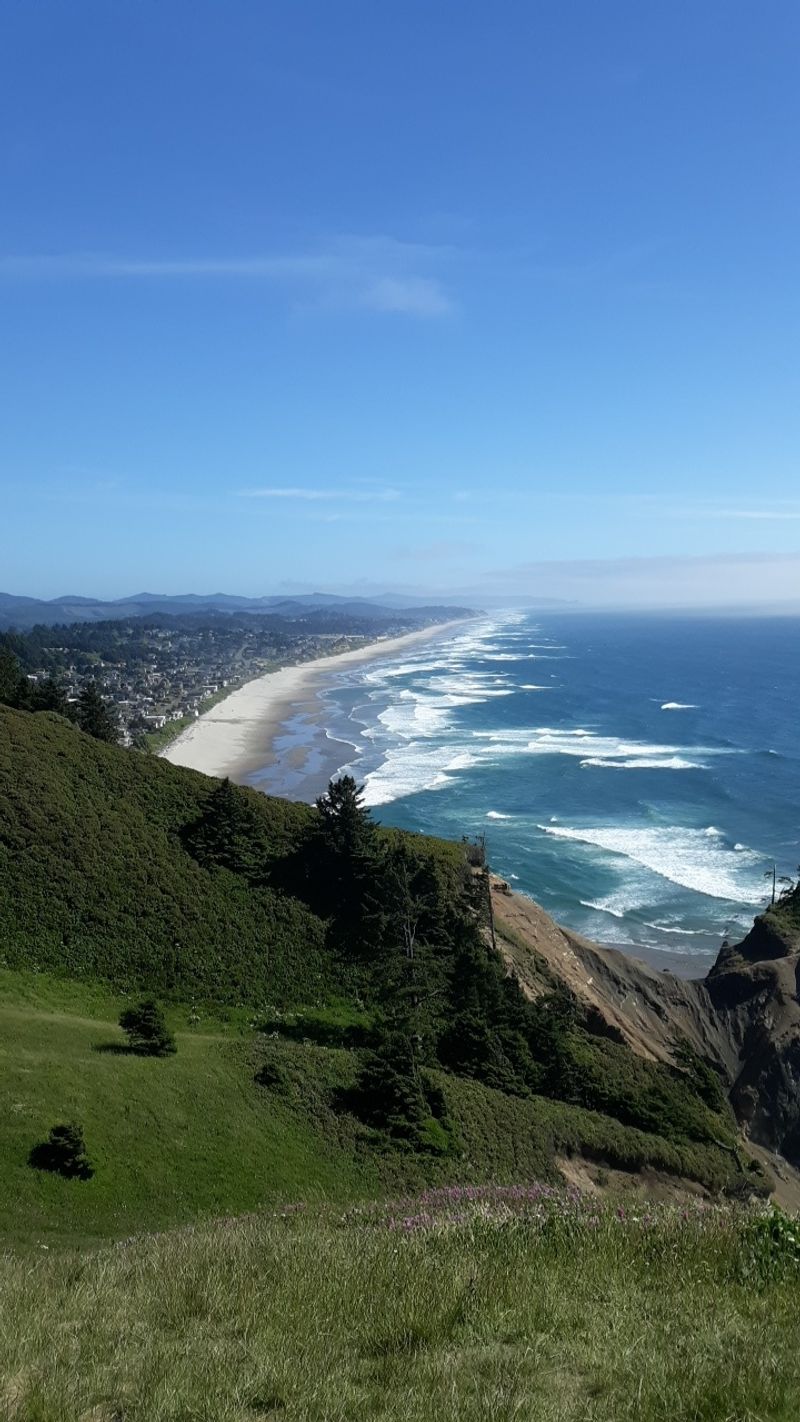
Because the beach stretches so far, there is plenty of room to wander without bumping into a crowd. Winter is quieter than summer, which leaves more open sand for careful searchers.
The official visitor website, lincolncity.org, lists beach access points, events, and seasonal updates. A quick look before a trip saves time once boots hit the sand.
Consider it the treasure map before the treasure hunt begins.
Why Storms Are Your Best Friend
Bad weather sounds like a reason to stay indoors. On this coast, it is often the reason to head out.
Winter storms push heavy surf onto the shore and stir up the sand. When the water pulls back, it can leave pebbles, shells, driftwood, and bits of glass sitting along the high tide line.
Sea glass forms when old broken glass tumbles in the ocean for years. The waves and sand wear down sharp edges until each piece turns smooth and frosted.
Fresh finds usually appear right after a storm passes and the tide starts dropping. Searching on an outgoing tide gives you the widest stretch of beach to explore.
Safety matters more than any shiny find, though. Sneaker waves can rush much farther up the beach than expected during winter, so never turn your back on the ocean.
Stay off big logs near the water, since waves can roll them without warning. Smart timing plus a little caution makes the stormy season surprisingly rewarding.
Finders Keepers, Glass Edition
Here is where things get playful. Since 1999, Lincoln City has run a program called Finders Keepers, and it puts real art right on the beach.
Volunteers known as Float Fairies place hand-blown glass floats along the shore. Each one is made by local glass artists, and the person who spots it gets to keep it.
Thousands of floats are hidden every year. They are placed above the high tide line, so you will not need to wade into the surf to find one.
Floats can show up anywhere within the town’s seven miles of beach. They are often tucked near driftwood, sand dunes, or the base of a beach access path.
Each float comes with a numbered tag. Lucky finders can register it with the visitor center and receive a certificate along with information about the artist who made it.
Special drops happen on certain holidays and events, so checking the schedule ahead helps. A little patience turns a simple walk into a game worth playing twice.
The Shortest River Around
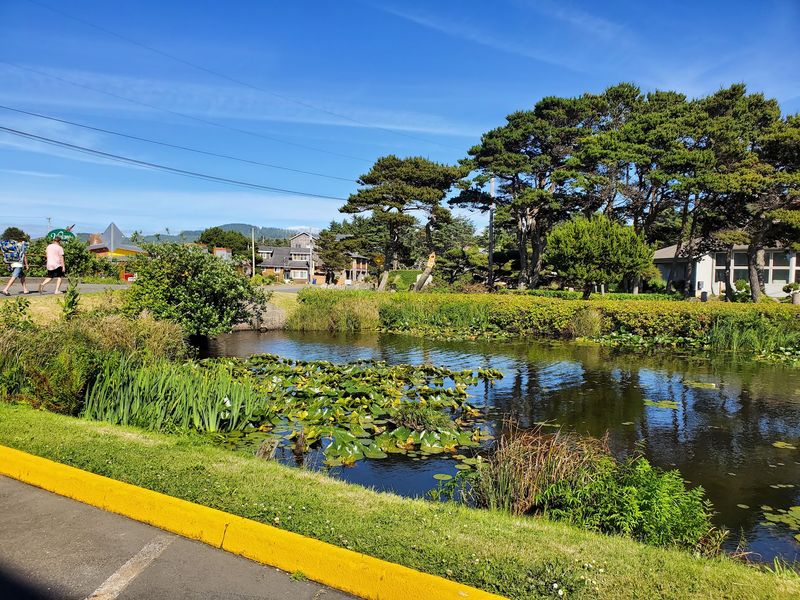
Blink and you might miss it. The D River runs only about 440 feet from Devils Lake to the Pacific Ocean.
For years it was listed as the world’s shortest river. A friendly rivalry with a river in Montana later shifted the title, but locals still love the claim.
The D River State Recreation Site sits right in the middle of town along Highway 101. Its parking lot gives quick access to a wide sandy beach.
The spot is famous for kite flying thanks to steady coastal wind. Lincoln City hosts kite festivals here, often in spring and fall.
Winter beachcombers like this area because it is easy to reach and close to shops. A short loop north or south along the sand can turn up shells, agates, or glass.
Stay out of the river mouth during high flow, since the current can be stronger than it looks. Some of the best stories here start with a river you could walk beside in a minute.
Rocks, Pools, and a Hidden Cove
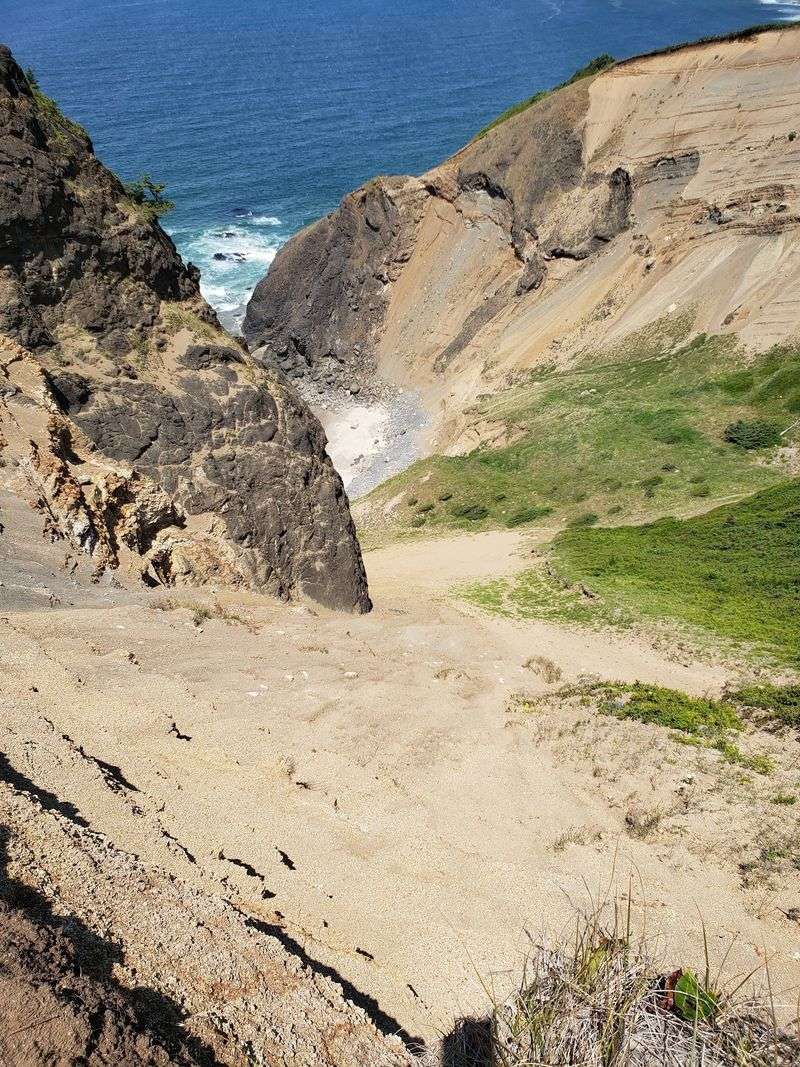
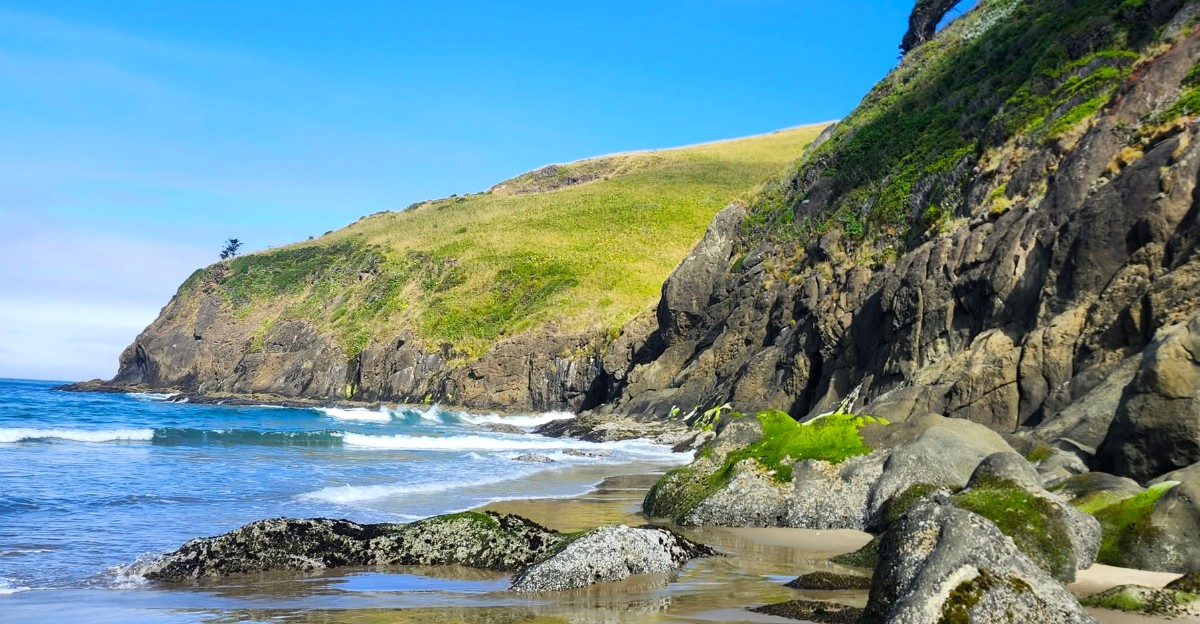
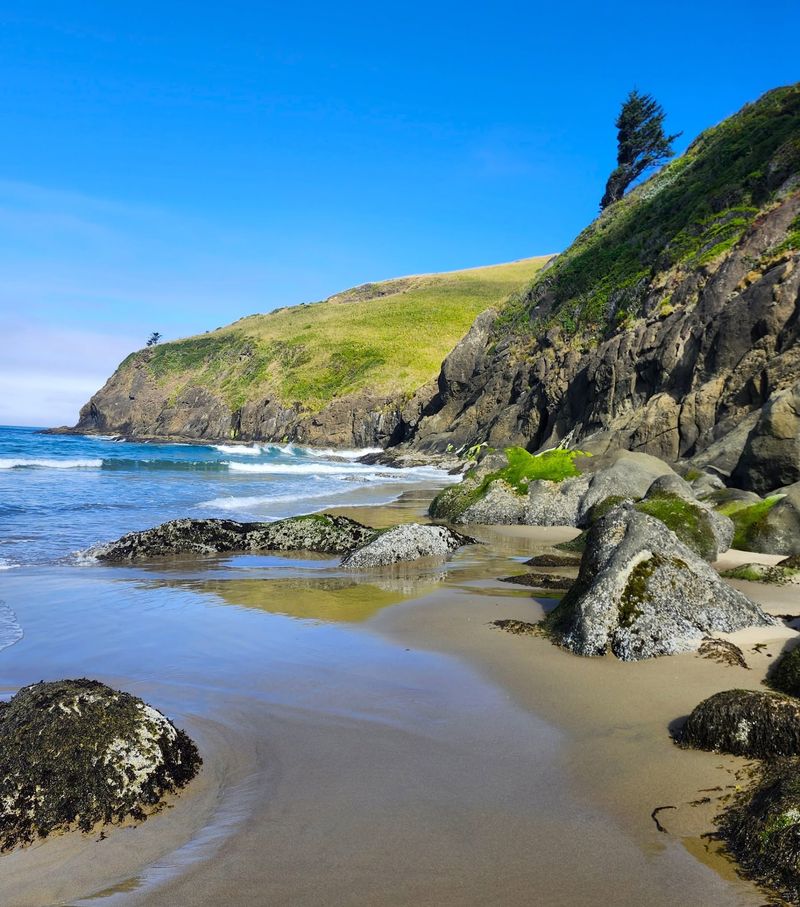
At the far north end of town, the beach changes personality. Roads End State Recreation Site trades open sand for rocky shelves and tide pools.
Low tide reveals pools filled with sea stars, anemones, and small crabs. Look closely, but leave every creature exactly where you found it.
Offshore rocks and small islands add drama to the view. At very low tides, a hidden cove to the north becomes reachable on foot.
That cove comes with a serious warning. The incoming tide can cut off the route back, so check a tide table and leave plenty of time to return.
Rocks covered in seaweed can be slippery. Shoes with good grip make a big difference here.
Beachcombers sometimes find agates among the gravel in this area after winter storms. Moving slowly and scanning the ground pays off more than racing around.
For a mix of treasure hunting and wildlife watching, this corner of town deserves a long, patient visit.
Glass From Across the Ocean
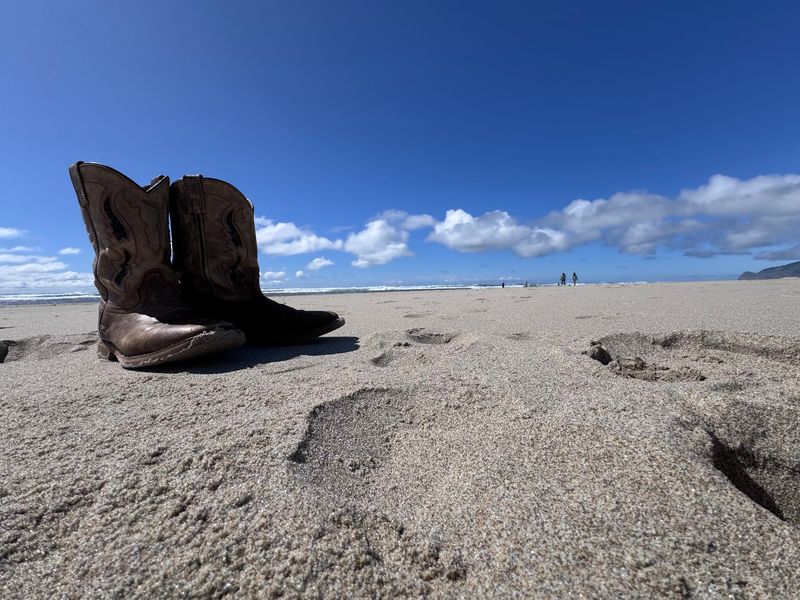
Long before modern art floats, real fishing floats drifted onto Oregon beaches. Many were made in Japan and used to keep fishing nets afloat.
Ocean currents carried some of them across the Pacific. Finding one on the Oregon coast was once a beachcomber’s dream.
The North Lincoln County Historical Museum in Lincoln City has a collection of these Japanese glass fishing floats. They are a highlight for anyone curious about the history behind the town’s float tradition.
Seeing the old floats helps connect the dots. The modern Finders Keepers program honors this piece of coastal history.
The museum also covers local life, from early settlers to the communities that later joined into one town. It makes a smart stop on rainy afternoons when the beach is too rough.
Check hours before visiting, since small museums often keep limited schedules. A short visit here gives every glass float you spot later a deeper backstory.
A Lake With Its Own Charm
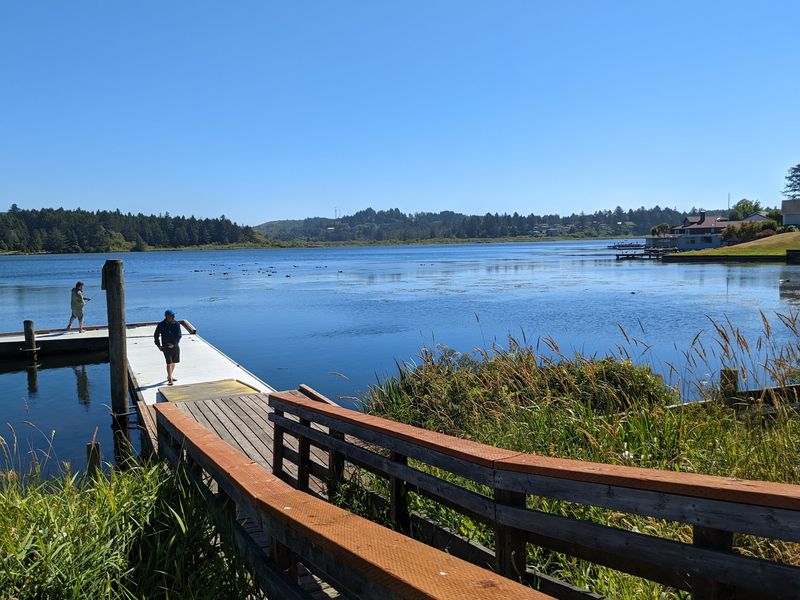
Ocean days are great, but sometimes calm water wins. Devils Lake sits just east of Highway 101, right in the middle of Lincoln City.
The Devils Lake State Recreation Area offers a campground, picnic spots, and access for boats and paddlers. Kayaks and paddleboards are common sights in warmer months.
The campground is close to town, so beach trips stay simple. You can spend the morning searching the shore and still get back to camp for lunch.
Winter camping here is quieter. Reservations are still a good idea, especially on holiday weekends.
The lake connects to the ocean through the tiny D River. That makes it easy to explore both freshwater and saltwater in the same afternoon.
Birdwatchers enjoy the lake too, since ducks and other waterbirds use it through the colder months. Bring binoculars along with your beach bucket.
Calm lake time makes a nice break between stormy beach mornings.
Beyond the Beach Walk
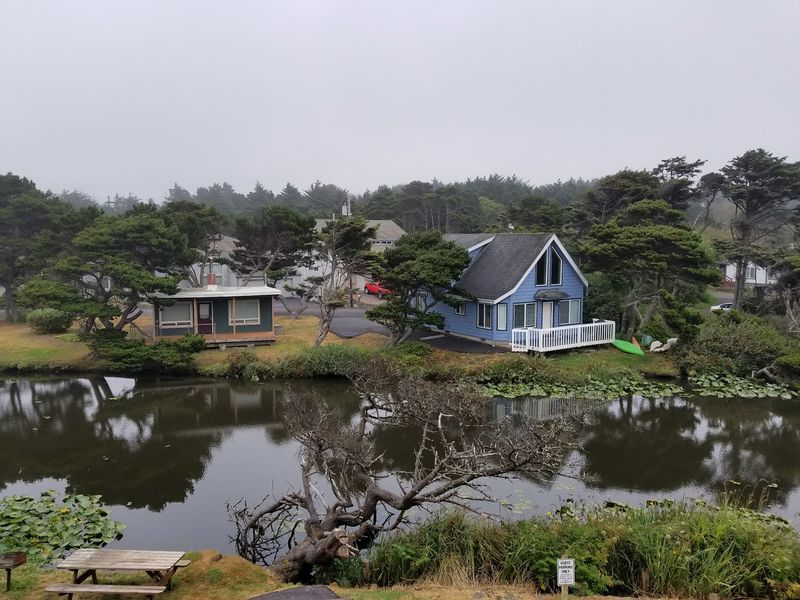
Rainy breaks happen, and Lincoln City has plenty to fill them. Galleries and shops line Highway 101 through several neighborhoods.
Glass art is a big theme in town. Local galleries sell everything from small pieces to large works made by regional artists.
The Lincoln City Cultural Center hosts art shows, classes, and community events. Its schedule often changes, so check ahead for current offerings.
Outlet shopping is also available in town for anyone needing a dry afternoon. It is an easy way to replace forgotten gloves or rain gear.
The neighborhood of Taft, near Siletz Bay, has a quieter feel. Harbor seals are often spotted resting in the bay, which makes a fun bonus for wildlife fans.
Nelscott and the area around the D River keep things close to the beach. Short drives let you hop between spots without much planning.
Indoor stops keep the trip moving until the next window of good weather.
Bringing the Coast Home
Every trip ends, but the finds stay with you. A jar of sea glass on a shelf has a way of bringing back the whole adventure.
Rinse your glass in fresh water once home to remove salt and sand. Some people display pieces in clear jars, while others turn them into crafts.
If you found a Finders Keepers float, remember to register it. The certificate makes a nice keepsake, especially for kids.
Respect the beach rules before taking anything. Oregon generally allows small amounts of beachcombing finds, but protected areas and living creatures should be left alone.
Leave the shore cleaner than you found it when you can. Picking up a bit of trash helps keep these beaches special for the next storm season.
Many folks plan their return before they even leave town. Winter will bring fresh storms, and the tide line will reset once again.
Somewhere along those seven miles, the next treasure is already waiting.