The first time a ball of dough rises after you have shaped it yourself, baking feels less like a challenge and more like a discovery. The flour on your hands, the aroma filling the kitchen, and the satisfaction of creating something from scratch can change the way you see homemade baking.
Across Pennsylvania, baking classes are helping complete beginners turn curiosity into confidence. These welcoming kitchens and culinary studios offer hands-on lessons in everything from artisan breads and delicate pastries to pies, cakes, and classic desserts.
Instead of simply following instructions, students learn techniques they can take home and use for years.
For anyone ready to trade hesitation for a rolling pin and a little creativity, these experiences offer the perfect introduction. Discover these 12 Pennsylvania baking classes where first-time bakers can learn new skills, create delicious treats, and enjoy the journey from beginner to confident baker.
Walnut Hill College
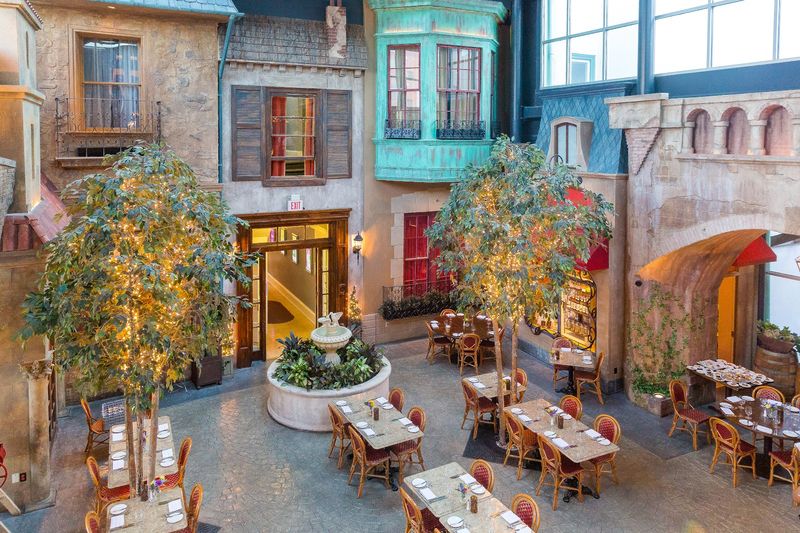
The room smells faintly of butter before anything even reaches the oven, and that alone can calm a nervous beginner. You walk in expecting strict culinary school energy, then find a pace that feels focused without being intimidating.
Measuring, folding, and whisking start to feel less like chores and more like a language you can actually learn.
That balance is what makes classes at Walnut Hill College in Philadelphia so memorable. Set near University City on Walnut Street, the school brings a polished professional setting without losing warmth.
Public sessions often cover breads, pastries, and desserts, and it is hard not to notice how much easier laminating dough feels when an instructor shows each movement clearly.
Between shiny workstations and the pleasure of seeing your own tart come together, confidence builds fast. You leave with flour on your sleeves, better instincts, and the quiet thrill of knowing you can do this again at home.
La Cucina at the Market
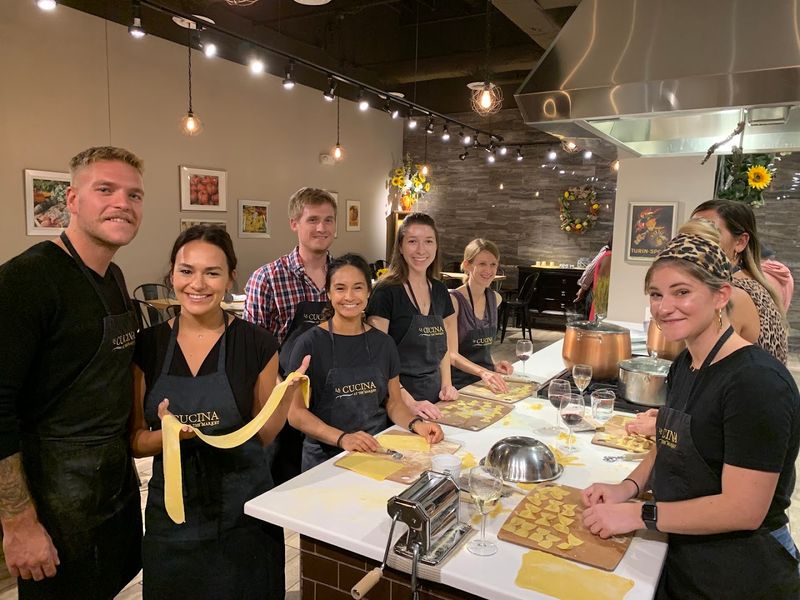
There is something comforting about learning to bake near a busy market, where the air already carries hints of bread, coffee, and sugar. The nerves you bring in tend to dissolve once aprons go on and someone starts talking about dough like an old friend.
Suddenly, even a beginner can imagine pulling off an Italian dessert from scratch.
At La Cucina at the Market in Philadelphia, that feeling arrives quickly. Tucked near Reading Terminal Market on Arch Street, the space makes baking feel social, lively, and grounded in real food culture.
Workshops often lean into Italian classics, so you might find yourself shaping focaccia, filling cannoli shells, or learning why texture matters in a simple cookie.
The setting adds its own charm, with the city buzzing just outside. You leave carrying pastries, yes, but also a calmer sense that baking does not have to be fussy to be deeply satisfying.
Old City Kitchen
Some kitchens make mistakes feel expensive. Others make them feel like part of the story, and that difference matters when you are still figuring out butter temperatures and the right way to fold batter.
Here, the mood stays relaxed enough that curiosity wins over self-consciousness.
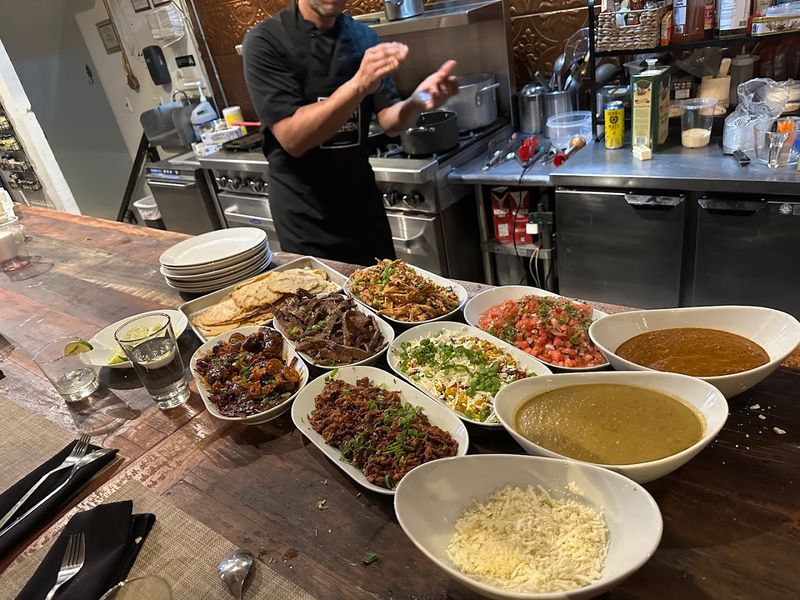
Old City Kitchen in Philadelphia has that easygoing confidence. Located on Market Street in one of the city’s most walkable neighborhoods, it pairs hands-on instruction with a setting that feels intimate rather than overwhelming.
Beginner-friendly baking classes rotate through the year, often touching cakes, cookies, and other desserts that reward patience without demanding perfection.
What lingers afterward is not just the recipe, but the atmosphere. You might step outside to cobblestone streets and historic facades with a box of still-warm treats in hand, realizing the class gave you more than technique.
It gave you a way to enjoy baking without overthinking every step.
Hudson Table Philadelphia
A sleek kitchen can be intimidating until the first joke lands, flour dusts the counter, and everyone realizes they are learning together. That softening happens quickly in a class where polished surroundings meet an encouraging, human rhythm.
Even the person who claims they cannot bake starts looking a little braver.
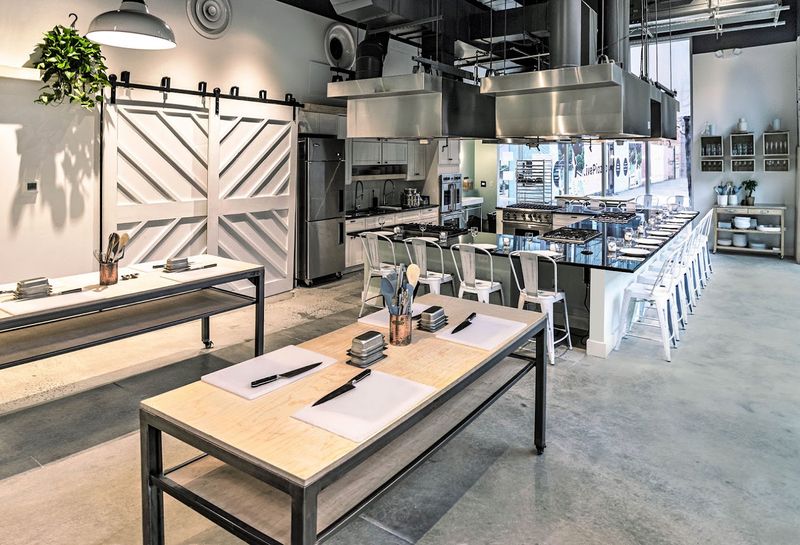
Hudson Table Philadelphia, in Northern Liberties on North 2nd Street, has a modern studio feel that never turns cold. Its class lineup often includes pastries, breads, cookies, and dessert workshops designed for home cooks who want practical wins.
Watching dough transform under bright pendant lights and then pulling a tray from the oven gives the whole evening a satisfying sense of momentum.
The neighborhood adds to the experience, especially if you make a night of it afterward. What stays with you most is how approachable the techniques become when the setting feels this relaxed, stylish, and thoughtfully hands-on.
The Cooking Studio
The best beginner classes often happen in places that feel a little hidden, where the pace is slower and nobody is trying to impress anyone. You notice the quiet first, then the reassuring way instructions are broken down into simple, manageable steps.
By the time batter hits the pan, your shoulders have dropped.
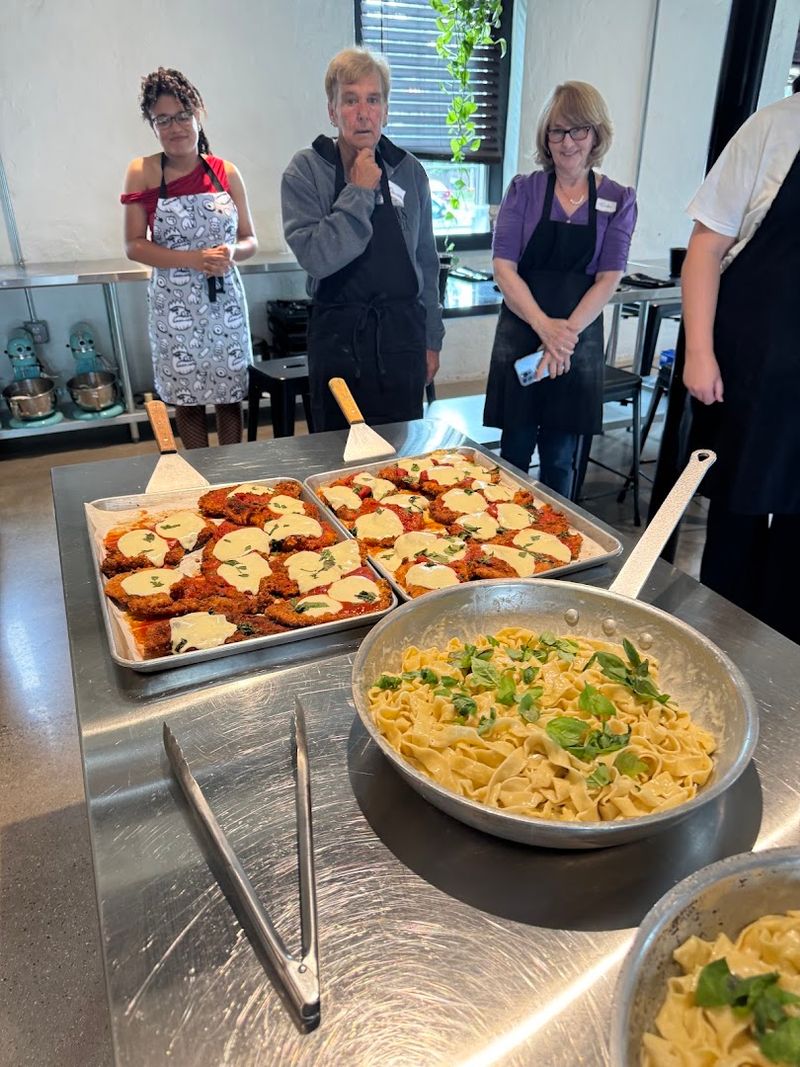
That is the charm of The Cooking Studio in Telford. On West Broad Street, this small-group space gives baking an unusually personal feel, whether the class centers on pastries, seasonal desserts, or foundational techniques.
Because the group is not huge, questions come easily, and details like piping, kneading, or getting a clean scone texture do not slip past you.
There is something refreshing about learning in a setting that does not feel rushed. You leave with a finished bake, of course, but also with clearer instincts and the sense that home baking can fit into real life, not just special occasions.
Let’s Cultivate Food
Sometimes confidence grows fastest in a kitchen that feels like a gathering place. The energy is less about performance and more about participation, with people laughing over sticky dough and comparing uneven cookies like badges of honor.
That kind of warmth can turn beginners into repeat bakers almost by accident.
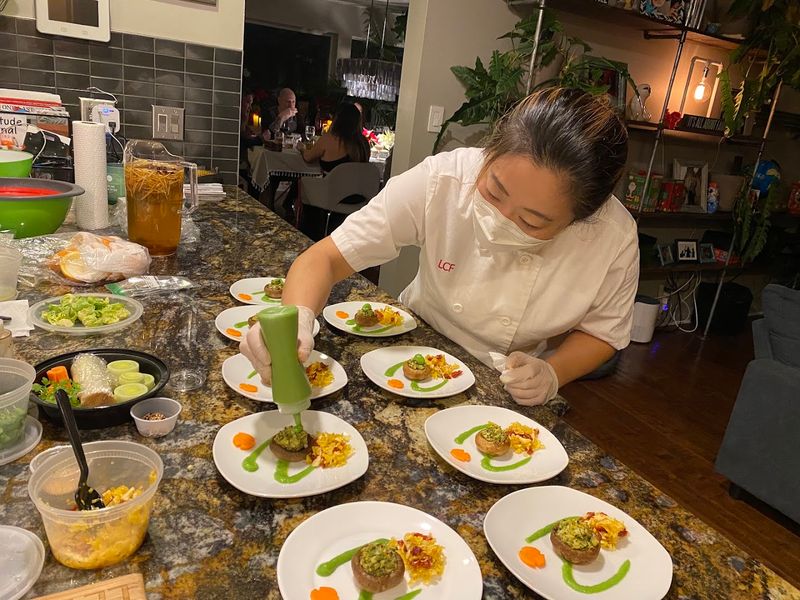
At Let’s Cultivate Food in Pottstown, the community spirit is part of the lesson. The Buckwalter Road location hosts rotating workshops that often include breads, pastries, and family baking events, so the mood stays lively and practical.
You might spend part of the class learning how yeast behaves, then shift into shaping rolls or assembling a simple dessert that feels achievable at home.
The appeal is not flashy, which is exactly why it works. In a world of complicated recipes and intimidating videos, this is the kind of place that reminds you baking can be generous, local, and genuinely fun.
Taste Buds Kitchen – State College – Penn State
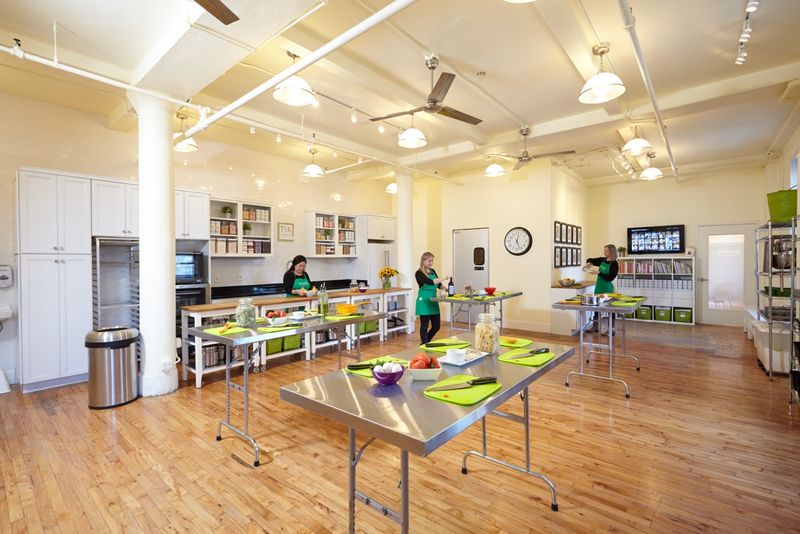
There is a particular joy in a classroom where sprinkles, pie dough, and nervous first attempts all share the same table. The atmosphere feels bright and forgiving, the kind that makes you want to try one more swirl of frosting instead of giving up on it.
Beginners do well in places where playfulness is taken seriously.
Taste Buds Kitchen in State College leans into exactly that spirit. Located on Benner Pike, it offers hands-on classes across age groups, often covering cookies, cupcakes, breads, and pies in ways that feel accessible rather than overly technical.
Whether you come with a child, a partner, or just your own curiosity, the structure keeps things moving without making anyone feel left behind.
There is also something nice about learning near Penn State, where the town’s youthful energy seems to spill into the kitchen. You leave with treats and a lighter relationship to baking, which may be the most useful ingredient of all.
Flour Power Cooking Studios: Pittsburgh
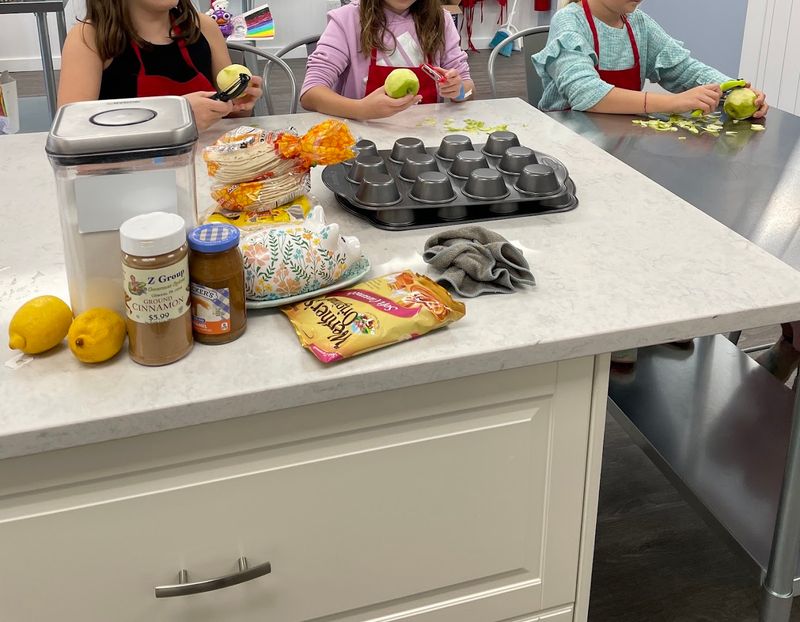
Color can change everything in a kitchen. When counters fill with bright icing, cupcake liners, and trays waiting for cookies, baking stops feeling like a test and starts feeling like an invitation.
That shift is especially helpful if you are learning with kids or simply want a class that keeps the mood light.
Flour Power Cooking Studios in Allison Park, just outside Pittsburgh, is built for that kind of experience. The William Flinn Highway location often offers cookie decorating, cupcakes, breads, and seasonal camps that make first-timers feel instantly welcome.
You might arrive worried about technique and leave talking about crumb texture, piping bags, and the exact moment a cookie edge turns golden.
What makes it memorable is the way confidence sneaks up on you. Between the cheerful studio setup and the hands-on format, skills develop naturally, and the finished treats feel like proof that baking can be both joyful and surprisingly teachable.
Young Chefs Academy – Allentown PA
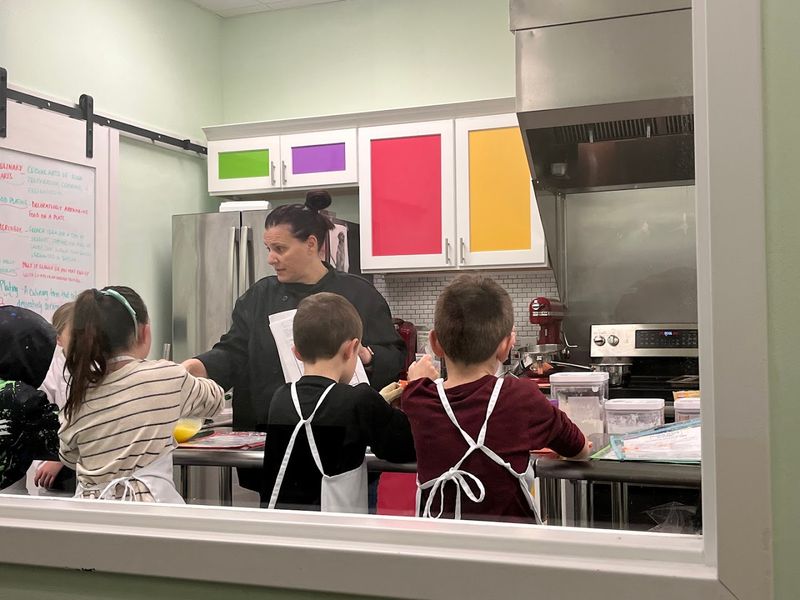
Watching a beginner crack an egg with total concentration can be strangely inspiring. It reminds you that baking is really a series of small brave acts, especially when someone is still learning how to measure flour without packing it down.
In the right room, that early effort feels exciting instead of awkward.
Young Chefs Academy in Allentown creates that supportive kind of room. On Broadway, the school offers hands-on baking experiences for children, teens, and family groups, often centered on approachable sweets and simple techniques.
Cookies, cakes, and decorated treats become the vehicles for learning timing, mixing, and the patience that good baking quietly requires.
Even adults who come mainly to support a younger baker often leave having learned something themselves. The atmosphere is upbeat, structured, and surprisingly empowering, which makes this a smart stop for families who want an activity that feels creative, practical, and just messy enough to be memorable.
Ash Chase Culinary
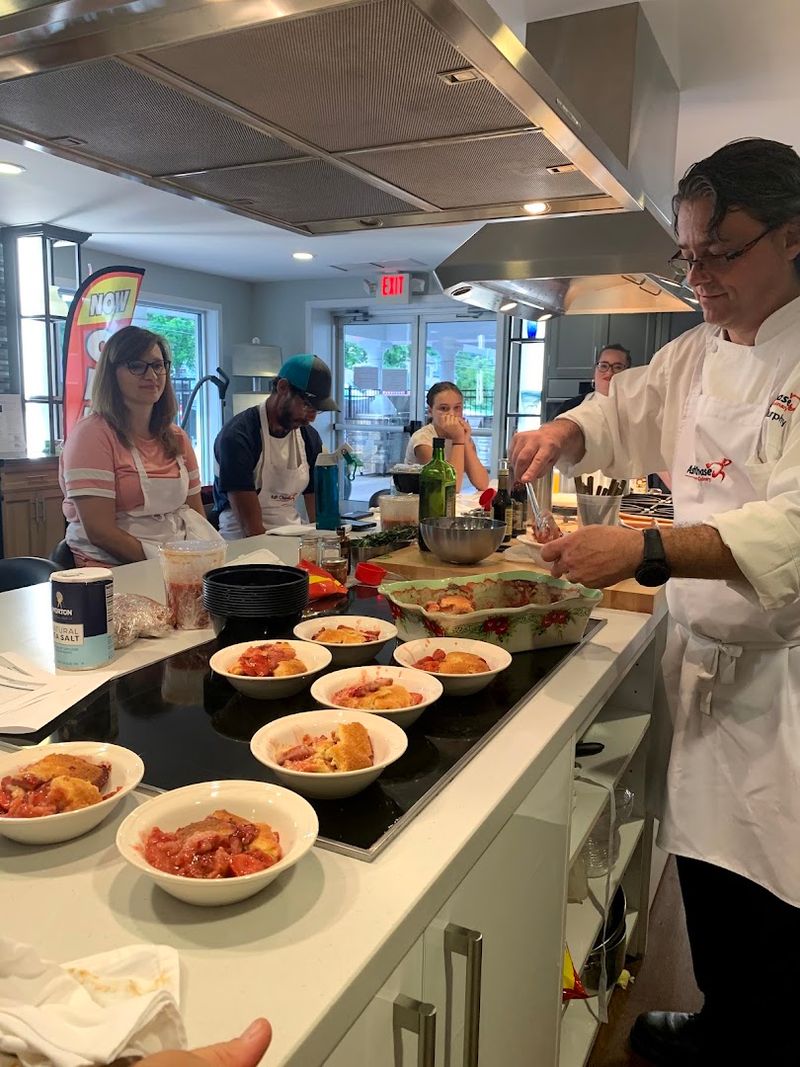
There is a nice kind of concentration that settles over a small class once everyone starts working with their hands. You hear the scrape of a bench knife, the soft thud of dough hitting the counter, and the occasional laugh when something goes slightly off script.
It feels intimate, focused, and oddly restorative.
Ash Chase Culinary in Doylestown fits that mood beautifully. At its Skyron Drive location, small-group sessions regularly include pastries, breads, and desserts, giving beginners enough attention to actually understand what they are doing.
Instead of rushing through recipes, classes tend to make room for the why behind the techniques, whether that means kneading for structure or paying attention to how butter behaves.
That slower pace is part of the draw. You leave feeling less like you copied a recipe and more like you absorbed a skill, which is often the difference between a one-time activity and a hobby that truly sticks.
Cozymeal Cooking Classes
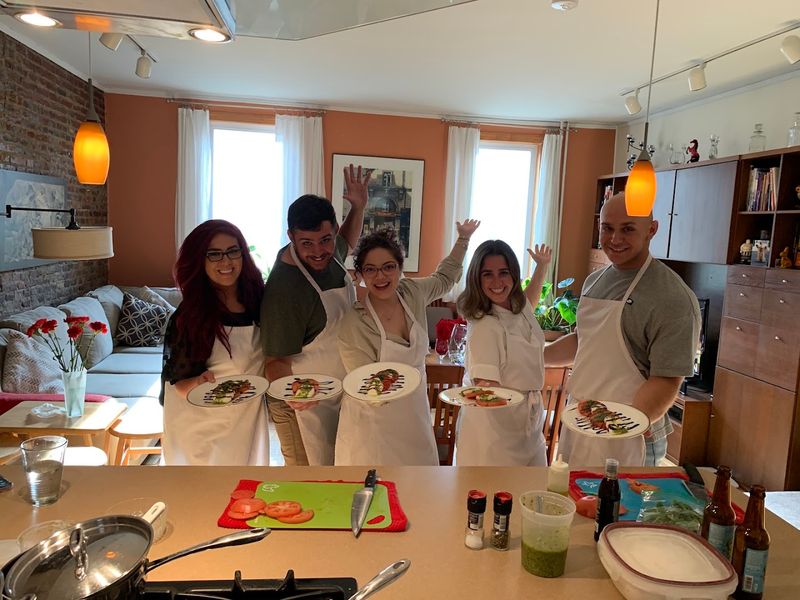
A chef-led class can sound intimidating until you realize the best instructors make complexity feel almost casual. One minute you are worrying about whether macarons are beyond you, and the next you are tapping trays on the counter and learning how texture should look before it ever bakes.
Confidence comes from demystifying the fancy stuff.
Cozymeal Cooking Classes in Philadelphia does that with style. Around Chestnut Street in the city’s historic core, the experiences often include pastries, cookies, artisan breads, and those notoriously temperamental French treats that many beginners avoid at home.
The guidance tends to be clear and paced for learning, with just enough challenge to keep the class exciting.
What makes it stand out is the sense that skill and pleasure are equally important. You are not just producing dessert for the sake of it.
You are learning how a polished result is built, step by manageable step.
a Culture Factory
Fermentation has a way of making a kitchen feel alive. Jars bubble quietly, dough changes under a towel, and time becomes an ingredient you can actually witness.
For beginners, that sense of transformation can be surprisingly addictive once someone explains what you are looking at.
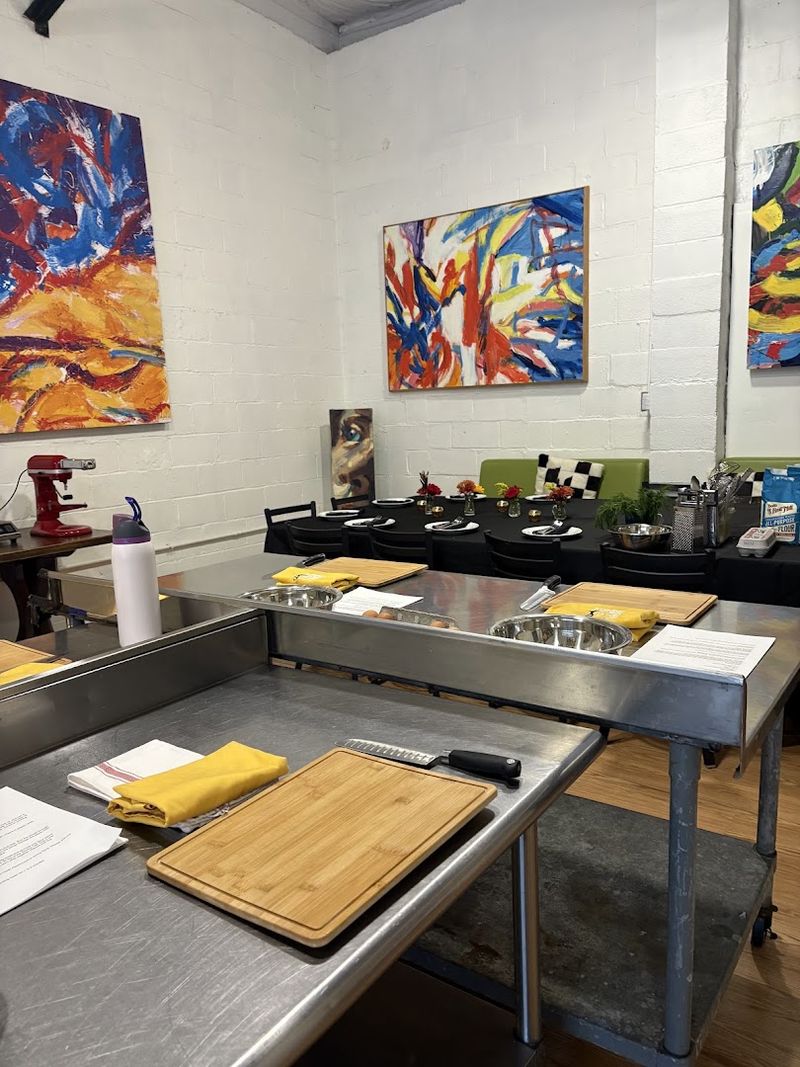
a Culture Factory in Phoenixville brings that spirit into specialty workshops that often include bread baking and international desserts. Located on Morgan Street, the space feels a little more curious and exploratory than a standard class, which works well if you enjoy understanding the story behind what you are making.
One session might focus on the behavior of a loaf, another on a dessert whose flavors carry a sense of place beyond Pennsylvania.
Phoenixville’s creative energy suits it. You leave not just with something delicious, but with a stronger feeling for process, patience, and the way baking connects craft with culture.
That makes the learning stick in a deeper, more memorable way.