

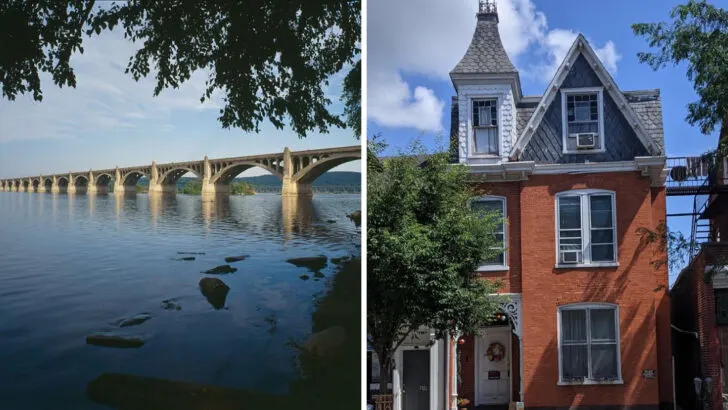
Tucked along the Susquehanna River, Columbia feels like a chapter from the 1800s that never quite closed.
Brick streets, bell towers, and river breezes create a setting that slows your pace and sharpens your senses.
You can look up at the hillsides and imagine river captains and canal workers tracing the same views.
If you crave history you can touch, this town invites you to wander and linger.
A Walk Through History: The Brick Streets
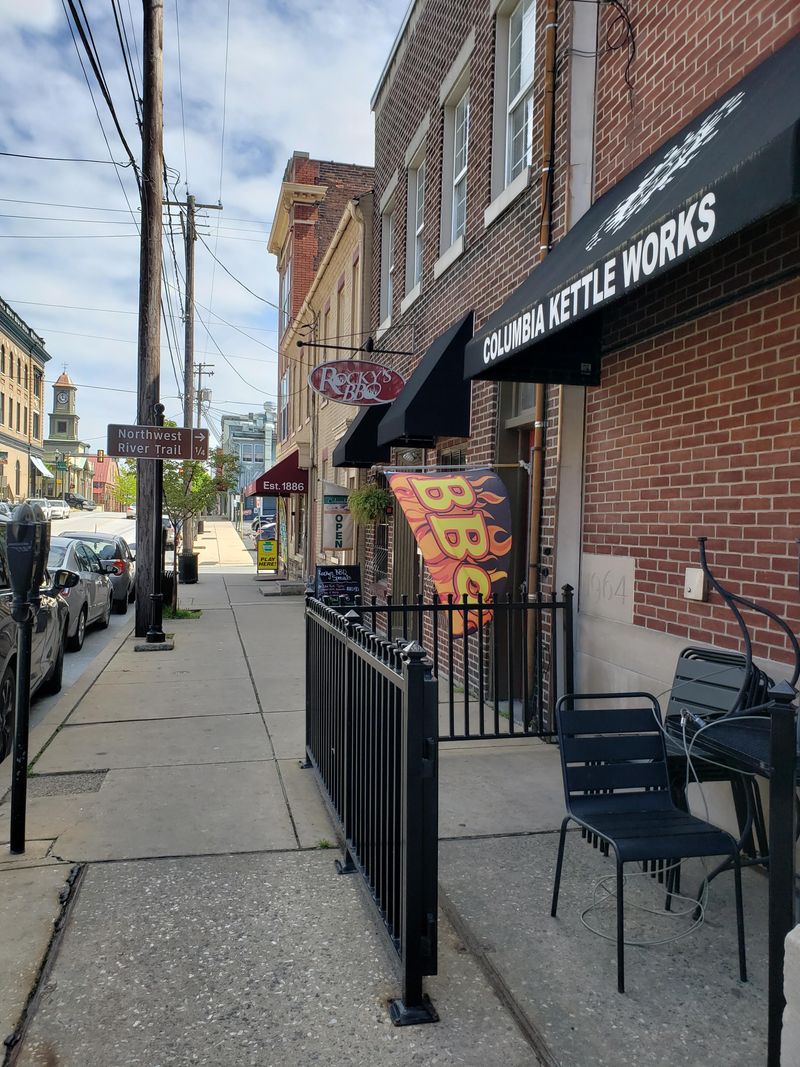
Step onto Columbia’s brick streets and your steps suddenly sound different, crisper and more deliberate. The bricks have been weathered by decades of shoes, wagon wheels, bicycle tires, and parades, so every block tells a layered story. You notice how the red clay glows after rain, edges softened by time, guiding you past stoops where generations have watched the town wake and rest.
These streets date back to the 19th century, when durability and local craftsmanship shaped daily life. Brick was not just practical, it was a statement of intent, meant to serve workers, merchants, and families for the long haul. Walk a few minutes and you can feel the pitch and texture underfoot change, subtle evidence of repairs stitched across eras.
Follow the curve toward the river and you will see how the streets knit the town’s grid to its working waterway, like seams binding fabric. Intersections become small stages for stories, where iron hitching posts and stone thresholds hint at horses and handcarts. Look closely at old drain grates and granite curbs that frame the bricks like jewelry, tough and elegant at once.
As daylight shifts, the bricks mirror the sky, from amber to rose to twilight soot. Streetlamps pull out their color in warm halos, turning evening walks into living postcards. You might slow down, not just to watch your footing, but to savor the hush that brick seems to encourage.
There is a physical calm that comes from moving over something built to last. Wheels hum differently, conversations soften, and you feel connected to people who walked here long before. In Columbia, the brick streets are not a backdrop, they are the experience, stitching memory to motion with every careful step.
Architectural Gems: 1800s Homes and Buildings
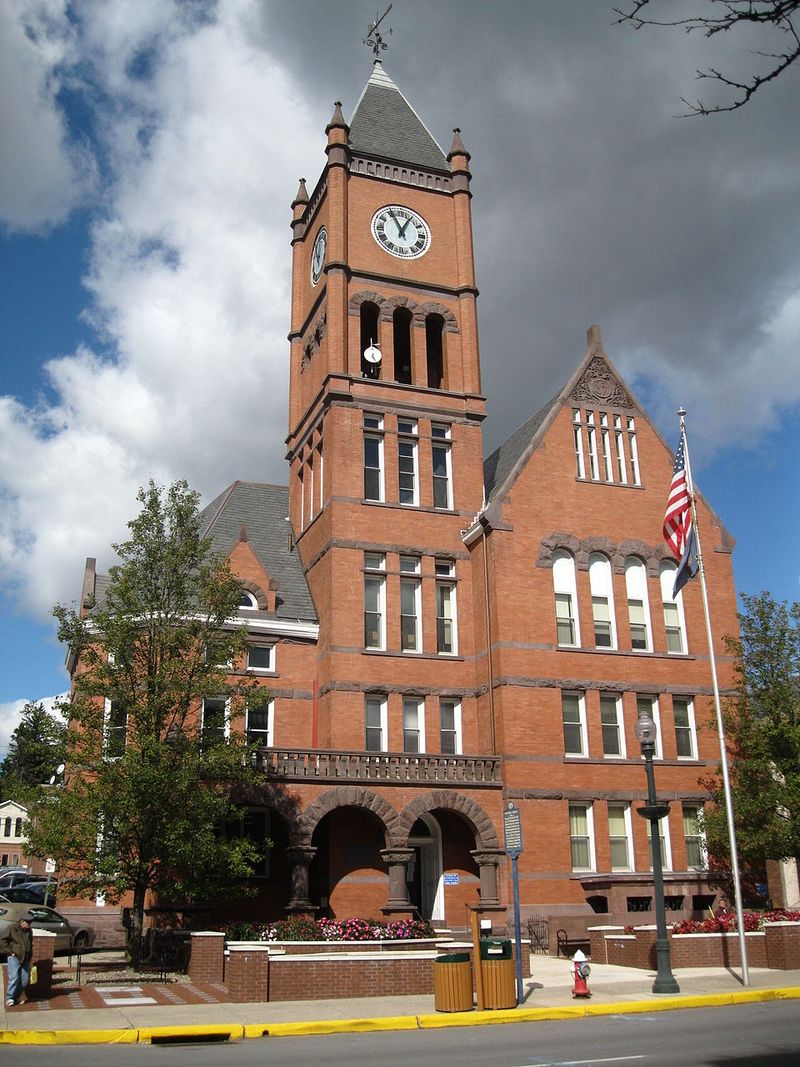
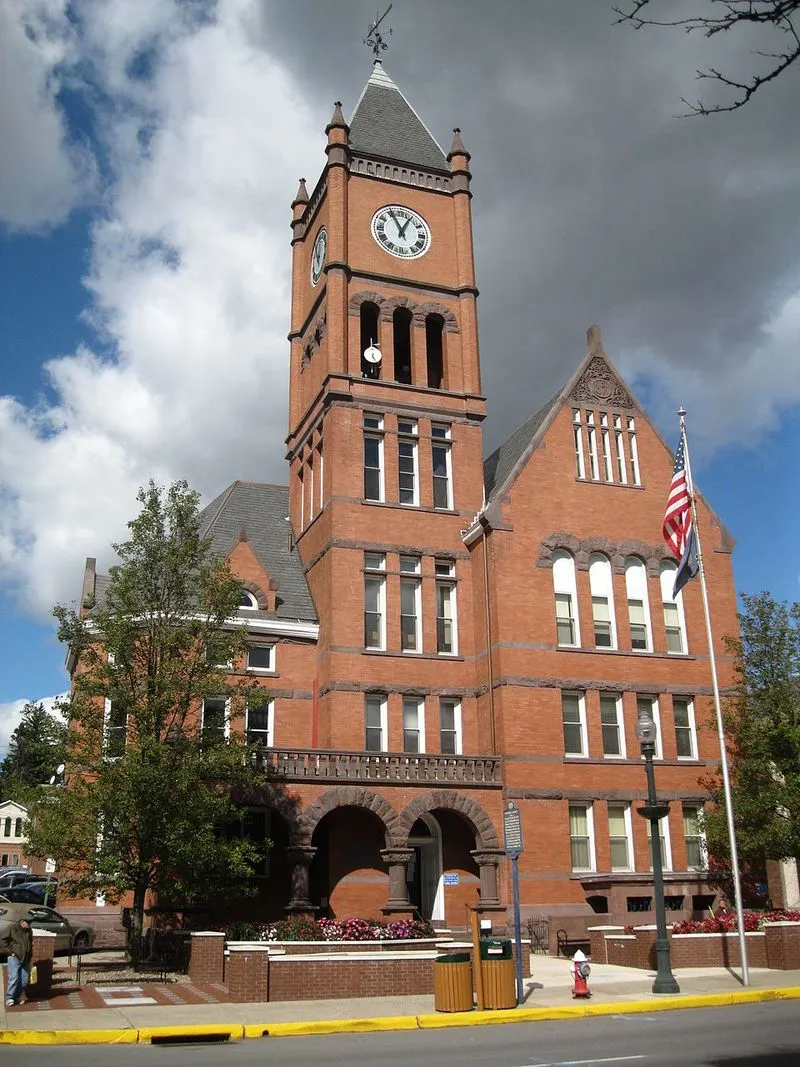
Columbia’s architecture reads like a curated anthology of the 1800s, each facade a chapter. You will find Victorian homes with bracketed eaves and spindlework porches that almost whisper, sit a while. The brickwork is tight, the stone lintels sturdy, and the windows tall enough to drink in river light.
Church steeples puncture the sky with quiet authority, their bells carrying stories across seasons. Some sanctuaries glow with stained glass panels that throw jeweled light across pews at sunrise. Public buildings flaunt symmetry and purpose, with keystones and cornices that refuse to hurry the eye.
Walk past a row of Second Empire or Italianate houses and you will notice intentional details everywhere. Door transoms are etched like signatures, and cast iron fences guard tiny front gardens bursting with hostas and hydrangeas. Even the stoops feel welcoming, built at a human scale that invites conversation.
Industrial heritage peeks through in old warehouses and mill structures, where tall arched openings once swallowed freight. Now many stand refitted with studios or small businesses, keeping the bones while inviting fresh life. You can sense how builders understood both beauty and use, tempering flourish with function.
Preservation here is not fussy, it is faithful. Original slate roofs and restored cornices show up like nods of respect to the craftspeople who framed this town’s skyline. As you wander, try tracing the lines with your eyes, from foundation stones to finials, and feel the rhythm of a century that still speaks clearly.
Scenic Views from the Hillsides
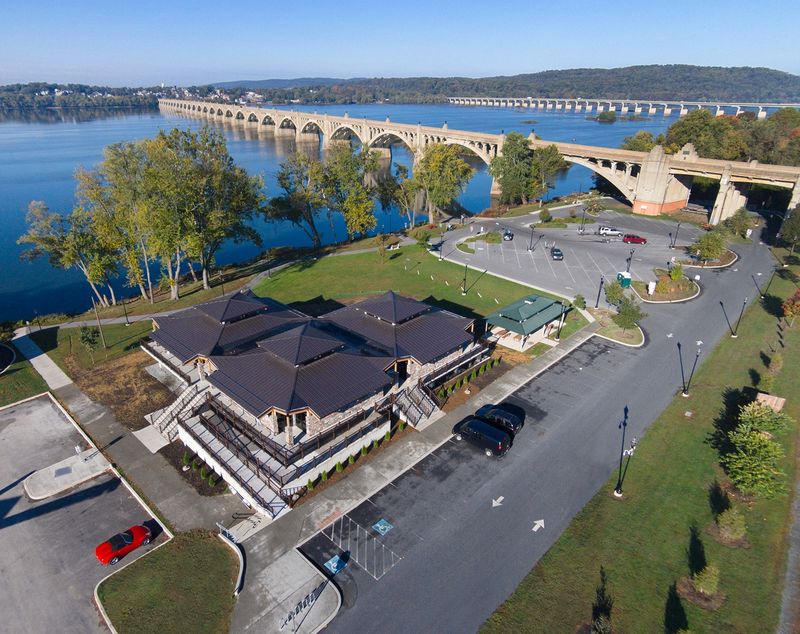
Climb the hills around Columbia and the town spreads like a quilt stitched along the river’s edge. From up here the Susquehanna looks deliberate and timeless, sliding past bridges and islands with quiet muscle. The rooftops below glint in the light, and brick lines trace patterns that only make full sense from above.
Stand still and listen for riverbirds, wind through sycamores, and the occasional whistle drifting across town. The overlook feels like a balcony on history, where you can picture canal boats inching through a workday or winter ice glistening in blue shards. Sunrise paints the water with pewter and gold, while dusk lays a lavender hush over everything.
These hills explain Columbia’s character, shaping both its resilience and its daily rhythm. Streets climb and fall like measured breaths, and residents weave their routines with the landscape’s logic. Trails thread the slopes, rewarding your legs with views that make every step feel earned.
Bring a camera or just your curiosity, because the scenes change with clouds and season. In spring, the hills throw on a soft green sweater, dotted with wildflowers. By autumn they burn with copper and wine tones that mirror the town’s brick underfoot.
You will likely linger longer than planned, because perspective works like that. From the high ground, the past and present line up neatly across the water, and you can see why a river town endures. Columbia’s hillsides give you the big picture and the quiet to truly absorb it.
A River Town’s Historical Significance
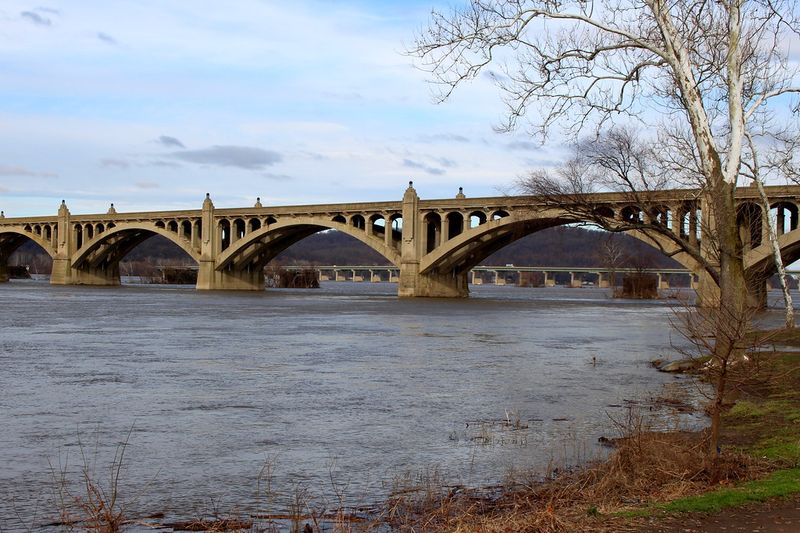

Columbia grew up with the Susquehanna as its main artery, carrying goods, people, and ambition. In the 1800s it served as a transportation hub, where canals, ferries, and later rail lines braided commerce into daily life. You can almost hear the scrape of rope and the calls of crews moving cargo along the docks.
The town’s strategic location made it a hinge between agricultural hinterlands and urban markets. Iron, lumber, and grain flowed through, meeting skilled labor and entrepreneurial grit. Warehouses rose, bridges knit banks, and schedules dictated the tempo of streets and taverns.
Columbia’s canal era was not just about movement, it was about making a life from movement. Families opened shops that catered to travelers, and schools shaped children who knew tides of goods as well as weather. Industrial workshops spun off innovations and crafts that still echo in local pride.
Traces remain in alignments of old rights of way and in sturdy riverfront buildings that refuse to forget. Read plaques, pattern your walk along former towpaths, and the map of yesteryear reveals itself. Locals tell stories passed down like heirlooms, each anecdote a small ledger entry in the town’s account with the river.
When you stand by the water, it is easy to understand how a current becomes a character. The Susquehanna shaped livelihoods, identities, and the very cadence of conversation here. Visiting today connects you to a network of places and people who rode that current into Pennsylvania’s broader history.
Local Culture and Community Charm
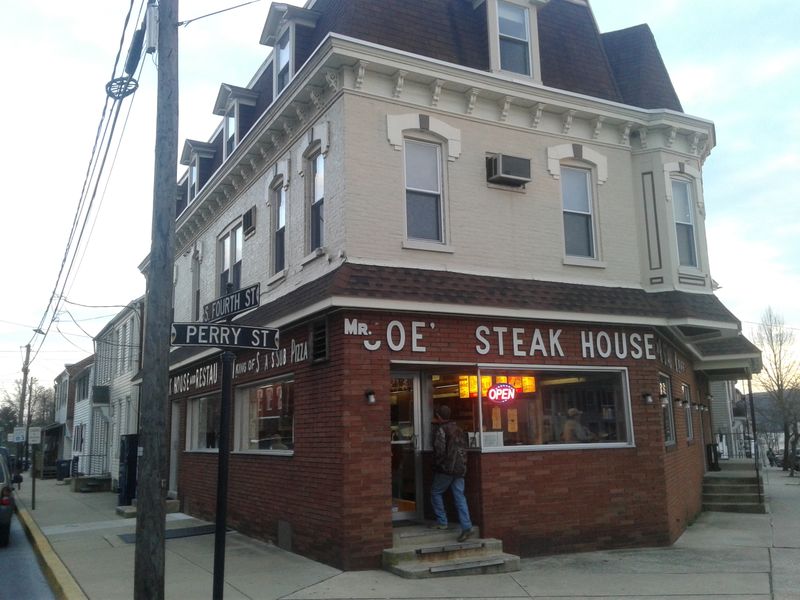
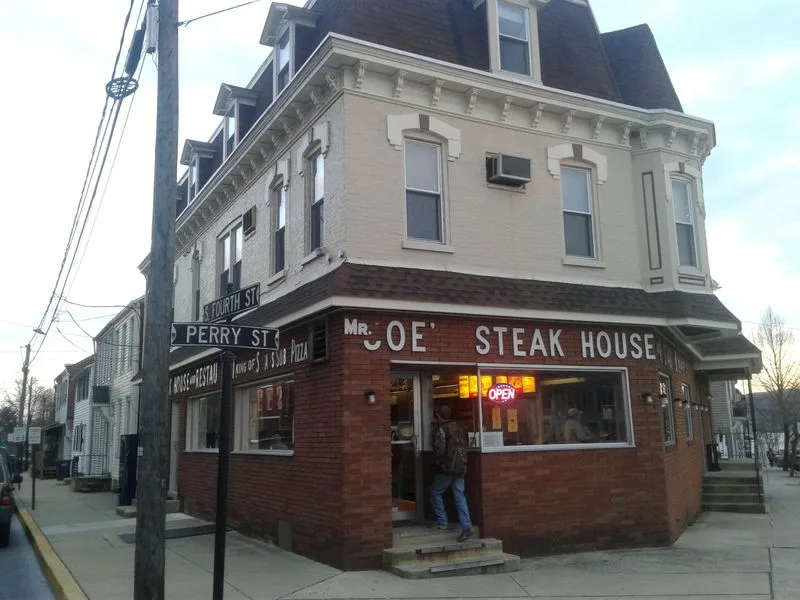
Today, Columbia’s heart beats through its small businesses and neighborly routines. You can browse antiques one minute and sip a locally roasted coffee the next, all within a few leafy blocks. Window boxes burst with color, and chalkboard menus make lunch decisions cheerfully difficult.
Festivals and markets fill the calendar with easy reasons to gather. Musicians set up on corners, kids chase bubbles, and the river air keeps everything feeling open and bright. If you chat with shop owners, you will hear proud threads of history woven into talk of new ideas.
Public art pops from brick walls, telling stories in paint and inviting selfies that actually feel meaningful. Community groups organize cleanups and charity walks, reminding you that care is a daily verb here. Even the library hums with activity, from genealogy workshops to book clubs that spill out onto steps.
Local eateries lean into comfort and craft, serving recipes that taste like heritage with a twist. You can find hand pies, hearty sandwiches, and seasonal specials that nod to farm fields nearby. Dessert might be a scoop of something small batch, eaten while people watching on a bench.
It is easy to feel included, even as a newcomer or a day tripper. The town’s scale invites conversation, and smiles come as naturally as the river breeze. Spend an afternoon and you will leave with a favorite shop, a story, and a reason to return.
Preserving the Past for the Future
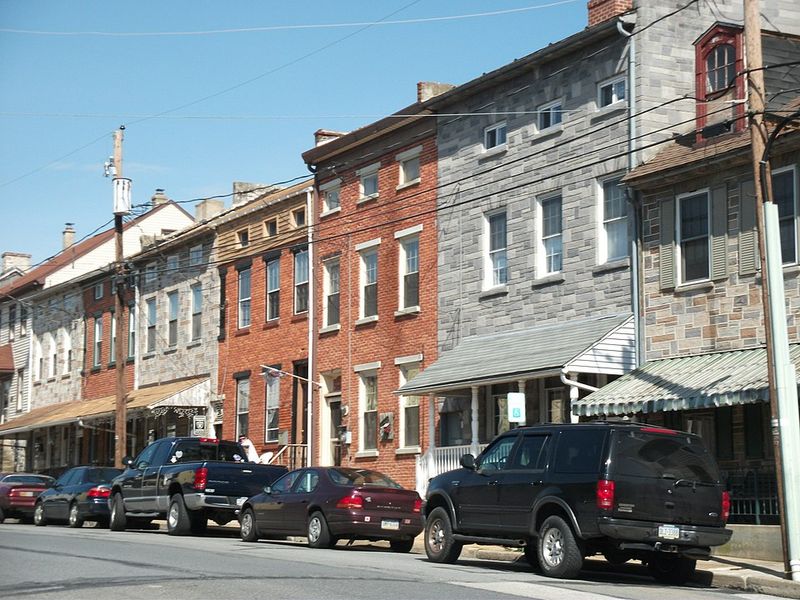
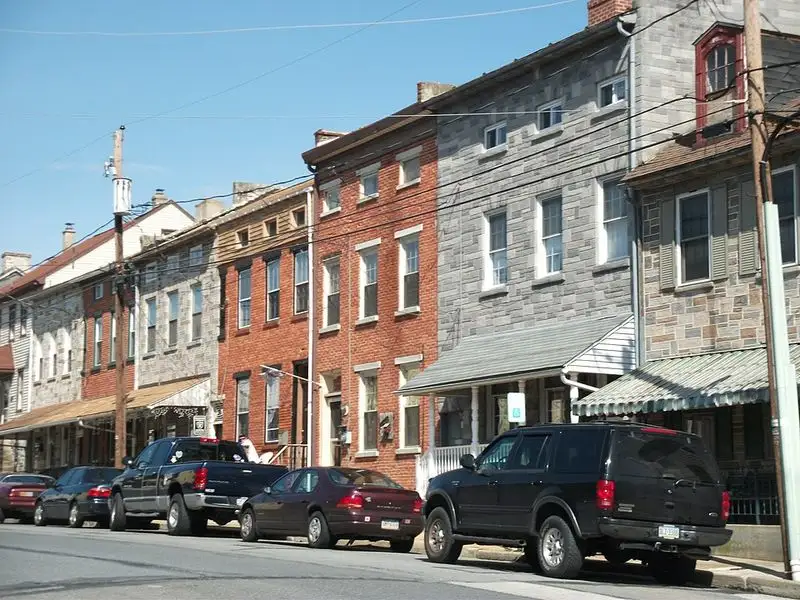
Preservation in Columbia is not theoretical, it is hands on and heart forward. You can spot scaffolding around a historic facade and know that skilled hands are resetting brick and tuckpointing with care. Grants, donations, and volunteer hours layer together like mortar, keeping the town’s fabric strong.
Local organizations champion walking tours, archival research, and practical workshops that teach maintenance skills. Property owners swap tips on slate repair, wood windows, and period paint choices that honor original palettes. The goal is not to freeze time but to carry it, intact and legible, into a living present.
Tourism helps, turning appreciation into economic support for restaurants, shops, and tradespeople. Visitors who learn the stories tend to spend more thoughtfully, choosing experiences that sustain the character they came to see. It becomes a positive loop where heritage funds its own future.
Interpretive signs and museum exhibits stitch context into street corners, so your curiosity never hits a dead end. School partnerships bring students into the process, letting new generations take ownership of old places. Even small acts, like planting heirloom varieties along sidewalks, add to the tapestry.
What stands out most is the patience it takes to do this work right. Brick by brick, window by window, Columbia proves that authenticity is built slowly and defended daily. When you visit, your attention and respect join the effort, ensuring these stories stay audible for those who walk here next.
Visiting Columbia Today
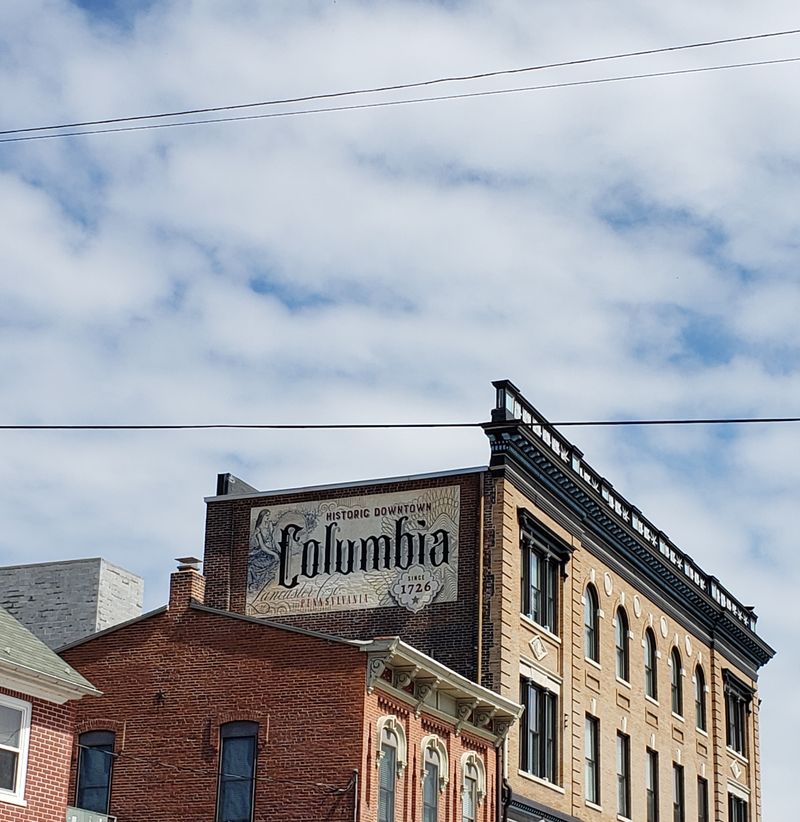
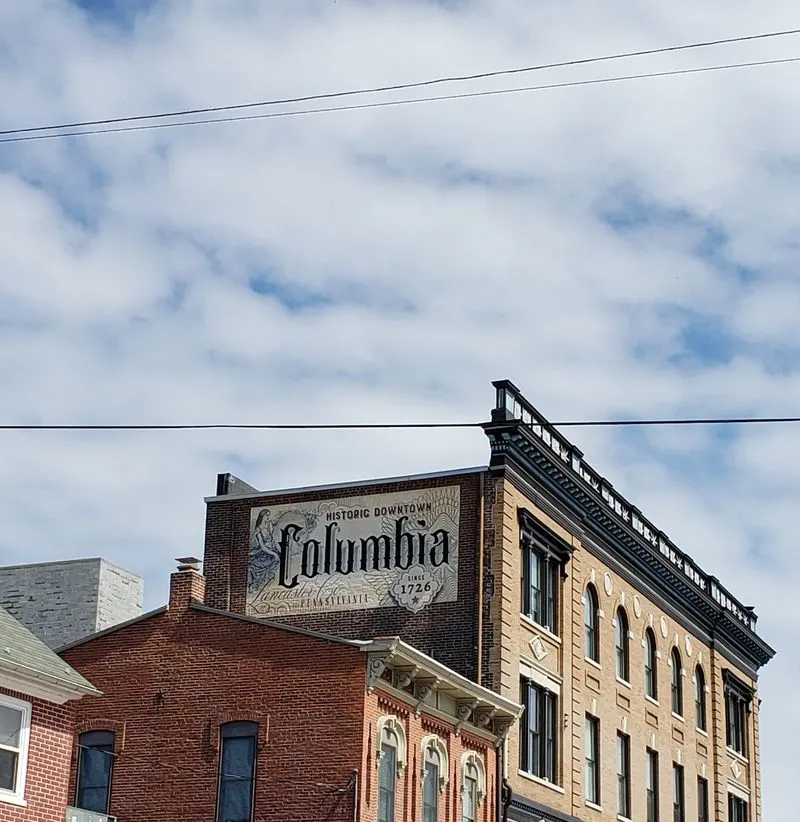
Start with a slow walk down the brick corridors of downtown, letting the textures set your pace. Pick up a map from the visitor center or download a self guided route that threads landmarks together. Comfortable shoes are your best friend here, especially if the hills call your name later.
Plan a stop at local museums to anchor the stories you will see in the streets. Exhibits on canal trade, industry, and domestic life help you decode the architecture and artifacts. Ask staff for tips on lesser known corners where the past hides in plain sight.
For views, head up to popular overlooks just before golden hour. Bring water, a light jacket, and your camera, because the river loves to show off at day’s end. Cyclists will find friendly routes that link town blocks to waterfront paths.
Eat where the locals eat, from breakfast spots with hearty plates to dinner rooms that celebrate Pennsylvania flavors. Antique and vintage shops reward browsers with finds that carry the patina of another era. If you time it right, a market or festival might add music and color to your itinerary.
Parking is straightforward, but meters and signs deserve a glance so your day stays stress free. Come with curiosity and leave space in your schedule for serendipity. Columbia shines when you let it unfold, one brick, one story, and one river breeze at a time.
The Brickwork Craft: Materials and Methods
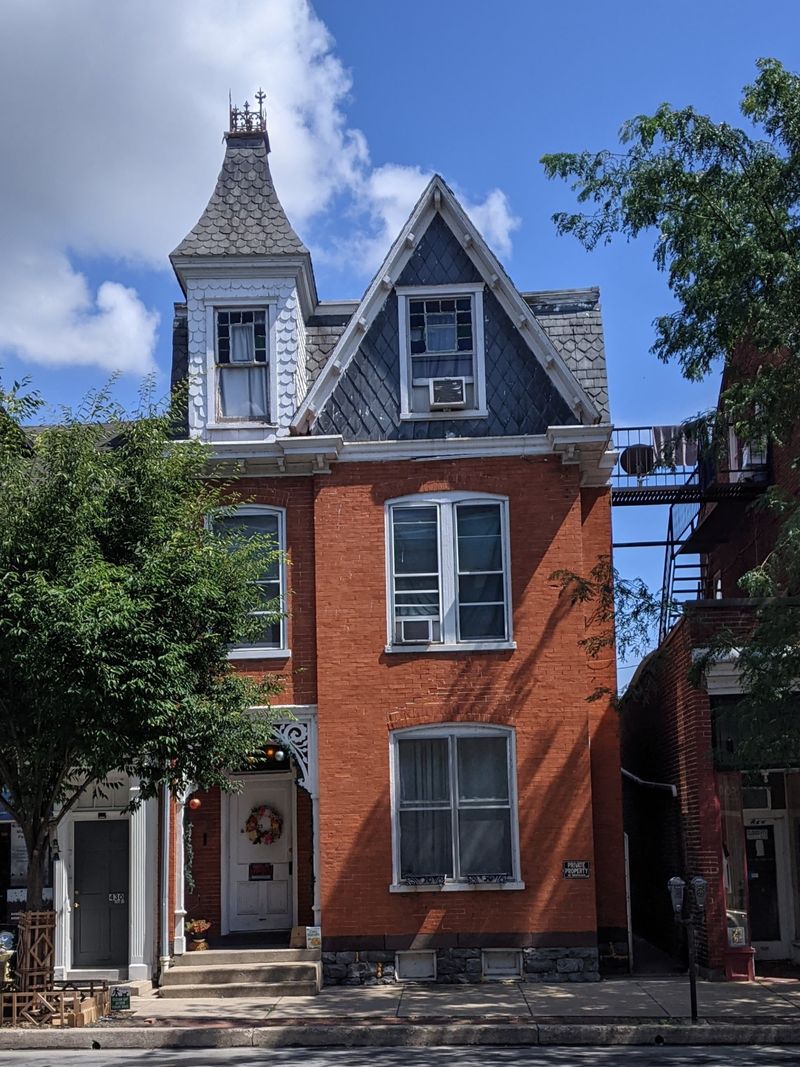
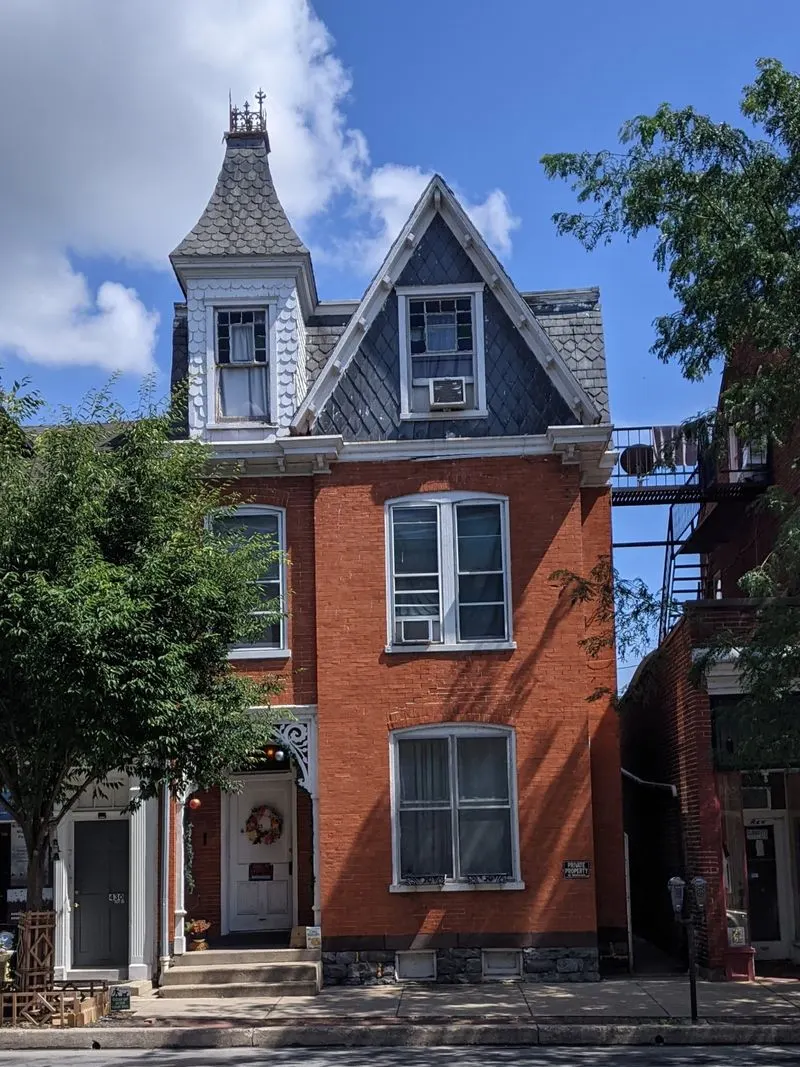
Look closely at Columbia’s streets and you will notice patterns that speak to craft and intent. Herringbone sections grip underfoot, while stretcher rows run clean and steady along long blocks. Maker stamps peek from worn faces, each one a tiny brand of pride pressed into clay.
Many bricks were fired in regional kilns that understood local soils and fuels. Colors range from deep oxblood to sun baked orange, and sand set beds allow for flex through freeze and thaw. You can see how careful grading and tight edges keep surfaces stable without modern shortcuts.
Maintenance is an art of respect, using matching clay units and historically appropriate mortar. Crews lift, level, and relay, leaving behind a street that reads continuous rather than patched. Where utilities interrupt, thoughtful detailing can stitch the story back together.
Walkers benefit from this care immediately, feeling traction and a subtle spring beneath each step. Drivers slow naturally, which suits a downtown built for conversation as much as movement. In rain, the texture sheds water in glistening threads, not sheets, reducing splash and glare.
Learning to read brickwork is like picking up a dialect. Once you see the choices, you cannot unsee them, and appreciation deepens with every block. Columbia teaches the lesson patiently, one stamped face and careful joint at a time.
Riverside Recreation and Slow Moments
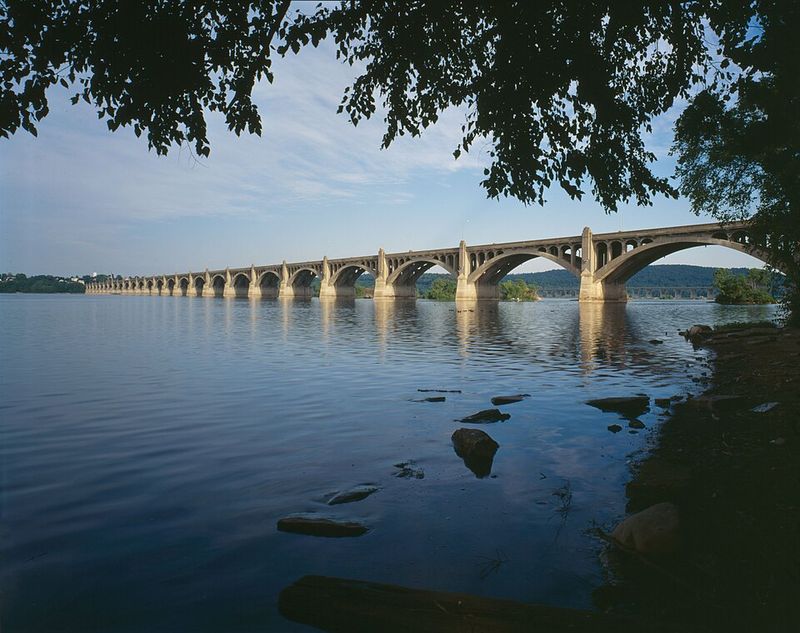
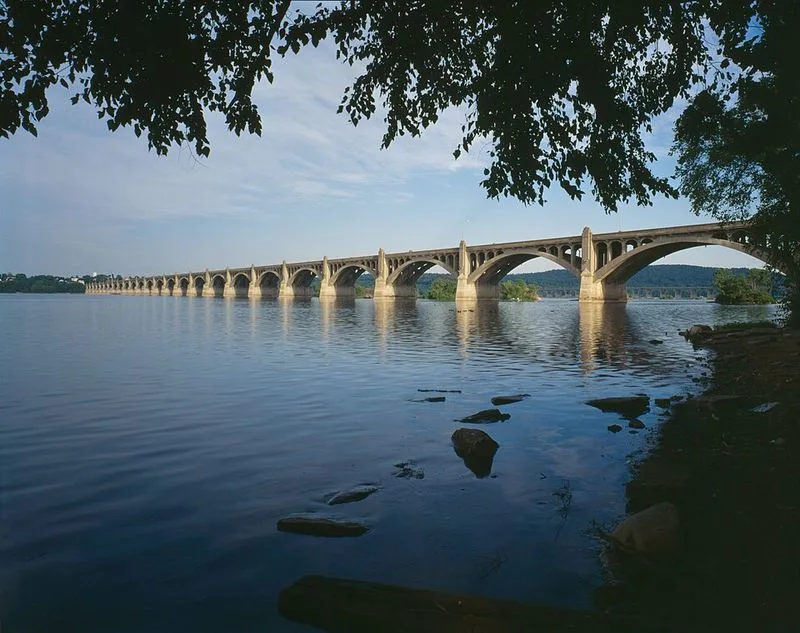
Down by the Susquehanna, time loosens its grip in the best possible way. People stroll with ice cream, anglers test the patience of fish, and kayaks sketch lazy lines across the current. The bridge silhouette frames the scene like a postcard you can step into.
Mornings arrive with mist that smells faintly of stone and leaf. By afternoon, benches become little theaters where boats glide by and conversations find easy cadence. You can set your phone down, watch the light change, and remember how to simply occupy a moment.
Trails hug the water, linking pocket parks and overlooks with easy continuity. Cyclists share the space politely, bells pinging like friendly punctuation. Picnic tables invite unhurried lunches that taste better for the view.
Seasonal shifts keep the riverside fresh without losing its calm. Spring brings the electric green of new growth, summer offers long evenings, and autumn layers the banks in copper. Even winter has its draw, when ice sketches filigree along the edges and air turns brisk and clean.
You leave feeling tuned to a slower frequency, the kind that keeps memories intact. The river’s steady voice teaches patience and presence, gifts that last long after you drive away. In Columbia, recreation often looks like permission to breathe.
Conclusion: A Living Snapshot of the 1800s
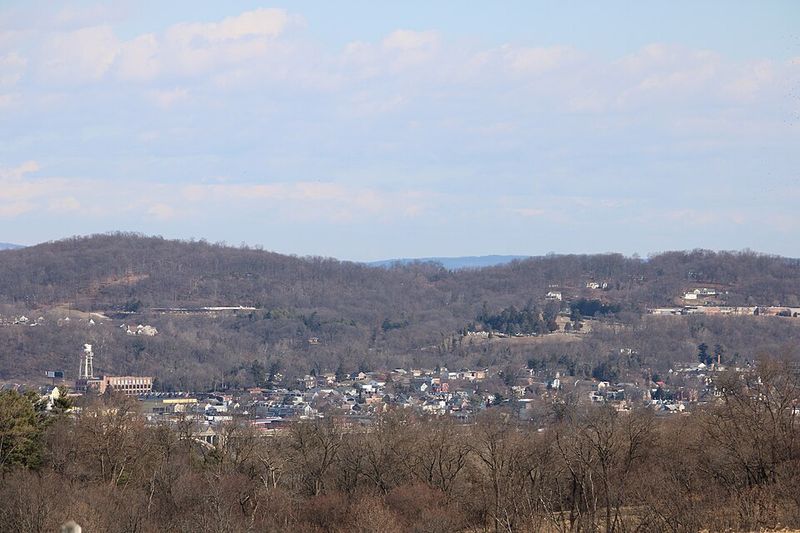
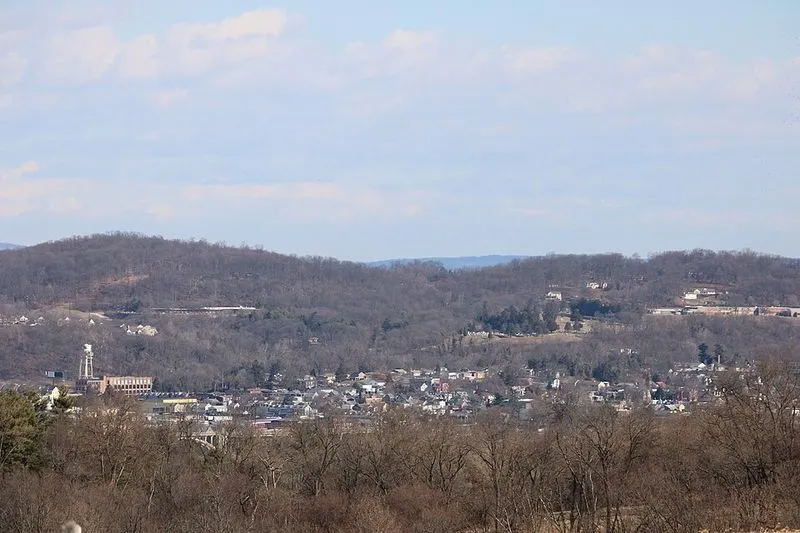
As the lamps glow against brick and the hills blue into evening, Columbia feels both old and alive. The river keeps its calm cadence while footsteps echo gently on streets built by careful hands. You sense the 1800s not as a museum piece, but as a rhythm that still carries the town forward.
Every corner offers proof, from Victorian rooflines to restored shopfronts and the steady presence of church steeples. Stories live in details, and you meet them by moving slowly and looking twice. Local voices connect past to present with an ease that only deep roots can provide.
It all adds up to a place where history is not hidden behind glass. You can walk it, taste it, and watch it shimmer across the Susquehanna at dusk. Leave with a camera roll full of textures and a heart tuned to quieter beats.
Return when seasons turn, because Columbia reveals new notes with each visit. Bring friends, or come solo and let the town introduce itself again. The bricks will remember your steps, the hills will offer a different shade, and the river will keep the time.
In the end, that is Columbia’s gift. It preserves what matters while welcoming you into the story. And once you have felt that balance, you will want to keep it close and come back soon.