Some pizza places follow trends, but Beto’s Pizza has spent generations doing the exact opposite and winning people over anyway.
Tucked along Banksville Road in Pittsburgh, this unassuming shop turns out hot square cuts topped with a startling blanket of cold shredded provolone.
That contrast sounds strange until you take a bite and realize why locals keep coming back.
If you love regional food traditions, neighborhood institutions, and dishes that spark instant debate, this is one stop you will want on your list.
A Pittsburgh Pizza Institution Since 1953
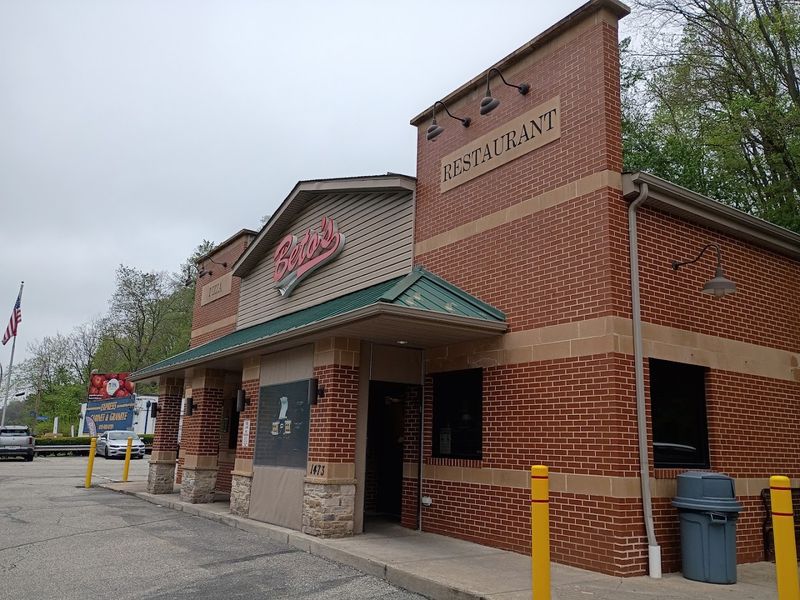
Walking into Beto’s Pizza feels like stepping into a piece of Pittsburgh food history. The shop has been serving customers since 1953, and that kind of staying power says a lot in a city full of beloved neighborhood spots.
You can feel the confidence of a place that never needed gimmicks to earn loyalty.
For more than seventy years, Beto’s has built its reputation on consistency. The recipe, the format, and the overall approach have stayed remarkably true to what made the place special in the first place.
That sense of continuity gives every visit a little extra weight, like you are tasting something generations before you already understood.
What stands out most is how naturally the shop wears its legacy. Nothing feels forced, polished, or designed for social media first, which honestly makes it even more appealing.
You come here because locals swear by it, families grew up on it, and Pittsburgh pizza conversations are never complete without it.
In a world where restaurants constantly reinvent themselves, Beto’s proves there is real power in knowing exactly what you are. That long history is not just a date on the wall.
It is baked right into every square cut they serve.
Hidden on Banksville Road
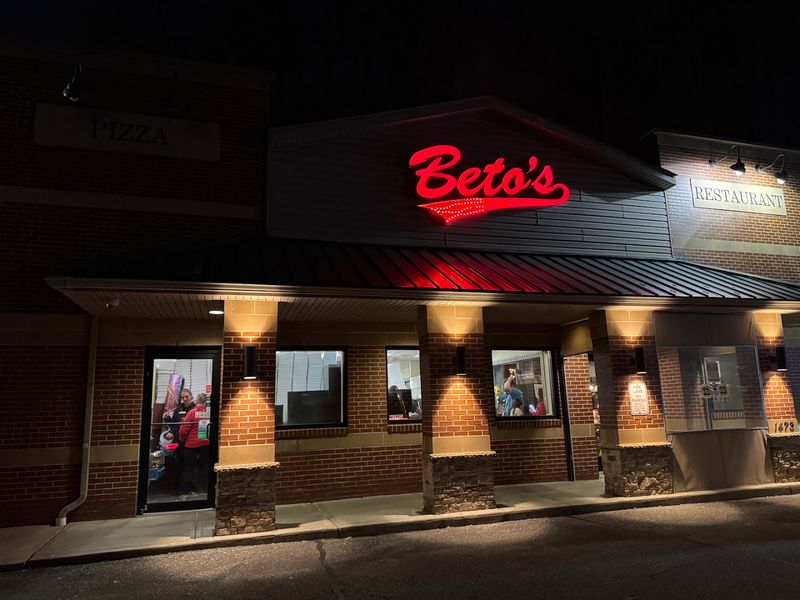
Beto’s Pizza does not announce itself with flashy architecture or polished curb appeal. Sitting at 1473 Banksville Road in Pittsburgh’s Beechview area, it looks more like the kind of neighborhood spot you might pass without realizing its reputation.
That low-key setting is part of the charm, because the surprise hits harder once you know what is inside.
I love places that feel discovered instead of manufactured, and Beto’s fits that feeling perfectly. It has the look of a practical, everyday pizza shop, the kind of place built to feed locals rather than impress tourists.
Yet over time, that modest storefront has become a destination people seek out on purpose.
There is something satisfying about a landmark that still feels rooted in its block. Banksville Road gives Beto’s an everyday Pittsburgh backdrop, and that regularity makes the food stand out even more.
You are not walking into a themed experience or a trendy concept, just a place that earned its status one cut at a time.
That hidden-in-plain-sight quality is part of why Beto’s stays memorable. It reminds you that some of the most talked-about regional food traditions are still found in humble spaces.
When you finally pull up, it feels less like a spectacle and more like being let in on a local secret.
The Signature Cold Cheese Style
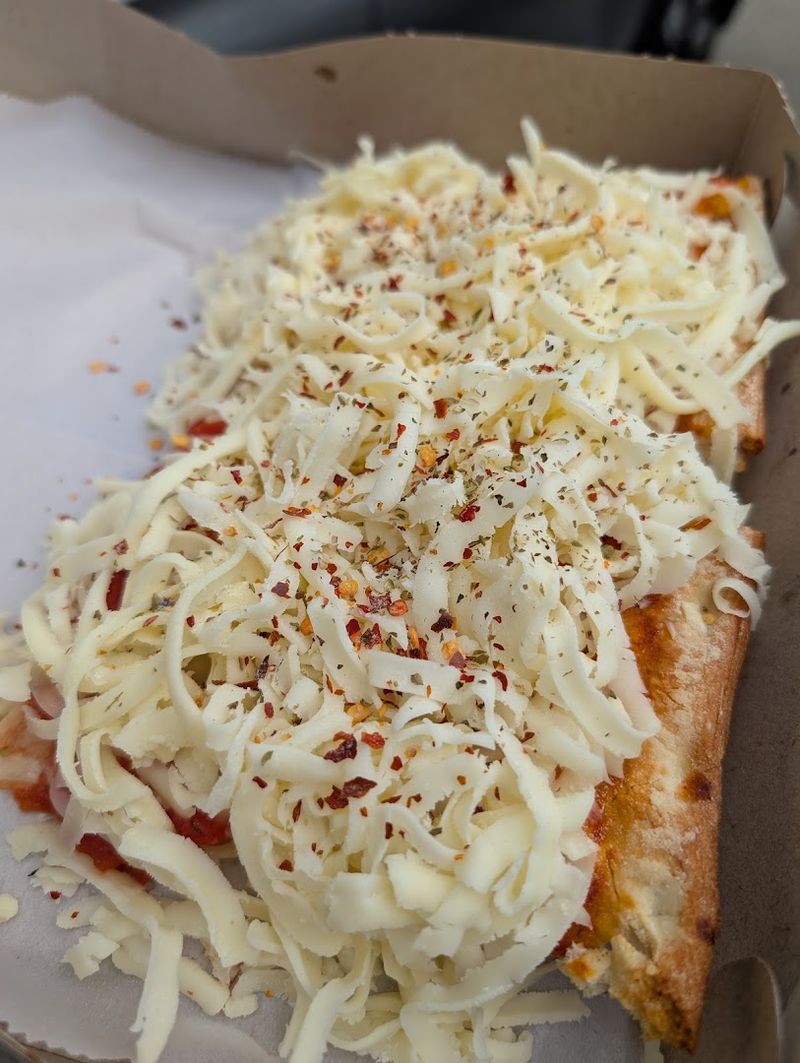
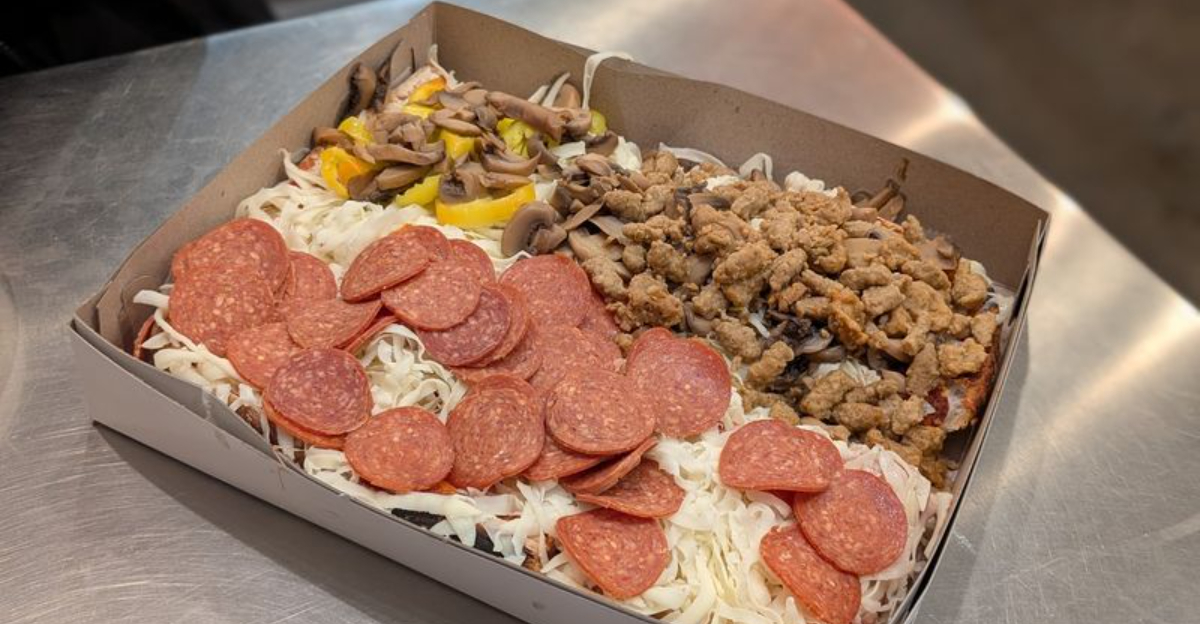
The pizza at Beto’s is famous for one detail that catches first-time visitors off guard: the cold shredded provolone added after the bake. Instead of melting everything together in the oven, the shop finishes hot pizza with a thick layer of chilled cheese.
That move creates the signature look and flavor that people either crave instantly or spend the whole meal trying to understand.
At first glance, it can seem almost backwards if you are used to standard pizzeria rules. But Beto’s is not trying to imitate a New York slice or a typical delivery pie.
It follows an Ohio Valley-influenced tradition where the contrast between hot base and cold topping is the entire point.
The provolone is not just a garnish tossed on top for drama. It is generous, sharp, creamy, and intentionally left cool enough to keep its texture for the first few bites.
As the heat from the crust and sauce begins softening it, the cheese changes right in front of you.
That evolving bite is what makes the style so memorable. Every square feels a little different depending on how quickly you eat it.
Beto’s turns temperature into part of the recipe, and that simple twist gives the pizza its unmistakable identity.
The Hot-and-Cold Flavor Contrast
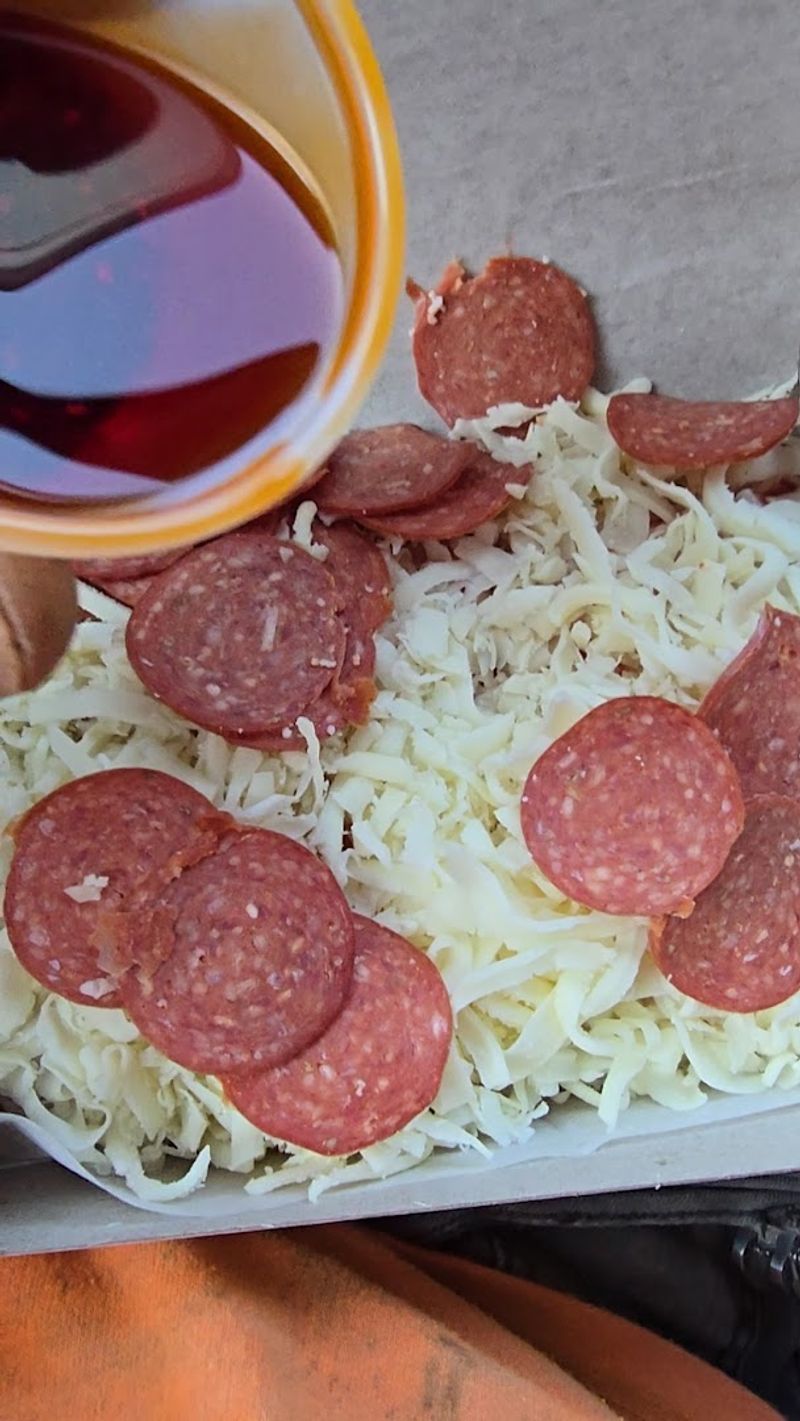
The real magic at Beto’s is not just the cold cheese itself, but the way it interacts with everything underneath it. You get hot crust, hot sauce, and then that cool layer of shredded provolone settling over the top.
The first bite lands with a temperature contrast that feels surprising, then strangely perfect.
Because the cheese is added after baking, it does not melt into one uniform blanket right away. Instead, the heat from the slice softens it gradually, so you experience creamy edges, chewy strands, and pockets that stay refreshingly cool.
That shifting texture is part of what fans talk about when they try to explain why Beto’s is so different.
If you have never had pizza built around contrast, this style can reset your expectations. It is less about gooey melt and more about balance, where the tang of provolone brightens the richness of the sauce and crust.
You notice each component more clearly because they are not fused together from the start.
That bite is hard to compare with anything else. Some people love it immediately, while others need a slice or two before it clicks.
Either way, Beto’s makes you pay attention to temperature and texture in a way most pizza never even tries to do.
Square Cuts, Not Traditional Slices
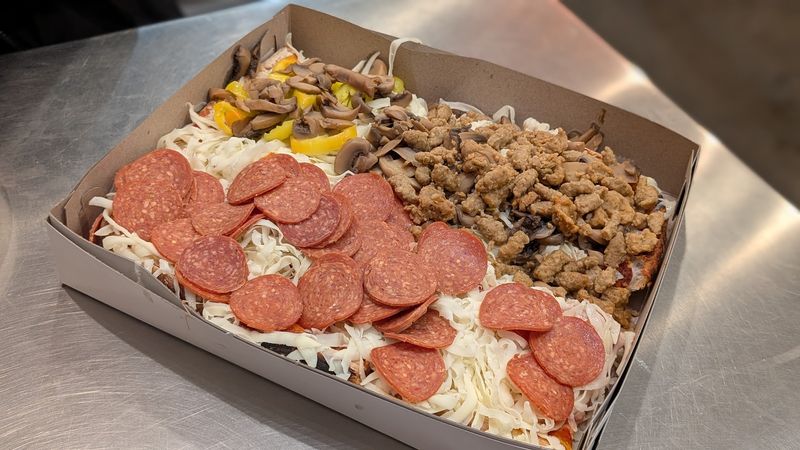
Forget the big triangular slice for a minute, because Beto’s does things differently from the shape up. The pizzas are served on rectangular trays and cut into neat square pieces, often called cuts instead of slices.
That format immediately signals you are stepping into a regional tradition rather than a standard pizzeria routine.
Square cuts change the whole eating experience in subtle ways. You get edge pieces with more crust, center pieces with more sauce and cheese, and a tray that feels designed for sharing or sampling.
It makes the pizza approachable, practical, and easy to grab whether you are eating alone or with a group.
There is also something fitting about how the cold provolone sits on those squares. Each cut carries its own ratio of crust, sauce, and cheese, so you can actually notice small differences from piece to piece.
That variety adds to the fun, especially if you like comparing your favorite corner, edge, or center bite.
At Beto’s, the square cut is not just presentation. It is part of the identity, tied closely to the broader Ohio Valley style that values convenience, texture, and individuality in every piece.
Once you have had pizza this way, the usual round pie can feel a little less interesting.
Sold by the Cut
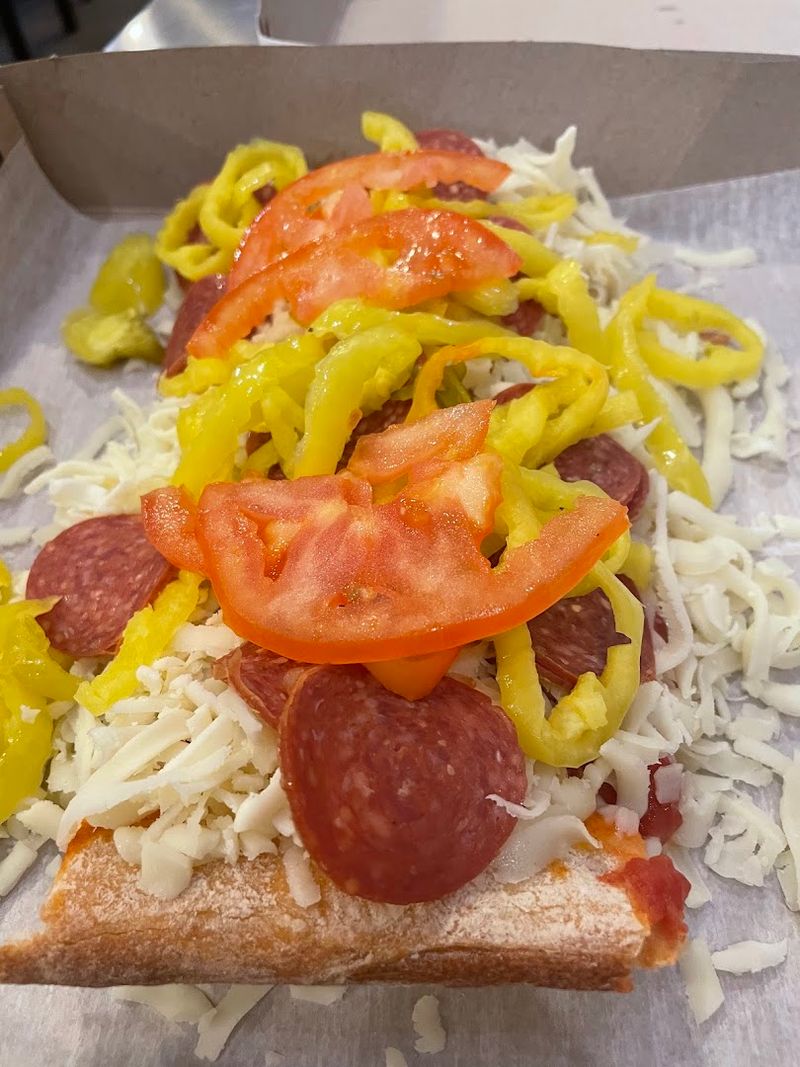
One of the most approachable things about Beto’s is that you do not need to commit to a whole pie. The shop is known for selling pizza by the cut, which makes it easy to stop in for a quick lunch, an inexpensive snack, or a low-pressure first taste of the cold-cheese style.
That ordering system feels practical and very neighborhood-friendly.
If you are curious but not fully convinced, this is the best possible setup. You can try a piece, see how you feel about the hot-and-cold contrast, and decide whether you want more without overthinking it.
For regulars, ordering by the cut also means grabbing exactly what fits the moment, whether that is one square or a full tray’s worth.
There is a casual generosity to that format that matches the spirit of the place. It keeps Beto’s accessible, affordable, and easy to work into an ordinary day rather than treating it like some complicated dining event.
You walk in, order at the counter, and get right to the point.
That by-the-cut tradition also makes Beto’s especially good for groups with mixed levels of enthusiasm. Some people come in as longtime believers, others as skeptical first-timers.
A few square cuts later, everyone gets to join the debate with actual experience behind their opinion.
A True Ohio Valley Pizza Tradition
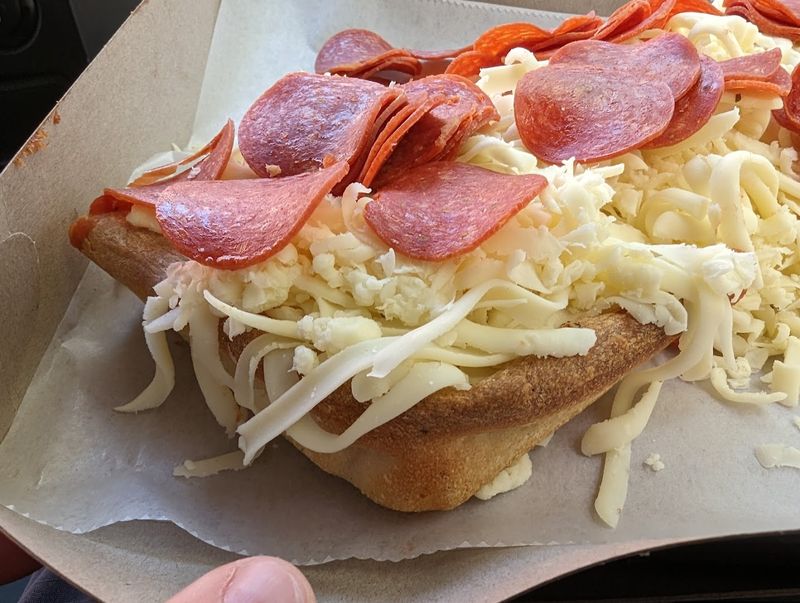
Even though Beto’s is firmly woven into Pittsburgh food culture, its style belongs to a larger regional story. The cold-cheese approach is part of the Ohio Valley pizza tradition, a style associated with parts of western Pennsylvania, eastern Ohio, and nearby West Virginia.
Knowing that context helps the whole experience make more sense.
This is not a random quirk invented to be different for the sake of attention. It is a real local food tradition with its own rules, expectations, and devoted following across the broader region.
Beto’s just happens to be one of the most recognizable and beloved places carrying that style forward in Pittsburgh.
What I find so appealing is how clearly this pizza reflects place. It is the kind of regional specialty that tells you food history does not always follow mainstream national trends.
Sometimes a community develops its own preferred texture, serving style, and flavor balance, then sticks with it for generations because it simply works.
That is what makes a visit to Beto’s feel bigger than a single meal. You are not just trying an unusual pizza topping choice.
You are stepping into a living Ohio Valley tradition that still feels personal, practical, and deeply tied to the neighborhoods that kept it alive.
Simple, No-Frills Atmosphere
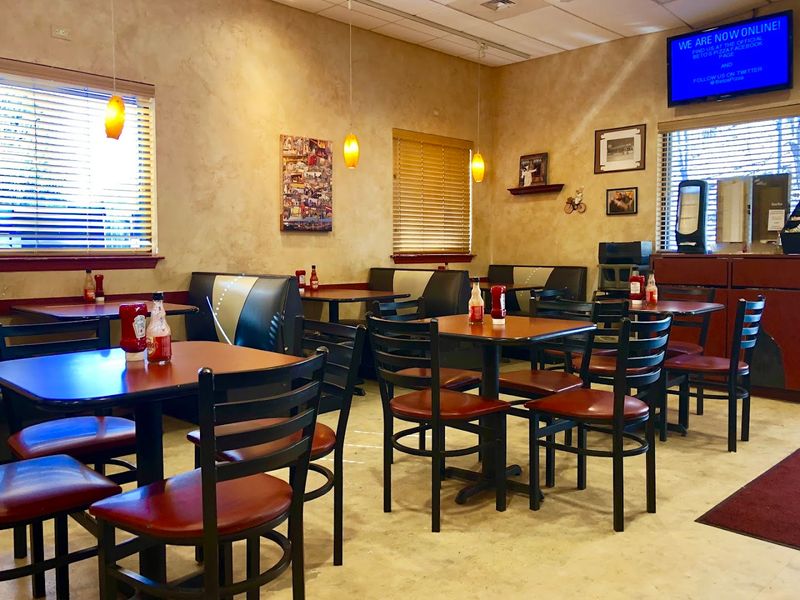
Beto’s does not waste energy trying to be stylish, and honestly, that is one reason it works so well. Inside, the atmosphere is simple and functional, with a straightforward counter-service setup and the kind of pace that tells you the staff knows exactly what they are doing.
The focus is on getting pizza to people, not creating a staged dining room.
You are not coming here for mood lighting, curated playlists, or upscale design touches. The appeal is more direct than that.
Beto’s feels like a place built around habit, efficiency, and local appetite, where regulars know what they want and newcomers quickly understand the system.
That no-frills approach suits the food perfectly. The pizza itself is unusual enough to carry the experience, so the room does not need to perform for your attention.
In a way, the stripped-down setting reinforces the shop’s credibility, because nothing distracts from the fact that this place has thrived by doing one thing its own way for decades.
There is comfort in that kind of honesty. You order at the counter, find a spot if you are eating in, and let the food do the talking.
Beto’s proves that personality does not always come from decor. Sometimes it comes from consistency, speed, and a fiercely local sense of purpose.
A Local Cult Following and Debate
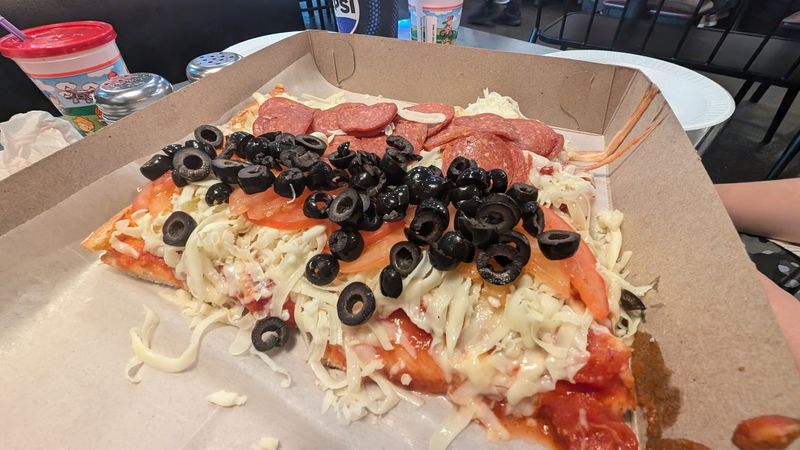
Beto’s Pizza has developed one of Pittsburgh’s most loyal yet divided food followings, earning a near-cult status among locals who grew up with its distinctive Ohio Valley–style square slices. For many regulars, it represents nostalgia as much as flavor—an inexpensive, fast, and familiar meal that has remained largely unchanged since the mid-20th century.
Longtime customers often describe it as a “Pittsburgh staple,” praising the contrast between the warm tomato sauce and crust and the cool layer of shredded provolone added immediately after baking.
At the same time, Beto’s also sparks debate, especially among first-time visitors unfamiliar with the cold-cheese style. Some diners are surprised by the texture and temperature contrast, expecting a traditional melted-cheese pizza experience.
Online reviews and local food discussions frequently reflect this split: loyal fans defend it as a unique regional tradition, while skeptics question the unconventional preparation.
This divide is part of what has kept Beto’s relevant for decades. The restaurant has never significantly changed its formula, even as pizza trends have evolved around it.
Instead, it continues to thrive on consistency, word-of-mouth loyalty, and curiosity-driven visitors eager to try one of Pittsburgh’s most talked-about local food traditions.
Visitor Info & Tips
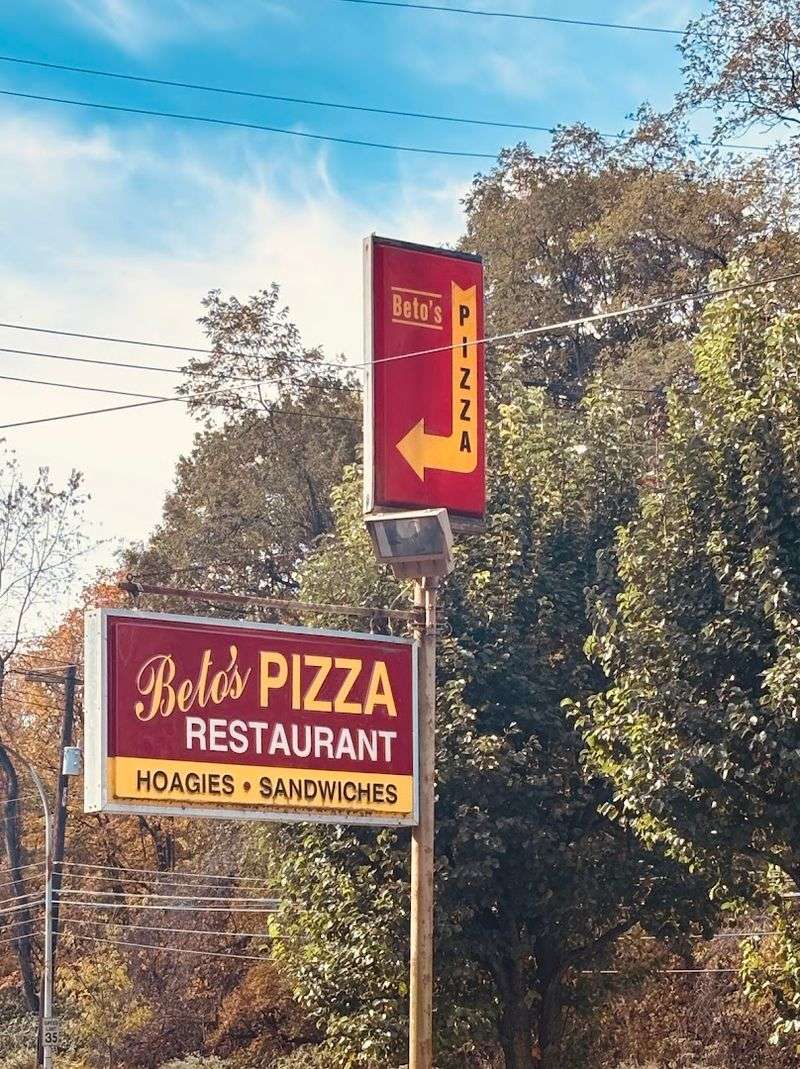
Beto’s Pizza is located at 1473 Banksville Rd, Pittsburgh, PA 15216, in the city’s South Hills area, and remains a popular stop for both locals and curious visitors wanting to try its signature Ohio Valley–style square pizza with cold provolone added after baking. The restaurant is generally open Tuesday through Sunday, typically operating from late morning (around 11:00 AM or 12:00 PM depending on the day) until late evening, with hours often extending to around 10:00 PM–12:30 AM depending on the day of the week.
It is usually closed on Mondays.
The restaurant operates as a casual, counter-service pizza shop, meaning there is no formal seating experience or reservations. Most customers order takeout or grab quick meals on-site, and wait times can increase during peak lunch and dinner hours, especially on weekends.
Parking is available in a small on-site lot and nearby street spaces, though it can fill up during busy periods.
The best way to experience Beto’s is to order slices fresh and eat them immediately, as the contrast between hot crust and cold cheese is the signature feature. First-time visitors should expect a unique texture compared to traditional melted-cheese pizza.
Bringing cash or card is both generally accepted, and calling ahead for current hours is recommended, as schedules can vary slightly.