This strange stone tower has a story far more surprising than its castle-like appearance suggests.
Tucked into Winterset City Park, Clark Tower rises above the trees like a forgotten fortress, complete with rough limestone walls and a lookout that seems to invite questions.
But there are no knights, secret kingdoms, or medieval legends hiding here.
The tower was built to honor one of Madison County’s earliest pioneer families, and the story behind it gets more fascinating with every detail.
Even the stones have a connection to the place, coming from a nearby bluff rather than some distant quarry.
Spend a little time exploring, and this odd monument starts to feel less mysterious and far more personal.
That is what makes Clark Tower such a memorable stop in an Iowa park full of history.
The Mysterious Stone Tower Rising Above Winterset City Park
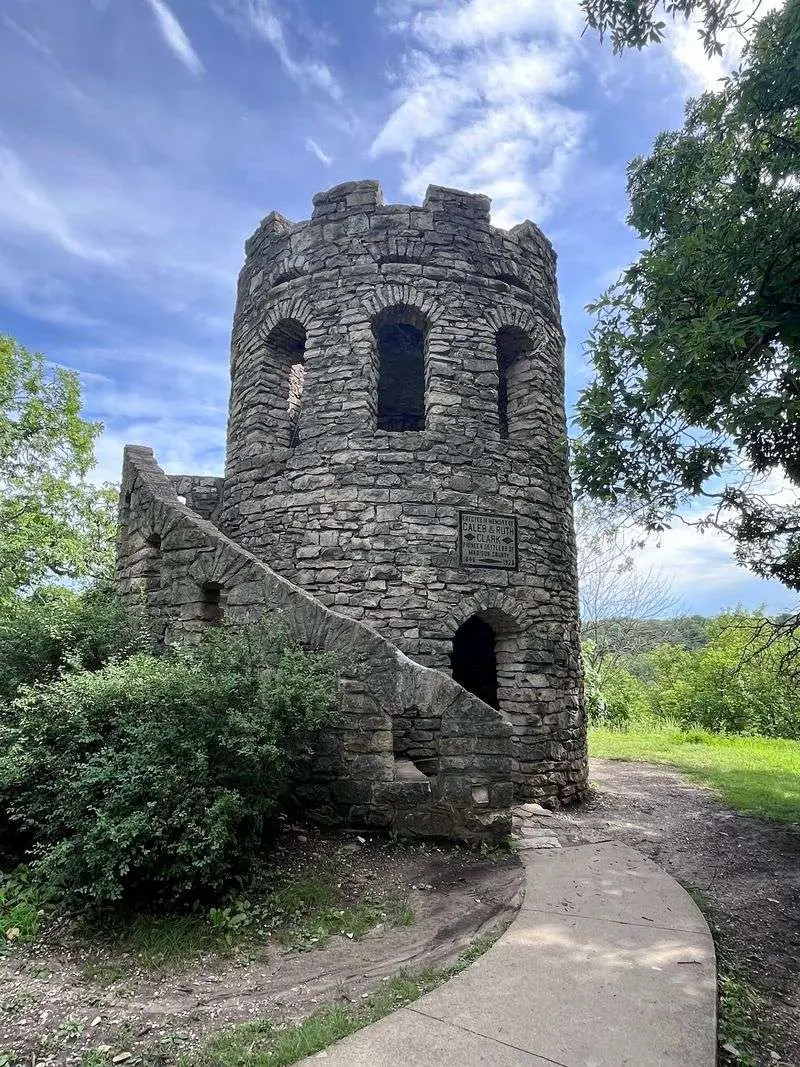
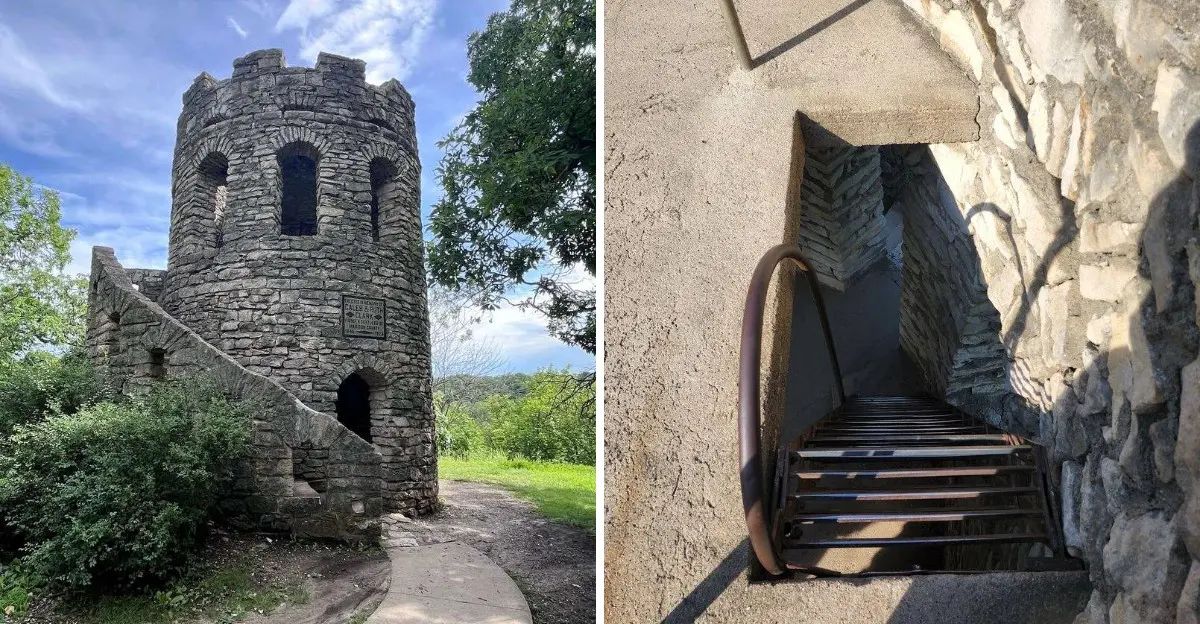
A castle-like limestone structure suddenly appears through the trees as you explore Winterset City Park, and your first reaction might be complete confusion. Clark Tower stands 25 feet tall with rough-cut limestone walls and narrow window openings that make it look more like something from medieval Europe than a small Iowa town.
The isolated location adds to the mystery. Most monuments sit in obvious spots where everyone can see them, like town squares or cemetery entrances.
This one hides among the park’s wooded areas, almost like it doesn’t want to be found too easily.
Its unusual design raises immediate questions. Why does it look like a miniature fortress?
Who built something so elaborate in a city park? The tower gives no quick answers from the outside, which makes approaching it feel like stumbling onto a secret someone left behind decades ago.
That sense of discovery is exactly what makes Clark Tower special. The structure wasn’t meant to blend in with typical park features, and its deliberately dramatic appearance serves a purpose you won’t understand until you learn the family story behind those limestone walls.
It Was Built To Honor One Of Madison County’s First Pioneer Families
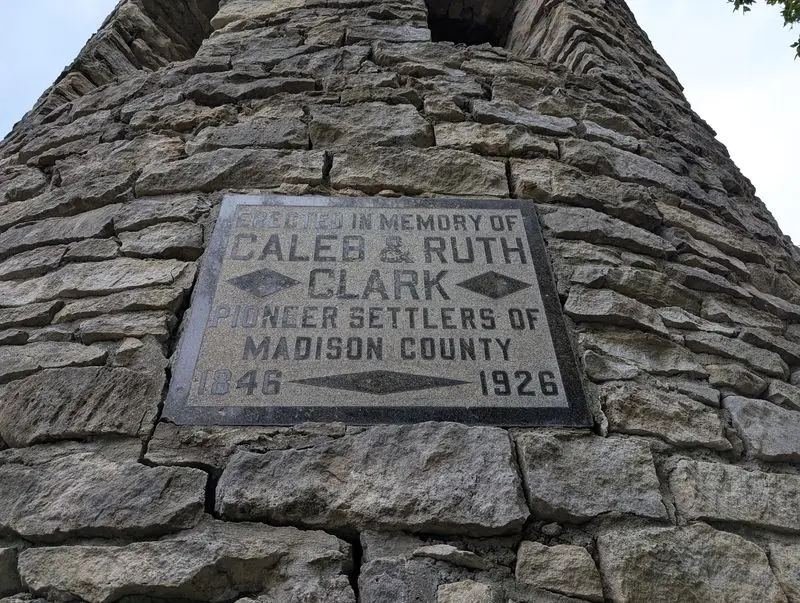
Caleb and Ruth Clark stepped into Madison County in May 1846, when Iowa had been a state for less than two months. They joined a handful of other families trying to build lives in territory that still felt raw and unfinished.
These weren’t people seeking adventure or fortune. The Clarks came to farm, raise children, and establish roots in a place where basic survival took constant work.
Their first winters tested everything they knew about endurance and resourcefulness.
Decades passed, and the Clarks became woven into the county’s foundation story. Their children grew up hearing tales about those early years when neighbors lived miles apart and trips to town took all day.
Those stories mattered enough that future generations wanted something permanent to mark what Caleb and Ruth had started.
The tower represents more than one family’s pride. It stands for every pioneer household that chose Madison County when it was still more promise than place.
That’s why the monument feels so personal even though it sits in public space where anyone can visit.
The Clarks Turned Their Family History Into A Stone Monument
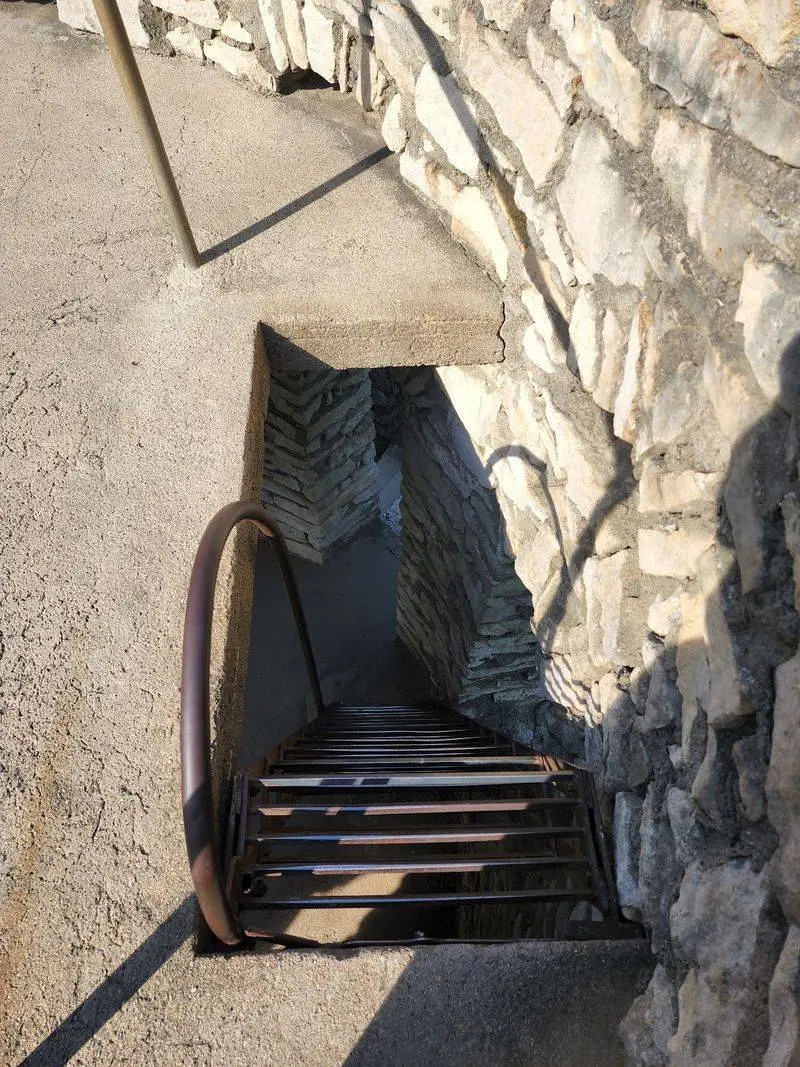
By the 1920s, Caleb and Ruth Clark’s sons had become successful men with resources to spend on something meaningful. They didn’t commission a simple headstone or plaque.
They wanted architecture that would last centuries and make people stop to wonder about the family behind it.
Construction started in March 1926 with a clear plan already in place. The builders worked through spring and into summer, carefully fitting limestone blocks into the tower’s rising walls.
Just four months later in July, the structure stood complete.
That quick timeline shows impressive organization. Someone had worked out every detail beforehand, from the tower’s height to its interior stairway design.
This wasn’t a project that evolved as it went along.
The monument’s castle-like style reflected an era when Americans loved romantic architecture that looked historic even when brand new. The Clark sons chose a design that would command attention and respect, turning their family’s pioneer story into something visitors could actually see and touch and climb inside.
The Tower’s Stones Came From Almost Right Underneath It
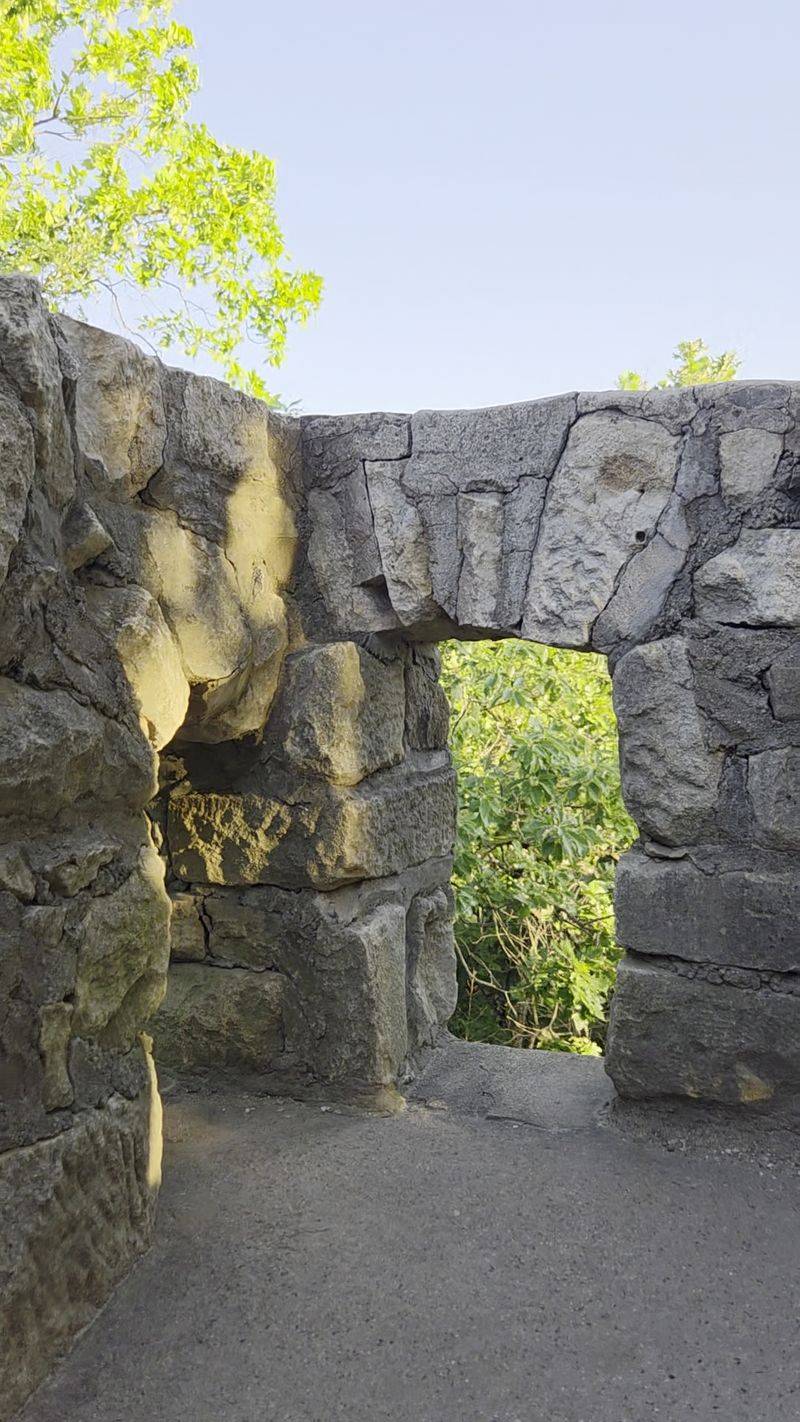
Here’s where the story gets genuinely weird. Most monuments use stone shipped in from commercial quarries located miles or even states away.
Clark Tower’s limestone came from a bluff right there in City Park, within roughly 200 feet of where the finished structure now stands.
Think about what that means. The Clark family didn’t just build a monument on Madison County land.
They literally pulled the stone from the ground beneath their feet and turned it into something that honors their connection to that specific place.
This detail transforms the tower from a general pioneer memorial into something far more intimate. Every block in those walls came from the same landscape Caleb and Ruth Clark first saw when they arrived in 1846.
The monument grew directly out of the earth their family helped settle.
You can still see the quarry area today if you know where to look. The landscape around the tower bears subtle marks from where workers extracted stone, creating a physical link between the natural geology and the human-made structure.
It Was Given To Winterset Shortly After It Was Finished
Earl Clark stood in front of the completed tower in August 1926, just one month after construction finished, ready to hand over his family’s monument to the City of Winterset. Three of the Clark daughters attended the dedication ceremony, linking past generations to this new landmark.
The transfer happened remarkably fast. Most families might have kept private control over such a personal memorial.
Instead, the Clarks immediately made it public property, ensuring anyone could visit without asking permission or paying admission.
That generosity reveals something important about how the family saw their role in county history. They didn’t want the tower to serve as an exclusive Clark family shrine.
They intended it as a shared heritage site that belonged to everyone who called Madison County home.
Making the tower a city landmark also guaranteed its maintenance and preservation. As public property, it became Winterset’s responsibility to protect and care for, giving the structure better long-term survival odds than private ownership might have provided through changing generations and circumstances.
Climb Inside And The Story Suddenly Makes More Sense
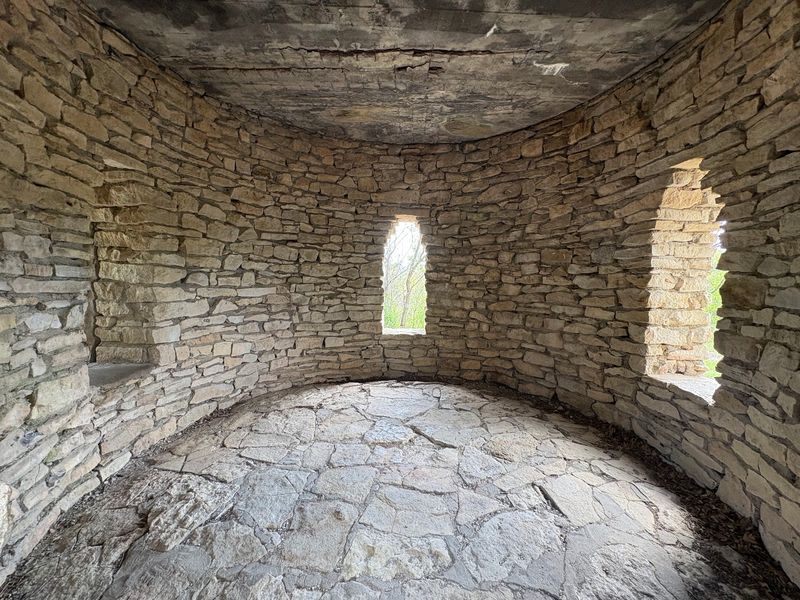
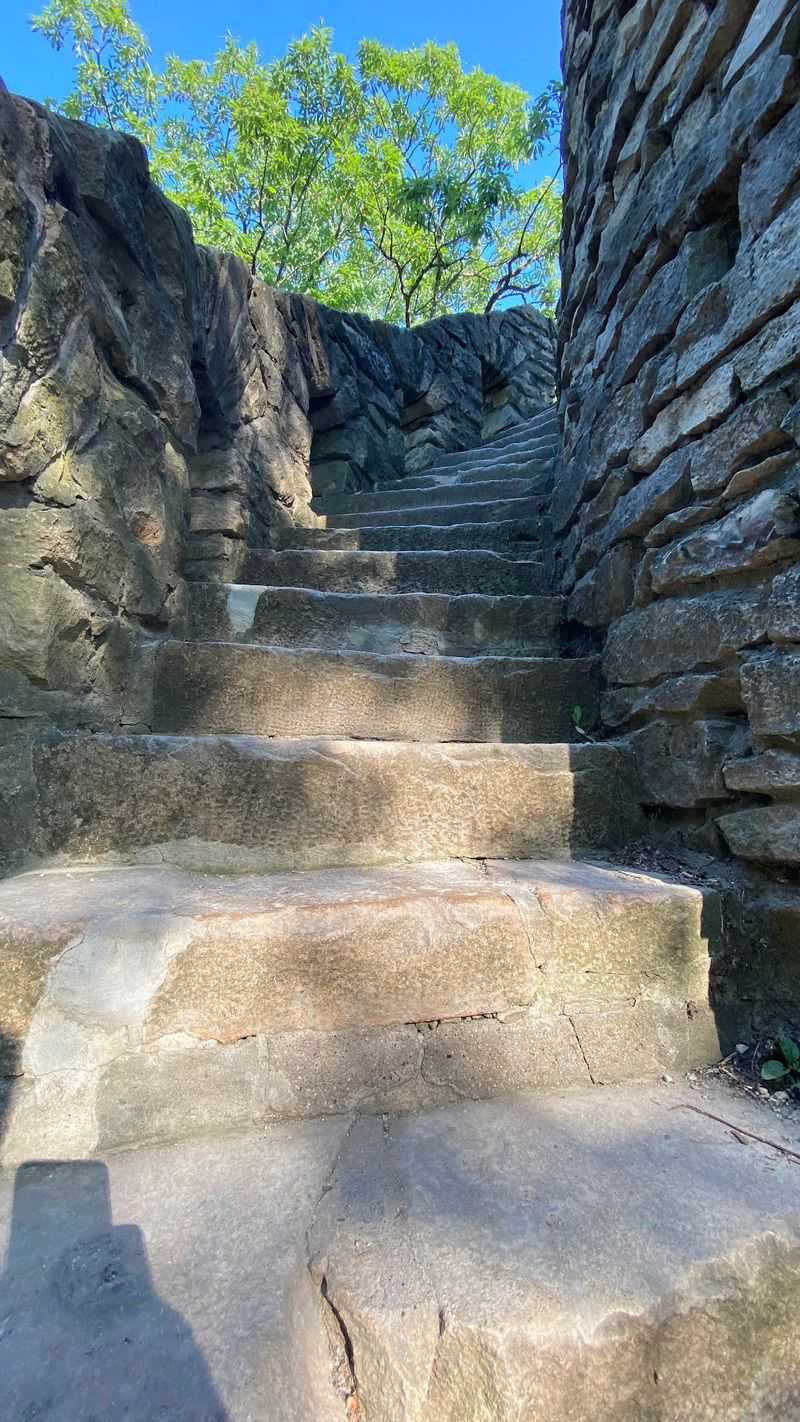
From ground level, Clark Tower presents a puzzle you can’t quite solve. Climb the interior stairway to the top platform, though, and everything clicks into place.
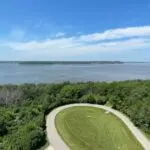
The Middle River Valley spreads out below, revealing why this specific location mattered to the Clark family.
Viewing towers weren’t uncommon in early parks. Wealthy families and civic boosters built them to showcase scenic landscapes and give visitors an elevated perspective on surroundings they might otherwise take for granted.
The Clark descendants followed that tradition while adding their family’s memorial purpose.
Standing at the top changes your relationship with the monument. You’re not just looking at someone else’s history anymore.
You’re physically inside it, using the structure the way it was designed to be used, seeing the valley from a vantage point the builders specifically intended.
That interactive element makes Clark Tower memorable in ways a simple plaque never could. The climb becomes part of understanding what the memorial means, and the view rewards your effort with something beautiful worth pausing to appreciate.
Clark Tower Is Only One Piece Of A Much Older Historic Park
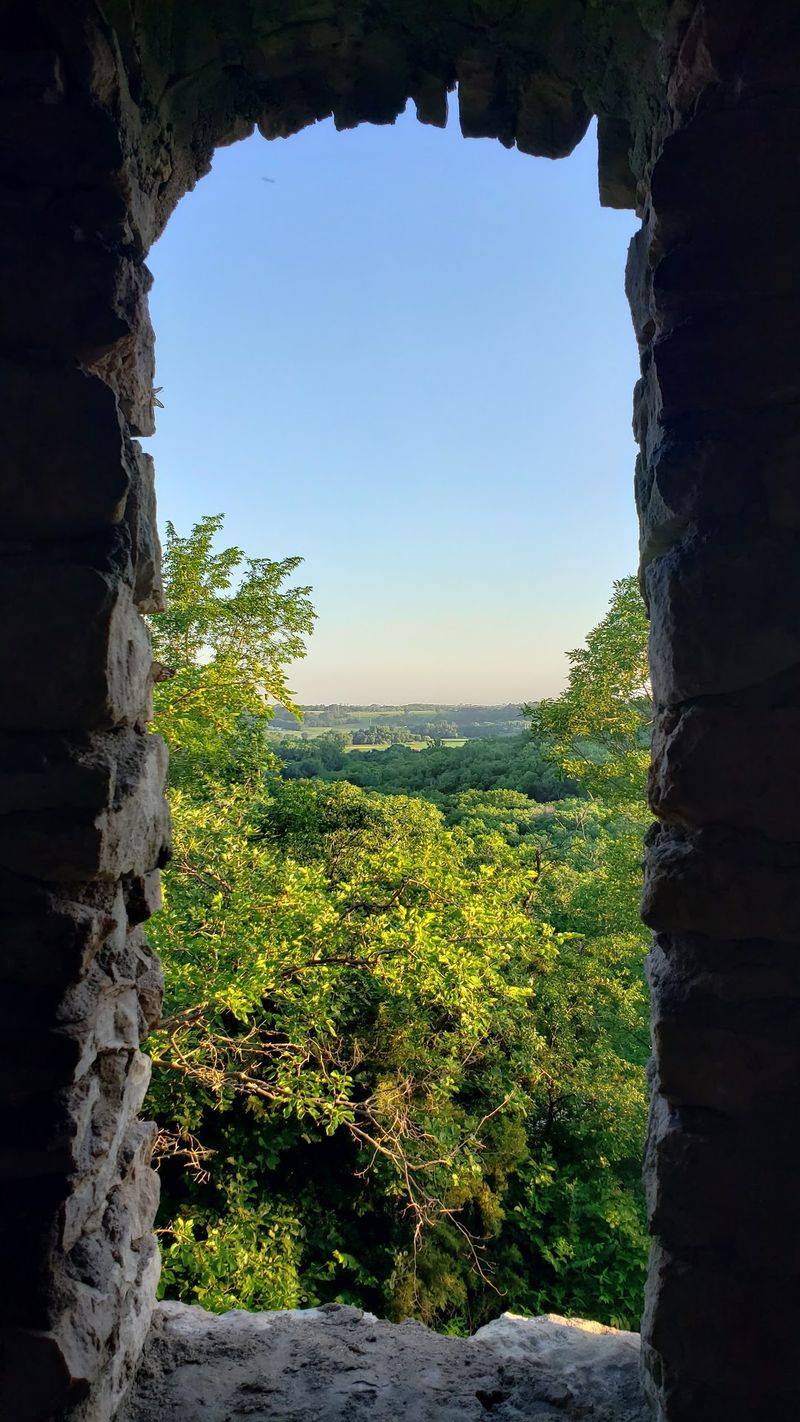
Winterset City Park existed long before the Clark family built their tower, and its 76 acres contain far more history than one monument could represent. The Cutler-Donahoe Covered Bridge stands as one of Madison County’s famous covered bridges, while Bennett Cabin shows visitors what pioneer homes actually looked like.
Other historic stone structures dot the landscape, some dating back further than Clark Tower itself. These features accumulated over decades as the city developed its park system, creating layers of history that overlap and complement each other.
In 2021, the entire park earned placement on the National Register of Historic Places. That designation recognizes not just individual landmarks but the whole site as a historically significant landscape worth protecting.
Clark Tower became part of a larger preservation story.
Understanding this broader context makes visiting the tower more rewarding. You’re not just seeing one family’s memorial but exploring how an entire community preserved its heritage through parks and monuments, choosing to keep pieces of the past accessible for future generations.
The Best Part May Be What You Discover Around The Tower
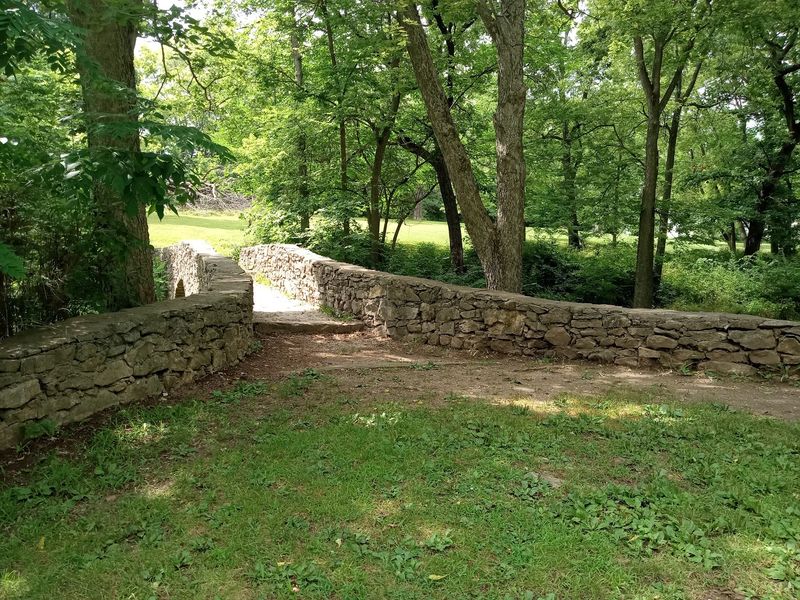
Many visitors treat Clark Tower like a quick photo opportunity, driving straight to it, snapping pictures, and leaving within ten minutes. They miss the whole point of the experience.
The route toward the tower matters as much as the destination itself.
The access road winds for about one mile through the park, narrow enough that it only allows one-way traffic. That design forces you to slow down and notice the limestone landscape surrounding you.
Trees frame views of the valley, and the road’s curves build anticipation.
Walking or biking changes the visit even more. You cover the same distance but engage with the environment differently, hearing birds and rustling leaves, spotting details you’d miss from a car window.
The physical effort makes reaching the tower feel earned.
Those elements combine to create something richer than simply viewing a monument. The journey becomes part of discovering Winterset’s past, and the tower serves as the centerpiece of a longer story about how this place developed and why people fought to preserve it.
Plan Your Visit To Historic Clark Tower
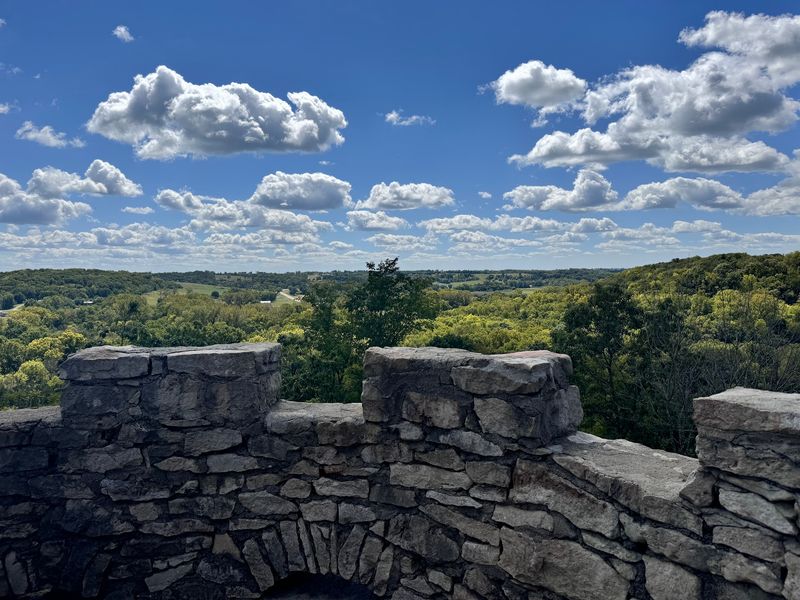
Clark Tower sits inside Winterset City Park at 300 S. 9th St., Winterset, Iowa 50273, making it easy to find with basic directions or GPS. The park itself opens daily from 6 a.m. to 10 p.m., giving you plenty of time to explore.
You can reach the tower by foot, bicycle, or vehicle, but the access road has restrictions worth knowing about. It’s narrow and one-way, and vehicles larger than a minivan aren’t permitted because they can’t navigate the tight curves safely.
Timing matters for tower access. The road closes at sunset every day, and it stays completely closed during winter months when ice and snow make the route dangerous.
Check current conditions before planning your visit, especially if you’re traveling from out of town.
The climb inside the tower takes just a few minutes, but budget extra time for enjoying the view and exploring other park features. Between the covered bridge, historic cabins, and natural limestone formations, you could easily spend a full afternoon discovering what makes this place special beyond just one stone monument.