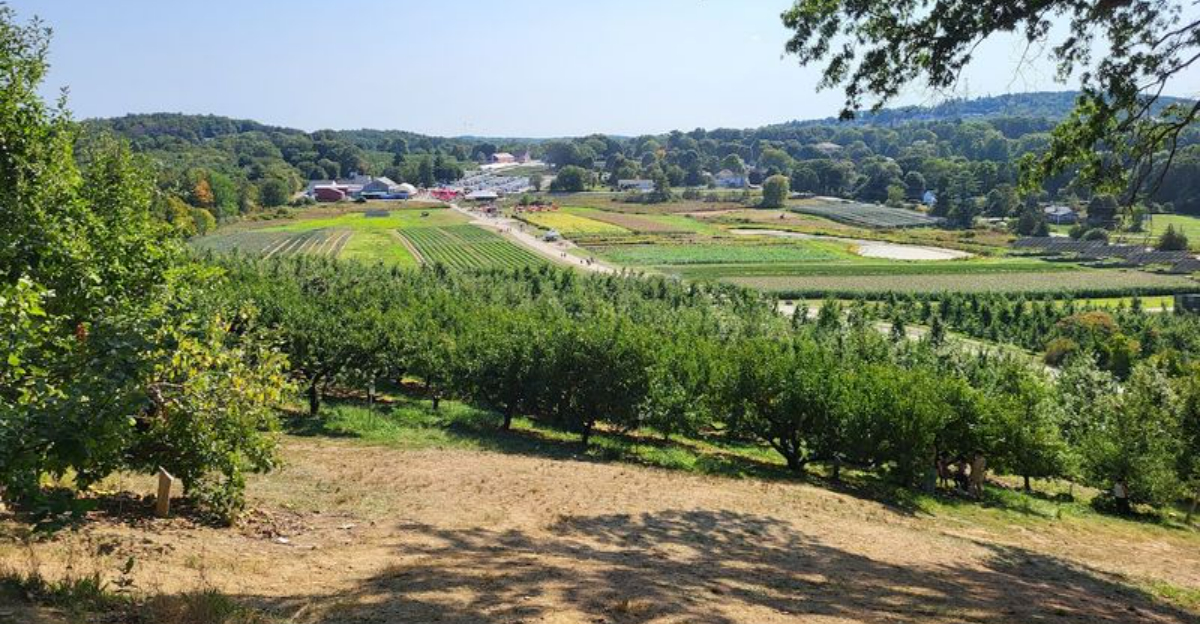
If your perfect New England detour includes orchard views, warm cider donuts, and a market packed with local treats, Cider Hill Farm belongs on your list. This Amesbury favorite feels like a real working farm first, which is exactly what makes a visit so memorable.
You are not stepping into a staged attraction here – you are walking into a place where apples are grown, cider is pressed, and the landscape does half the talking. From the first hilltop view to the last bite of donut, it is the kind of stop that can quietly become the highlight of your day.
Cider Hill Farm Is A Working Farm That Welcomes You In
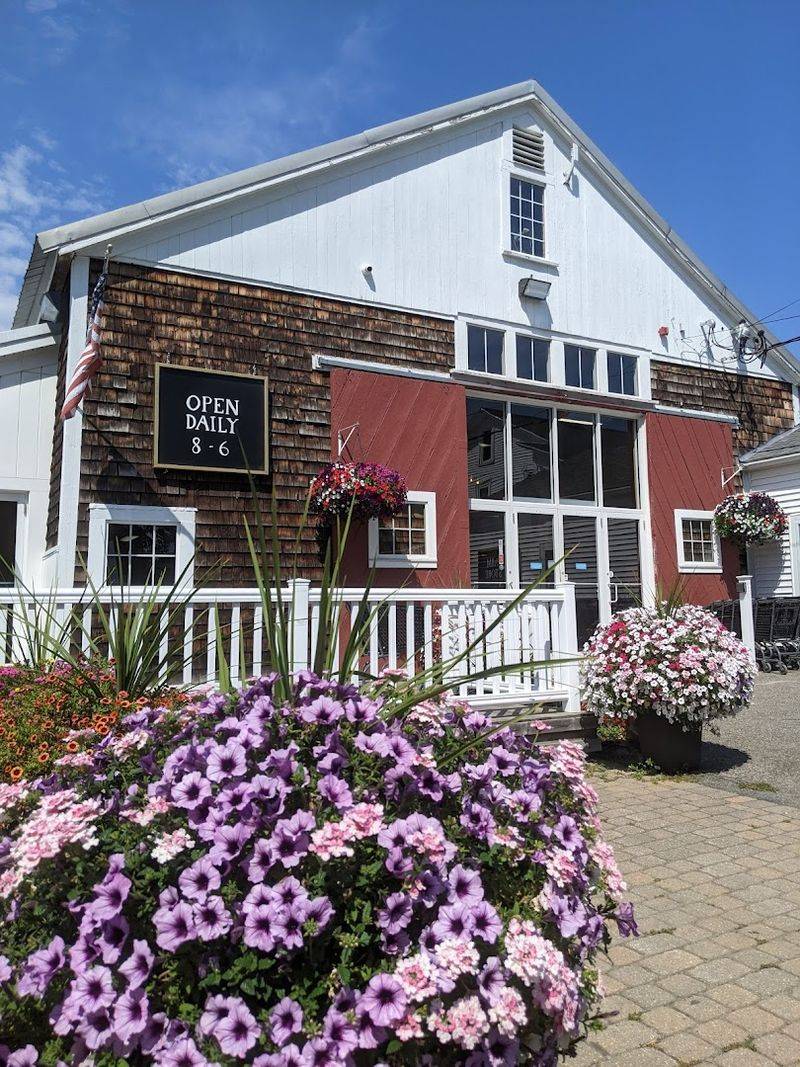
Cider Hill Farm immediately feels different because it does not hide the fact that it is a real, working farm. When you arrive at 45 Fern Avenue in Amesbury, you are stepping into a place where apples are grown, animals are kept, and the daily rhythms of agriculture remain visible.
That honesty gives the farm its appeal, because nothing about it feels detached from the land around it.
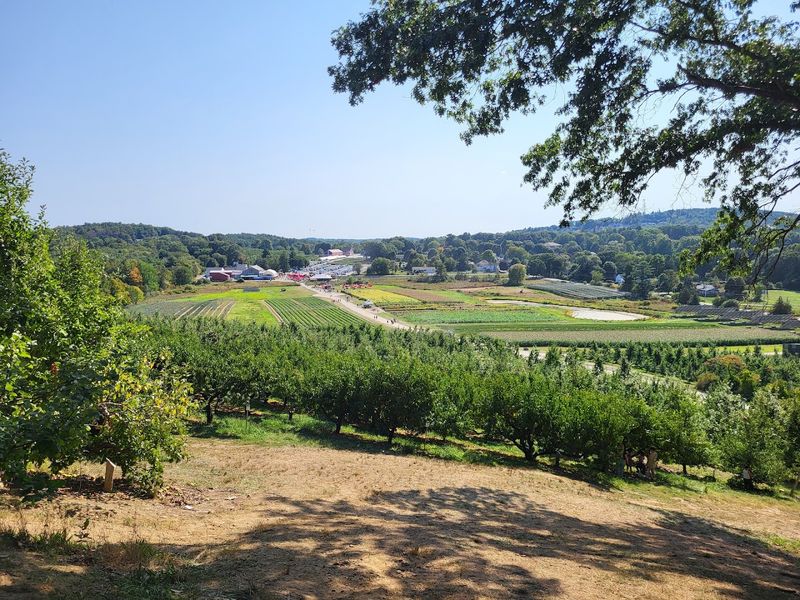
The setting helps too. Perched on higher ground in the Merrimack Valley, the property opens outward in a way that makes your first view memorable, with orchard rows stretching toward surrounding countryside instead of feeling boxed in.
I love how quickly that sense of space settles you, because before you even reach the market or the donuts, the farm has already done what the best rural stops do – it changes your pace and invites you to look around, slow down, and stay awhile.
The Cider Donuts Everyone Talks About First
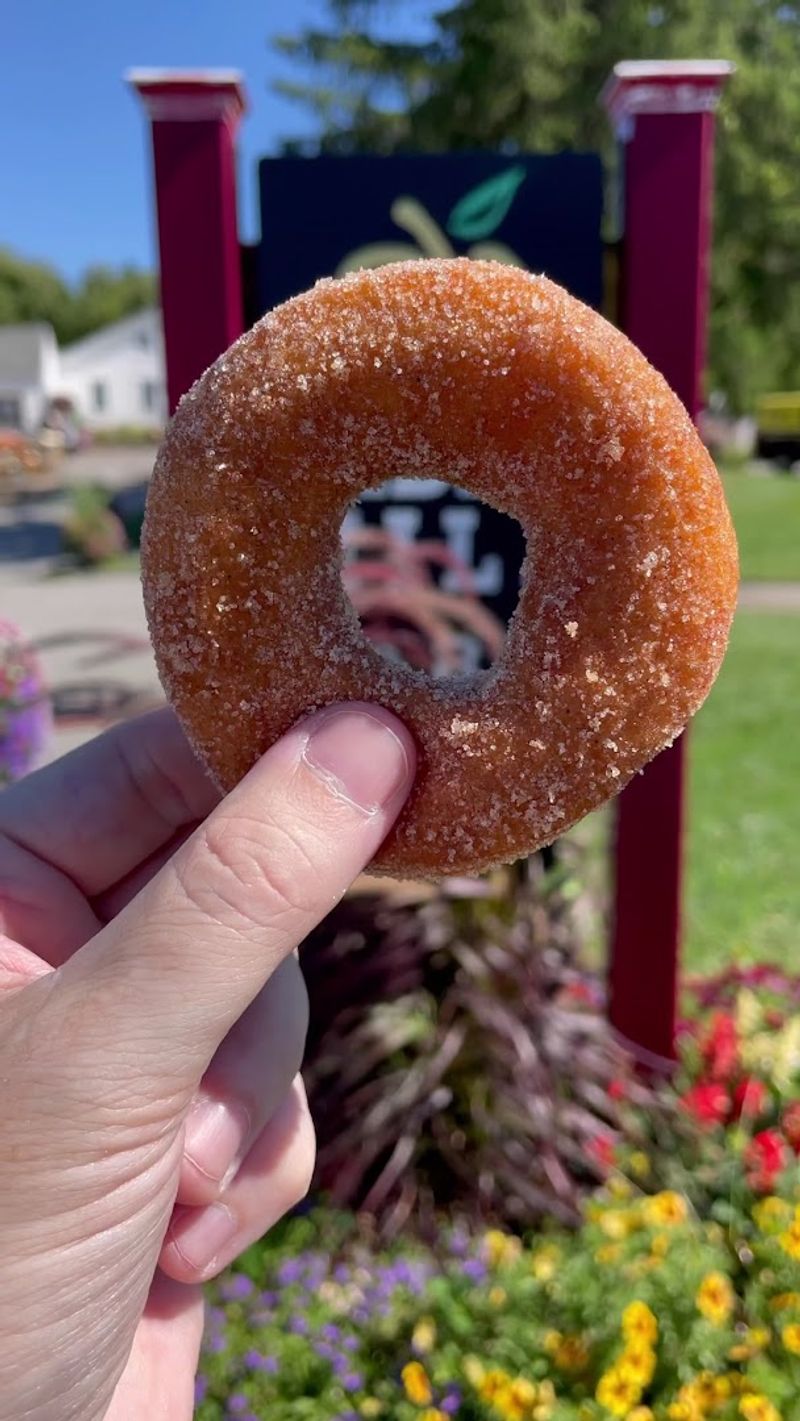
Ask almost anyone about Cider Hill Farm and the cider donuts come up first, usually with the kind of urgency reserved for places people want to revisit as soon as possible. They are made on-site using cider from apples grown right there on the property, which gives them more than just a catchy farmstand backstory.
You can actually taste that connection in the batter, where the apple flavor feels present instead of merely suggested.
The best moment is getting one warm, with the outside lightly crisped and the inside still tender enough to pull apart in soft pieces. Standing near the orchard with sugar on your fingers, you are eating something tied directly to the trees in front of you, and that short path from field to food is hard to beat.
Plenty of places sell donuts in fall, but not many offer one with such a traceable origin, such fresh texture, and such a convincing sense of place.
The Apple Orchard Is More Than A Pretty Backdrop
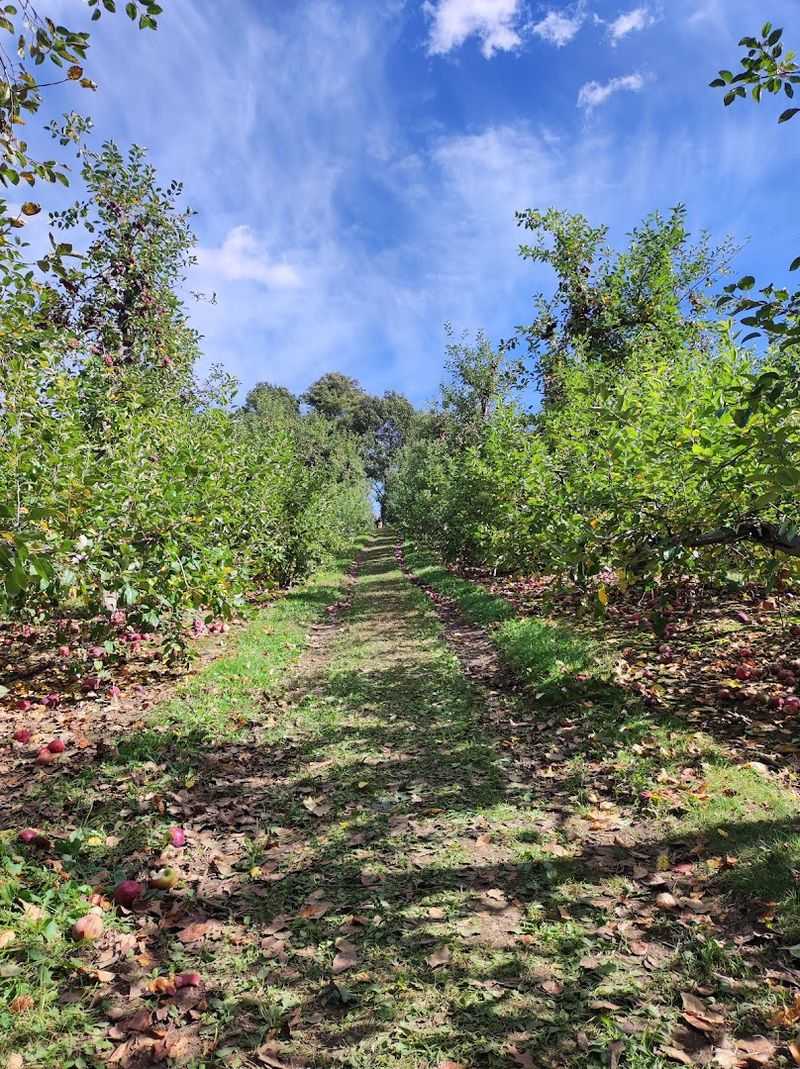
The orchard at Cider Hill Farm is not just scenery surrounding the market and donut stand. It is the visual and agricultural center of the property, with rows of low apple trees spreading across the hillside and creating long, open sightlines that draw your eyes across the farm.
In September and October especially, the air carries that unmistakable mix of leaves, cool sunlight, and ripening fruit that makes an orchard walk feel like part of the season itself.
What makes this orchard especially interesting is that different apple varieties mature at different times, so the landscape changes gradually instead of peaking all at once. On one visit, you might notice early fruit being picked, while another brings heavier branches and a fuller fall feeling farther into the rows.
I think that layered timing gives Cider Hill more depth than a one-note autumn destination, because the farm keeps evolving as the season moves along and rewards repeat visits with slightly different experiences.
U-Pick Apples Make The Experience Even Better
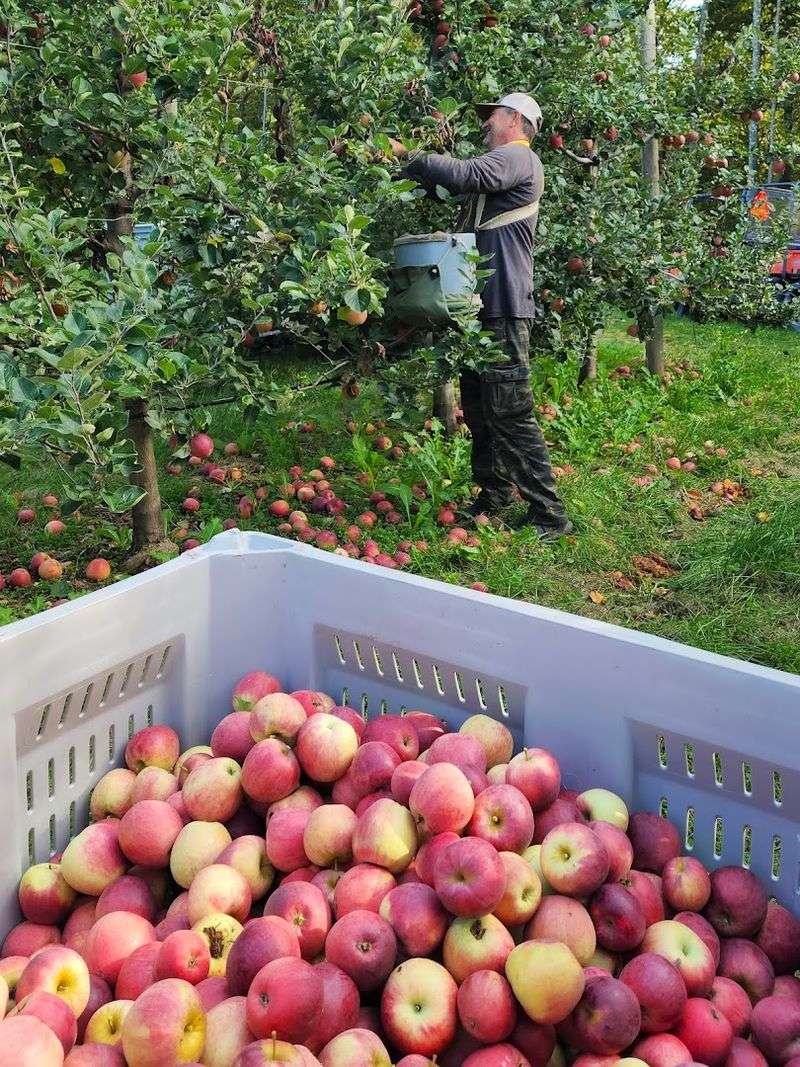
U-pick apple season at Cider Hill Farm lets you move beyond admiring the orchard and actually become part of it for an hour or two. The setup is approachable, with marked rows, variety information, and enough structure that first-time visitors never feel lost, yet it still leaves room for the slower pleasure of wandering and choosing fruit yourself.
You are not rushed, and that matters because apple picking is best when it feels tactile and unhurried.
Low-branched trees make the activity especially friendly for families with young children, but it works just as well for adults who want a quiet, focused break outdoors. Bring comfortable shoes, a little patience, and some awareness of what varieties are available that day, and the whole experience becomes surprisingly satisfying.
There is something deeply rewarding about filling a bag with apples you selected one by one, checking color and firmness as you go, then carrying them back knowing exactly where your fruit came from.
The Farm Animals Add A More Honest Kind Of Charm
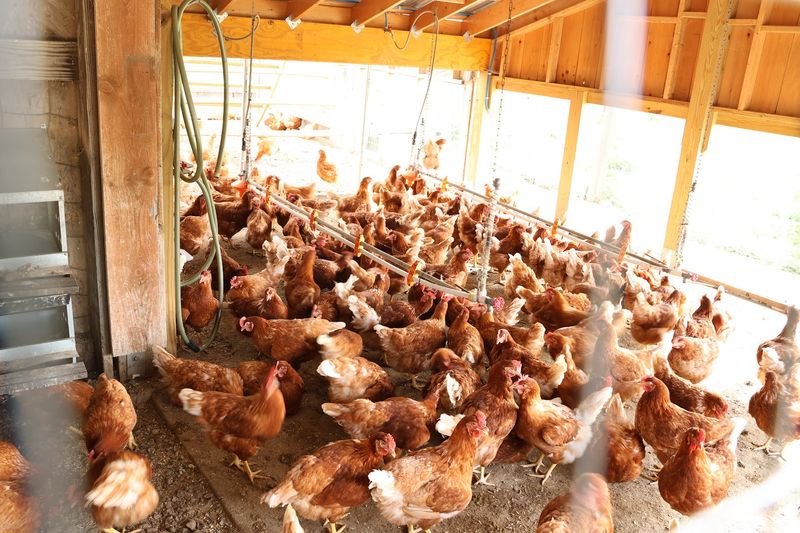
The animals at Cider Hill Farm add another layer to the visit, but what I appreciate most is that they do not feel staged for entertainment. They are part of a working agricultural setting, which means you are seeing them within their own routines rather than in a polished petting zoo environment designed to guarantee constant interaction.
That difference makes the experience more grounded and, honestly, more interesting.
For kids, the animals offer an easy point of connection with farm life, especially when a visit includes chickens, goats, or other familiar creatures moving through the day on their own terms. For adults, there is a quieter appeal in simply standing nearby and observing behavior that feels unscripted and real.
You may not get a perfectly choreographed encounter, but that is exactly the point. Cider Hill succeeds because it lets visitors experience a farm as it is, and the presence of animals reinforces that sense of authenticity without overselling what they are meant to provide.
The Farm Market Is Worth Slowing Down For
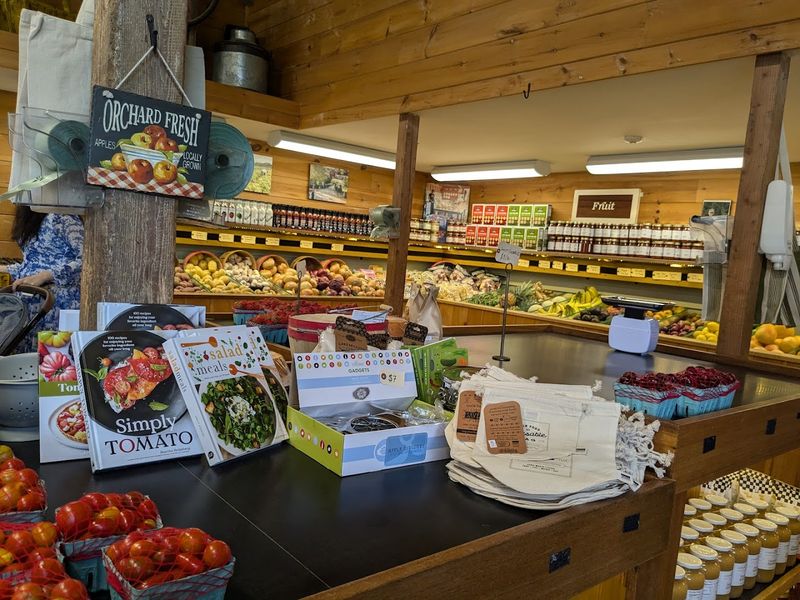
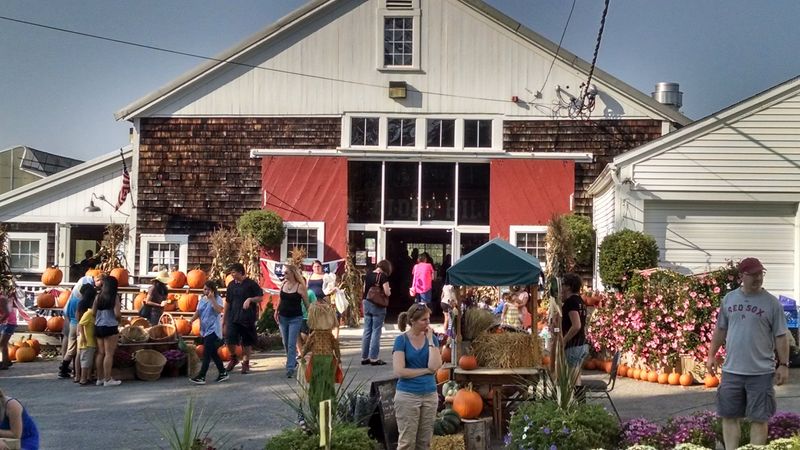
The farm market at Cider Hill is the kind of place that can easily turn a quick stop into a much longer one. Shelves and displays are filled with fresh apples, cider, jams, baked goods, honey, and specialty items from local producers, and the overall effect is both abundant and surprisingly coherent.
Instead of feeling cluttered, the space feels tied together by the produce and fruit grown just outside.
That continuity is what makes the market so satisfying. You can walk through the orchard, then step indoors and find apple butter, preserves, and other goods made from the same farm fruit, which gives the shopping experience a real sense of origin.
The smells help too, especially when baked items and fresh produce share the room. More than a retail stop, this market works like an informal gathering point where people compare purchases, plan what to eat next, and extend the visit a little longer than intended because the farm atmosphere does not end at the door.
Fresh-Pressed Cider Tastes Like The Orchard

Fresh-pressed cider at Cider Hill Farm has the kind of flavor that reminds you how dull many grocery store versions can be. It tastes fuller, livelier, and more directly tied to the fruit, with sweetness, brightness, and a little variation that reflects the apple mix and the point in the season.
Because it is pressed on-site from orchard fruit, it feels less like a standard beverage and more like the liquid expression of the farm itself.
That freshness also means it has a shorter shelf life, and I think that is part of the appeal rather than a drawback. The perishability signals that you are buying something less processed and more seasonal, something to enjoy soon instead of forgetting in the back of the refrigerator.
If different apple varieties are coming in across the season, the cider can shift subtly too, which gives repeat visits a little extra interest. Buying a jug here feels purposeful, because you know exactly where the apples were growing before they were pressed.
Amesbury Gives The Farm Its Context
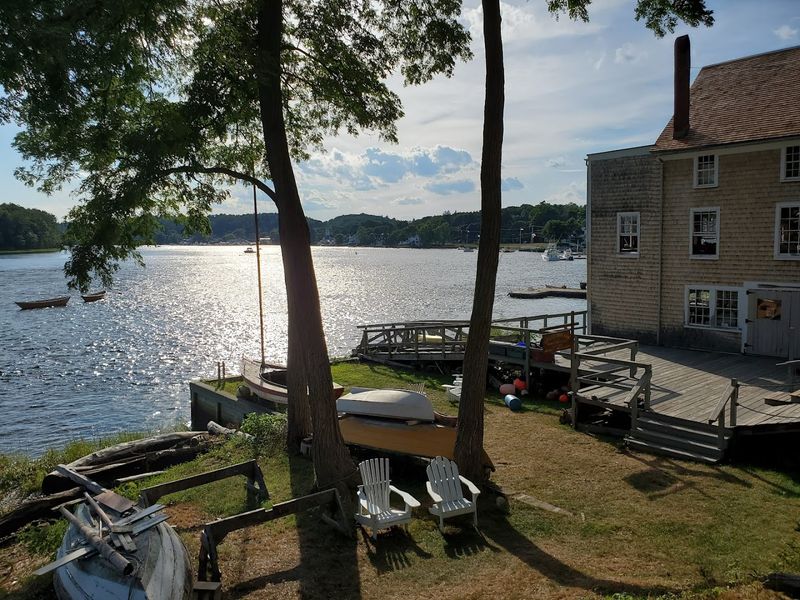
Cider Hill Farm makes more sense when you place it within Amesbury itself, a small northeastern Massachusetts city near the New Hampshire border with a setting shaped by river valleys, old mill history, and clear seasonal change. Amesbury is not oversized or overdone, and that scale works in the farm’s favor.
The surrounding area feels lived in, local, and distinctly New England without trying too hard to perform that identity.
If you have time before or after the farm, downtown Amesbury is worth a short look. Its compact streets, independent businesses, and restaurants give you a different side of the area, one that balances rural openness with a more traditional town-center feel.
In fall, the tree canopy and cooler air make the whole place especially appealing, and the shift from orchard hillside to downtown sidewalks is part of what makes a visit here feel complete. The farm is the headline, but Amesbury provides the atmosphere that helps the day feel rooted in a real place.
The Merrimack Valley Gives You Plenty To Pair With It
One reason Cider Hill Farm works so well as a detour is that the surrounding Merrimack Valley gives you easy ways to build a fuller day around it. Amesbury sits within a region of farms, conservation land, small town centers, and short scenic drives, so the farm can be either the main destination or one stop among several.
That flexibility makes it especially useful for road trippers who want something more memorable than a single quick attraction.
Newburyport is the most obvious pairing, and for good reason. About ten miles south, it offers a walkable downtown, waterfront park, and an excellent independent food scene that contrasts beautifully with the open farmland around Cider Hill without feeling disconnected from it.
I like that the shift is so dramatic yet so close, because you can move from orchard rows and cider donuts to harbor views and city blocks in the same afternoon. Together, they create a regional itinerary that feels varied, balanced, and distinctly northeastern Massachusetts.
Timing Your Visit Can Change The Whole Experience
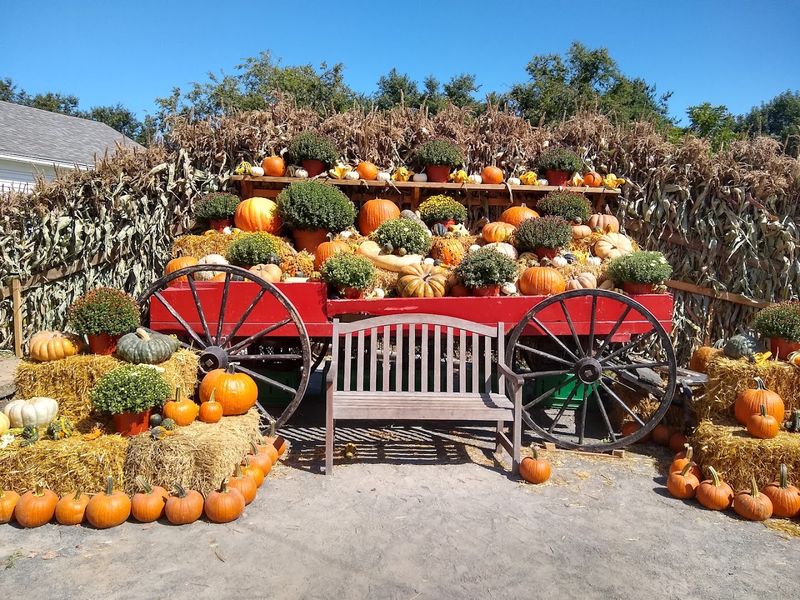
Fall is undeniably the core season at Cider Hill Farm, but the best time to visit depends on what kind of experience you want. Late summer into October brings ripening apples, full market shelves, and the strongest seasonal energy, yet the farm’s offerings shift enough across the calendar that slightly off-peak visits can be just as rewarding.
Knowing that helps you plan for atmosphere, not just availability.
Early September can be especially appealing if you want the first wave of fall feeling before the biggest crowds settle in. Mid-October brings peak popularity, which can be fun if you enjoy that lively, communal energy, while late October often means shorter lines and a quieter mood as the busiest stretch begins to taper.
Reviews also suggest arriving earlier in the day is smart when special events or music are involved. I think that range is part of the farm’s charm, because you can choose between buzz and breathing room instead of assuming there is only one right moment to go.
Why This Farm Detour Is Worth Building Into A Trip
Cider Hill Farm is worth the detour for a simple reason: it offers a coherent experience that links food, landscape, and time of year in a way many stops do not. You can pick apples from the orchard, buy a jug of cider pressed from that same fruit, and eat warm donuts made from cider tied to the same land, all within a few hours.
That level of connection is surprisingly rare, even in places that market themselves as seasonal destinations.
What stays with you is not just the taste of the donuts or the view across the hillside, though both help. It is the practical satisfaction of seeing where something came from and carrying home products that still feel attached to their source.
There is nothing complicated about the visit, and that may be its greatest strength. Instead of scattering your attention, Cider Hill keeps everything in focus, which is why this kind of farm stop can become the most memorable part of a Massachusetts day trip without ever feeling forced, sentimental, or overplanned.