A hidden wilderness is waiting where you least expect it.
Just outside Virginia’s busiest cities, the Great Dismal Swamp National Wildlife Refuge feels like a secret doorway into another world. Ancient forests, quiet waters, and wild creatures create a place that seems impossibly far from traffic and city lights.
Visitors can wander peaceful trails, discover the mysterious Lake Drummond, and experience a side of Virginia that many people never realize exists.
Every turn brings a new surprise, from soaring birds to the sounds of untouched nature.
This remarkable escape proves you don’t need a long road trip to find true wilderness.
Whether you are chasing wildlife sightings, scenic views, or a peaceful afternoon away from crowds, this swamp delivers an unforgettable adventure hiding in plain sight for curious explorers everywhere.
Why This Wilderness Feels a World Away
Escape feels impossible when you live surrounded by traffic, strip malls, and neighborhoods stretching in every direction. Yet the Great Dismal Swamp National Wildlife Refuge sits just 20 to 40 minutes from Norfolk, Virginia Beach, Chesapeake, Portsmouth, Newport News, and Hampton.
Once you cross into this protected sanctuary, the sounds of civilization vanish completely.
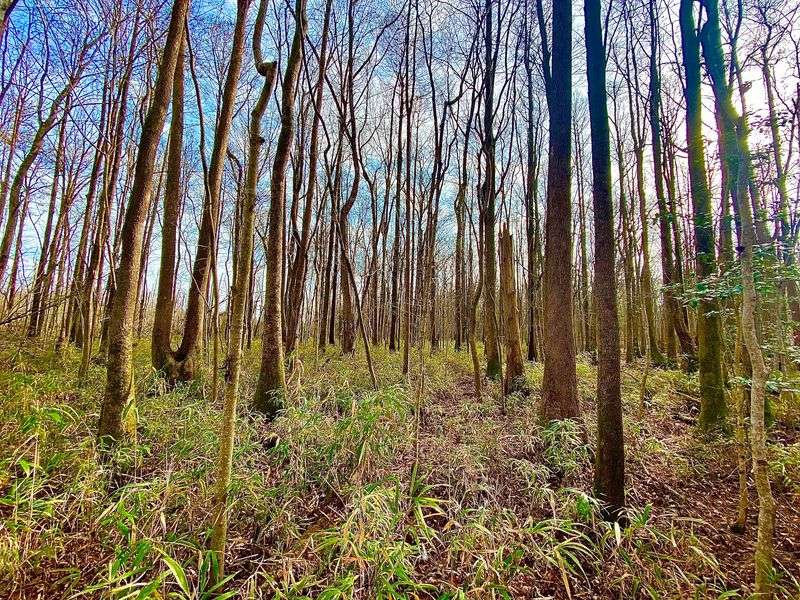
Over 112,000 acres of protected forest and wetlands create a buffer so thick that urban noise cannot penetrate. The towering trees, quiet trails, and still waterways wrap visitors in peaceful isolation.
Birds call from hidden branches while dragonflies hover over dark channels.
Most visitors report feeling surprised by how quickly they transition from busy streets to total wilderness. Parking lots sit nearly empty on weekdays.
Trails stretch for miles without encountering another person. The refuge proves you don’t need a weekend road trip to experience authentic nature when this hidden gem waits right in your backyard.
A Landscape Shaped Over Thousands of Years
Picture a landscape that existed before cities, before highways, even before European settlers arrived. The Great Dismal Swamp formed roughly 10,000 years ago as sea levels shifted and created one of the largest remaining Atlantic coastal wetlands.
Ancient peat bogs accumulated over millennia, sometimes reaching depths of several feet.
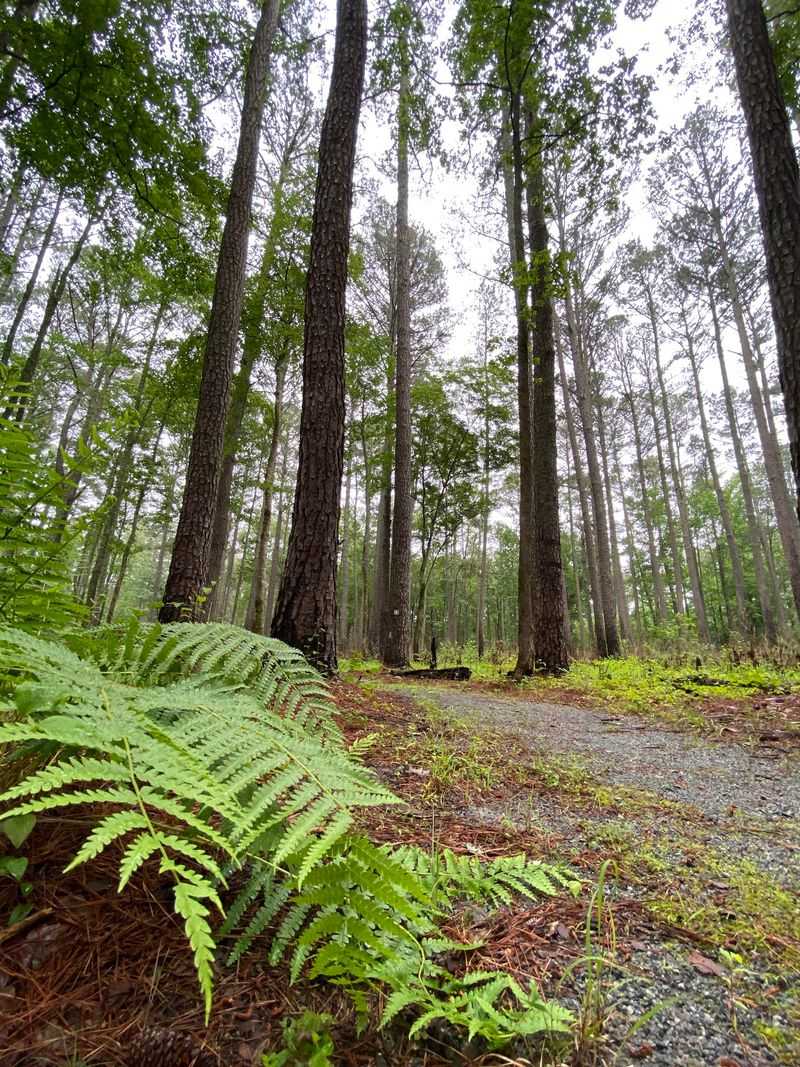
Towering bald cypress trees stretch skyward alongside majestic Atlantic white cedar forests. These old-growth areas represent ecosystems that once covered more than a million acres across Virginia and North Carolina.
Today, the protected refuge preserves what remains of this vanishing habitat.
Walking through these forests feels like stepping backward in time. The thick peat soil sponges beneath your feet.
Dark water pools among cypress knees and twisted roots. Scientists study these unique conditions because few places like this still exist along the East Coast, making preservation efforts absolutely critical for future generations to experience this irreplaceable natural wonder.
Meet Lake Drummond, Virginia’s Mysterious Natural Lake
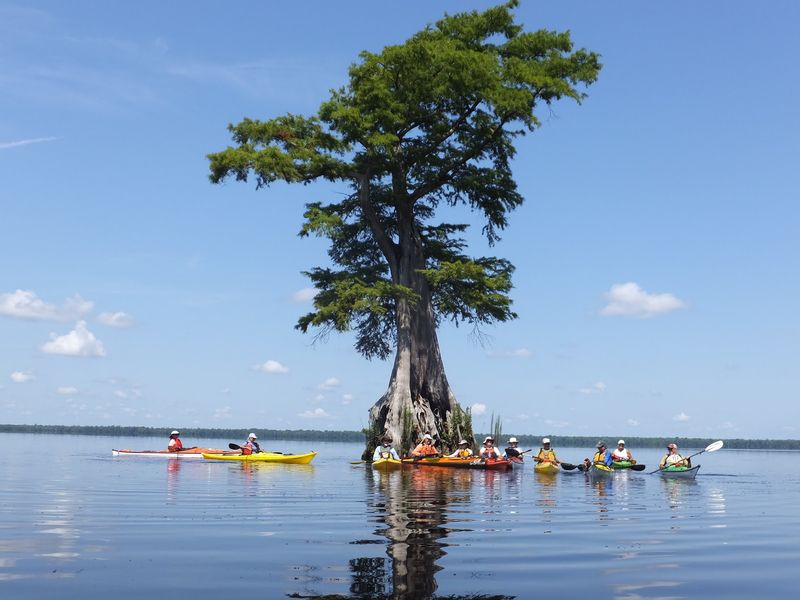
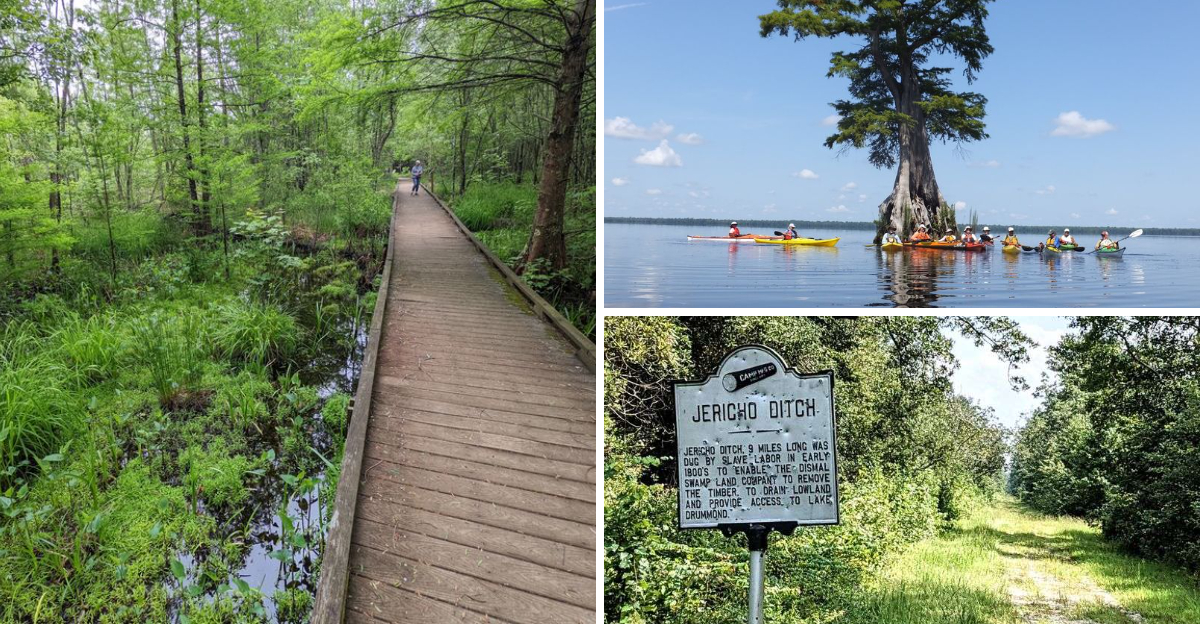
Only two natural lakes exist in the entire state of Virginia, and Lake Drummond ranks among the most mysterious. This shallow, nearly perfectly oval body of water sits at the heart of the Great Dismal Swamp, covering approximately 3,100 acres.
Its water appears dark brown, almost like tea, stained by tannins released from surrounding vegetation.
The unique ecosystem supports fish species including yellow perch, chain pickerel, flier, and bowfin. Anglers visit year-round, though a Virginia fishing license is required.
An observation pier provides stunning views across the water, especially during sunrise when mist rises from the surface.
Scientists still debate exactly how Lake Drummond formed, with theories ranging from a meteor impact to a massive peat fire that created a depression later filled with water. Regardless of its origins, this lake remains one of the refuge’s biggest attractions, drawing photographers, birdwatchers, and curious visitors eager to witness Virginia’s rarest natural feature in person.
Scenic Trails That Let You Experience the Swamp Up Close
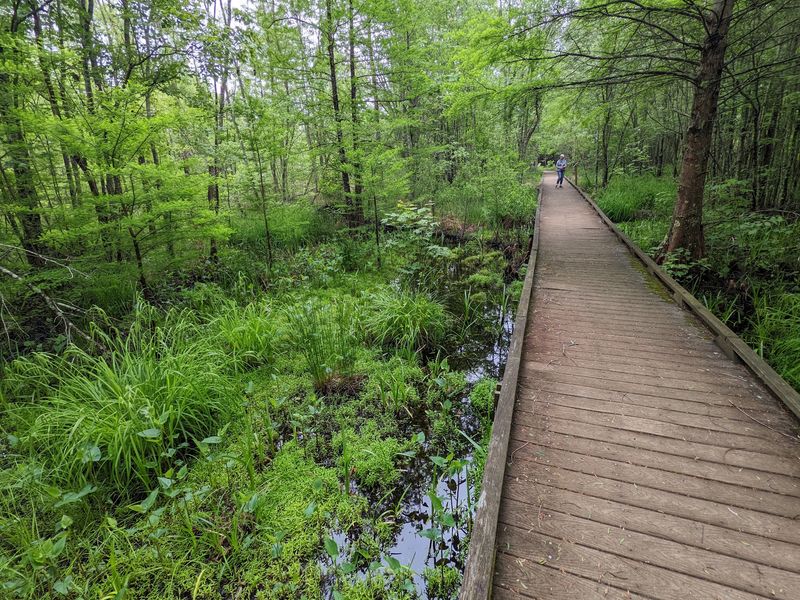
Trail networks crisscross the refuge, offering routes for everyone from casual walkers to serious hikers and cyclists. Washington Ditch Trail provides one of the most popular options, stretching 4.5 miles one-way alongside historic canal ditches.
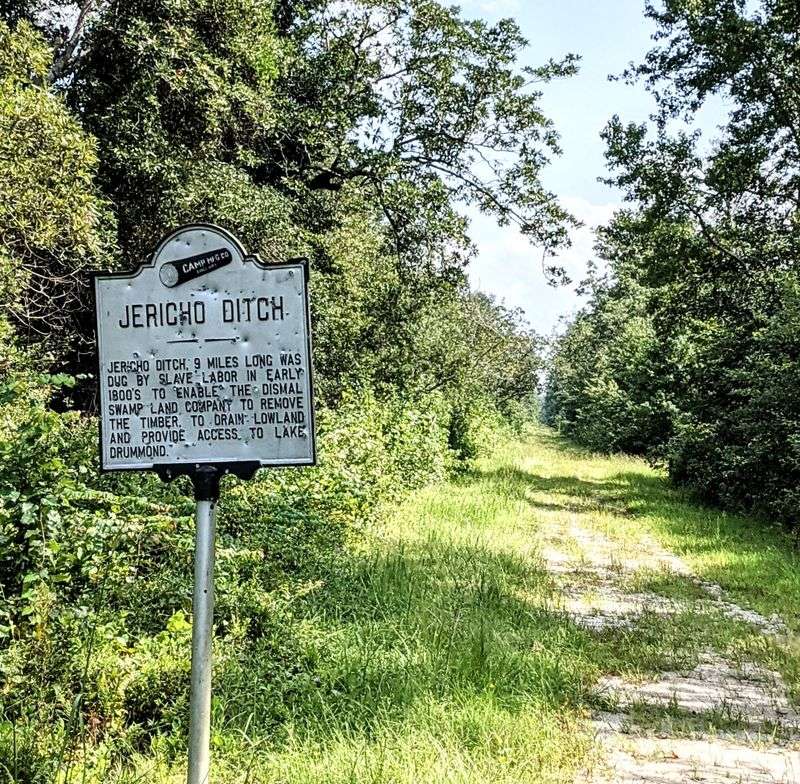
Portsmouth Ditch Trail and Jericho Lane add additional mileage for those seeking longer adventures.
Wooden boardwalk sections allow safe passage over wetland areas where water pools across the path. The Lake Drummond Wildlife Drive provides vehicle access for visitors preferring a less strenuous experience.
Trail surfaces remain mostly flat, making them accessible for beginners and families with children.
Different trails showcase different ecosystems. Some wind through dense hardwood forests while others border open wetlands where wildlife viewing opportunities abound.
Cyclists appreciate the wide, relatively smooth paths. Birdwatchers position themselves along quiet stretches hoping to spot rare species.
No matter which route you choose, expect to encounter beauty around every bend as sunlight filters through ancient trees and creates magical patterns on the forest floor.
Wildlife You Might Spot Along the Way
Early morning mist still clings to the water when the refuge awakens with activity. Black bears wander through searching for berries and insects.
White-tailed deer pause at trail edges, their ears swiveling toward approaching footsteps. Bobcats slink through shadows, rarely seen but definitely present.
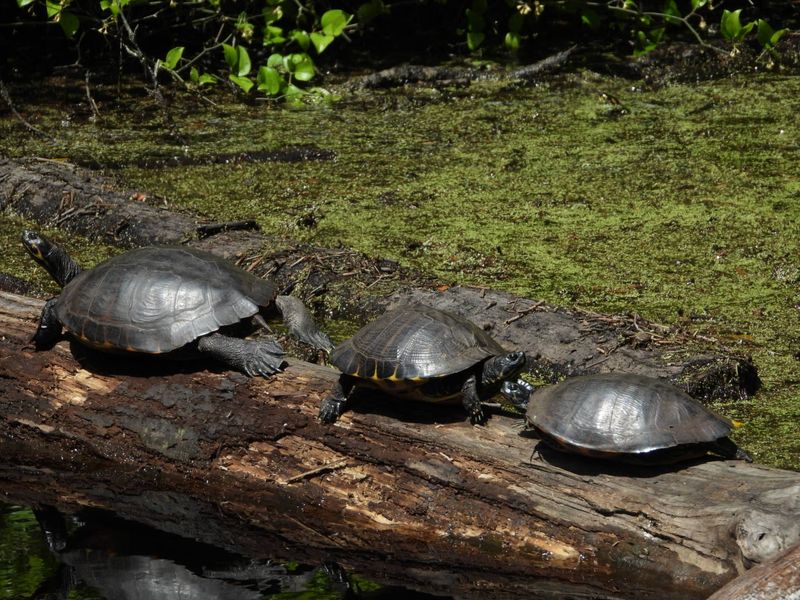
River otters play in the canals, creating ripples across dark water. Turtles sun themselves on half-submerged logs.
Frogs chorus from hidden pools while butterflies drift between wildflowers. Snakes, including both harmless and venomous species, inhabit the swamp ecosystem.
More than 200 bird species have been documented here, from tiny warblers to massive great blue herons. Woodpeckers hammer against dead trees.
Hawks circle overhead scanning for prey. Migratory species stop during spring and fall journeys.
Wildlife viewing requires patience and quiet observation. Early morning hours before 9 a.m. typically offer the best sighting opportunities.
Binoculars help spot distant animals. Remember to observe from safe distances and never attempt to feed or approach any creature you encounter.
The Fascinating Human History Hidden in the Swamp
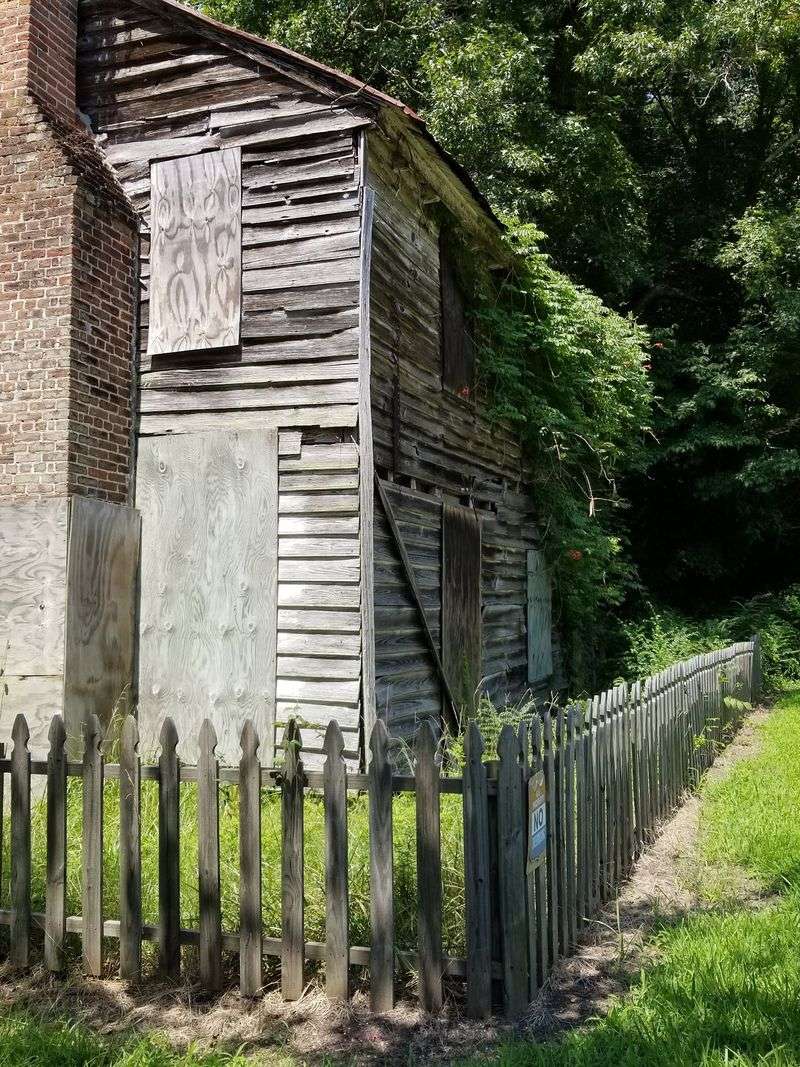
Long before the refuge existed, Indigenous peoples hunted and gathered in these wetlands for thousands of years. When European colonists arrived, they viewed the swamp as worthless land needing drainage.
George Washington himself formed a company attempting to drain portions for agriculture and timber, though the swamp resisted most efforts.
The historic Dismal Swamp Canal, dug largely by enslaved laborers between 1793 and 1805, still runs along the refuge’s eastern edge. This engineering feat connected the Chesapeake Bay to North Carolina’s Albemarle Sound.
Logging operations later harvested massive quantities of cypress and cedar, forever changing the landscape.
Perhaps most significantly, the swamp served as refuge for self-emancipated enslaved people known as Maroons. These brave individuals established hidden communities deep within the wetlands where pursuing slave catchers feared to venture.
Their descendants preserved oral histories of survival in this harsh but protective environment. Today, interpretive programs help visitors understand these layered histories that shaped both the land and American history itself.
Best Ways to Explore Beyond Hiking
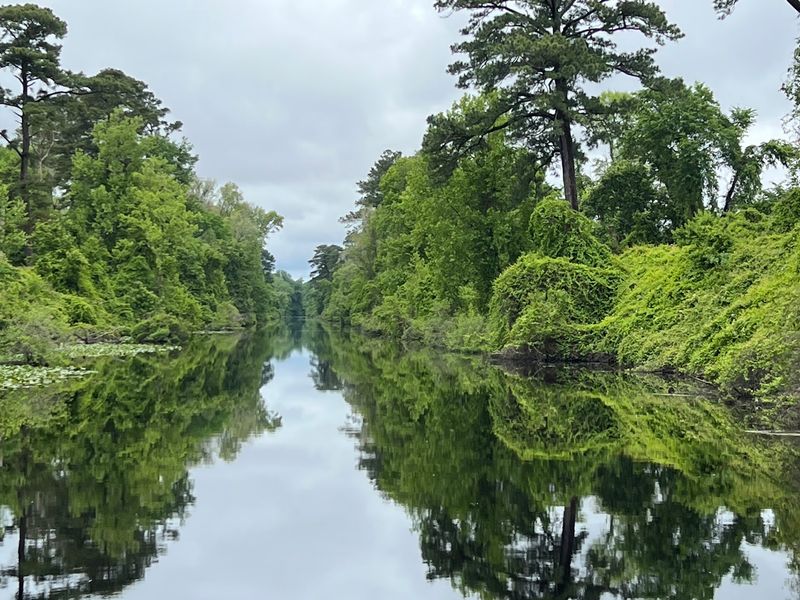
Hiking represents just one way to experience the refuge’s wonders. Bicycles allow visitors to cover more ground while still enjoying intimate contact with nature.
The flat, wide trails accommodate mountain bikes and hybrid bikes equally well. Many cyclists complete 10 to 15-mile loops in a single morning.
Photography enthusiasts find endless subjects, from misty sunrise landscapes to close-up shots of wildflowers and insects. Patient birdwatchers position themselves along waterways hoping to photograph rare species.
Telephoto lenses capture wildlife from respectful distances.
Fishing draws anglers seeking unusual species in Lake Drummond’s tea-colored waters. Canoes and kayaks launch from designated areas, letting paddlers glide silently through channels where motorboats cannot reach.
The stillness amplifies every bird call and splash.
The Lake Drummond Wildlife Drive provides accessibility for those with mobility limitations or visitors preferring a less physically demanding experience. Driving slowly allows wildlife observation through vehicle windows while covering significant distance.
Every exploration method offers unique perspectives on this remarkable ecosystem.
Why Every Season Offers a Different Experience
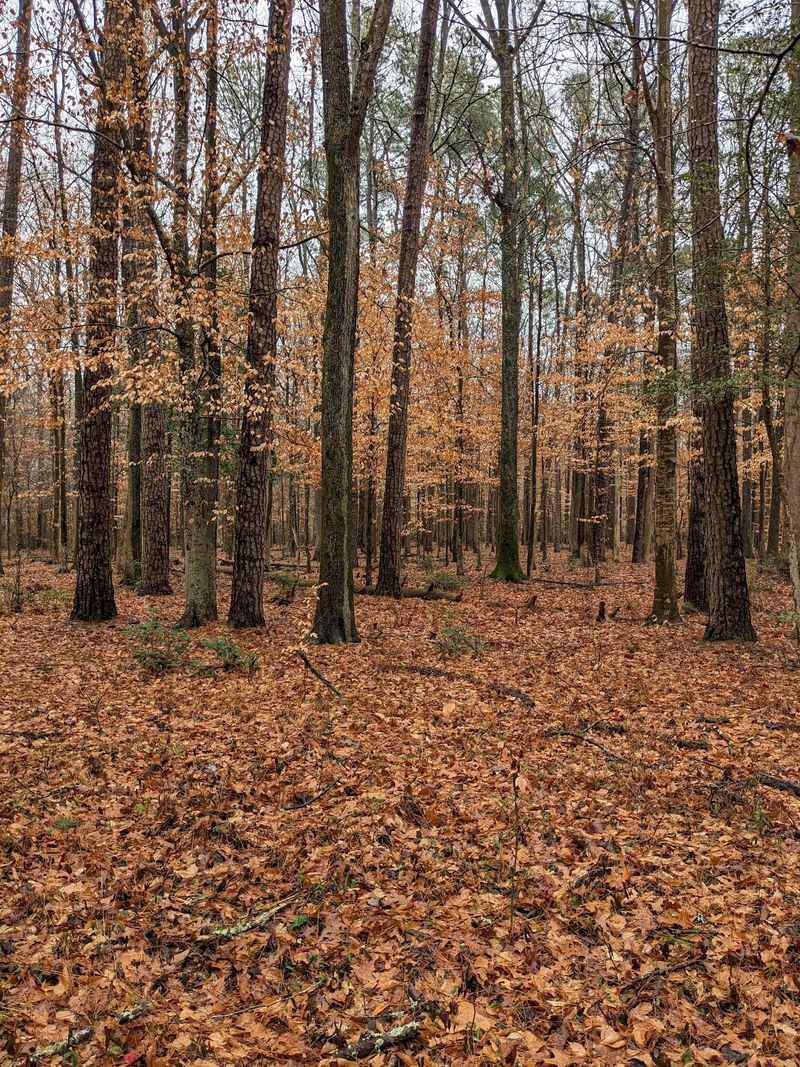
Spring transforms the refuge into a wildflower showcase as woodland blooms carpet the forest floor. Migratory birds return in waves, filling trees with songs.
Temperatures climb into comfortable ranges perfect for extended hikes. Baby animals emerge, though observing them requires extra caution and distance.
Summer brings peak greenery when the forest canopy reaches maximum density. Active wildlife moves during cooler morning and evening hours.
Afternoon heat can become intense, so early visits work best. Mosquitoes and other insects thrive, making repellent absolutely essential.
Fall delivers cooler temperatures and spectacular foliage as leaves shift through yellow, orange, and red hues. Insect populations decline dramatically.
Southbound migratory birds stop to rest and refuel. Photographers consider this the ideal season for capturing stunning images.
Winter offers excellent birdwatching as bare branches make spotting species easier. Cold weather eliminates mosquitoes and ticks.
Fewer visitors mean quieter trails. While some plants appear dormant, evergreen species provide persistent green against brown forest backgrounds.
Each season reveals different aspects of the swamp’s complex ecosystem.
Why Nature Lovers Keep Coming Back
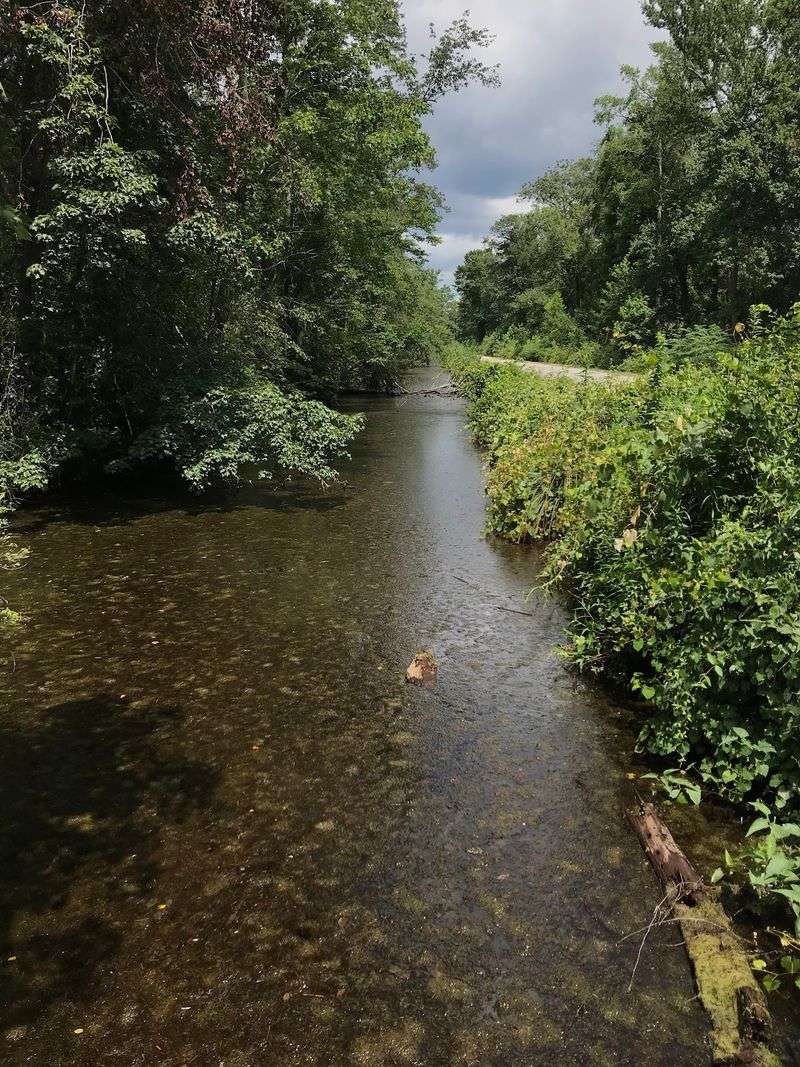
Something about the Great Dismal Swamp creates loyal visitors who return again and again. The quiet atmosphere provides genuine escape from constant noise and digital distractions.
Trails remain surprisingly uncrowded even on beautiful weekend mornings. Unlike popular mountain parks where parking lots overflow, this refuge offers solitude.
Exceptional birding opportunities attract enthusiasts tracking their life lists. Over 200 documented species means new sightings happen regularly.
Photography conditions change constantly as weather patterns shift light and create dramatic backdrops. Every visit feels different because wildlife moves unpredictably through the ecosystem.
The proximity factor cannot be overstated. When wilderness sits less than an hour away, spontaneous morning visits become possible without elaborate planning.
Feeling stressed midweek? Head to the refuge for a quick two-hour reset.
Want to catch sunrise? You’ll arrive before most people finish their morning coffee.
Regular visitors develop favorite trails, preferred observation spots, and seasonal routines. They notice subtle changes other people miss.
This familiarity deepens appreciation rather than creating boredom.
What to Know Before You Go
Before heading out, a little planning will help you get the most from your visit to the Great Dismal Swamp National Wildlife Refuge.
Address: 3100 Desert Road, Suffolk, VA 23434 (Great Dismal Swamp National Wildlife Refuge Visitor Center). Hours: The refuge is generally open daily from sunrise to sunset.
The Visitor Center typically operates Tuesday through Saturday, 9:00 a.m. to 4:00 p.m., though hours may vary seasonally.
Admission: Free. There is no entrance fee to visit the refuge or hike its trails.
Parking: Free parking is available at the Visitor Center, Washington Ditch entrance, Jericho Ditch access, and other designated trailheads.
Best Time to Visit: Fall through spring offers cooler temperatures, fewer mosquitoes, and excellent wildlife viewing. Early morning is the best time to spot birds, deer, and black bears.
Trail Difficulty: Most trails are flat and easy to moderate, making them suitable for beginners, cyclists, and families.
What to Bring: Water, snacks, insect repellent, sunscreen, binoculars, comfortable walking shoes or hiking boots, and a camera.