Somewhere under one small, glassy swimming hole, divers have mapped more than 26,000 feet of underwater cave passages.
Meanwhile, sunfish drift lazily overhead like they own the place.
They kind of do.
The water holds steady at 72 degrees all year. It pours out of a limestone cavern about 25 feet down, and you can see it all from the surface.
I like how a regular pair of goggles turns into a ticket to another world here.
USA Today once voted this pool the best swimming hole in the whole country.
That’s a bold title for a spring you could nearly swim across in a minute or two.
I can’t imagine a better reason to pack a towel and head into the quiet woods of north Florida. So what makes such a little spring this famous?
Goggles Turn This Little Pool Into A Window Over A Cave
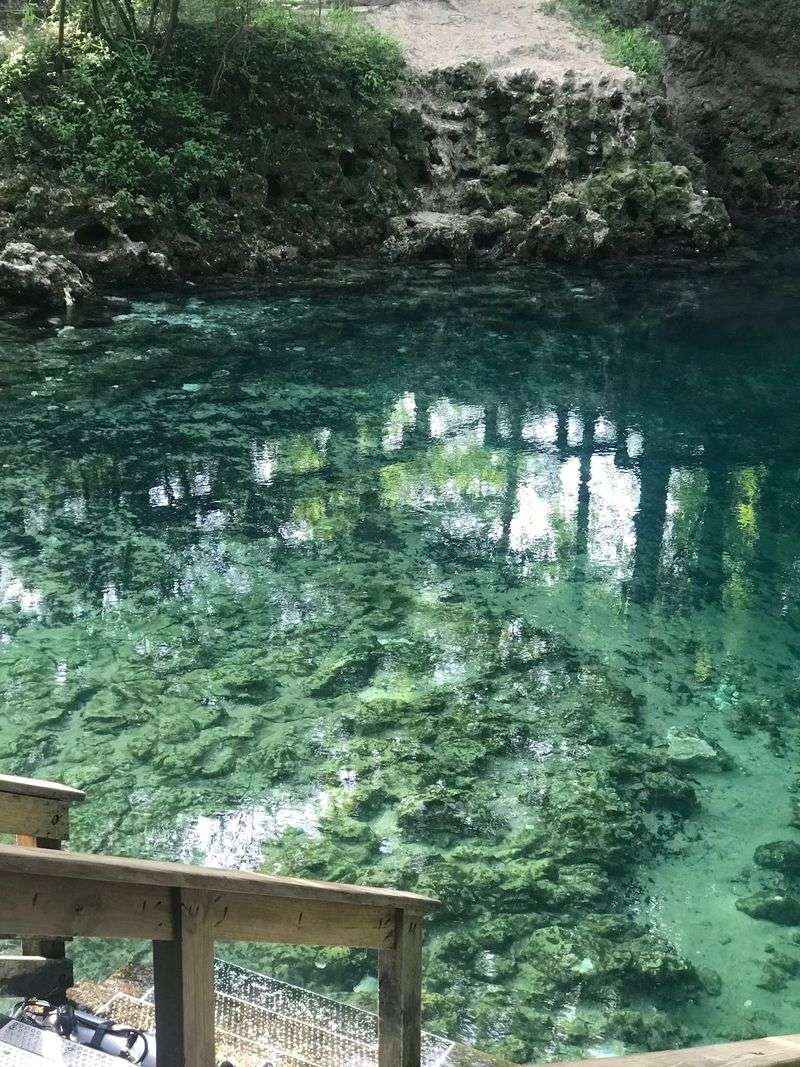
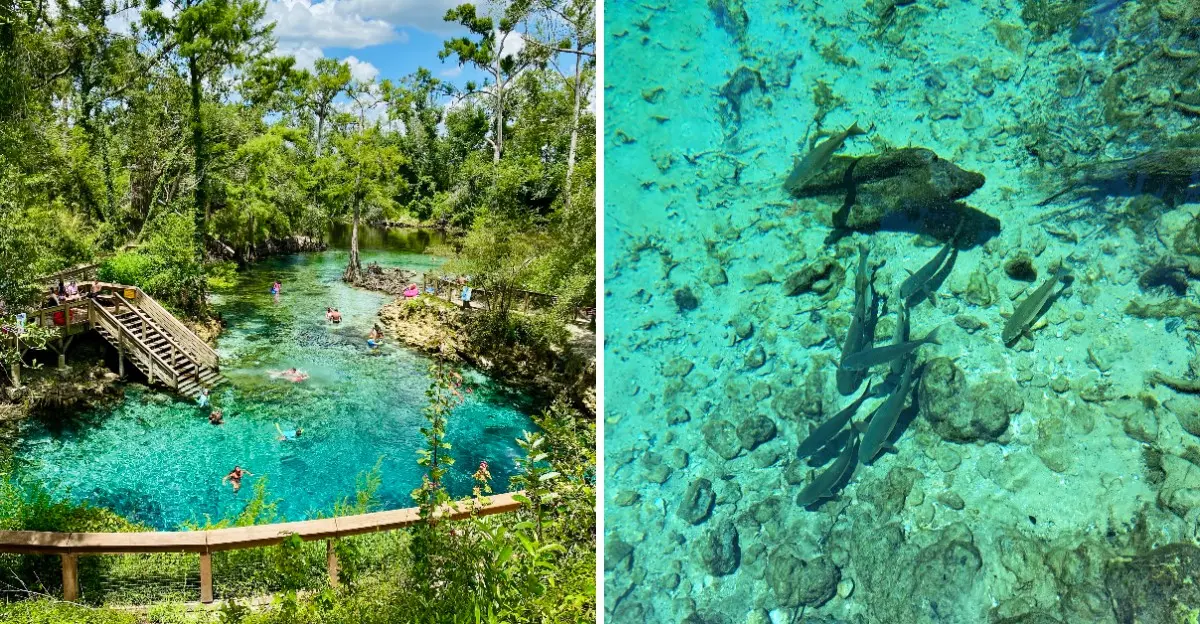
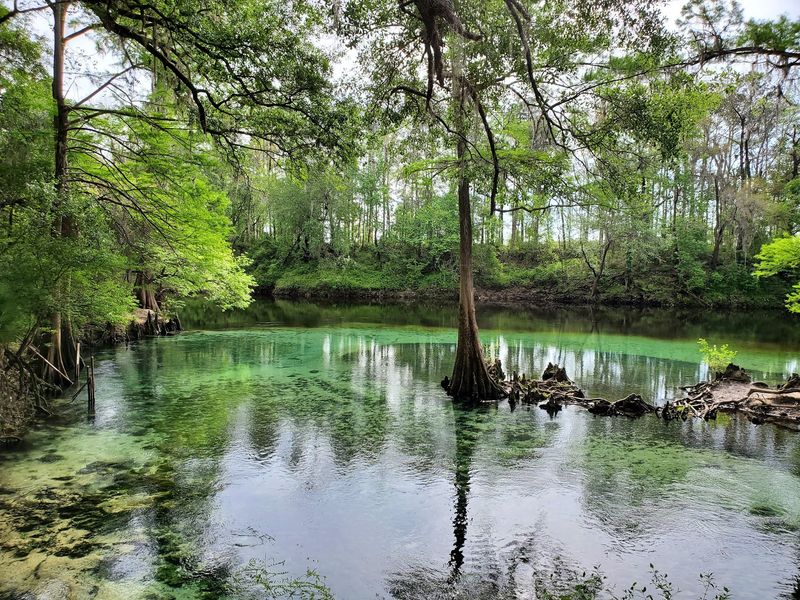
Clear water is common in springs, but few let you peek straight down into a cave entrance. At Madison Blue Spring State Park, that view sits right beneath your floating toes.
The spring basin is roughly 82 feet wide and about 25 feet deep. Water flows up from a cavern near the bottom, so the dark opening looks like a doorway into the Earth.
Fish glide across the top of it like tiny security guards.
It’s a first-magnitude spring, which is a fancy way of saying it pushes out a huge amount of water. All that fresh flow keeps the basin looking polished and bright.
On a sunny day, light ripples across the limestone in wavy stripes.
Bring a mask or goggles, even if you never plan to snorkel. Putting your face in the water is what makes the whole place click.
The surface is pretty, but the real show happens below.
Kids usually figure this out fast. One look down, and suddenly nobody wants to get out for snacks.
Plan on a long swim, because quick dips rarely stay quick here.
That Number One Swimming Hole Title Is No Fluke
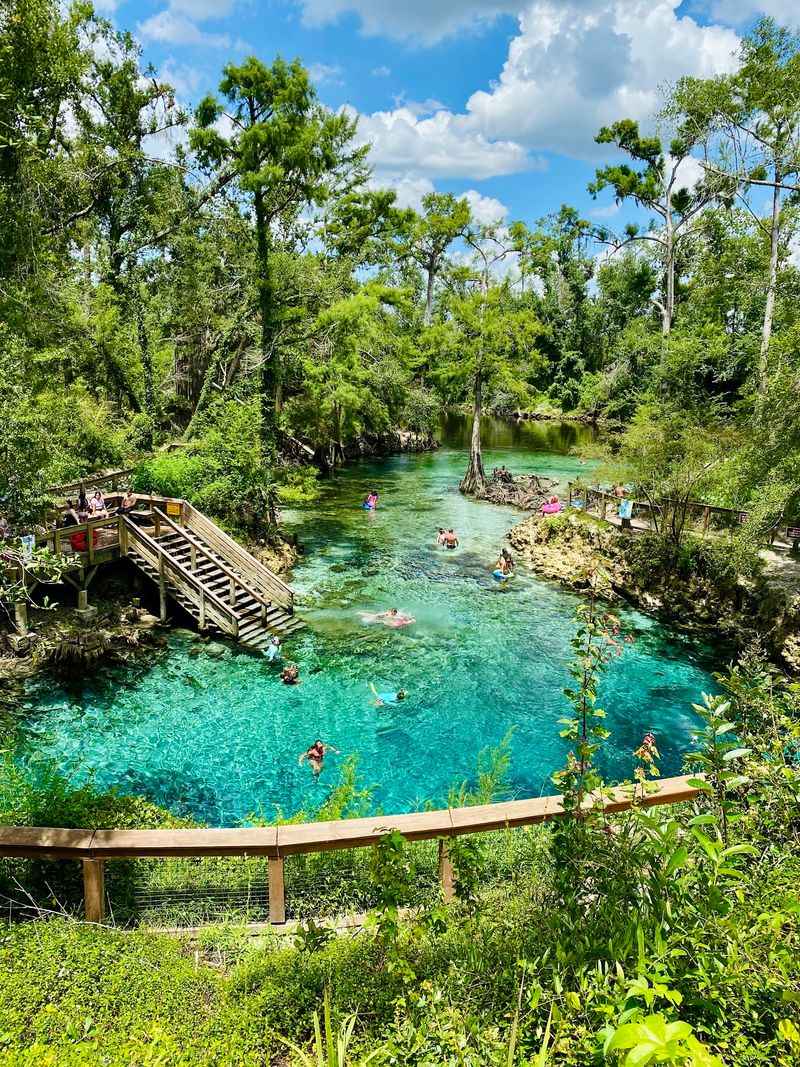
USA Today readers once crowned this spring the top swimming hole in America. That’s a big trophy for a pool you could almost fit in a backyard.
The secret is the water itself. It stays at a cool 72 degrees year-round, so summer swims feel refreshing instead of soupy.
In winter, the spring can even feel warmer than the air around it.
Getting in is easier than at many wild springs. Boardwalks and stairs lead down toward the basin, which helps swimmers ease into the chilly water.
No dramatic cannonball required, though nobody’s stopping your inner ten-year-old from thinking about it.
There’s currently no diving platform, so keep the high-flying stunts at the hotel pool. The fun here is calmer and more about floating, peeking, and drifting.
Think relaxing rather than rowdy.
The basin also feeds a shallow, rocky spring run where the current can feel surprisingly strong near the head. Water shoes are a smart call for slippery limestone.
Weaker swimmers and little ones should stay close to an adult, since the flow keeps heading toward the river.
Cave Divers Travel From Around The World For What Lies Below
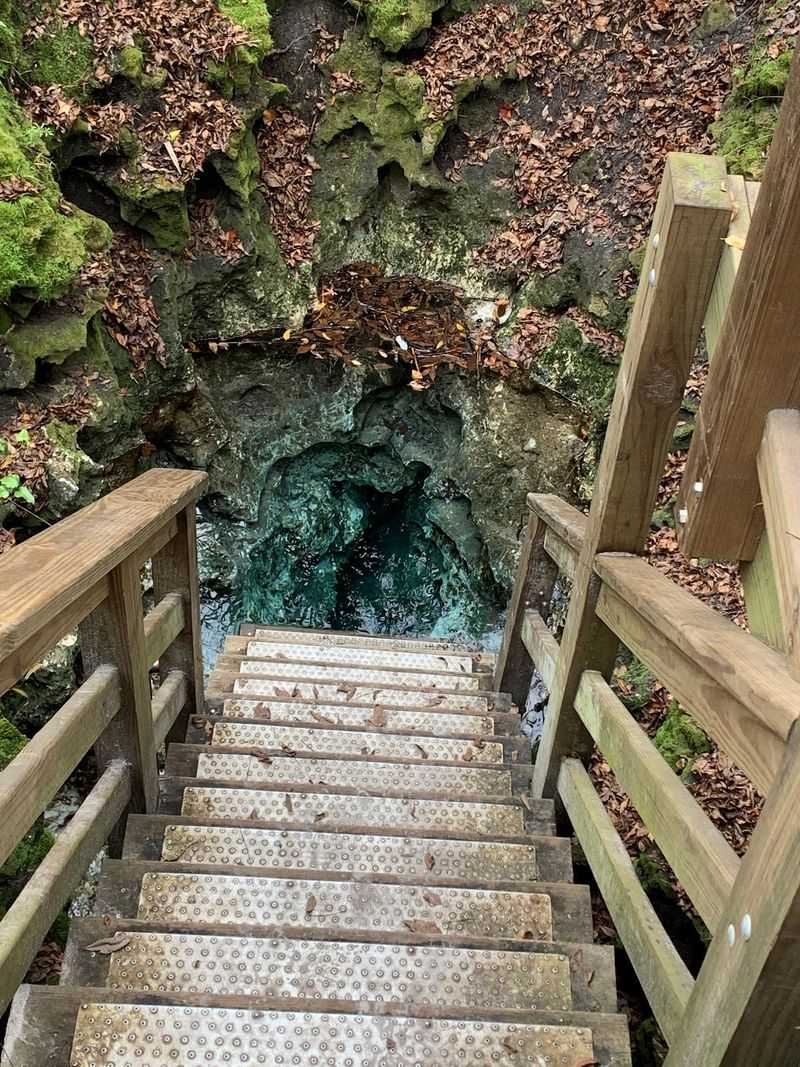
More than 26,000 feet of mapped tunnels stretch beneath the woods here. For trained cave divers, this spot is basically a famous underwater playground.
The main cave entrance sits about 30 feet below the surface of the pool. From there, the system spreads out into two main levels.
Shallower sections run around 60 to 70 feet deep, while deeper areas reach about 145 feet.
There are two main ways in. Divers can enter at the headspring or at Martz Sink, another entrance within the system.
Swimmers floating above get a sneak peek at the start of an adventure most of us will only read about.
The rules are strict for good reason. Cave diving here requires advanced cave diving certification, and divers must go in pairs.
Solo dives and underwater scooters, called DPVs, are not allowed in the park’s cave system.
Dives also need to wrap up at least an hour before sundown. The park provides SCUBA gear racks to make setup a little easier.
Watching divers sink out of sight while you tread water is wildly fun, honestly.
Turtles, Sunfish, And A Few Very Strange Cave Critters
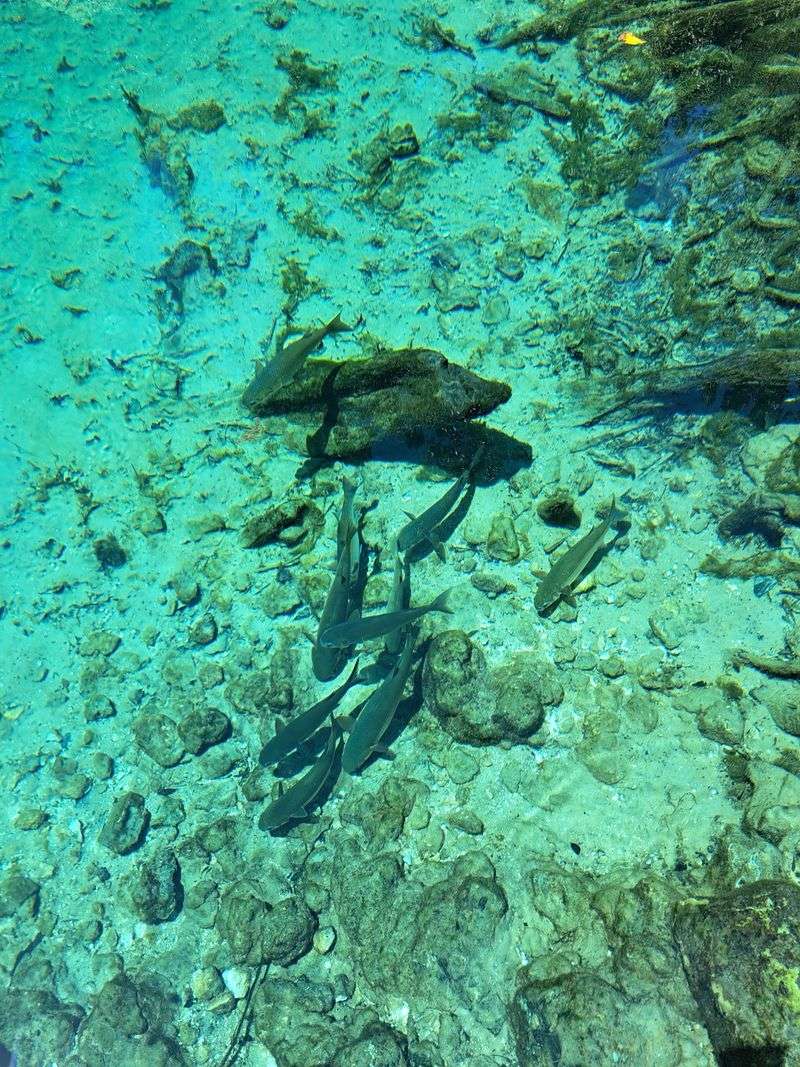
Snorkelers get a front-row seat to a busy little neighborhood. Catfish, sunfish, and freshwater turtles all share this clear pool.
Sunfish tend to be the easiest to spot, flashing around the edges. Turtles add a nice bonus, paddling along like they have somewhere important to be.
Catfish usually keep things low-key near the bottom.
Now for the weird part, and it’s a great kind of weird. The cave system hides three unusual invertebrates that live in total darkness.
Meet the pallid cave crayfish, Hobb’s cave amphipod, and the swimming little cave isopod.
You won’t see these tiny residents from the surface. They live deep inside the cave, far from sunlight.
Still, knowing they’re down there makes the spring feel even more mysterious.
Above the water, birding and wildlife watching are popular too. The surrounding woods give birds plenty of places to perch and hunt.
Keep your eyes open on the walk to the river.
A simple tip helps everyone here. Look, enjoy, and leave the critters alone.
They’ve been running this spring a lot longer than we’ve been swimming in it.
Watch Clear Water Crash Into A Tea-Colored River
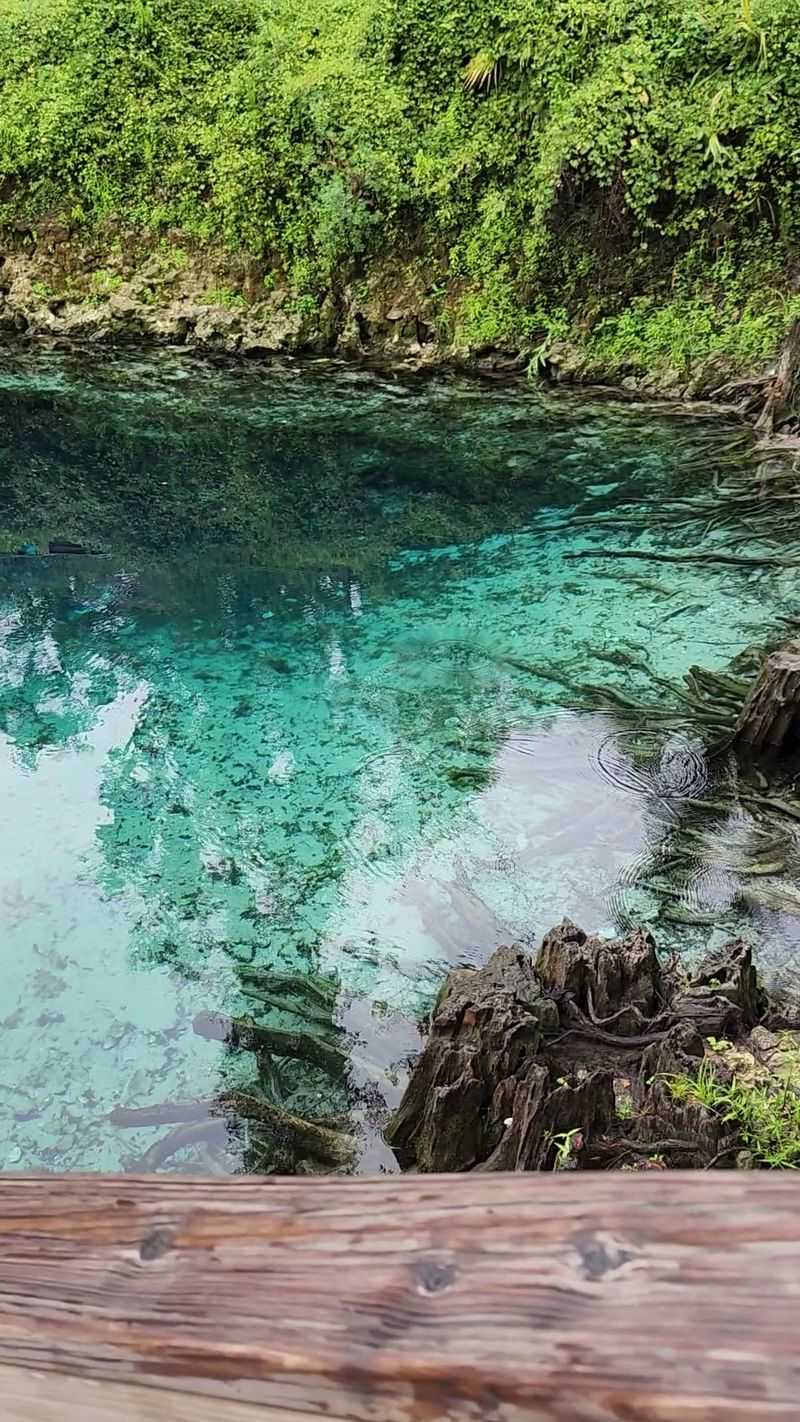
Follow the water, and it leads somewhere surprising. A short 150-foot spring run carries the flow east into the Withlacoochee River.
Here’s the fun part. The spring water is crystal clear, while the river is stained dark by tannins from plants and leaves.
Where the two meet, you can see a line between them, like someone spilled sweet tea into a swimming pool.
The run starts rocky near the spring and gets shallower and sandier closer to the river. That makes the lower stretch a nice spot for wading.
A nature trail also leads toward the river, so walkers can enjoy the view without getting wet.
The river can affect your day, though. When the Withlacoochee rises and backflows into the spring, the water can turn murky.
The park may close the swimming area until things clear up.
Heavy rain upstream is often the culprit. If storms have been rolling through Florida, check conditions before you drive out.
A quick call to the park can save you from staring at brown water instead of blue.
Grab A Paddle And Head Out Onto The Withlacoochee
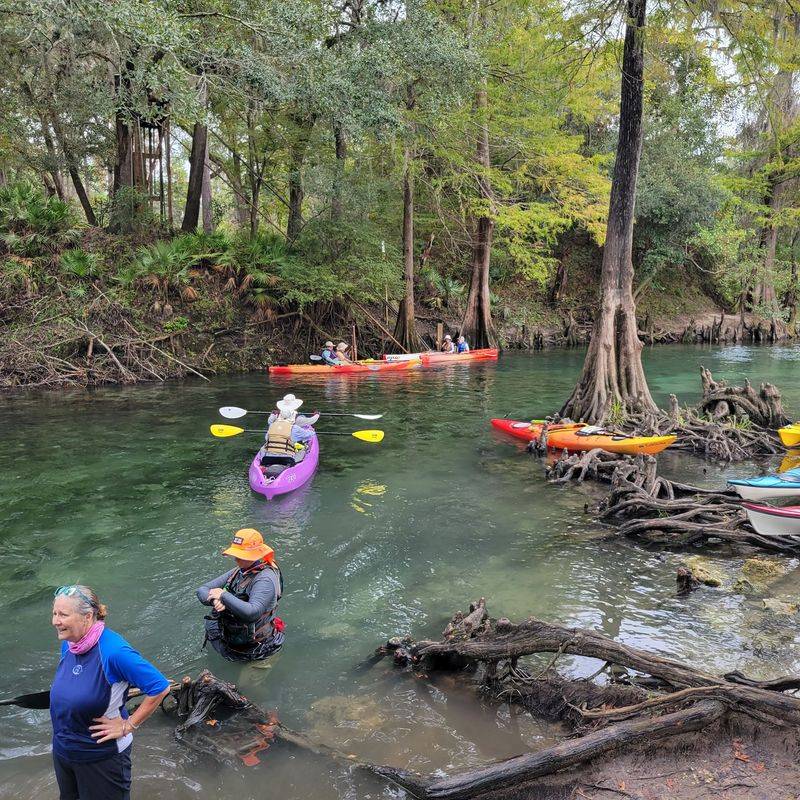
Swimming gets most of the attention, but paddlers have their own fun here. Kayaks, canoes, and paddleboards can head down the spring run and out onto the Withlacoochee River.
The switch is pretty dramatic. One minute you’re gliding over clear water, and the next you’re on a dark, winding river.
It feels like two trips stuffed into one afternoon.
River levels change, so conditions won’t look the same every visit. Low water can mean shallow spots in the run.
Plan to hop out and walk your boat now and then, and pack water shoes for that rocky bottom.
Bring your own gear, since rentals aren’t something to count on. Make sure your vehicle can handle the load too.
Starting April 2, 2026, large RVs, RVs pulling trailers, and truck-and-camper combos aren’t recommended because turnaround space is limited.
Paddling also offers a quieter way to enjoy the scenery. You’ll float past the woods that frame this corner of north Florida.
Keep an eye out for birds along the banks, since the river corridor gives them plenty of cover.
Your Picnic Deserves A Shady Pavilion And A Grill
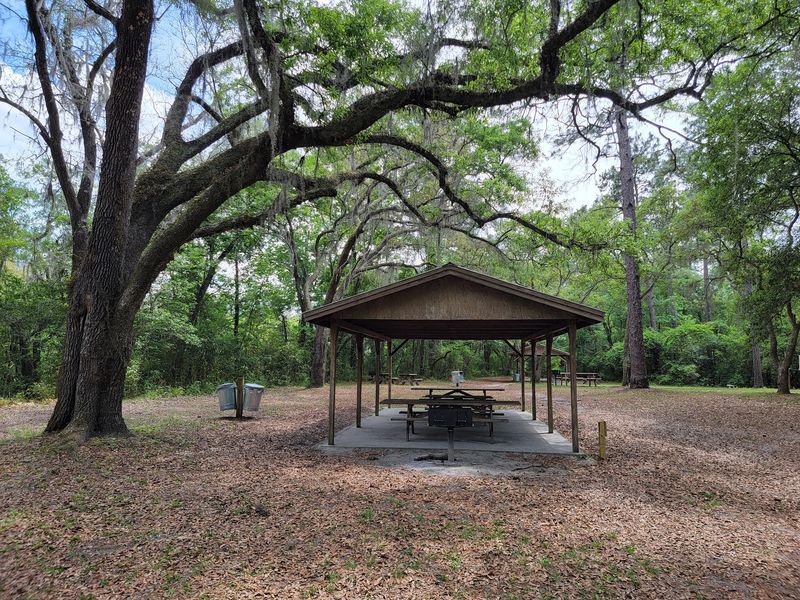
All that swimming builds up an appetite fast. Luckily, the park has picnic pavilions and grills ready for your cooler of goodies.
Pack lunch and claim a table in the shade. Mixed hardwoods and pines surround the area, giving it a relaxed, woodsy feel.
Burgers taste better after a cold spring swim, and that’s basically science.
One thing to remember is where food belongs. Coolers and lawn chairs aren’t allowed around the spring and swimming areas.
Keep the snacks at the picnic spots and save the spring for swimming.
A concession stand may be open in certain seasons, but don’t bet your lunch on it. Bringing your own food is the safer plan.
Water bottles are a must on hot Florida days, too.
Restrooms and a wash-off area are available, which helps after a sandy, splashy afternoon. Rinsing off before the drive home keeps your car a little less swampy.
Dogs can join the picnic on a 6-foot leash. They aren’t allowed around the spring basin or in the water, though.
Pets also can’t be left unattended while at park.
Arrive Early Or Risk Watching The Gate Close
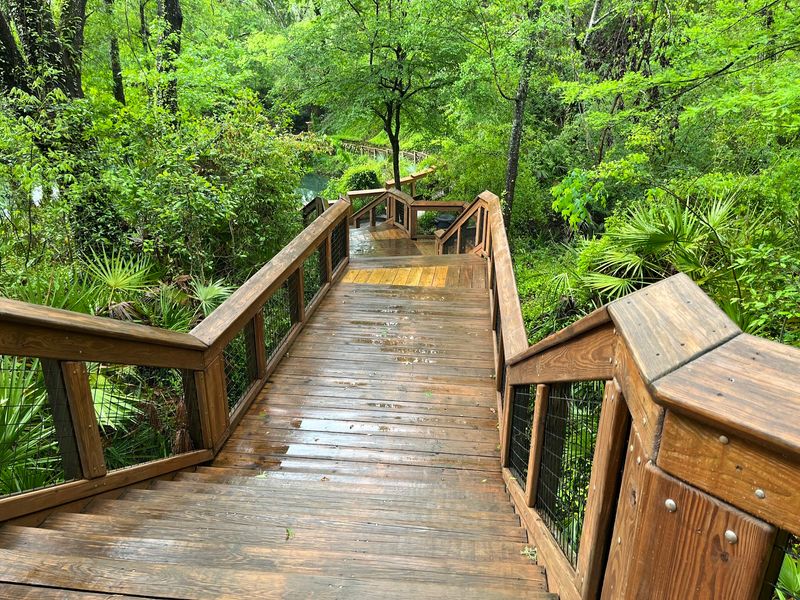
Popularity comes with a catch at Madison Blue Spring State Park. On busy weekends and holidays, the park often hits capacity and closes, usually between 10 a.m. and 3 p.m.
Good news, though. The park opens daily at 8 a.m. and stays open until sunset, every single day of the year.
Early birds get the spring, and maybe a little peace and quiet too.
If the gate closes, don’t wait along the road. Parking on the roadside or near the entrance isn’t allowed, and local law enforcement may hand out citations.
The park can reopen later in the day, so grab a snack and come back.
Paying is simple. Entry costs a small per-vehicle fee, with a smaller fee for walkers, bikers, and extra passengers.
You can often pay with a QR code posted near the entrance.
Weekdays are your best friend if your schedule allows. Cooler months can also be calmer, and that steady 72-degree water feels great any time.
Planning ahead turns a frustrating drive into a fantastic day.
Finding This Woodsy Corner Of North Florida Is Half The Fun
Plug 8300 N.E. State Road 6, Lee, FL 32059 into your map app and enjoy the ride.
The spring sits on the west bank of the Withlacoochee River, about ten miles east of Madison.
The land tells its own story. This area shows off karst topography, with limestone outcroppings and sinkholes scattered through the woods.
That same porous limestone is why springs and caves exist here at all.
The park itself is fairly new as Florida state parks go. In 2002, a private owner sold 38 acres at the spring to the state.
Long before that, local folks used Madison Blue Spring as a source of fresh water.
Small size works in its favor. You can swim, picnic, and stroll the nature trail without feeling rushed.
It’s the kind of place that fits neatly into a road trip or a lazy Saturday.
Florida has plenty of springs, but few pack so much into so little space. A cave, a river, and a famous pool all share one patch of woods.
Not bad for a little spring.