
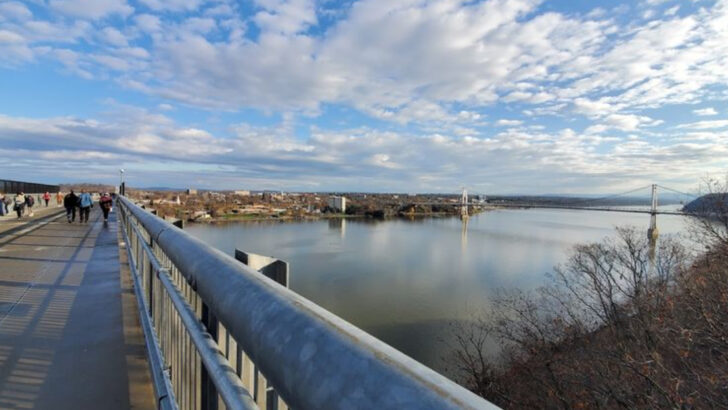
Perched high above the Hudson River in Poughkeepsie, New York, the Walkway Over the Hudson holds the remarkable title of the world’s longest elevated pedestrian bridge, stretching an impressive 1.28 miles from shore to shore. Originally built in 1889 as a railroad bridge, it was transformed into a stunning public park that opened to walkers, joggers, and cyclists in 2009.
Whether you’re chasing breathtaking autumn foliage views, a morning workout, or a slice of New York history, this bridge delivers all of it and more. Here are ten things that make the Walkway Over the Hudson an absolute must-visit destination.
A Record-Breaking Bridge with Deep Historical Roots
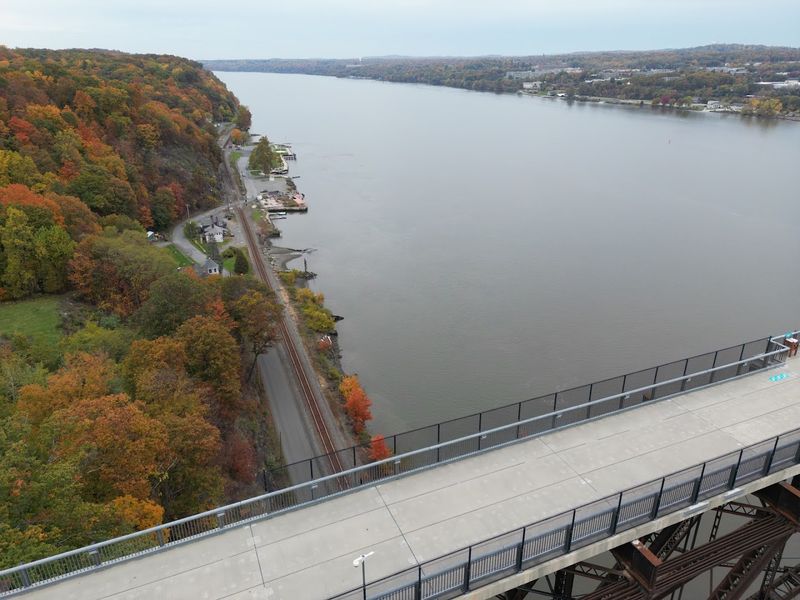
Few bridges in the world carry as much history beneath their steel as the Walkway Over the Hudson. Originally constructed in 1889, this iron railroad bridge was one of the engineering marvels of its era, connecting the east and west banks of the Hudson River in Poughkeepsie, New York.
At the time of its completion, it was the longest bridge of its kind in the world.
After a devastating fire in 1974 damaged the structure, the bridge sat unused for decades, slowly becoming a rusting monument to a bygone era of American industry. Rather than letting it fade away, a passionate group of volunteers and preservationists rallied to transform it into something extraordinary.
Their efforts paid off when the bridge reopened in 2009 as a public pedestrian park.
Today, it proudly holds the title of the world’s longest elevated pedestrian bridge at 1.28 miles long and sits 212 feet above the river. The bridge is listed on the National Register of Historic Places, giving it both cultural and architectural significance.
Walking across it feels like stepping through a living timeline of American history, engineering, and community spirit all at once.
Jaw-Dropping Views of the Hudson Valley
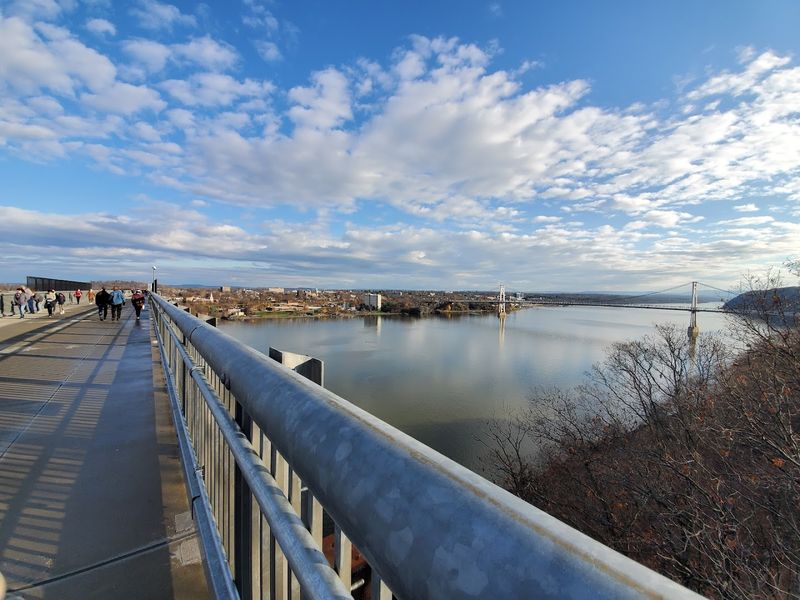
Standing 212 feet above the Hudson River on a clear day is one of those experiences that genuinely stops you in your tracks. Visitors consistently describe the views from the Walkway Over the Hudson as breathtaking, and it is easy to understand why.
The river stretches wide in both directions, framed by the rolling hills of the Hudson Valley that seem to go on forever.
Autumn transforms the scene into something almost unreal. The hillsides explode with fiery reds, burnt oranges, and golden yellows, making fall one of the most popular times to visit.
Many locals make it an annual tradition to walk the bridge during peak foliage season, often bringing their families and cameras to capture the magic.
Even outside of fall, the views are spectacular. On summer mornings, mist rises off the water while kayakers glide below.
In winter, the bare trees reveal sweeping vistas that are strikingly beautiful in their own quiet way. Massive barges slowly drifting along the river add a sense of scale that reminds you just how grand this waterway truly is.
No matter the season, the views here never disappoint.
Getting There: Parking, Access, and Navigation Tips
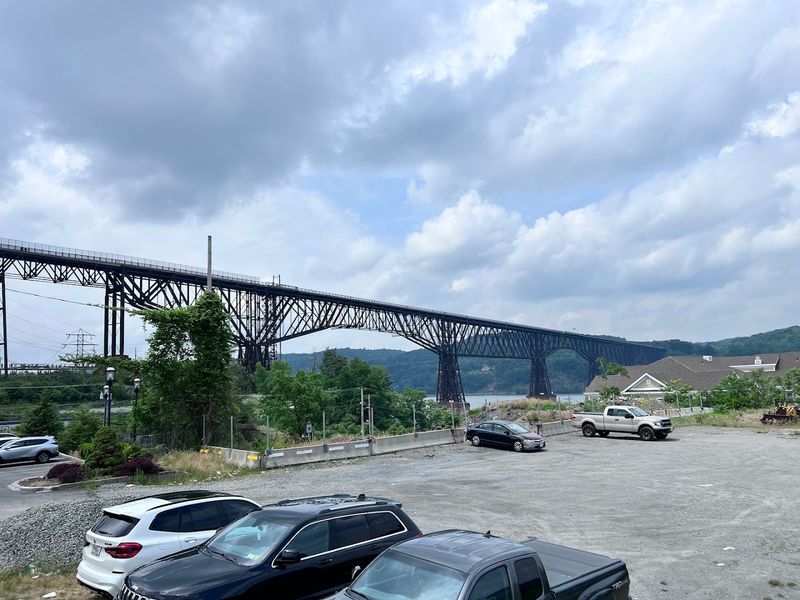
Finding your way to the Walkway Over the Hudson is straightforward once you know a few key details. The main eastern entrance is located at 61 Parker Ave, Poughkeepsie, NY 12601, and the visitor center there is a great starting point.
Parking is available nearby and costs just $5 for up to four hours, paid conveniently through a mobile app.
A helpful tip from seasoned visitors: set your GPS destination carefully. Options like the Visitor Center at the Walkway, 84 N Water St, or 49 Parker Ave all lead to slightly different access points.
The western entrance is in Highland, New York, and some visitors prefer starting from that side for a different perspective. Both entrances have restrooms, food vendors, and helpful park staff.
The walkway is open daily from 7 AM to 7 PM, so arriving early is a smart move, especially on weekends when foot traffic picks up significantly. Train access from New York Penn Station makes the trip possible without a car, which is a bonus for city visitors.
Whether you drive or take the train, getting here is part of the adventure, and the payoff once you step onto the bridge is absolutely worth the effort.
A Perfect Outing for Families, Pets, and Everyone In Between
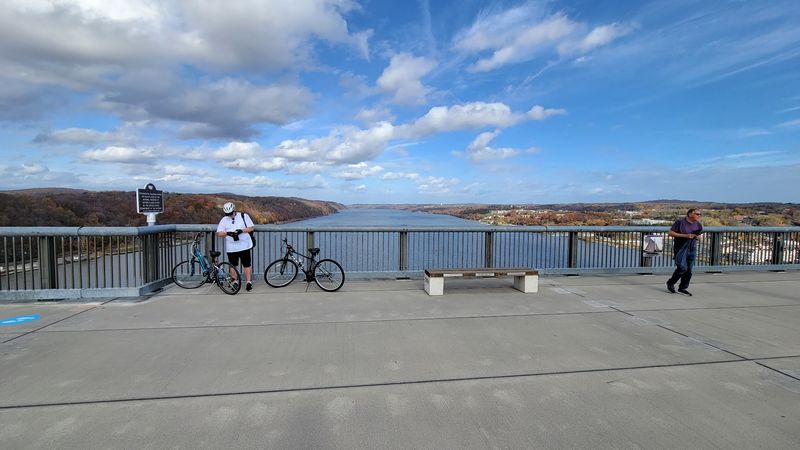
One of the best things about the Walkway Over the Hudson is that it truly welcomes everyone. Families with young kids, older adults, fitness enthusiasts, casual strollers, and even furry four-legged friends all share the wide, well-maintained path without ever feeling crowded.
The surface is smooth concrete, making it easy for strollers and wheelchairs alike.
Dogs are absolutely welcome here, and you will spot plenty of happy pups trotting alongside their owners. A small heads-up though: some dogs feel uneasy on the open bridge surface, so watch your pet’s comfort level.
Park rangers are on hand and will even advise you if temperatures are too hot for your dog’s paws, which is a genuinely thoughtful touch.
For those who prefer not to walk the full distance, there is a complimentary electric tram that shuttles visitors along the path. Handicap accessibility is a priority here, with elevators, wide pathways, and attentive staff making sure everyone can enjoy the experience.
The bridge is patrolled by rangers on bicycles and golf-cart-style vehicles, so the atmosphere feels safe and welcoming at all times. Few outdoor spaces manage to be this inclusive while still being this spectacular.
Biking Across the Bridge: A Cyclist’s Dream Route
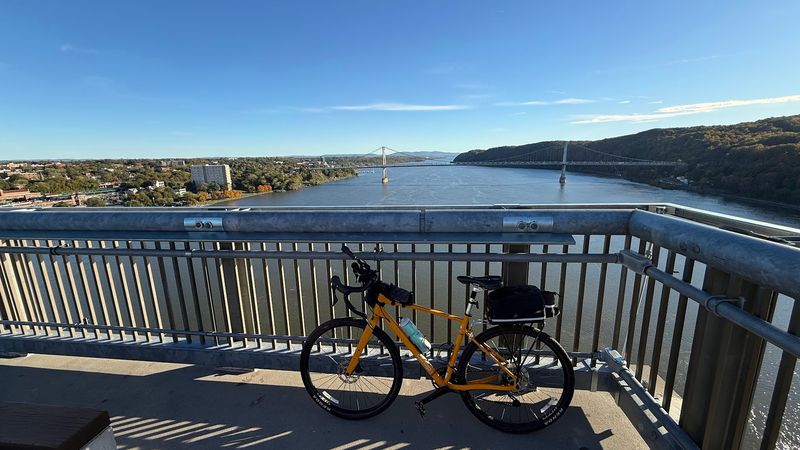
Biking the Walkway Over the Hudson is a completely different kind of thrill compared to walking it. The wide path comfortably accommodates both cyclists and pedestrians, and most riders are courteous about slowing down around walkers.
On a bike, crossing the 1.28-mile span takes roughly eight minutes, turning what is a 40-minute walk into a breezy, exhilarating ride.
The smooth concrete surface makes for an easy, enjoyable ride with no major obstacles. The constant breeze off the river keeps things refreshingly cool, especially during warmer months.
Many cyclists use the walkway as part of a longer trail loop, connecting to the network of rail trails on both the Poughkeepsie and Highland sides of the river for a full day of riding.
Bike rentals may be available near the entrance depending on the season, so even visitors without their own wheels can get in on the fun. One worthwhile tip: secure your hat tightly before heading out, because the wind over the open water can be surprisingly strong.
Experienced cyclists often recommend starting from the western Highland side for a slightly more scenic approach. Either way, pedaling over the Hudson River at 212 feet is a memory you will not forget.
The Glass Elevator: Descending to the Riverbank
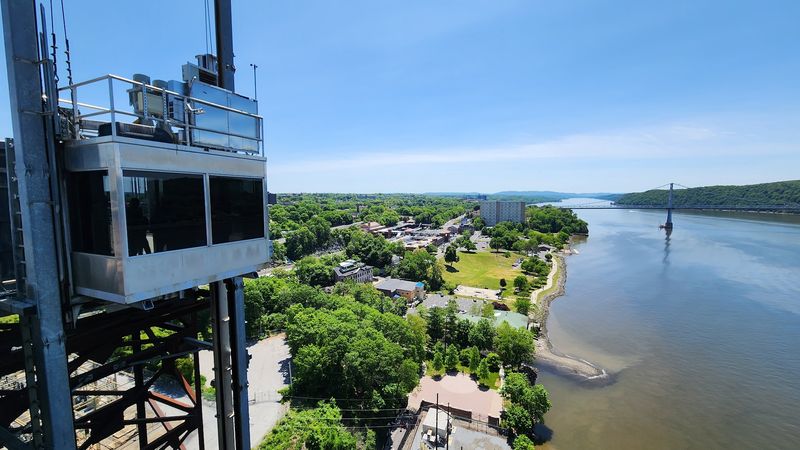
Hidden partway across the bridge is one of its most surprising features: a glass elevator that carries visitors from the elevated walkway all the way down to the Hudson River waterfront. At 212 feet above the water, the ride down offers a perspective that most visitors do not expect, and stepping out at river level with the massive bridge towering above you is genuinely awe-inspiring.
From the bottom, photographers get some of the most dramatic shots imaginable, with the steel spans of the Walkway and the neighboring Mid-Hudson Bridge framing the wide river behind them. The riverbank area is a peaceful spot to linger, watch the barges drift by, and appreciate the sheer scale of the structure you just walked across.
Restrooms are available at the bottom level as well.
One important note: the elevator does not always operate, so checking ahead or asking park staff on arrival is a smart move. It also shuts down during lightning storms, as does the bridge itself, for visitor safety.
When the elevator is running, park staff are usually enthusiastic about directing visitors to it, and for good reason. Riding it down and standing next to the river is one of those small, unexpected moments that elevates an already great visit into something truly memorable.
History Plaques and Educational Signage Along the Path
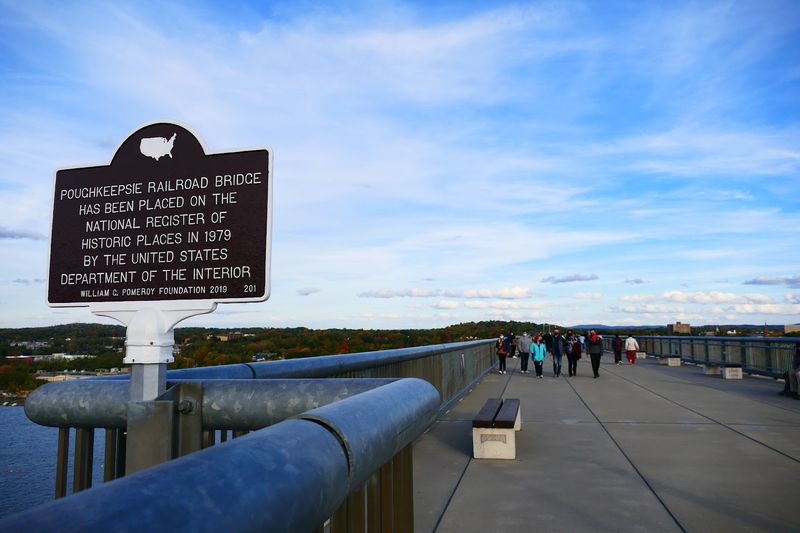
Walking the Walkway Over the Hudson is not just a physical experience; it is an educational one too. Mounted along the bridge at regular intervals, informational plaques and signs share stories about the bridge’s construction, the Hudson River’s ecosystem, local wildlife, and the broader history of the Hudson Valley region.
They turn a simple stroll into a moving history lesson.
Visitors with a curious mind will find themselves pausing often to read about the industrial era when this bridge carried heavy freight trains, or learning about the fish species that swim in the river below. Some signs reference notable local events and regional landmarks, giving context to the sweeping landscape visible in every direction.
The plaques are weathered from years of exposure to river winds, but the stories they tell remain fascinating.
For families with school-age children, these signs spark great conversations about American history, engineering, and environmental stewardship. Teachers have even used the walkway as an outdoor classroom for field trips.
The combination of visual grandeur and informational depth makes the Walkway Over the Hudson more than just a pretty place to walk. It is a space where curiosity is rewarded at every step, and where history literally surrounds you from one end to the other.
Seasonal Highlights: When to Visit for the Best Experience
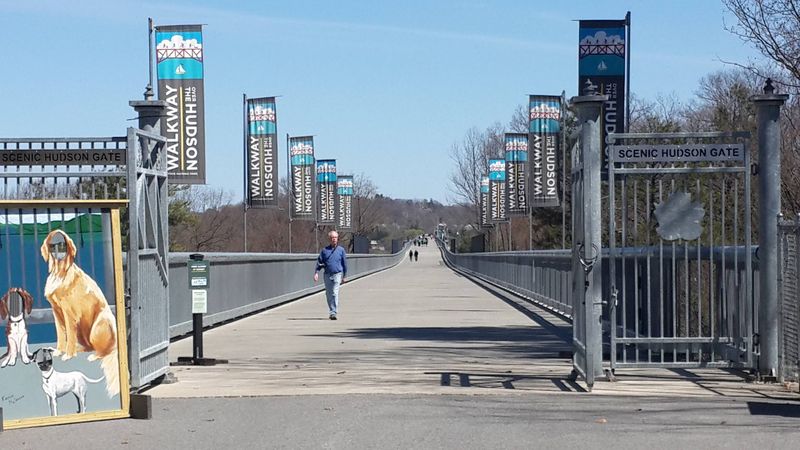
Every season brings something different to the Walkway Over the Hudson, and each one has its own loyal fan base. Spring arrivals are treated to fresh green hillsides, mild temperatures, and the river awakening after winter.
It is a wonderful time for a relaxed walk without the summer crowds, and the light in the morning hours is particularly beautiful for photography.
Summer is the busiest season, with families, tourists, and fitness regulars all sharing the path. The constant river breeze makes it noticeably cooler on the bridge than on the surrounding land, sometimes as much as 10 degrees, which is a welcome relief on hot days.
Bring sunscreen and a hat though, because the bridge is fully exposed to the sun with no shade overhead.
Autumn is widely considered the crown jewel of seasons here. The Hudson Valley foliage turns the surrounding hills into a canvas of color, and the walkway becomes one of the most photographed spots in the entire region.
Winter visits are quieter and more contemplative, with bare trees opening up longer sightlines and a crisp, peaceful atmosphere. Checking the weather before any visit is smart, since the bridge closes during lightning storms regardless of the season.
Connecting Trails and the Full Loop Experience
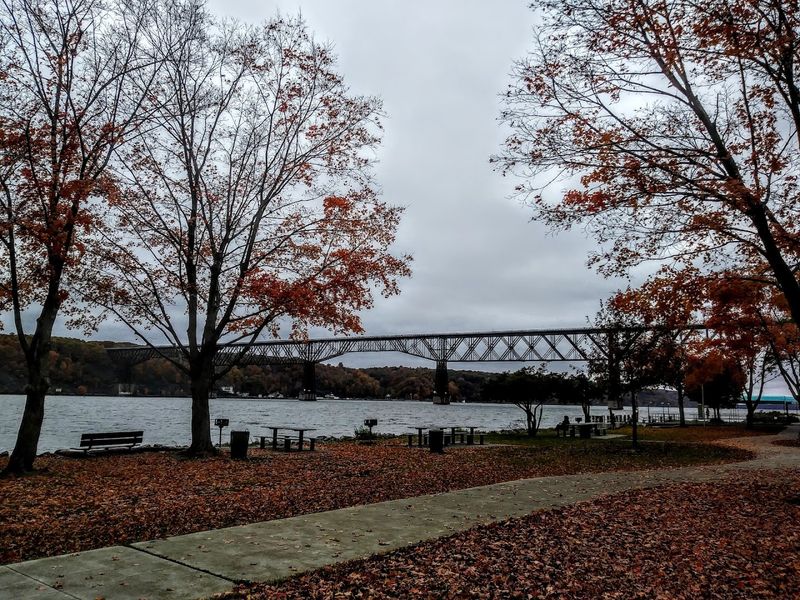
The Walkway Over the Hudson does not exist in isolation. Connected to a growing network of rail trails on both sides of the river, it serves as the centerpiece of a much larger outdoor adventure.
Completing the full loop, which includes crossing the walkway, looping through parts of Poughkeepsie, and returning via connecting trails, adds up to roughly four miles of walking and gives visitors a much richer experience of the area.
On the Highland side, the Hudson Valley Rail Trail extends westward, offering additional miles of flat, scenic riding and walking through charming landscapes. On the Poughkeepsie side, connections lead toward the waterfront and into the city, where cafes, restaurants, and local shops await.
Some visitors even cross the nearby Mid-Hudson Bridge by car or on foot to explore both sides of the river in a single outing.
Planning a full day around the walkway and its surrounding trails is genuinely rewarding. Bring water, comfortable shoes, and a sense of curiosity, because the area rewards exploration.
Round-trip on the walkway alone covers about 2.5 miles, but adding trail segments can easily push that to a satisfying half-day adventure. For anyone who loves combining outdoor activity with scenic beauty and local culture, this connected trail system is hard to beat.