
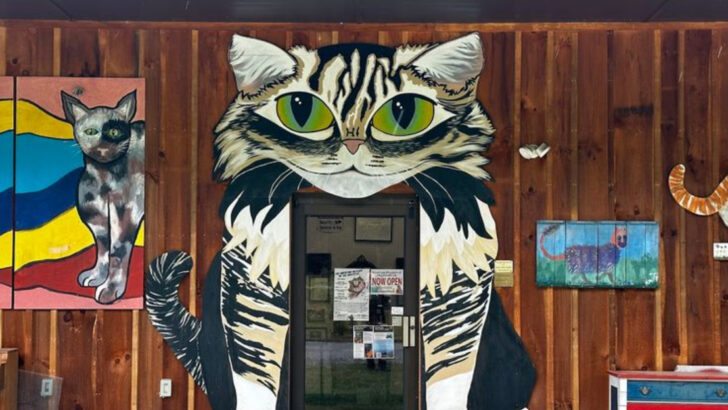
Tucked away in the scenic mountains of western North Carolina, the American Museum of the House Cat in Sylva is unlike any other museum you have ever visited.
This one-of-a-kind attraction is entirely dedicated to celebrating domestic cats through thousands of fascinating artifacts, artworks, and collectibles from around the world.
Whether you are a lifelong cat lover or just looking for something fun and unexpected to do in the Smokies, this quirky gem is worth every mile of the drive.
Get ready to discover why so many visitors leave calling it a truly magical, furry paradise.
A One-of-a-Kind Museum Dedicated Entirely to Cats
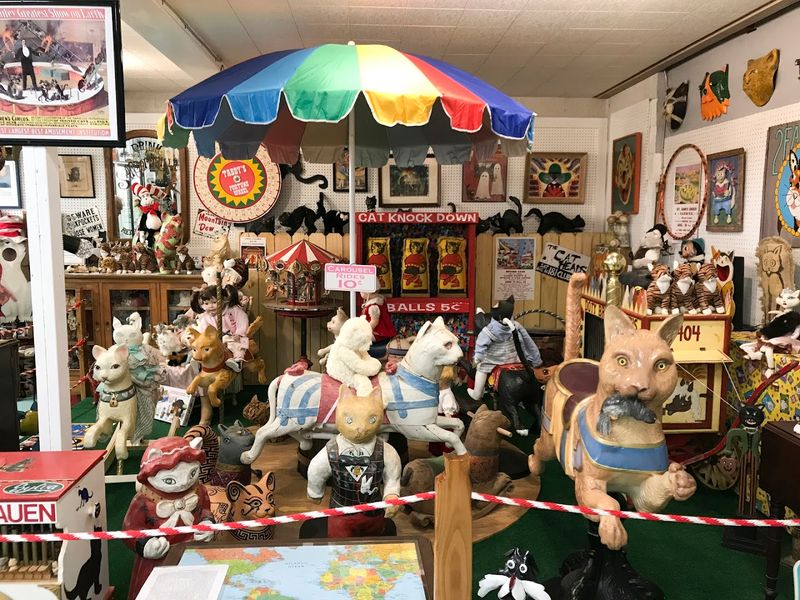
Somewhere between quirky roadside attraction and genuine cultural treasure, the American Museum of the House Cat stands proudly as one of the only institutions in the entire United States devoted completely to the domestic cat. Located along US Highway 441 South in Sylva, North Carolina, this mountain gem draws visitors from across the country who share a deep love of felines.
Unlike a typical history museum filled with dusty displays, this place buzzes with personality and warmth. Every corner reveals something new — a painted portrait here, a vintage collectible there — and the overall effect is joyful rather than stuffy.
The museum feels like stepping into the home of the world’s most passionate cat enthusiast.
Thousands of artifacts, artworks, and cat-related objects gathered from around the globe fill the space, celebrating humanity’s centuries-long fascination with these mysterious, elegant creatures. For anyone who has ever shared a home with a cat, the connection feels immediate and real.
Admission supports animal rescue efforts, making your visit doubly meaningful. Few places in the South can match the sheer charm and originality this museum brings to the table for cat lovers of all ages.
The Vision of “The Catman” Harold Sims
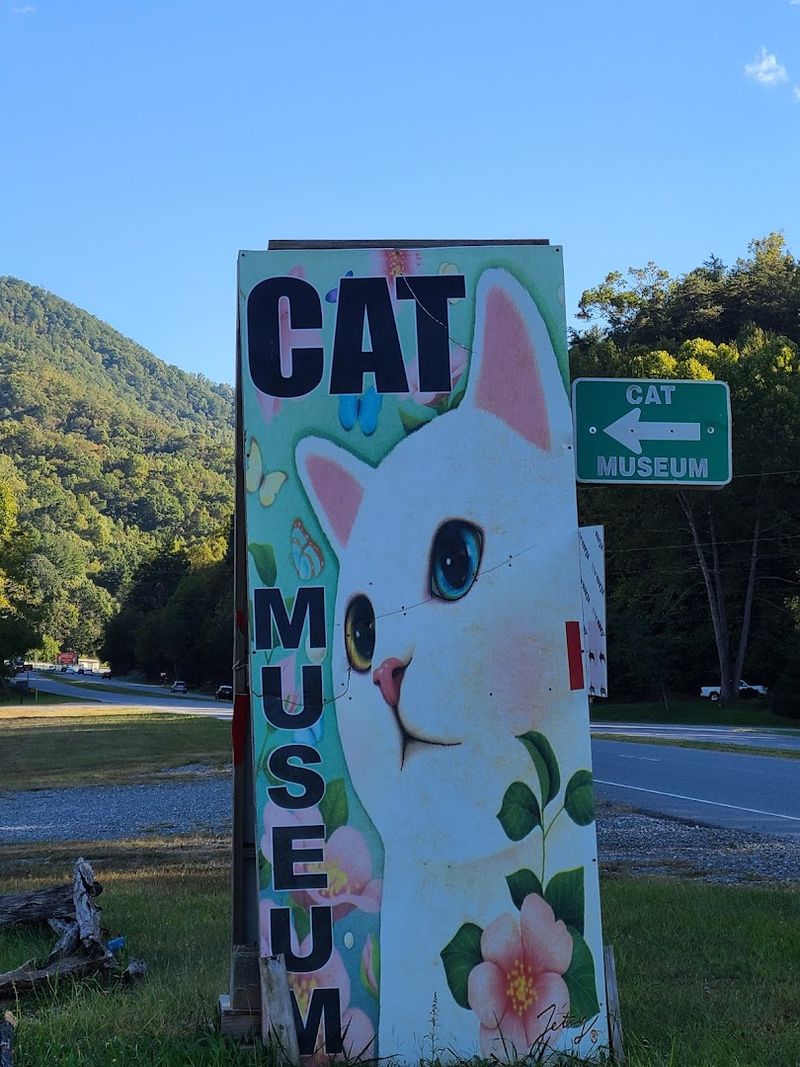
Behind every great museum is a person with an extraordinary story, and the American Museum of the House Cat is no exception. Dr. Harold Sims — lovingly nicknamed “The Catman” by those who know him — founded the museum in 2017 after spending more than three decades collecting everything imaginable related to cats.
His passion is the kind that quietly takes over a life in the best possible way.
A retired biology professor, Dr. Sims brought both academic curiosity and genuine enthusiasm to his collection. What started as a personal hobby grew into thousands of objects representing centuries of human-cat history.
At some point, keeping it all to himself just did not seem right anymore.
Opening the museum was his way of sharing that joy with the world while also doing something meaningful for cats in need. Proceeds from the museum help support nearby rescue efforts, so every ticket sold carries real purpose.
Visitors who get the chance to meet Dr. Sims often describe the encounter as one of the highlights of their trip. His warmth and encyclopedic knowledge of cat history make him as memorable as the collection itself.
The Catman truly brings the whole experience to life.
A Massive Collection of Feline Memorabilia
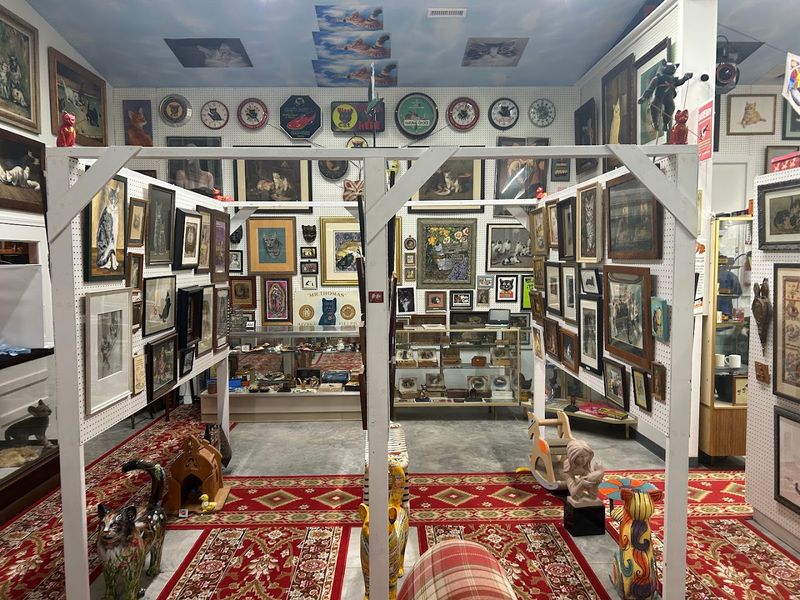
Walking through the doors of the American Museum of the House Cat feels a little like discovering a treasure chest that never runs out of surprises. Over 5,000 cat-themed objects are packed into the exhibits, and each one tells its own small story about how deeply cats have shaped human culture.
The sheer variety is staggering — in the best possible way.
Vintage advertising posters share wall space with delicate art glass sculptures. Hand-painted folk art sits near rare collectible figurines imported from Europe and Asia.
Antique toys jostle for attention alongside modern pop culture tributes to famous feline characters. No matter where your eyes land, something interesting catches your attention.
What makes the collection especially impressive is how it spans so many different time periods, styles, and cultures. Cats have clearly inspired artists, craftspeople, advertisers, and everyday people for hundreds of years, and the museum makes that influence impossible to ignore.
Browsing these displays gives visitors a new appreciation for just how woven into human life cats truly are. Even non-cat-lovers tend to walk away surprised by how captivating and diverse this collection really is.
Plan to spend at least a couple of hours here — you will want the time.
Ancient and Unusual Historical Artifacts
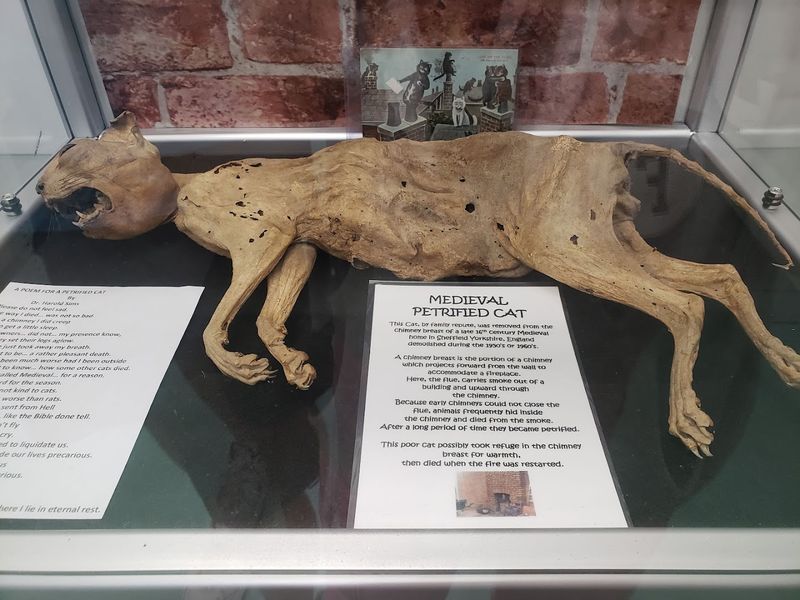
Not every museum can boast an authentic Egyptian cat mummy among its holdings, but the American Museum of the House Cat absolutely can. Dating back to roughly 300–30 B.C., this remarkable artifact connects visitors directly to a civilization that revered cats as sacred beings worthy of divine respect.
Standing in front of it, history suddenly feels very close.
Even more mysterious is another standout piece: a petrified cat discovered inside a medieval English chimney. The practice of placing dried cats inside walls and chimneys was believed to ward off evil spirits in old England, and finding one preserved after so many centuries is genuinely rare.
It is the kind of object that sparks immediate curiosity and conversation.
Together, these two artifacts anchor the museum’s historical exhibits in a way that goes far beyond typical collectibles. They remind visitors that the bond between humans and cats is ancient, complex, and sometimes surprisingly strange.
History class rarely covered any of this, which is exactly what makes these pieces so captivating. Younger visitors especially tend to react with wide-eyed amazement when they learn what these objects are and where they came from.
Expect lots of questions and plenty of lingering at these particular display cases.
Art and Collectibles from Around the World
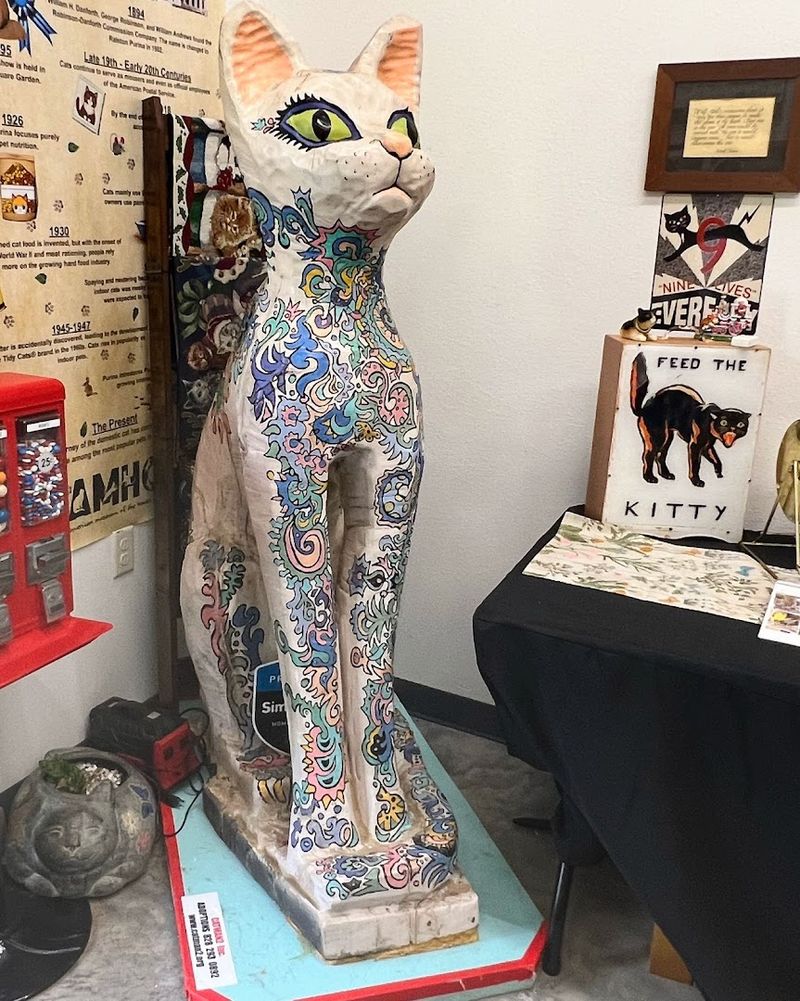
Cats have inspired artists across every culture and century, and the American Museum of the House Cat makes that global influence impossible to miss. The art collection here spans an impressive range of styles and origins, from elegant 19th-century lithographic prints to vibrant folk art pieces that carry the spirit of their home countries.
Each artwork offers a window into how different cultures have viewed and celebrated cats throughout history.
Visitors might admire a graceful Japanese woodblock print in one corner and then turn to find a boldly painted Mexican ceramic cat figure just a few steps away. Whimsical modern sculptures crafted from unexpected materials share space with centuries-old European paintings featuring cats lounging in aristocratic parlors.
The tonal variety keeps the experience fresh and visually exciting.
Art lovers who might not consider themselves cat enthusiasts often find themselves genuinely moved by the quality and diversity on display here. The collection demonstrates that feline beauty has always captured the imagination of creative minds worldwide.
Spotting the subtle differences in how various cultures portray cats — fierce, playful, sacred, or silly — becomes a fascinating game as you move through the exhibits. Bring a camera, because many of these pieces are truly frame-worthy in their own right.
Vintage Toys, Automata, and Pop Culture Cats
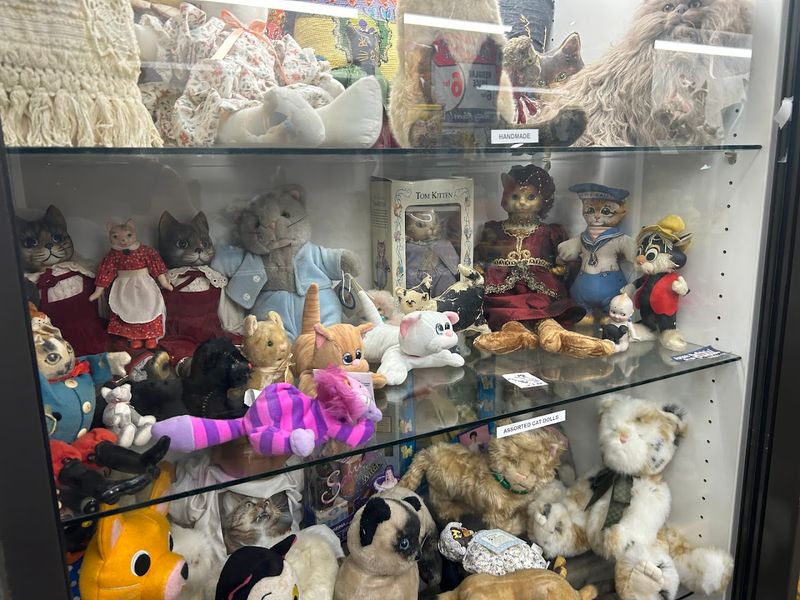
Few things spark nostalgia quite like a well-loved old toy, and the American Museum of the House Cat has an entire playful section dedicated to antique and vintage cat-themed playthings. Mechanical automata from the 1800s — intricate wind-up devices that mimic cat movements — are among the most jaw-dropping items on display.
Watching a 150-year-old mechanical cat “move” is genuinely thrilling.
Beyond automata, the collection includes carousel cat figures, novelty beer steins decorated with feline scenes, and a wonderfully random assortment of advertising items that once promoted everything from soap to biscuits using cat imagery. These objects reveal just how commercially beloved cats have been for generations of marketers and manufacturers.
Pop culture cats also get their moment here, with nods to famous fictional felines that have captured public imagination over the decades. From early 20th-century cartoon cats to mid-century advertising mascots, the exhibits trace how cats evolved into cultural icons long before the internet made cat videos a global obsession.
Kids and adults alike tend to linger in this section, swapping memories of their own childhood toys and favorite cat characters. It is playful, nostalgic, and surprisingly educational all at once — a rare combination that keeps everyone happily engaged.
Exploring the History of the Human-Cat Bond
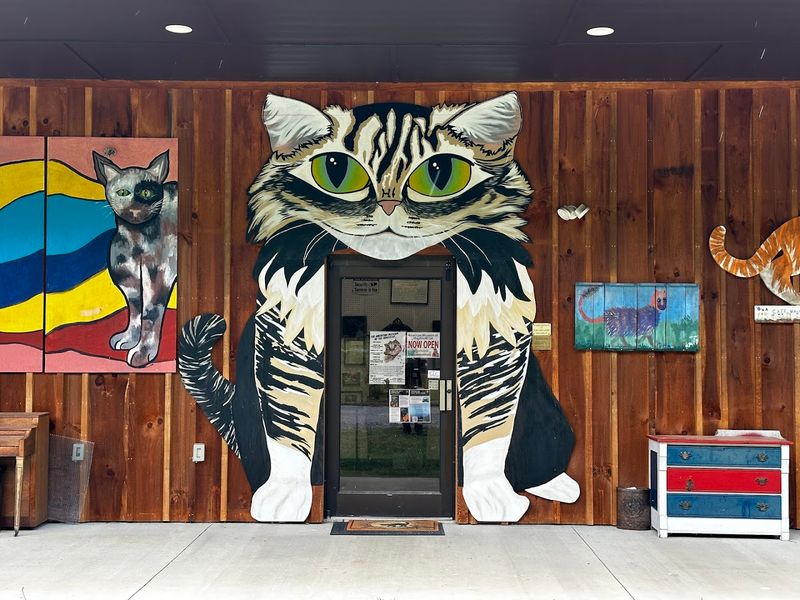
Long before cats became internet celebrities, they were living alongside humans in ways that shaped entire civilizations. The American Museum of the House Cat dedicates meaningful exhibit space to exploring the remarkable five-million-year relationship between people and their feline companions.
That timeline is almost impossible to wrap your head around at first, but the museum makes it feel tangible and personal.
Displays walk visitors through the earliest known evidence of cat domestication in ancient Cyprus, through the golden age of Egyptian cat worship, and into the complicated medieval period when cats faced widespread persecution in Europe. Each era reveals something new about how human attitudes toward cats have shifted — sometimes dramatically — over the centuries.
What emerges from these exhibits is a story of mutual benefit and evolving affection. Cats helped protect grain stores from rodents; humans provided shelter and food.
Over time, that practical partnership deepened into genuine emotional attachment. Today, cats are the most popular pet in the world by some counts, and the museum traces exactly how that happened step by step.
Understanding this shared history makes the bond between modern cat owners and their pets feel even richer and more meaningful. History has rarely felt this warm and fuzzy.
Meet the Museum Cats
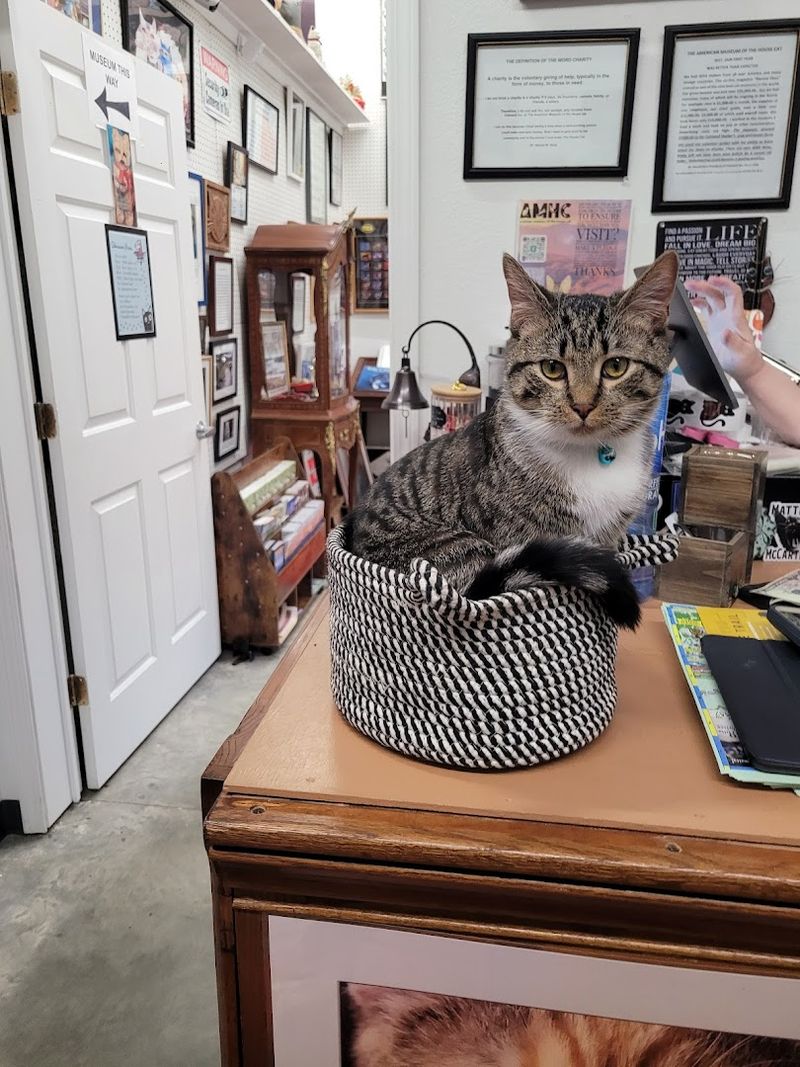
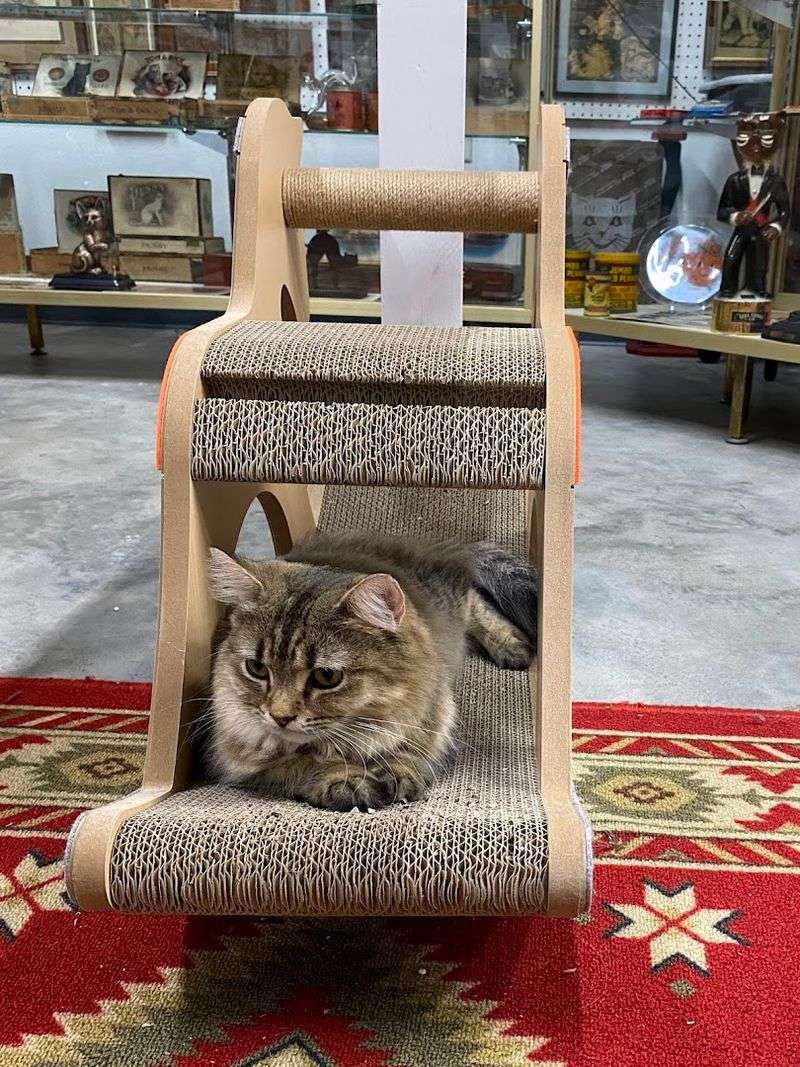
Any museum can fill its halls with objects, but only a truly special place fills them with actual cats. The American Museum of the House Cat often hosts resident felines who roam freely through the space, napping on shelves, investigating visitors, and generally doing what cats do best — making themselves completely at home wherever they please.
Meeting these furry ambassadors adds a layer of warmth and spontaneity that no exhibit can replicate. A cat curling up beside a vintage figurine or batting lazily at a dangling display tag turns an ordinary museum visit into something genuinely memorable.
Children especially light up when a resident cat decides to approach them for a sniff or a head bump.
For many visitors, interacting with the museum cats becomes the highlight of the entire experience. There is something deeply satisfying about being in a space that celebrates cats while actual cats wander around you.
It makes the whole place feel less like a formal institution and more like the coziest, most cat-obsessed living room you have ever stepped into. Call ahead before your visit to confirm which resident cats are currently in the museum, as the lineup can change.
Bring your camera — these cats are natural-born photo subjects.
Supporting Cat Rescue and Adoption
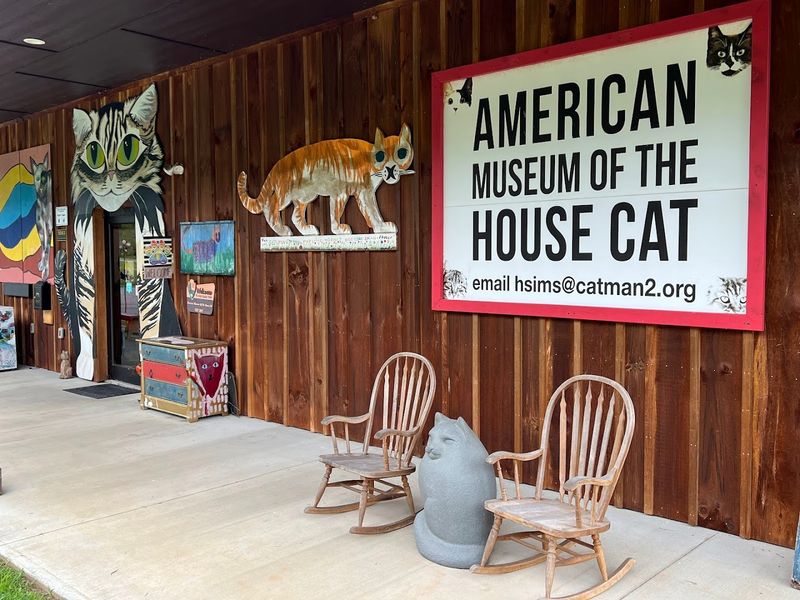
Visiting the American Museum of the House Cat is not just a fun outing — it is also an act of kindness toward cats in need. The museum is closely connected to the Catman2 no-kill feline shelter nearby, and admission fees plus donations flow directly into supporting that rescue operation.
Every ticket purchased helps feed, house, and care for cats waiting for their forever homes.
No-kill shelters operate on the principle that every healthy, treatable animal deserves a chance at adoption rather than euthanasia. The Catman2 shelter lives by that commitment, and the museum serves as both an awareness platform and a fundraising engine for that mission.
Knowing your visit contributes to something real gives the whole experience an extra layer of purpose.
For visitors who fall in love with one of the shelter’s cats, adoption is a possibility worth exploring. The staff can provide information about available animals and the adoption process during your visit.
Even if you are not in a position to adopt, spreading the word about the shelter’s work helps enormously. Cat rescue organizations rely heavily on community support and visibility to keep operating.
Walking through those museum doors is a small act that ripples outward in genuinely positive ways for animals who have nowhere else to turn.
Essential Visitor Information
Planning a trip to the American Museum of the House Cat is straightforward, and the museum’s location makes it a natural stop for anyone exploring the Great Smoky Mountains region. The address is 5063 US Highway 441 South, Sylva, NC 28779, nestled in the scenic mountains of western North Carolina near charming towns like Cullowhee and Dillsboro.
Museum hours are typically 10:00 a.m. to 5:00 p.m. daily, with Sunday hours running from noon to 5:00 p.m. Weather and special circumstances can occasionally affect hours, so calling ahead or checking the museum’s official website before your visit is always a smart move.
Parking is free and conveniently available on site.
Admission is generally around $10 for adults and $5 for children, with discounts available for students, seniors, and military visitors. Those prices are modest for the amount of content packed into the museum, and every dollar supports both the exhibits and local cat rescue programs.
Budget at least two hours for a comfortable visit, though many guests end up staying longer than planned. Whether you are a dedicated cat enthusiast or simply curious about one of America’s most unusual museums, the American Museum of the House Cat delivers an experience that is genuinely hard to forget.