
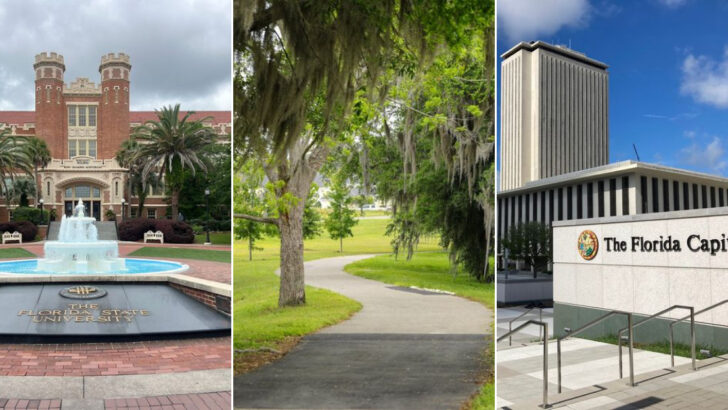
Tucked away in the rolling hills of North Florida, Tallahassee is a city that surprises just about everyone who visits. Unlike the coastal tourist traps packed with high prices and crowds, Florida’s state capital offers shady oak-lined streets, rich history, and a cost of living that actually makes sense.
From college-town energy to antebellum architecture and outdoor adventures, this city punches well above its weight. If you’ve never considered Tallahassee as a place to live or explore, these ten reasons might just change your mind.
The Famous Canopy Roads That Make Every Drive Feel Like a Movie Scene
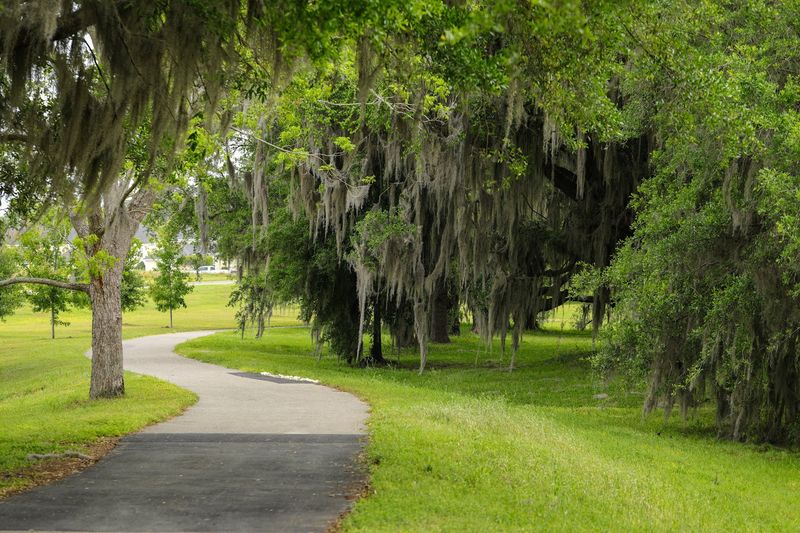
Few cities in America can claim something as breathtaking as Tallahassee’s canopy roads. These are stretches of old roadway where massive live oak trees, some hundreds of years old, arch overhead and form a natural green tunnel.
Spanish moss hangs from the branches like curtains, and the effect is nothing short of magical.
Miccosukee Road, Centerville Road, and Old St. Augustine Road are among the most beloved of these scenic routes. Local drivers often take the long way home just to pass through them.
Visitors frequently pull over just to stand under the trees and take it all in.
What makes these roads special beyond their beauty is that they are officially protected. Tallahassee has designated several of these routes as protected canopy roads, meaning development cannot destroy them.
That kind of community commitment to preserving natural beauty is rare and genuinely admirable.
For anyone moving to or visiting Tallahassee, a slow drive down one of these roads at golden hour is practically a rite of passage. Pack a picnic, roll the windows down, and let the cathedral of oaks remind you why this city feels unlike anywhere else in Florida.
Florida State University and FAMU Bring Nonstop Energy to the City
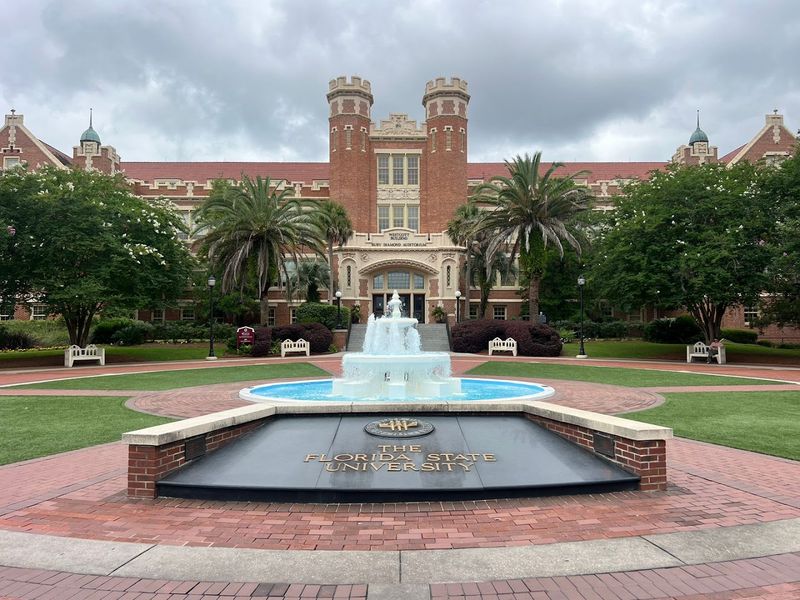
College towns have a certain electricity about them, and Tallahassee runs on two powerful currents. Florida State University and Florida A&M University both call this city home, giving it a year-round buzz that keeps things lively even when the legislature is out of session.
Two major universities in one mid-sized city is genuinely unusual.
That university presence shapes the local economy in all the right ways. More restaurants, coffee shops, music venues, bookstores, and cultural events pop up to serve a student population hungry for experiences.
The result is a city with far more personality per square mile than you might expect from a state capital of its size.
FSU football is practically a religion here. On game days, Tallahassee transforms into a sea of garnet and gold, with tailgate parties stretching for blocks and a community spirit that feels contagious even if you’re not a sports fan.
The energy is something you have to experience firsthand.
Beyond sports, both universities host free or low-cost lectures, performances, art shows, and community events throughout the year. Residents benefit enormously from this cultural programming without paying the steep ticket prices you’d find at larger metropolitan venues.
Education enriches the whole city, not just the campuses.
The Historic Capitol Complex and Rich Political History
Tallahassee has been Florida’s capital since 1824, chosen partly because it sat roughly halfway between the two then-largest settlements of Pensacola and St. Augustine. That long history has left the city with layers of political and architectural heritage that most Florida cities simply never had the chance to develop.
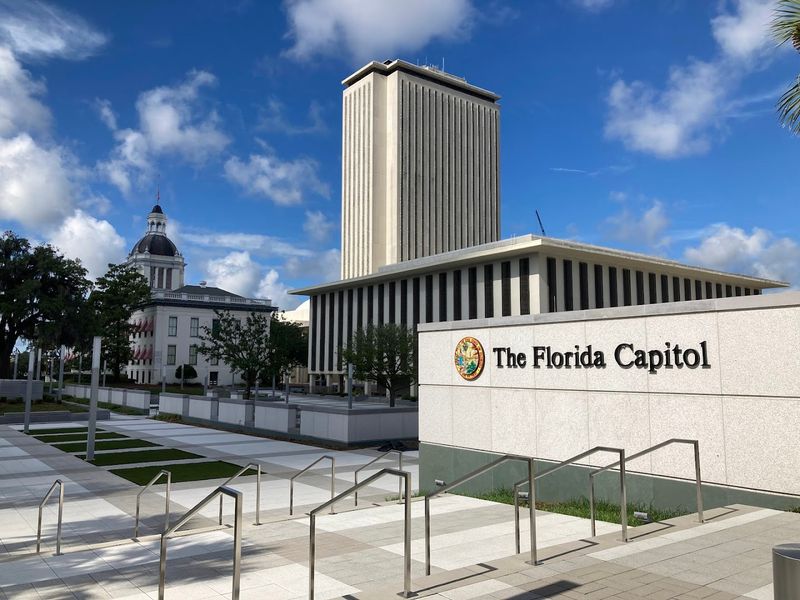
The Historic Capitol building is a stunning example of restored civic architecture. After nearly being demolished when the modern tower was built in the 1970s, preservationists fought to save it.
Today it functions as a museum dedicated to Florida’s political history, complete with interactive exhibits that are genuinely engaging for all ages.
Right next door, the modern Capitol tower rises 22 stories and offers a free observation deck on the top floor. From up there, you can see the city’s rolling hills, the university campuses, and those sprawling tree canopies stretching in every direction.
Not many state capitals offer that kind of panoramic payoff for free.
History enthusiasts will also love the nearby Museum of Florida History, which covers everything from prehistoric mastodons to the Civil War and beyond. Admission is free, making it one of the best educational bargains in a city already full of affordable attractions worth your time.
Outdoor Adventures at Natural Trails and State Parks Nearby
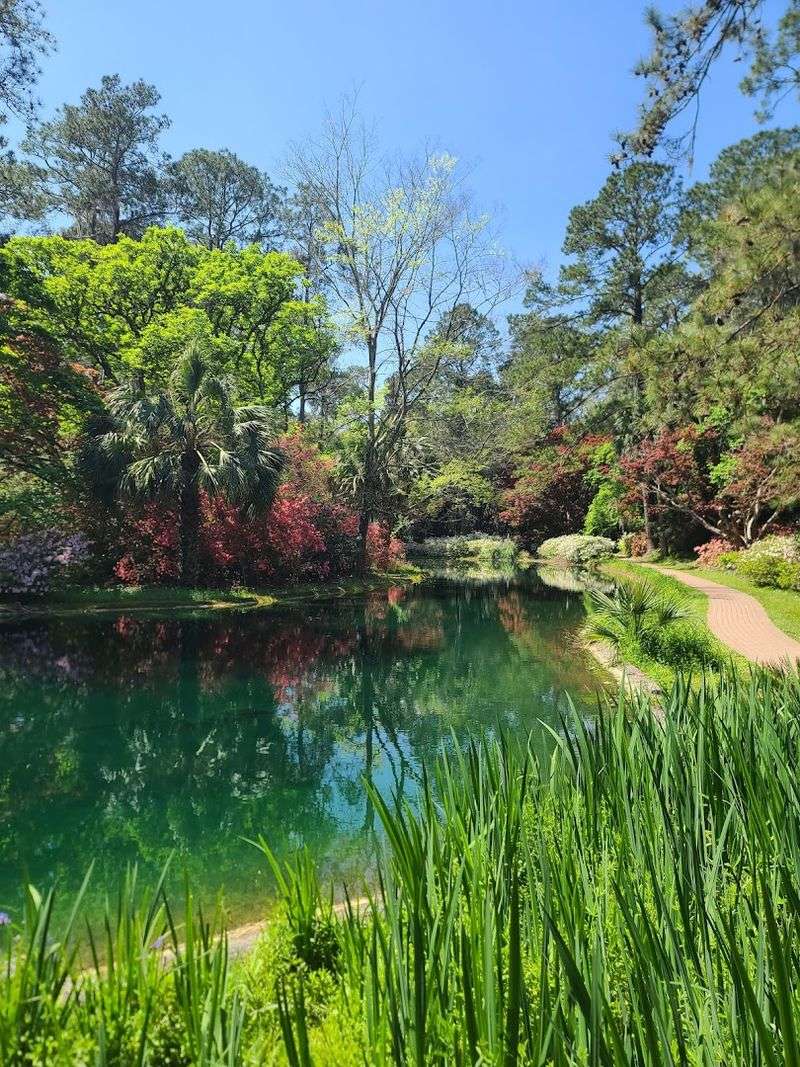
North Florida’s geography is nothing like the flat, swampy image many people picture when they think of the state. Around Tallahassee, the land rolls gently, and the forests are thick with longleaf pines, cypress swamps, and spring-fed waterways.
Outdoor enthusiasts who move here often say they had no idea Florida could look like this.
Alfred B. Maclay Gardens State Park offers stunning azalea blooms in late winter and early spring, along with walking trails, a historic home, and a swimming area on Lake Hall.
Wakulla Springs State Park, just a short drive south, is home to one of the world’s largest freshwater springs and manatee sightings are common in cooler months.
Hikers and cyclists love the St. Marks Trail, a paved path that stretches 16 miles from the edge of Tallahassee all the way to the Gulf of Mexico. It passes through forests, over bridges, and through small historic towns, making it one of the most scenic trail rides in the entire state.
Access to this much natural beauty without a long drive or expensive park fees is one of Tallahassee’s most underrated perks. Residents can genuinely spend entire weekends outdoors without spending much money at all, which is a lifestyle most Florida cities cannot honestly offer.
A Food Scene That Punches Way Above Its Weight Class
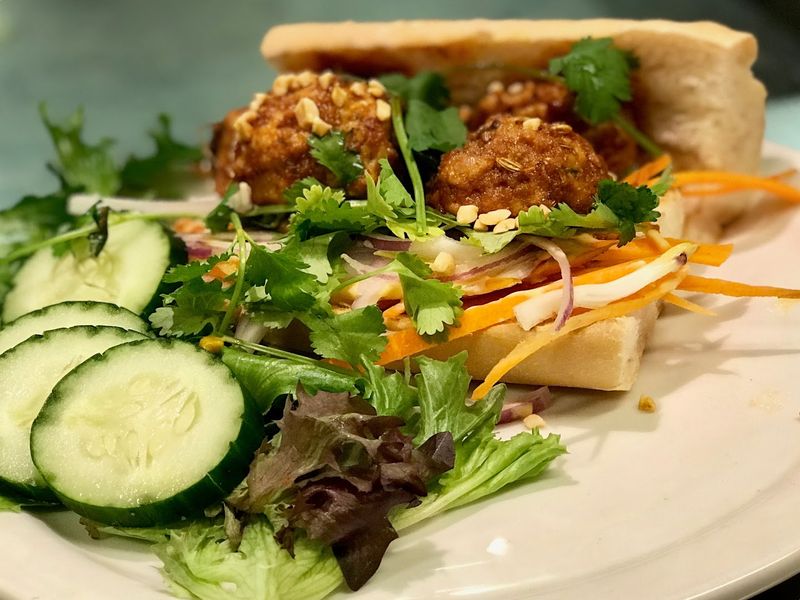
Don’t let Tallahassee’s relatively modest size fool you into thinking the food options are limited. The combination of a large university population, a diverse community, and a strong local entrepreneurial spirit has produced a restaurant scene that regularly surprises first-time visitors.
You’ll find everything from soul food to sushi without much effort.
Locally owned spots tend to thrive here because the community genuinely supports them. Places like the Tallahassee Food Co-op and various farm-to-table restaurants reflect a growing interest in sustainable, locally sourced ingredients.
The farmers markets around the city reinforce that connection between residents and regional food producers.
College Avenue and the Midtown neighborhood are packed with cafes, casual eateries, and sit-down restaurants that cater to every budget. Because competition is strong and the customer base is price-conscious, you’ll rarely find the kind of inflated menu prices that plague tourist-heavy Florida destinations.
A solid dinner out here won’t wreck your weekly budget.
Food festivals and pop-up events happen regularly throughout the year, giving chefs and small food businesses a chance to showcase creativity. The annual Tallahassee Food and Wine Festival draws regional talent and gives locals a chance to experience chef-driven cuisine at genuinely accessible prices.
Good food here is part of everyday life.
Lower Cost of Living Across the Board, Not Just Housing
Housing gets most of the attention when people talk about affordability, but Tallahassee’s cost advantage runs much deeper than rent and mortgage payments. Groceries, utilities, transportation, and everyday services all tend to cost less here than in Florida’s larger coastal metros.
That matters enormously when you’re trying to build financial stability.
The presence of two major universities creates healthy competition among service providers, from barbershops to auto mechanics to healthcare clinics. When businesses know their customers include budget-conscious students and faculty, pricing tends to stay reasonable.
That trickles down to benefit everyone in the community, not just the college crowd.
Tallahassee also lacks the tourism premium that inflates prices in cities like Orlando or Miami Beach. Locals aren’t subsidizing someone else’s vacation economy.
What you pay for a meal, a haircut, or a gym membership reflects what local residents actually earn and spend, creating a more balanced economic environment.
For families, retirees, or anyone working remotely and choosing where to plant roots, these everyday savings add up fast. An extra few hundred dollars per month across multiple spending categories can mean the difference between financial stress and genuine comfort.
Tallahassee offers that cushion without requiring you to sacrifice the good parts of Florida living.
Knott House Museum and Antebellum History You Can Actually Walk Through
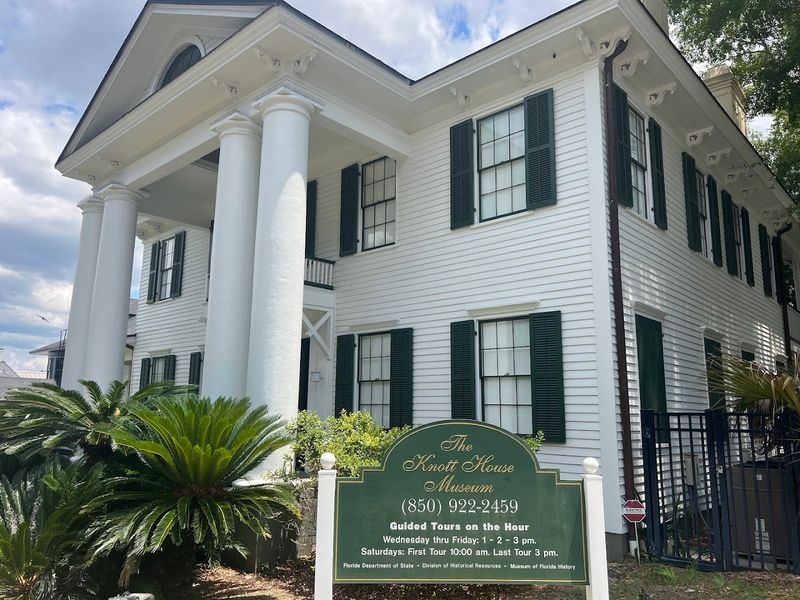
Built in 1843, the Knott House Museum stands as one of Tallahassee’s most compelling historic landmarks. It earned the nickname “the house that rhymes” because one of its former owners, Luella Knott, had a habit of writing poetry and tying the verses to pieces of furniture throughout the home.
That quirky detail alone makes it worth a visit.
The house carries enormous historical significance beyond its Victorian charm. On May 20, 1865, Union General Edward McCook read the Emancipation Proclamation from the front steps of this very building, officially freeing enslaved people in Florida.
That date is still celebrated in the state as Florida Emancipation Day, known locally as Jubilee.
Guided tours walk visitors through the beautifully preserved rooms, many still furnished with the Knott family’s original belongings. It’s a rare chance to step inside a piece of 19th-century Florida life and understand how the city evolved from a frontier settlement into a functioning state capital with its own distinct social culture.
Admission is free, which fits perfectly with Tallahassee’s pattern of offering rich historical experiences without charging a premium. History that is accessible to everyone, regardless of budget, is history that actually gets remembered and appreciated by the full community rather than just a select few.
The Vibrant Arts and Music Scene Centered Around College Town Culture
Tallahassee’s arts community benefits enormously from having two universities feeding it with fresh talent year after year. Students studying music, theatre, visual arts, and film production need places to perform and show their work, and the city has responded by building a surprisingly robust arts infrastructure for its size.
The creative energy here is real and ongoing.
The Tallahassee Symphony Orchestra has been performing for decades and regularly collaborates with FSU’s College of Music to bring world-class performances to local stages. Ticket prices are generally far more reasonable than what you’d pay in larger cities, making live classical music genuinely accessible to working families and not just wealthy patrons.
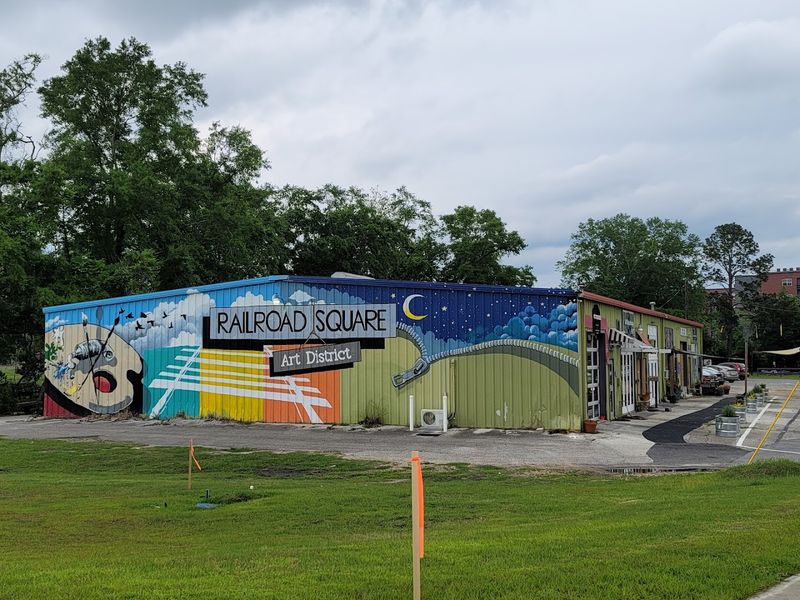
Local music venues scatter throughout the city, from intimate coffee house settings to mid-sized clubs that attract touring regional acts. The Railroad Square Art District has become a hub for galleries, studios, and creative businesses that give working artists a place to connect with the broader community.
First Friday events draw large, enthusiastic crowds each month.
Street murals, public sculpture, and community art installations appear throughout the city’s neighborhoods, giving Tallahassee a visual personality that feels earned rather than manufactured. Art here grows organically from the people who live and create in the city, which makes the whole scene feel authentic and worth supporting.
The Farmers Markets and Local Shopping That Keep Dollars in the Community
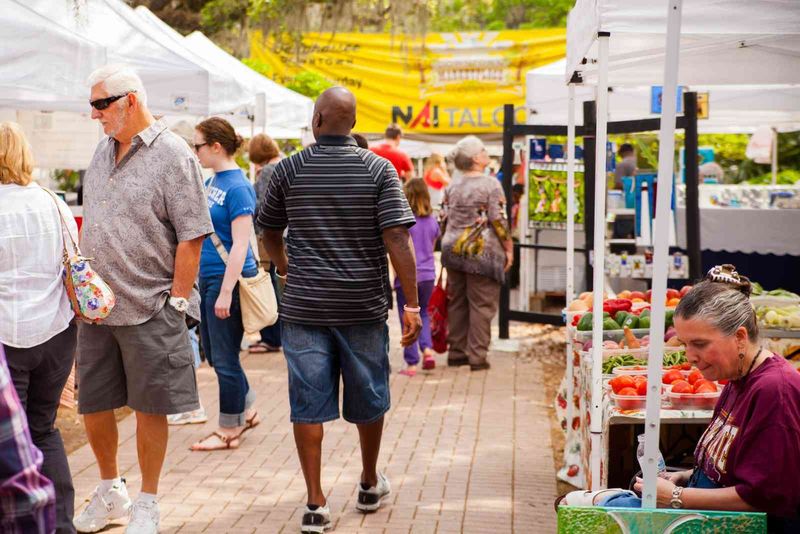
Saturday mornings in Tallahassee have a rhythm all their own. The Market Square Farmers Market and the New Leaf Market co-op draw steady crowds of locals who prefer fresh, locally grown food over big-box convenience.
You get real conversations with the people who actually grew your vegetables.
Shopping local here isn’t just a trend — it’s baked into the culture. Boutiques, art studios, and family-owned shops line neighborhoods like Midtown and Railroad Square.
Your money supports actual neighbors, not distant corporations. That connection makes every purchase feel a little more meaningful and a lot more personal.