
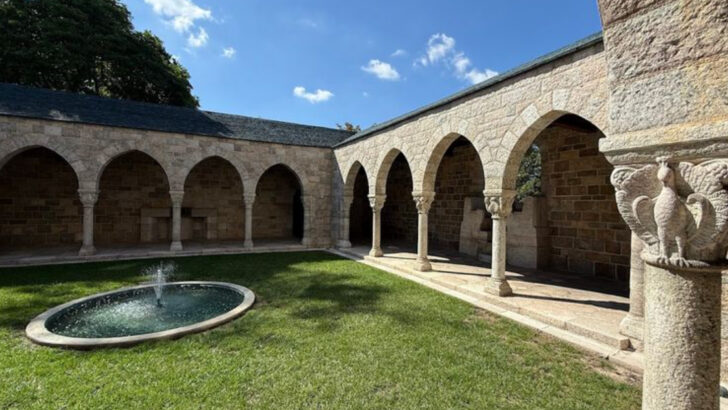
Tucked away in the quiet borough of Bryn Athyn, Pennsylvania, there’s a towering stone castle that most people have never heard of — and it’s hiding one of the most remarkable art collections in the entire country.
The Glencairn Museum stands nine stories tall, built with thick stone walls, arched windows, and hand-carved details that make it look like it was lifted straight from medieval Europe.
Inside, over 8,000 works of art from cultures across the globe fill its rooms, telling stories of faith, history, and human creativity.
Whether you’re a history lover, an art fan, or just someone who enjoys a good surprise, Glencairn is the kind of place that genuinely takes your breath away.
A Castle Hidden in Suburban Pennsylvania
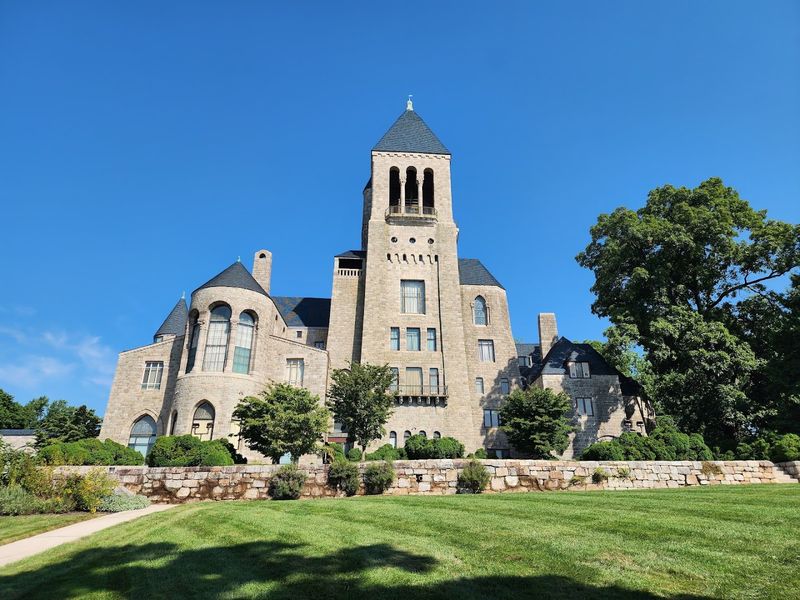
Most people driving through suburban Philadelphia have no idea that a nine-story stone castle is sitting just a few miles away. Glencairn Museum in Bryn Athyn, Pennsylvania, looks like something out of a European fairy tale — complete with round towers, arched entryways, and walls made of rough-cut stone that seem to whisper centuries of history.
What makes this discovery so exciting is the location. Bryn Athyn is a small, peaceful borough about 15 miles north of Philadelphia.
You might pass through without blinking, yet hidden on a hilltop sits this stunning architectural landmark that stops visitors in their tracks the moment they see it.
The museum draws thousands of visitors each year who come specifically to see the building itself, even before stepping inside. The hilltop setting gives it a dramatic presence, especially during golden hour when the stone glows warm amber.
Locals have grown up with this landmark in their backyard, but for first-time visitors, the reaction is almost always the same — pure, wide-eyed amazement. Glencairn is proof that extraordinary places can exist right around the corner from ordinary life.
Built as a Family Home With Grand Vision
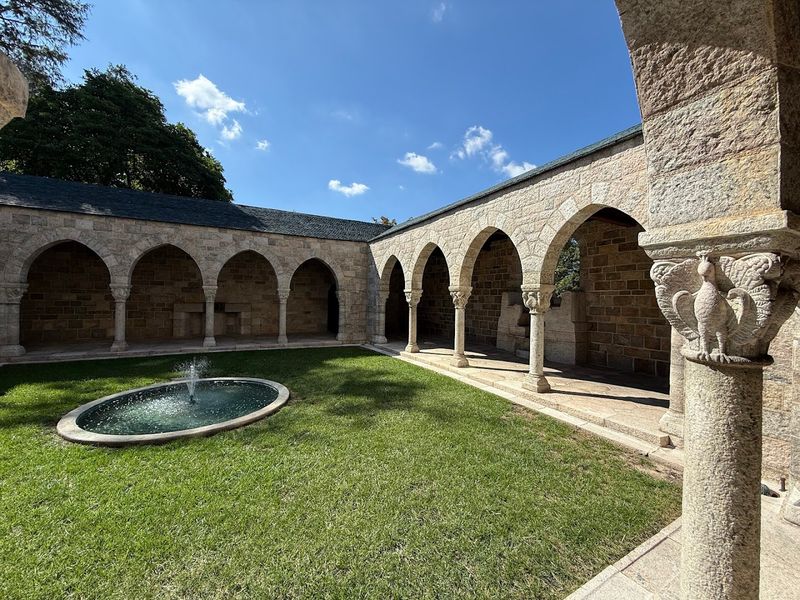
Raymond Pitcairn was not a man who thought small. When the wealthy industrialist decided to build a home for his family in the late 1920s, he didn’t settle for a mansion — he commissioned a castle.
Construction began in 1928 and wasn’t completed until 1939, a full eleven years of meticulous stone-by-stone craftsmanship that reflected Pitcairn’s deep spiritual values and admiration for medieval artistry.
What’s especially fascinating is that Pitcairn didn’t just hire architects and walk away. He was deeply involved in the design process, ensuring that every carved detail, every arch, and every decorative tile carried meaningful symbolism.
The result was a home that felt less like a house and more like a living work of art.
The Pitcairn family actually lived in Glencairn for decades before it became a public museum in 1977. Knowing that real children ran through these grand stone hallways, that family dinners happened beneath soaring medieval ceilings, adds a warm human layer to the experience.
Visiting feels less like touring a cold institution and more like stepping into someone’s extraordinary, carefully loved home — one that just happened to be a castle.
Nine Stories of Romanesque-Inspired Architecture
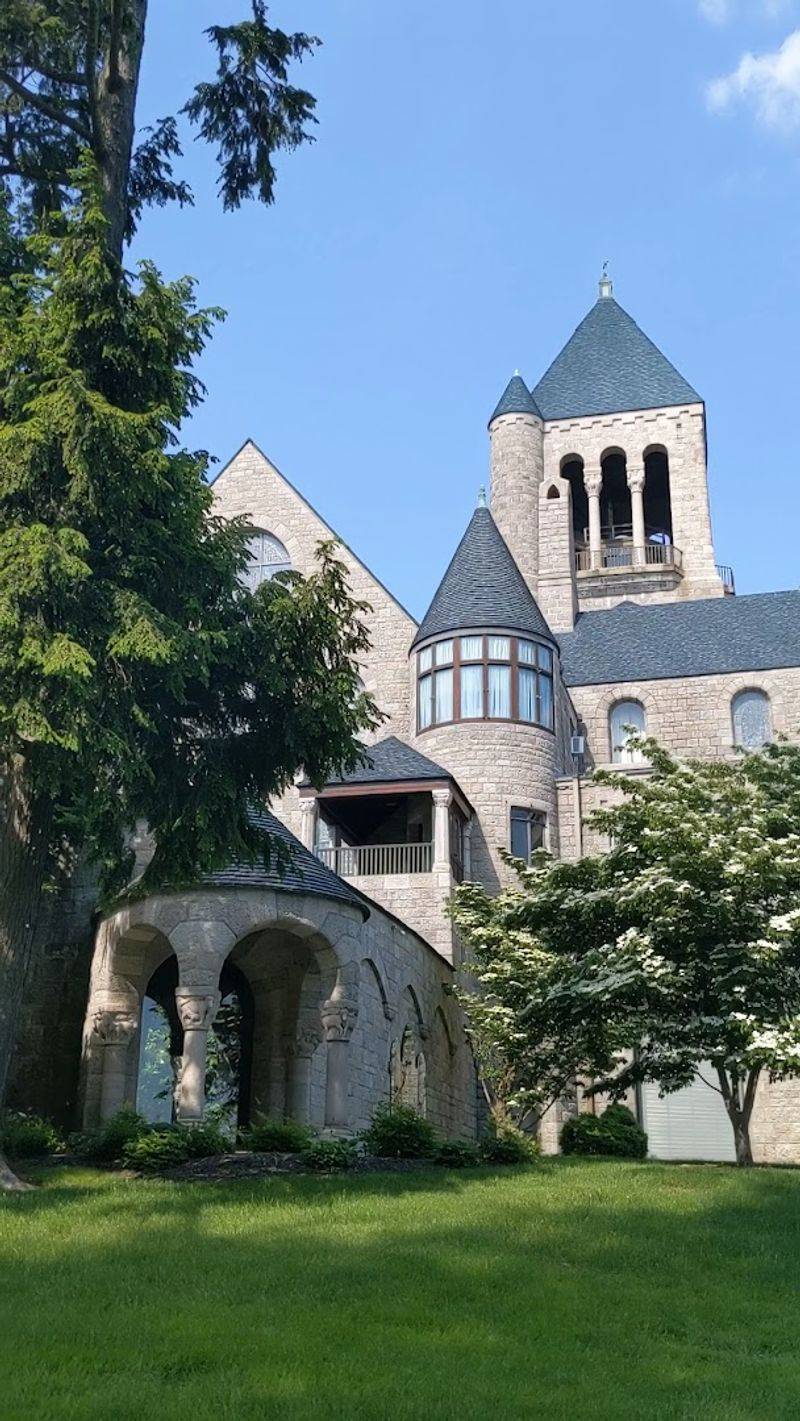
Standing at the base of Glencairn and looking up is a genuinely humbling experience. The building stretches nine stories into the sky, its walls built from locally quarried Wissahickon schist — a sparkling, mica-flecked stone that catches light in a way that makes the castle seem almost alive.
Every surface tells a story through carved reliefs, mosaic inlays, and hand-shaped stonework.
The architectural style draws heavily from Romanesque traditions popular in medieval Europe between the 10th and 12th centuries. Think round arches, thick load-bearing walls, and small decorative windows arranged in rhythmic patterns.
Raymond Pitcairn and his team of craftsmen studied actual medieval buildings in Europe to ensure their work felt authentic rather than merely decorative.
What separates Glencairn from other historic revival buildings in America is the sheer level of handcraft involved. No detail was mass-produced or stamped from a mold.
Artisans carved individual stones, shaped each arch by hand, and laid mosaics tile by tile. Walking through the building, you begin to notice details you missed on your first pass — a carved face here, a symbolic animal there.
Every inch rewards a slow, curious eye.
Home to Over 8,000 Works of Art
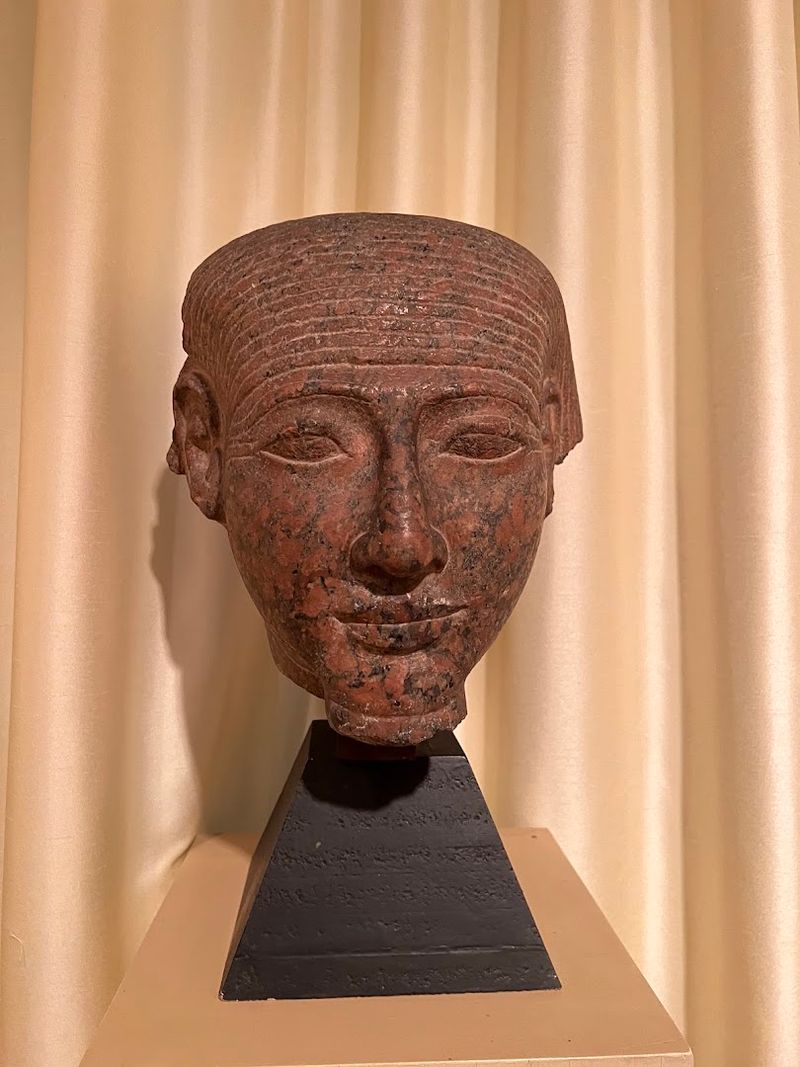
Eight thousand works of art is a staggering number. To put it in perspective, many well-known regional museums hold collections of a few hundred to a couple thousand objects.
Glencairn’s holdings span thousands of years and dozens of cultures, ranging from tiny ancient coins to massive stone sculptures that fill entire rooms.
The collection covers an enormous timeline — artifacts from ancient Egypt dating back over 3,000 years sit in the same building as medieval European reliquaries from the 12th century and Indigenous American ceremonial objects. Each piece was carefully chosen to tell part of a larger story about how humans across history have expressed their deepest beliefs through art.
One of the most impressive aspects of the collection is how well it’s organized and presented. Rather than overwhelming visitors with endless rows of objects, Glencairn arranges its pieces thematically and culturally, giving each artifact breathing room and context.
Educational labels are written clearly enough for younger visitors to understand, yet detailed enough to satisfy serious art historians. Whether you spend two hours here or a full day, you’ll leave feeling like you only scratched the surface of what’s waiting inside.
A Global Collection of Sacred Art
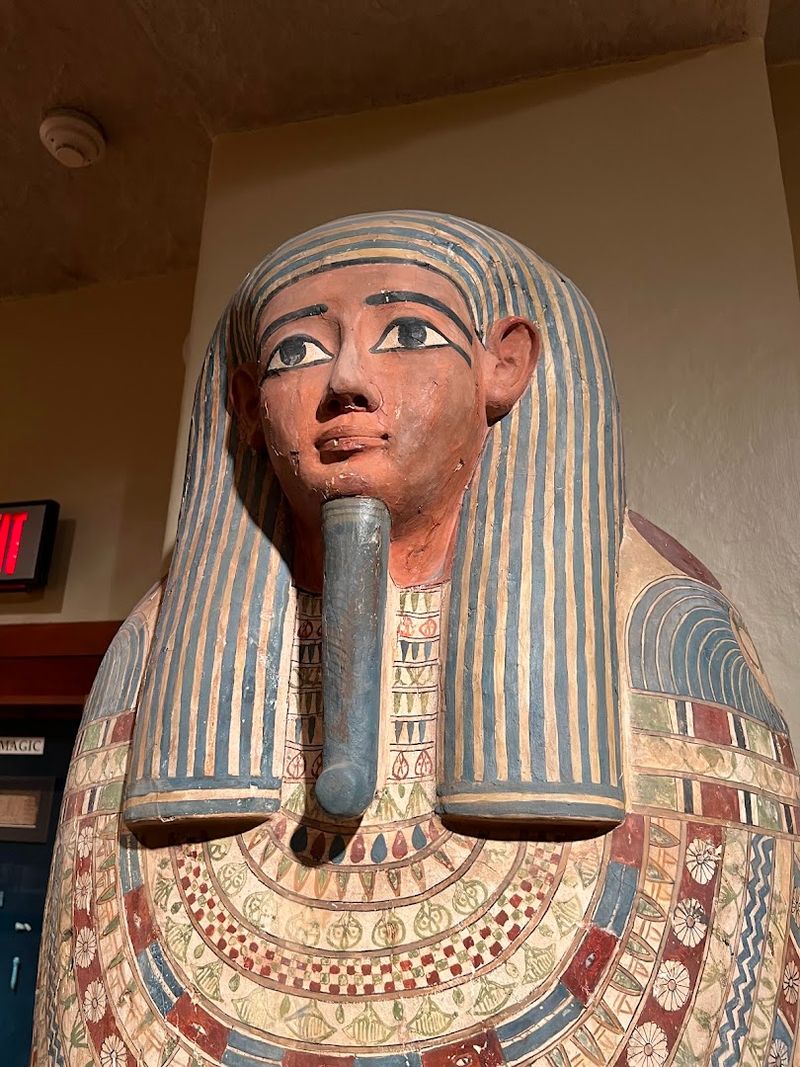
Walk through Glencairn’s galleries and you’ll travel across continents without leaving a single building. The museum’s collection is genuinely global in scope, featuring sacred art and artifacts from ancient Egypt, classical Greece and Rome, medieval Europe, Islamic cultures, East Asia, and Indigenous peoples of the Americas.
It’s rare to find this kind of breadth in one place, especially outside of a major metropolitan museum.
The connecting thread through all of it is religion and spirituality. Every object — whether a carved Egyptian amulet, a Japanese Buddhist figurine, or a Native American ceremonial mask — represents someone’s attempt to connect with something larger than themselves.
Seen together, the collection becomes a kind of visual conversation across time and geography about the universal human need for meaning.
For students especially, this collection is a goldmine. A single afternoon at Glencairn can bring ancient history textbooks to life in ways that no classroom lesson quite manages.
Holding your gaze on a 3,000-year-old Egyptian ushabti figure or a Roman votive offering, knowing real hands crafted these objects for real spiritual purposes, creates a connection to the past that’s hard to replicate anywhere else. Sacred art has a way of speaking across centuries.
Medieval Masterpieces and Stained Glass
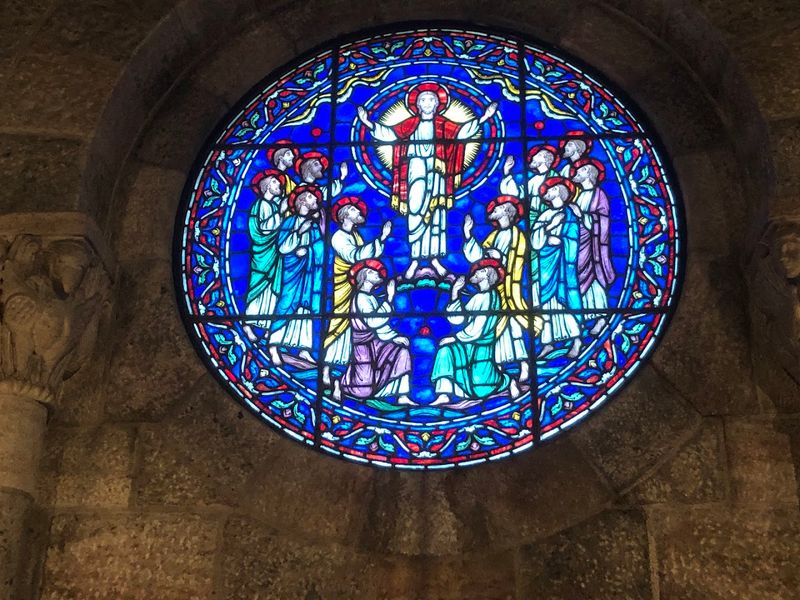
If there’s one collection at Glencairn that draws gasps from nearly every visitor, it’s the medieval stained glass. The museum holds an internationally recognized assemblage of original medieval stained glass panels, some dating back to the 12th and 13th centuries.
Seen up close, the colors — deep sapphire blues, ruby reds, and golden ambers — are almost impossible to believe are this old.
Raymond Pitcairn originally acquired much of this glass to serve as inspiration for the artisans working on the nearby Bryn Athyn Cathedral, which was being constructed around the same time as Glencairn. Studying original medieval techniques allowed craftsmen to recreate authentic methods rather than relying on modern shortcuts.
The result at the Cathedral is stunning — and so is the source material preserved here at Glencairn.
Beyond stained glass, the medieval collection includes carved stone capitals, ivory carvings, enameled reliquaries, and illuminated manuscripts. Each piece represents a period in history when skilled artisans dedicated their entire lives to perfecting a single craft.
Spending time with these objects feels like a quiet act of respect for the thousands of anonymous hands that created them. Medieval art rewards patience — the longer you look, the more you discover.
Rooms That Feel Like Time Capsules
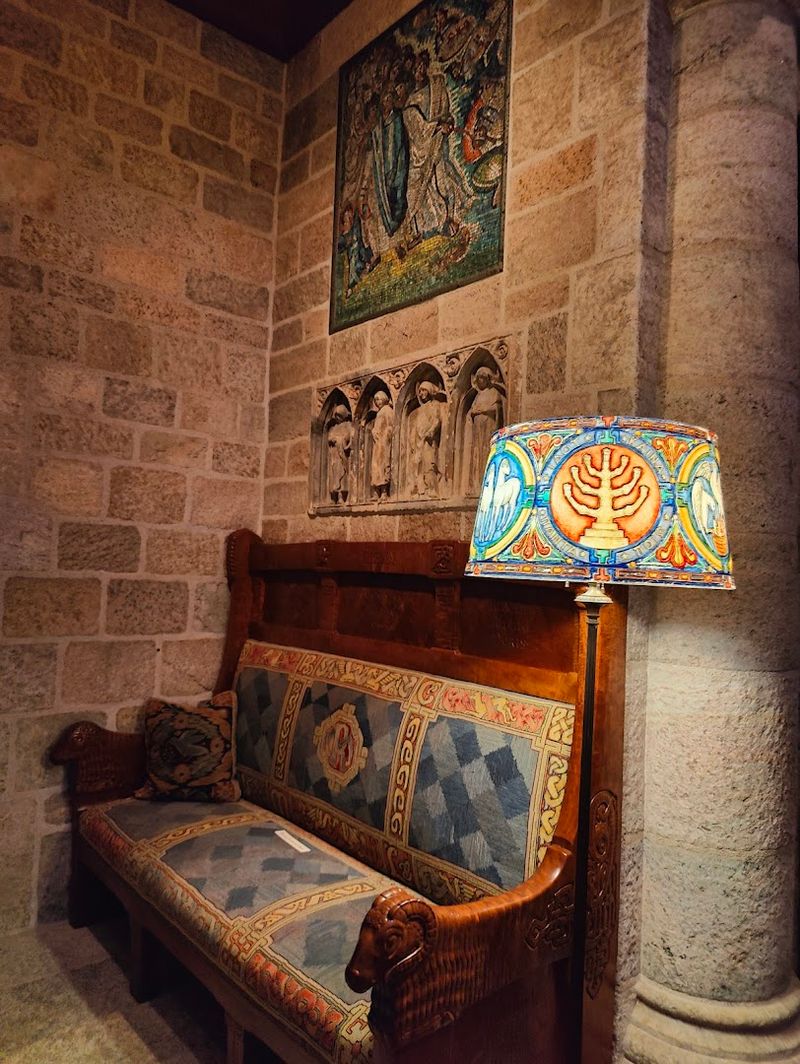
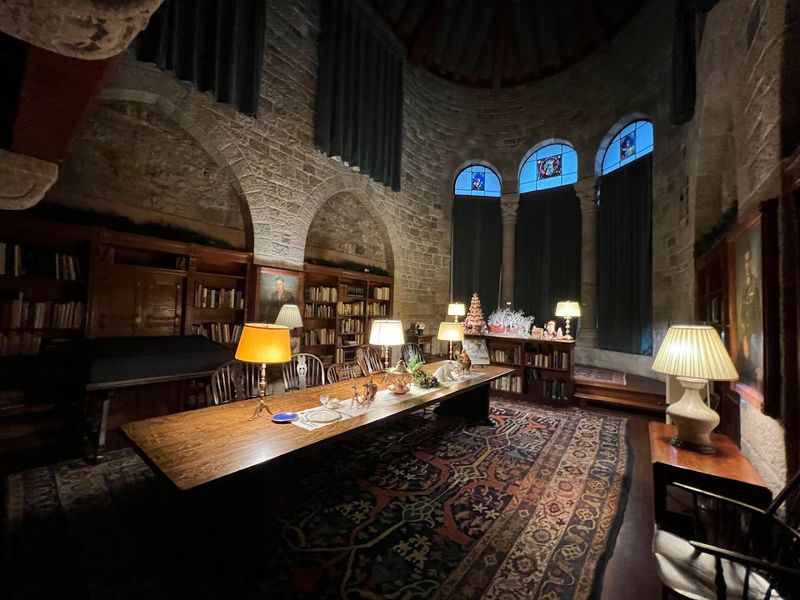
One of the things that makes Glencairn truly different from a standard museum is that many of its galleries used to be actual living spaces. Bedrooms, sitting rooms, a private chapel, and grand reception halls have been preserved in ways that blur the line between historic home and art museum.
Walking through these spaces, you feel like a guest rather than a visitor on a scheduled tour.
The former chapel inside Glencairn is particularly striking. Decorated with mosaics, carved stonework, and original medieval artifacts, it carries a quiet reverence that’s hard to describe.
Even visitors who aren’t religious tend to slow down here and speak in softer voices. The space just commands that kind of attention.
Throughout the building, period furniture, textiles, and decorative objects remain in their original positions, giving each room a lived-in quality that sterile museum galleries often lack. You can almost picture Raymond Pitcairn’s children darting past carved stone doorways or the family gathering in the great hall for a celebration.
That human warmth embedded in the architecture makes Glencairn feel less like a place where art is stored and more like a place where life and art once genuinely coexisted.
A Deep Connection to the New Church
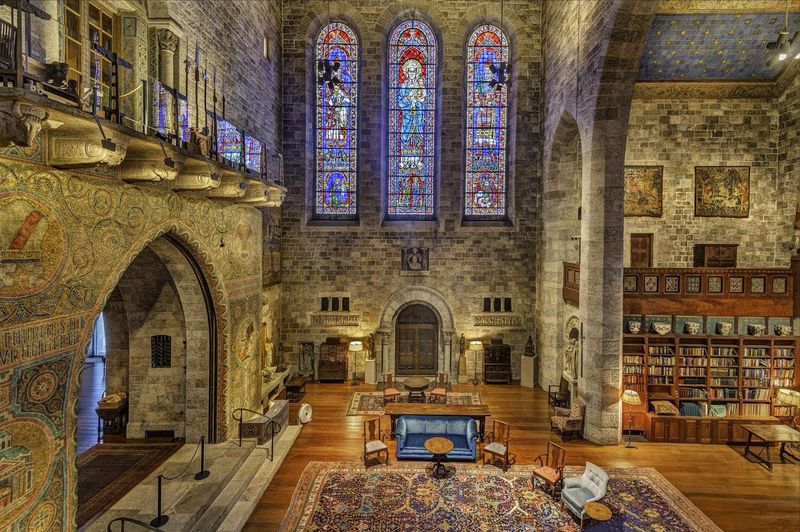
To truly understand Glencairn, it helps to know a little about the community that created it. The Pitcairn family were devoted members of the Swedenborgian faith, also known as the New Church — a Christian denomination based on the theological writings of 18th-century Swedish philosopher Emanuel Swedenborg.
His ideas about the spiritual meaning embedded in the natural world deeply influenced how Glencairn was designed.
Swedenborg believed that physical things — objects, numbers, animals, colors — all carry hidden spiritual meanings. This philosophy is woven into every corner of Glencairn’s architecture and art collection.
The number of arches in a hallway, the animals carved above a doorway, the colors chosen for a mosaic floor — none of it is accidental. Everything is intentional, layered with symbolic meaning for those who know how to read it.
The New Church community still thrives in Bryn Athyn today, surrounding Glencairn with a living context that few museums can claim. The nearby Bryn Athyn Cathedral, built in the same spirit and era as Glencairn, is also open to visitors.
Together, the two buildings form one of the most unusual and spiritually rich historic districts in all of Pennsylvania — a place where faith, art, and architecture genuinely speak the same language.
More Than a Museum — An Immersive Experience
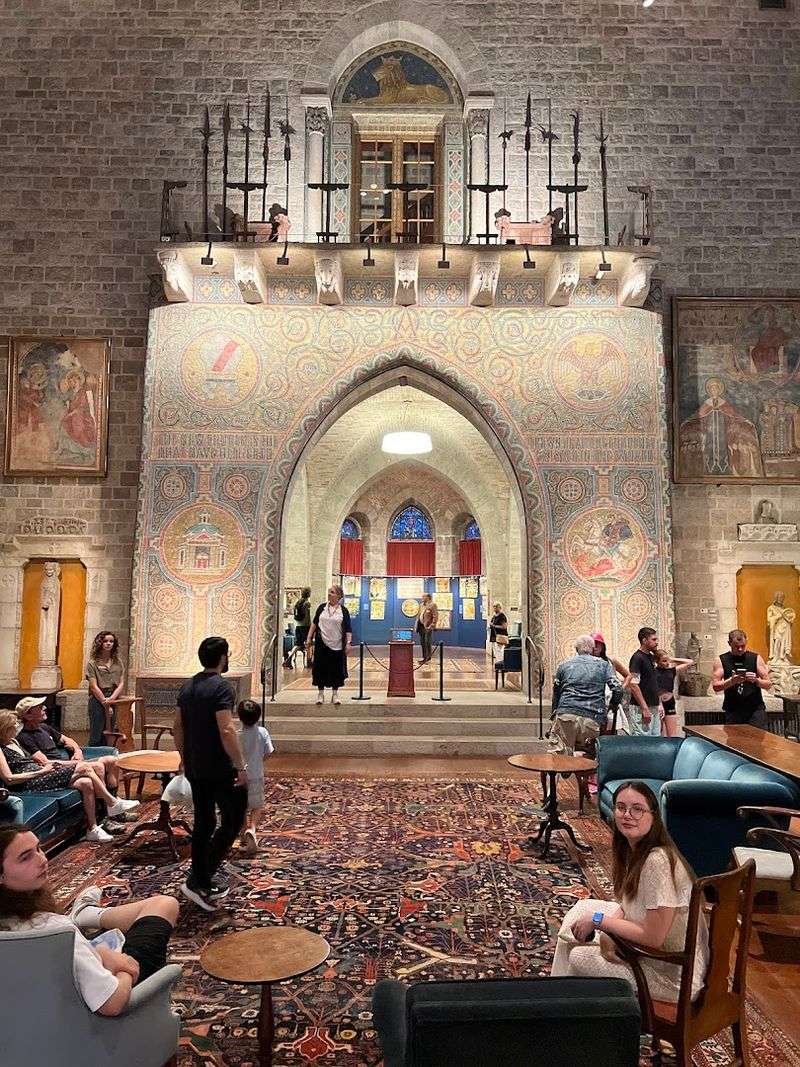
Showing up at Glencairn without a plan is fine — but showing up with one is so much better. The museum offers guided tours led by knowledgeable staff who bring the building’s history and art collection to vivid life.
A good guide can transform a beautiful but puzzling room into a story you’ll be retelling for years.
Throughout the year, Glencairn hosts themed exhibitions that rotate and expand on specific aspects of its collection. Past exhibitions have explored topics like ancient Egyptian burial practices, the symbolism of light in religious art, and the history of medieval manuscript illumination.
These focused shows give repeat visitors a reason to come back and discover something new each time.
Educational programs for school groups are another standout feature. Teachers regularly bring students here for hands-on learning experiences that connect classroom subjects — history, art, world religions — to real objects and real spaces.
There’s something powerful about a student touching the edge of a display case and realizing the object inside is older than their entire country. That kind of learning sticks.
Glencairn isn’t just a place to look at things — it’s a place designed to make you think, wonder, and ask better questions about the world.
Visitor Info and Tips for Planning Your Trip
Planning a visit to Glencairn is straightforward, but a few tips can make your experience noticeably better. The museum is located at 1001 Cathedral Road, Bryn Athyn, PA 19009, on the campus of Bryn Athyn College.
You can reach the visitor services team at +1 267-502-2600 to ask about current hours, upcoming tours, and special events before you make the drive.
Glencairn is typically open for guided tours during the week, with self-guided visits available on weekends. Timed entry options help keep the experience from feeling crowded, so booking ahead online is strongly recommended, especially on weekends and during special exhibitions.
Arriving without a reservation during busy periods can mean a long wait or a missed visit.
Wear comfortable, sturdy shoes — you’ll be climbing stairs and walking across uneven stone floors across multiple levels. The building’s nine stories mean there’s a lot of vertical ground to cover, and elevators aren’t always available for every section.
Bring a camera, because nearly every corner of Glencairn offers a remarkable photo opportunity. Allow at least two to three hours for a thorough visit.
And if you have time, walk over to the nearby Bryn Athyn Cathedral before you leave — it’s a stunning companion piece to everything you’ll experience inside Glencairn.