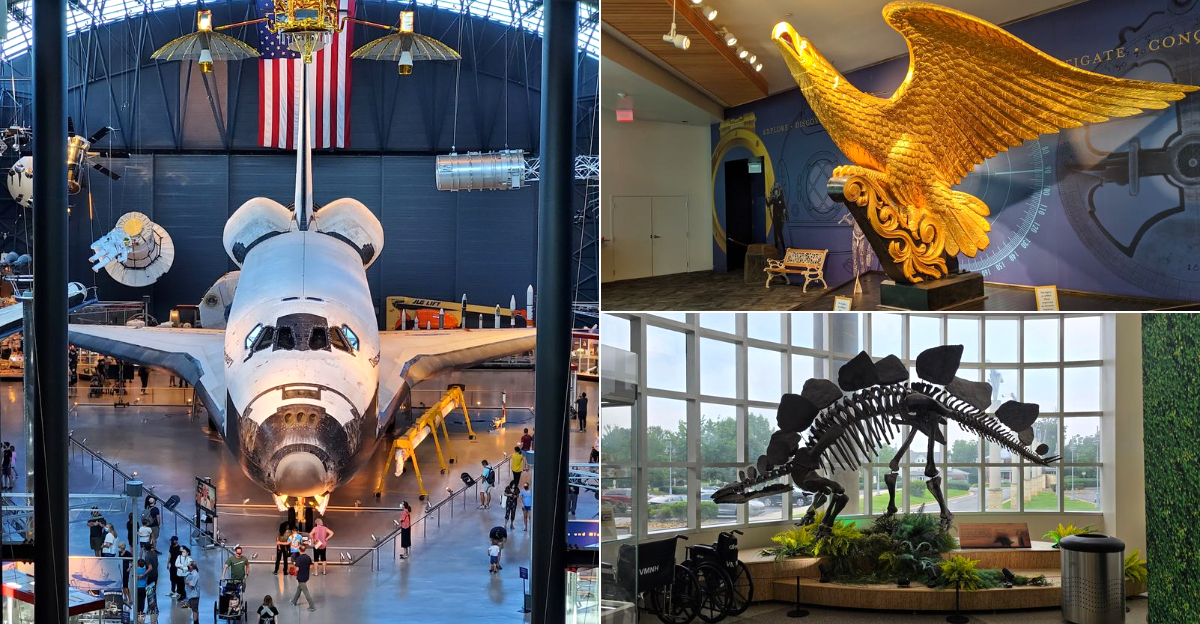
Virginia is one of the most museum-rich states in the country, and even seasoned travelers are often surprised by the scale and quality of what’s here.
From world-class art collections and aerospace wonders to deeply moving Civil War history and living ecosystems, these institutions go far beyond what you might expect from a day out.
The best ones aren’t just places to look, they’re places to learn, to feel, and to see the world from a completely different angle.
Virginia’s geography means you can mix coastal city museums with inland cultural landmarks all in the same weekend.
Whether you’re a history buff, an art lover, or just someone who wants to spend a few hours somewhere genuinely interesting, this list has you covered.
1. Virginia Museum of Fine Arts, Richmond, Richmond City
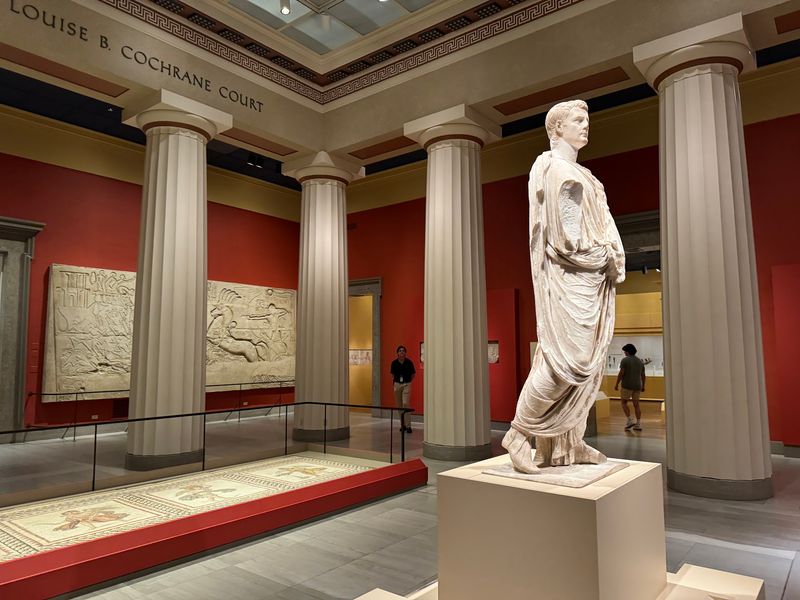
Our museum day started with a happy surprise, because the building felt welcoming, roomy, and easy to enjoy for everyone.
Soon we learned the Virginia Museum of Fine Arts in Richmond offers galleries, quiet corners, and variety that holds attention.
Ancient statues, sparkling jewelry, and modern paintings sit under a roof, so every person in a group can find treasures.
The collection spans centuries, making it useful for kids studying history and fun for adults who like beautiful things too.
We appreciated the clear signs and open layout, since nobody had to guess where to go next after each gallery.
Free general admission also helped our budget, leaving more room for snacks, parking, and a longer visit without any pressure.
Families should save extra time for the sculpture garden outside, where fresh air gives everyone a break between indoor exhibits.
If your feet get tired, benches appear often, and the cafe makes a lunch stop before heading back inside again.
Photography lovers can catch lovely details here, from patterned fabrics to grand staircases, so bring a charged phone or camera.
By the end, this Richmond favorite felt less like a backup plan and more like the highlight we talked about.
2. National Museum of the Marine Corps, Triangle, Prince William County
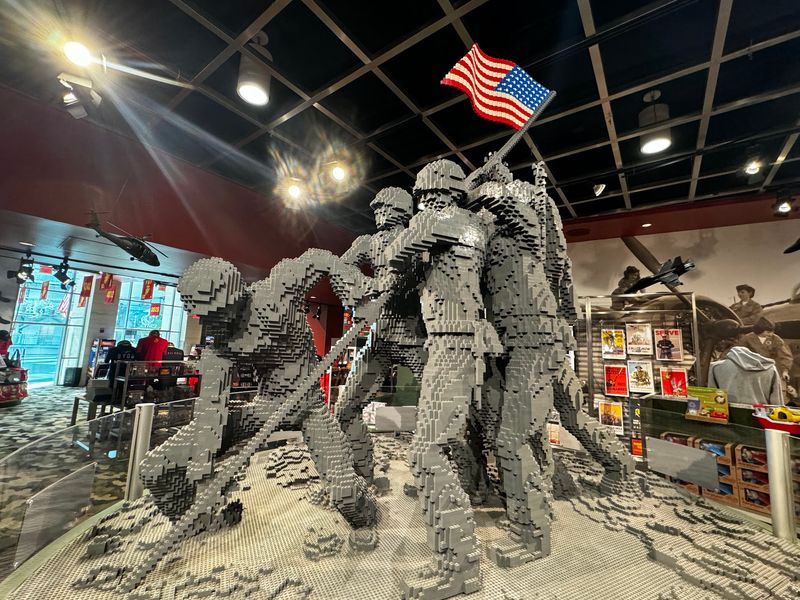
At first glance, the dramatic building hints that something big waits inside, and the energy rises before you reach doors.
Later we discovered the National Museum of the Marine Corps in Triangle tells military stories with visuals and clear timelines.
Real aircraft, vehicles, uniforms, and personal items help visitors picture hard moments in history instead of only reading wall text.
The exhibits move through different wars, so kids can follow the sequence without feeling lost while adults catch deeper details.
One room may feel solemn while another feels thrilling, and that changing mood keeps the visit from becoming flat tiring.
Helpful signs explain events in plain language, which makes the museum a smart stop for families traveling with middle schoolers.
Because the space is large, comfortable shoes matter, and short breaks between galleries can help younger visitors stay interested longer.
The central atrium is especially memorable, giving the whole place a bold sense of purpose that stays with you afterward.
Plan extra time for the gift shop and nearby grounds, since both add a little breathing room after heavier exhibits.
What surprised us most was how moving the experience felt, turning a planned stop into the part we remembered best.
3. Smithsonian National Air and Space Museum Udvar-Hazy Center, Chantilly, Fairfax County
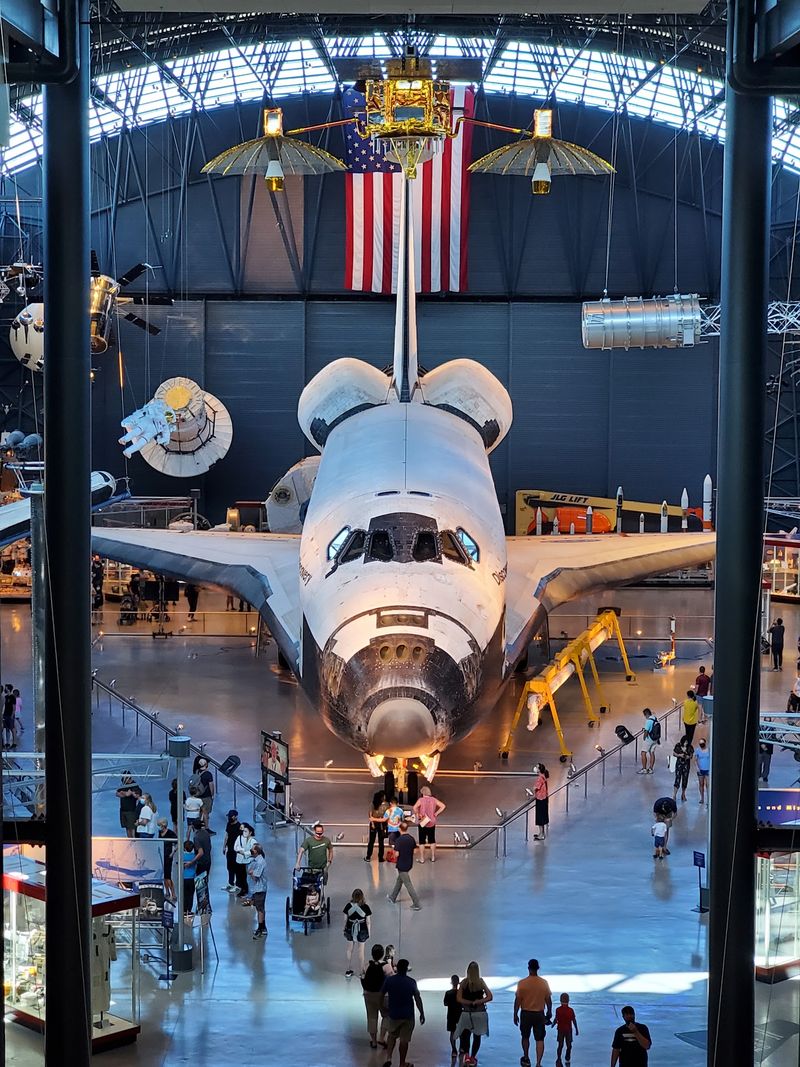
Huge spaces and shiny aircraft made this stop feel like stepping into a hangar built for curious minds and cameras.
Only after entering did we realize the Smithsonian National Air and Space Museum Udvar-Hazy Center in Chantilly is truly enormous.
Historic planes hang overhead while spacecraft, engines, and detailed displays spread across the floor, giving every direction something exciting new.
Seeing the Space Shuttle Discovery up close creates the kind of jaw dropped silence that pictures rarely capture at home.
Families who like science will find plenty to discuss, because the exhibits connect invention, risk, and teamwork in simple ways.
Observation areas let visitors watch planes take off nearby, adding a real world bonus that makes the museum feel bigger.
Because there is so much to see, picking a few visit highlights first can save energy and keep kids focused.
The layout is open and easy to follow, which helps large groups stay together without constant backtracking or confusion inside.
A snack break in the cafe works well here, especially if younger travelers need a reset before the second half.
Long after we left, this Chantilly giant stayed in our minds as a place where history and imagination met beautifully.
4. Virginia Museum of Natural History, Martinsville, Martinsville City
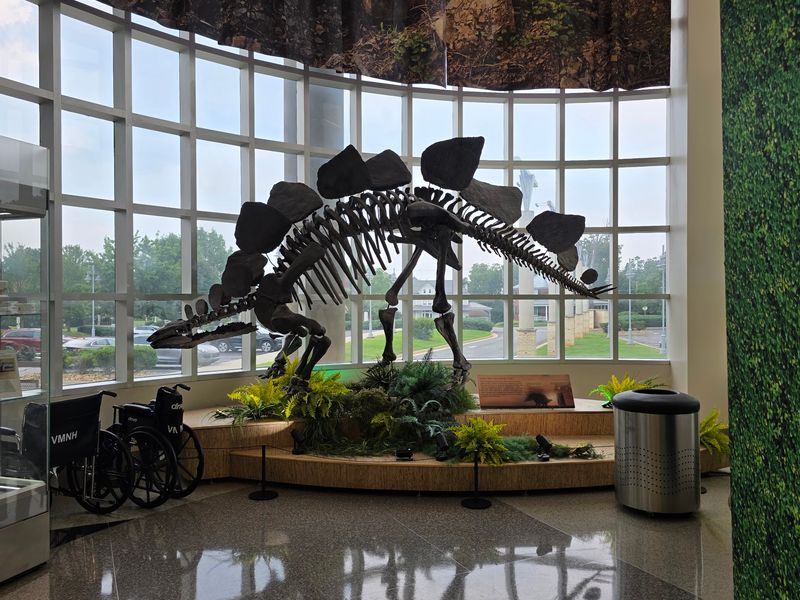
Rainy weather pushed us indoors, and that turned out lucky because this museum packed a surprising amount into one visit.
Before long, the Virginia Museum of Natural History in Martinsville showed off fossils, wildlife, and science displays that felt approachable.
Kids who love dinosaurs or rocks will stay engaged, but adults get plenty to read about Virginia landscapes and creatures.
One favorite area explains old life on Earth with models and bones that make distant time periods easier to picture.
Interactive sections break up the reading, which is helpful when younger visitors need movement instead of another block of labels.
The museum is not overwhelming, so it works well for families wanting a experience without spending an entire day indoors.
Friendly staff often answer questions in ways children understand, turning small moments of curiosity into real learning during the trip.
Parking and access are usually straightforward, which takes away stress and leaves more energy for exploring exhibits with patience inside.
If you travel with a curious child, this is the kind of place that sparks sketches, questions, and reading later.
By afternoon, Martinsville had given us a smart, manageable museum stop that blended fun facts with real regional pride nicely.
5. Chrysler Museum of Art, Norfolk, Norfolk City
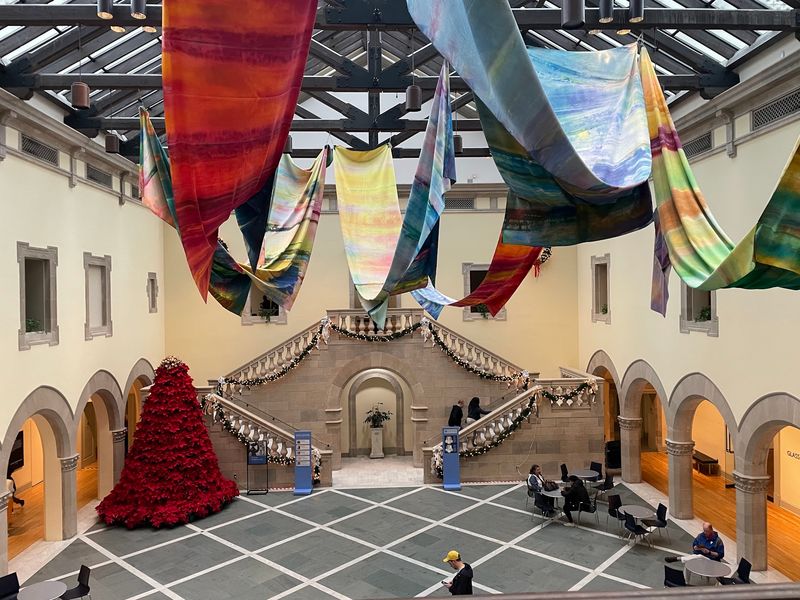
Some museums impress quietly, and this one won us over with graceful rooms, color, and a pace that felt easy.
As we wandered, the Chrysler Museum of Art in Norfolk kept revealing paintings, glass, and sculptures that never felt repetitive.
The glass collection stands out most, with delicate pieces and bold designs that can make even non art fans stop.
Natural light and thoughtful display choices help the galleries feel calm, which is great when travel days have been loud.
Because admission is free, visitors can explore without worrying about rushing to get full value from every single room inside.
Families should look for special programs or demonstrations, since they add hands on fun and make the museum feel livelier.
Downtown Norfolk gives the visit extra appeal, letting you pair art with a meal or waterfront walk after leaving nearby.
Benches and open spaces make it easier for mixed age groups to slow down, talk, and choose favorite pieces together.
A short visit works well, but giving yourself extra time leads to better surprises tucked into side galleries here too.
When we looked back on Norfolk, this museum felt polished, friendly, and big enough to anchor an entire day comfortably.
6. Virginia Living Museum, Newport News, Newport News City
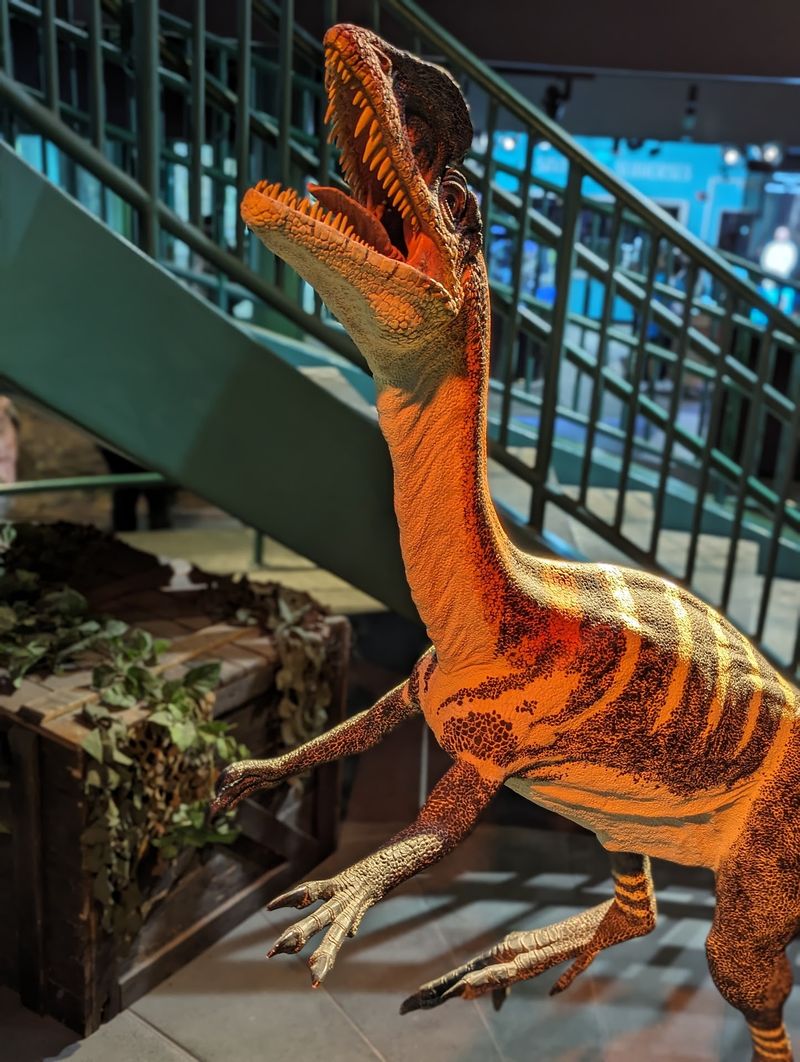
The sound of excited kids and the sight of local animals made this stop feel more like discovery than sightseeing.
Soon we saw why the Virginia Living Museum in Newport News is such a favorite for families exploring coastal Virginia.
Part zoo, part science center, and part aquarium, it keeps moving in a way that helps restless visitors stay engaged.
Indoor exhibits explain habitats and weather, while outdoor paths bring you close to animals that live in the region today.
That local focus makes the museum useful for children learning about nature, because the examples connect directly to places nearby.
Tanks filled with fish and other water life can hold attention for a long time, especially on hot afternoons there.
Because the museum mixes live animals with hands on displays, it works for readers, explorers, and active learners alike well.
Wear comfortable shoes and leave room in your schedule, since younger travelers often want to repeat their favorite sections again.
A break outside between buildings helps everyone reset, and the gift shop has simple nature themed items worth browsing afterward.
Newport News gave us plenty to do, yet this museum became the cheerful stop that balanced learning, movement, and fun.
7. American Civil War Museum, Richmond, Richmond City
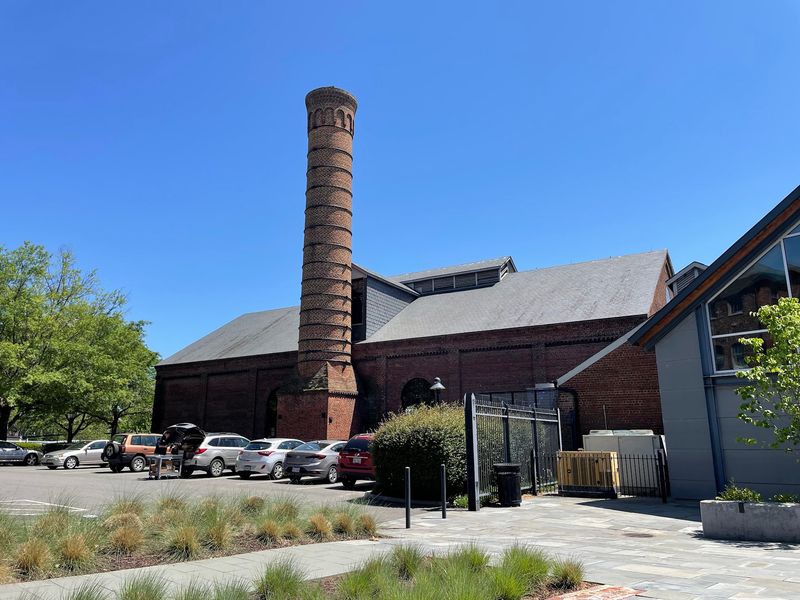
History felt personal here, not distant, because the exhibits connected big events to ordinary people facing painful choices every day.
Later we recognized the American Civil War Museum in Richmond as one of the most thoughtful places on our route.
Instead of overwhelming visitors with dates alone, the galleries explain causes, battles, and consequences in ways that feel clear today.
Different viewpoints appear throughout the museum, which helps families discuss hard topics honestly without pretending the past was simple ever.
Artifacts, photographs, and stories from individuals make each room feel grounded, so the visit stays human instead of abstract history.
Richmond is a meaningful setting for this subject, and that sense of place adds extra weight to what you see.
Parents with older kids may find the museum especially useful, since it supports deeper conversations after school lessons or books.
Take your time reading the panels, because the careful wording matters and often explains why events still shape life today.
The museum is not the easiest stop emotionally, but it rewards patient visitors with understanding that lasts far beyond checkout.
Among Richmond attractions, this one stood apart for its honesty, depth, and the serious conversations it sparked in us afterward.
8. National Museum of the Civil War Soldier, Petersburg, Petersburg City
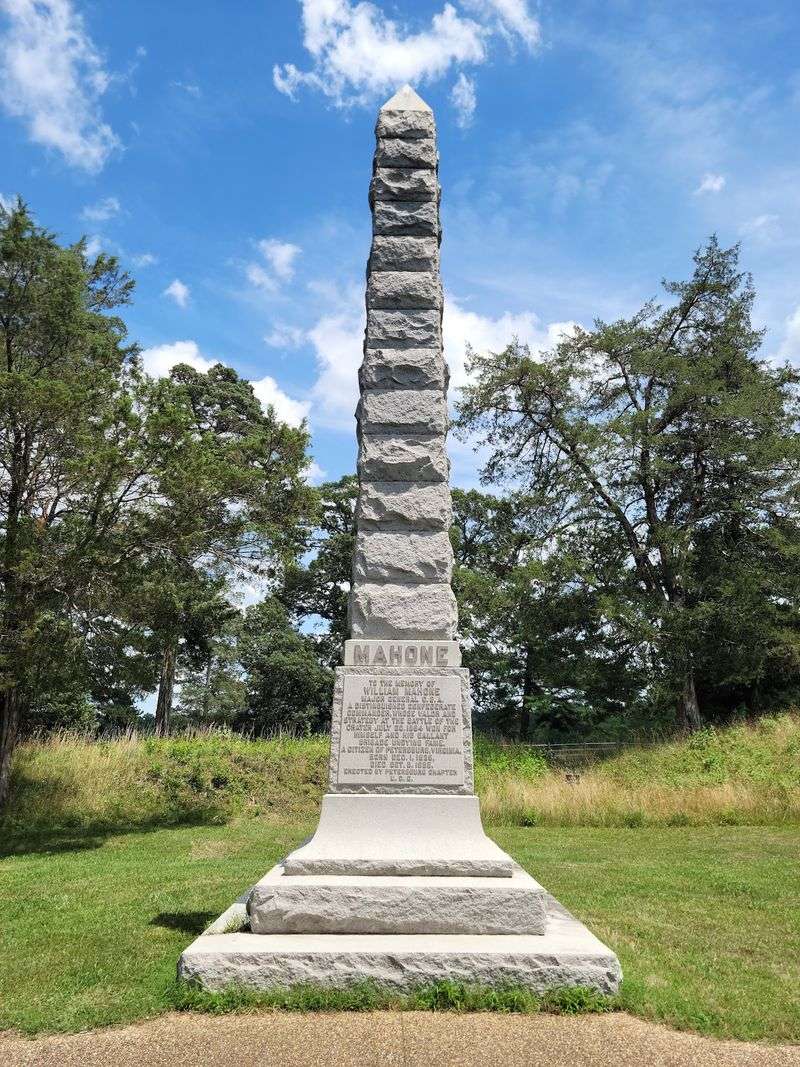
A quieter building can still carry enormous power, and that became clear as soon as we started exploring this museum.
Soon the National Museum of the Civil War Soldier in Petersburg focused our attention on daily life, fear, and endurance.
Rather than centering only generals or maps, the exhibits show what common soldiers wore, carried, ate, and wrote home often.
That everyday angle makes the history easier for young visitors to grasp, because real objects tell stories faster than lectures.
Letters, equipment, and camp details turn the past into something more immediate, helping families imagine long marches and harder nights.
Petersburg adds strong context, since the surrounding area holds major battle history that can deepen the museum experience for visitors.
Because the displays are focused, the museum works well when you want substance without the exhaustion of a massive complex.
Reading a few personal accounts out loud can help kids connect, especially if they have already studied the war before.
The tone stays respectful and steady, which gives visitors room to think instead of feeling rushed from one scene ahead.
By the time we left Petersburg, the museum had turned nameless history into real people we could not forget easily.
9. Virginia Holocaust Museum, Richmond, Richmond City

Few places become unforgettable so quickly, yet this museum held our full attention with quiet rooms and powerful stories inside.
Before long, the Virginia Holocaust Museum in Richmond showed how careful storytelling can teach history with dignity and clarity well.
Personal accounts, photographs, and artifacts bring overwhelming events down to a human scale that visitors can actually understand more deeply.
The museum handles painful material with care, making it a meaningful stop for older children and thoughtful teens today too.
One especially moving feature is the focus on individual lives, which keeps the visit centered on people, not numbers alone.
Its Richmond location also matters, since the museum connects world history to local efforts of remembrance and education today there.
Families should prepare younger visitors beforehand, because some exhibits are emotionally heavy and deserve calm time for questions afterward too.
The layout guides guests clearly, allowing space to pause, reflect, and move forward without confusion or crowding inside the museum.
A visit here may be difficult, but it can shape how children understand courage, prejudice, and moral responsibility later on.
Looking back, this was the Richmond museum that changed our pace, asking us to slow down and truly listen carefully.
10. The Mariners Museum and Park, Newport News, Newport News City
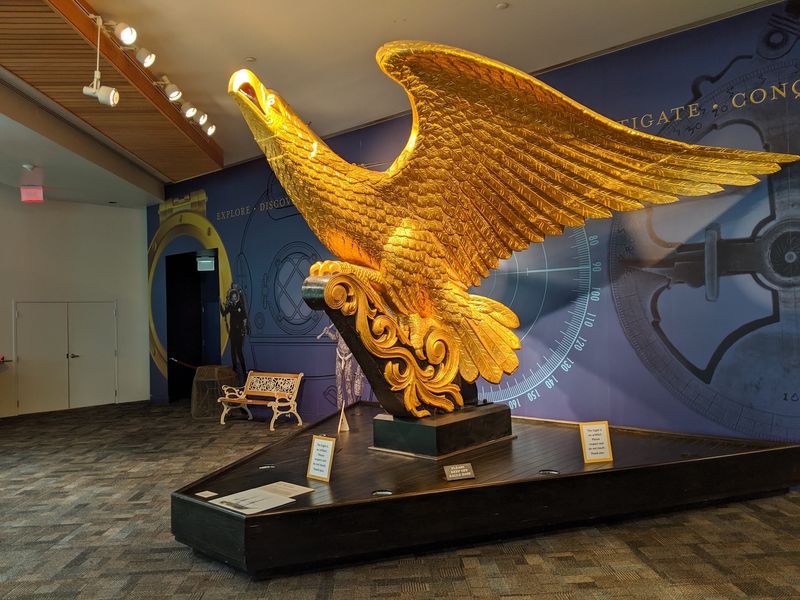
Water has a way of making stories feel bigger, and that feeling followed us through this wide ranging museum today.
Soon we were deep inside The Mariners Museum and Park in Newport News, surrounded by ships, models, and seafaring history.
The scale of the exhibits helps visitors understand how trade, travel, war, and exploration all depended on the water routes.
Beautiful ship models reward close looking, while larger displays give kids the big picture without a textbook feeling here either.
A major draw is the USS Monitor story, which adds drama, invention, and recovery work to the museum experience nicely.
Outdoor paths in the park create a pleasant break, especially after galleries packed with details, maps, and maritime artifacts inside.
Because the site blends museum halls with open space, it suits travelers who need both learning and room to move.
Parents can turn the visit into a scavenger hunt by asking children to spot anchors, flags, figureheads, or tools outside.
The setting near the water gives the day extra atmosphere, making the whole experience feel tied to real places nearby.
When our trip ended, Newport News stood out partly because this museum delivered history, scenery, and breathing room together beautifully.