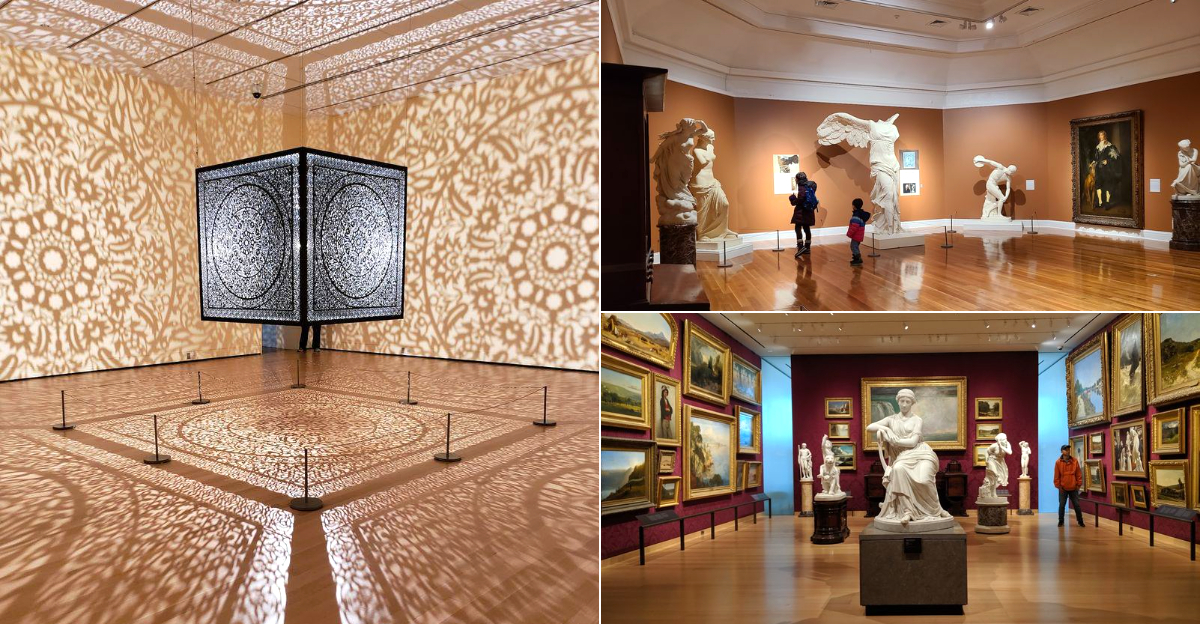
Massachusetts is home to some of the most celebrated cultural institutions in the country, and visiting them is nothing short of awe-inspiring.
From world-class fine art to cutting-edge science and everything in between, the state’s museums offer experiences that genuinely surprise and delight.
Whether you’re wandering through galleries filled with ancient artifacts or marveling at natural history exhibits that span millions of years, there’s always something new to discover.
The best part is that these institutions aren’t just for academics or art lovers, they’re designed to spark curiosity in visitors of every age and background.
These eleven museums in Massachusetts are the kind of places that leave you wanting to come back, and each return visit feels just as rewarding as the first.
1. Springfield Museums, Springfield, Hampden County
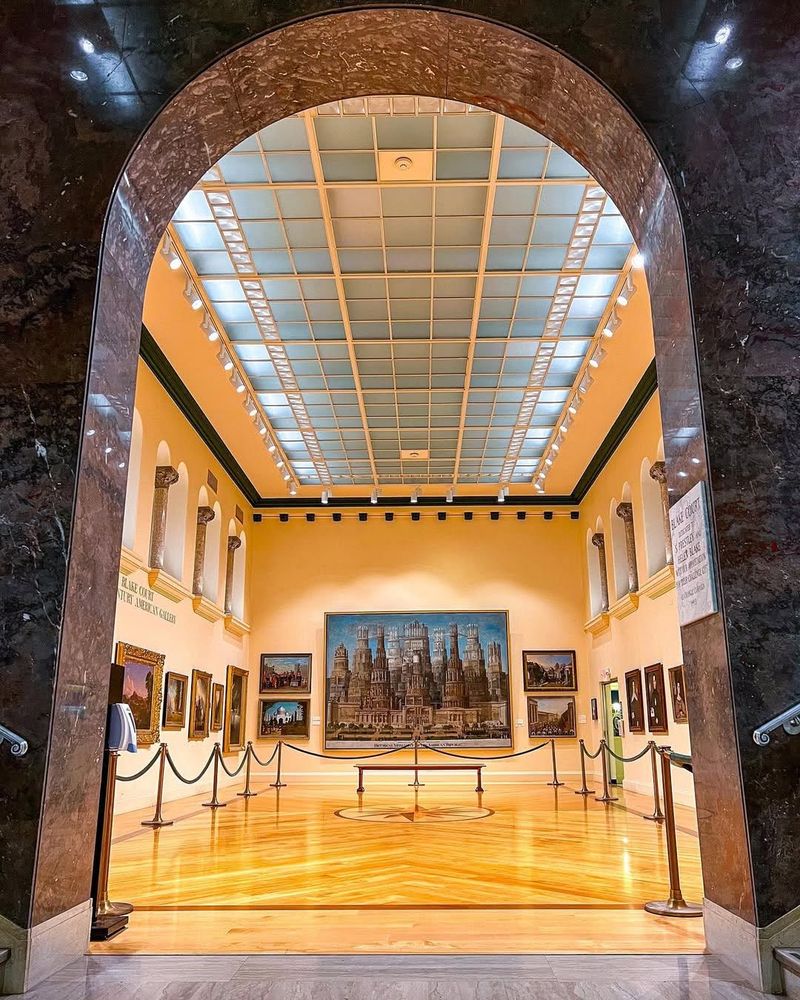
Few places make a family day easier than a campus where art, science, and history sit close together for wandering.
Springfield Museums in Springfield, Hampden County, offer several museums in one stop, which helps different ages stay engaged all day.
A child can chase dinosaurs and Dr. Seuss, while another visitor studies paintings or local history in the same trip.
Recent improvements in programming and exhibit variety have made the whole group feel even more useful for repeat visits now.
Because the museums are clustered together, parents can adjust the day quickly if attention spans shift or weather changes suddenly.
That flexibility matters, and it is one reason these museums often feel more welcoming than larger single-building attractions for families.
Plan ahead for special exhibitions, planetarium times, and seasonal events, since extras can shape the best order for visiting everyone.
The campus setup also creates breathing room, so a busy day still feels manageable instead of packed and tiring afterward.
Local pride runs through the experience, especially in places tied to Springfield stories, creators, and long community traditions for visitors.
Altogether, this cultural cluster keeps getting better by making learning easier, lighter, and more fun for mixed groups of visitors.
2. Harvard Natural History Museum, Cambridge, Middlesex County
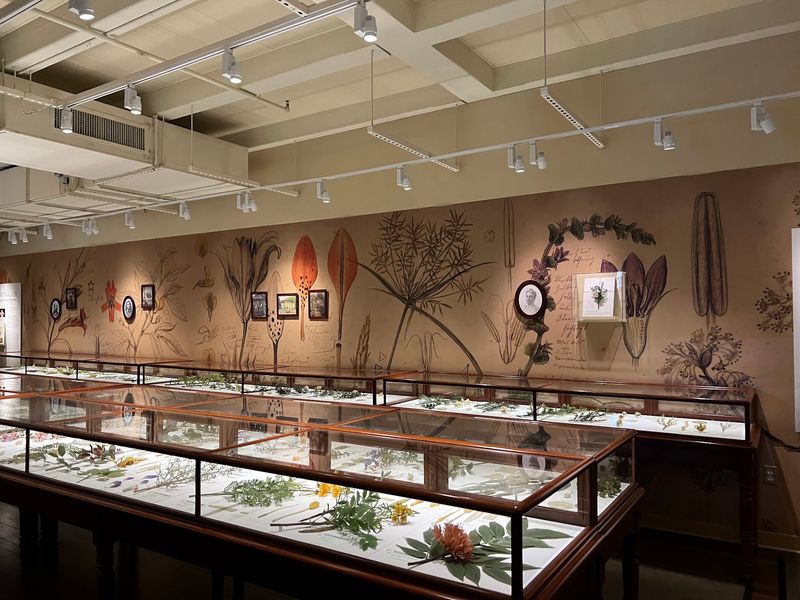
Some places make science feel like a treasure hunt, with surprises behind glass and stories hidden in bones, rocks, leaves.
Inside Harvard Natural History Museum in Cambridge, Middlesex County, giant fossils, animal displays, and famous glass flowers pull visitors forward.
The museum has grown more visitor-friendly over time, with clearer labels and stronger programs that help children connect ideas quickly.
A short visit works well here, yet curious families may stay longer because each room opens another path into nature.
One minute you are staring at shimmering minerals, and next you are face to face with creatures from far oceans.
The famous Ware Collection of Glass Flowers often steals the show, partly because people cannot believe plants can look delicate.
Try pairing the museum with nearby Harvard spaces, but leave enough time here since quiet details reward patient watching greatly.
Younger kids often like the animals first, while students may enjoy comparing specimens and thinking about climate, evolution, and habitats.
Helpful docents and manageable room sizes make the experience less tiring than larger museums, especially for first visits with kids.
For anyone who likes wonder mixed with learning, this Cambridge favorite keeps improving in ways that feel smart and welcoming.
3. MIT Museum, Cambridge, Middlesex County
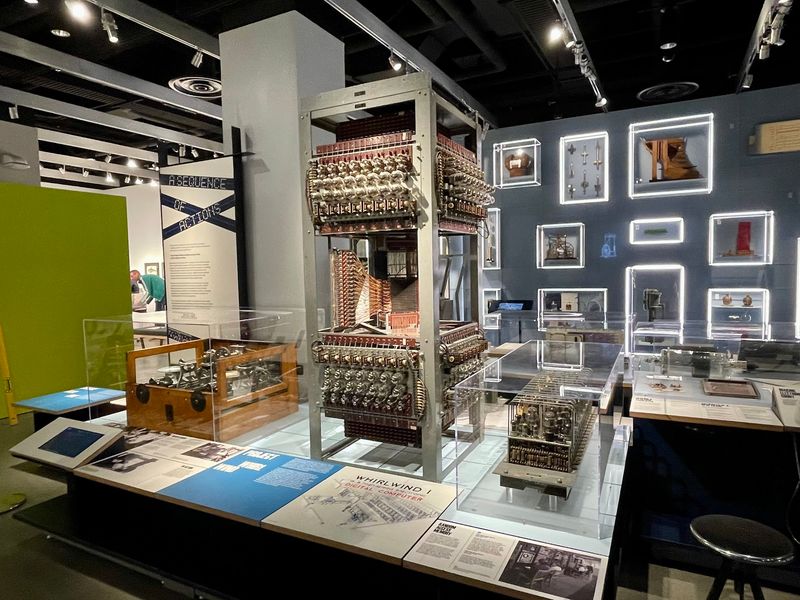
Technology can seem cold on paper, yet hands-on exhibits often turn big ideas into playful moments that stick in memory.
At the MIT Museum in Cambridge, Middlesex County, robotics, design, and inventions show how curiosity shapes daily life for everyone.
Recent changes have made the museum brighter and easier to explore, with displays that invite touching, testing, and asking questions.
Instead of only reading signs, visitors can try interactive stations that explain coding, engineering, and problem-solving in simple ways today.
Kids usually connect fast with moving parts and visual tricks, while adults notice how research ideas become real tools later.
The museum also reflects Cambridge itself, where creative thinking and practical experiments shape neighborhoods, schools, and local conversations every day.
Plan extra time for demonstrations or temporary exhibits, because special events often reveal another side of science and art here.
A compact layout helps first-time guests avoid burnout, which matters when younger visitors want to keep moving and exploring happily.
Photos, prototypes, and odd inventions create a lively mood that feels more like discovery than homework or formal study today.
That balance of fun and brainpower is why this museum keeps getting better for families, students, and curious travelers alike.
4. Museum of Fine Arts Boston, Boston, Suffolk County
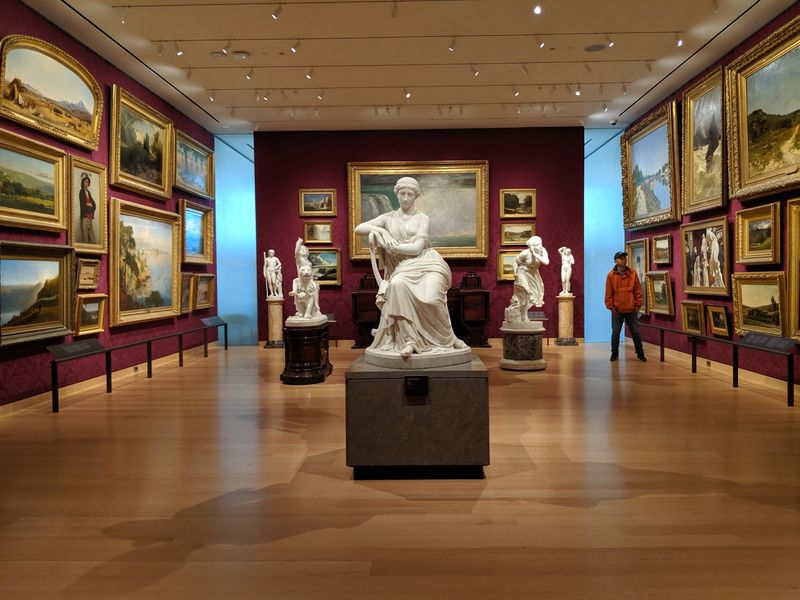
Big city museums can feel overwhelming, but this one rewards slow steps, bright curiosity, and an afternoon of open-minded looking.
At the Museum of Fine Arts Boston in Boston, Suffolk County, galleries mix famous masterpieces with fresh exhibits and family-friendly programs.
You can move from ancient artifacts to modern works, which keeps younger visitors interested and gives repeat guests something new.
Recent updates improved signs, tours, and event choices, making the museum easier to understand while keeping its feeling of wonder.
If you visit, pick just a few wings first, then pause often, because tired feet can make even art blur.
Free talks and seasonal shows often spotlight new voices, so locals who came years ago may find a different mood.
Families should check the calendar, since art-making sessions and special exhibits can turn a weekend visit into a memorable outing.
The cafe and courtyards also help, especially when kids need a break or adults want time to talk about favorites.
Because the collection is so broad, every trip can feel personal, whether you love paintings, jewelry, furniture, or local history.
That mix of scale and constant change explains why this Boston giant keeps getting better for first-timers, students, and neighbors.
5. Isabella Stewart Gardner Museum, Boston, Suffolk County
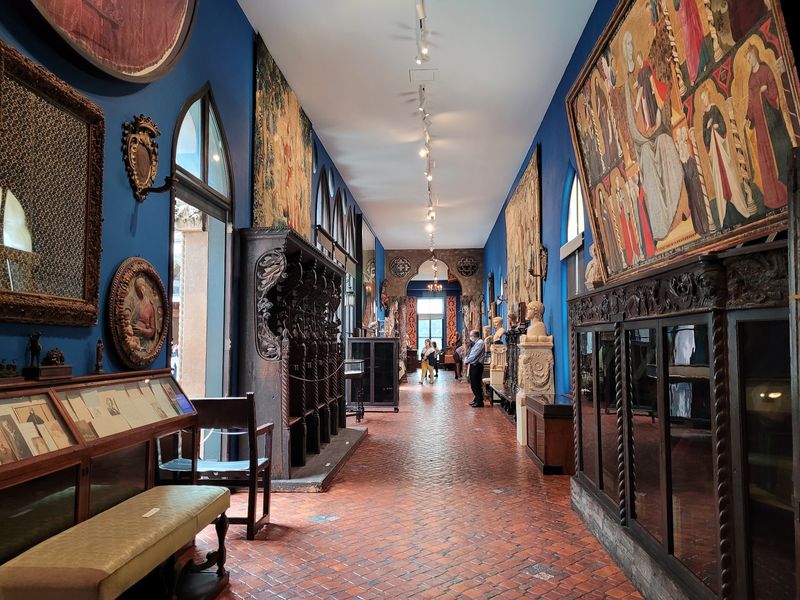
A museum can feel like a storybook when sunlight hits courtyard and every doorway hints that something unusual waits ahead.
In the Isabella Stewart Gardner Museum in Boston, Suffolk County, art, architecture, and mystery blend into a deeply memorable visit.
Unlike larger museums, this one rewards careful noticing, from tiny wall details to flowers that change the whole mood seasonally.
New programs and stronger visitor guidance have helped more people enjoy the space without losing its intimate personal feeling inside.
The famous courtyard alone can slow your pace, which is helpful because rushing here means missing half the experience easily.
Many visitors return in different seasons, since light, plants, and special performances can make familiar rooms feel new again somehow.
Music events and talks also add life, especially for people who want more than a silent walk past paintings there.
Because the museum has a strong personality, it often sticks in memory longer than places with bigger collections for visitors.
Booking timed tickets and reading basic history beforehand can help, especially if you want to understand the museum’s unusual layout.
That rich blend of beauty, mood, and curiosity is why this Boston treasure keeps getting better with every visit there.
6. Peabody Essex Museum, Salem, Essex County
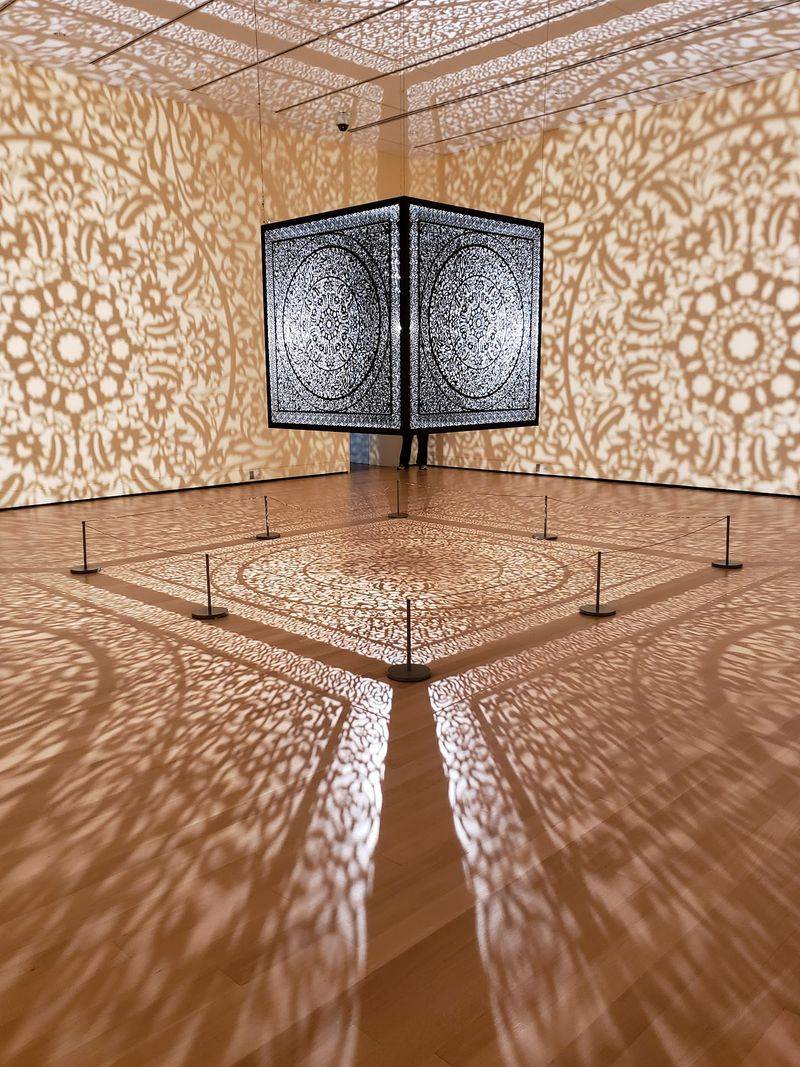
Old seaport energy and global stories meet in a place where quiet galleries can still feel adventurous and surprisingly modern.
The Peabody Essex Museum in Salem, Essex County, blends art, history, and culture in ways that welcome many interests today.
Visitors might come for maritime history, then end up loving fashion, photography, or the beautifully restored Yin Yu Tang house.
Over the years, programs for families and stronger community events have made the museum feel more open and connected locally.
Because the collection spans continents and centuries, each room offers a fresh pace, and longer visits rarely feel tiring here.
Salem’s busy streets can be intense, so the museum often feels like a calm, thoughtful break from crowded sightseeing outside.
Check for rotating exhibits before you go, since temporary shows often add bold surprises to an already wide collection there.
Children may enjoy hands-on areas, while adults often appreciate how clearly the museum explains big cultural ideas without talking down.
The building itself adds drama, moving from historic spaces to sleek design in a way that matches the exhibits well.
That steady mix of tradition and change helps explain why this Salem landmark keeps improving for locals and first-time guests.
7. Berkshire Museum, Pittsfield, Berkshire County
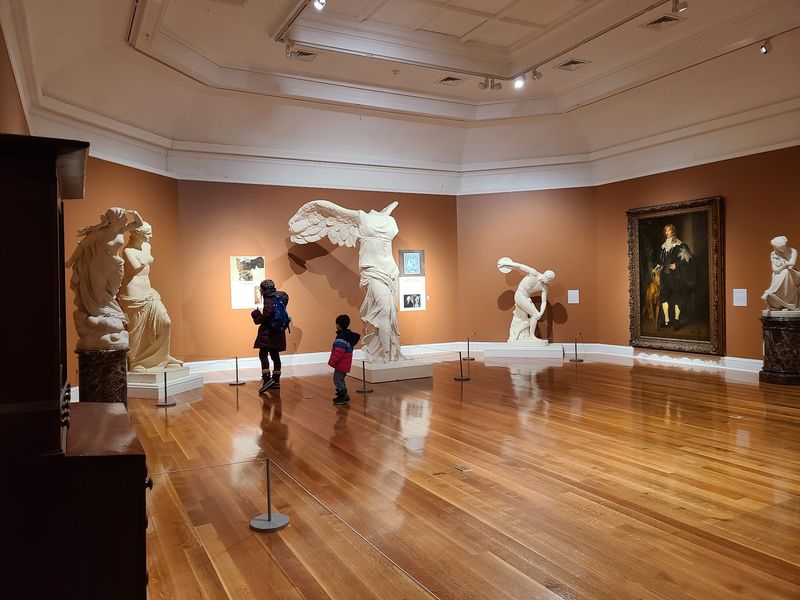
Small surprises often leave the biggest mark, especially in museums where art and science share space without acting like strangers.
The Berkshire Museum in Pittsfield, Berkshire County, offers a mixed collection that feels approachable, local, and pleasantly varied to visitors.
Instead of forcing one theme, the museum lets families bounce between natural history, fine art, and community stories with ease.
That range has become more appealing as exhibits and events have grown stronger, giving repeat guests fresh reasons to return.
A manageable size helps here, because younger visitors can stay interested without the worn-out feeling huge museums sometimes cause later.
Parents may like how easy it is to shift pace, moving from quiet looking to hands-on discovery when energy changes.
Check the schedule before visiting, since workshops, films, and rotating shows often add another layer to the regular collection here.
Because Pittsfield sits in a region rich with culture, the museum also works well as part of a wider trip.
Visitors who enjoy less crowding may find this place especially rewarding, since details are easier to notice calmly here too.
For travelers in the Berkshires, that friendly balance explains why this museum keeps getting better year after year for locals.
8. Worcester Art Museum, Worcester, Worcester County
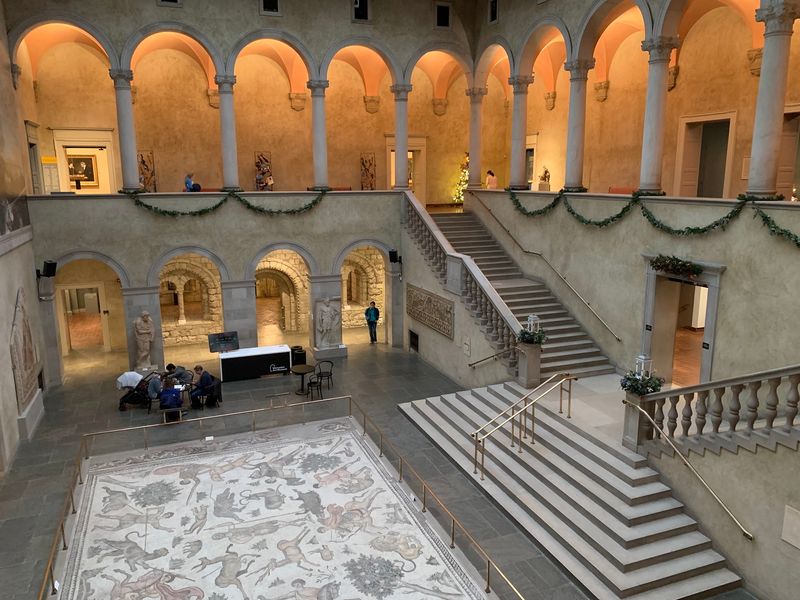
Sometimes a museum wins you over by feeling steady, thoughtful, and quietly impressive long before you reach its best-known rooms.
At the Worcester Art Museum in Worcester, Worcester County, art from many eras comes together in a calm, elegant setting.
The museum has kept improving through smart exhibits, better interpretation, and programs that help more visitors feel included and comfortable.
Armor galleries often catch attention fast, yet paintings, decorative arts, and ancient objects reward people who keep exploring longer inside.
Because the layout is manageable, first-time guests can see a lot without feeling rushed or lost by lunchtime there either.
Families should look for tours, studio activities, or seasonal events, since those extras can make the museum feel lively too.
Worcester itself adds context, offering a city setting where culture feels close, practical, and part of everyday life for residents.
A good plan is choosing one favorite period first, then letting curiosity guide the rest of your route through galleries.
Quiet corners and clear displays make it easier to talk, learn, and notice details without constant distraction from larger crowds.
That calm confidence is a big reason this Worcester favorite keeps getting better for students, couples, nearby visitors and families.
9. New Bedford Whaling Museum, New Bedford, Bristol County
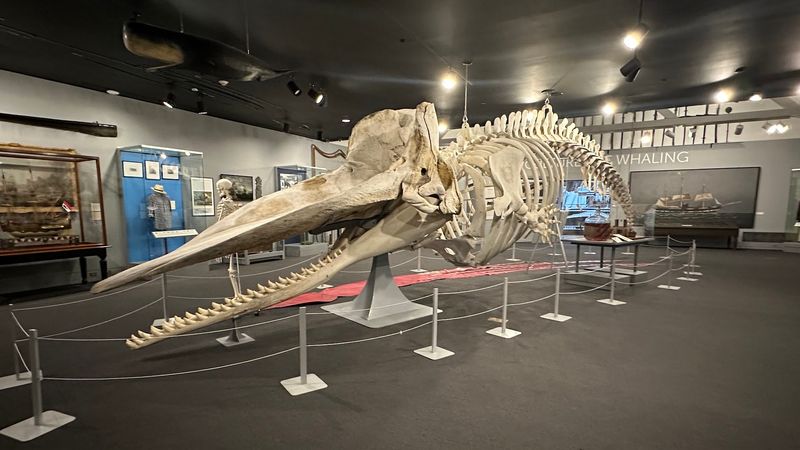
Sea stories have a special pull, especially when a museum captures danger, skill, and daily work instead of only romance.
At the New Bedford Whaling Museum in New Bedford, Bristol County, maritime history feels large, human, and deeply connected today.
Visitors often remember the huge whale skeletons first, but ship models, tools, and personal stories give the place heart too.
Recent efforts have made exhibits easier to follow, which helps kids and adults understand whaling’s scale and consequences more clearly.
Because the museum sits in a working city with strong history, the experience feels grounded rather than staged for visitors.
Families can turn the visit into a bigger day by exploring the waterfront and talking about trade, travel, and labor.
Teachers and older students may especially value how the museum links economics, environment, immigration, and regional identity for New England.
Give yourself time for the upper floors, because some of the most interesting details appear after the first wow moment.
The mix of giant objects and personal voices keeps the museum from feeling dry, even during serious topics for visitors.
That honesty and scale help explain why this New Bedford landmark keeps getting better with each returning generation of visitors.
10. Harvard Art Museums, Cambridge, Middlesex County
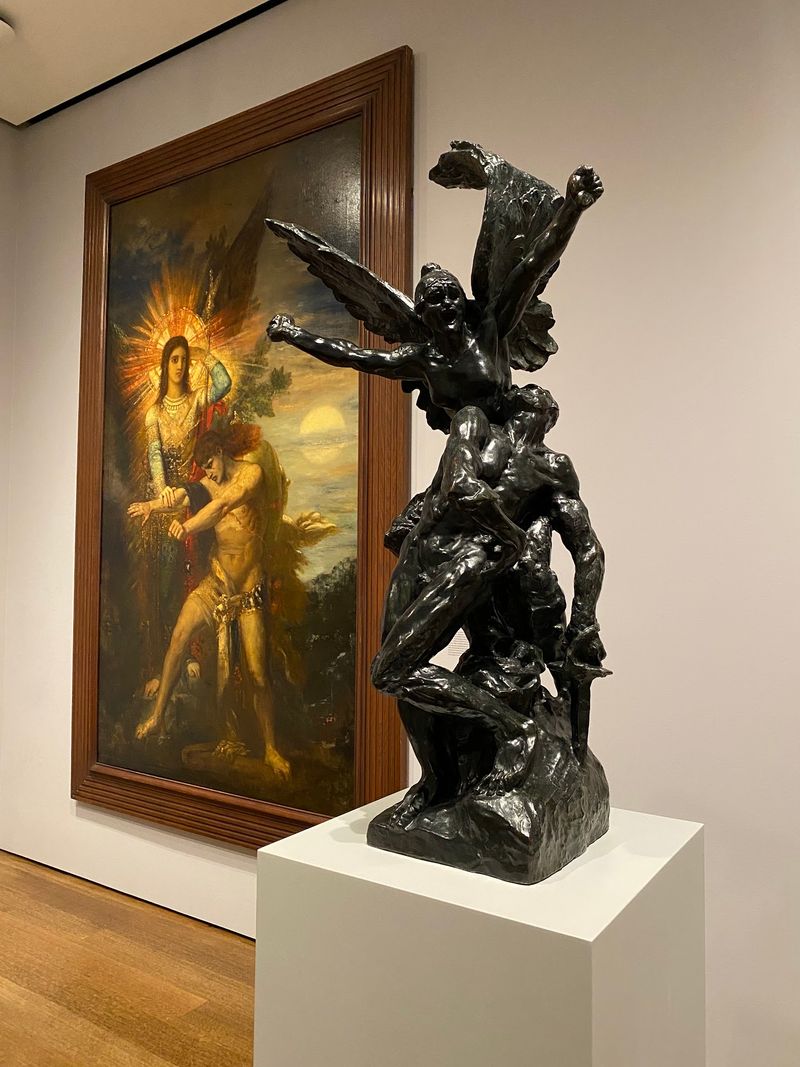
A smart museum visit feels even better when the rooms are beautiful and the labels actually help ideas click together.
The Harvard Art Museums in Cambridge, Middlesex County, bring together major collections in a space that feels modern and inviting.
Students may arrive for class projects, yet casual visitors can still enjoy the building, the variety, and the calm pace.
Upgrades in interpretation and public programs have made the museum easier to enter, understand, and revisit with confidence for everyone.
Because the galleries are arranged clearly, first-time guests can choose a path without feeling buried by too many options inside.
The glass roof and open design help the museum feel airy, which can make longer visits less tiring for families.
Take time in the study centers if available, since close looking often changes what you notice in familiar works there.
Cambridge visitors also like pairing the museum with nearby walks, bookstores, or cafes for a full afternoon in town afterward.
The collection spans cultures and centuries, so conversations can jump naturally between technique, history, politics, and beauty with friends afterward.
That thoughtful mix of scholarship and access is why this Cambridge museum keeps getting better for broad audiences each year.
11. Cape Cod Museum of Art, Dennis, Barnstable County
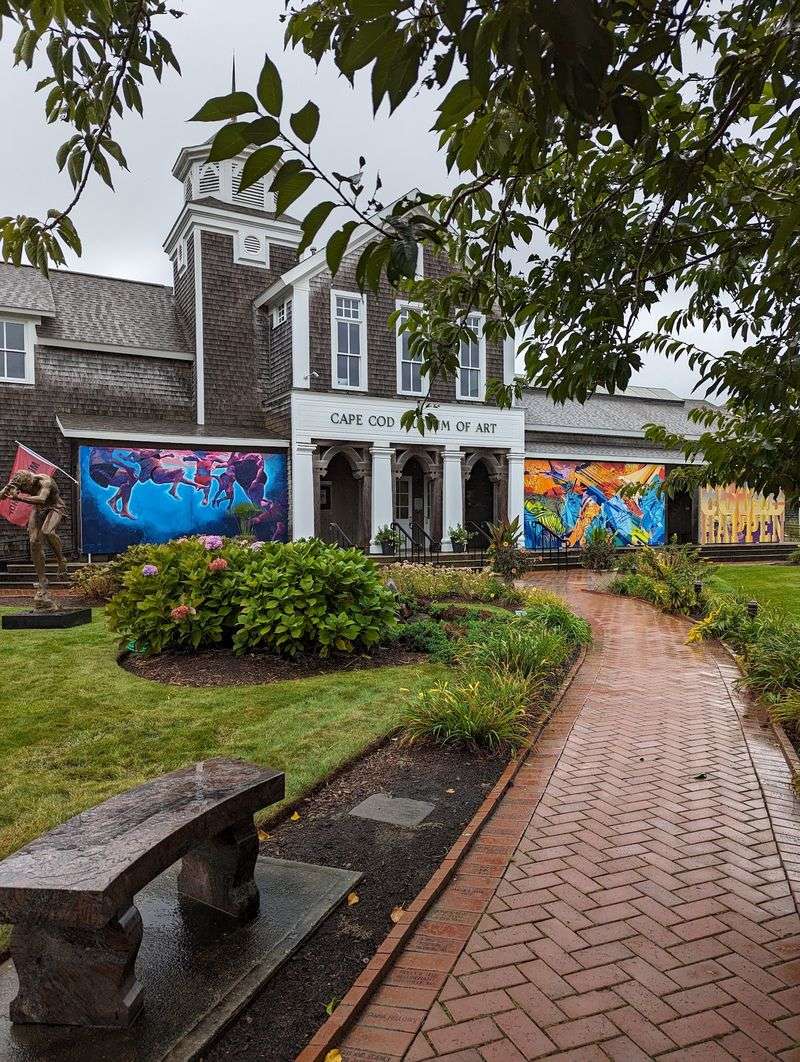
Coastal light changes everything, and some museums use that feeling to make art seem closer to everyday life for visitors.
The Cape Cod Museum of Art in Dennis, Barnstable County, reflects the region’s scenery, makers, and creative spirit very well.
Instead of feeling distant, the museum often feels neighborly, which helps people connect quickly with local artists and ideas there.
Recent programs and rotating exhibits have added fresh energy, giving returning visitors more reasons to stop in again each season.
Because Cape Cod draws many summer travelers, the museum offers a quieter way to understand the area beyond beaches better.
Visitors can often see how local landscapes shape color choices, subject matter, and the mood of the galleries inside too.
A smaller scale makes the museum approachable, especially for people who want culture without an exhausting all-day plan while traveling.
Check for classes, talks, or community events, since those extras often show how active the local arts scene remains today.
Rainy vacation days are perfect here, and regular residents may find it a reliable place for inspiration and quiet reflection.
That local warmth and steady growth explain why this Cape Cod museum keeps getting better for visitors and neighbors alike.