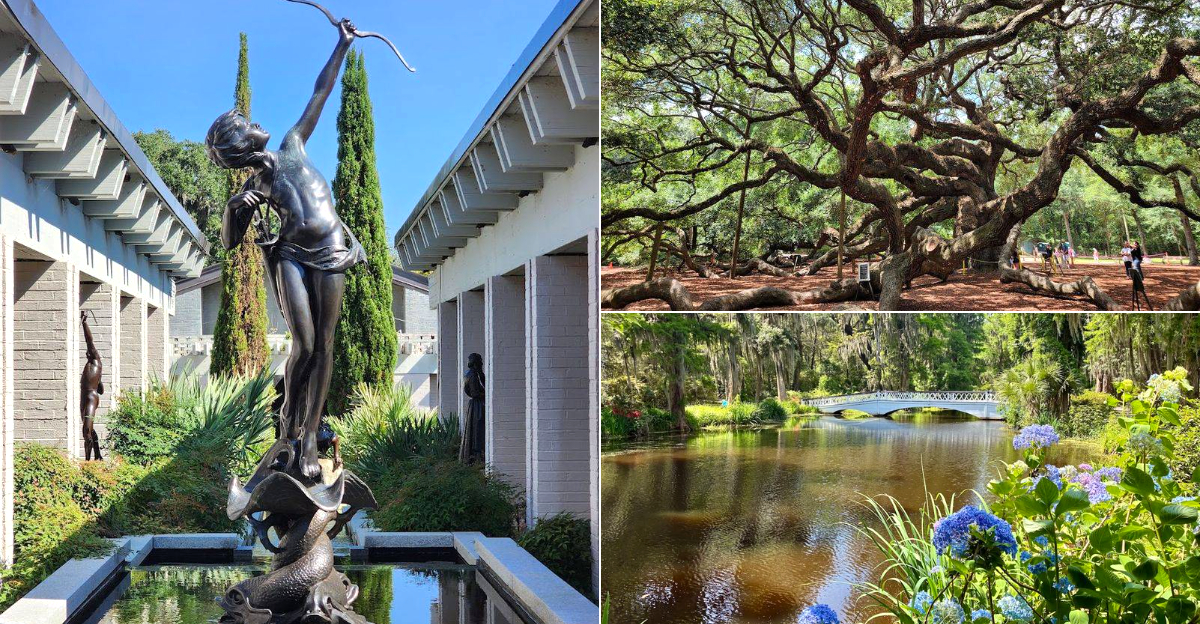
South Carolina has a way of delivering the unexpected, a state where a harbor fort, a thousand-year-old tree, and an iris garden in full bloom can all be an hour apart.
The eleven landmarks on this list have earned their reputations not through marketing but through the kind of quality that keeps people coming back and sending their friends.
Some are familiar names that live up to every expectation; others are quieter places that reward visitors who venture a little further off the beaten path.
South Carolina’s landscape is more varied than most travelers expect, running from coastal marshes to rolling Piedmont hills to old-growth bottomland forest.
These landmarks reflect that variety, and together they make a case for spending more than a weekend in the state.
1. Fort Sumter National Monument – Charleston, Charleston County
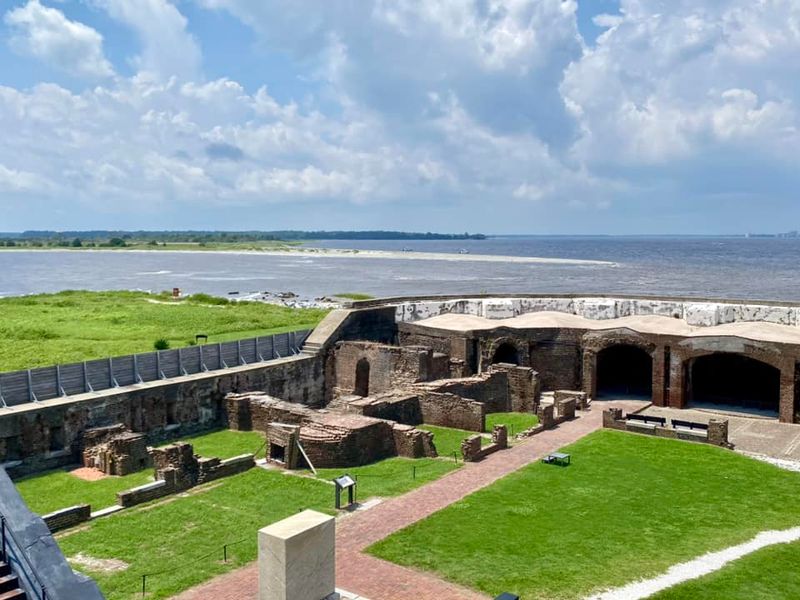
Salt air, open water, and a skyline fading behind you create the kind of approach that instantly feels important.
The ferry ride builds anticipation, giving you time to imagine the first shots of the Civil War echoing across Charleston Harbor.
That sense of gravity is exactly why Fort Sumter National Monument keeps captivating visitors.
Once you step onto the island, the fort balances military history with unforgettable scenery.
You can study weathered brick walls, preserved artillery, and exhibits that explain how this site became central to the national story.
Rangers do an excellent job making complicated history feel vivid, human, and easy to follow.
What stands out most is how the setting deepens the experience.
Water surrounds the fort in every direction, and the breeze, gulls, and distant city views make the past feel surprisingly close rather than sealed off in a museum case.
It is reflective, dramatic, and visually striking all at once.
If you enjoy places that combine historical significance with a memorable outing, this landmark delivers both.
Fort Sumter National Monument rewards curiosity, invites conversation, and leaves you with a stronger sense of how South Carolina shaped American history.
2. Cowpens National Battlefield – Gaffney, Cherokee County
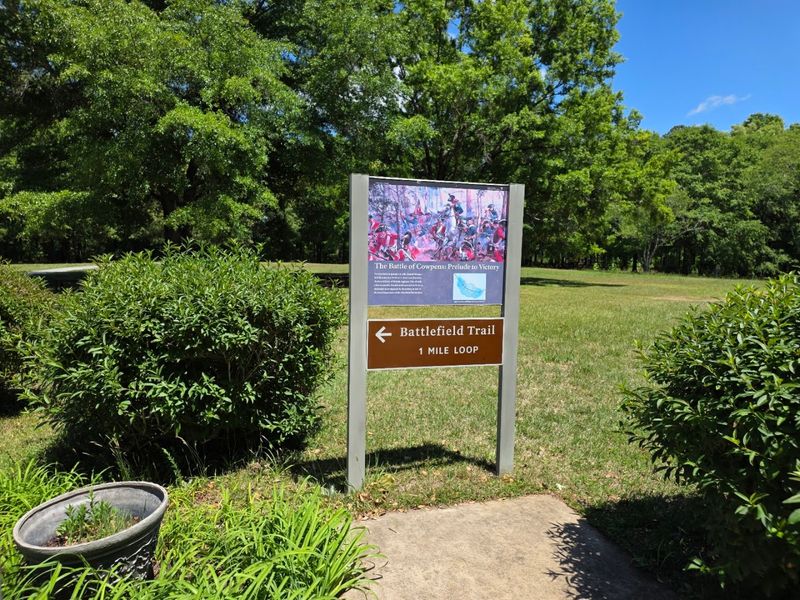
Open fields, quiet trails, and a surprising sense of stillness define this stop long before the history fully comes into view.
It feels less like a crowded attraction and more like a landscape asking you to pay attention.
That understated power makes Cowpens National Battlefield especially memorable.
This Revolutionary War site marks the location of a crucial American victory in 1781, and the interpretation helps you understand why the battle mattered.
Trails, monuments, and exhibits guide you through the strategy, personalities, and turning point significance without overwhelming the setting itself.
The story becomes easier to grasp because the ground remains so readable.
What many visitors appreciate is the atmosphere of contemplation.
Instead of dramatic reenactment energy at every turn, you get space to walk, think, and imagine how quickly a decisive moment unfolded here.
That quiet approach can make the historical impact feel even stronger.
If you enjoy Revolutionary War sites or simply want a landmark with meaning beyond surface beauty, this is worth your time.
Cowpens National Battlefield keeps winning admiration because it combines accessible interpretation, preserved landscape, and a genuine sense that something nationally important happened exactly where you are standing.
3. Middleton Place – Charleston, Dorchester County
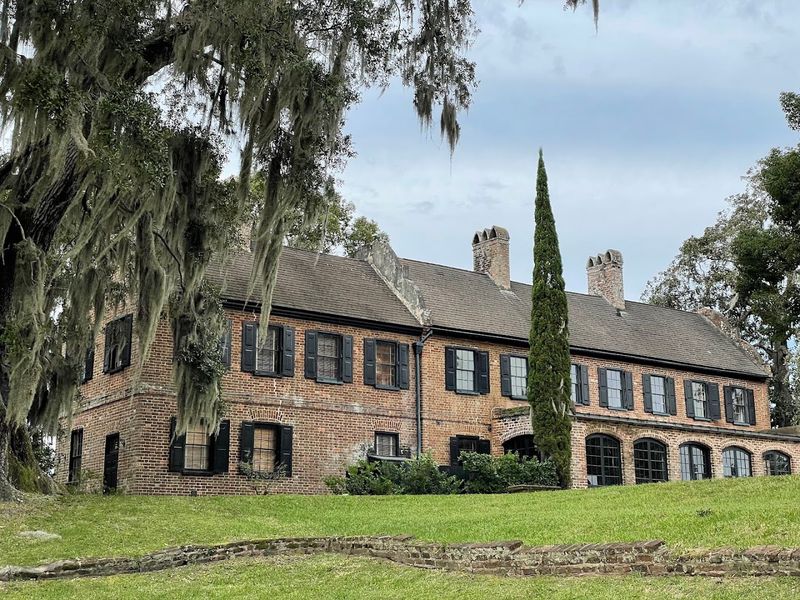
Symmetry, reflection, and sweeping green terraces create a first impression that feels almost cinematic.
You notice structure in the landscape immediately, yet the setting still feels soft, atmospheric, and unmistakably Southern.
That visual harmony is one reason Middleton Place remains such a lasting favorite.
Home to America’s oldest landscaped gardens, this site offers carefully designed vistas, water features, and pathways that reward slow wandering.
The formal garden layout gives the property a distinctive character, especially when viewed across the terraces toward the Ashley River.
It is refined without becoming stiff or inaccessible.
Like other plantation sites, Middleton Place also invites deeper reflection.
Museum spaces and interpretation can help you engage with the full history of the estate, including the lives of enslaved people whose labor shaped the property.
That honesty adds essential context to the beauty around you.
If you are looking for a landmark that pairs iconic scenery with meaningful historical perspective, this one stands out.
Middleton Place keeps earning repeat admiration because it offers one of the state’s most elegant garden experiences while also encouraging a fuller, more thoughtful understanding of South Carolina’s past and legacy.
4. Swan Lake Iris Gardens – Sumter, Sumter County
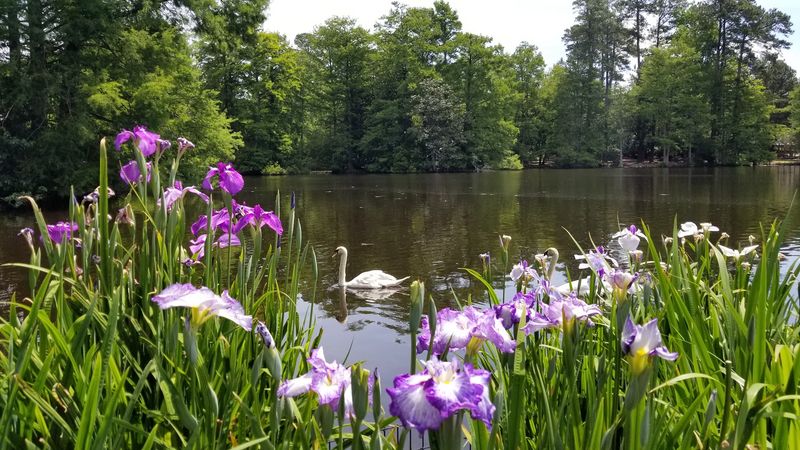
Water, flowers, and white swans create the kind of scene that feels instantly cheerful without trying too hard.
There is a relaxed charm here that makes a short stroll feel like a small getaway from the everyday pace.
That easy appeal is exactly why Swan Lake Iris Gardens stays so beloved.
This public garden is known for its colorful seasonal displays and its reputation as the only public park in the United States with all eight swan species.
Even if you arrive outside peak bloom, the lake views, bridges, and landscaped paths keep the setting photogenic and pleasant.
It is accessible, family friendly, and refreshingly low pressure.
Visitors also appreciate that the experience feels welcoming rather than formal.
You can linger on benches, watch the birds, and enjoy the mix of natural beauty and carefully maintained garden spaces without needing a packed schedule.
That simplicity makes it especially easy to recommend.
If you want a landmark that offers beauty with very little effort required, this is a strong pick.
Swan Lake Iris Gardens continues winning people over because it is scenic, gentle, and full of the kind of everyday magic that turns an ordinary afternoon into a memory worth keeping.
5. Magnolia Plantation and Gardens – Charleston, Charleston County
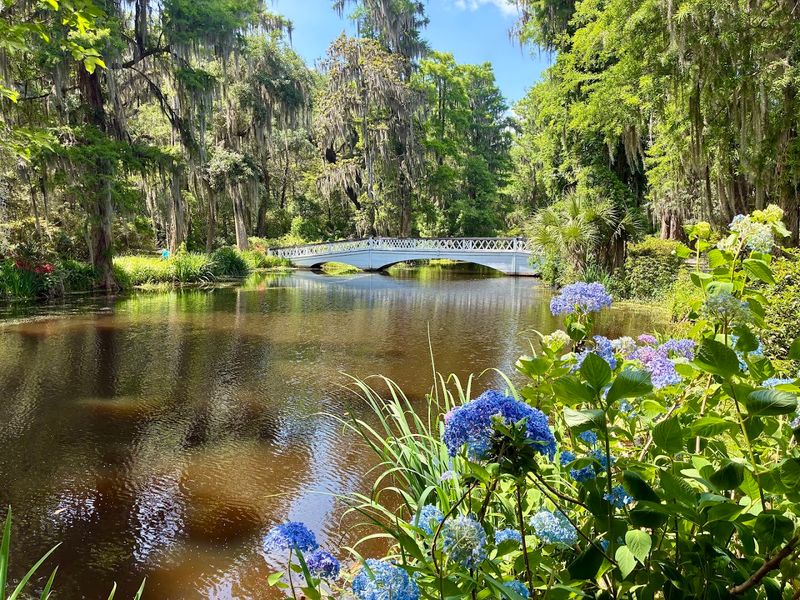
Moss-draped oaks, mirror-like ponds, and winding garden paths create an atmosphere that feels both graceful and deeply rooted in the Lowcountry.
Before you even focus on individual blooms, the landscape invites you to slow down and take it in.
That lasting first impression helps explain the appeal of Magnolia Plantation and Gardens.
Known for its spectacular seasonal color, this landmark is especially beloved when azaleas, camellias, and other flowers brighten the grounds.
Yet the beauty here is not limited to peak bloom, because the property has texture, water, and layered views that remain compelling year round.
Boardwalks, wetlands, and wildlife add variety beyond the formal garden experience.
The site also gives you room to engage with harder history.
House tours and interpretive programs can deepen your understanding of plantation life, making the visit more meaningful than a simple photo stop.
That combination of visual beauty and historical context is part of what keeps people recommending it.
If you want a place that feels romantic, reflective, and distinctly South Carolinian, this is a strong choice.
Magnolia Plantation and Gardens offers iconic scenery, a peaceful pace, and enough depth to stay with you long after the visit ends.
6. Congaree National Park – Hopkins, Richland County
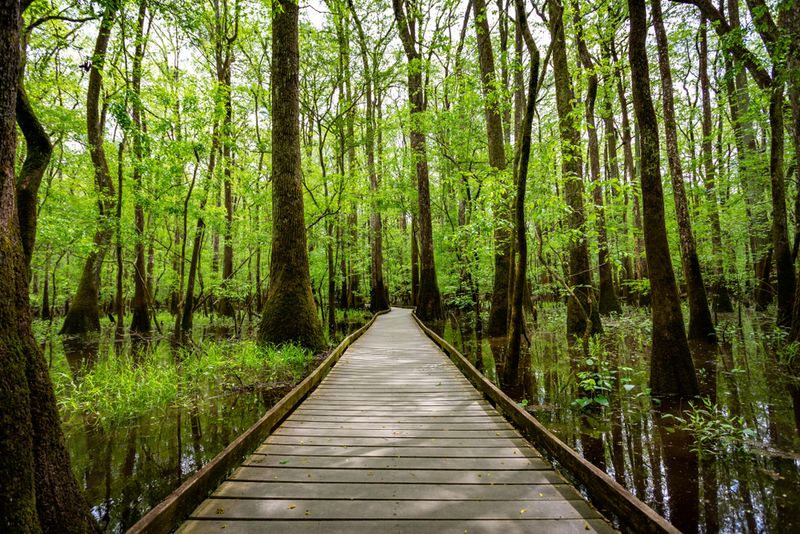
Towering trees, rich floodplain wilderness, and a hush broken by birds and rustling leaves set the tone almost immediately.
The landscape feels grand in a subtle way, revealing its scale slowly as you walk deeper into the forest.
That sense of discovery makes Congaree National Park so rewarding.
Known for one of the largest intact expanses of old-growth bottomland hardwood forest in the United States, the park offers an experience unlike anywhere else in South Carolina.
Boardwalks and trails make it easier to explore, while canoeing and kayaking open up another perspective on the ecosystem.
It is a place where nature feels immersive rather than decorative.
What keeps visitors talking is the park’s atmosphere.
You are surrounded by immense trunks, seasonal water, and changing light, and the environment can feel both peaceful and slightly mysterious in the best way.
Even a relatively short visit often feels more transporting than expected.
If you love national parks, birding, or simply places that make you feel small in a healthy way, this belongs on your list.
Congaree National Park keeps winning over visitors because it offers rare ecology, memorable quiet, and a wild South Carolina landscape that feels ancient, alive, and deeply restorative.
7. Angel Oak Tree – Johns Island, Charleston County
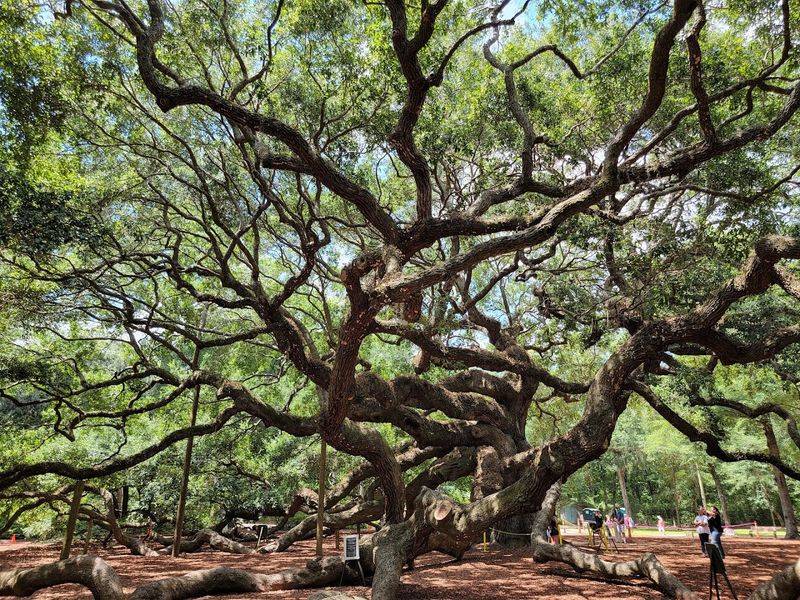
Few sights make people stop talking as quickly as a tree that seems to stretch into its own horizon.
Light filters through enormous limbs, shadows spread across the ground, and the scale feels almost unreal when you stand beneath it.
That quiet awe is the signature experience of the Angel Oak Tree.
Estimated to be centuries old, this Southern live oak has become one of the most recognized natural landmarks in the state.
Its twisting branches, broad canopy, and grounded strength create a scene that photographs well but feels even more powerful in person.
You do not need to know botany to appreciate the wonder here.
Part of the charm is how simple the visit can be.
There is no elaborate production competing for attention, just the chance to circle the tree, look up, and appreciate something that has outlasted generations of change.
That simplicity makes the experience accessible and memorable for nearly everyone.
If you are drawn to places that inspire reflection without demanding a long itinerary, this landmark is especially rewarding.
The Angel Oak Tree keeps winning over visitors because it feels timeless, deeply local, and humbling in the best possible way from your first glance to your last.
8. Campbell’s Covered Bridge – Landrum, Greenville County
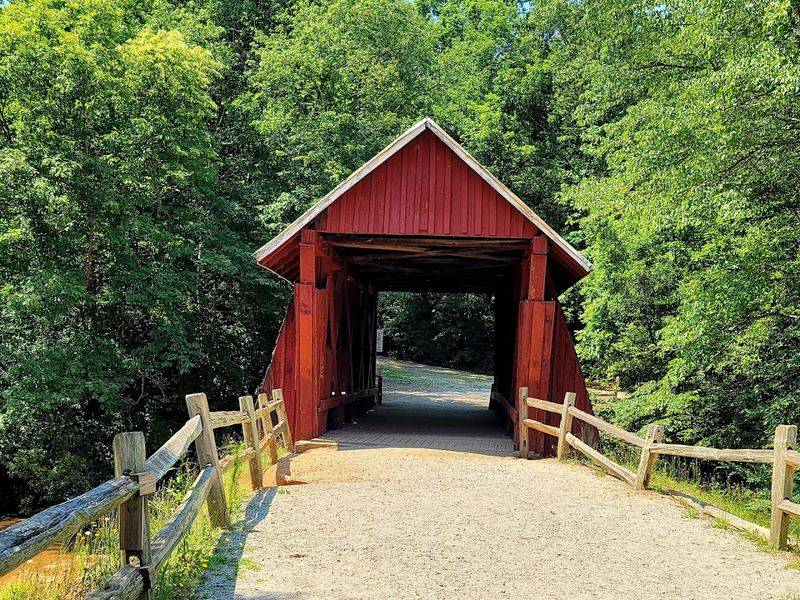
Rustic wood, running water, and a shaded roadside setting give this stop an immediate storybook quality.
It does not need grand scale to charm you, because its appeal comes from texture, rarity, and a sense of preserved simplicity.
That is what makes Campbell’s Covered Bridge such an enduring favorite.
As South Carolina’s only remaining covered bridge, it holds a special place in the state’s architectural and cultural landscape.
The bridge spans Beaverdam Creek and rewards visitors with a compact but memorable scene that feels especially inviting for photographers and scenic drivers.
You can appreciate it quickly, yet it tends to linger in memory.
Part of the attraction is how unpretentious the experience feels.
There is no sprawling complex to navigate, just the chance to visit a rare historic structure in a peaceful setting and enjoy the small details that make it distinctive.
That modest scale can be a welcome contrast to bigger attractions.
If you enjoy hidden gems, local history, or easy scenic stops with character, this landmark delivers.
Campbell’s Covered Bridge keeps winning over visitors because it offers authenticity, visual charm, and the pleasure of finding something uncommon that still feels lovingly connected to the surrounding landscape.
9. Hopsewee Plantation – Georgetown, Georgetown County
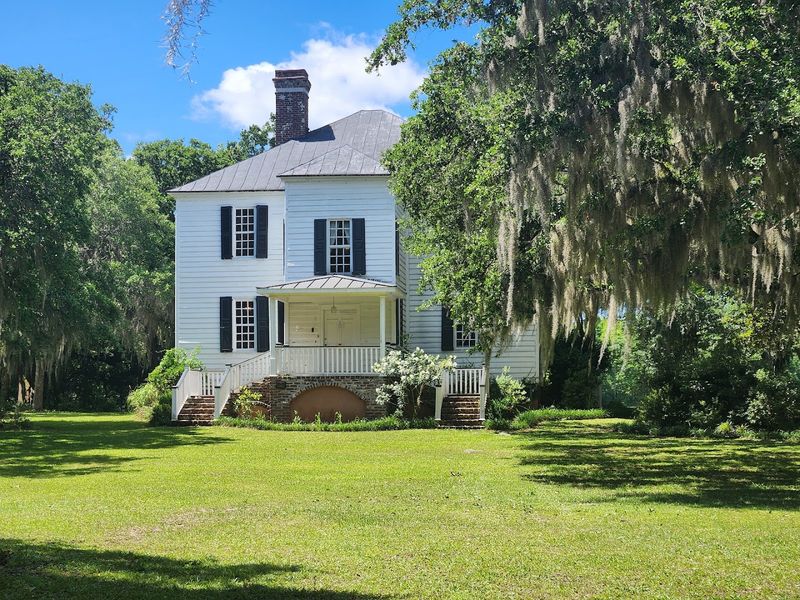
River breezes, ancient oaks, and the understated elegance of an eighteenth-century house create a visit that feels intimate rather than overwhelming.
The setting is beautiful, but what really stands out is the sense that stories here are still close to the surface.
That combination gives Hopsewee Plantation its lasting appeal.
Built in the 1740s, this landmark offers a remarkably preserved look at colonial-era South Carolina architecture and plantation life.
Guided tours help bring the house to life, connecting the property to rice culture, regional politics, and the people whose labor sustained the estate.
The historical depth makes the experience richer than the scenery alone.
Visitors often appreciate how approachable the site feels.
Because the scale is manageable, you can take in the house, grounds, and interpretive material without feeling rushed, and the personal tone of tours can make the past feel more tangible.
That human connection is a major strength.
If you want a landmark that offers beauty, architecture, and meaningful context in one visit, this one deserves attention.
Hopsewee Plantation keeps winning over guests because it feels authentic, thoughtfully interpreted, and deeply connected to the Lowcountry landscape and layered South Carolina history surrounding it.
10. Brookgreen Gardens – Murrells Inlet, Georgetown County

Art, gardens, and Lowcountry atmosphere come together here in a way that feels polished without losing its sense of calm.
You can hear fountains, notice sculptures appearing along shaded paths, and feel the visit unfold at a comfortable pace.
That balance is a big reason Brookgreen Gardens leaves such a strong impression.
This landmark is celebrated for its nationally important collection of American figurative sculpture, but the setting matters just as much as the artwork.
Live oaks, seasonal flowers, and carefully designed garden rooms turn a museum-like experience into something immersive and open air.
Every path seems to reveal another view worth pausing for.
There is also more variety than many first-time visitors expect.
Depending on how you plan your day, you can explore history exhibits, native wildlife areas, and broad landscapes that make the property feel expansive rather than repetitive.
That range helps families, art lovers, and casual sightseers all find something rewarding.
If you appreciate destinations that feel thoughtful and beautiful from multiple angles, this one easily earns its reputation.
Brookgreen Gardens continues winning people over because it offers creativity, serenity, and a distinctly South Carolina setting that never feels rushed or ordinary.
11. Poinsett State Park – Wedgefield, Sumter County
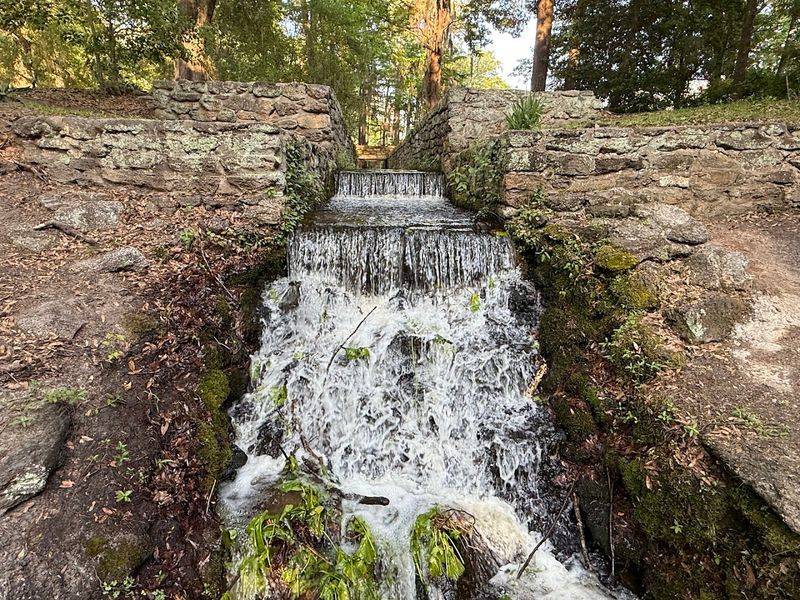
Pine woods, swampy edges, and quiet lake views come together here in a way that feels both rugged and calming.
The landscape changes just enough from trail to trail that you never feel stuck in a single mood or scenery type.
That variety is a big part of why Poinsett State Park earns such loyal praise.
Often called the gateway to the Midlands’ Sandhills region, the park blends upland terrain with low, wet areas, creating an environment that is especially interesting for hikers and nature lovers.
Trails, cabins, and the park lake make it easy to shape your visit around either activity or pure relaxation.
It feels accessible while still offering a real sense of escape.
Another strength is the park’s atmosphere of quiet discovery.
You can spend time on the boardwalk, watch for wildlife, or simply enjoy how the mix of habitats gives the park a slightly hidden, tucked-away character.
That balance between comfort and wildness keeps people coming back.
If you want a landmark that showcases a less publicized side of South Carolina’s natural beauty, this is an excellent choice.
Poinsett State Park continues winning visitors over because it is peaceful, diverse, and ideal for anyone craving fresh air, scenic trails, and an uncomplicated outdoor reset.