South Carolina’s wildlife sanctuaries are places where you can slow down, breathe deeply, and feel genuinely connected to the natural world.
From ancient cypress swamps draped in Spanish moss to pristine barrier islands teeming with shorebirds, the state’s protected lands are as varied as they are breathtaking.
Whether you’re spotting a painted bunting at a refuge feeding station or watching a great blue heron stalk the shallows of a coastal marsh, the encounters here are real and unscripted.
Many of these spots have boardwalks, nature trails, and interpretive signs that make the experience accessible and educational for all ages.
Come ready to wander, observe, and be surprised, these 12 South Carolina wildlife sanctuaries will bring you closer to nature than you’d ever expect.
1. Congaree National Park – Hopkins, Richland County
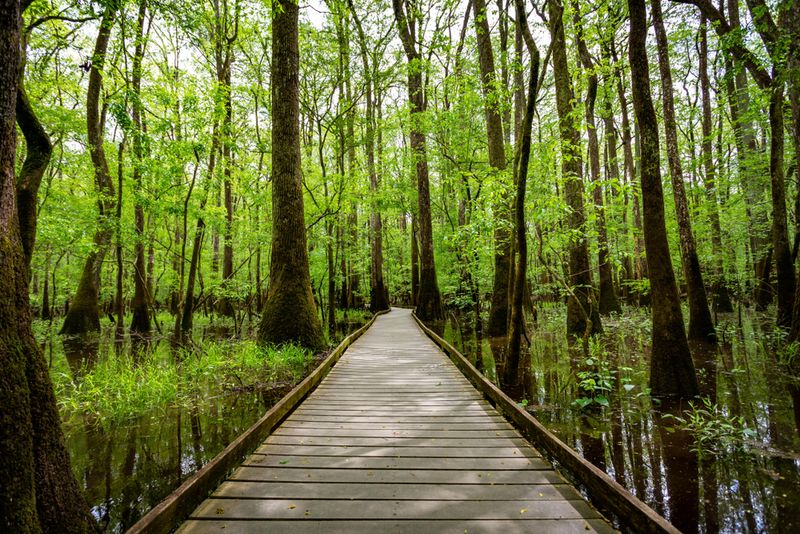
Morning fog hangs low here, and the forest feels larger than your usual sense of scale can easily manage.
A raised boardwalk pulls you gently into a world of giant hardwoods, still water, and birdsong.
That immersive first impression is exactly why Congaree National Park near Hopkins rewards anyone craving a closer brush with wild South Carolina.
You are walking through one of the largest intact expanses of old growth bottomland hardwood forest left in the Southeast.
Champion trees, seasonal floodplains, and easy trails make the landscape feel both monumental and surprisingly approachable.
The Boardwalk Loop is especially good if you want intimate views without committing to a rugged backcountry adventure.
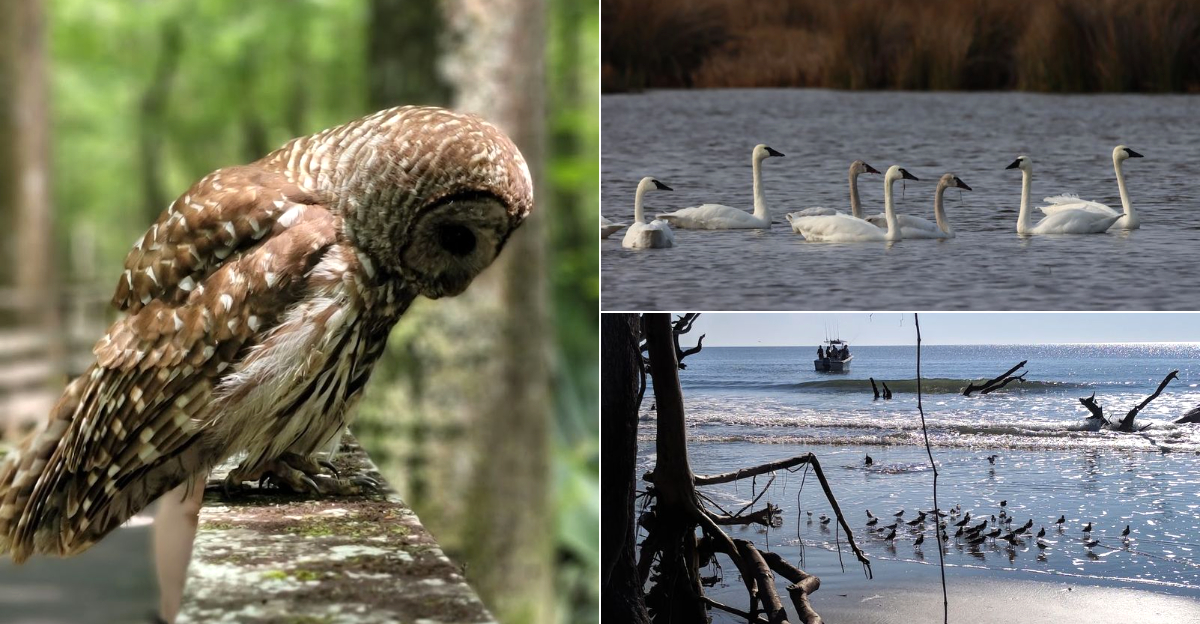
Paddling Cedar Creek adds another layer, because barred owls, turtles, and shifting reflections appear at eye level.
In late spring, synchronized fireflies can turn an evening visit into something that feels almost unreal.
Birders also come for prothonotary warblers, woodpeckers, and migrating species that use this rich habitat.
Bring water, bug spray, and patience, because the magic here builds slowly with every turn.
What surprises most visitors is not just the biodiversity, but how quickly everyday noise disappears.
Congaree feels less like a park visit and more like an honest conversation with an ancient forest.
2. ACE Basin National Wildlife Refuge – Hollywood, Charleston County
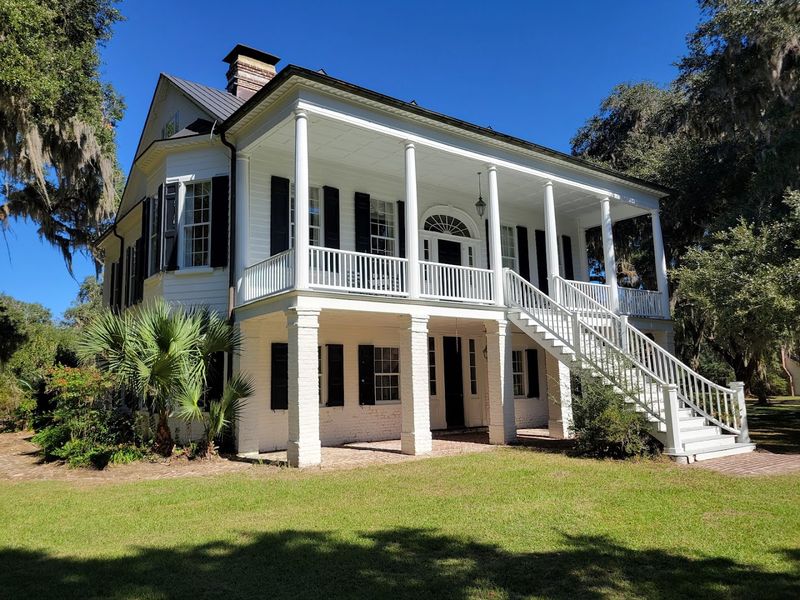
Wide marsh horizons and tidal silence create the kind of coastal calm that instantly lowers your pulse.
The land feels open, but the details keep pulling your eyes toward egrets, oyster beds, and shifting water.
That is the quiet spell of ACE Basin National Wildlife Refuge near Hollywood, one of the East Coast’s great remaining estuarine landscapes.
The refuge sits within the larger Ashepoo, Combahee, and Edisto Basin, a region celebrated for exceptional habitat diversity.
Freshwater wetlands, managed impoundments, tidal creeks, and maritime forest support waterfowl, wading birds, deer, otters, and alligators.
Because this area remains relatively undeveloped, wildlife encounters often feel unforced and wonderfully immediate.
Driving the refuge roads or stopping at observation points gives you easy access without diminishing the sense of remoteness.
Seasonal bird migration is a major draw, especially for photographers hoping to catch changing light over the marsh.
You may also notice how strongly the refuge reflects South Carolina’s conservation story, balancing habitat management with public appreciation.
Go slowly and bring binoculars, because this is a place where subtle movement matters more than obvious spectacle.
ACE Basin stays with you because it proves wild coastal beauty can still feel immense, intimate, and remarkably alive at once.
3. Pinckney Island National Wildlife Refuge – Hilton Head Island, Beaufort County
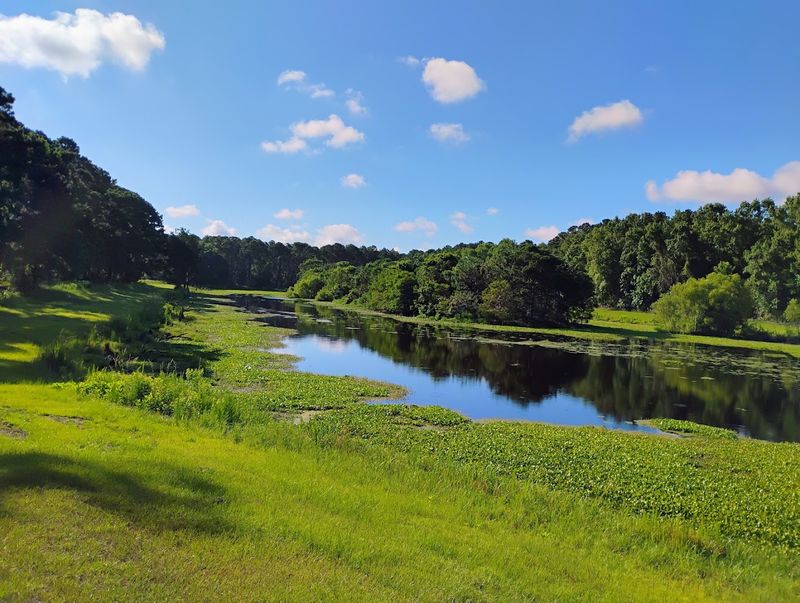
Just beyond the resort energy of the Lowcountry, the scenery suddenly relaxes into ponds, marsh edges, and quiet gravel paths.
The shift is so complete that you may forget beaches and boutiques are minutes away.
That contrast makes Pinckney Island National Wildlife Refuge on Hilton Head Island feel like an unexpectedly accessible wildlife escape.
This refuge is especially appealing if you like easy exploration, because walking and cycling routes invite unhurried observation.
Former plantation land now supports salt marsh, freshwater lagoons, open fields, and maritime habitat used by an impressive range of birds.
Egrets, herons, ibis, and even alligators often appear close enough to keep your camera busy.
The lack of cars inside much of the refuge helps create a peaceful rhythm that suits beginners and dedicated birders alike.
Photography is especially rewarding in early morning, when soft light spreads across the impoundments and wading birds become silhouettes.
You are also likely to notice how the refuge blends active management with an atmosphere that still feels pleasantly wild.
If you move patiently, the island reveals plenty of small dramas, from feeding flocks to turtles sliding off banks.
Pinckney surprises people because it delivers substantial wildlife viewing in a place many visitors assume is only about golf, shopping, and beaches.
4. Carolina Sandhills National Wildlife Refuge – McBee, Chesterfield County
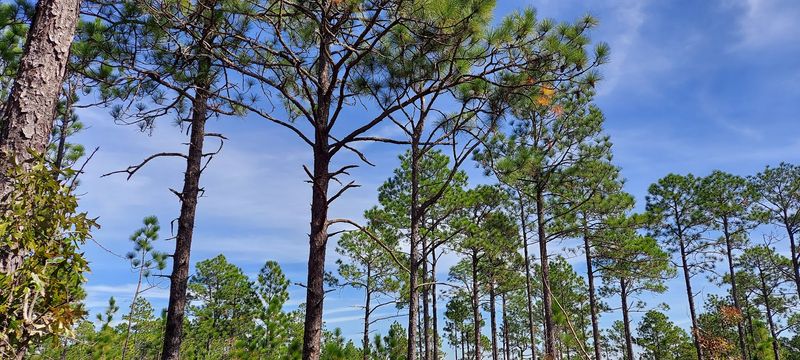
Dry pine scent, sandy roads, and wide skies give this landscape a personality unlike the state’s wetter famous habitats.
It feels spare at first, then unexpectedly rich once your eyes adjust to the rhythm of the longleaf ecosystem.
That distinctive experience defines Carolina Sandhills National Wildlife Refuge near McBee, where restoration and wildlife viewing go hand in hand.
The refuge protects sandhills, pine savannas, and wetlands that support species adapted to frequent fire and open woodland conditions.
Longleaf pine management is central here, and that means your visit also becomes a lesson in how healthy Southern ecosystems function.
Birders often come hoping for red cockaded woodpeckers, while others watch for wild turkey, deer, and raptors.
Auto routes and observation opportunities make the refuge approachable, even if the setting feels remote compared with coastal destinations.
The landscape can seem quiet, but patience reveals movement in flashes, especially around ponds, edges, and managed openings.
Because the refuge was once part of a larger bomb range landscape, it carries an interesting historical layer as well.
Come with binoculars, curiosity, and realistic expectations about subtle wildlife viewing.
Carolina Sandhills earns its place on this list because it shows how close you can feel to nature when you step into a habitat many travelers overlook completely.
5. Santee National Wildlife Refuge – Summerton, Clarendon County
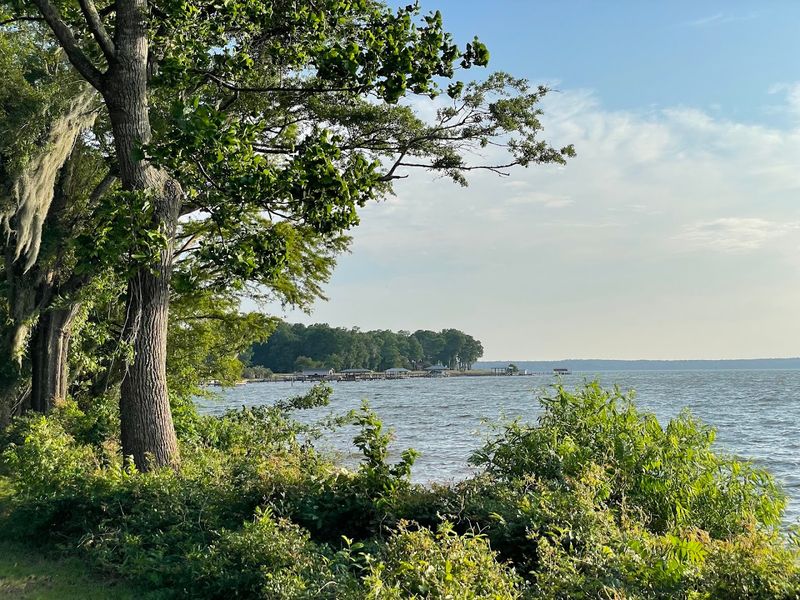
Still water, cypress shadows, and broad lake views make this refuge feel cinematic before you even spot the wildlife.
Then a heron lifts off, ducks gather in the distance, and the whole scene becomes even more absorbing.
That easy sense of immersion is why Santee National Wildlife Refuge near Summerton appeals to both casual travelers and serious birders.
Positioned along Lake Marion, the refuge includes marshes, forests, fields, and managed wetlands that support abundant seasonal movement.
Migratory waterfowl are a major attraction, especially in cooler months when thousands of birds use the area.
Even outside peak migration, the refuge offers dependable sightings of alligators, wading birds, deer, and smaller reptiles.
The visitor center and driving routes help frame the landscape, while walking trails and observation areas bring you closer to the action.
Cuddo Unit viewpoints are especially popular for scanning open water and wetland edges with binoculars.
Plan for changing weather and bring a camera with some zoom if photography matters to you.
Sunrise and sunset often provide the softest light and the most memorable atmosphere across the impoundments.
Santee stands out because it combines accessibility, ecological variety, and that rare feeling that nature is unfolding right beside your window, trail, or overlook.
6. Savannah National Wildlife Refuge – Hardeeville, Jasper County
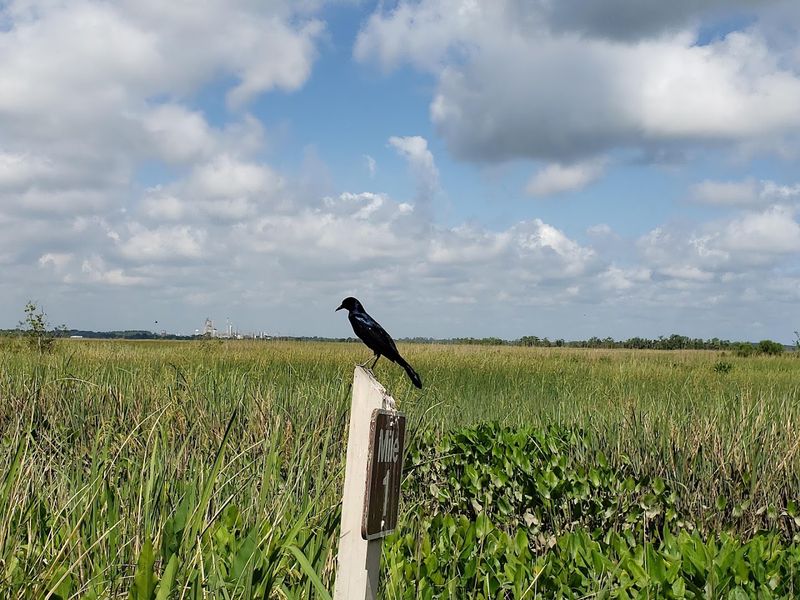
Wetlands spread outward in shimmering layers here, and every pool seems to hold another small surprise.You might notice an alligator first, or maybe a line of herons standing in mirrored water.
That constant sense of possibility makes Savannah National Wildlife Refuge near Hardeeville one of the easiest places to feel close to Lowcountry wildlife.
The refuge protects extensive freshwater marshes and bottomland habitat along the Savannah River corridor.Its famous wildlife drive has long introduced visitors to rice field impoundments that now support waterfowl, shorebirds, raptors, and reptiles.
Because the route is so accessible, you can cover a lot of habitat without losing the intimacy that comes from repeated close views.
Season matters here, especially if you are hoping for wintering ducks or migration activity.Lotus blooms and summer greenery create a different visual mood, while cooler months often improve wildlife concentration and comfort.
Photographers appreciate how reflections, open water, and low vegetation make subjects easier to spot and frame.
Allow more time than you think, because stopping often is part of the experience.A slow circuit reveals subtle shifts in sound, light, and movement that turn a simple drive into a memorable outing.
Savannah National Wildlife Refuge earns its reputation by making remarkable biodiversity feel not distant or difficult, but immediate, legible, and deeply calming for visitors.
7. Cape Romain National Wildlife Refuge – Awendaw, Charleston County
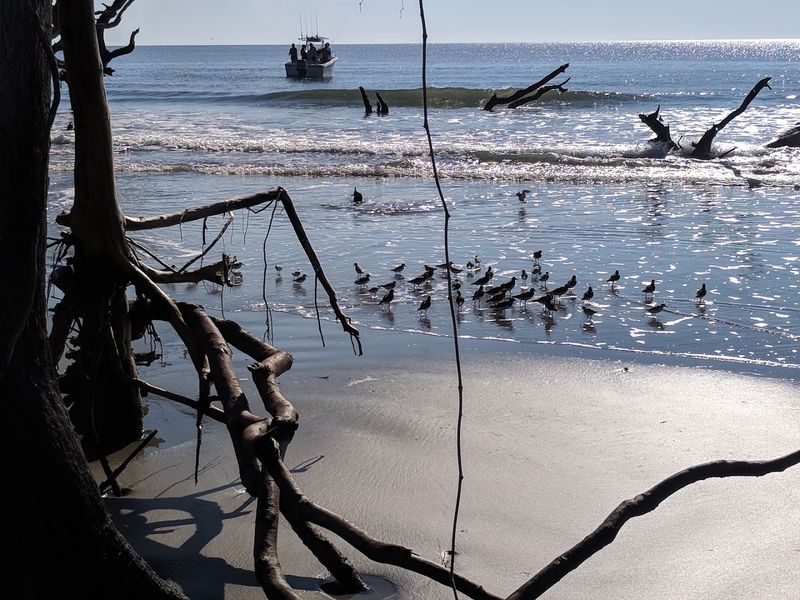
Salt air, remote islands, and an almost edge of the world feeling define this wild stretch of coast.
It is the kind of place where distance itself becomes part of the beauty, especially as birds wheel above tidal flats.
That unforgettable atmosphere belongs to Cape Romain National Wildlife Refuge near Awendaw, a sanctuary best appreciated with patience and planning.
The refuge protects barrier islands, marshes, beaches, and nesting habitat critical to countless coastal species.
It is especially important for migratory birds, shorebirds, sea turtles, and threatened species that depend on relatively undisturbed shoreline.
Unlike more convenient stops, parts of Cape Romain are best reached by boat, which adds both effort and a stronger sense of discovery.
The Cape Romain Lighthouses offer historic character, but the real draw is the living coastal system surrounding them.
Birders may see pelicans, terns, skimmers, and raptors, while warm season visitors should remember the refuge’s sea turtle significance.
Conditions can change quickly with tide, weather, and bugs, so flexibility is part of the experience.
What makes this refuge special is not polished infrastructure but authentic coastal wildness.
Cape Romain rewards curiosity with a rare closeness to barrier island ecology that feels raw, beautiful, and increasingly precious in the modern Southeast.
8. Francis Beidler Forest – Harleyville, Dorchester County
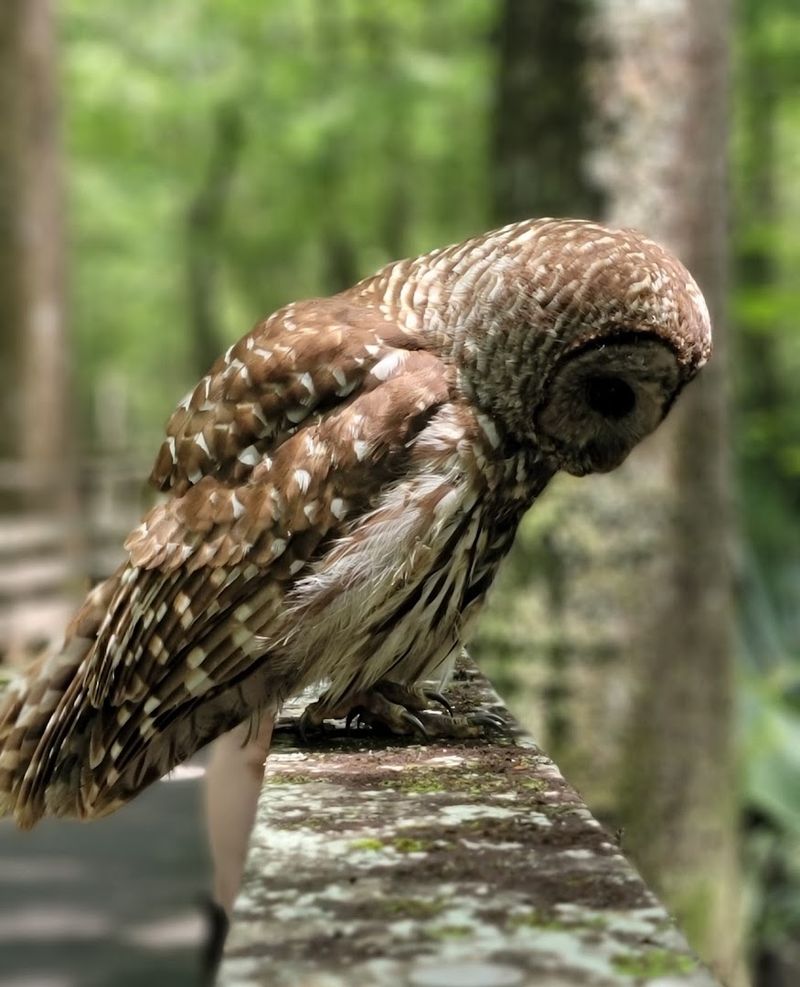
The first thing you notice is the hush, followed by the slow geometry of knees, trunks, and blackwater reflections.
A boardwalk leads you into the swamp without breaking its spell, which is rarer than it sounds.
That balance of access and atmosphere is why Francis Beidler Forest near Harleyville feels so intimate and memorable.
Managed by Audubon, this sanctuary protects one of the world’s largest remaining stands of old growth bald cypress and tupelo swamp.
The elevated trail makes it possible to move deeply into the ecosystem while keeping your footing dry and your attention focused outward.
Warblers, owls, woodpeckers, amphibians, and dragonflies all add motion to a scene that initially seems still.
Because the boardwalk is a loop, it suits visitors who want an immersive but manageable outing.
Guided canoe trips, when available, offer an even closer perspective on the swamp’s textures, sounds, and remarkable tree scale.
Interpretive material also helps connect what you are seeing to larger conservation questions about old growth habitat and wetland resilience.
Visit early if possible, when the air is cooler and wildlife activity often feels more immediate.
Francis Beidler Forest stands out by proving that a carefully designed path can bring you astonishingly close to a swamp ecosystem without dulling any of its mystery.
9. Bear Island Wildlife Management Area – Green Pond, Colleton County
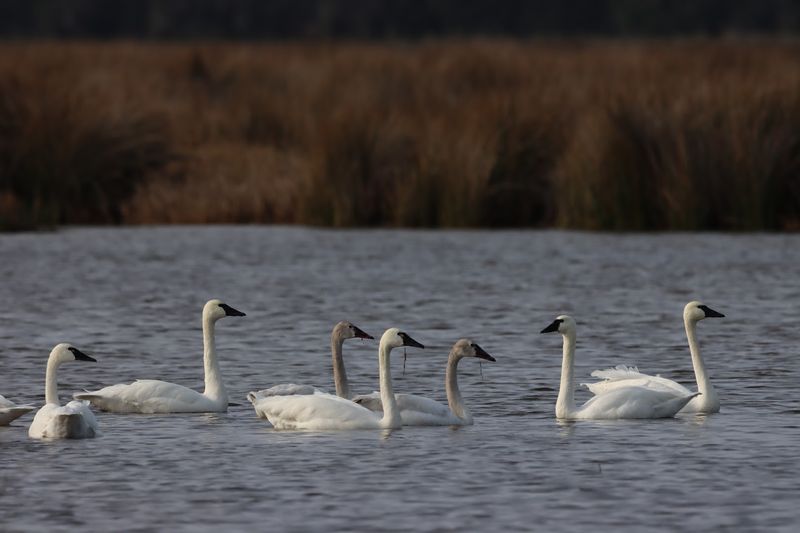
Open impoundments, long views, and huge concentrations of birds can make this stop feel almost unexpectedly dramatic.
Even from the road, movement seems to ripple constantly across the wetlands and sky.
That visual abundance is what draws people to Bear Island Wildlife Management Area near Green Pond, especially during cooler months.
Part of the larger ACE Basin region, Bear Island is known for managed waterfowl habitat and strong birding opportunities.
Ducks, wading birds, shorebirds, raptors, and alligators often share the same visible landscape, giving visitors plenty to track.
The popular wildlife drive allows broad access while still preserving the sense that you are moving through an active, working ecosystem.
Seasonal closures and hunting related regulations can affect access, so checking current information before you go is essential.
When conditions align, the refuge style experience here can rival more famous destinations for both quantity and variety of sightings.
Photographers often favor early and late light, when birds, clouds, and water create layered scenes.
Bring binoculars, move slowly, and do not expect every impressive moment to happen right away.
Bear Island leaves a lasting impression because it turns wetland management into something visitors can actually witness, appreciate, and feel connected to directly.
10. Donnelley Wildlife Management Area – Green Pond, Colleton County
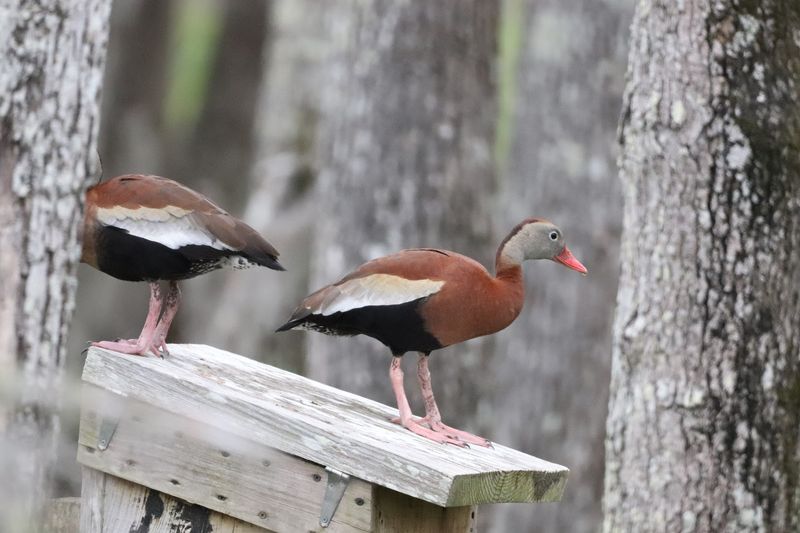
Few places blend history and habitat quite as gracefully as this quiet Lowcountry property.
You can sense the human past in the old rice field landscape, even while the present belongs firmly to birds and reptiles.
That layered experience is a big reason Donnelley Wildlife Management Area near Green Pond feels richer than a standard wildlife stop.
The area protects wetlands, former plantations, and upland habitats that now support alligators, deer, waterfowl, and a long list of bird species.
Its driving route and dikes make wildlife watching approachable, particularly for visitors who prefer frequent stops over long hikes.
Because the setting is varied, each section offers slightly different viewing angles and species opportunities.
Birders often praise Donnelley during migration and winter, though the resident wildlife keeps it interesting year round.
Roseate spoonbills are occasional highlights, and alligators are often easier to spot than first time visitors expect.
The visual rhythm of water, grass, and old live oaks gives the area a strong sense of place.
Check regulations and seasonal access details before visiting, since this is an active management area rather than a conventional park.
Donnelley stands out because it lets you witness restored ecological value in a landscape shaped by history, where nature now feels both reclaimed and vividly present.
11. Webb Wildlife Center – Garnett, Hampton County
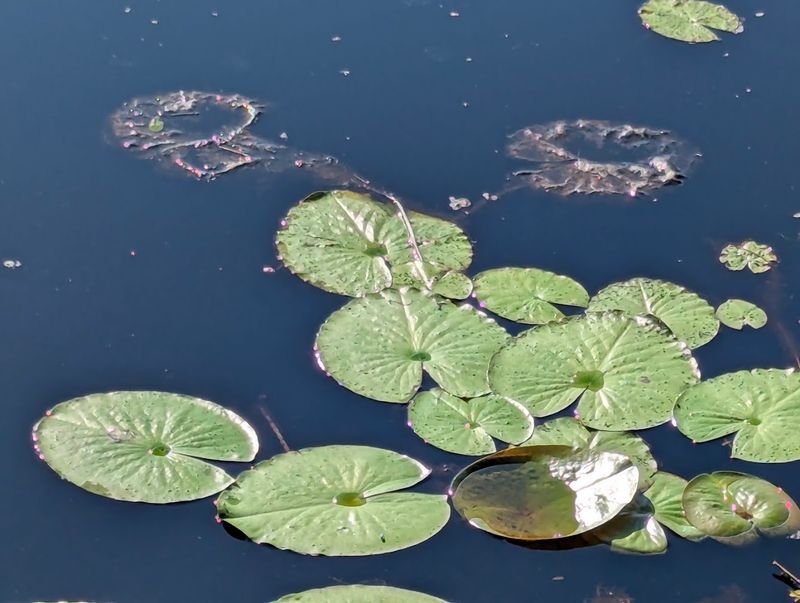
Quiet roads, open pine habitat, and a distinctly inland rhythm make this destination feel different from the marsh heavy places most visitors expect.
The atmosphere is less dramatic at first glance, but it becomes deeply rewarding once you settle into its pace.
That slower charm is exactly what makes Webb Wildlife Center near Garnett worth seeking out.
This expansive management area is known for longleaf pine restoration, hunting traditions, and healthy habitat for deer, turkey, and many songbirds.
It also supports red cockaded woodpeckers, a conservation priority closely tied to mature pine ecosystems with regular fire.
For nature focused visitors, that means the landscape tells a meaningful ecological story, not just a scenic one.
Driving routes and seasonal access rules shape the experience, so a bit of advance planning matters here.
When open for general recreation, the area offers a peaceful sense of space that can be hard to find in better known destinations.
You may not encounter crowds, which makes each bird call or animal sighting feel more personal.
Bring binoculars and a willingness to appreciate subtle habitat details, from wiregrass understories to cavity trees.
Webb Wildlife Center earns attention because it reveals how conservation, working lands, and careful management can create a natural experience that feels authentic, educational, and surprisingly close.
12. Tom Yawkey Wildlife Center – Georgetown, Georgetown County
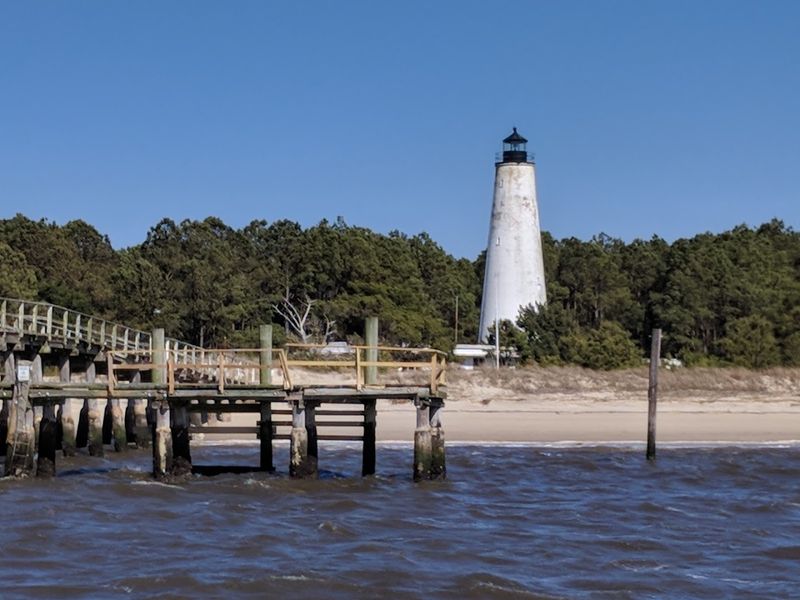
Remoteness shapes everything about this coastal sanctuary, from the approach to the feeling you carry once you arrive.
The landscape seems to breathe through tides, wind, and bird movement more than through human presence.
That rare sense of separation makes Tom Yawkey Wildlife Center near Georgetown one of South Carolina’s most intriguing protected areas.
Accessible mainly by boat and often through organized visits, the center protects a remarkable mix of marsh, beach, and maritime forest habitats.
It was established through a major conservation gift, and its management emphasizes research, habitat protection, and carefully limited public access.
Because of that, wildlife encounters here can feel unusually undisturbed and genuinely special.
The refuge supports shorebirds, waterfowl, alligators, sea turtles, and many species tied to healthy coastal systems.
Its relative isolation helps preserve ecological processes that are increasingly pressured elsewhere along the Atlantic shoreline.
For visitors, that translates into a stronger sense that you are seeing the coast on nature’s terms rather than ours.
If you have the chance to visit, treat it as a privilege and prepare for logistics rather than casual spontaneity.
Tom Yawkey Wildlife Center belongs on this list because it offers a rare closeness to protected coastal wilderness that feels deeply genuine, beautifully restrained, and increasingly uncommon.