Florida does tropical beauty so well that even longtime visitors still underestimate how dreamlike its gardens can feel. Some are elegant and historic, others feel playful, strange, or quietly transportive in ways a photo barely captures.
You can wander from rainforest waterfalls to Japanese bridges, orchid collections, singing towers, and even shoreline rock gardens in a single state. If you are craving places that feel a little more enchanted than expected, this list delivers.
Fairchild Tropical Botanic Garden
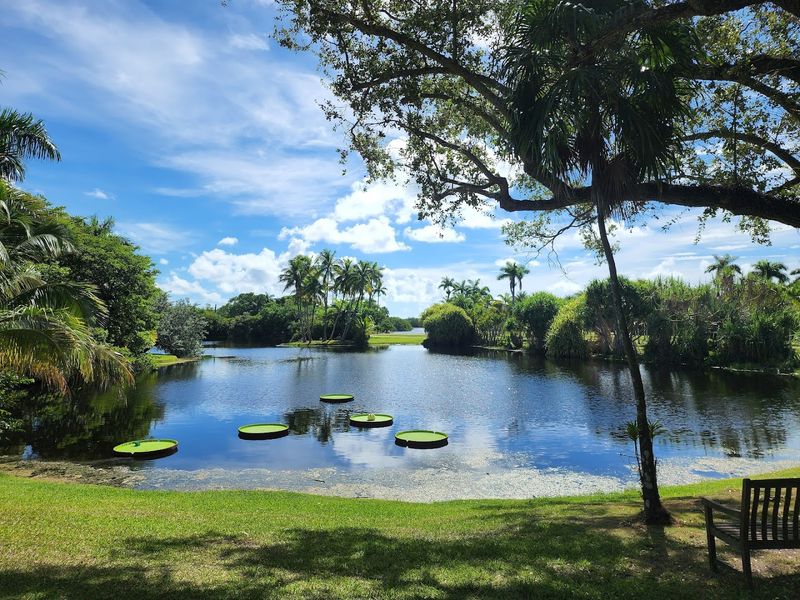
If you think South Florida gardens are all pretty palms and quick photo stops, Fairchild will happily prove you wrong. This 83-acre Coral Gables landmark feels like a living expedition, with collections of cycads, flowering trees, vines, and one of the world’s most admired palm displays.
I love how every turn feels both curated and wildly alive at the same time.
The biggest surprise is its two-acre tropical rainforest, the only one of its kind in the continental United States. Waterfalls, cascades, and thick green layers make it feel less like a city attraction and more like a secret ecosystem.
Then you hit the National Orchid Garden, butterfly encounters, and the famous Montgomery Palmetum, and the mood shifts again.
Fairchild is also a serious conservation and research center, which gives the beauty extra depth. You are not just strolling through something lovely here.
You are walking through a place protecting rare biodiversity with style, ambition, and a lot of tropical drama.
Marie Selby Botanical Gardens
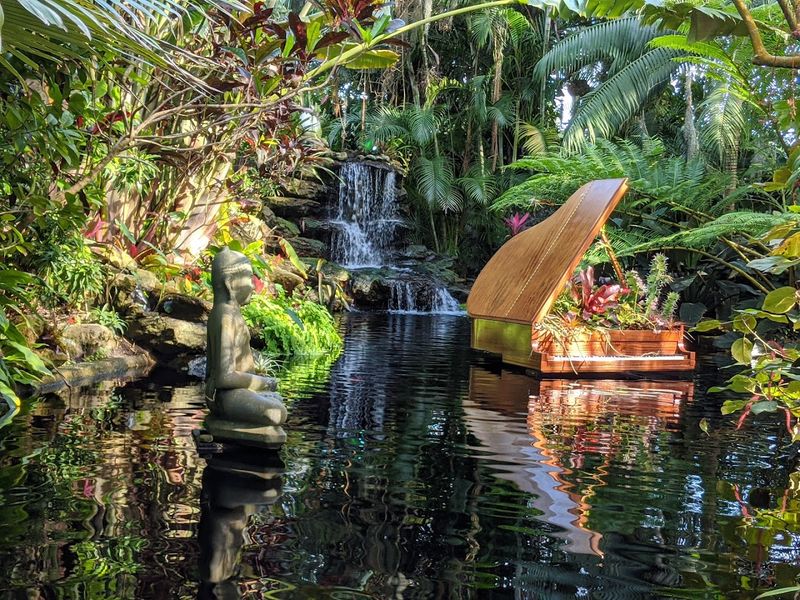
Marie Selby Botanical Gardens feels like Sarasota decided to hide a tropical laboratory inside a postcard. The downtown bayfront campus is the only botanical garden in the world focused on epiphytes like orchids, bromeliads, ferns, and other plants that prefer to live dramatically above ground.
If you enjoy gardens with brains as well as beauty, this place pulls you in fast.
I especially like how Selby balances scholarship with pure wonder. One minute you are admiring thousands of orchids, a conservatory, and a mangrove walkway, and the next you are learning that its botanists have identified more than 2,000 previously unknown species.
Even the campus itself feels futuristic, since it operates as the world’s first net-positive energy botanical garden complex.
The wider Selby experience stretches beyond downtown, with Historic Spanish Point adding native Florida landscapes and deep regional history. That combination makes the gardens feel richer than a typical floral attraction.
You come for the color, but you leave thinking about science, place, and possibility.
Sunken Gardens
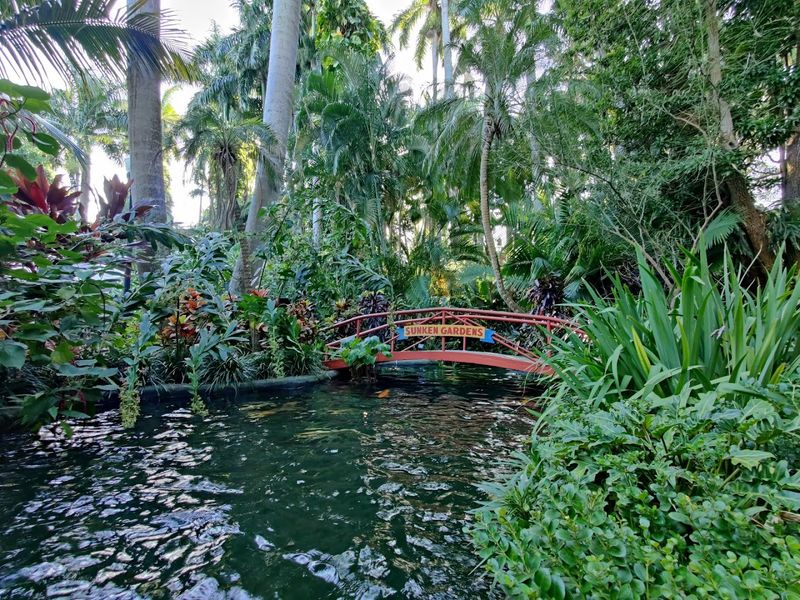
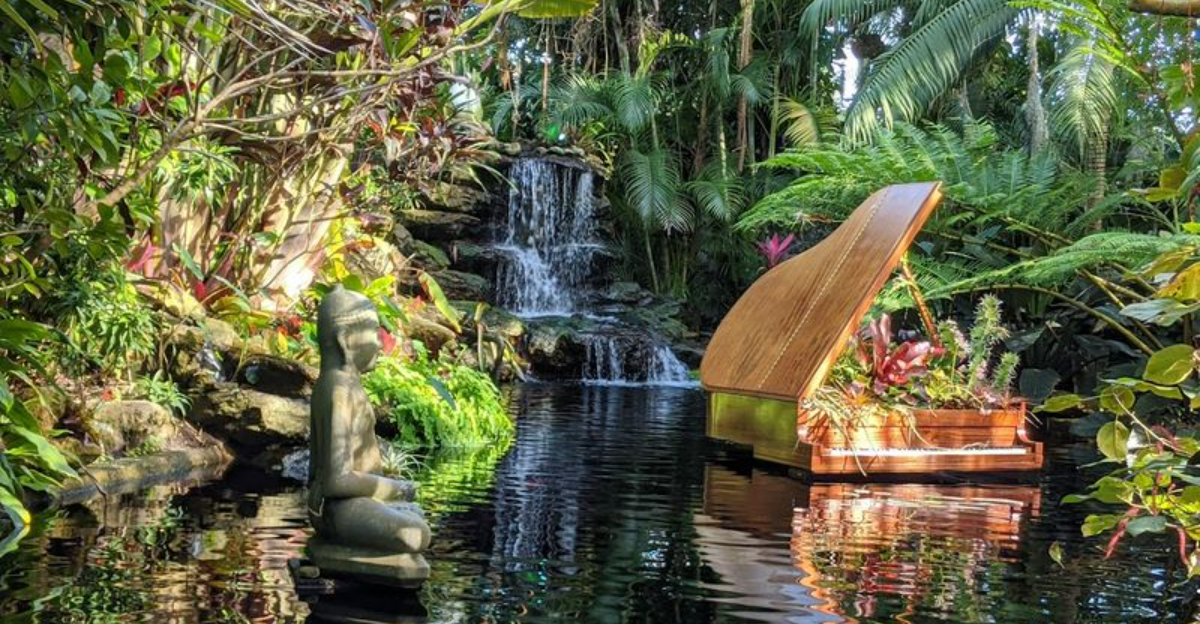
Sunken Gardens has the kind of old-Florida personality that makes you feel like you found a secret attraction by accident. Built from a drained sinkhole and opened to visitors in 1936, it now packs more than 50,000 tropical plants into a surprisingly intimate space in St. Petersburg.
The result is lush, a little theatrical, and much more charming than people expect.
I think the flamingos are part of the magic, especially knowing some are descendants of the original flock from the 1950s. But there is also a rainbow eucalyptus with a trunk that looks hand painted, plus waterfalls, demonstration beds, and a koi pond that softens the mood.
The age of the place shows up in the best way possible.
What keeps Sunken Gardens memorable is its mix of eccentricity and history. You get tropical abundance without the polished distance of a huge institution.
It feels personal, layered, and slightly surreal, like a botanical pocket universe that somehow stayed hidden in plain sight for decades.
Morikami Museum and Japanese Gardens
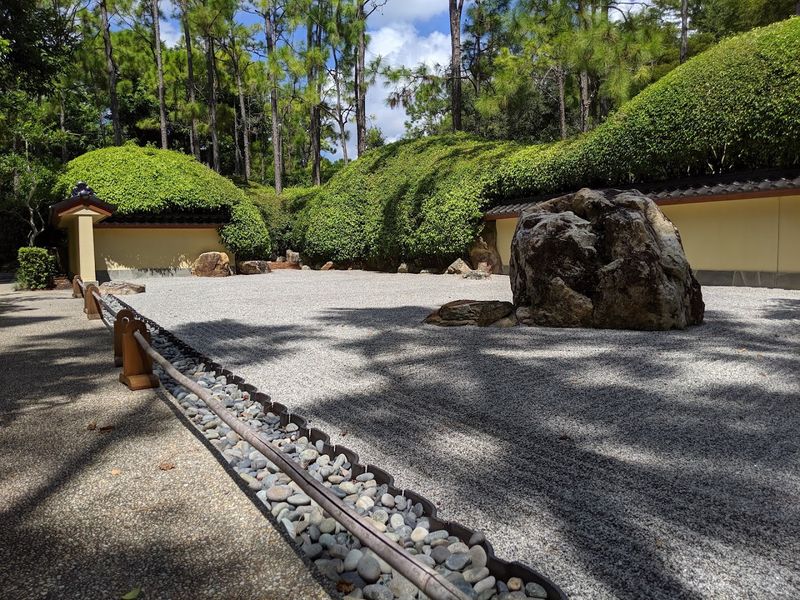
Morikami Museum and Japanese Gardens does not just offer pretty scenery. It creates a whole mood, one built around stillness, symbolism, and a fascinating link between Japan and South Florida.
The 16-acre garden space in Delray Beach unfolds through six distinct historical garden styles, so the walk feels more like a visual narrative than a simple loop. You notice bridges, gates, water, and stone differently here.
I love how the place invites you to slow down without making a big performance of it. Koi-filled lakes, bonsai collections, waterfalls, and carefully framed views keep changing the emotional tone from contemplative to quietly cinematic.
Then the museum adds another layer with exhibits, artifacts, and an authentic tea house that make the setting feel culturally grounded.
Morikami’s magic is that it never feels like imitation. It feels intentional, educational, and deeply calming, even when it is busy.
If you want a Florida garden that can genuinely reset your brain for a couple of hours, this is the one I would put high on the list.
Bok Tower Gardens
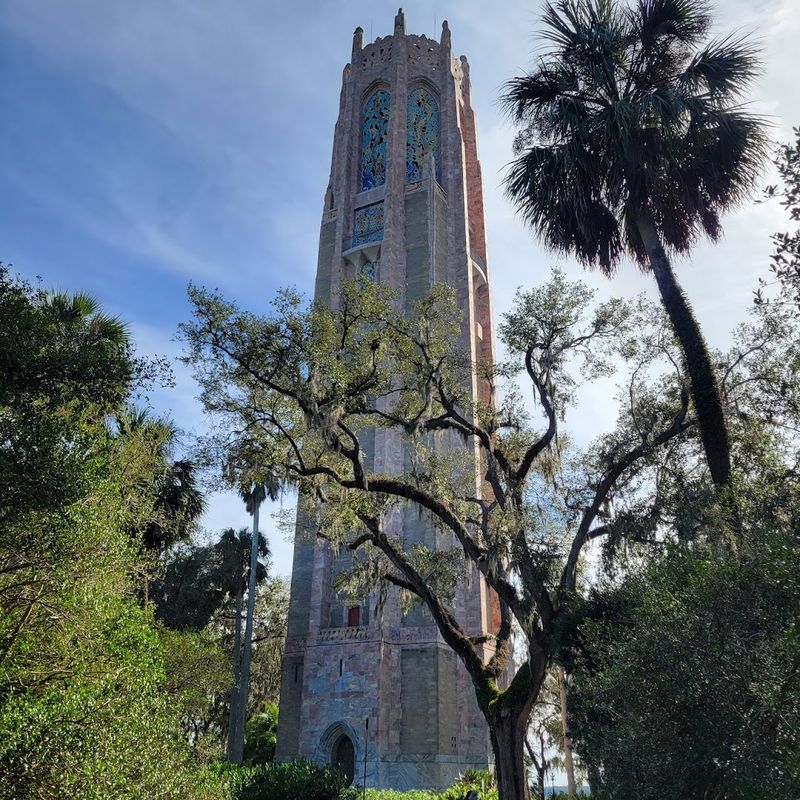
Bok Tower Gardens feels like the kind of place that was designed for your thoughts to get quieter. Set on Iron Mountain in Lake Wales, this 250-acre garden and bird sanctuary combines sweeping plantings with one unforgettable centerpiece, the 205-foot Singing Tower.
Daily carillon concerts drifting through the trees give the whole property an almost storybook quality.
I like that Bok never relies on the tower alone. The paths are lined with ferns, palms, oaks, pines, azaleas, camellias, and magnolias, and there is real habitat value here too, with birds, gopher tortoises, and native ecosystems woven into the experience.
Even family spaces like Hammock Hollow feel imaginative rather than overly packaged.
There is also Pinewood Estate, a historic Mediterranean-style home that adds another layer of old-world character. What makes Bok feel magical, though, is the way sound and landscape work together.
You are not just looking at a beautiful garden. You are moving through a place that seems composed like music, with pauses, crescendos, and calm all built in.
Alfred B. Maclay Gardens State Park
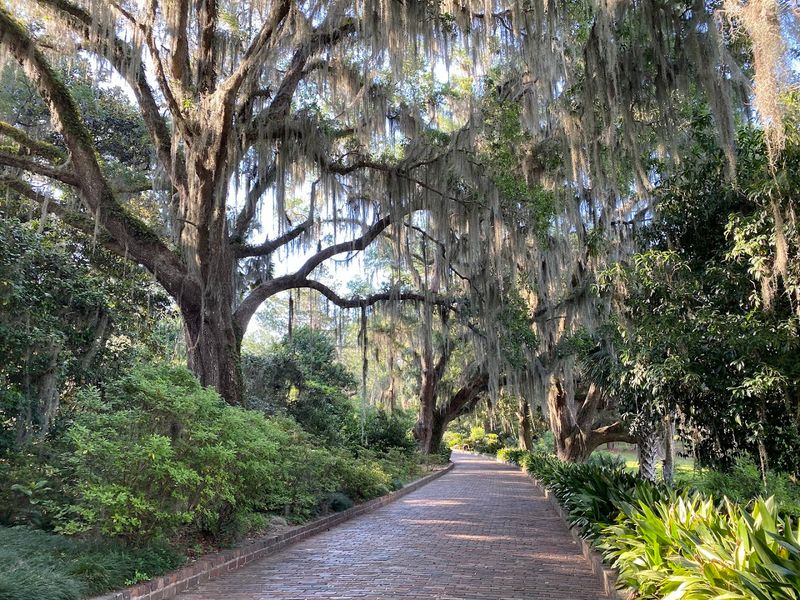
Alfred B. Maclay Gardens State Park is one of those places that sneaks up on you with old-fashioned elegance.
Originally planted in 1923 for a winter home in Tallahassee, the ornamental garden still feels composed with care, from its brick walkway to the reflection pool, walled garden, and hidden corners that seem made for quiet conversations. It is refined without feeling stiff.
If you visit during bloom season, the camellias and azaleas can look almost unreal. There are more than 150 camellia cultivars and 60 azalea varieties, which explains why spring here feels like a color event rather than just a nice garden day.
I also like how the formal beauty opens into a larger park with lakes, trails, and room to kayak or wander.
That contrast gives Maclay its personality. You get floral architecture and polished historic atmosphere, but you also get North Florida woods and water just beyond it.
It feels less like a staged estate and more like a graceful meeting point between landscape design and the state’s quieter natural side.
Harry P. Leu Gardens
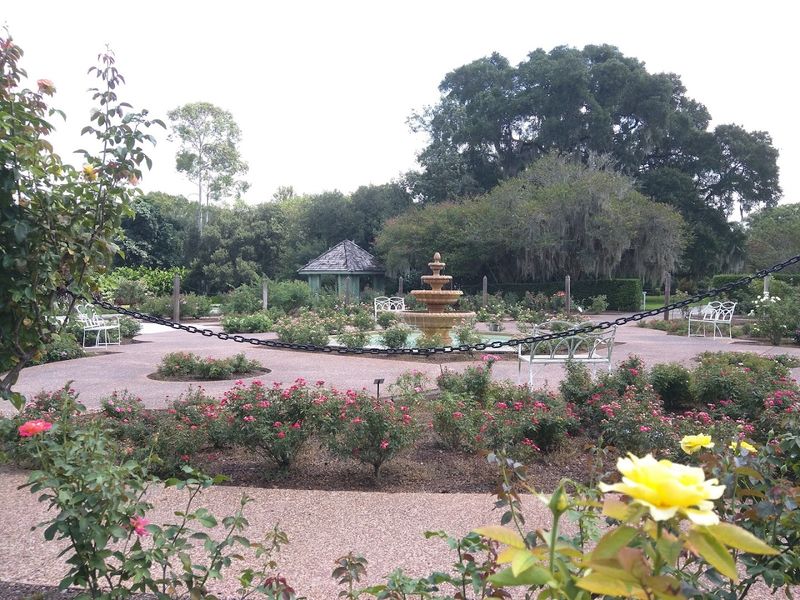
Harry P. Leu Gardens feels like Orlando’s gentler alter ego.
Away from the city’s louder attractions, this 50-acre botanical oasis layers old oaks, formal roses, camellias, tropical plantings, and the historic Leu House into a setting that feels both polished and deeply livable. It is the kind of garden where you can imagine staying far longer than planned.
I think its charm comes from variety. One path leads you into a rose garden with a fountain, another into a tropical stream setting that mimics a rainforest, and another beneath huge old oaks that make the whole property feel sheltered and timeless.
Even recurring touches like the Fairy Doors exhibit add whimsy without making the place feel childish.
The historic house helps too, because it grounds the beauty in a real family story. Harry and Mary Jane Leu filled the grounds with plants gathered from their travels, and that spirit of curiosity still hangs over the property.
If you want a garden that feels generous, shaded, and quietly enchanting, Leu delivers every time.
Kanapaha Botanical Gardens
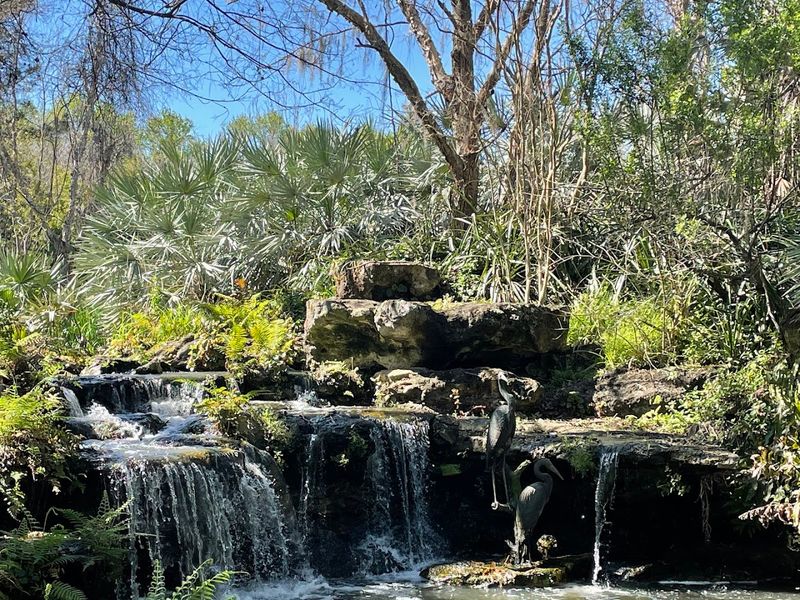
Kanapaha Botanical Gardens has a slightly offbeat energy that makes it stand out from more formal garden experiences. Spread across 68 acres in Gainesville, it includes 24 themed collections connected by a paved walkway, so every section feels like another chapter in a creative outdoor catalog.
It is broad enough to feel immersive but still easy to explore in one visit.
The big crowd-pleasers are easy to understand. There are giant Victoria water lilies, Florida’s largest public bamboo display, and the largest herb garden in the Southeast, which gives the place a mix of spectacle and practical fascination.
I also love the sculptures and art installations, because they make the landscape feel more playful and less predictable.
Kanapaha’s real magic is that it encourages curiosity rather than perfection. One minute you are in a cactus-heavy rock garden, and the next you are near streams, waterfalls, or a children’s maze.
It feels experimental in a good way, like a garden designed for people who want wonder with a little weirdness still attached.
Naples Botanical Garden
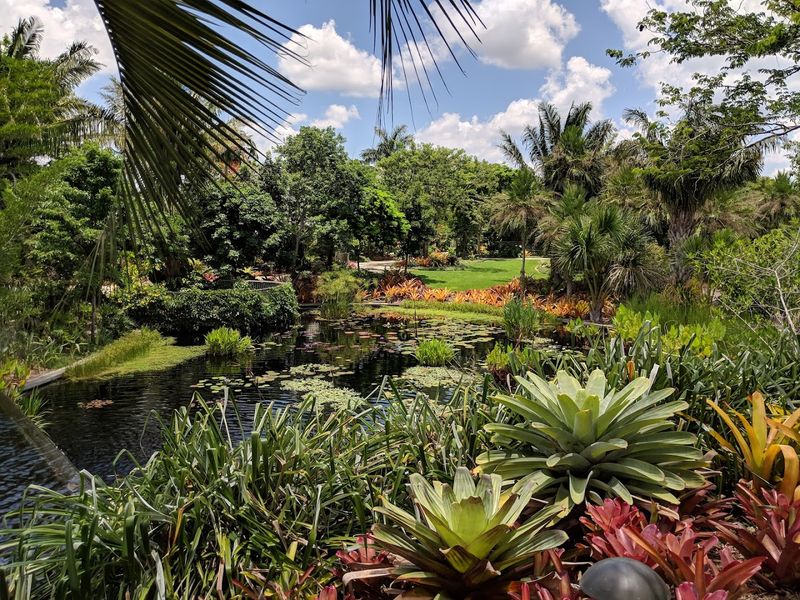
Naples Botanical Garden feels globally ambitious in a way that is hard not to admire. This 170-acre property is built around plants from ecosystems between the 26th parallel north and south, so you move through spaces inspired by Brazil, the Caribbean, Asia, and Florida without the experience feeling random.
It is immersive, polished, and full of surprises.
I especially like how much water shapes the garden’s personality. Nearly two acres of water gardens hold lotuses, waterlilies, and even both the world’s largest and smallest waterlily species, which sounds almost too convenient to be true until you see it.
Add orchid displays, tropical fruit, sculpture, and a preserve with a ghost orchid boardwalk, and the garden starts feeling wonderfully expansive.
For all its scale, it never loses intimacy. You can still find quiet corners, shaded paths, and moments that feel personal instead of grand.
That balance is what makes Naples so magical to me. It is a world garden with a Florida pulse, equal parts elegance, education, and lush daydream.
The Kampong, National Tropical Botanical Garden
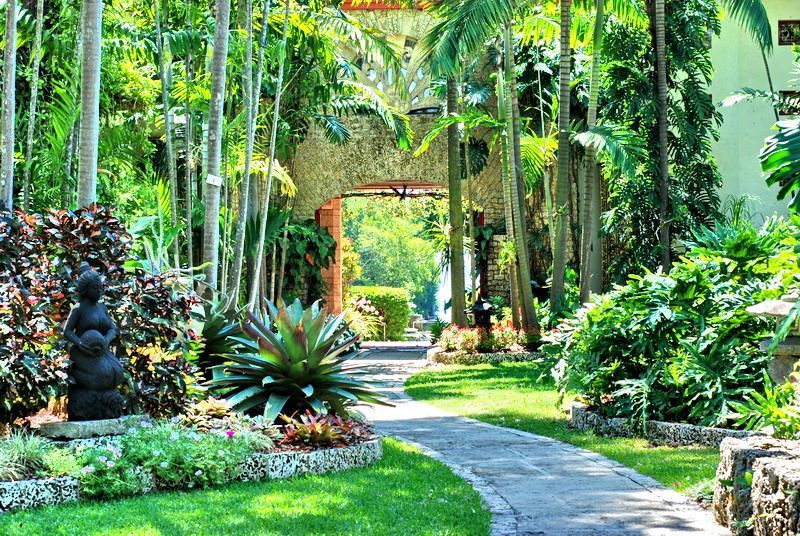
The Kampong feels less like a public garden and more like an invitation into a remarkable horticultural life. Tucked along Biscayne Bay in Miami, this former home and experimental garden of plant explorer David Fairchild carries the atmosphere of a place where ideas once arrived by ship, suitcase, and careful observation.
It is intimate, historic, and unusually layered.
I love that the collections lean into useful beauty. You will find tropical fruits, including dozens of mango and avocado varieties, alongside palms, bamboo, flowering trees, aroids, and a pollinator garden that makes the property feel actively alive.
The bayfront setting helps too, because the light and breeze give everything a slightly cinematic softness.
Then there are the details that make it unforgettable, like the Fairchild-Sweeney House, the old physician’s office, and even a solar still created by Alexander Graham Bell. Few gardens feel this intellectually adventurous.
The Kampong is magical not because it overwhelms you, but because it quietly suggests that botany, travel, history, and imagination can all share the same address.
McKee Botanical Garden
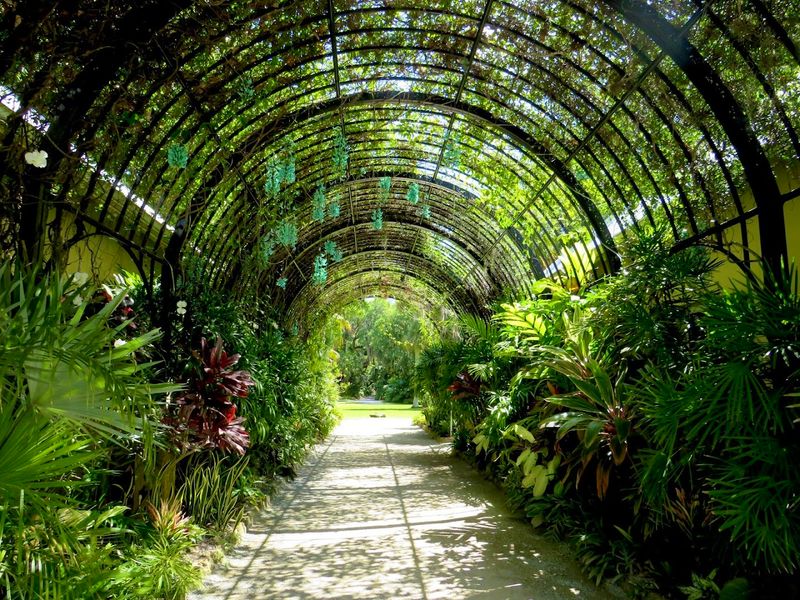
McKee Botanical Garden has a rare talent for feeling both sophisticated and delightfully strange. In Vero Beach, this 18-acre tropical garden blends cultural history, strong horticulture, and just enough whimsy to keep the whole experience from becoming overly formal.
It is the sort of place where serious plant lovers and imaginative kids can be equally captivated.
The waterlily collection is a major reason people remember it. McKee has one of the largest outdoor displays in the country, with more than 80 varieties and a collection recognized for excellence, so the ponds can feel almost theatrical when they are in peak form.
Then you add the Hall of Giants, the bamboo structure, and playful spaces like the Fairy Forest and pirate shipwreck, and the garden takes on a dreamlike rhythm.
I think that contrast is its secret weapon. McKee honors history and design, but it never forgets to be fun.
You move from tranquil tropical beauty to something nearly storybook, then back again. That makes it feel less like a standard attraction and more like an unfolding, slightly enchanted adventure.
Mounts Botanical Garden
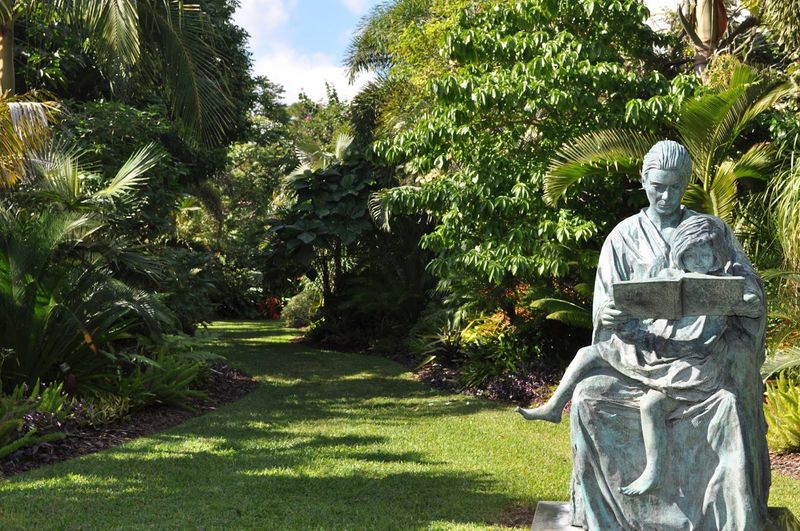
Mounts Botanical Garden often flies under the radar, which is exactly why it feels like such a satisfying discovery. As Palm Beach County’s oldest and largest public garden, it packs a surprising range of tropical and subtropical plants into a relatively approachable space.
You can move from fragrant roses to wetlands to a garden of tranquility without ever feeling rushed.
I like Mounts because it has an educational backbone without becoming overly academic. The partnership with the University of Florida and the Cooperative Extension Department gives the planting choices substance, while the art installations, waterfall, and quiet paths keep the mood welcoming.
It also helps that there are more than 25 garden areas, so your attention keeps shifting in fun ways.
The wetland section is especially memorable, and the dry stream bed adds a clever Florida-specific note about surviving both floods and droughts. That practicality makes the beauty feel earned.
Mounts may not shout for attention, but once you are inside, it reveals itself as thoughtful, varied, and unexpectedly transporting.
Edison and Ford Winter Estates
Edison and Ford Winter Estates offers a garden experience with built-in storytelling, which makes every path feel richer. Spread across more than 20 acres in Fort Myers, the grounds combine tropical plantings, historic homes, and the inventive legacy of two famous winter residents.
It is beautiful on its own, but the personal history gives everything extra texture.
The plant collection is more diverse than many visitors expect, with over 1,700 plants representing more than 400 species from six continents. I think the biggest showstopper is the enormous banyan tree, though the royal palm allees, bamboo varieties, butterfly garden, and Moonlight Garden all create their own distinct mood.
You can feel the estate shifting between grandeur, experimentation, and domestic charm.
That last part matters, because this place never feels like a static museum wrapped in flowers. It still carries traces of work, curiosity, and seasonal life, especially near the botanic research laboratory and food-growing spaces.
If you enjoy gardens that reveal personality as much as beauty, these estates are an easy recommendation.
Washington Oaks Gardens State Park
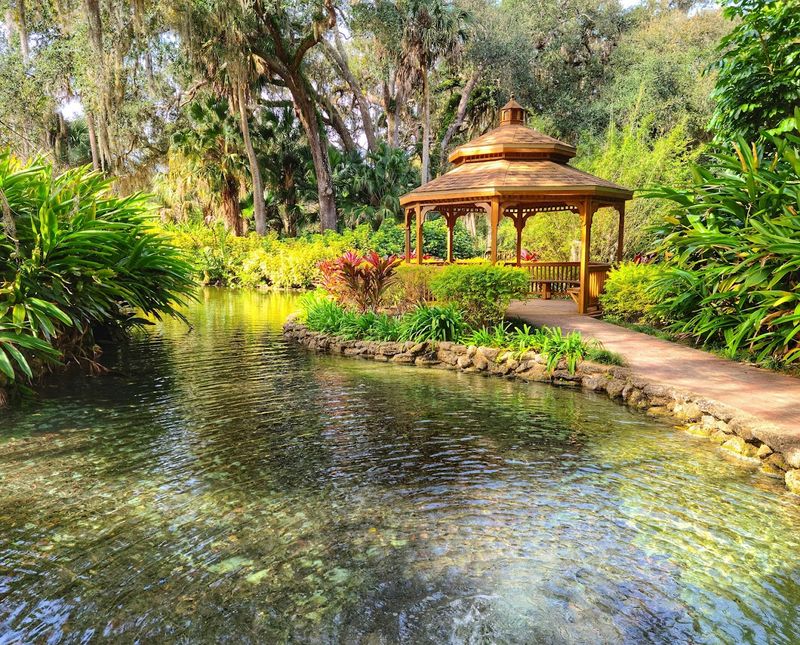
Washington Oaks Gardens State Park has one of the most unusual settings of any garden in Florida, and that tension is what makes it memorable. On one side, you get formal gardens with reflection ponds, winding paths, and ornamental plantings tucked under an oak hammock.
On the other, you have the Atlantic shoreline with coquina rock formations that look rugged, ancient, and almost sculptural.
I love places that let softness and roughness share the same frame, and Washington Oaks does that beautifully. The nearly 300-year-old Washington Oak adds a sense of age, while azaleas, camellias, bird-of-paradise, and still water keep the formal side feeling graceful.
Then you cross toward the ocean and the mood turns dramatic, salty, and photogenic in a completely different way.
Because it is a state park, the experience also stays refreshingly open-ended. You can picnic, bird-watch, bike, beachcomb, or simply sit and let the contrast do the work.
That mix of cultivated garden beauty and wild coastal geology gives the park a rare kind of magic that feels both elegant and elemental.