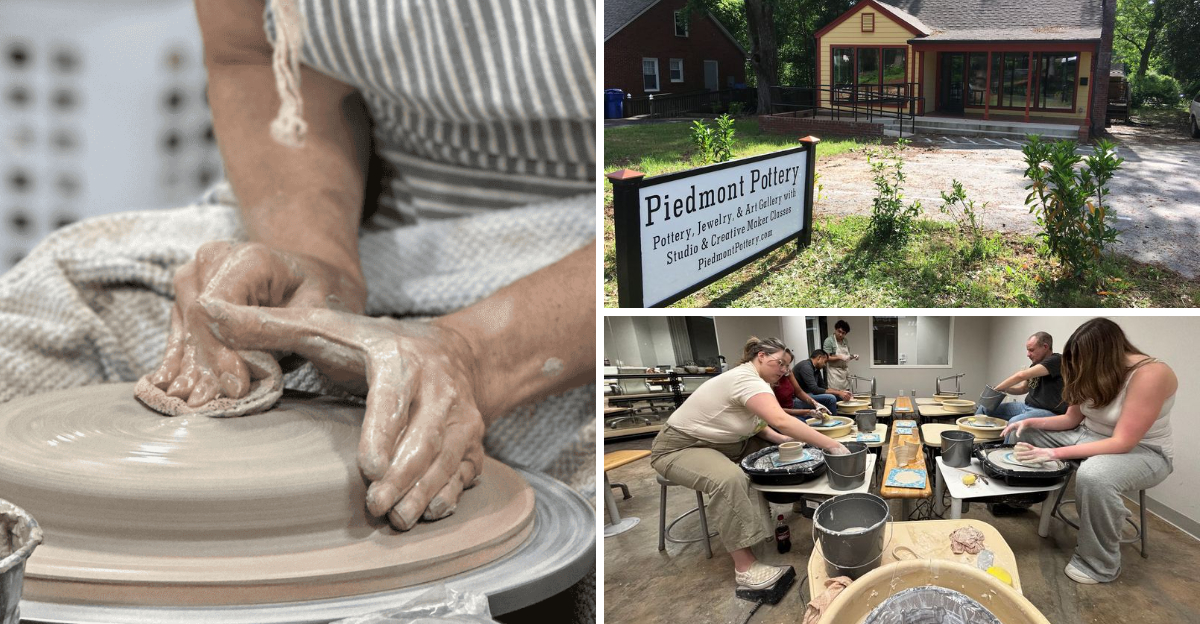
One afternoon with a lump of clay can surprise you more than an entire weekend of ordinary plans.
North Carolina has earned its place as one of America’s favorite pottery destinations, where centuries of tradition meet welcoming studios ready to help beginners get their hands dirty.
From the famous pottery communities of Seagrove to cozy workshops tucked into bustling cities, there’s no shortage of places to shape something memorable.
Pottery has a way of slowing the world down. The spinning wheel, soft clay, and steady guidance from skilled instructors make it easy to forget your phone, your schedule, and everything waiting back home.
Even if your first bowl comes out a little crooked, that’s part of the charm.
These 15 pottery workshops invite you to laugh, create, and leave with more than a handmade piece.
You’ll discover friendly teachers, inspiring spaces, and the simple joy of making something from scratch—one spin of the wheel at a time.
North Carolina Pottery Center (Seagrove)
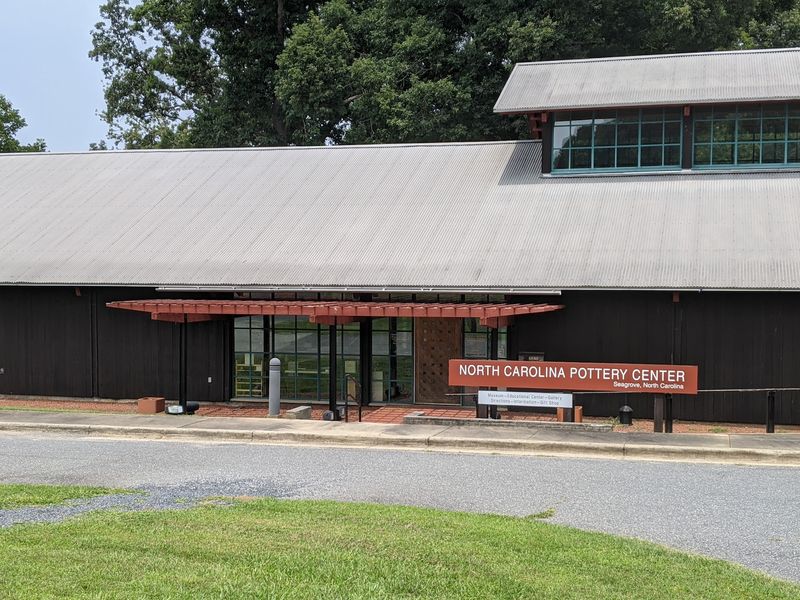
Seagrove’s pottery tradition stretches back over 200 years, making this region the heartbeat of North Carolina’s ceramic arts. The North Carolina Pottery Center stands at the crossroads of this heritage, welcoming visitors who want to experience the same techniques generations of local potters have perfected.
Their popular Learn to Turn workshops give complete beginners hands-on time at the pottery wheel under expert guidance. You’ll center clay, pull up walls, and create your first functional piece while learning about the families and traditions that made this area famous.
The center’s knowledgeable instructors share stories about historic pottery processes alongside practical wheel-throwing techniques.
After your session, explore the museum’s collection of historic and contemporary North Carolina pottery. The gift shop features works from dozens of local potters, making it easy to bring home a professionally crafted piece alongside your own creation.
Workshop sessions fill quickly during peak seasons, so advance registration is strongly recommended for this authentic Seagrove experience.
STARworks Ceramics (Star)
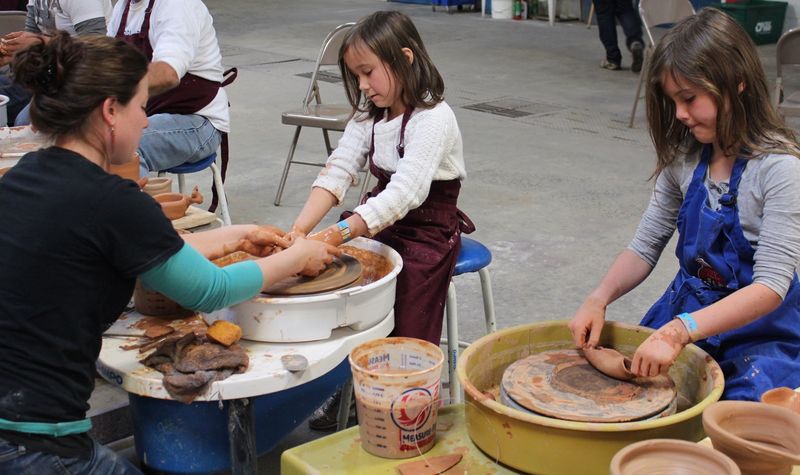
Just minutes from Seagrove, an entire arts campus dedicated to ceramic innovation rises from the countryside. STARworks has earned national recognition for turning a former hosiery mill into a thriving creative hub where glass blowers, ceramic artists, and metal workers share space and inspiration.
The ceramics program here goes beyond basic wheel throwing. Beginners start with fundamentals in welcoming introductory classes, but the real excitement comes from specialty workshops covering everything from raku firing to sculptural hand-building techniques.
Experienced potters appreciate the advanced glazing classes and access to professional-grade equipment rarely found in community studios.
Weekend workshops offer concentrated learning experiences, while multi-week courses allow deeper skill development. The campus features a gallery showcasing resident artists’ work, a cafe, and outdoor spaces perfect for contemplating your next creative project.
Many students return season after season, drawn by the combination of excellent instruction and the energizing atmosphere of a working arts campus.
John C. Campbell Folk School (Brasstown)
Mountain mist hangs over the valleys surrounding Brasstown, where one of America’s oldest and most respected craft schools has been teaching traditional arts since 1925. The journey to John C.
Campbell Folk School feels like stepping away from modern life into a place where creativity and community matter most.
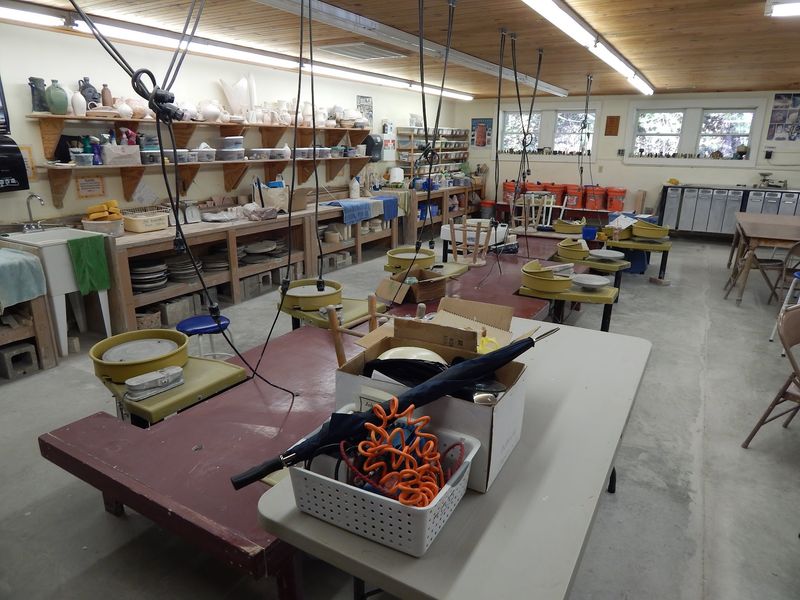
Pottery courses here range from weekend intensives to full week-long immersions taught by professional ceramic artists. Students stay on campus in simple, comfortable lodging, sharing meals family-style and spending evenings around the community fire or attending concerts in the school’s historic Keith House.
This residential approach creates deep friendships and focused learning impossible to achieve in drop-in classes.
Mornings begin with coffee on the porch overlooking the mountains before heading to well-equipped studios. Instructors emphasize both technical skill and personal artistic development.
The school’s non-competitive philosophy means everyone learns at their own pace without pressure, making it especially popular with adults seeking creative renewal.
Penland School of Craft (Bakersville)
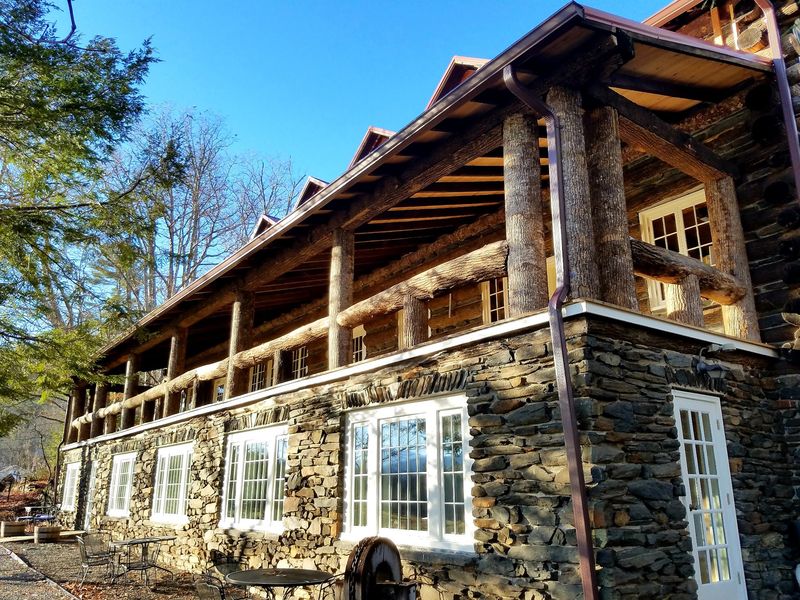
Serious ceramic artists from around the world make pilgrimages to this mountain school where craft elevation reaches its highest form. Penland’s reputation for excellence means workshops fill months in advance, drawing students willing to commit fully to intensive learning experiences.
Weekend sessions provide concentrated introductions to specific techniques, but the real transformation happens in week-long and two-week classes. Participants work from morning until evening, completely immersed in wheel throwing, hand-building, or surface decoration under master instructors.
Studios stay open late for students who can’t pull themselves away from their projects.
The remote mountain location eliminates distractions, focusing energy entirely on creative development. Campus housing and communal dining create a temporary artistic community where conversations about glazes and firing techniques continue over meals.
Equipment includes high-fire kilns, extensive glaze materials, and professional-grade wheels.
First-timers often feel intimidated by Penland’s reputation, but instructors skillfully guide beginners while challenging experienced potters. Many students report these workshops as transformative experiences that permanently changed their relationship with clay.
Pullen Arts Center (Raleigh)
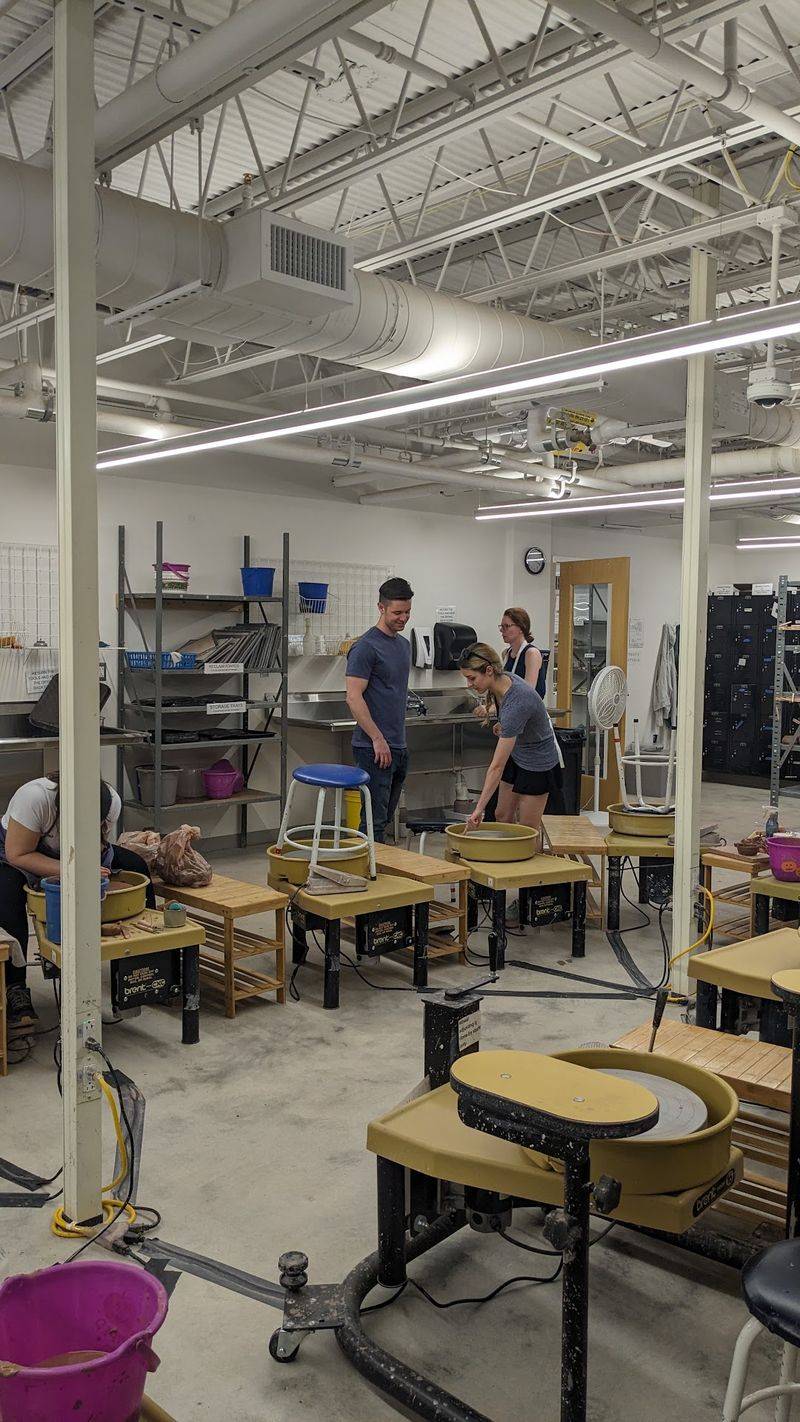
Public arts facilities rarely match the quality found at Pullen Arts Center, where Raleigh has invested in professional-grade equipment and expert instruction available to everyone. Walking into the ceramics studio reveals dozens of pottery wheels, extensive glaze libraries, and multiple kiln rooms that rival private art schools.
Eight-week courses provide structured progression from complete beginner through advanced techniques. Professional ceramic artists teach classes sized small enough for individual attention.
Students gain access to open studio hours, meaning you can practice between classes and develop skills at your own pace.
The center particularly shines for its accessibility and affordability. Registration fees remain remarkably reasonable for the quality of instruction and facility access provided.
Families appreciate youth classes running alongside adult sessions, making it possible for parents and children to explore pottery together.
Located in historic Pullen Park, you can combine pottery sessions with walks around the lake or visits to the vintage carousel. Regular student exhibitions showcase finished work, providing motivation and community recognition for learners at every level.
Durham Arts Council Clay Studio (Durham)
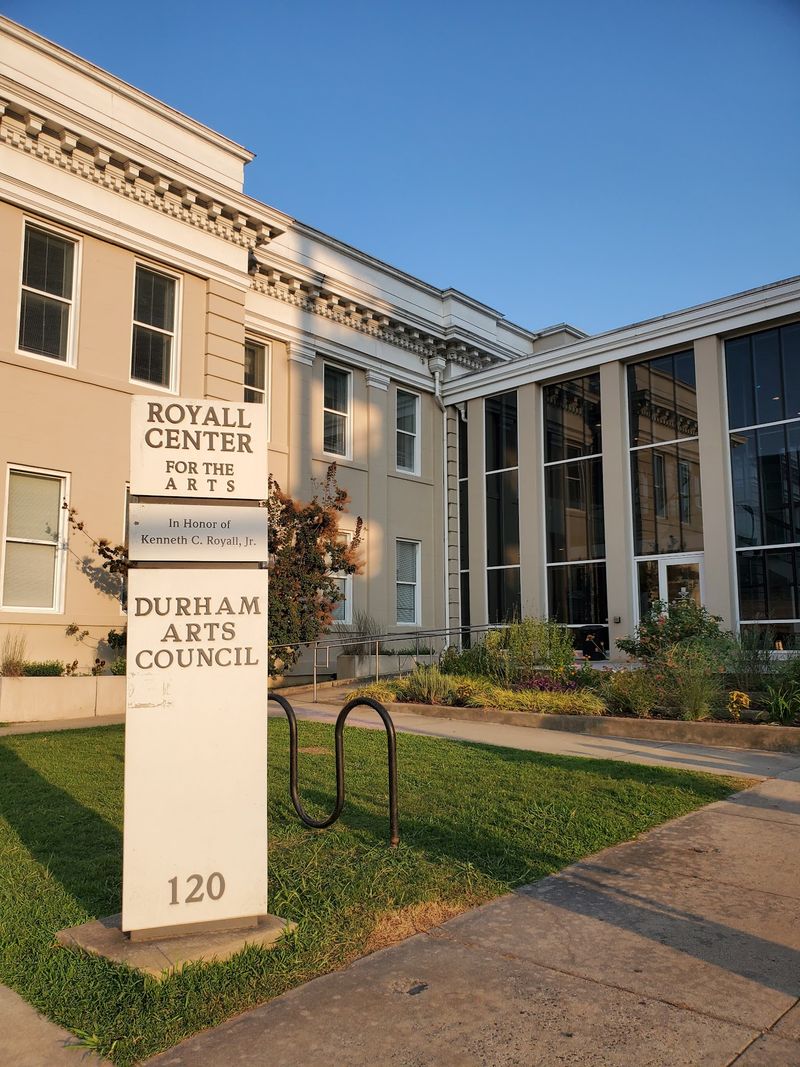
Downtown Durham’s creative energy pulses through this community clay studio where artists at every level gather to work, learn, and share their love of ceramics. The Arts Council transformed this space into a welcoming hub that feels more like a creative cooperative than a traditional classroom.
Beginner series introduce fundamental wheel-throwing and hand-building techniques through patient, encouraging instruction. As skills develop, students transition into intermediate and advanced classes exploring sculptural forms, surface treatments, and specialized firing methods.
Open studio memberships allow experienced potters to work independently while benefiting from the studio’s excellent equipment and glaze selection.
The studio’s downtown location means you can easily combine pottery sessions with Durham’s famous food scene and cultural attractions. Evening classes work perfectly for professionals seeking creative outlets after work.
Weekend workshops offer concentrated learning opportunities without long-term commitments.
Community shows throughout the year celebrate student achievements and provide opportunities to sell finished pieces. The supportive atmosphere encourages experimentation and risk-taking, with fellow potters always ready to offer advice or admire each other’s progress.
Mud and Co. (Raleigh)
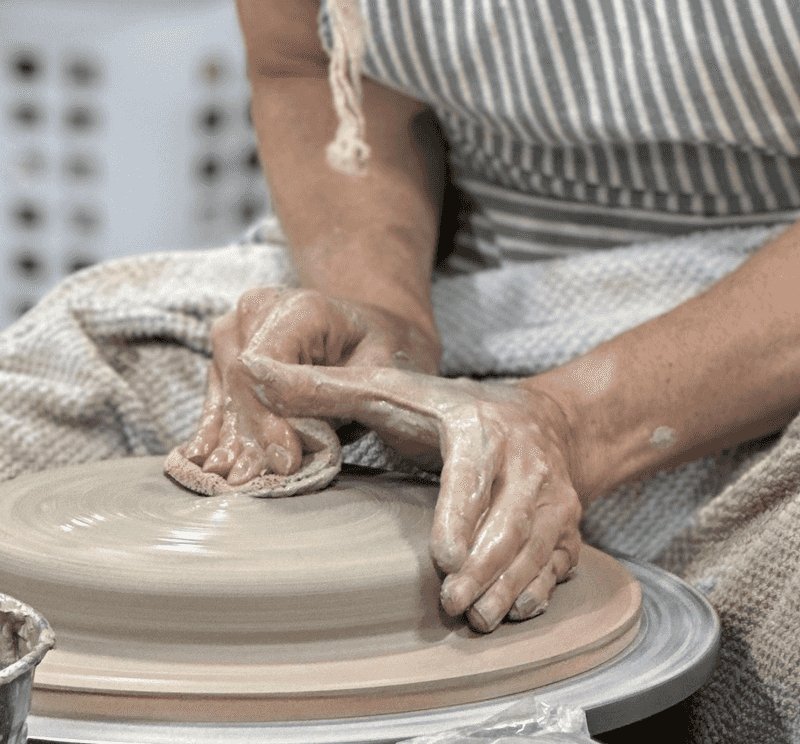
Tucked inside Raleigh’s ShopSpace makers campus, Mud and Co. radiates the kind of welcoming energy that makes first-time potters feel immediately at ease. Founders created this studio specifically to demystify ceramics and make clay accessible to everyone, regardless of artistic background or experience.
Six-week beginner throwing series build fundamental skills methodically, with each session introducing new techniques while reinforcing previous lessons. Instructors maintain small class sizes ensuring everyone receives personal attention and feedback.
One-day workshops provide quick introductions perfect for curious newcomers or busy schedules.
Private event bookings have become incredibly popular for birthday celebrations, team building, and creative dates. The studio provides all materials and guidance, handling details so groups can focus entirely on fun and creativity.
Studio memberships grant access to wheels, tools, glazes, and firings for potters wanting regular practice time.
The makers campus environment adds extra appeal, with neighboring woodworking shops, textile studios, and metalworking spaces creating a broader creative community. Many students linger after classes, discussing projects over coffee from the on-site cafe.
Clayboro Studios (Carrboro)
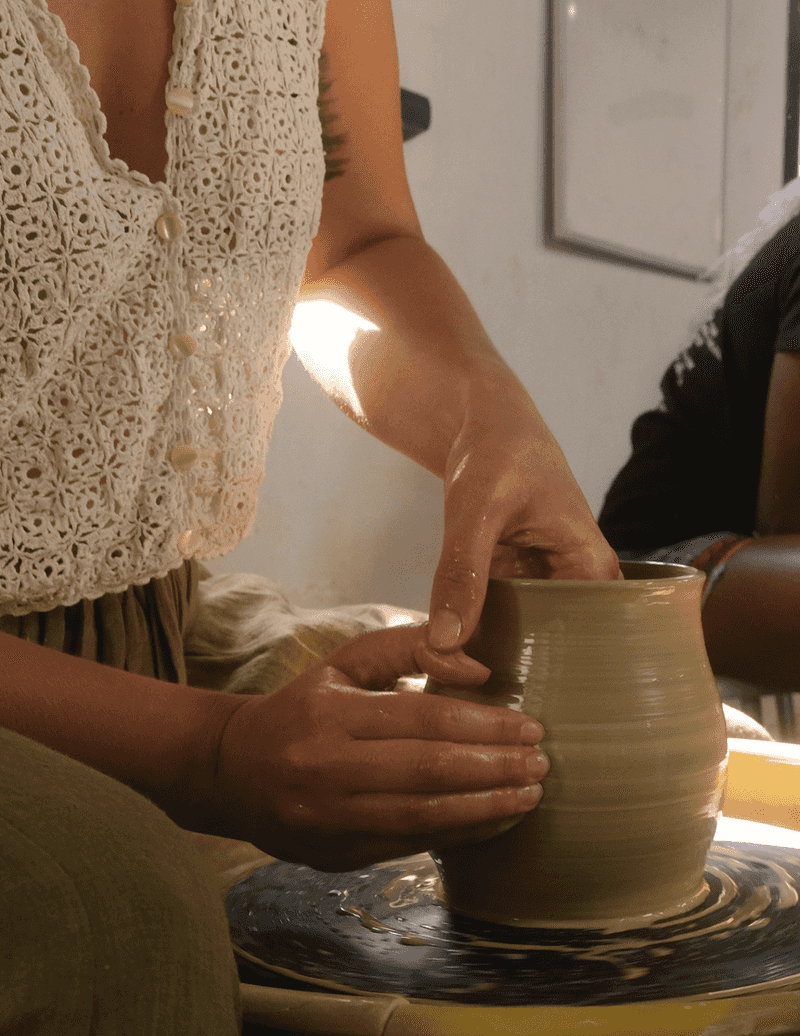
Carrboro’s newest ceramic destination emerged from the vision of creating a truly collaborative space where potters support and inspire each other. Clayboro Studios feels fresh and energetic, attracting both absolute beginners and experienced ceramic artists looking for community and excellent facilities.
Classes run the gamut from intro wheel throwing to advanced sculptural techniques, all taught by working ceramic artists who bring real-world experience into their instruction. The teaching philosophy emphasizes personal artistic development rather than rigid technique replication.
Students learn foundational skills but receive encouragement to experiment and develop individual styles from their very first pieces.
Membership options provide access to professional equipment, extensive glaze selections, and firing services without the commitment of traditional class schedules. The open studio environment means you’ll often work alongside potters at different skill levels, creating natural mentorship opportunities and friendship.
Studio events including pit firings, raku workshops, and group exhibitions foster community connections beyond regular class times. The location in artsy Carrboro means easy access to galleries, restaurants, and the creative culture this town is known for throughout the Triangle.
The Clay Trail (Rutherfordton)
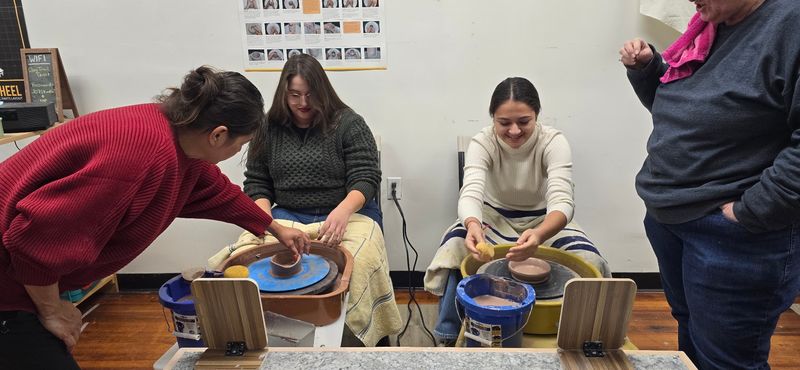
Beginners searching for a no-pressure introduction to pottery consistently praise The Clay Trail for its encouraging atmosphere and patient instruction. Owner and instructors have built a reputation around making ceramics approachable, fun, and stress-free for people who’ve always wanted to try but felt intimidated by the learning curve.
Trial classes let you test the waters with a single session before committing to longer courses. Pottery wheel instruction starts with the absolute basics, breaking down each step until centering clay and pulling up walls feels manageable rather than mysterious.
Hand-building workshops offer alternative entry points for those preferring sculptural approaches over wheel work.
Seasonal themed workshops add playful elements to learning, from holiday ornament sessions to garden sculpture classes that change with the seasons. These special events combine skill-building with immediate gratification, as participants leave with finished pieces perfect for gifts or home decoration.
The studio’s small-town setting in Rutherfordton provides a relaxed escape from urban hustle. Classes remain small, ensuring instructors can work closely with each student.
Many participants return repeatedly, building skills gradually while enjoying the social aspects of regular studio sessions.
Village Studio and Gallery (Charlotte)
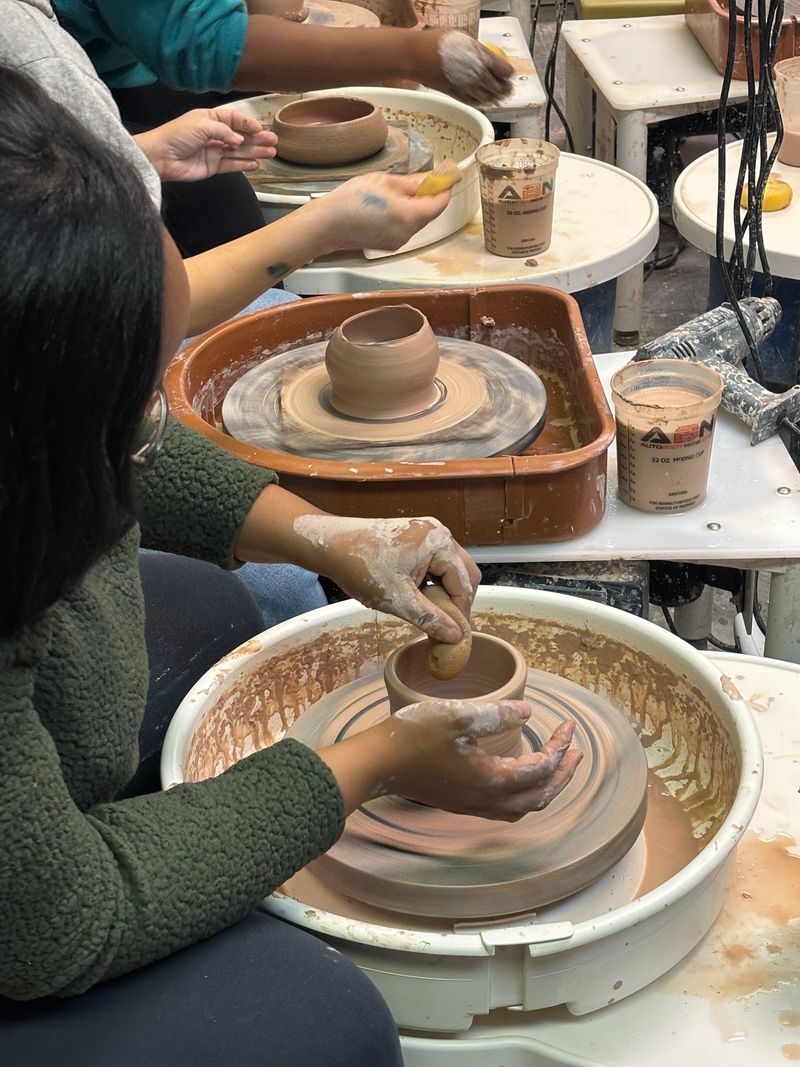
Charlotte’s urban energy meets handmade artistry at this well-established ceramics studio where creativity flourishes amid the city’s bustling arts scene. Village Studio has spent years building a loyal following of students who appreciate the combination of professional instruction and welcoming community atmosphere.
Pottery wheel classes progress systematically from beginner fundamentals through advanced throwing techniques. Hand-building workshops explore coil construction, slab work, and sculptural forms for those drawn to different creative approaches.
Instructors bring both technical expertise and genuine enthusiasm for helping students discover their artistic voices.
Date night sessions have become legendary among Charlotte couples seeking memorable alternatives to typical dinner-and-movie outings. Partners work side-by-side creating matching mugs or complementary pieces, with wine and laughter flowing as freely as creative ideas.
The relaxed atmosphere makes these sessions feel more like social gatherings than formal classes.
Open studio opportunities allow continuing students to practice independently while accessing the studio’s excellent equipment and firing services. Gallery exhibitions showcase both instructor work and exceptional student pieces, providing inspiration and demonstrating the possibilities that develop through dedicated practice.
Sawtooth School for Visual Art (Winston-Salem)
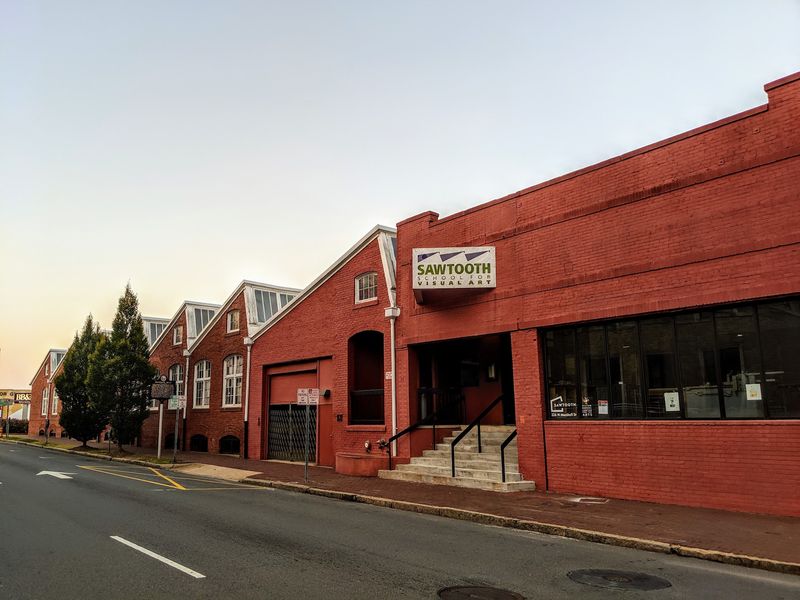
Winston-Salem’s respected nonprofit arts institution has been nurturing creative talent for decades through comprehensive programs covering multiple visual art disciplines. The ceramics department stands out for its depth, offering everything from absolute beginner courses to highly specialized advanced workshops under experienced instructors.
Wheel throwing classes teach proper centering, shaping, and trimming techniques with patient repetition until movements become intuitive. Sculpture courses explore clay’s expressive potential through figurative work, abstract forms, and architectural pieces.
Glazing workshops delve into the chemistry and artistry of surface treatments, revealing how different combinations create stunning visual effects.
The school’s nonprofit mission means accessible pricing and a genuine commitment to arts education rather than profit. Class sizes stay deliberately small, maximizing individual attention and critique opportunities.
Studio facilities include extensive equipment, kiln varieties, and material selections rivaling much larger institutions.
Specialty workshops bring in visiting artists for intensive sessions exploring specific techniques or styles. These limited-time opportunities attract serious students from across the region.
Regular student exhibitions celebrate achievements and provide valuable experience in presenting finished work professionally.
Piedmont Pottery (Fuquay-Varina)
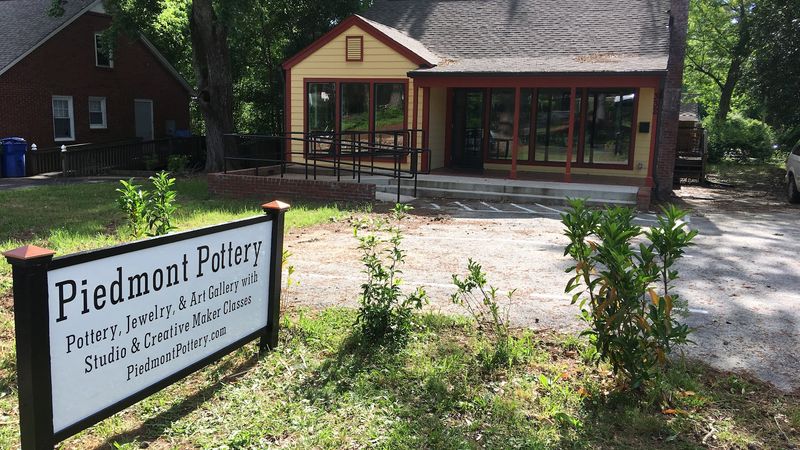
Sometimes the best creative experiences happen in relaxed, unpretentious environments where pressure disappears and playfulness emerges. Piedmont Pottery cultivates exactly this kind of atmosphere, making it a favorite among students who want to learn pottery without performance anxiety or competitive dynamics.
Classes cover fundamental wheel-throwing skills and hand-building techniques through clear instruction that meets students where they are. Nobody rushes your progress or expects perfection from early attempts.
Instructors focus on helping each person develop confidence alongside technical ability, understanding that creativity flourishes when people feel supported rather than judged.
Membership options suit potters wanting regular studio access for independent practice. The community-focused environment means you’ll quickly know fellow members by name, sharing tips, celebrating successes, and commiserating over collapsed pots with equal warmth.
Group workshops accommodate friends wanting shared creative experiences or special celebrations.
The Fuquay-Varina location provides a quieter alternative to urban studios while remaining easily accessible from the Triangle. Parking is simple, the pace is unhurried, and the overall vibe encourages people to genuinely enjoy the process of working with clay.
Zebulon Pottery (Wendell)
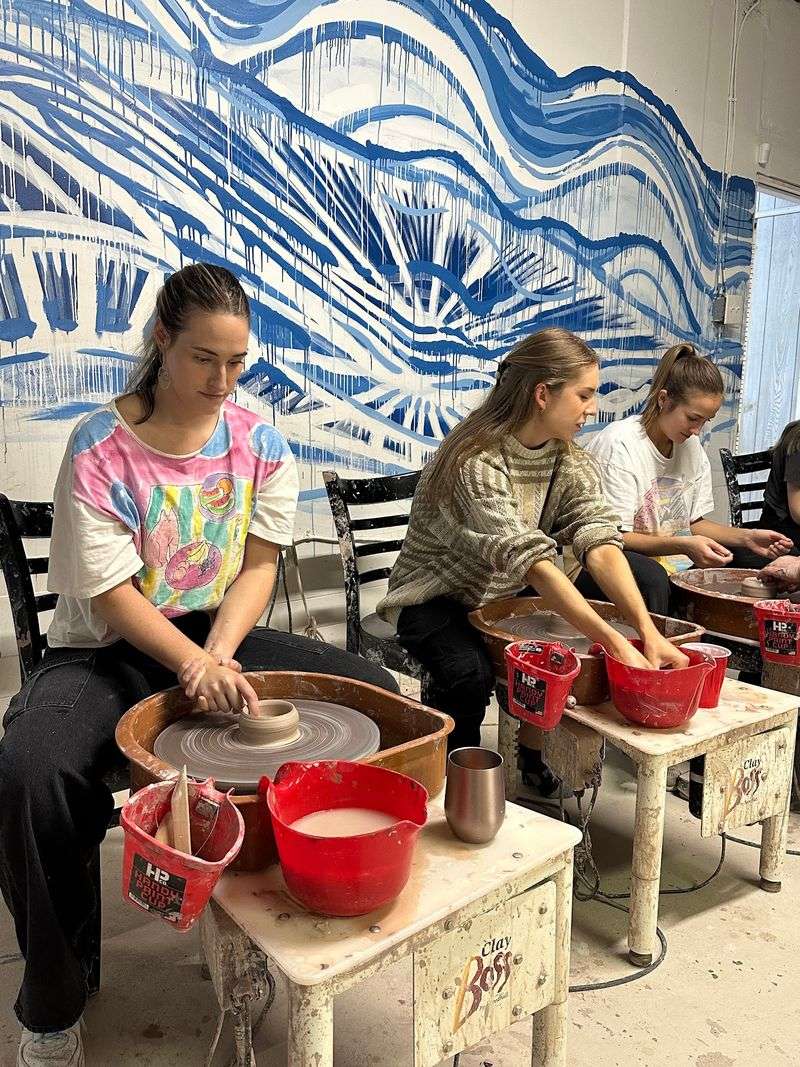
East of Raleigh, this popular pottery destination serves communities often overlooked by Triangle arts programming. Zebulon Pottery has built a strong reputation for quality instruction and friendly service that keeps students returning session after session to build their skills and expand their ceramic repertoire.
Beginner wheel-throwing courses start with fundamentals and progress methodically through increasingly complex forms. Instructors explain not just what to do but why certain techniques work, helping students understand the principles behind successful throwing.
Glazing classes demystify the sometimes-confusing world of surface treatments, teaching both application techniques and how different glazes interact with clay bodies.
Workshop formats vary from single-session introductions to multi-week courses allowing deeper skill development. Private event bookings transform pottery into group entertainment for parties, corporate team building, or creative gatherings.
The studio handles all setup and instruction, making hosting effortless.
Students appreciate the convenient location, ample parking, and well-maintained equipment. The teaching approach balances structure with flexibility, ensuring everyone learns essential skills while having room to explore personal interests.
Many participants form lasting friendships through shared studio time.
Delores Pottery (Durham)
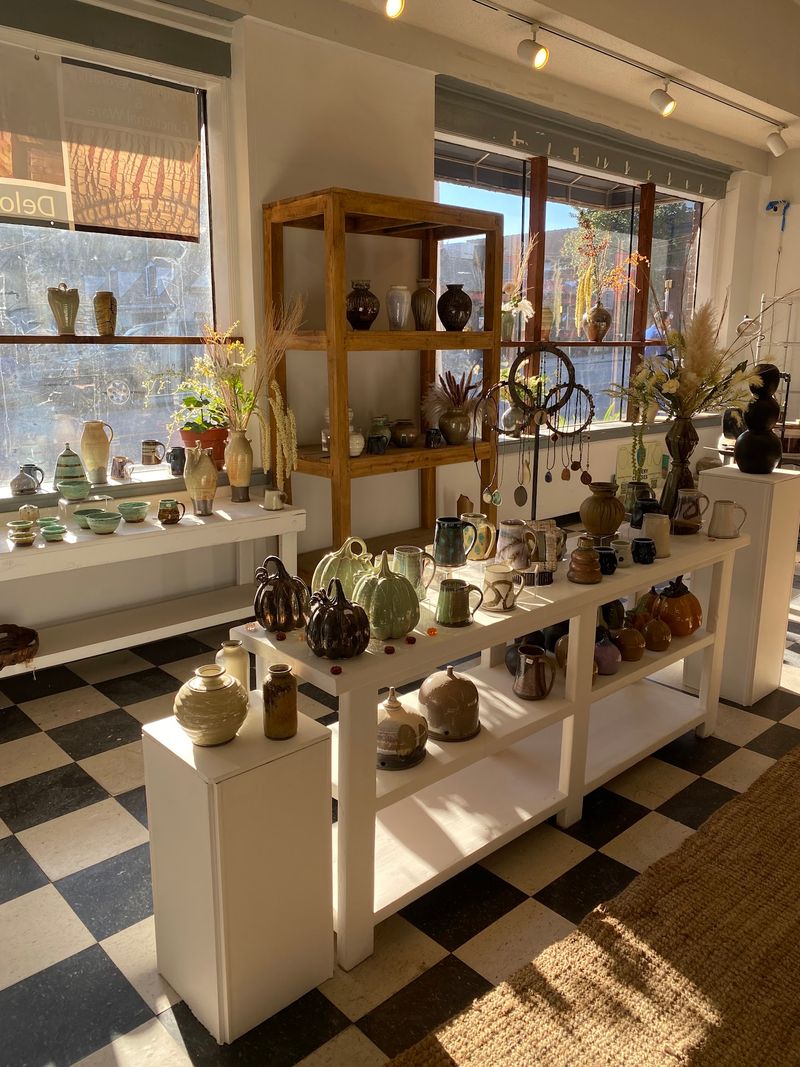
Ask Durham pottery enthusiasts where to study, and Delores Pottery appears in nearly every recommendation. This highly regarded teaching studio has earned its stellar reputation through consistently excellent instruction, well-structured courses, and generous studio access that helps students develop real proficiency rather than just casual familiarity with clay.
Multi-week courses provide the time needed to genuinely master fundamental techniques. Lessons build systematically, with each session reinforcing previous skills while introducing new challenges.
Instructors offer thoughtful critiques that push students to improve without discouraging early efforts. The teaching philosophy emphasizes developing good habits from the beginning, knowing these foundations support all future ceramic work.
Open studio access stands out as particularly generous, allowing enrolled students extensive practice time beyond scheduled classes. This additional hands-on experience proves crucial for developing muscle memory and confidence at the wheel.
Studio equipment remains well-maintained, and glaze selections cover both classic and contemporary options.
The dedicated student community creates a supportive learning environment where people genuinely celebrate each other’s progress. Advanced students often mentor beginners informally, perpetuating the studio’s culture of encouragement and shared knowledge.
Carolina Clay Studio (Cary)
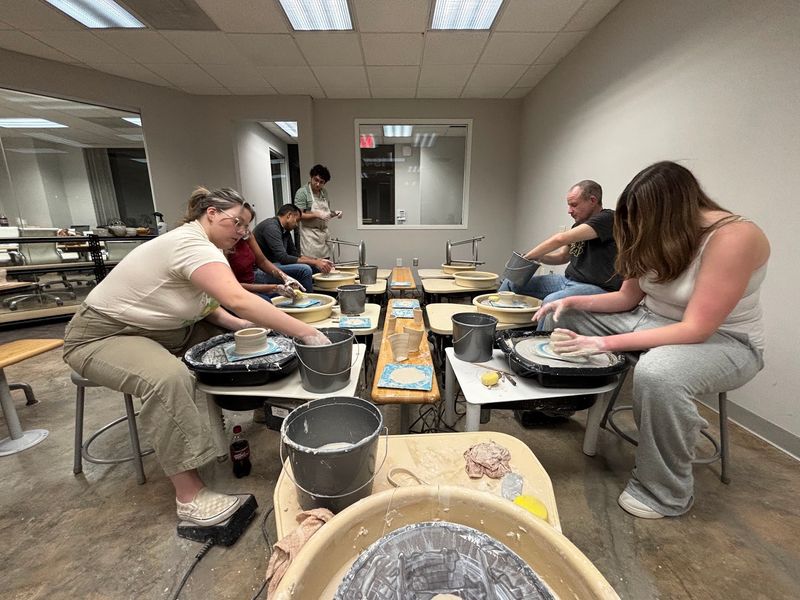
Inclusivity drives everything at this Cary pottery center, where the doors truly open to anyone interested in exploring ceramic arts. Carolina Clay Studio built its program around the belief that pottery enriches lives regardless of age, experience, or artistic background, making classes and memberships accessible to the broadest possible community.
Beginner courses welcome absolute novices with patient, thorough instruction covering wheel throwing fundamentals and hand-building basics. Classes for continuing students provide structure for ongoing development, while advanced workshops challenge experienced potters to expand their technical and artistic range.
Youth programs introduce younger artists to clay, often sparking lifelong creative passions.
Studio memberships grant independent access to equipment, materials, and firing services. The member community includes everyone from serious artists producing work for sale to hobbyists enjoying weekly creative outlets.
This diversity creates a dynamic, interesting environment where different perspectives and approaches coexist harmoniously.
Regular events including firing demonstrations, visiting artist workshops, and community sales keep the studio calendar active and engaging. The Cary location provides convenient access for families throughout the area, with ample parking and a welcoming facility that feels comfortable rather than intimidating for newcomers.