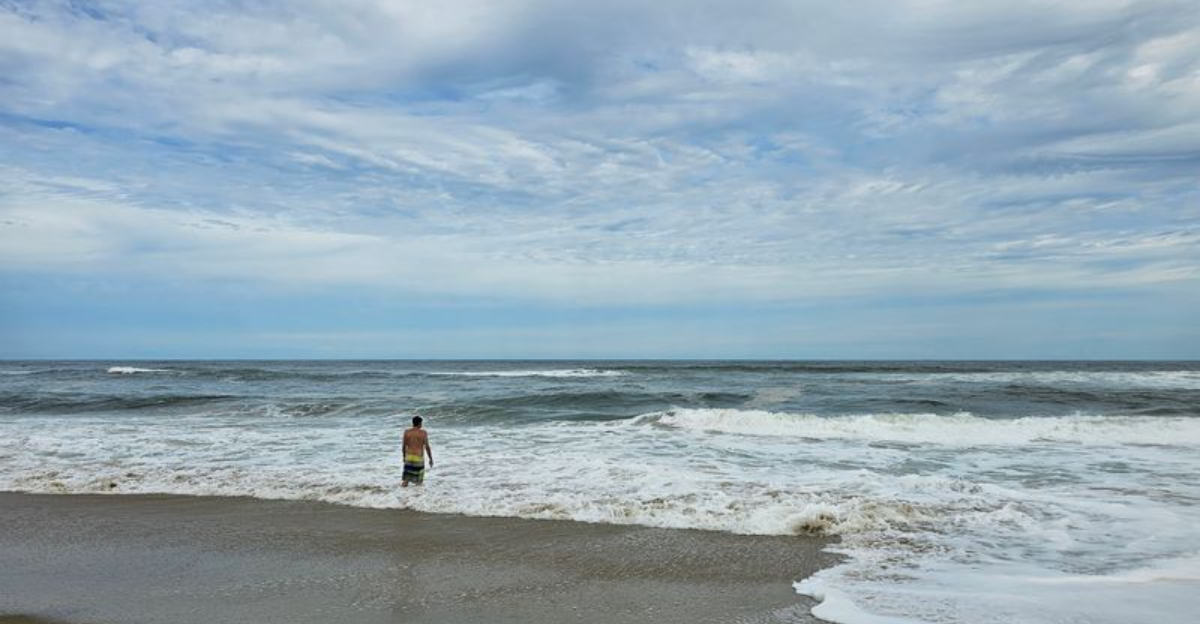
A perfect beach scene can change faster than anyone expects. Blue skies, rolling waves, and miles of sand create an inviting escape, but powerful currents, rough surf, and shifting weather can reveal a coastline that demands attention.
North Carolina beaches are famous for their natural beauty, from the windswept Outer Banks to peaceful barrier island communities along the coast. These shores offer unforgettable views, wildlife, and ocean adventures, yet some locations have conditions that visitors should never underestimate.
Knowing what makes each beach challenging helps travelers enjoy the coast with more confidence and care. The same forces that shape North Carolina’s dramatic shoreline also create hidden risks beneath the beauty.
Discover 10 dangerous beaches in North Carolina that deserve extra respect and learn what makes each one a place worth approaching with awareness.
Cape Hatteras National Seashore Beach
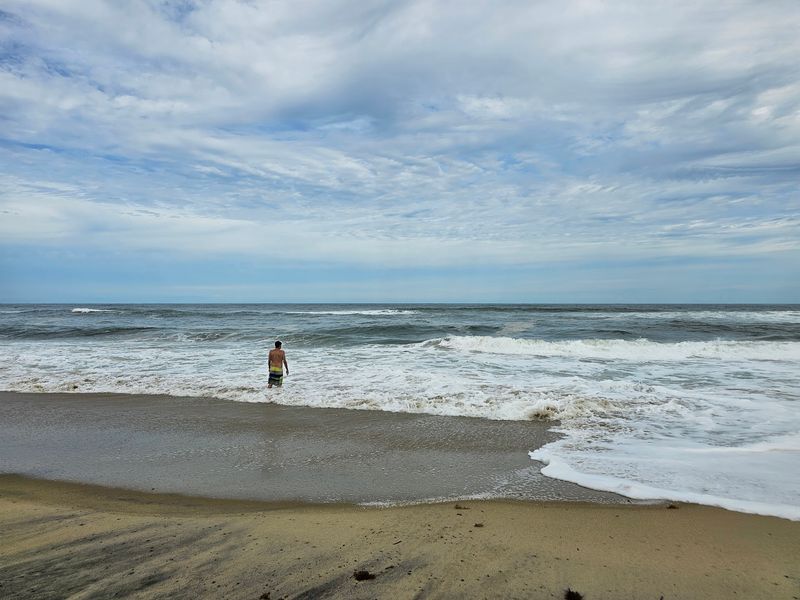
The ocean can look almost wild here, even on a pretty day. Wind pushes across the dunes, waves hit hard, and the shoreline seems to change shape from one visit to the next.
That restless feeling is part of what makes Cape Hatteras National Seashore Beach so memorable. Near Buxton, strong rip currents and shifting sandbars can pull swimmers off balance fast.
Storms also roll in quickly along the Outer Banks, and rough surf can grow bigger before families realize what is happening.
Visitors often stop for a photo of the Cape Hatteras Lighthouse, then head toward the water without thinking much about conditions. Checking beach flags, swimming near lifeguards, and staying out when the surf looks angry are smart choices.
Bring respect, not fear. The long views and salty air are unforgettable, but this beach rewards people who pay attention every minute.
Coquina Beach
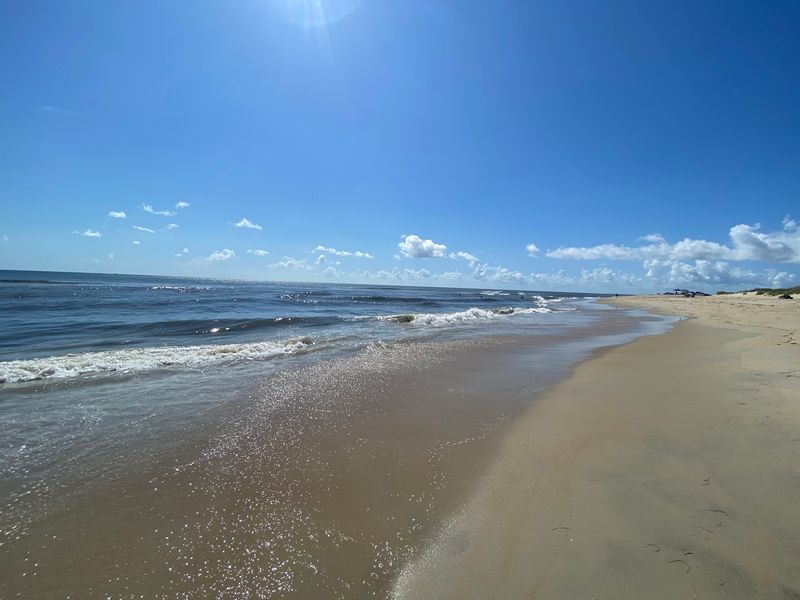
Some beaches greet you softly, but this one often arrives with a louder voice. The breeze feels sharper, the breakers seem heavier, and the wide-open Atlantic can make people forget how powerful water really is.
Coquina Beach in Nags Head is gorgeous, especially with its clean sand and sea oats bending in the wind. Still, exposed conditions mean strong currents can build quickly, and storm-driven waves can turn a relaxing swim into a risky choice.
Even experienced visitors can misread the surf when the water looks playful from shore.
It helps to pause before rushing in. Watch where the waves break, look for posted warnings, and avoid swimming if conditions seem rough or the weather is changing.
Afterward, many people enjoy the scenic drive nearby on South Virginia Dare Trail. That calm stretch on land is a good reminder that the beach is better appreciated when caution comes first.
Corolla Beach
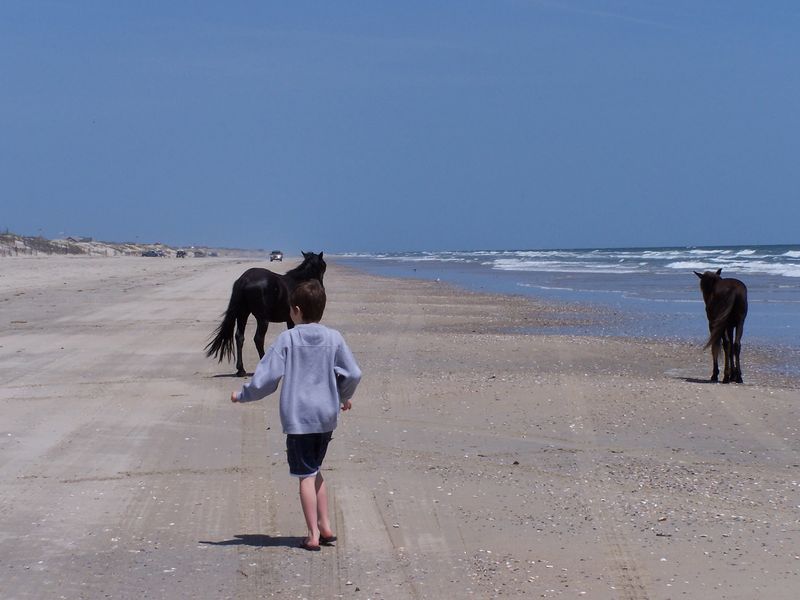
Silence can be its own warning sign. On parts of this shoreline, the beach feels so open and remote that you notice how far away help might be if something goes wrong.
Corolla Beach has a rugged beauty that pulls people in, especially in the four-wheel-drive areas where wild horses sometimes appear near the dunes. Yet that same remoteness comes with risk.
Strong currents move through the surf, and emergency access can be slower in harder-to-reach sections. Drivers also have to watch the sand, tides, and other beach traffic.
Because the setting feels adventurous, some visitors get bolder than they should. Stay aware of the ocean, keep children close, and do not assume a quiet stretch is a safe one.
The reward for being careful is a memorable day with huge skies and a less crowded coast. Corolla is special, but it asks for patience, planning, and common sense from everyone.
Jennette’s Pier Beach
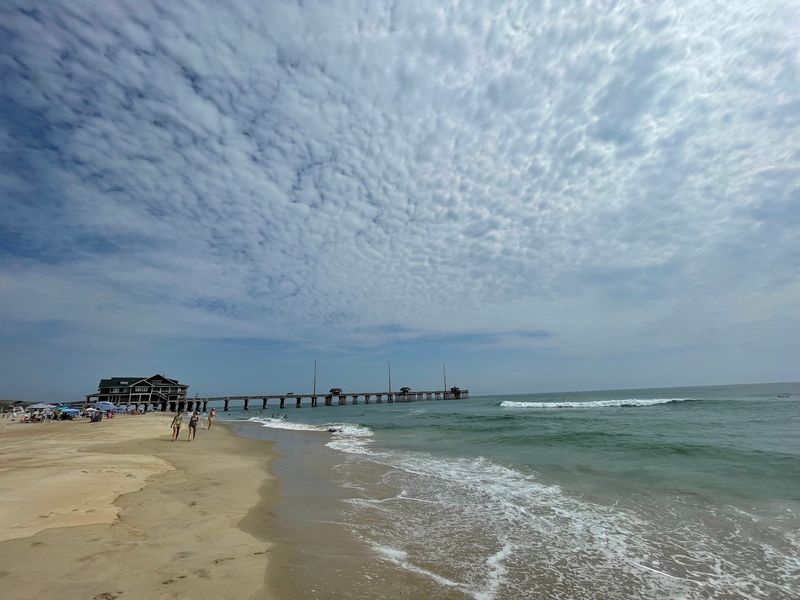
Piers can make the beach feel cheerful and busy, with fishermen casting lines and kids pointing at the water below. What many people miss is how those same structures can change the way the ocean moves.
At Jennette’s Pier Beach in Nags Head, currents can become stronger around the pier, especially when surf conditions shift. Water flowing around pilings may create tricky movement that surprises swimmers who drift too close.
A sunny afternoon can still bring rough waves, and the change may happen faster than expected.
It is a fun place to walk, fish, or watch pelicans glide past the boards. If you plan to swim, give the pier a wide buffer and pay attention to lifeguard guidance before entering the water.
The nearby aquarium programs and ocean views make the area worth visiting even without swimming far out. Enjoying this beach safely often means knowing when to stay near shore and when to simply admire the sea.
Jockey’s Ridge State Park Soundside Beach
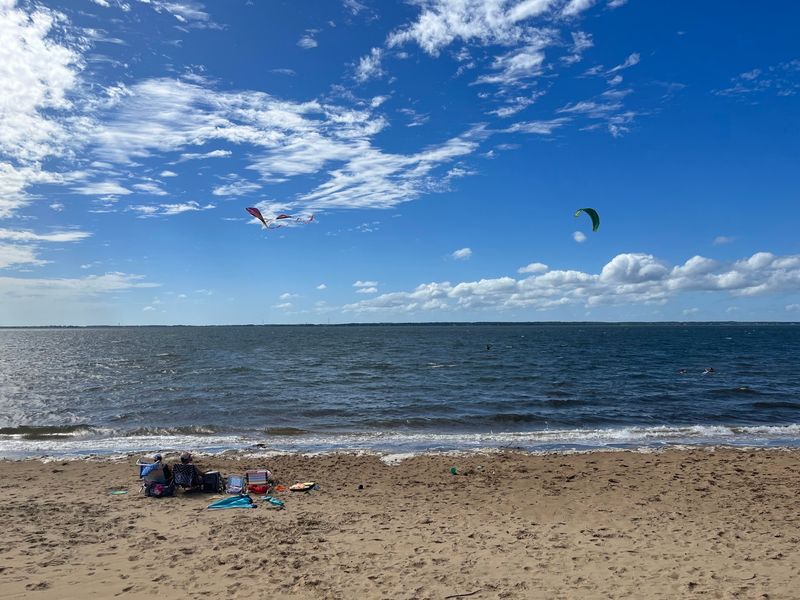
Calm-looking water can fool people faster than crashing waves ever could. On the soundside, the surface may seem gentler, but wind and depth changes can turn a peaceful scene into a serious one.
Jockey’s Ridge State Park Soundside Beach sits beside famous giant dunes in Nags Head, and the setting is stunning at sunset. Families come to wade, paddle, or watch kiteboarders skim across Roanoke Sound.
Yet strong winds can push people farther than expected, and deeper water sections may surprise children and weak swimmers.
Because the beach feels different from the open ocean, some visitors drop their guard. Water shoes, close supervision, and checking conditions before paddling are all smart moves here.
Climbing the dunes afterward gives you one of the best views on the coast. That contrast between quiet water and huge shifting sand is part of the magic, but only if everyone treats changing conditions with real respect.
Carolina Beach
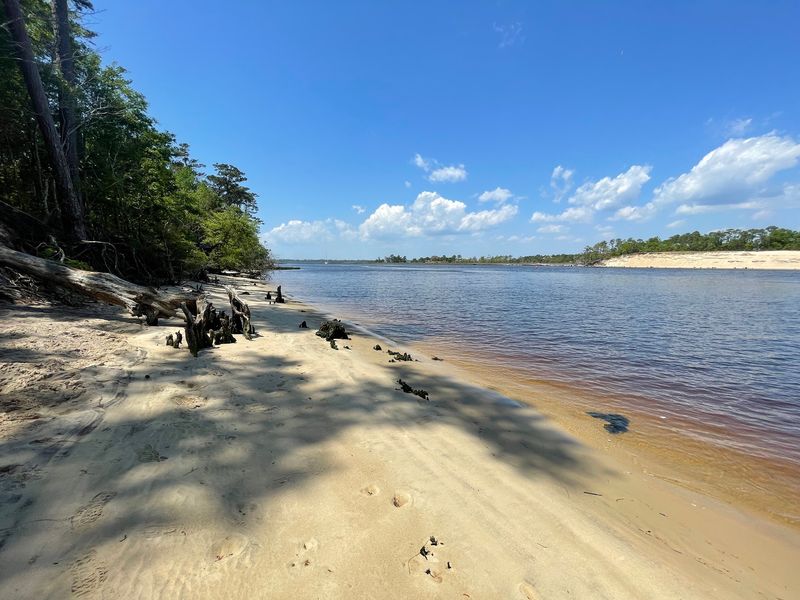
There is a classic beach-town feeling here, with boardwalk treats, bright umbrellas, and the smell of salt hanging in the air. That easygoing scene can hide a stronger, trickier ocean than first-time visitors expect.
Carolina Beach sits near the Cape Fear River area, where currents and shifting sandbars can change swimming conditions fast. One stretch may feel manageable while another nearby becomes much rougher.
Rip currents are a known problem, especially when weather patterns or tides push extra energy toward shore.
People often come for donuts in the morning, then spend hours in the surf without noticing how much the water has changed. Check updates, swim near guarded areas, and head out immediately if you feel pulled away from shore.
The beach is still worth your attention for its lively town feel and broad sandy views. Respecting the ocean here does not ruin the fun.
It gives you a better chance to enjoy Carolina Beach safely and fully.
Kure Beach
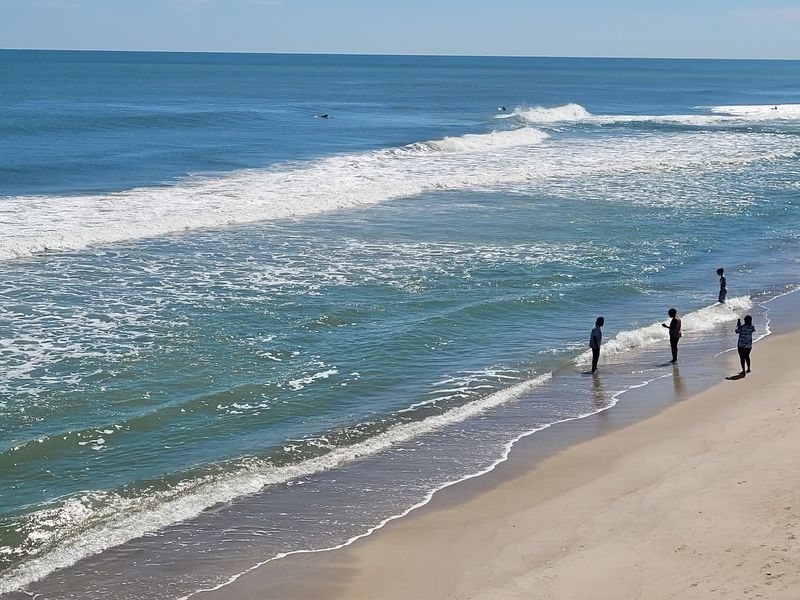
Some days feel wonderfully simple here, with gulls overhead and the steady creak of a pier in the distance. Then the surf rises, the current shifts, and the beach shows a rougher side without much warning.
Kure Beach often feels quieter than some nearby spots, which is part of its appeal. Still, changing ocean conditions near the pier and along the shoreline can create hazards for swimmers.
Storm-driven surf can make the water push harder than expected, and currents may become stronger even when the sand looks calm from a towel.
Families visiting the North Carolina Aquarium at Fort Fisher sometimes pair that trip with beach time, which makes for a great day if safety stays part of the plan. Keep children close, avoid swimming near the pier, and step out if waves begin to feel too forceful.
The reward is a beach day with space to breathe and beautiful open views. Kure Beach is lovely, but it never stops being the Atlantic Ocean.
Fort Fisher State Recreation Area Beach
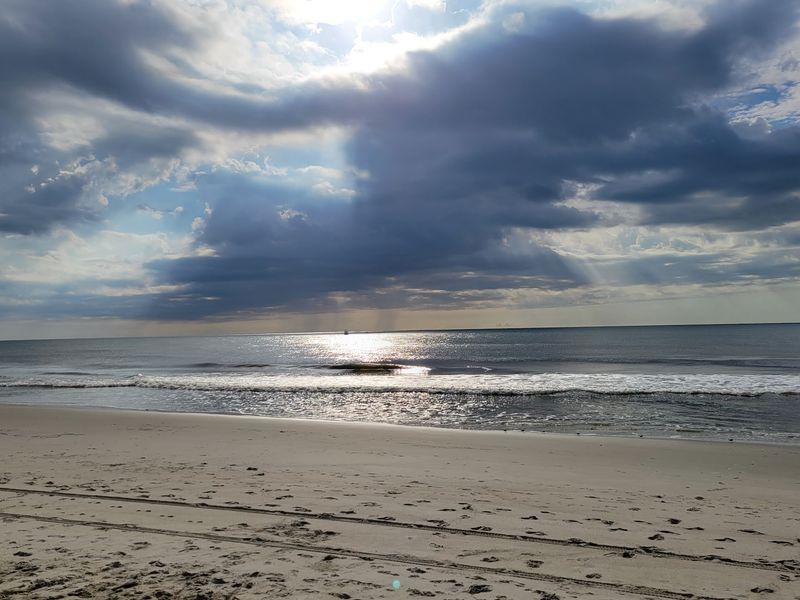
Untamed places have a different kind of beauty. Here, the shoreline feels more exposed, more natural, and a little less forgiving than the resort-style beaches many travelers know best.
Fort Fisher State Recreation Area Beach offers wide views, sea grass dunes, and a sense of open space that can feel refreshing. It also faces strong surf, rip currents, and erosion-prone areas that make footing less reliable.
Because the coast is more exposed, wave action can be intense, especially after storms or during unsettled weather.
It is easy to get distracted by the historic setting nearby, where Civil War stories and quiet trails add depth to the visit. But once you step onto the sand, conditions deserve your full attention.
Choose guarded areas when possible and avoid pushing into rough water.
This is a beach for people who like nature with fewer frills. That raw character is exactly what makes Fort Fisher memorable, and exactly why it demands careful judgment.
Topsail Beach
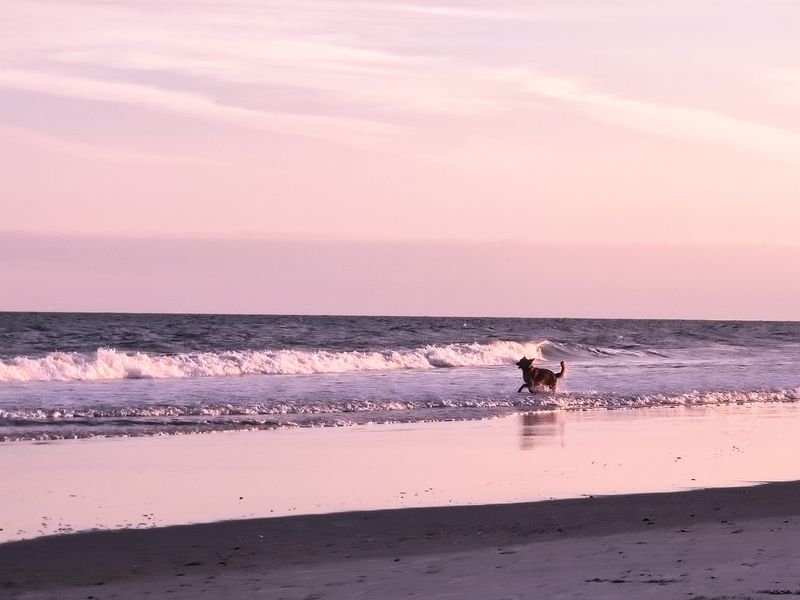
The horizon seems to stretch forever on this barrier island, and that sense of openness is part of the draw. Beneath the pretty scene, though, the water can change moods quickly as currents and sandbars shift.
Topsail Beach has a quieter rhythm than some larger coastal towns, with sea turtle stories, family cottages, and long peaceful walks. Yet storms can reshape parts of the island, and strong currents may form around changing bars in ways visitors do not notice right away.
A place that feels gentle in the morning may become much harder to read by afternoon.
People often come here to fish, search for shells, or catch a sunset over the sound after time by the ocean. Before swimming, check local conditions and stay alert if the surf begins pulling sideways.
The beach is deeply charming, especially for travelers who like a slower pace. That calm atmosphere is real on land, but in the water, Topsail Beach still asks for respect, awareness, and careful choices.
Bald Head Island Beach
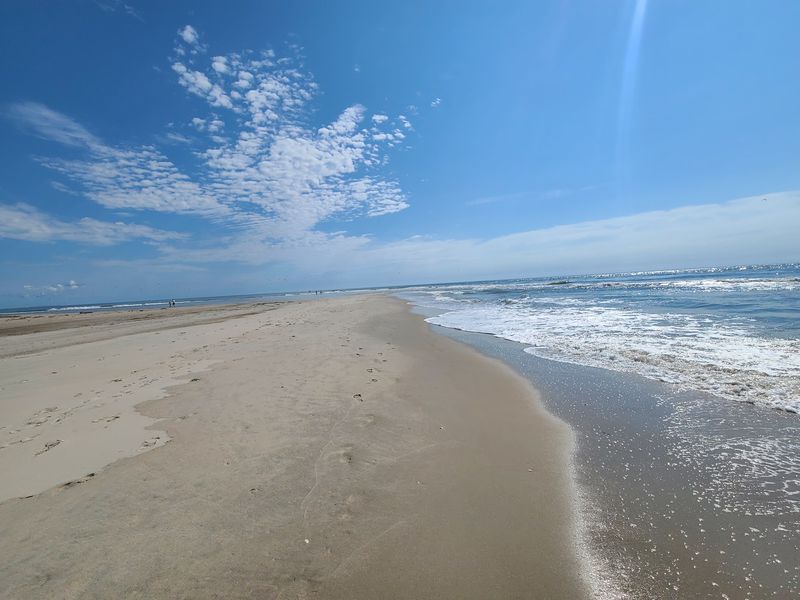
Peace can be misleading when it looks this pretty. With no cars rushing by and only the soft sound of waves and golf carts in the distance, the island feels calmer than many beach towns.
Bald Head Island Beach, especially near South Beach, sits close to waters influenced by the Cape Fear River and the Frying Pan Shoals area. That means tidal currents can be much stronger than casual swimmers expect.
The shoreline is lovely for long walks and shell hunting, but the ocean deserves more caution than the serene setting suggests.
Many travelers come for the old lighthouse, maritime forests, and the strange quiet that makes the island feel set apart. Swimming should stay simple and conservative here.
Watch local guidance, avoid rough conditions, and do not assume clear skies mean gentle water.
There is something special about a place that moves at its own pace. Bald Head Island offers that rare hush, but the current offshore reminds everyone that stillness on land does not guarantee safety at sea.