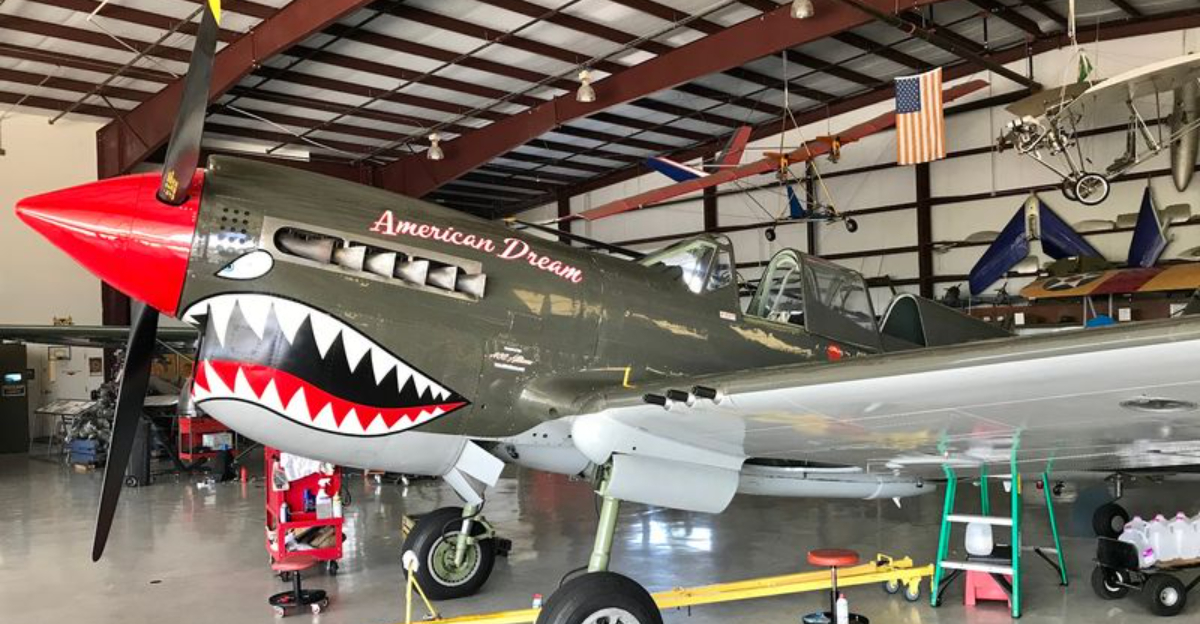
Florida is packed with sunny beaches and theme parks, but it also holds museums where old airplanes tell unforgettable stories about courage, skill, and big ideas from wars, training schools, rescue missions, and record-setting flights across decades.
Walking through these places makes history feel less like a school chapter and more like meeting the people who built, flew, repaired, and depended on legendary aircraft during moments that changed families, cities, the military, and travel.
From Pensacola to Miami, each stop offers a different window into aviation, whether you love fighter jets, wartime tales, restoration work, or hands-on exhibits with family-friendly appeal that helps younger visitors connect machines to hopes fears and choices.
If you want a trip that mixes wonder with learning, start planning now and see which Florida aviation museum pulls you closest to the stories behind the wings that once crossed oceans, guarded coasts, and inspired future pilots.
1. National Naval Aviation Museum – Pensacola
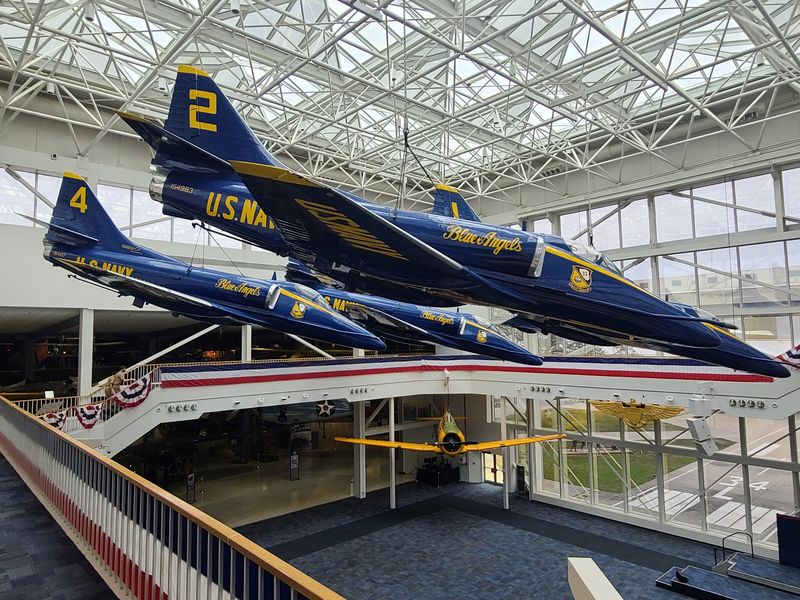
Morning light on blue uniforms sets the mood before you even reach the National Naval Aviation Museum in Pensacola.
Inside, restored aircraft trace naval flight from wood-and-fabric trainers to jet fighters that once thundered from carriers at sea.
The Blue Angels gallery grabs attention fast, yet quieter exhibits about mechanics, nurses, and rescue crews add real depth.
Families should plan extra time for the huge hangars because favorite planes keep appearing around corners like surprises today.
Pensacola’s naval roots become clear here especially when docents explain how aircraft changed scouting training combat and survival missions.
Kids often love the cockpit replicas while adults appreciate hearing why certain wings folded floated or handled rough decks.
One smart tip is arriving early since parking and popular simulators fill quickly during school breaks holidays and weekends.
Another good move is watching the giant screen schedule because aviation films help younger visitors connect machines with people.
By the exit the museum feels less like a collection and like a record of courage teamwork and innovation.
You leave thinking about stories behind each aircraft, not just their speed, because service history gives every rivet meaning.
2. Valiant Air Command Warbird Museum – Titusville
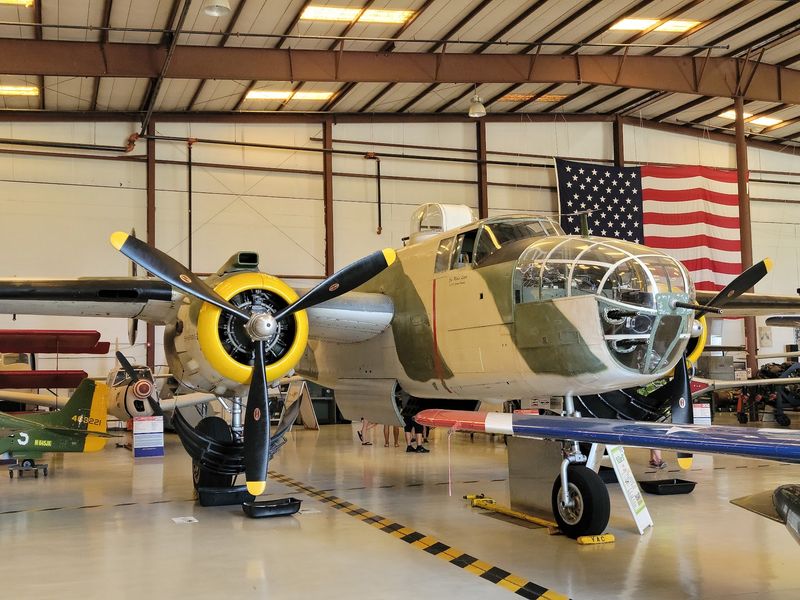
Engines, polished aluminum, and wartime paint schemes create instant excitement at Valiant Air Command Warbird Museum in Titusville today.
Rather than feeling distant the planes seem personal because many were flown fixed and remembered by people with ties.
Big bombers and nimble fighters share space here showing how different jobs in war demanded very different aircraft designs.
Volunteers often steal the show with stories about restoration work which helps visitors notice details they might miss otherwise.
One minute you are admiring nose art and the next you are learning how crews trained for long missions.
Titusville makes a handy base because you can pair museum time with the Space Coast and compare air history.
Photographers should bring patience since changing light across the hangar can turn a familiar airplane into a dramatic portrait.
Children usually connect with the size of the machines first then start asking better questions about crews and missions.
That shift is what makes the museum memorable because hardware becomes a doorway into sacrifice planning fear and skill.
After a visit old warbird photos feel richer since you can picture the sounds smells and human effort behind.
3. Florida Air Museum – Lakeland
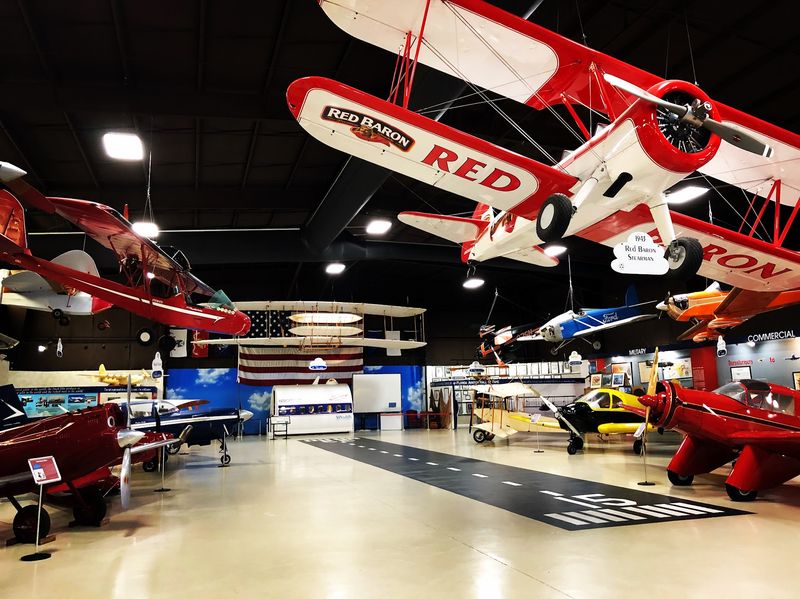
Sunshine seems to belong in Lakeland where the Florida Air Museum celebrates flight with an upbeat curious spirit daily.
Because it sits on the Sun ‘n Fun campus the place links museum learning to the wider flying world.
Displays often highlight training innovation and youth programs so kids can imagine aviation as something they might join someday.
Historic aircraft still matter here yet the museum also feels forward-looking which keeps the visit fresh and relevant today.
Lakeland’s easy layout helps families move at a calm pace reading signs snapping photos and taking breaks without rush.
One especially helpful part is seeing how aviation careers stretch beyond pilots to designers technicians educators and planners too.
Students who like science often leave inspired since airframes engines weather and navigation all turn classroom ideas tangible here.
If possible pair your visit with an event day when the energy of flying makes the exhibits feel connected.
That blend of history and hands-on dreaming gives the museum charm especially for children deciding what future adventure suits.
Even adults rediscover wonder here because airplanes stop being distant machines and start looking like ideas made real nearby.
4. Fantasy of Flight – Polk City
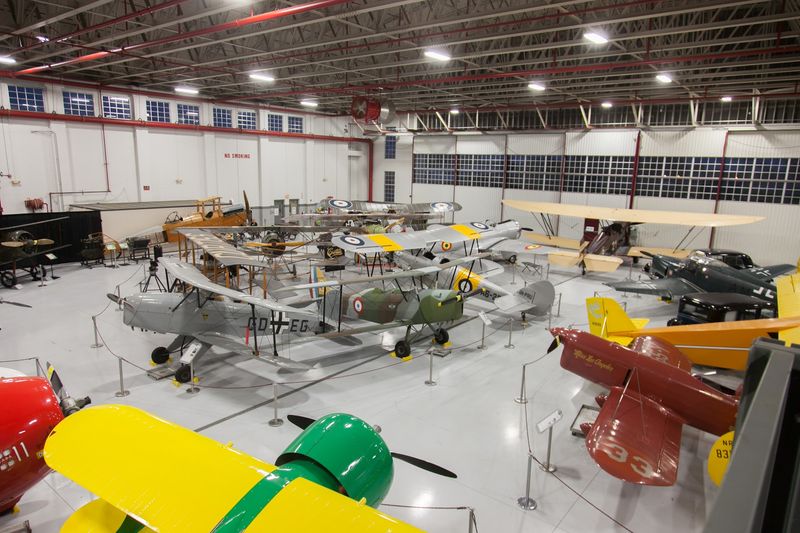
Some museums whisper but Fantasy of Flight in Polk City knows how to make aviation history feel theatrical instantly.
The setting alone adds magic with vintage planes presented in ways that spark curiosity before you read a label.
Instead of rushing slow down here and notice craftsmanship from curved propellers to cockpit gauges that resemble old watches.
Polk City sits between bigger destinations so the museum works well as a stop during a Central Florida trip.
Stories about barnstormers inventors and daring pilots help visitors see early aviation as brave messy and wonderfully experimental work.
Children often love the dramatic atmosphere first then become surprisingly focused when they spot how different aircraft solved problems.
A helpful tip is checking tour details ahead since access and programming can change with special events or restoration.
Photo lovers should watch reflections on polished surfaces because a small change in angle can dramatically improve museum shots.
By the end the museum feels like a stage where aircraft are not props but stars with complicated pasts.
That sense of showmanship helps legends stick in your memory long after the road trip continues beyond Polk City.
5. Air Force Armament Museum – Eglin Air Force Base (Fort Walton Beach)
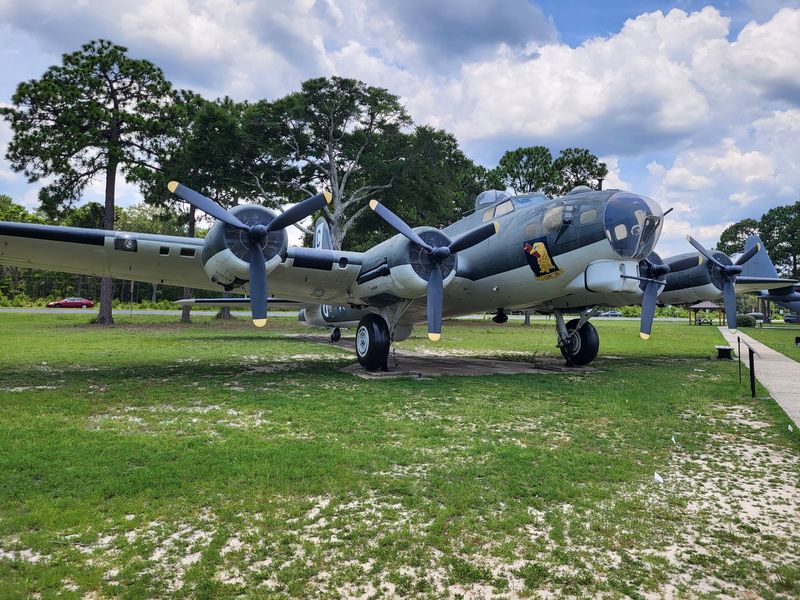
Missiles and massive aircraft give the Air Force Armament Museum near Fort Walton Beach a bold powerful first impression.
Yet the deeper story is about how weapons systems crews and strategy shaped military aviation across decades of change.
Located at Eglin Air Force Base the museum connects naturally to testing training and development that happened nearby there.
Outdoor displays feel especially striking because their size becomes real when you stand beneath wings and bomb bays yourself.
Inside exhibits explain technology in manageable steps which helps younger visitors understand why certain aircraft carried certain roles best.
One good strategy is wearing comfortable shoes since you may spend longer outside than expected studying big machines closely.
Fort Walton Beach visitors can easily pair the museum with coastal plans giving a mix of coast and history.
That contrast works well because peaceful scenery makes the museum’s lessons about conflict preparation and responsibility feel even sharper.
Fans of engineering will notice how each design choice answered a problem whether speed range payload or targeting needs.
You leave with a clearer picture of aviation as teamwork between pilots planners builders testers and maintainers everywhere daily.
6. Wings Over Miami Air Museum – Miami
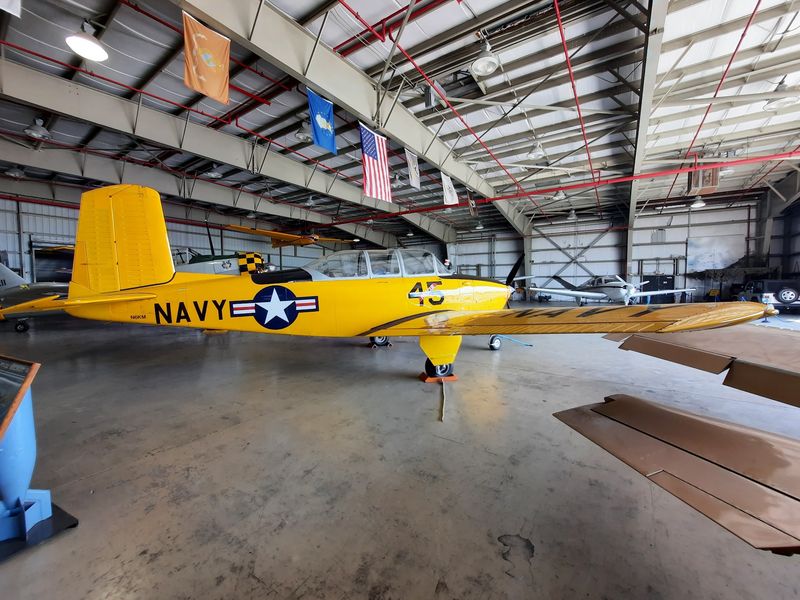
Palm trees and vintage airplanes make an unusual pair which adds charm at Wings Over Miami Air Museum immediately.
Set in Miami the museum feels intimate letting visitors get close to aircraft and the stories keeping them alive.
Rather than overwhelming you the collection invites careful looking so small details like markings and instruments stand out clearly.
Many guests enjoy hearing about restoration efforts because working planes require constant attention patience skill and community support nearby.
Miami’s multicultural energy also gives the visit a special flavor reminding you that aviation history reaches many families here.
If you like photography morning light can be kind especially when metal surfaces catch soft color instead of glare.
Children may ask why old planes matter and this museum answers by showing care memory and real craftsmanship daily.
Because the setting feels personal conversations with staff often become highlights rather than quick add-ons to the exhibits there.
That human scale makes legendary aircraft easier to understand since history sounds different when someone nearby helped save it.
Leaving Miami you may remember fewer numbers but far more faces voices and moments of shared enthusiasm for flight.
7. Naval Air Station Fort Lauderdale Museum – Fort Lauderdale
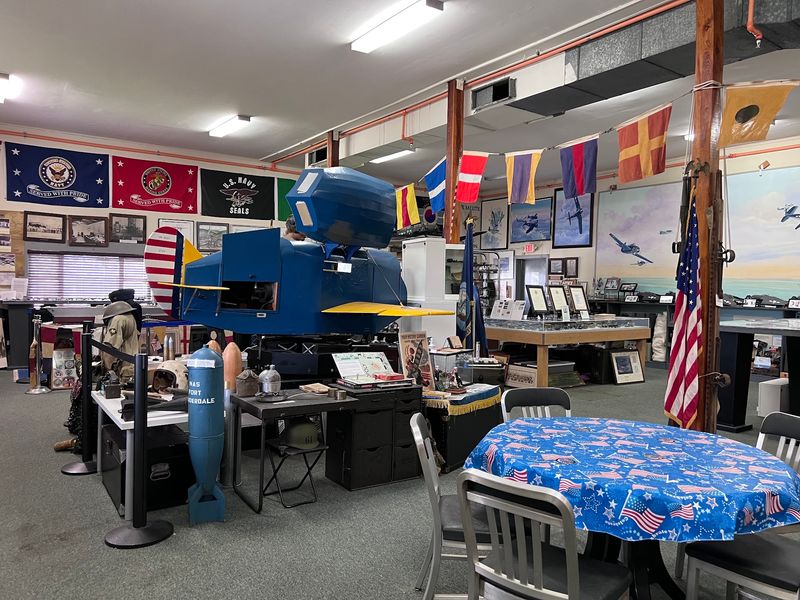
A quiet building can hold huge history and the Naval Air Station Fort Lauderdale Museum proves that quickly inside.
Fort Lauderdale once trained aviators during World War II including men connected to the famous torpedo missions that followed.
Because the museum sits on a former training base the setting itself helps the past feel closer and real.
Exhibits about student pilots instructors and daily routines give useful context that combat stories alone sometimes miss for visitors.
One especially moving part is learning how young trainees prepared under pressure not knowing what service would demand later.
The museum is smaller than some others but that can be a strength because the story stays focused throughout.
Visitors should read the personal accounts carefully since names and letters turn history from abstract to deeply human memory.
Fort Lauderdale’s beaches may attract the crowds yet this stop rewards anyone wanting a thoughtful break from sunshine nearby.
By connecting place training and sacrifice the museum explains how legendary aircraft depended on ordinary people learning fast there.
That lesson lingers long after the visit making the old air station feel meaningful in a new way afterward.
8. Kissimmee Air Museum – Kissimmee
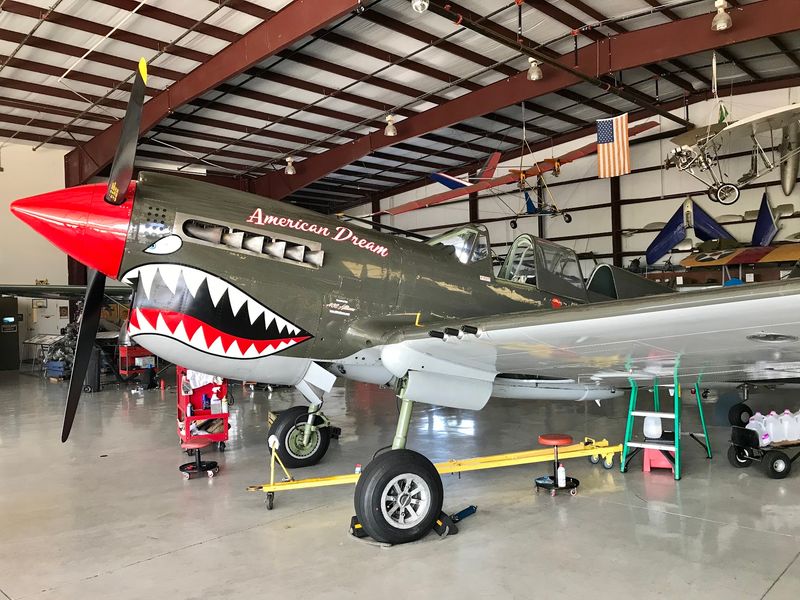
Warbirds have a special pull and Kissimmee Air Museum leans into that excitement with working history all around visitors.
The chance to see restoration areas and flyable aircraft gives the museum an energetic behind-the-scenes feeling for many guests.
Instead of treating planes like frozen objects the setting suggests they still have jobs sounds and personalities to share.
Kissimmee’s location near major attractions makes it a smart pick for travelers craving something different from theme parks nearby.
Aviation fans often enjoy watching craftsmen at work because repairs and maintenance reveal how much care old aircraft need.
That process also helps children understand that history survives through effort patience funding and many skilled hands working together.
If you visit with curious kids ask staff which planes have the most unusual stories or design quirks there.
Answers like that can turn a casual stop into a conversation-filled afternoon with plenty to remember later at home.
Because the museum feels active visitors often sense aviation as a living tradition instead of a sealed chapter there.
That lively mood makes legendary aircraft seem closer stronger and far easier to imagine in their prime again today.
9. Military Museum of North Florida – Green Cove Springs
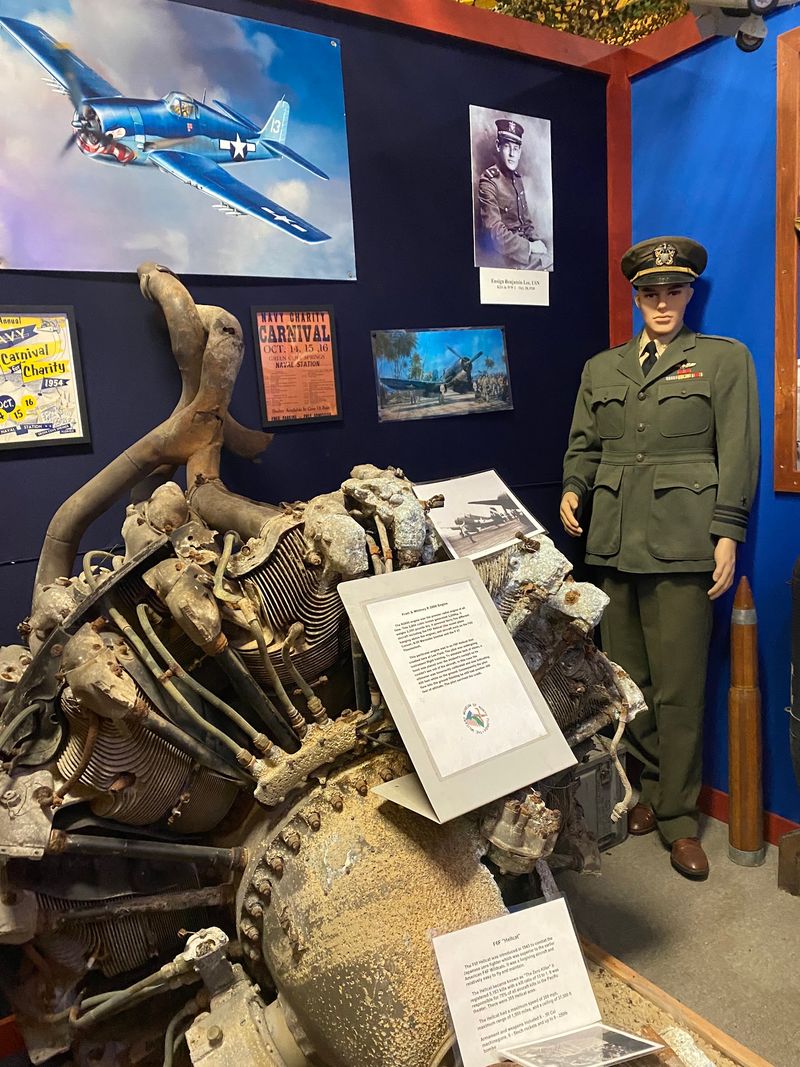
Few places remind visitors that every aircraft has a human story quite like the Military Museum of North Florida in Green Cove Springs.
While the museum covers all branches of the U.S. military, its aviation exhibits offer an engaging look at the pilots, crews, and aircraft that shaped American military history.
Visitors can explore displays featuring flight gear, uniforms, photographs, medals, aviation equipment, and carefully preserved artifacts that help explain the realities of military aviation across multiple conflicts.
Rather than focusing only on famous airplanes, the museum highlights the people who flew, maintained, and supported them, giving each exhibit a more personal perspective.
Knowledgeable volunteers often share additional stories that bring the collection to life and provide context beyond the display cases.
The museum’s welcoming atmosphere makes it approachable for both dedicated aviation enthusiasts and families discovering military history together.
Located in the historic town of Green Cove Springs, about 30 miles south of Jacksonville, it also makes an easy stop while exploring northeast Florida.
Although the collection extends well beyond aviation, the flight-related exhibits fit naturally into the larger story of American military service and technological progress.
It’s a rewarding destination for anyone interested in the people, innovation, and courage behind the legendary aircraft that helped shape history.
10. American Police Hall of Fame & Museum Aviation Exhibit – Titusville
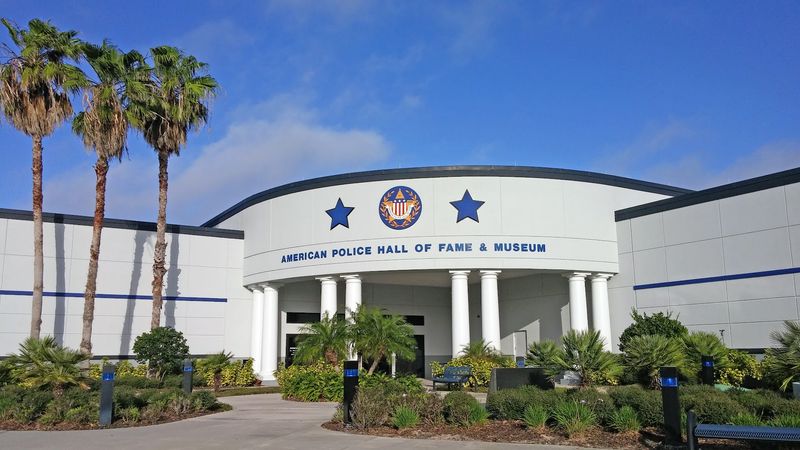
At first glance police history and aircraft may seem like separate topics yet Titusville brings them together neatly here.
The American Police Hall of Fame and Museum Aviation Exhibit adds a different angle to Florida aviation stories altogether.
Instead of focusing only on combat or passenger flight the exhibits show how aircraft support law enforcement work daily.
That perspective helps visitors understand helicopters and planes as tools for search rescue patrol and public safety missions statewide.
Titusville’s aviation identity grows stronger when you compare this exhibit with nearby warbird collections and space-related attractions in town.
Families can use that mix to build a varied day keeping younger visitors interested with changing subjects throughout it.
One useful approach is discussing how aircraft help communities since that turns machines into problem-solving tools kids recognize quickly.
Even adults often learn something new here especially about the range of aviation jobs outside military service roles too.
Because the exhibit is unusual it tends to stick in memory longer than a more predictable museum stop sometimes.
You leave Titusville seeing legendary aircraft from another side one shaped by service protection and everyday missions for neighbors.