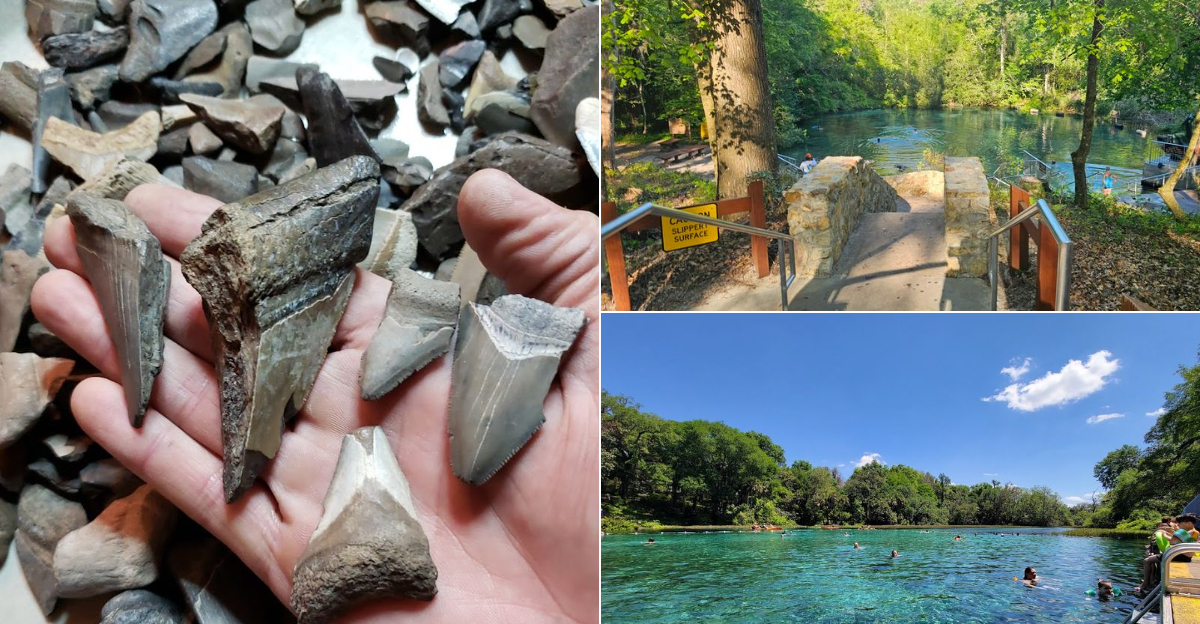
Florida sits atop one of the richest fossil beds in the world, making it a dream destination for amateur paleontologists and curious adventurers alike.
Unlike most states, Florida allows fossil hunting in many of its rivers, beaches, and quarries without a permit, making it remarkably accessible to everyone.
The Peace River alone has yielded thousands of fossils over the years, from shark teeth to mammoth bones, drawing hunters from across the country.
Even a first-time visitor armed with a mesh screen and a bucket can walk away with genuine prehistoric treasures after just a few hours of searching.
Whether you’re a seasoned collector or simply looking for a one-of-a-kind outdoor adventure, these 11 Florida rivers and beaches are where the past comes alive beneath your feet.
1. Peace River – Arcadia, DeSoto County,
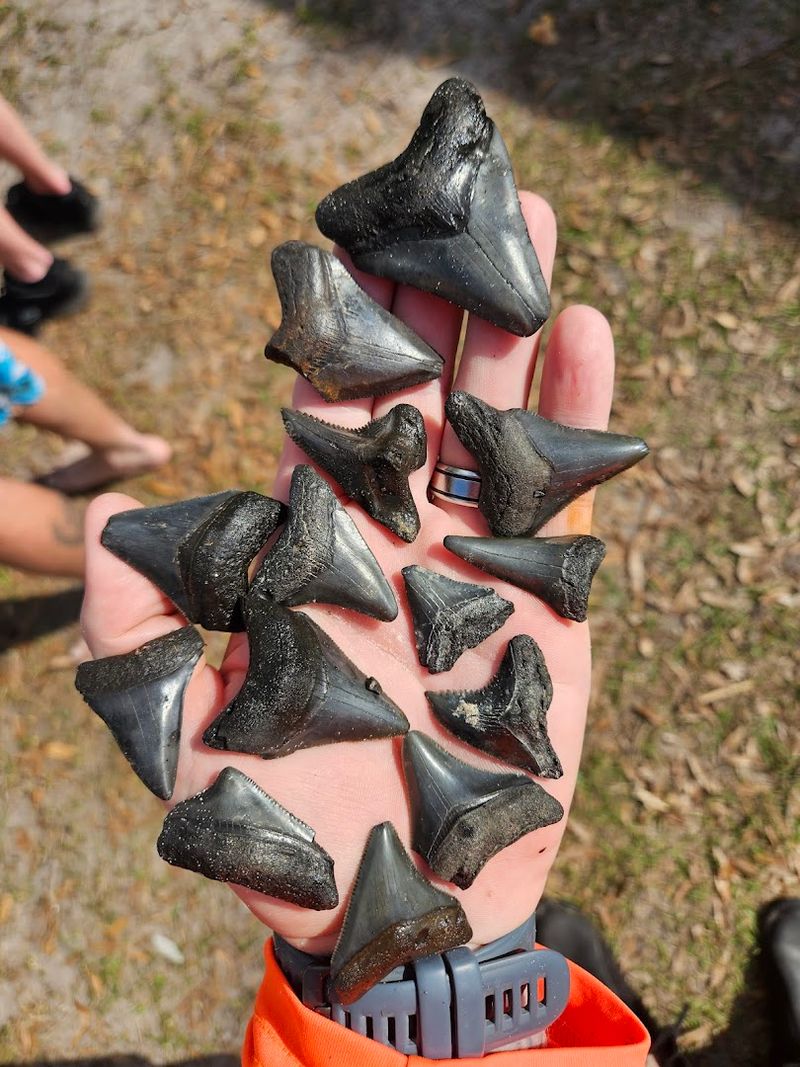
The thrill here starts with dark water, gravel bars, and the sense that anything prehistoric could be hiding under your next scoop.
You are not just strolling a shoreline, because this hunt usually means getting wet, screening sediment, and paying attention to changing river levels.
That hands-on effort is exactly why so many fossil hunters end up talking about the Peace River near Arcadia with real affection.
This stretch is famous for yielding shark teeth, ray plates, dugong ribs, horse teeth, and occasional mammal bones from the Pleistocene and earlier marine deposits.
Most finds come from gravel pockets exposed during lower water, especially after dry periods when bars are easier to reach safely.
A small shovel, sturdy screen, water shoes, and respect for current conditions can make your day much more productive.
Guided trips are popular if you want help reading the river and learning how to recognize bone versus ordinary rock.
Public access points around Arcadia make it approachable, but conditions change often, so checking forecasts and river flow matters.
If you want Florida fossil hunting in its most iconic form, this river setting is hard to beat.
2. Venice Beach – Venice, Sarasota County,
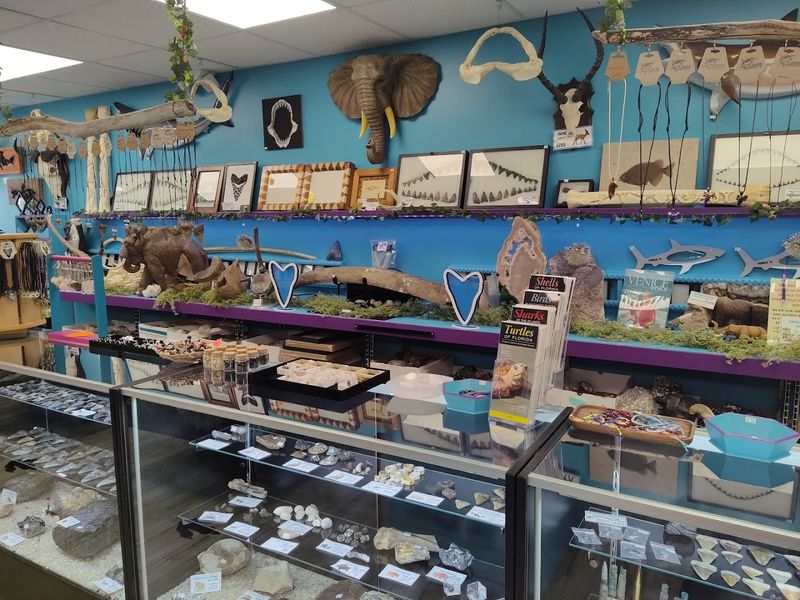
Few places make fossil hunting feel this relaxed, where a simple beach walk can turn into a search for ancient shark teeth.
You can hear gulls, watch gentle Gulf waves roll in, and still keep your eyes trained on the shell line for dark triangular finds.
That easygoing experience is why Venice Beach in Venice has become one of Florida’s most famous fossil spots.
The area is known especially for shark teeth washed ashore from offshore fossil beds disturbed by tides, storms, and coastal movement.
Fresh shell accumulations after rough weather often improve your chances, and many visitors use small scoops or sifters in the shallow surf.
Even without special gear, patience and a careful scan of the wrack line can reward you with attractive specimens.
Because it is accessible and family friendly, this beach works well for beginners who want an immediate sense of what fossil hunting feels like.
Nearby shops, parking, and a strong local shark tooth culture make the outing easy to plan, especially if you are traveling with kids.
For a classic Florida beach day with a legitimate chance of taking home prehistory, this shoreline delivers.
3. Newberry Fossil Quarry – Newberry, Alachua County,
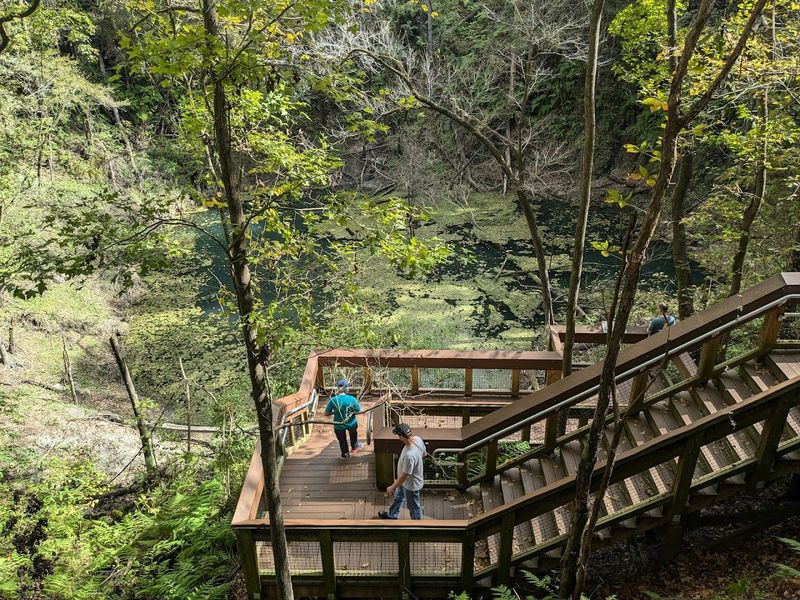
The landscape here feels different right away, with exposed sediment and an almost classroom-like sense that the ground itself is telling a story.
Instead of relying on waves or river flow, you focus on screened material and fossil-bearing layers connected to Florida’s ancient marine past.
That is what draws serious hobbyists to the Newberry Fossil Quarry in Newberry again and again.
This inland site is widely known for shark teeth, marine shells, vertebrate fragments, and other fossils associated with Miocene deposits.
Because the quarry environment is more controlled than a beach or riverbank, it can be a satisfying place to learn identification and technique.
Rules, admissions, and operating status can change, so checking current access details before visiting is essential.
You will want sun protection, gloves, water, and a willingness to sort carefully rather than expect instant results from a casual glance.
The reward is the possibility of finding well-preserved specimens in a setting that feels both recreational and educational at once.
Should you like your fossil hunt with a bit more geology and less guesswork, this Alachua County stop deserves attention.
4. Ichetucknee River – Fort White, Columbia County,
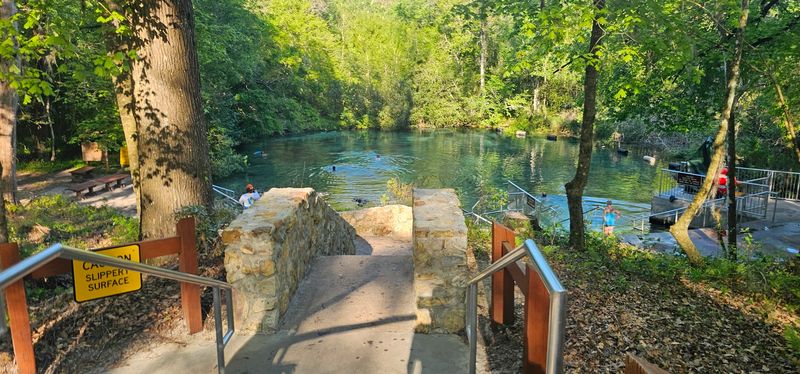
Crystal clear water and lush shade can make this place seem more like a paddling paradise than a fossil destination at first glance.
Yet experienced searchers know that certain stretches and nearby deposits can produce worthwhile finds if you approach the area with patience and realistic expectations.
That quieter reputation belongs to the Ichetucknee River near Fort White, a scenic spot with natural beauty first and fossil interest second.
Because the river is spring-fed and protected, fossil hunting here is not the same rugged screening experience you get on darker, sediment-heavy rivers.
You are more likely to focus on legal access, adjacent areas, and understanding where fossiliferous material may occur rather than aggressively digging in pristine water.
Researching park rules and local regulations matters a great deal before planning any search.
What makes this location appealing is the combination of geology, recreation, and the chance to connect Florida’s ancient past with one of its clearest waterways.
Even if your finds are modest, the setting itself feels memorable, especially if you pair a careful search with tubing, paddling, or hiking nearby.
Travelers who value scenery as much as specimens, this river offers a thoughtful addition to a fossil-focused itinerary.
5. Myakka River – Sarasota, Sarasota County,
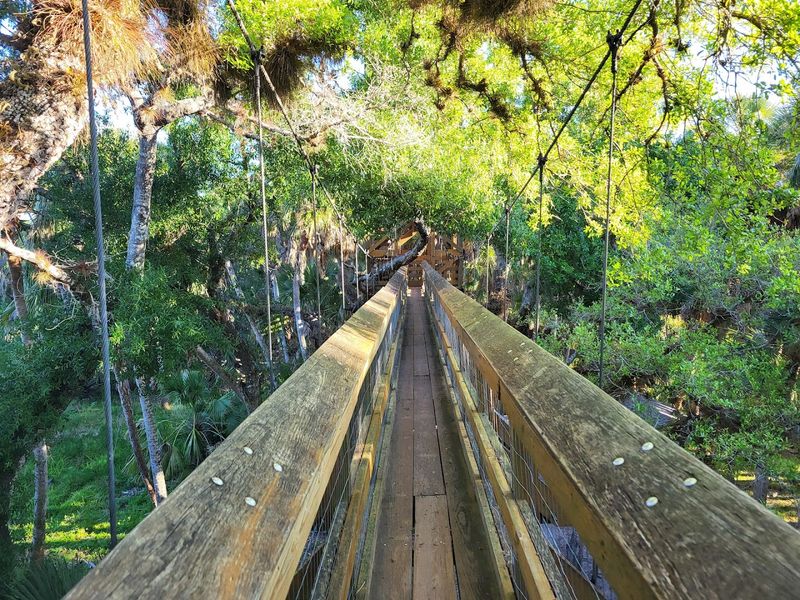
Wild, tannic, and edged with broad floodplain scenery, this river feels like the kind of place where old Florida still lingers.
You notice muddy banks, shifting sediments, and stretches that suggest buried history if you know how to read the terrain.
That atmosphere is part of the appeal of the Myakka River near Sarasota for fossil hunters seeking a less polished outing.
Compared with Florida’s best known shark tooth beaches, this river hunt is more about patience, access, and understanding where erosional cuts might expose older material.
Local collectors sometimes report shark teeth, bone fragments, and other fossils in areas influenced by ancient marine deposits and reworked sediments.
Conditions vary widely, so recent water levels and legal access points can determine whether a trip feels promising or frustrating.
The surrounding natural setting, including birdlife and classic riverine scenery, adds value even when your bucket stays light.
If your ideal fossil hunt feels adventurous, slightly muddy, and far from a crowded shoreline, the Myakka deserves a place on your list.
This is not the easiest place for beginners expecting instant success, but it can be rewarding if you enjoy observation and a little exploration.
6. Manasota Key Beach – Englewood, Sarasota County,
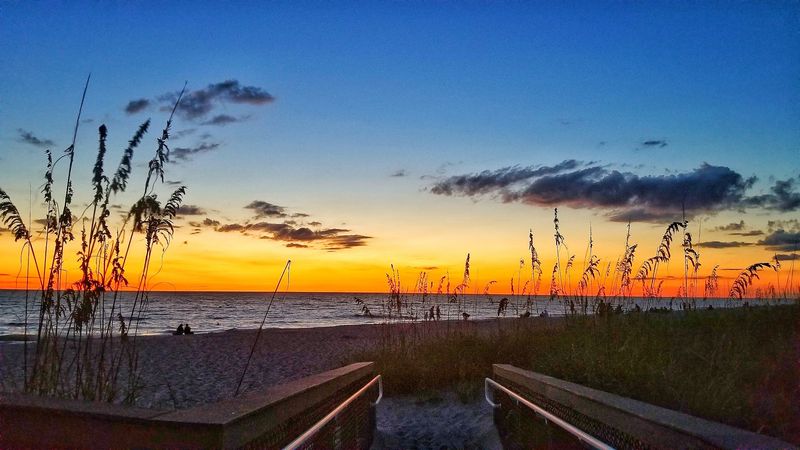
A quieter Gulf shoreline can sometimes be the sweetest surprise, especially when the surf leaves behind shells and dark little triangles worth a second look.
You do not need a boat or a complicated setup to enjoy the search, only sharp eyes and a willingness to slow down.
That simple pleasure helps explain the popularity of Manasota Key Beach near Englewood among shark tooth hunters.
Like Venice, this area benefits from offshore fossil deposits that periodically send ancient teeth onto the beach through wave action and shifting sand.
Storms, stronger tides, and fresh shell lines often improve visibility, while early morning walks can help you search before crowds scatter the best pieces.
Many visitors carry mesh bags or sand flea scoops, though an unhurried walk near the waterline can be enough.
The beach feels a bit less urban than some famous neighboring spots, which adds to its charm if you prefer a laid-back hunt.
Families, casual collectors, and returning regulars all appreciate that the experience stays approachable while still offering genuine fossil potential.
Overall, for a scenic Gulf outing where your next find might be an ancient shark tooth tucked among shells, this beach is a smart choice.
7. Tampa Bay Estuary – Tampa, Hillsborough County,
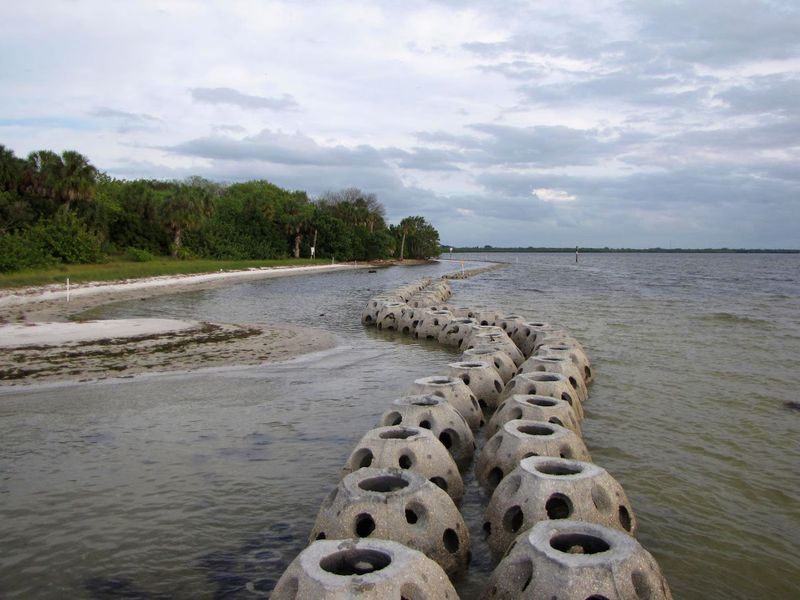
At low tide, muddy flats and shell-rich edges can make this urban estuary feel unexpectedly ancient despite the modern skyline nearby.
You are reminded quickly that Florida’s fossil story is not limited to remote rivers or postcard beaches.
That contrast is part of what makes the Tampa Bay Estuary such an intriguing place to discuss in a fossil hunting guide.
The broader bay system has produced shark teeth, shells, and fossil material in select shoreline areas, spoil regions, and spots where sediments are reworked.
Success often depends on knowing exactly where public access is allowed and understanding that not every attractive shoreline is legal or productive to search.
Because conditions vary greatly around the bay, local knowledge and tide awareness are especially helpful here.
This destination is best approached as a regional opportunity rather than one single guaranteed collecting beach.
If you are flexible, observant, and interested in how estuarine processes expose older material, the area can be rewarding in a different way.
This spot offers a convenient chance to combine coastal exploring, natural history, and the possibility of finding fossils without driving far from the city.
8. Suwannee River – White Springs, Hamilton County,
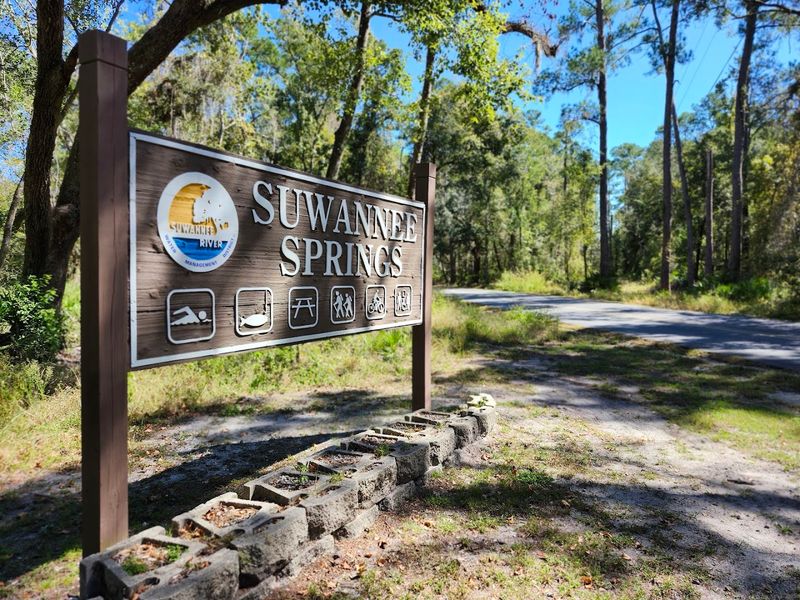
There is something timeless about a broad North Florida river where limestone, dark water, and deep history all meet in one frame.
You can imagine ancient animals moving through landscapes far older than the cypress-lined scene in front of you today.
That sense of age is one reason the Suwannee River near White Springs attracts fossil hunters and natural history lovers alike.
The river basin is known for Pleistocene and other fossil material, including bones and teeth that may appear in eroded banks, bars, and gravelly areas.
Water level matters tremendously, since lower stages can reveal more workable zones while high water can hide everything and add safety concerns.
Collectors who study local geology and access points usually fare better than those simply arriving and hoping for luck.
What stands out here is not just the possibility of finds, but the richness of the setting itself, from springs to bluffs and old river culture.
A day on the Suwannee can feel exploratory even if you come home with only a few small specimens and muddy shoes.
If you want a destination where Florida’s fossil story feels tied to river history and landscape in equal measure, this is a compelling choice.
9. Rainbow River – Dunnellon, Marion County,
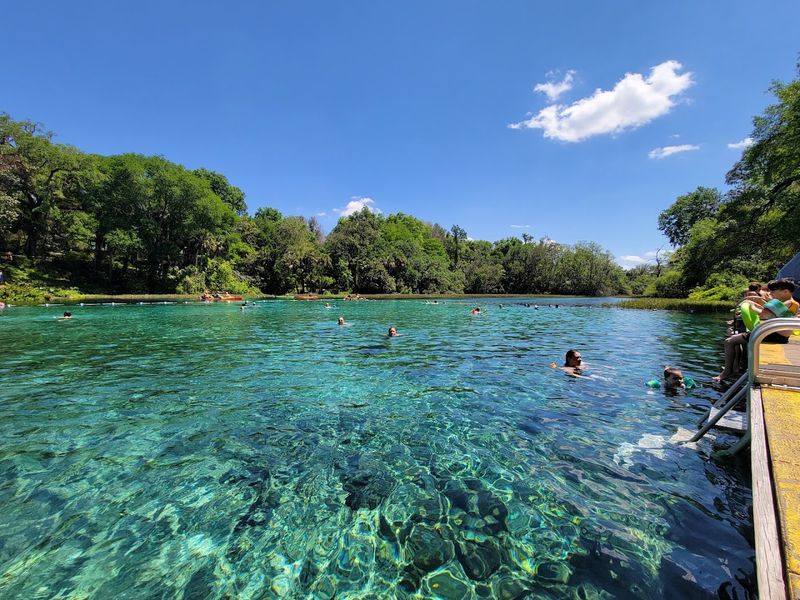
The water here looks almost too beautiful for rough treasure hunting, with bright clarity that seems better suited to tubing than digging through the past.
Still, geology does not care about appearances, and the surrounding region has long held interest for collectors who understand local deposits.
That subtle appeal places the Rainbow River near Dunnellon on many broader lists of Florida fossil destinations.
Like other spring-fed systems, this is not a place to treat casually or disturb without understanding regulations and sensitive habitat concerns.
Productive searching is more often connected to nearby legally accessible areas, regional sediments, and informed local guidance than to random activity in protected waters.
Checking current rules and respecting conservation priorities are absolutely part of planning a responsible visit.
Even when fossil prospects are secondary, the Dunnellon area remains attractive because you can pair natural beauty with a thoughtful search for Florida prehistory.
The surrounding landscape helps you appreciate how springs, rivers, and ancient seas shaped the state over immense spans of time.
Rainbow River offers a distinctive and worthwhile stop if you prefer a day that mixes scenic recreation with careful, research-driven collecting potential.
10. Crystal River – Crystal River, Citrus County,
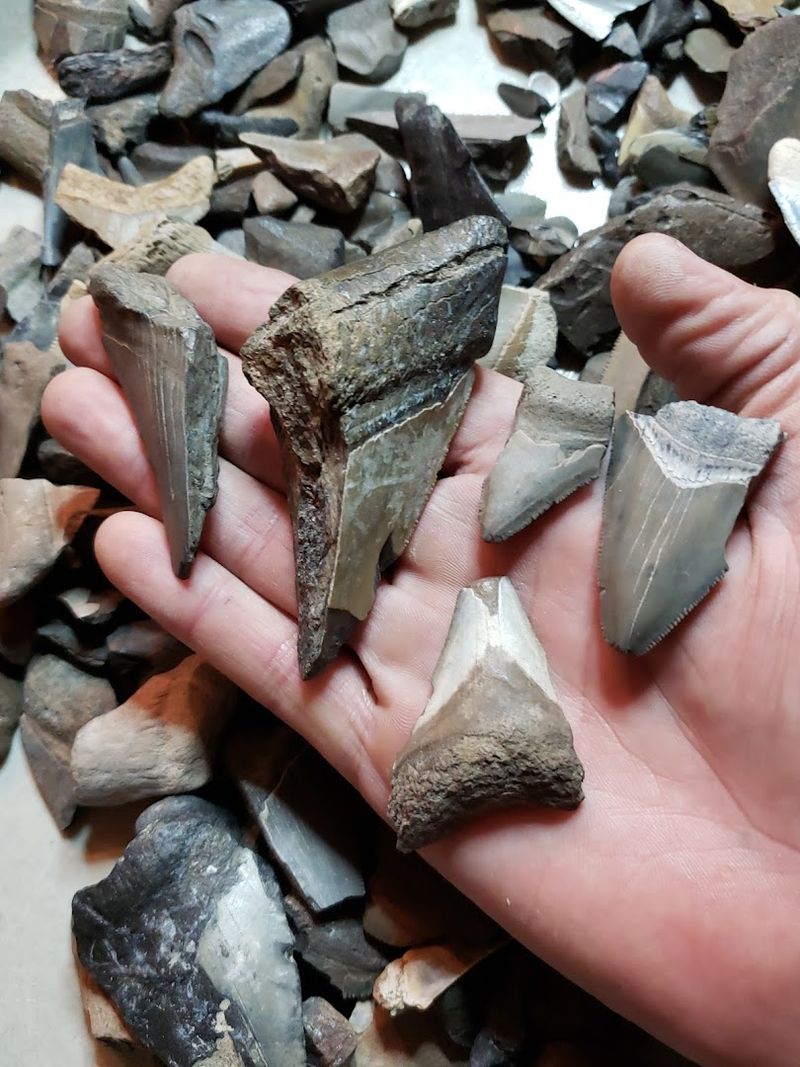
Clear water, coastal influence, and limestone country give this area a personality that feels both prehistoric and unmistakably Floridian.
You might come for springs or manatee season, then realize the surrounding region also has a meaningful fossil story.
That layered appeal is part of why Crystal River earns attention from collectors exploring Florida’s Gulf Coast.
The wider area has connections to fossil-bearing sediments, marine deposits, and spots where erosion or dredged material may reveal teeth, shells, and ancient fragments.
As with many coastal rivers, success depends on legal access, local conditions, and understanding that the best opportunities are often site specific.
A little homework before you go can save time and help you search in ways that are both productive and responsible.
What makes this destination memorable is how easily fossil hunting can fit into a larger nature-focused trip.
You can spend part of the day appreciating springs, wildlife, and waterfront scenery, then devote time to scanning promising edges and talking with local collectors.
For travelers who like a blend of recreation, geology, and Gulf Coast atmosphere, Crystal River offers a versatile stop with genuine fossil appeal.
11. De Soto National Memorial – Bradenton, Manatee County,
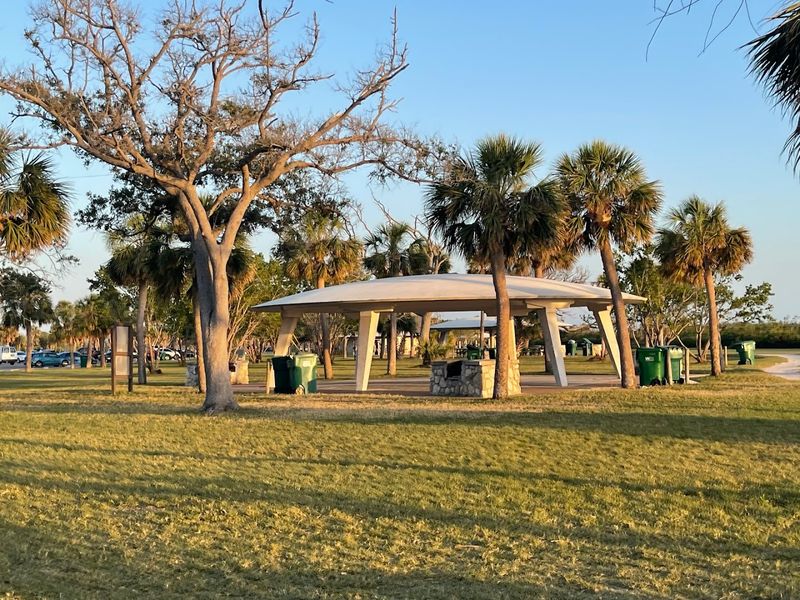
History and shoreline scenery come together here in a way that feels different from a standard collecting destination.
You are as likely to think about exploration, estuaries, and changing coastlines as you are about what might be hidden in the sediment.
That blend gives De Soto National Memorial in Bradenton a special place in conversations about fossil-minded coastal wandering.
This is not typically treated as a heavy extraction site, and that distinction matters because protected landscapes come with rules and conservation priorities.
The broader surrounding coastal environment can reveal shells, older material, and geological clues, but visitors should always follow site regulations and avoid inappropriate collecting.
In many ways, the educational value here comes from reading the landscape and understanding how natural processes shape what appears along the shore.
Walking the waterfront, watching tides, and noticing exposed sediment can sharpen your eye for more collection-friendly places elsewhere nearby.
For a thoughtful final stop on a fossil road trip, this memorial offers context, beauty, and a reminder that every shoreline tells a deeper story.
If you visit with the right expectations, the experience is still rewarding because it connects Florida’s human history with its much older environmental past.