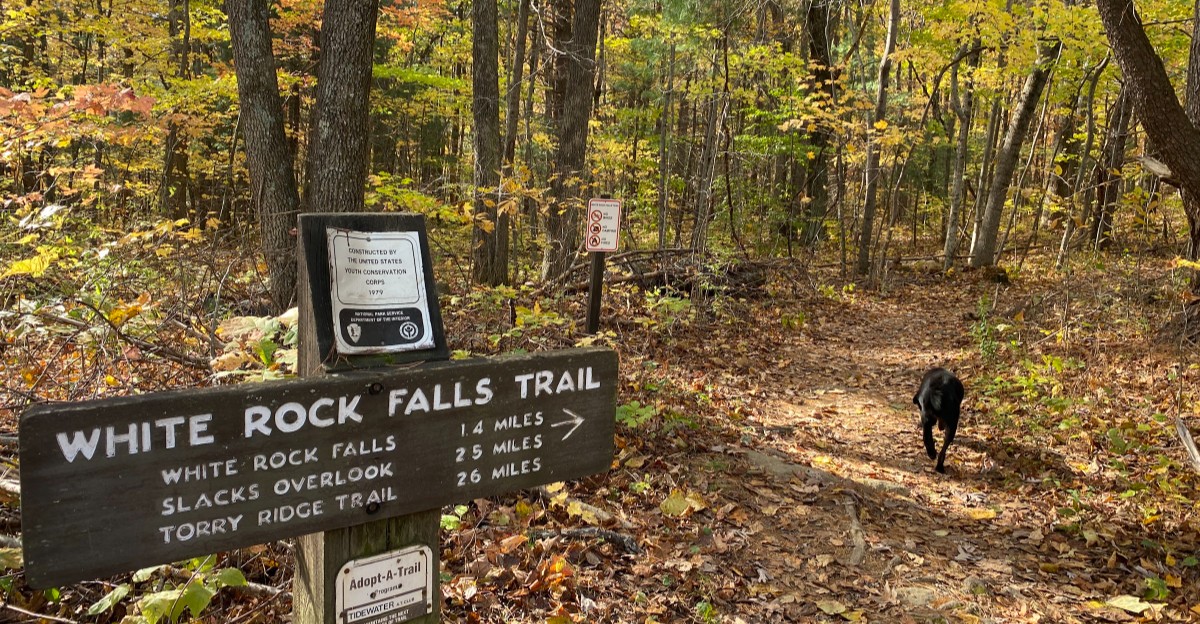
A single turn along a wooded trail can reveal a whole hillside glowing with gold, scarlet, and copper leaves. In Virginia, fall transforms forest paths into colorful escapes, where rushing creeks, mossy rocks, and mountain overlooks offer a welcome reason to step away from busy routines.
The scenery changes with every bend, making even a familiar walk feel fresh when autumn arrives.
Some trails lead to waterfalls tucked between trees, while others climb toward rocky viewpoints with broad stretches of forest below. You might hear leaves crunch beneath your boots, catch the earthy scent of damp soil, or pause beside a stream to watch bright reflections ripple across the water.
From gentle paths suited to a relaxed outing to more challenging climbs, Virginia has options for different hiking styles and comfort levels.
With the right route and a little preparation, you can make the most of the season. Discover these 10 Virginia forest trails for an unforgettable way to experience fall.
Follow the Water on White Rock Falls Trail
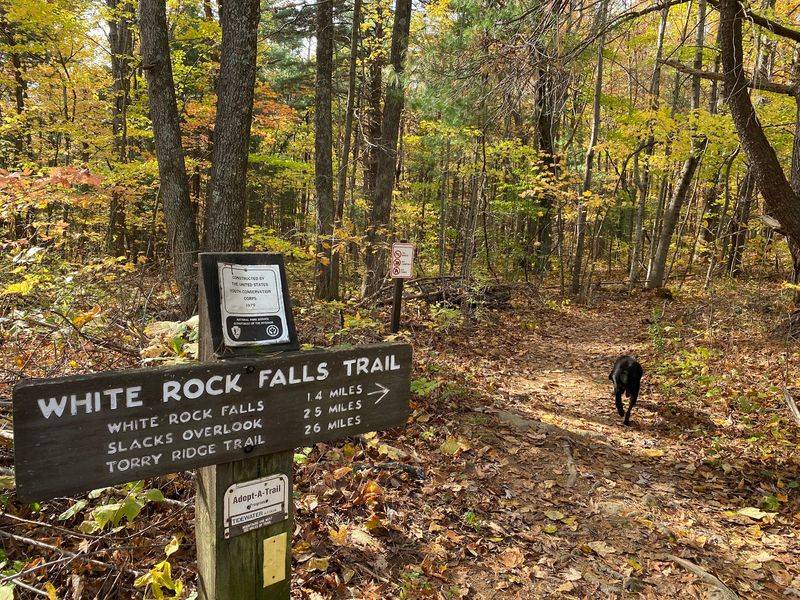
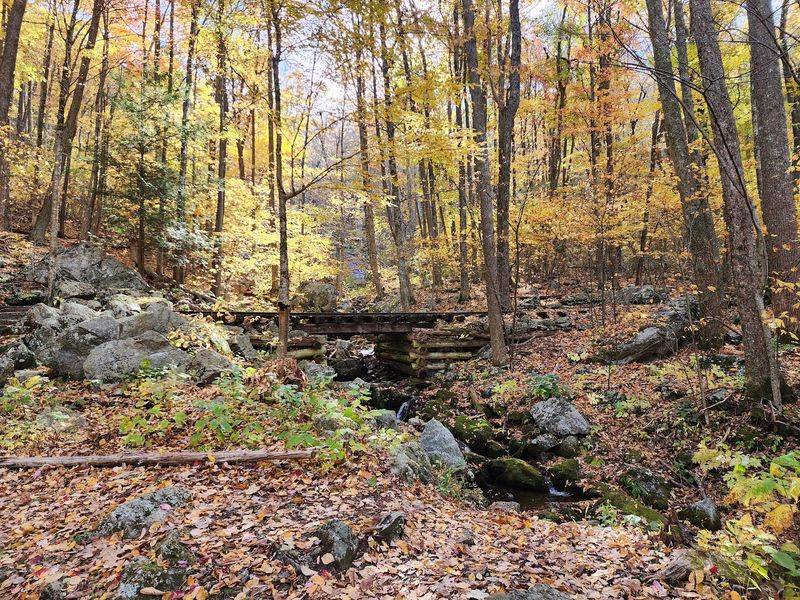
Water often announces itself before the falls come into view. Along White Rock Falls Trail near Vesuvius, that steady sound draws you through a mixed forest where yellow leaves gather beside the creek and dark rocks catch small flashes of reflected light.
The waterfall is modest enough that the surrounding woods remain part of the story. Pause where the marked route allows a safe view, and look for the contrast between pale rock, moving water, and the warm colors overhead rather than rushing straight back.
Choose your starting point carefully, since different approaches and nearby connections change the distance and climbing involved. Check the National Park Service trail guide before leaving, and save a map that shows your chosen route instead of relying only on a waterfall pin.
Wear shoes with reliable grip, especially after rain, when leaves can hide slick stones. Bring a light layer for shaded stops beside the water.
An unhurried visit gives you time to notice creek pools and shifting light, details that can make a small waterfall feel surprisingly memorable on a cool autumn morning.
Find a Little History at Yankee Horse Ridge
A short stretch of railroad track looks unexpected among fallen leaves. At Yankee Horse Ridge on the Blue Ridge Parkway near Montebello, that detail turns a quick woodland stop into a small history lesson before you even reach nearby Wigwam Falls.
The old logging railroad grade recalls a time when these mountains supplied timber rather than scenic drives. Read the interpretive signs, then follow the short path toward the cascade, where water slips over rock beneath a canopy that changes with the season.
Because the outing is brief, it works well when you want fresh air without committing to a long hike. Still, short does not mean completely smooth: roots, damp leaves, and uneven footing deserve attention, especially if you are walking with younger children.
Check Parkway road conditions before setting out, and use the designated parking area rather than stopping along the shoulder. After rain, the waterfall may have more flow, but the path can also be slippery.
Give yourself a few quiet minutes by the water; the combination of working history and autumn woods rewards a slower pace here.
Climb Beside the Cascades at Crabtree Falls
The sound builds as you climb, shifting from a distant rush to water you can almost feel. At Virginia’s Crabtree Falls near Tyro, a series of cascades gives the woodland walk a clear rhythm: climb, pause, watch, and continue when you are ready.
Established overlooks reveal different sections of the falls, so there is no need to reach the highest point to enjoy the outing. Oaks and hickories add autumn color around the rushing water, while stairs and uphill stretches make the route more demanding than a casual stroll.
Stay behind barriers and off the waterfall rocks. A surface that looks dry can carry slippery growth, and stepping beyond the trail has led to serious accidents here.
Good footwear helps on the path, but it does not make the cascade safe to climb.
Use the Virginia Forest Service site and current local guidance for access information, not directions to the similarly named waterfall in North Carolina. Pack water, allow extra time for the descent, and arrive early on busy weekends.
The repeated overlooks make breaks feel like part of the experience.
Trade Golden Light for Darkness at Blue Ridge Tunnel
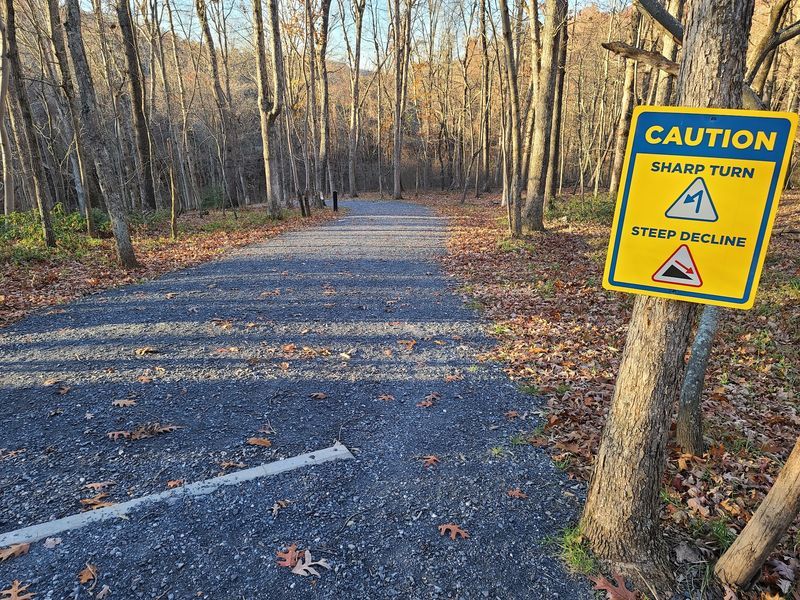
One moment, leaves glow above the path; the next, daylight narrows to a distant opening. The Blue Ridge Tunnel Trail near Afton offers that sharp change, pairing a wooded approach with a walk through a historic railroad tunnel beneath the mountain.
Start at the east trailhead on Afton Depot Lane for the eastern approach. The tunnel stretches more than 4,000 feet, and its unlit interior feels cool even when the afternoon outside is mild.
Water dripping from the rock adds another layer to the atmosphere.
Bring a dependable flashlight or headlamp for every walker, plus spare power. A phone light is a poor choice for a long, dark passage, especially if you also need that phone for directions.
Expect damp ground, and check current opening hours before traveling.
This outing is partly about the contrast rather than constant foliage views. Emerging into autumn daylight makes the colors seem brighter after the shadowed crossing.
If enclosed spaces make you uncomfortable, enjoy the wooded approach and entrance instead; there is no need to enter the tunnel to appreciate its setting and history.
Watch the Woods Open at Blackrock Summit
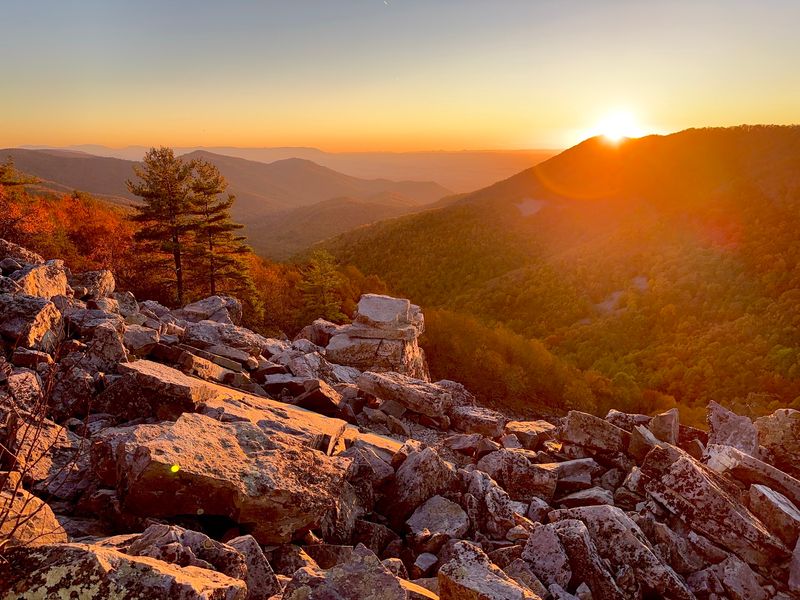
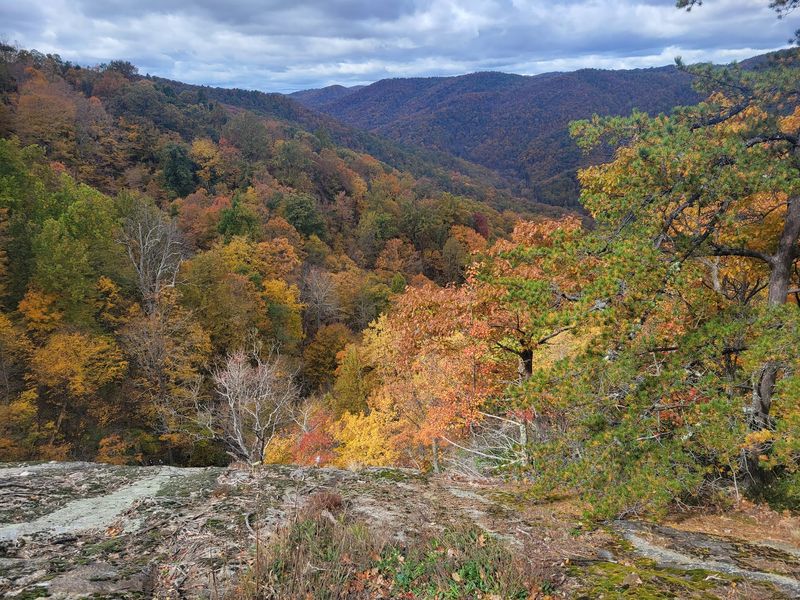
A river of broken rock suddenly replaces the trees. That surprising shift is the appeal of Blackrock Summit in Shenandoah National Park, where a short forest approach leads to a broad talus slope and views across ridges dressed in fall color.
Use the Blackrock Summit parking area on Skyline Drive near milepost 84.4, then follow the park’s signed loop route using the Appalachian Trail. The roughly one mile outing offers a manageable introduction to mountain scenery without requiring a long climb through the backcountry.
You do not need to scramble across the highest rocks to enjoy the view. Stay on the marked route around the formation, watch your footing, and leave room for other hikers at narrow spots.
Wind can feel stronger here than it did beneath the trees.
Check Skyline Drive conditions and park entrance requirements before your visit. A light jacket, water, and shoes with traction are useful even on a short hike.
Clear mornings often reveal more distant ridges, while cloudy days draw attention to nearby leaves and stone. Either way, the sudden opening makes the forest approach feel special.
Earn a Wider View at Humpback Rocks
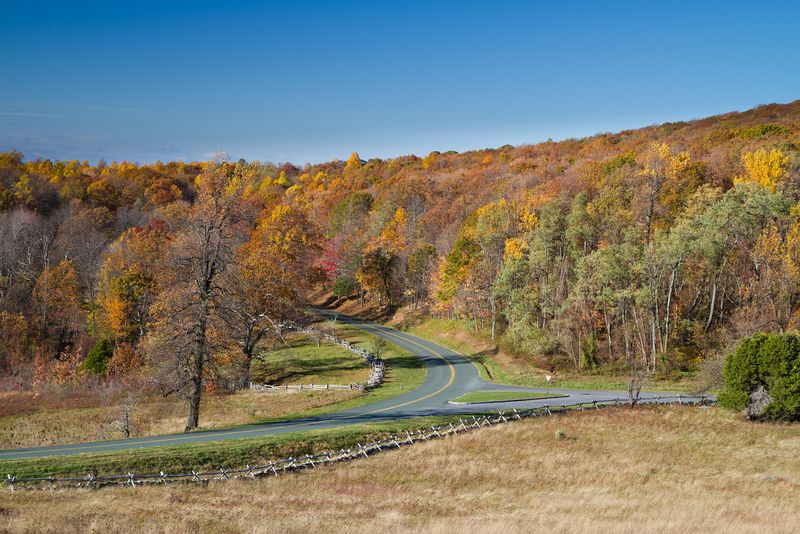
Your legs may notice the mountain before your eyes find the view. The direct climb to Humpback Rocks near Lyndhurst is short but steep, with an uphill woodland path that asks for steady effort rather than a relaxed stroll through leaves.
Begin from the designated Humpback Rocks hiking parking area along the Blue Ridge Parkway, not from an assumed summit location. Check the posted map to choose between the direct out and back hike and longer loop options, which require more time and preparation.
At the top, exposed rock replaces the close shelter of the forest. The view spreads across valleys and ridges, giving autumn color a much larger scale than it has along the trail.
Take a rest well away from edges, especially when the summit is crowded.
Carry water and a warm layer, and leave enough daylight for a careful descent. Wet leaves can make downhill footing awkward even after the climbing is finished.
If the rocks are icy or the wind is strong, turn around. The forest itself still offers color, texture, and a worthwhile mountain walk without the summit.
Listen for Upper Shamokin Falls
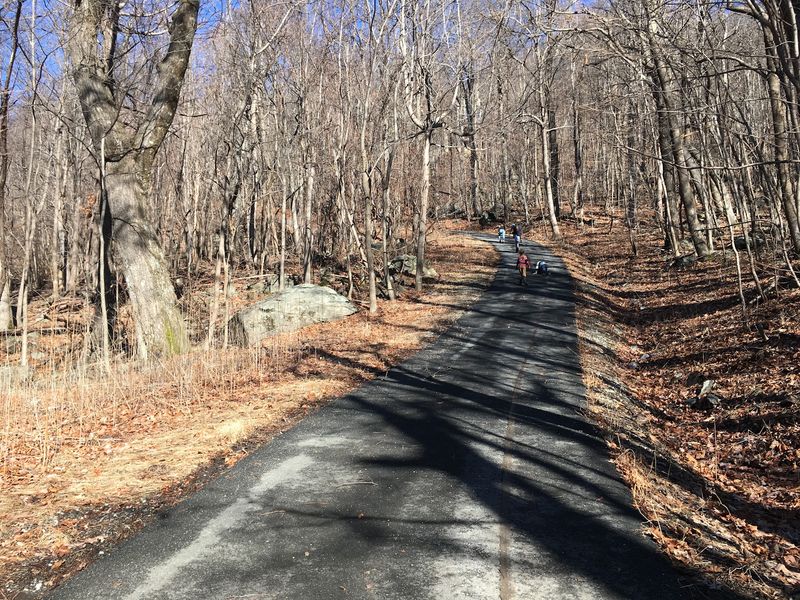
A faint splash can become the most interesting sound in the woods. Around Upper Shamokin Falls at Wintergreen, the appeal lies in following a mountain path toward water while autumn leaves soften the ground and small openings reveal the slopes beyond.
This is a route to research before treating it as an open public hike. Wintergreen’s trail network includes access rules and changing conditions, so contact the resort or responsible land manager to confirm visitor permission, suitable parking, and the current route to the falls.
Once access is confirmed, carry the approved trail map and pay attention at junctions. A waterfall name on an online map does not show every connecting path or explain how much climbing the return requires.
Descending toward water can make the trip back feel surprisingly demanding.
Choose a dry day if possible, and avoid stepping onto wet rock beside the cascade. Water flow varies with recent weather, so enjoy the forest even if the falls are quiet.
A small snack break on durable ground gives you time to hear the stream, watch drifting leaves, and settle into the mountain setting.
Step From Forest Into Meadow on Cole Mountain
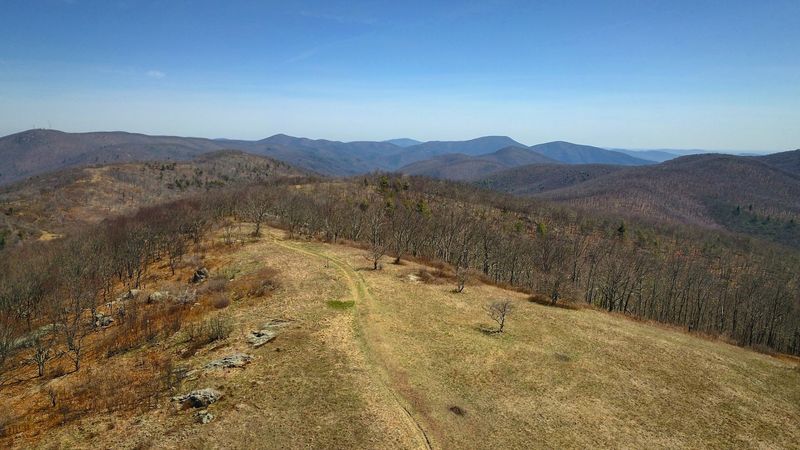
The breeze changes before the view does. After sheltered walking through trees, the open grass on Cole Mountain feels like a different landscape, with autumn ridges stretching beyond the summit and enough sky to make you pause without planning to.
Near Vesuvius, this Appalachian Trail outing offers a welcome contrast to waterfall ravines and enclosed forest paths. The grassy summit is the main attraction, but the approach adds its own pleasures: rustling leaves, changing shade, and glimpses of the mountain through thinning branches.
Confirm the Hog Camp Gap approach and current road conditions with the appropriate George Washington National Forest district before driving. Access roads can be rough, and a map pin alone will not tell you whether your vehicle is suitable or where legal parking is available.
Bring a windproof layer and enough water for your chosen route, whether you plan a shorter return hike or a longer loop. Stay on established paths through the meadow to protect vegetation.
Pack a simple lunch and carry out every scrap; the open summit invites a pause, not a hurried photograph before heading back into the trees.
Take the Rugged Route Through Saint Mary’s Wilderness
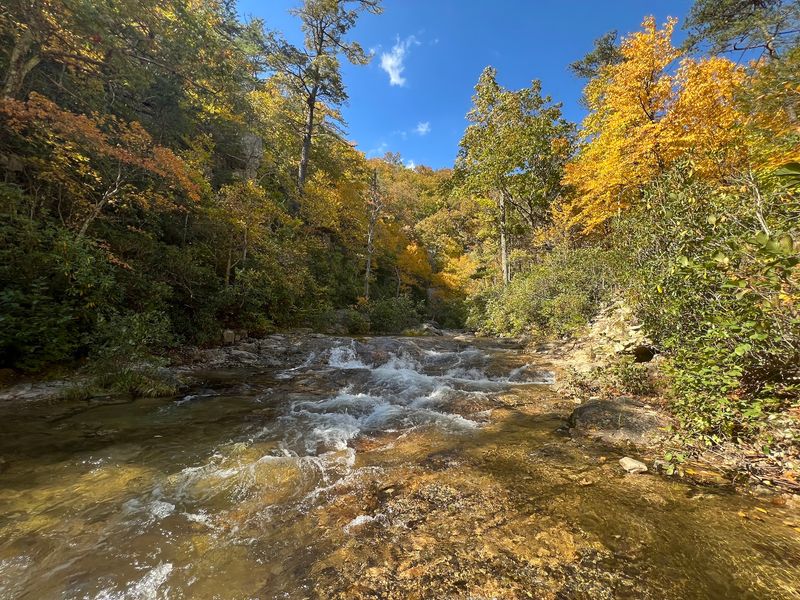
Here, the path does not smooth away every obstacle. In Saint Mary’s Wilderness near Raphine, rocky ground, river scenery, and less developed trails create an autumn outing that feels closer to backcountry travel than a walk between clearly marked scenic stops.
The Saint Mary’s River provides a steady thread through the landscape. Fallen leaves collect along its edges, and clear water moves between stones beneath wooded slopes.
Those small scenes can be as rewarding as reaching a waterfall, especially when the season brings bright color overhead.
Plan a specific route from the Saint Mary’s trailhead using current Forest Service information and a reliable offline map. Confirm conditions before leaving, since stream crossings and storm damage can change the difficulty.
Do not assume every junction will have a clear sign pointing the way.
Wear sturdy footwear, carry extra food and water, and tell someone when you expect to return. Avoid crossings when water is high or moving strongly, and be willing to turn back.
This is best for hikers comfortable making cautious decisions without frequent facilities nearby. A slower pace helps with both navigation and noticing the forest.
Notice the Small Things Along Pauls Creek
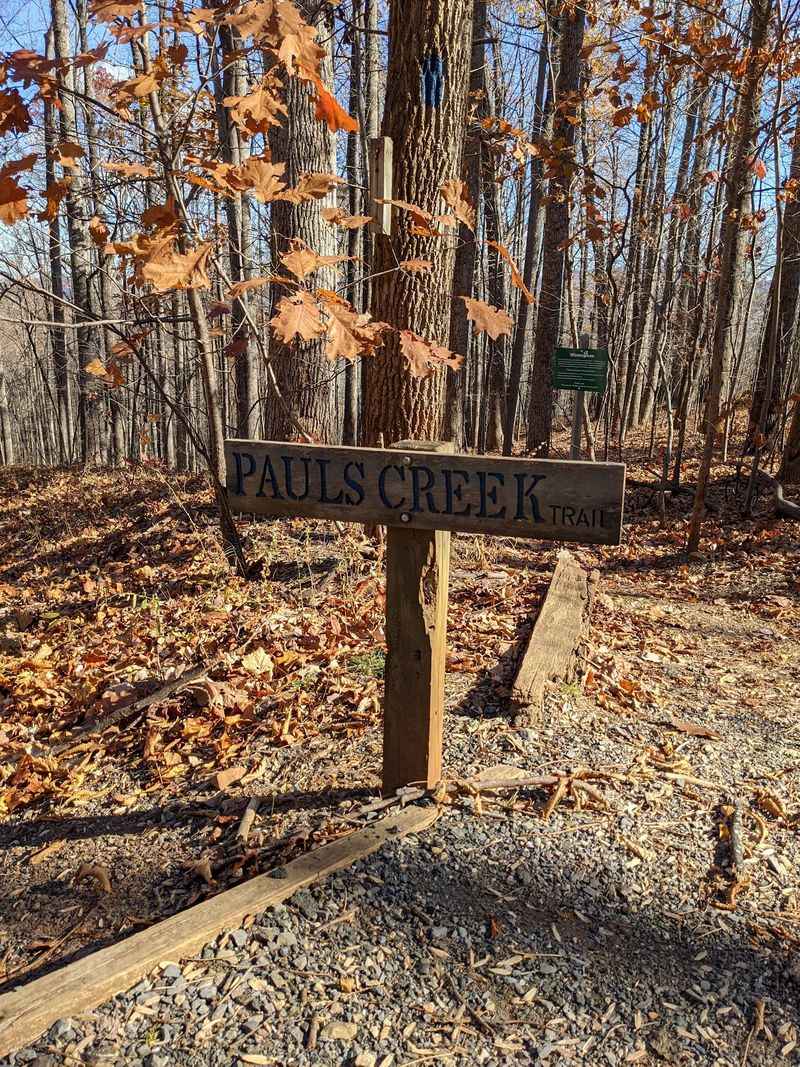
A single red leaf caught beside moving water can hold your attention longer than a distant view. That is the mood to bring to Pauls Creek Trail near Wintergreen, where the creek and surrounding woods give fall a smaller, more personal scale.
Rather than chasing a summit, watch how the stream bends around rock and how leaves settle in quiet pockets along its banks. The changing canopy adds color, but the movement of water keeps the scene from feeling still, even on a calm afternoon.
Before visiting, confirm current public access, parking, and trail rules with Wintergreen or the responsible land manager. The Pauls Creek Court location should not be treated as permission to park anywhere nearby.
Respect residential areas, posted restrictions, and any closures affecting the route.
Expect uneven footing and remember that a downhill approach can mean an uphill return. Wear shoes with grip, keep children close near water, and avoid slick creek rocks.
Bring a snack to enjoy away from the stream edge, then leave the spot clean. The pleasure here is having enough time to notice what a faster walk would miss.