North Carolina makes it surprisingly easy to trade busy downtown blocks for long, quiet miles on foot or by bike. Some trails start beside restaurants, murals, and breweries, then quickly slip into riverbanks, wooded corridors, and lakeside views.
If you want an outline of the state’s best urban-to-nature routes, this list highlights the greenways that do that transition especially well. Each one offers a different mix of city access, scenic calm, and everyday usability that makes you want to keep exploring.
Neuse River Greenway Trail (Raleigh)
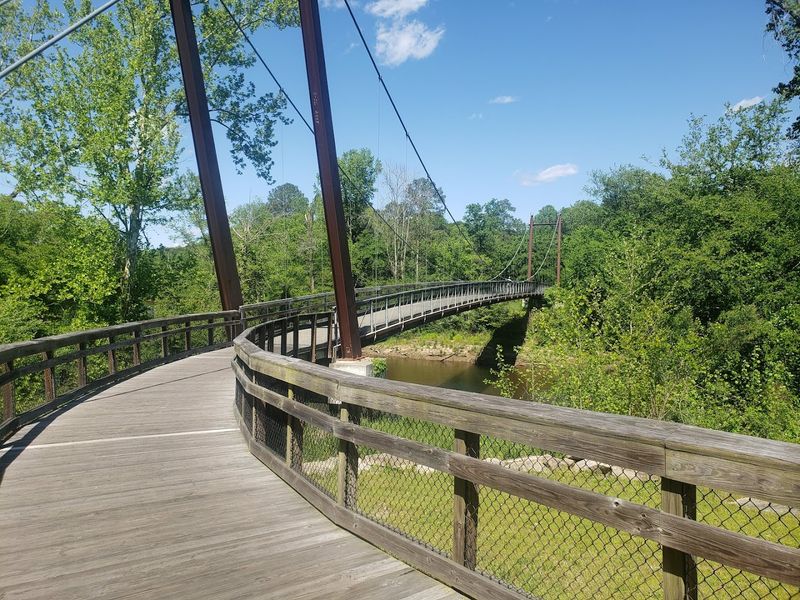
If you want one of the most impressive city-to-nature routes in North Carolina, the Neuse River Greenway Trail stands out immediately. Stretching more than 27 miles, it gives you a rare chance to start near Raleigh’s urban core and keep rolling into quiet river scenery.
That scale alone makes it feel more like a regional journey than a simple city path.
Along the way, you pass parks, neighborhoods, wetlands, and long wooded stretches that soften the pace almost instantly. I like how the trail never feels repetitive for long, because each segment reveals a slightly different side of the river corridor.
It is especially appealing if you want mileage without constantly stopping for road crossings.
For cyclists, runners, and casual walkers, this trail works as both recreation space and practical connector. It links sections of Raleigh with outlying areas in a way that feels intentional rather than patched together.
You can plan a short outing or a long day.
That flexibility is what makes it essential.
Downtown Greenway (Greensboro)
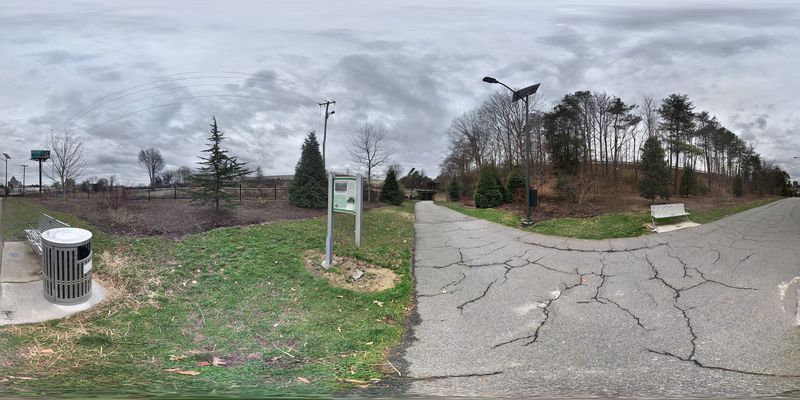
Greensboro’s Downtown Greenway proves that a shorter trail can still deliver a strong sense of escape and connection. This roughly 4-mile loop wraps around downtown, linking neighborhoods, parks, civic spaces, and eye-catching public art.
If you enjoy urban exploration with plenty of visual variety, this route is easy to appreciate.
What makes it memorable is how smoothly it frames the city instead of simply cutting through it. You can hop on for a lunch break walk, a quick bike ride, or a longer outing paired with nearby shops and restaurants.
The design feels welcoming, and the loop format keeps navigation simple.
I also like that it invites you to notice Greensboro itself, not just the path beneath your feet. Murals, green spaces, and gathering spots create a rhythm that keeps the experience interesting from block to block.
It feels active without becoming hectic.
For visitors, it is one of the easiest greenways in the state to fit into a downtown day.
American Tobacco Trail (Durham / Wake / Chatham)
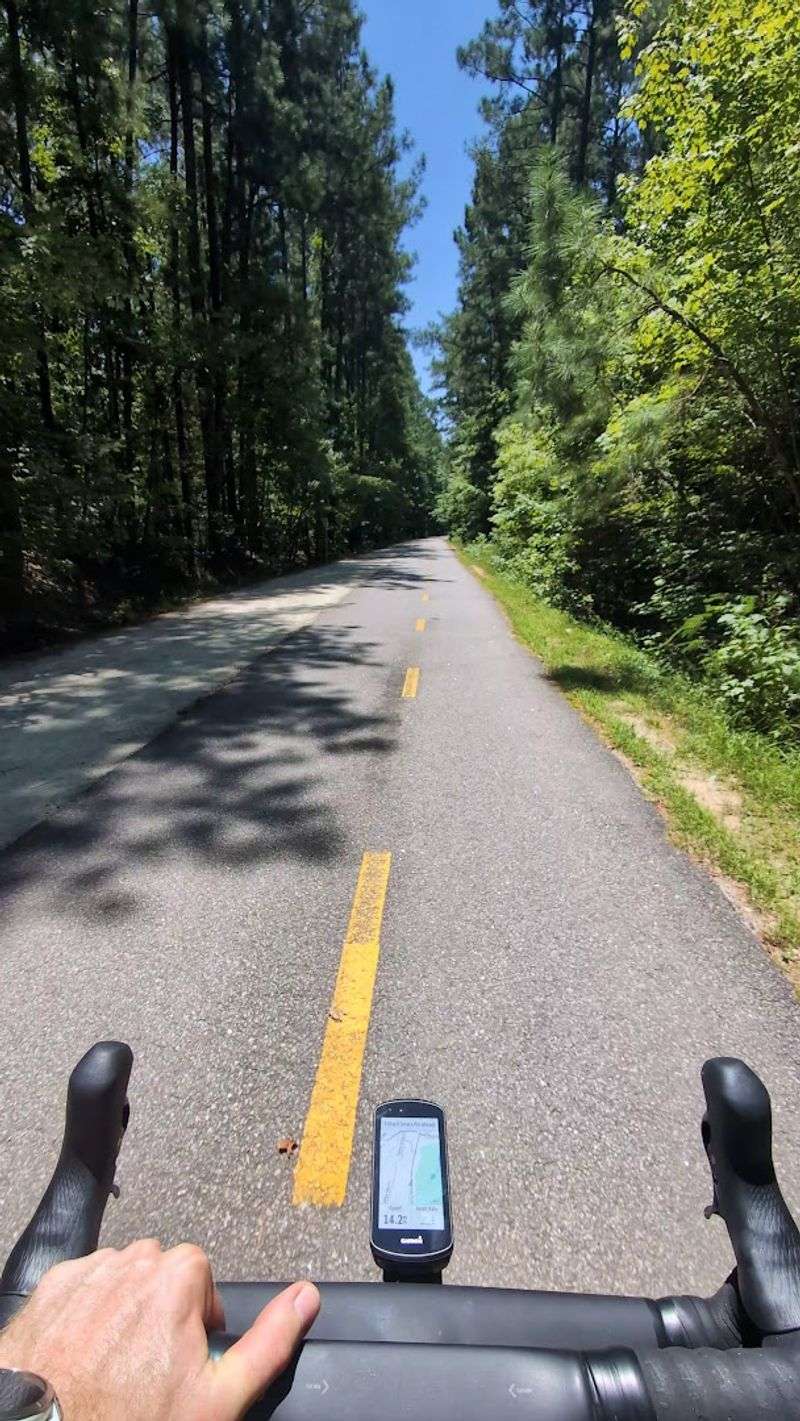
The American Tobacco Trail is one of those greenways that feels bigger than a single city the moment you step onto it. Beginning near downtown Durham and extending through multiple counties, it follows a former rail corridor into suburbs and quieter rural edges.
That gives you a satisfying sense of distance without losing easy access points.
Because it is a rail-trail, the grades are generally gentle, which makes long rides and walks much more inviting. You can settle into a steady pace and watch the scenery shift from urban backdrops to shaded stretches and open spaces.
It is popular for good reason, yet it often still feels peaceful.
I think its greatest strength is how naturally it links everyday convenience with genuine outdoor calm. Downtown Durham gives you food, coffee, and culture before or after your outing, while the trail itself offers room to breathe.
Few North Carolina routes balance those contrasts so well.
If you want a dependable, long-distance option, this is an easy pick.
Little Sugar Creek Greenway
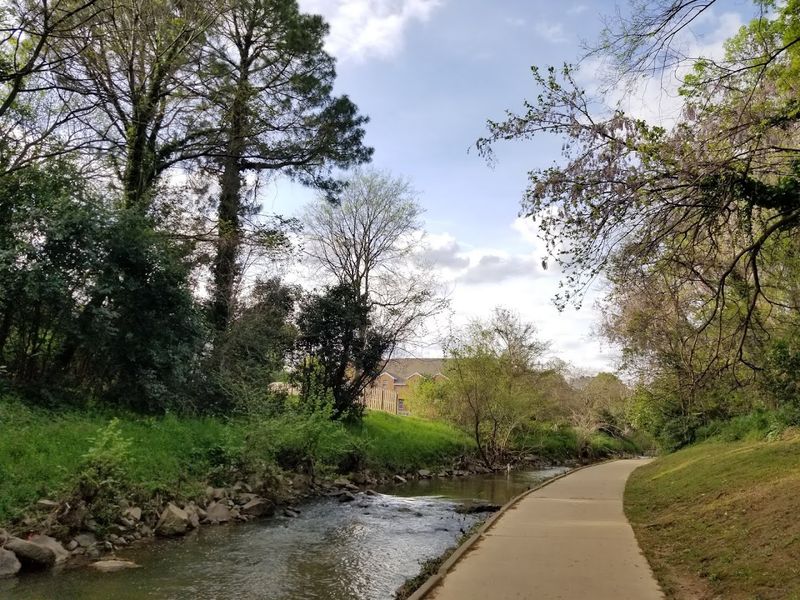
Little Sugar Creek Greenway shows how an urban waterway can become one of the most attractive public spaces in a major city. Running through Charlotte and near Uptown, it combines polished design, creekside scenery, and useful connectivity between neighborhoods and parks.
The result feels scenic, accessible, and surprisingly calming.
One reason people love this greenway is its visual range. In some sections, you get skyline views and structured landscaping, while in others the path feels softer and more natural along the creek.
That shift keeps every walk or ride from blending into the last one.
I find it especially appealing for travelers who want a trail with built-in variety and strong urban access. You can pair it with a day in Charlotte, then still get moments that feel peaceful and removed from traffic.
It offers both postcard views and everyday functionality.
If you are choosing just one Charlotte greenway for a first visit, this is one of the safest bets. It is scenic, central, and easy to enjoy.
McAlpine Creek Greenway
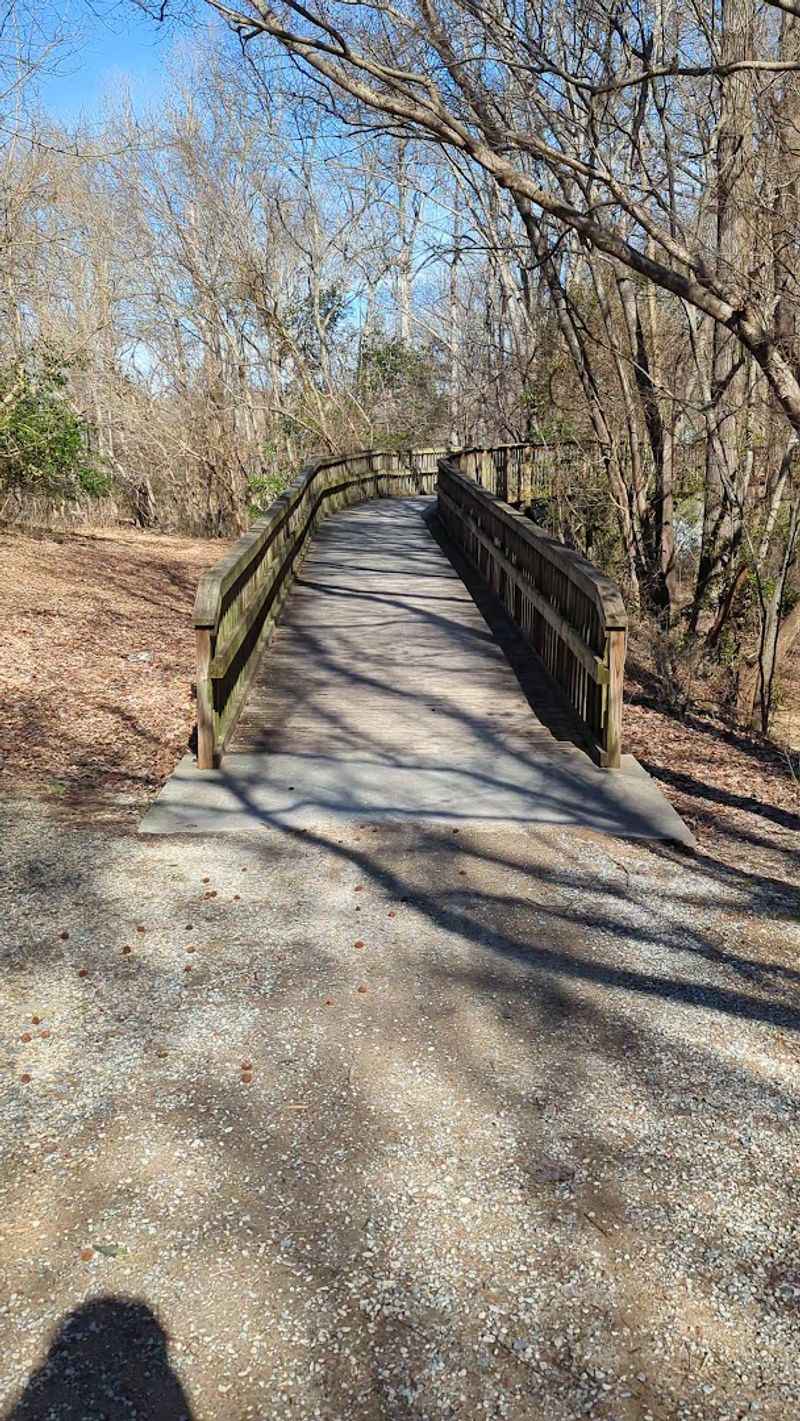
McAlpine Creek Greenway offers a different Charlotte experience from the city’s flashier central trails, and that is part of what makes it valuable. Located in southeast Charlotte, it serves as a long connector through suburban areas while still functioning as a true recreational escape.
If you prefer steady mileage and a calmer setting, it is easy to appreciate.
The trail follows a creek corridor with wooded sections that help soften the surrounding development. You can bike, run, or walk through stretches that feel tucked away, even though you are still moving through a populated part of the city.
That balance gives it real everyday usefulness.
I like this greenway most for people who want something dependable rather than dramatic. It supports commuting, training, and casual outings without requiring a complicated plan.
There is a rhythm to it that rewards repeat visits.
Compared with more destination-oriented trails, McAlpine feels practical in the best way. It quietly connects communities, encourages routine outdoor time, and proves that peaceful urban-adjacent miles can still leave a strong impression.
Irwin Creek Greenway
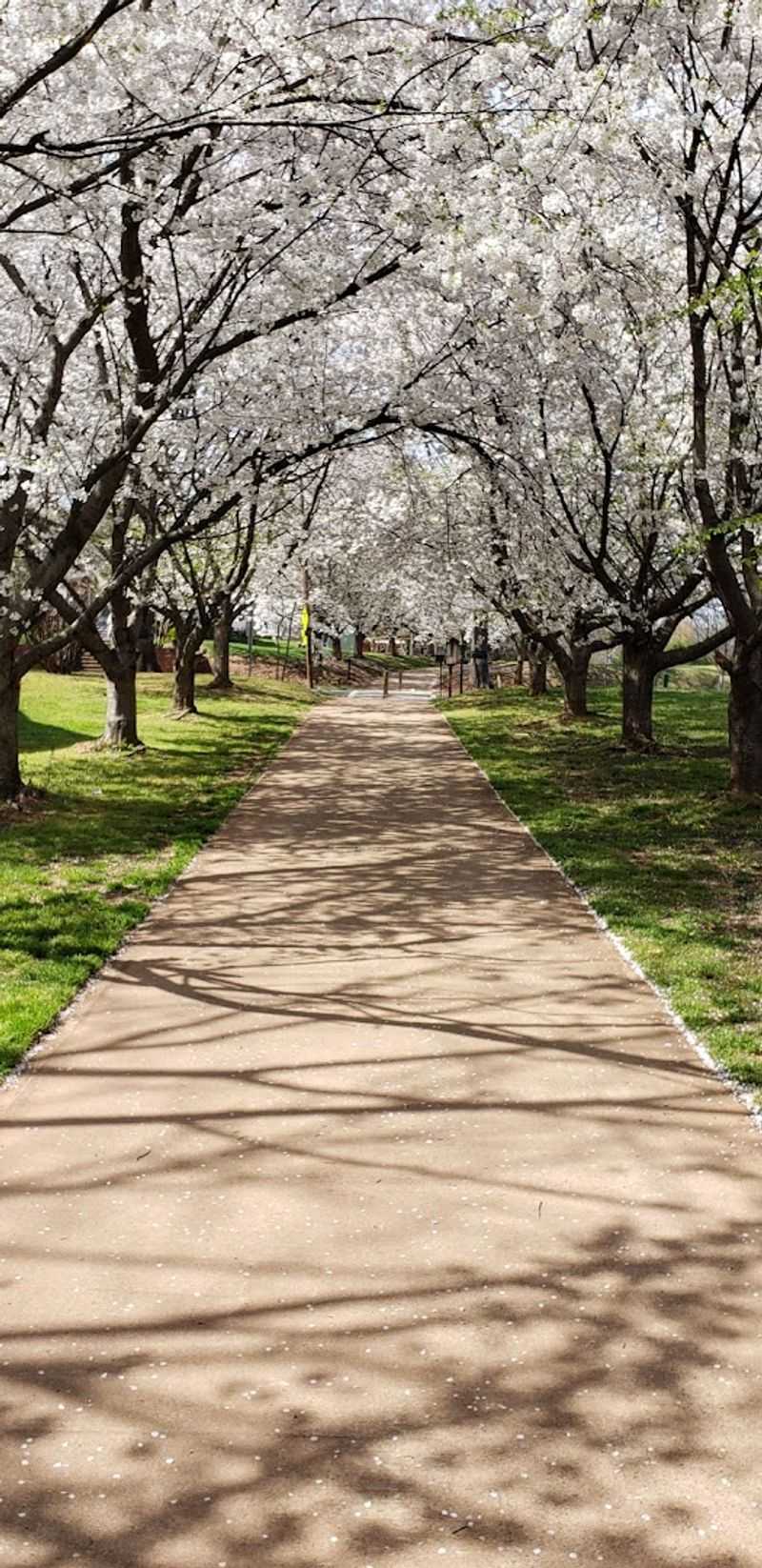
Irwin Creek Greenway is a strong example of how a city trail can tie together places that might otherwise feel disconnected. Running through west Charlotte, it links neighborhoods, parks, and more industrial sections while contributing to the larger regional greenway system.
That mix gives it a layered, real-world character.
This is not a trail that relies only on polished scenery to be memorable. Instead, its appeal comes from seeing how green infrastructure can reclaim creek corridors and create safer, more inviting movement across the city.
You get pockets of nature without losing awareness of Charlotte’s working landscape.
I think that makes it especially interesting for travelers who like greenways with a civic story behind them. It feels purposeful, and that purpose adds depth to every mile.
You are not just out for exercise, you are also experiencing a city knitting itself together.
For a wider Charlotte itinerary, Irwin Creek works best as part of a network mindset. It may be less famous than other trails, but it contributes something essential: connection, access, and a welcome sense of momentum.
Gary Shell Cross-City Trail
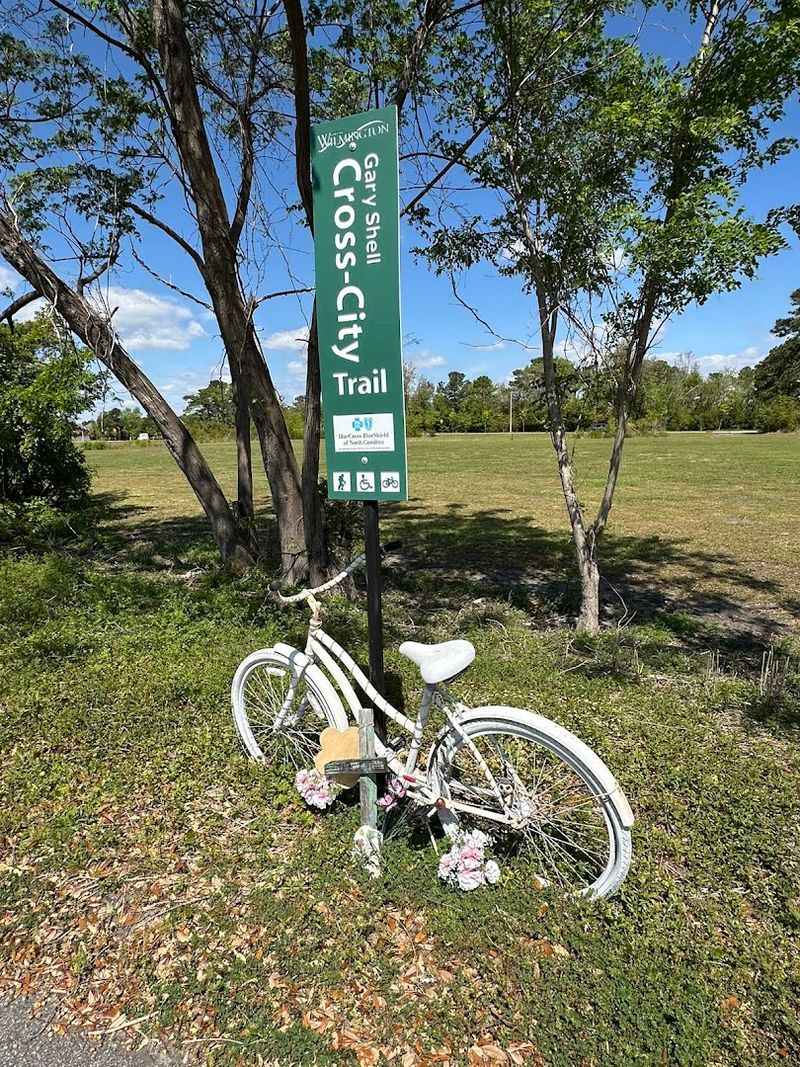
The Gary Shell Cross-City Trail gives Wilmington a true city-spanning route, and that broader reach is what makes it special. At more than 15 miles, it connects different parts of the city through a continuous multiuse corridor that links neighborhoods, parks, and major destinations.
For anyone who likes seeing how a place fits together, this trail is rewarding.
What stands out most is the variety. Depending on where you enter, you may encounter suburban stretches, greener sections, marshy views, and links toward busier urban areas.
It feels like a practical transportation route, but it also captures Wilmington’s relaxed coastal character.
I think it works especially well for cyclists who want meaningful distance without needing a remote trailhead. You can build anything from a short segment ride to a longer cross-town adventure.
That flexibility makes repeat visits feel fresh instead of routine.
As a connector, it does exactly what its name promises. It carries you through the city in a way that feels efficient, scenic, and surprisingly peaceful for such an everyday route.
Haw River Trail
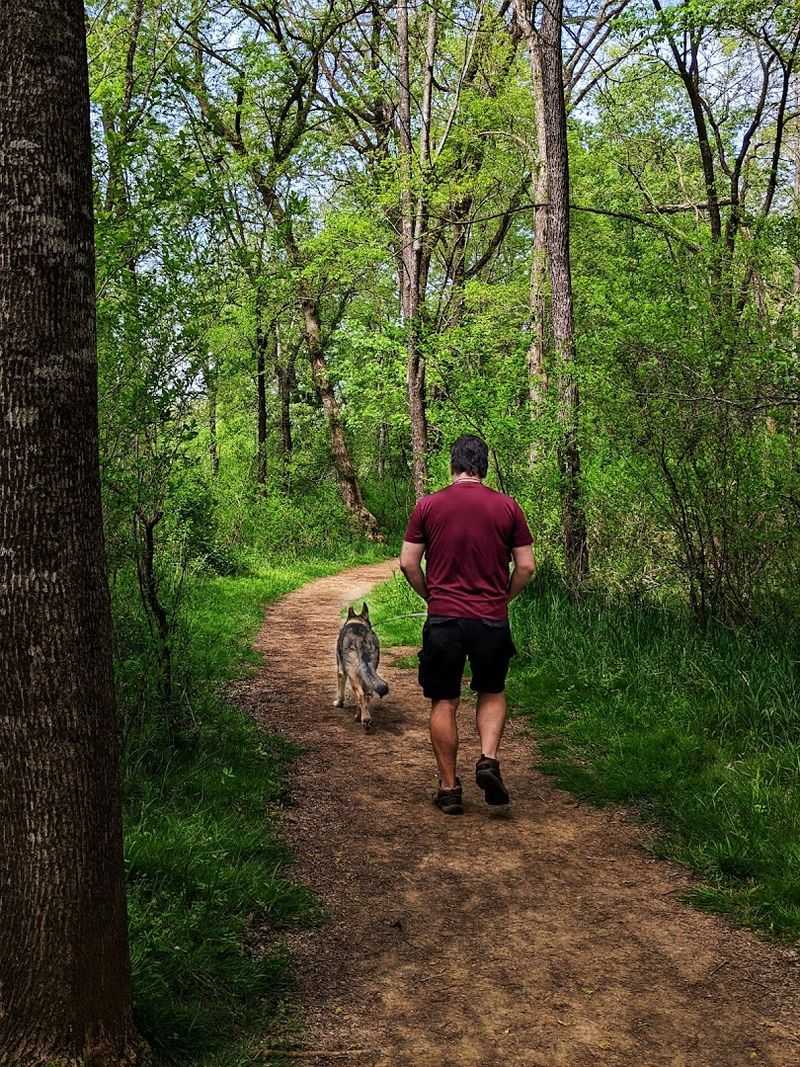
The Haw River Trail offers a quieter, more understated version of the downtown-to-nature experience, and that is exactly why it deserves attention. Near Burlington and the town of Haw River, it links urban edges with riverside landscapes through a mix of paved and natural-surface paths.
The setting feels grounded, local, and refreshing.
This is the kind of trail where you notice transitions in texture as much as scenery. One section may feel like an easy community greenway, while another brings you closer to the river and a more rustic environment.
That contrast gives the route personality without making it intimidating.
I like recommending it to travelers who want somewhere less obvious than the state’s biggest-name greenways. You still get useful connectivity and scenic payoff, but with a more relaxed atmosphere and fewer crowds.
It is ideal for a slower outing.
Because the Haw River corridor has both natural beauty and regional importance, the trail feels meaningful beyond exercise alone. It invites you to explore a different side of central North Carolina, one gentle mile at a time.
Salem Lake Trail
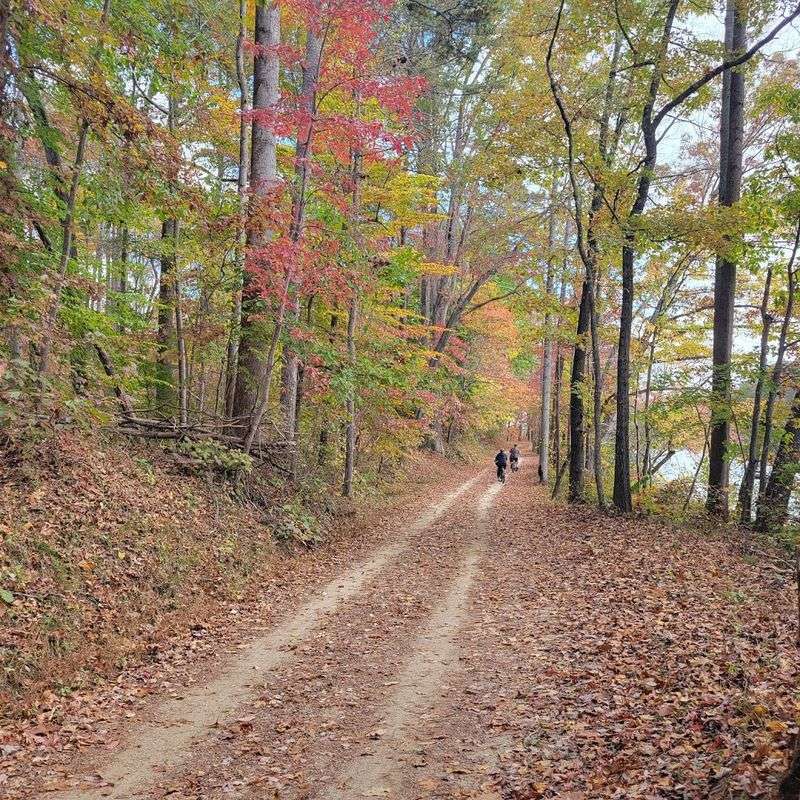
Salem Lake Trail gives Winston-Salem an appealing near-downtown escape that feels much more tranquil than its location might suggest. Looping around Salem Lake, it offers a dependable setting for running, biking, and long reflective walks with steady water views.
If you like trails that make it easy to settle into a rhythm, this one delivers.
The lake is the star here, and the looping format keeps the experience simple and satisfying. Instead of thinking about turnarounds or route logistics, you can focus on the scenery, changing light, and quiet movement around the shoreline.
That ease makes it popular with both regulars and first-time visitors.
I find it especially inviting for people who want nature access without committing to a rugged hike. The setting feels restorative, yet it remains close enough to the city to fit naturally into a normal day.
It is peaceful without being remote.
Among North Carolina’s urban-adjacent trails, Salem Lake stands out for its consistency. You know what you are getting: beautiful water, comfortable mileage, and the kind of calm that makes you want one more lap.
Muddy Creek Greenway
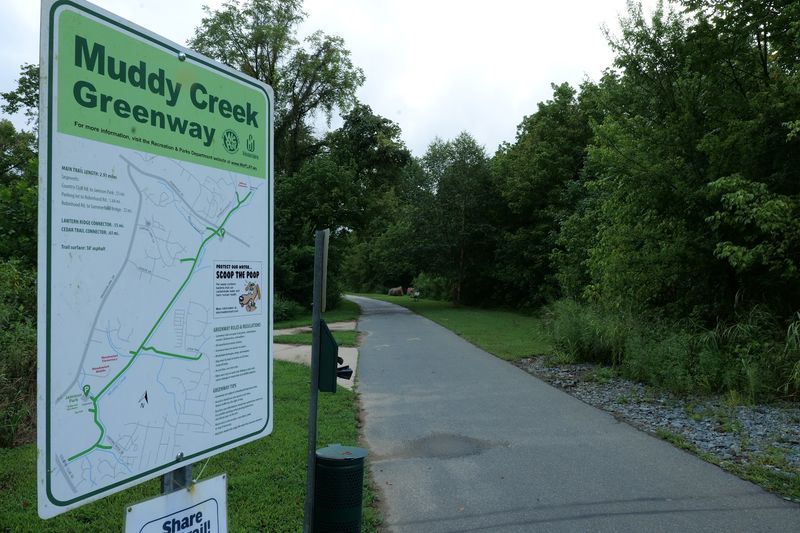
Muddy Creek Greenway may not get the same statewide attention as some headline trails, but it plays a valuable role in Winston-Salem’s growing network. It connects neighborhoods, parks, and suburban corridors through an accessible multiuse route that encourages everyday outdoor movement.
That practical function makes it more important than its quieter reputation suggests.
The trail’s appeal comes from being useful and pleasant at the same time. Creekside sections, trees, and neighborhood connections create a setting that feels welcoming rather than dramatic.
You can use it for exercise, casual transportation, or simply an easy break from the day.
I think it is a strong example of how local greenways improve daily life even when they are not famous destinations. People can step onto the path without much planning and still feel removed from traffic and routine.
That convenience matters a lot.
As Winston-Salem continues expanding its trail system, Muddy Creek feels like a solid building block. It connects people to green space, supports healthier routines, and makes the city feel more navigable one section at a time.
Cape Fear River Trail
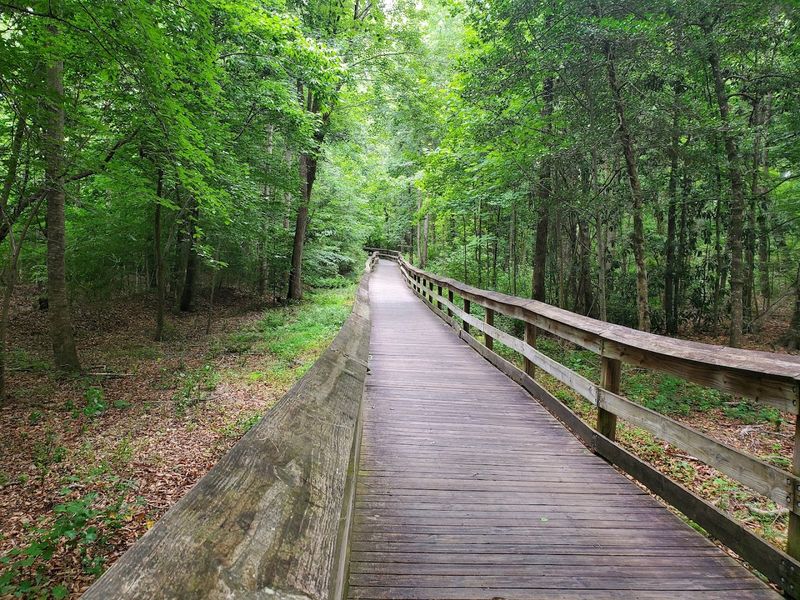
The Cape Fear River Trail in Fayetteville is one of those routes that quietly overdelivers once you start exploring it. Running along the river through and near the city, it blends wooded scenery, water views, and accessible trail design in a way that feels both relaxing and useful.
It is an excellent example of urban nature done well.
What I like most is the contrast between its natural feel and its city proximity. You can be close to downtown Fayetteville yet still find stretches where trees, riverbanks, and wildlife create a genuine sense of retreat.
That makes the trail appealing for both quick outings and longer reflective walks.
The route works well for runners, cyclists, and anyone who wants scenery without difficult terrain. It has enough variety to stay interesting, but not so much complexity that it becomes a planning project.
Sometimes that simplicity is exactly what makes a trail successful.
For travelers passing through Fayetteville, this is one of the most rewarding ways to experience the area. It offers calm, movement, and a closer look at the city’s natural side.
East Coast Greenway (NC Sections)
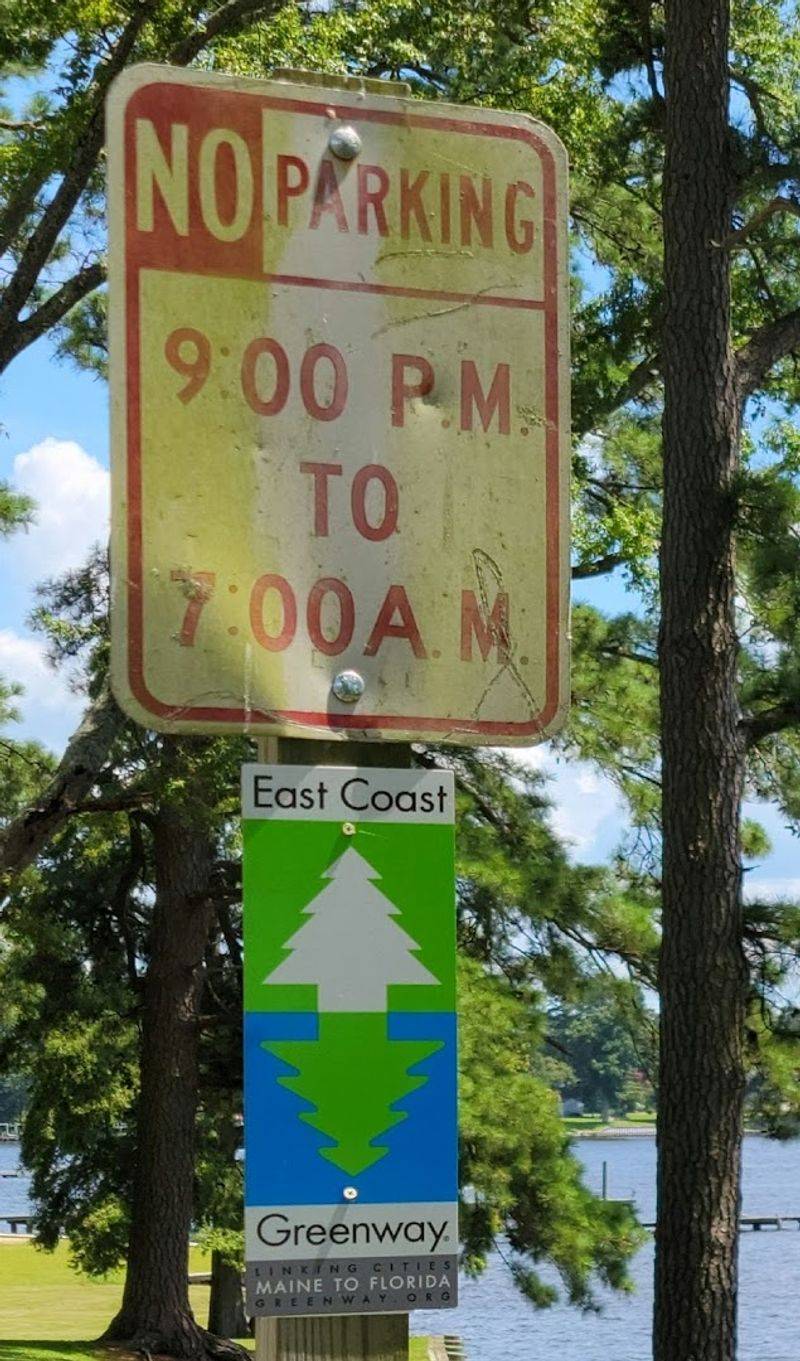
The East Coast Greenway is different from the other entries here because it is not a single local trail but a sweeping regional corridor. Through North Carolina, it threads together sections in places like Wilmington, Raleigh, and Durham, linking downtown districts with existing greenways and road-adjacent routes.
That bigger picture gives every connected mile extra significance.
What makes the North Carolina portions compelling is the way they showcase the state’s variety. You can experience waterfront cities, inland urban centers, river corridors, and community trails as part of one larger journey.
Even if you only tackle a short segment, you feel connected to something much broader.
I think this route especially appeals to cyclists and long-distance planners who love the idea of continuity. It turns local greenway rides into chapters of a longer story, which adds motivation and perspective.
Everyday outings suddenly feel part of a national network.
For this list, the East Coast Greenway represents the grandest version of the downtown-to-trail idea. It proves North Carolina is not just rich in individual greenways, but essential to a much larger connected landscape.