Some of New York’s quietest train stations have the wildest stories to tell.
Long before smartphones and packed highways, these depots were where travelers arrived, families said goodbye, and important news traveled down the tracks. Presidents passed through some of them, while others became unexpected stages for moments that shaped their communities.
Today, the trains may be gone, but the stories remain.
One station is tied to a secret midnight journey involving Theodore Roosevelt. Another survived fire and years of neglect before being rescued.
Some now house museums, while others have found surprising new lives as local gathering spots.
These twelve historic depots prove you don’t need a grand landmark to uncover a fascinating piece of New York history.
Sometimes, all it takes is an old platform, a weathered station sign, and a story hiding in plain sight.
North Creek Depot Museum, North Creek
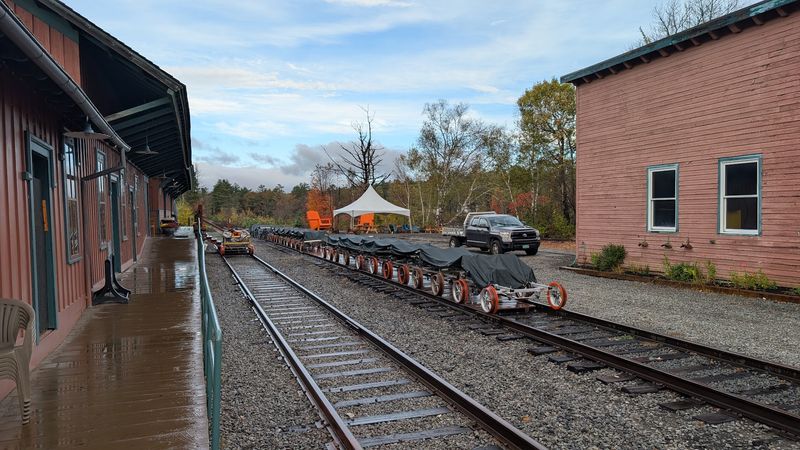
Picture a stormy September night in 1901, when a frantic ride through the Adirondacks turned a vice president into a president. Theodore Roosevelt boarded a train here after learning President McKinley had died.
The station itself dates back to 1872 and remains one of the best preserved depots you’ll find. Its walls carry the weight of that famous midnight journey toward the White House.
Inside, exhibits stretch far beyond politics. You can learn about logging camps, early skiing adventures, mining operations, and how the railroad opened up the rugged North Country to new settlers.
Visitors often leave surprised by how much history fits inside one modest building. The mix of presidential drama and everyday mountain life makes it feel personal.
If you enjoy stories where a single train ride changes everything, this depot delivers. It reminds us that history sometimes speeds through small towns in the dead of night.
Lincoln Depot Museum, Peekskill
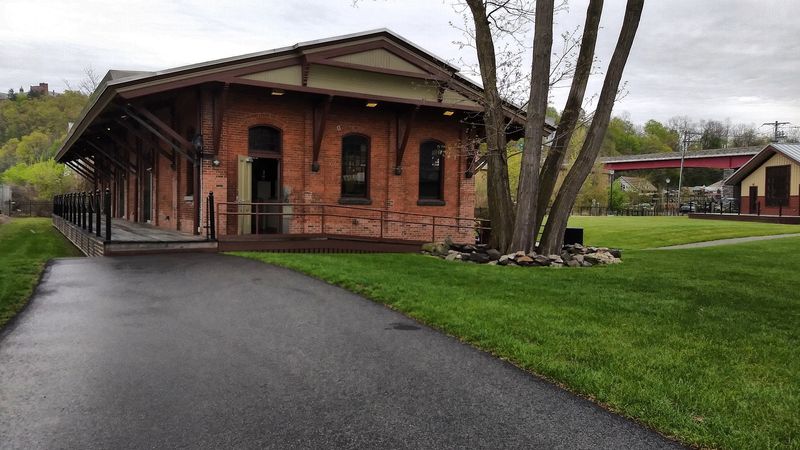
On February 19, 1861, a tall, worried man stepped off a train in Peekskill and spoke briefly to a gathered crowd. That man was Abraham Lincoln, heading to Washington for his inauguration.
The country stood on the edge of the Civil War, and Lincoln’s short stop here connected this quiet riverside station to some of the tensest days in American history.
The building once handled freight and passengers like any ordinary depot. Today it honors that unexpected brush with greatness through thoughtful exhibits and photographs.
Standing where Lincoln stood gives visitors a strange thrill. You realize that ordinary places sometimes host extraordinary moments without warning.
The museum does a lovely job explaining what the nation was feeling during those uncertain weeks. It helps younger visitors understand why Lincoln’s journey mattered so much.
For anyone curious about the man behind the legend, this small depot offers a genuine, close-up connection.
Hopewell Depot Museum, Hopewell Junction
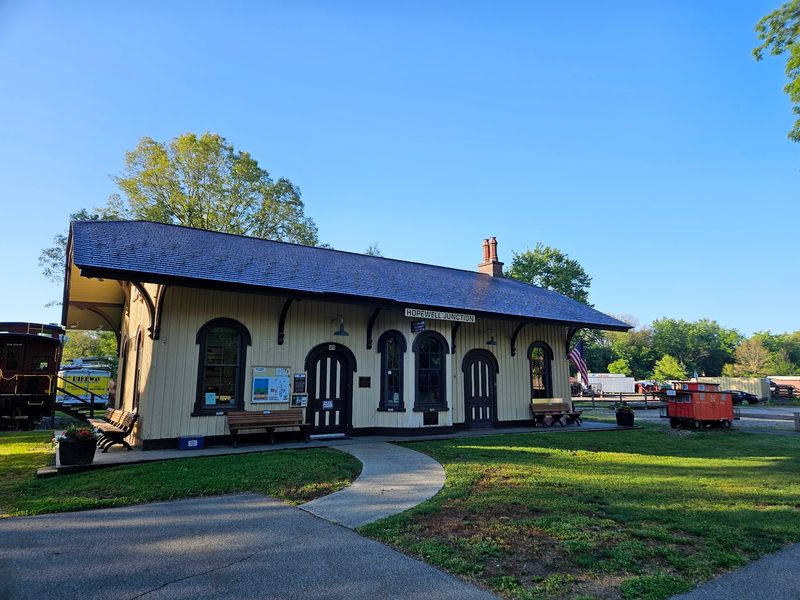
Some buildings refuse to give up, and Hopewell Depot is one of them. Built in 1873, it grew into a busy junction where several rail lines crossed and connected.
Then came the hard years. Passenger service ended, the tracks vanished, and in 1986 an arson fire tore through the abandoned structure, leaving it scarred and forgotten.
Instead of letting it crumble, determined volunteers rolled up their sleeves. They rebuilt the depot piece by piece, turning tragedy into a comeback story worth celebrating.
Now the restored station serves as both a museum and a welcoming gateway to the Dutchess County Rail Trail. Walkers and cyclists pass through daily.
The blend of railroad history and outdoor fun makes it a great family stop. You can learn about junctions, then stretch your legs on the trail.
It stands as proof that community effort can rescue almost anything from ruin.
Oyster Bay Railroad Station, Oyster Bay
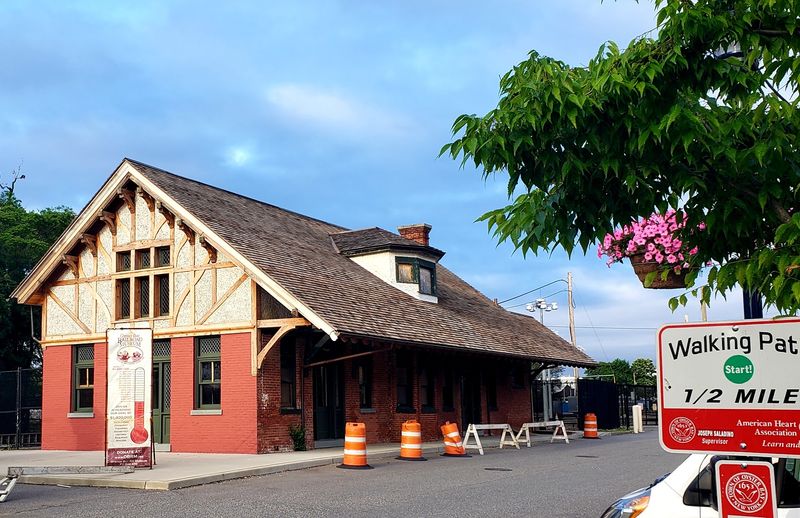
Theodore Roosevelt shows up again, this time as a regular commuter. He often used this 1889 Long Island Rail Road station while traveling between his beloved Oyster Bay home and the wider region.
Imagine a future president waiting on the same platform where visitors now stand. That everyday detail makes the place feel wonderfully human.
The station anchors the Oyster Bay Railroad Museum, where ongoing restoration keeps its historic charm alive. Volunteers work carefully to protect the original character.
Beyond the Roosevelt connection, the museum celebrates Long Island’s rich railroad heritage. Old equipment and displays show how trains shaped daily life for local families.
Kids especially enjoy seeing the rail cars and imagining the busy comings and goings of the past. It brings the era to life in a hands-on way.
If you like history that mixes famous names with ordinary routines, this depot rewards a visit and a slow, curious look around.
Piermont Train Station, Piermont
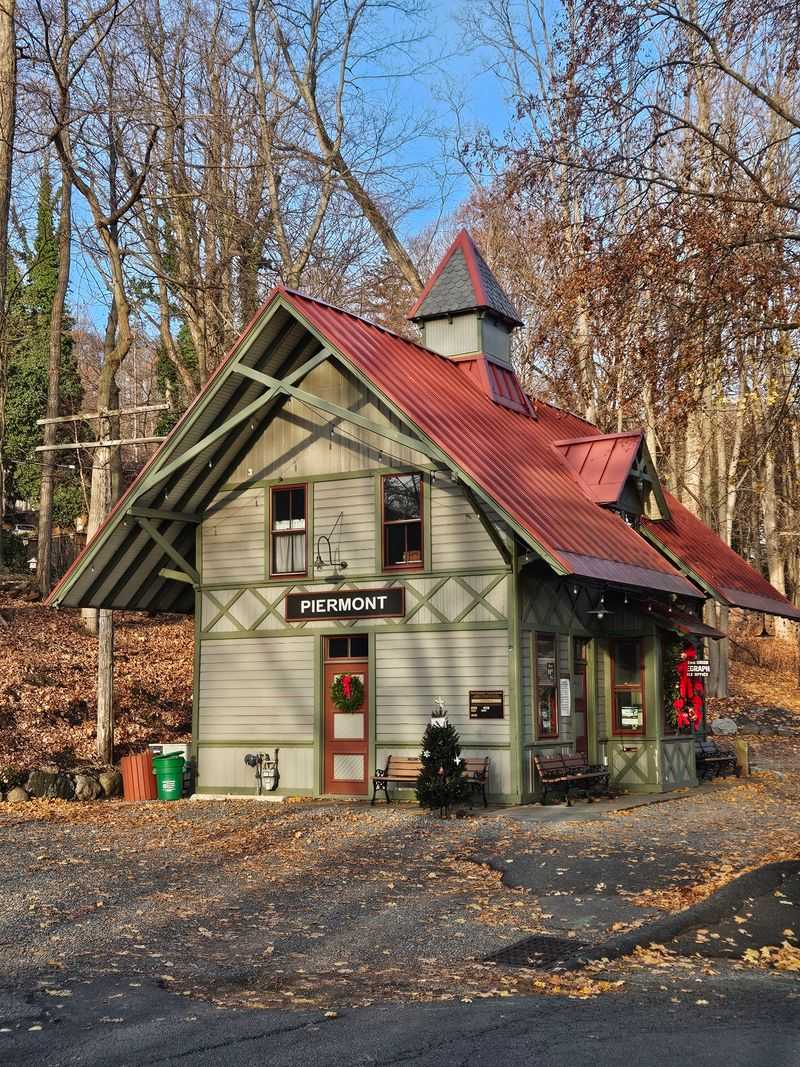
Never judge a station by its size. This little 1873 building in Piermont holds far more history than its modest walls suggest.
Exhibits inside cover the village’s papermill, two rival railroads that once competed for business, and the clatter of telegraph communications. There’s even a chapter on World War II.
The depot nearly disappeared, sliding into serious disrepair before local preservationists stepped in. Their hard work saved the structure and earned it a spot on the National Register of Historic Places.
Walking through, you get a surprisingly complete picture of small-town life across many decades. Each display connects to the people who lived and worked nearby.
The story of competing railroads is especially fun, showing how business battles played out even in tiny villages. It adds a bit of drama to the quiet setting.
For visitors who love packed-in history, this depot proves that small places can still tell very big stories.
1901 LIRR Depot, Lindenhurst
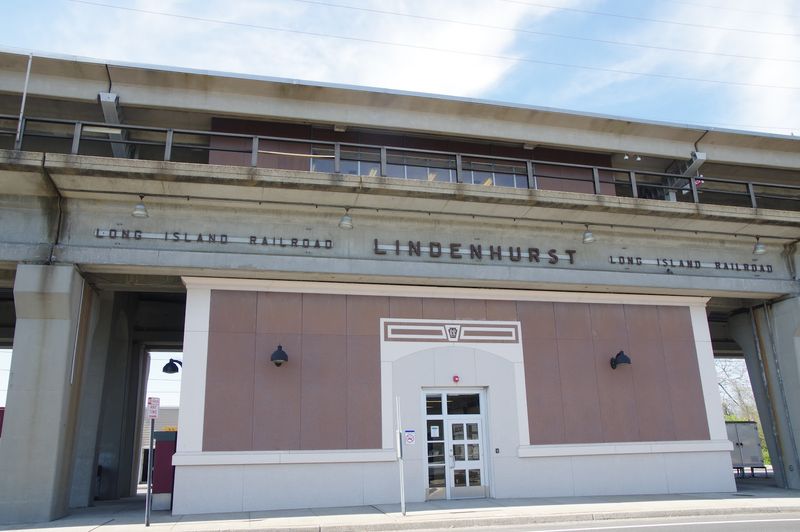
Here’s a depot that literally went on a road trip to survive. When an earlier station burned down, this 1901 building took its place along the Long Island Rail Road.
Then, in 1968, railroad workers elevated the tracks, and the little depot faced demolition. Instead of tearing it down, the community moved the entire building to Irmisch Park.
That bold rescue saved a piece of local history. Today the depot anchors a museum complex complete with a freight house and assorted railroad artifacts.
Visitors get a clear glimpse into Lindenhurst’s early growth and the role trains played in it. The displays feel approachable and easy to enjoy.
There’s something charming about a building that refused to vanish. Its journey across town is a story in itself.
Families exploring the park can wander through and imagine the busy platform days. It’s a small stop with a big survival tale worth appreciating.
Central Square Station Museum, Central Square
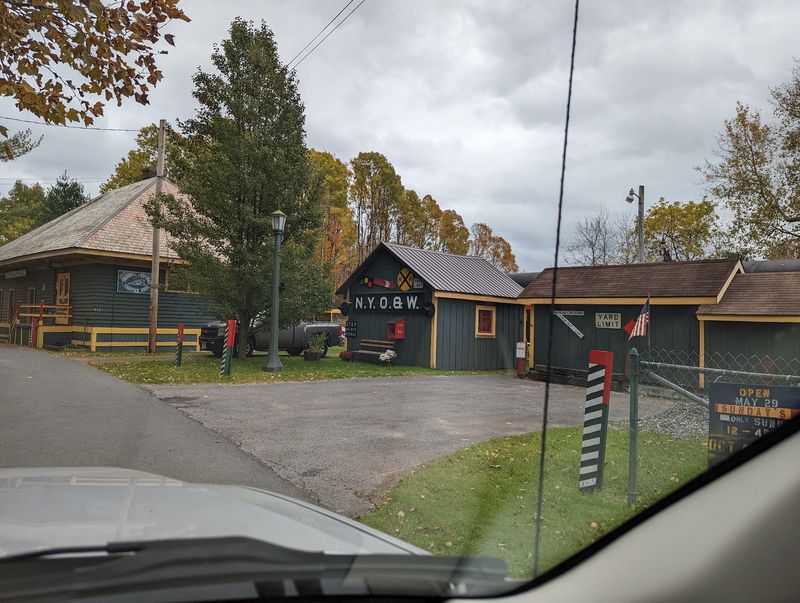
Two railroad companies, one shared building. The Central Square station, dating to 1909, was jointly constructed to serve two different systems at a busy junction.
That cooperation between competing lines makes it a fascinating example of how railroads sometimes worked side by side. It’s an unusual setup that stands out on this list.
The museum keeps the original station atmosphere alive with period displays and carefully collected railroad artifacts. Everything feels like a step back in time.
Inside, you’ll also find a library for deeper research and outdoor equipment for those who love seeing the real machinery up close. There’s something for casual visitors and serious fans alike.
The blend of history and hands-on exhibits keeps the experience lively. You can picture two sets of trains meeting here decades ago.
For anyone curious about how junctions actually functioned, this station offers a clear and memorable look at a shared piece of railroad history.
Empire State Railway Museum, Phoenicia
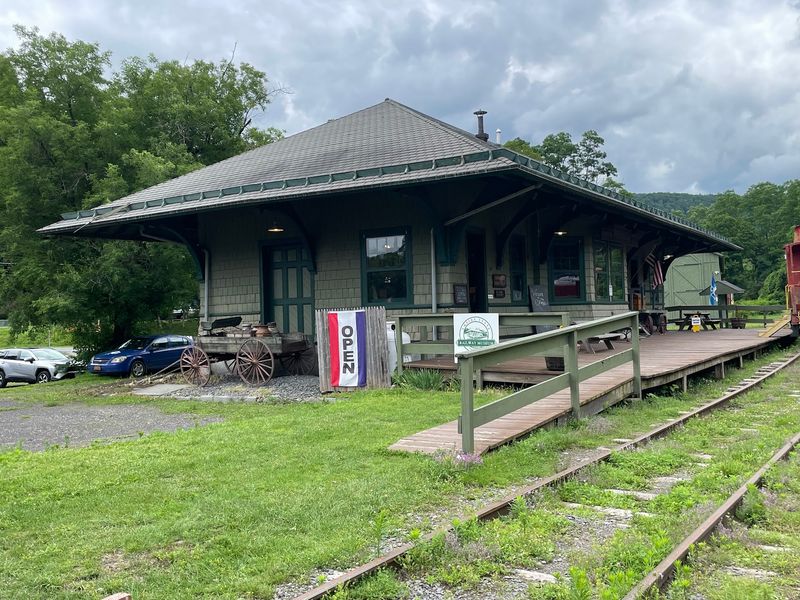
When passenger trains faded away, the 1899 Phoenicia station could have been forgotten. Instead, it found a whole new purpose as the home of the Empire State Railway Museum.
That second life gave the old depot fresh meaning. Now it welcomes curious visitors instead of ticket-buying travelers.
Step inside and you’ll spot old telegraph equipment, vintage railroad photographs, and artifacts that tell the story of a busy bygone era. Each item sparks the imagination.
One highlight is a detailed model showing the Ulster and Delaware Railroad during its heyday. It captures the excitement of a time when trains connected the Catskills to the wider world.
The museum feels welcoming and easy to explore, perfect for families or history lovers. You leave with a real sense of how important these rail lines once were.
It’s a reminder that even after the trains stop running, the stories they carried can still be shared and celebrated.
Cold Spring Depot, Cold Spring
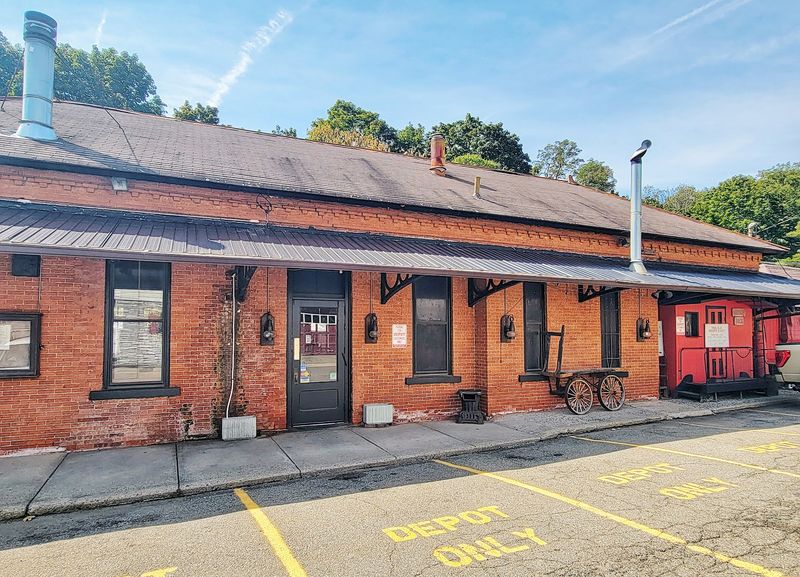
Talk about a career change. This former Hudson River depot went from handling trains to serving dinner, and it wears both roles well.
Built in 1893 as a passenger and freight depot, it kept trains rolling until 1954. After that, it spent years as a car dealership before finding its tastiest chapter yet.
Today it’s a restaurant known simply as Cold Spring Depot. Guests dine where travelers once waited for their trains, surrounded by railroad charm and river views.
The transformation is unexpected and honestly kind of delightful. Not many old depots let you enjoy a meal while soaking up history.
The building keeps its vintage character, so you never forget its origins. Old details give the place a warm, nostalgic feel.
For visitors exploring the scenic village of Cold Spring, it makes a fun and flavorful stop. History and good food rarely mix so smoothly under one roof.
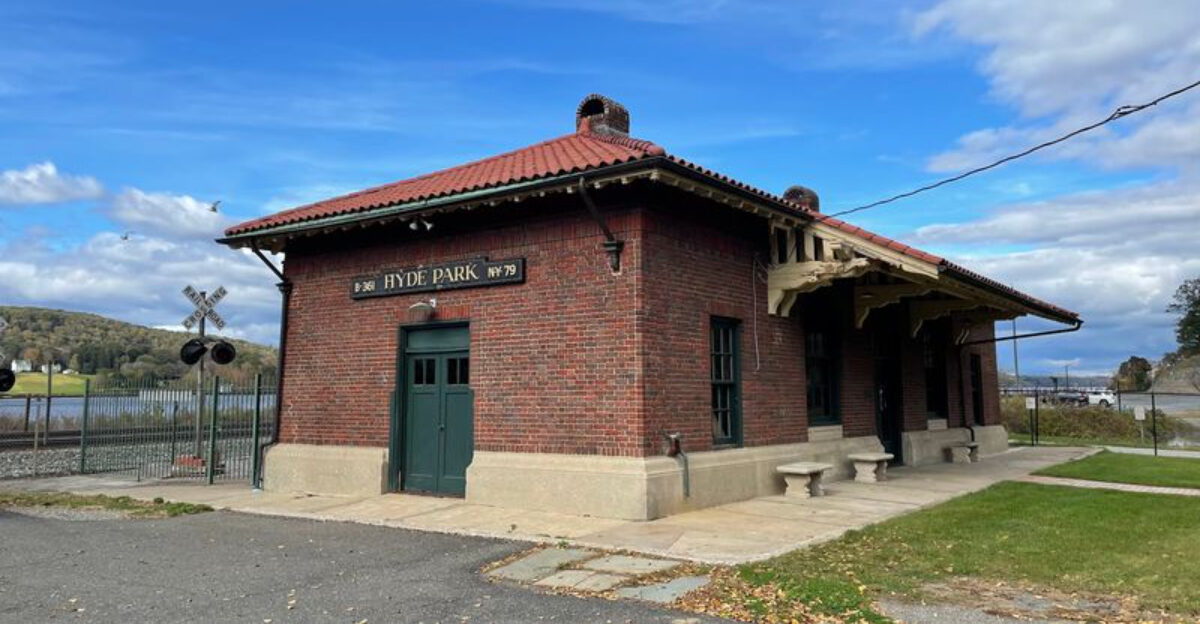
Hyde Park Railroad Station Museum, Hyde Park
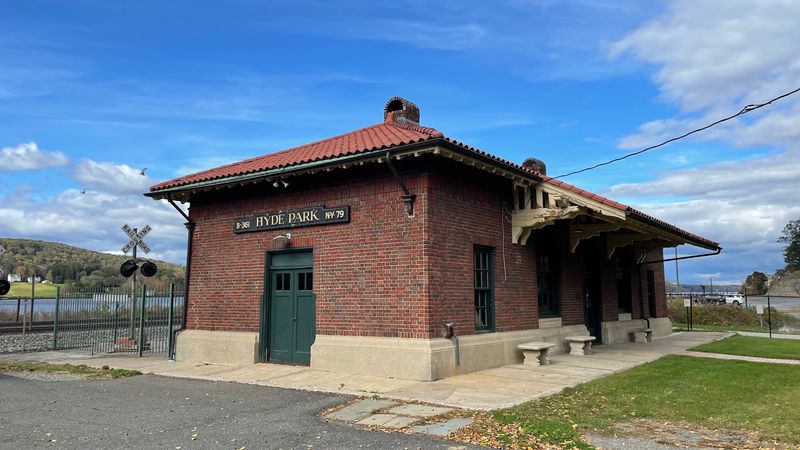
Nestled in the Hudson Valley, this preserved station invites visitors to explore the railroad story of a beautiful and historic region. It’s a peaceful place with plenty to discover.
The museum shines a spotlight on the people, trains, and communities tied to the old rail line. Rather than just showing objects, it tells human stories.
Its location makes it a natural addition to a day spent touring Hyde Park’s many famous historic sites. You can easily fold it into a larger adventure.
Inside, the atmosphere feels authentic and welcoming. Visitors get a real sense of how trains connected small Hudson Valley towns to the rest of the country.
Volunteers who care deeply about the history help bring the exhibits to life. Their passion is easy to feel.
For travelers already exploring the area’s grand estates, this depot offers a quieter, more personal look at everyday life along the tracks. It rounds out the region’s story nicely.
Railroad Museum of Long Island, Riverhead
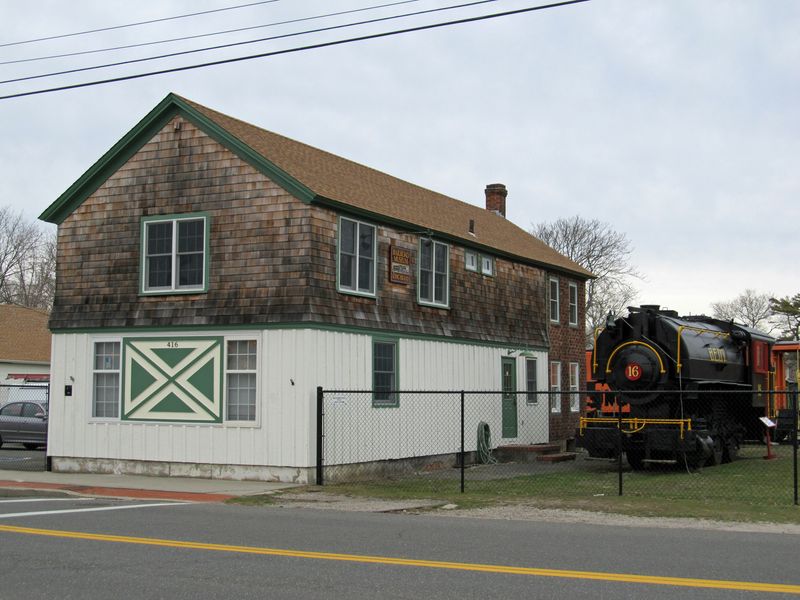
Trains did more than serve New York City, and this museum proves it. The Railroad Museum of Long Island tells how railroads shaped the entire region beyond the big city limits.
Its Riverhead location features historic equipment and artifacts that show railroading in action. Seeing the real machinery up close makes the history feel tangible.
The museum’s mission reaches wide, preserving Long Island’s railroad history and the clever technology behind it. There’s a lot to appreciate for curious minds of all ages.
New York’s Department of Transportation even lists it among the state’s notable railroad museums. That’s a solid stamp of recognition.
Families enjoy exploring the exhibits and imagining the days when trains carried farmers, goods, and travelers across the island. It brings a whole era back to life.
If you want to understand how rails helped build communities far from Manhattan, this Riverhead stop delivers a memorable and educational visit worth planning.
Grand Central Depot / Grand Central Terminal, New York City
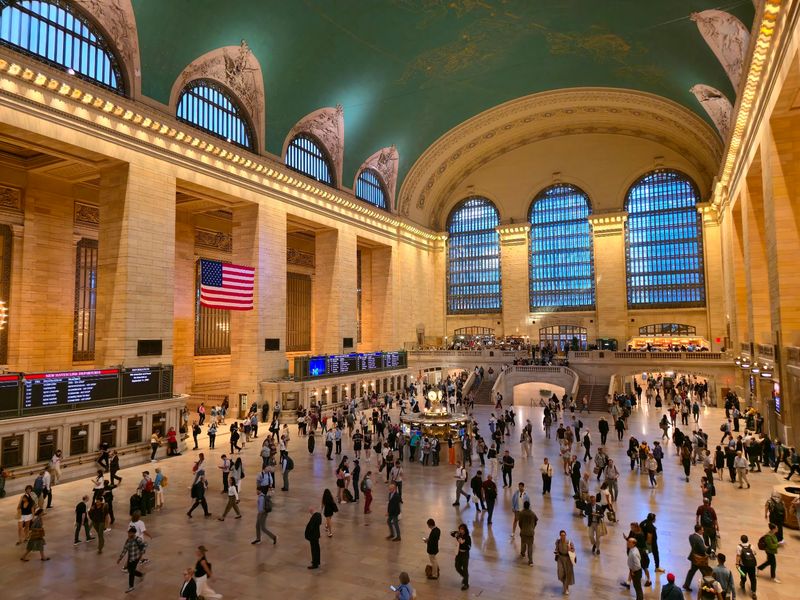
We finish with a true giant. Long before today’s dazzling Grand Central Terminal opened in 1913, the site hosted earlier stations, including the 19th century Grand Central Depot.
Each version reflected the explosive growth of rail travel. As more people rode the rails, the buildings grew grander and more ambitious.
The shift to electric trains changed everything, allowing tracks to run underground and freeing up valuable city space above. That bold engineering created one of the world’s great transportation hubs.
Today millions pass beneath its famous painted ceiling, often without realizing how much history led to this moment. The scale still leaves visitors speechless.
From humble depot to architectural marvel, the story captures America’s love affair with the railroad. It’s a fitting grand finale for our list.
Next time you rush through the main concourse, pause and look up. You’re standing inside a monument built on decades of daring vision and hard work.