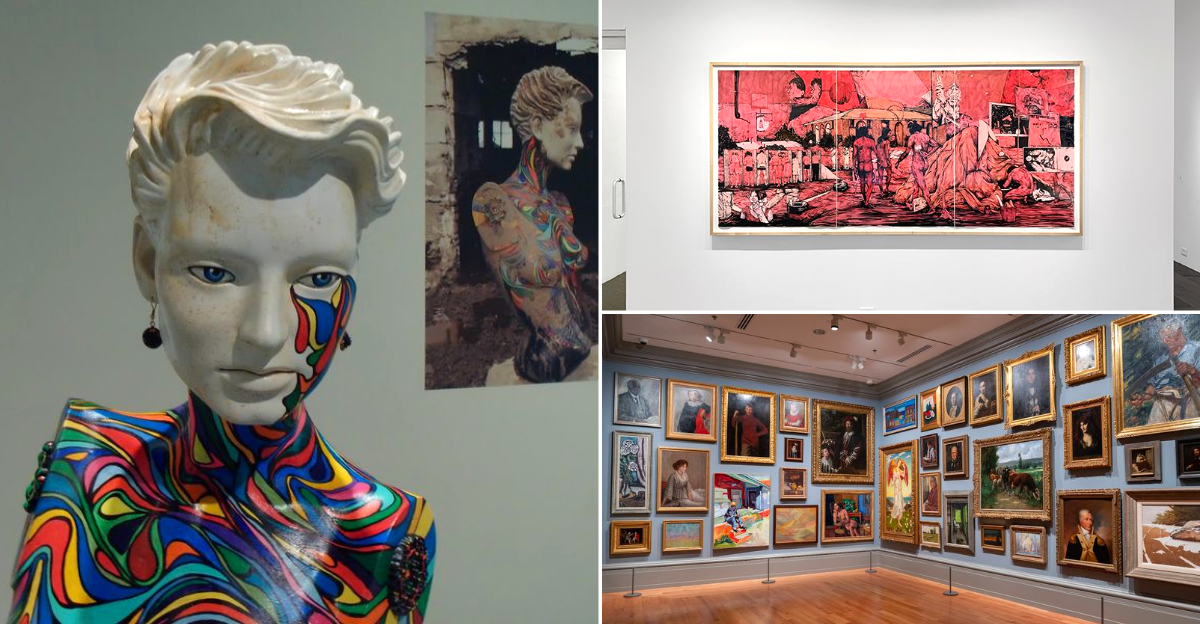
South Carolina has long been known for its natural beauty and historic charm, but its art scene deserves far more attention than it typically gets.
Across the state, a growing number of museums and galleries are pushing beyond traditional display cases to offer something genuinely surprising.
From state-of-the-art immersive digital exhibitions to intimate contemporary galleries tucked inside historic buildings, South Carolina’s art venues are redefining what a museum visit can feel like.
We went in with cautious expectations and came out wanting to go back immediately.
Some of these experiences were quiet and reflective, others were bold and disorienting in the best possible way.
If you’ve ever thought museums weren’t really your thing, the places on this list might just change your mind.
1. Gibbes Museum of Art, Charleston, Charleston County
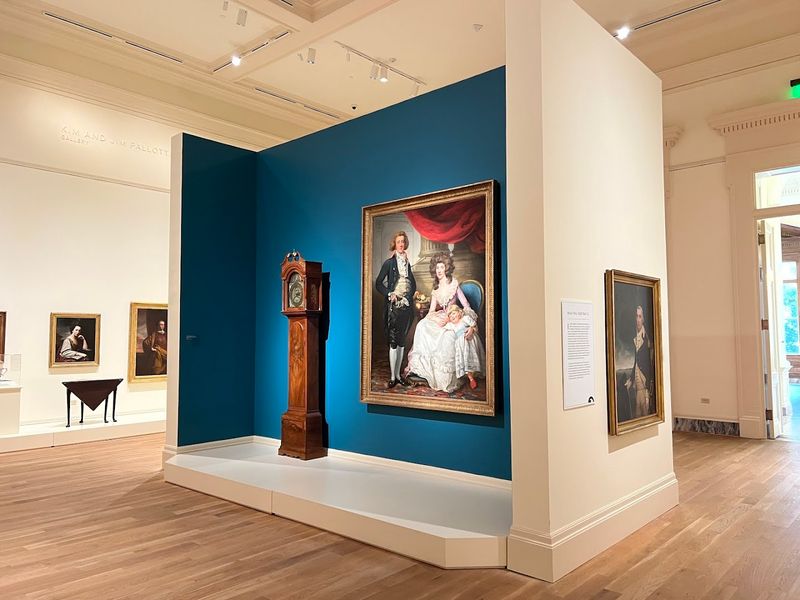
Soft light, polished floors, and the hush of old Charleston create an opening scene that feels more cinematic than formal.You move through rooms where portraiture, decorative arts, and modern works speak across centuries.
That layered conversation comes alive at the Gibbes Museum of Art, where the building itself sharpens every visual impression.
What changed my expectations here was the balance between refinement and accessibility.Instead of feeling distant, the collection invites you to notice how Southern identity has been painted, challenged, and reimagined over time.
Historic works ground the experience, while contemporary installations keep the visit from drifting into nostalgia.
The museum’s architecture adds emotional weight without overpowering the art.Its galleries feel intimate enough for slow looking, yet varied enough that each turn resets your attention.
Educational spaces, studio programming, and community events also make the museum feel active rather than preserved behind glass.
If you want a place where Charleston’s cultural history meets fresh artistic energy, this is an essential stop.It rewards both first visits and repeat ones because the context keeps changing around you.
By the end, you are not just seeing objects – you are watching a city interpret itself.
2. Greenville County Museum of Art, Greenville, Greenville County
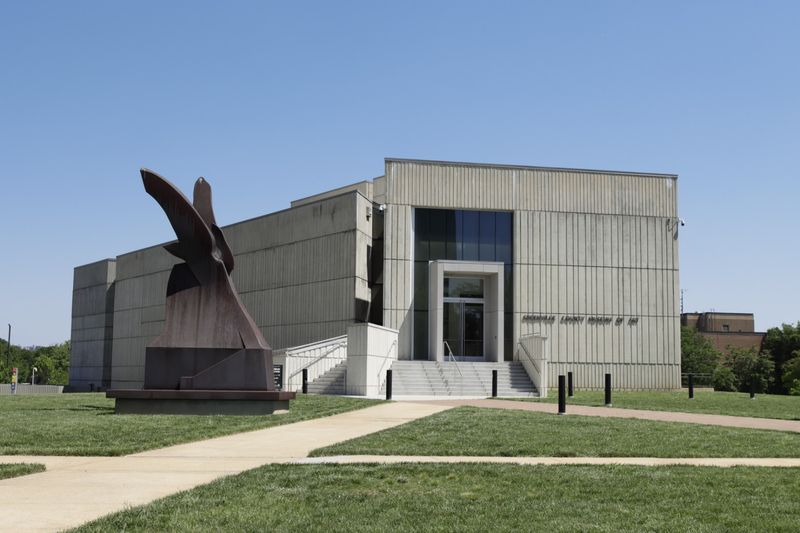
Quiet confidence defines the experience here.The galleries do not overwhelm you with spectacle, yet the emotional pull grows stronger the longer you stay.
That is the strength of the Greenville County Museum of Art, where American art and Southern context unfold with unusual clarity.
The museum is especially compelling if you enjoy seeing how regional identity connects to national narratives.Its holdings in American art, including works linked to Andrew Wyeth and Jasper Johns, create a surprisingly rich framework for comparison.
You start noticing shifts in mood, texture, and storytelling that might slip past you in a faster paced institution.
What changed my view of this museum was its ability to feel both grounded and expansive.The presentation is approachable, but the ideas reach far beyond local pride.
Landscape, memory, and personal mythology surface repeatedly, giving the visit a reflective, almost literary quality.
Because the setting is manageable, you can actually spend time with individual works instead of racing through rooms.That slower rhythm becomes part of the immersion, making each gallery feel like a conversation rather than a checklist.
For anyone exploring South Carolina’s art scene, this museum proves that intimacy, strong curation, and regional depth can be just as transformative as blockbuster scale.
3. Halsey Institute of Contemporary Art, Charleston, Charleston County
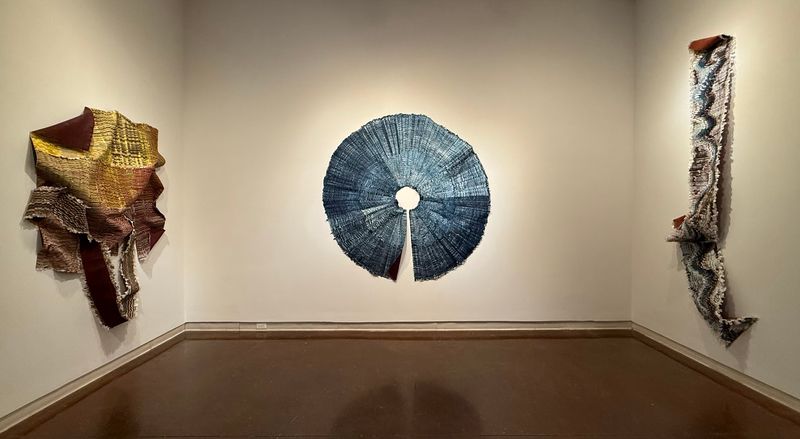
Bold ideas hit you before familiarity can settle in.The atmosphere is exploratory, slightly unpredictable, and exactly the kind of place where contemporary art feels urgent instead of decorative.
That edge is central to the Halsey Institute of Contemporary Art in Charleston, a venue that consistently rewards curiosity.
This is where experimentation matters.Installations, socially engaged work, and ambitious temporary exhibitions often ask you to question how space, politics, and identity intersect.
Rather than offering easy visual comfort, the institute leans into challenge, which is precisely what makes it memorable.
I appreciate how the experience feels intellectually alive without becoming inaccessible.Wall texts, programming, and the physical arrangement of exhibitions help guide you through complex themes, but they never force a single interpretation.
You are encouraged to linger, connect ideas, and test your own assumptions.
Because the programming changes regularly, each visit can feel like stepping into a new argument or new world.That constant reinvention keeps the institute from becoming routine, even for frequent visitors.
If you want a South Carolina art stop that treats contemporary practice seriously and invites you into the conversation rather than keeping you at a distance, the Halsey Institute belongs high on your list.
4. Redux Contemporary Art Center, Charleston, Charleston County
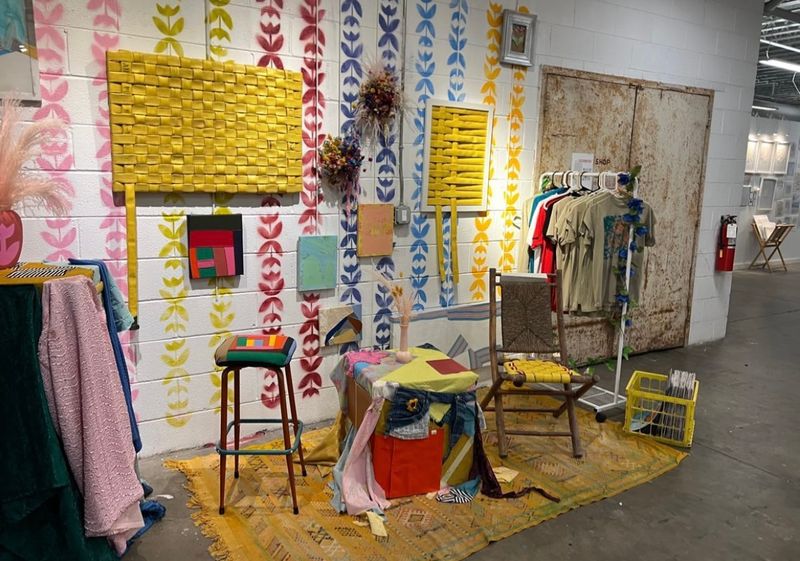
Creative energy is the first thing you notice here.Instead of the polished distance some museums maintain, this space feels active, open, and deeply connected to living artistic practice.
That immediacy defines Redux Contemporary Art Center, where exhibitions and community engagement feed each other constantly.
What makes the experience immersive is not just what hangs on the wall.It is the sense that art is happening around you, shaped by artists, educators, and local audiences in real time.
The center’s commitment to contemporary work gives every visit a freshness that can feel difficult to manufacture elsewhere.
I like how approachable the atmosphere is.Whether you are attending an exhibition, workshop, or event, the environment lowers the barrier between viewer and maker.
That shift matters because it changes art from something observed at a distance into something social, immediate, and alive.
Redux also expands the idea of what an art institution can do for a city.It supports artists while giving visitors a more personal way to engage with process, experimentation, and risk.
If you are looking for a Charleston stop that feels less like a traditional museum and more like a creative ecosystem, this is the kind of place that can permanently reset your expectations about how immersive art spaces should feel.
5. Spartanburg Art Museum, Spartanburg, Spartanburg County
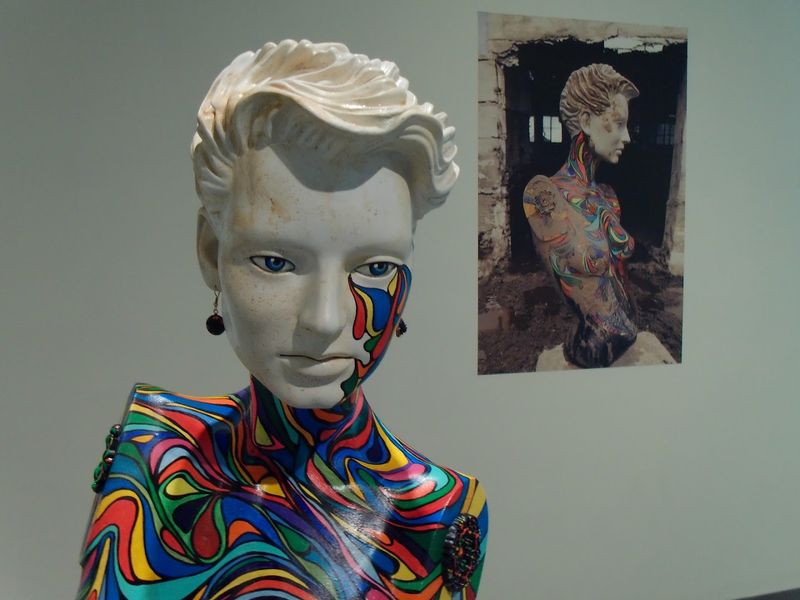
There is a welcoming clarity to this museum that makes contemporary art feel immediately less intimidating.
You enter expecting a regional stop and leave feeling as though you have been part of a larger, more thoughtful exchange.
That transformation is what makes the Spartanburg Art Museum stand out.
The museum often emphasizes accessibility without diluting ambition.
Its exhibitions, educational efforts, and community focus create an environment where difficult ideas can still feel inviting.
That is a rare balance, and it matters if you want art spaces that genuinely bring people in rather than signaling exclusivity.
I find the strongest moments happen when the museum connects visual experience to civic life.
Works are not presented as isolated masterpieces, but as prompts for conversation about identity, place, and social change.
That approach gives the galleries a lived relevance that can be more affecting than sheer scale.
Because the space is focused, each exhibition has room to breathe.
You can move slowly, notice curatorial decisions, and let the themes build naturally instead of competing for your attention.
Spartanburg Art Museum proves that warmth, intention, and community minded curation can create a visit that feels every bit as memorable as institutions with larger footprints or bigger budgets.
6. Columbia Museum of Art, Columbia, Richland County
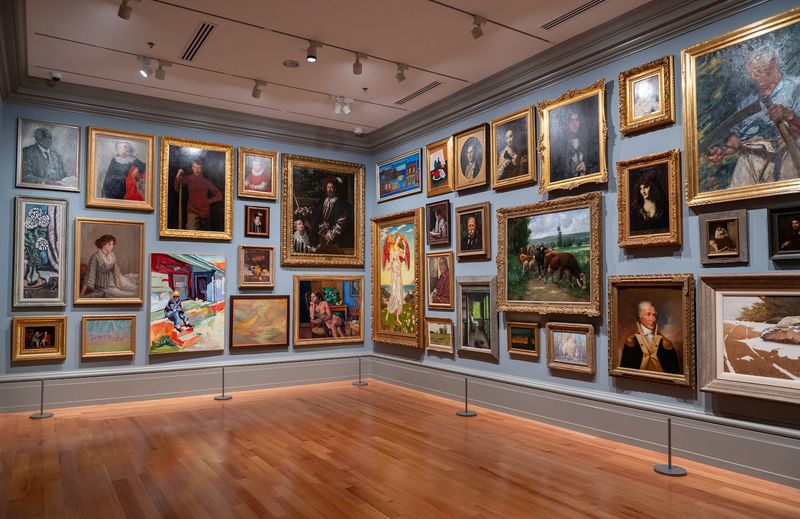
Bright galleries, confident architecture, and a sense of movement make this experience feel instantly current.You are not eased into the visit so much as pulled into a larger conversation about culture, design, and perspective.
That energy defines the Columbia Museum of Art, one of the state’s most dynamic places to encounter art.
What stands out is the museum’s range.European masters, Asian art, modern works, and rotating exhibitions share space in a way that never feels scattered.
Instead, the mix broadens your eye, encouraging you to compare technique, symbolism, and emotional impact across time and geography.
I especially like how the museum creates moments of pause without becoming static.Thoughtful gallery design, strong labels, and public programming help you engage more deeply, whether you arrive with art history knowledge or simple curiosity.
There is enough visual variety here to keep your attention alert from one room to the next.
The result is a museum that feels both civic and personal.It reflects Columbia’s growing cultural confidence while still giving you room to form your own response.
If you want a South Carolina art experience that feels polished, expansive, and genuinely immersive, this one makes a persuasive case for returning often.
7. Bob Jones University Museum and Gallery, Greenville, Greenville County
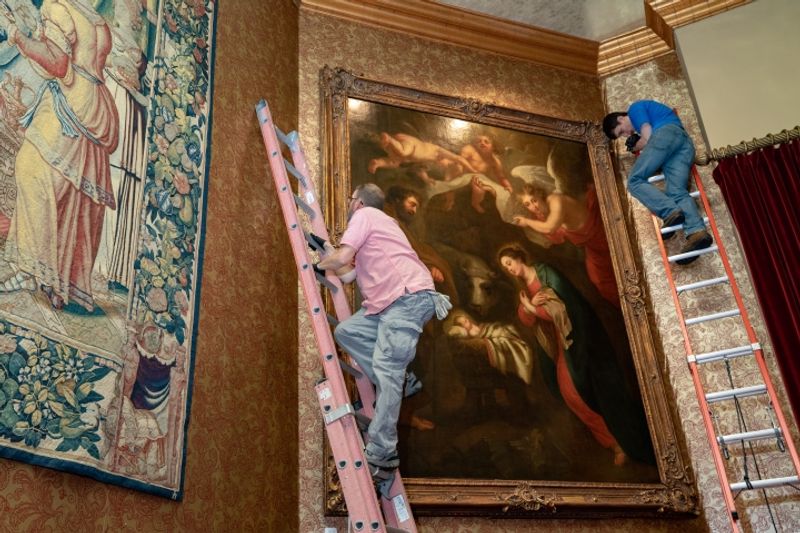
At first, the atmosphere feels almost unexpectedly formal, as though you have stepped into a quieter European tradition tucked inside South Carolina.
That sense of discovery is part of the appeal.
The Bob Jones University Museum and Gallery offers a distinctive encounter with religious art, old master paintings, and historical craftsmanship.
What makes it immersive is the seriousness of the presentation.
The collection asks you to slow down and engage with symbolism, technical skill, and devotional context that can be easy to miss in faster moving museum visits.
Even if sacred art is not usually your focus, the depth of historical perspective becomes compelling.
I was struck by how strongly the museum communicates continuity.
Works from different eras reflect shared artistic concerns about faith, beauty, storytelling, and moral imagination.
That coherence gives the galleries a contemplative rhythm, encouraging closer looking and more patient interpretation.
This is not the loudest art experience in the state, but it may be one of the most quietly transporting.
Its specific collection profile creates a memorable contrast with more contemporary institutions, which makes it especially valuable on a broader South Carolina art itinerary.
This Greenville stop can expand your sense of what immersion actually means inside a gallery setting.
8. McKissick Museum, Columbia, Richland County
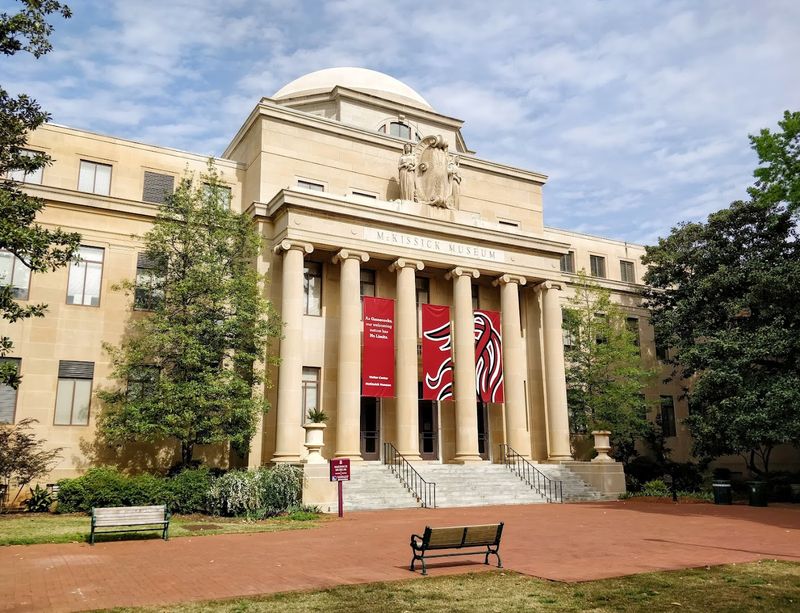
Stories lead the experience here as much as objects do.
Instead of separating art from everyday life, the exhibitions often reveal how creativity lives inside labor, memory, ritual, and regional identity.
That approach makes McKissick Museum in Columbia feel unusually human from the start.
Housed at the University of South Carolina, the museum excels at linking folk traditions, material culture, and community narratives.
You are encouraged to look beyond polished definitions of fine art and notice meaning in textiles, tools, photographs, and handmade forms.
That wider lens can change how you understand both museums and Southern culture.
I especially value the intimacy of the interpretation.
The exhibits often feel less like declarations from above and more like careful invitations into lived experience.
Because of that, the museum can be emotionally resonant without relying on spectacle or large scale installation.
McKissick is immersive in a quieter, more reflective way.
It draws you in by making regional history feel personal, tactile, and ongoing, which can be just as transformative as any dramatic visual environment.
This museum deserves a place on your South Carolina itinerary and may permanently broaden your definition of what belongs inside museum walls.
9. Florence County Museum, Florence, Florence County
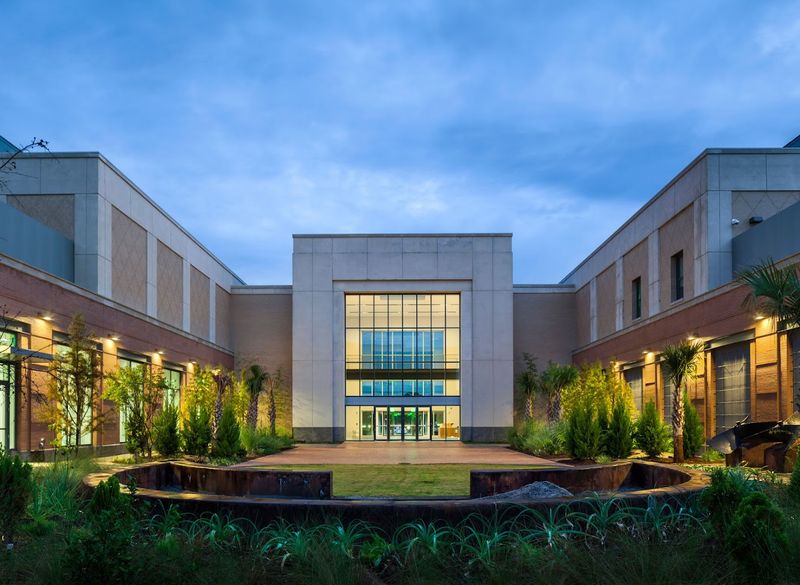
Fresh, polished, and broader in scope than many visitors expect, this museum makes a strong first impression.
The experience blends art, history, and regional storytelling without feeling fragmented.
That balance is a major reason the Florence County Museum has become such an important cultural anchor in the Pee Dee.
The art galleries are central to its appeal.
Regional works, changing exhibitions, and thoughtful interpretation create a sense that local creativity belongs within larger artistic conversations.
You are not just learning about Florence, but seeing how place shapes visual language, memory, and identity.
I find the museum especially effective because it serves multiple audiences at once.
Families, casual visitors, and more focused art lovers can each find an entry point without the institution losing coherence.
That inclusiveness gives the entire visit an inviting rhythm and makes the galleries feel active rather than ceremonial.
There is also something satisfying about the museum’s civic confidence.
It presents local culture with seriousness while still welcoming discovery, which is a combination many institutions strive for.
The Florence County Museum earns your time by showing how deeply a community’s history and creative life can enrich one another.
10. Sumter Gallery of Fine Arts, Sumter, Sumter County
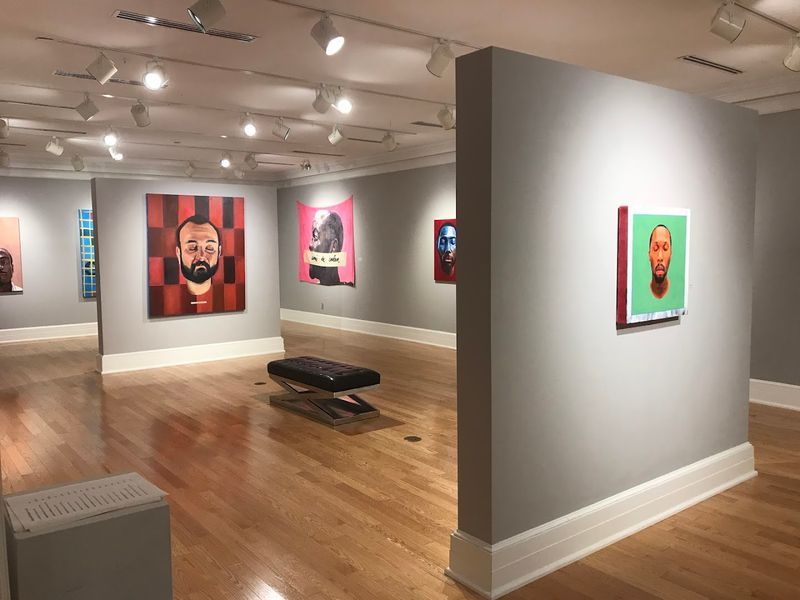
Intimate scale can be a real advantage when a gallery knows exactly how to use it.
Here, the atmosphere feels personal, approachable, and tuned to the pleasures of close attention.
That is what makes the Sumter Gallery of Fine Arts such a rewarding stop for anyone tracing South Carolina’s art landscape.
The gallery’s rotating exhibitions keep the experience lively.
Because the space is not trying to do everything at once, each show can establish its own mood and rhythm.
That focused presentation helps you connect more directly with color, technique, and curatorial intent.
I appreciate how community centered the gallery feels without sacrificing artistic seriousness.
Local and regional voices gain visibility here, and the result is a viewing experience that feels rooted rather than generic.
You can sense the relationship between the gallery and its audience, which adds warmth to every visit.
While it may not have the scale of a major metropolitan museum, immersion does not always depend on size.
Sometimes it comes from attention, care, and the chance to encounter art in an environment that invites genuine presence.
Sumter Gallery of Fine Arts offers exactly that and proves smaller institutions can leave some of the strongest lasting impressions.
11. South Carolina State Museum, Columbia, Richland County
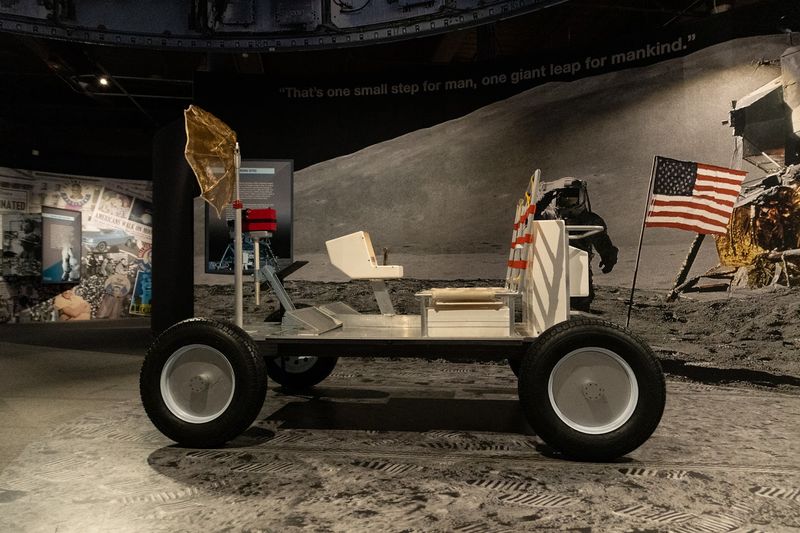
Scale changes everything here.From the moment you enter, the building’s industrial character and broad cultural reach signal that this will be more than a standard gallery visit.
The South Carolina State Museum in Columbia turns the idea of a museum into a full sensory journey.
Although it spans art, history, science, and technology, the art experience benefits from that larger context.Visual culture appears not as an isolated category, but as part of the state’s evolving story.
That framing can make artworks feel more alive because they are surrounded by the people, industries, and environments that shaped them.
I think the museum’s greatest strength is variety.One hour can move you from fine art to material culture to immersive interpretive spaces, which keeps attention high and expectations constantly shifting.
That rhythm is especially effective for visitors who want a museum day that feels expansive rather than specialized.
Because the institution is so multidimensional, it works well for mixed groups with different interests.Yet it still offers enough depth that art lovers will find meaningful visual experiences within the larger whole.
If you are looking for a South Carolina museum that completely redefines what immersion can mean by combining architecture, storytelling, and broad cultural scope, the South Carolina State Museum makes a powerful case for staying much longer than planned.
12. Aiken Center for the Arts, Aiken, Aiken County
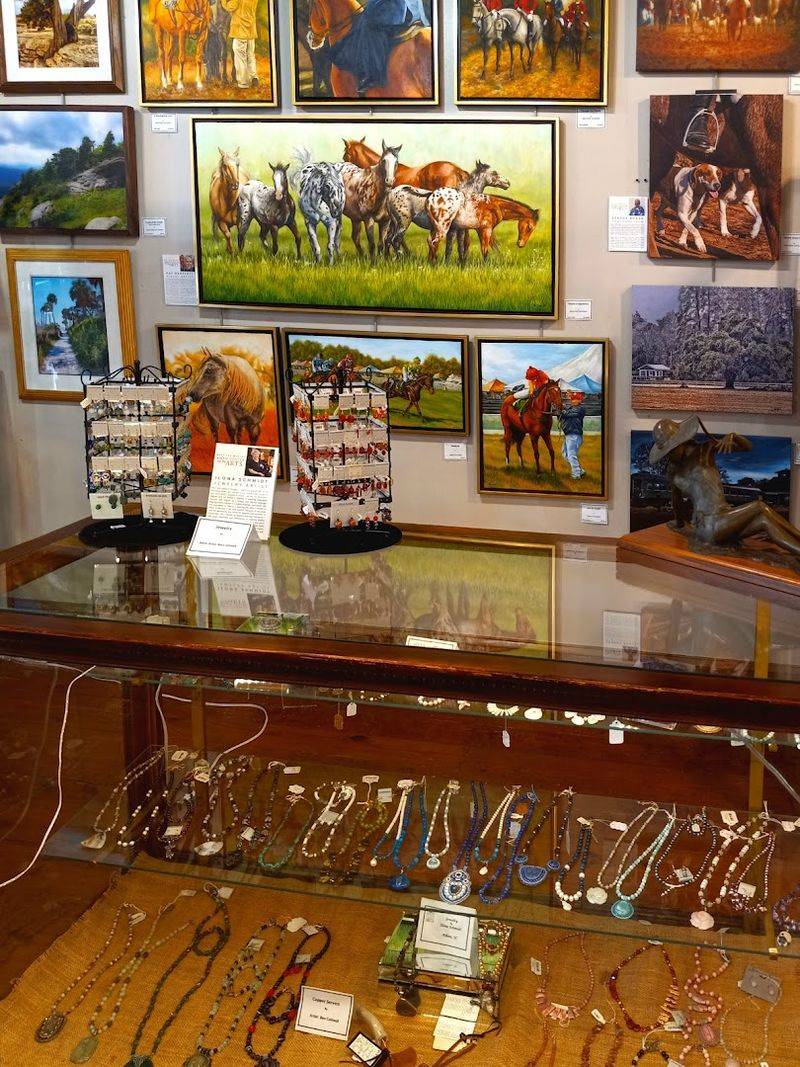
Some places win you over through polish, while others do it through energy and connection.This one succeeds because it feels woven into the creative life of its town.
The Aiken Center for the Arts offers an art experience that is welcoming on the surface but more substantial the longer you engage with it.
Exhibitions, education, and community programming work together here rather than operating as separate functions.That integration creates a sense that art is not simply displayed, but actively shared, taught, and tested.
For visitors, the result is a space that feels lived in and artistically sincere.
I like how the center balances accessibility with variety.You can enjoy the immediate pleasure of seeing new work while also sensing the broader role the institution plays in nurturing local creativity.
That context adds depth, especially if you value places where culture feels participatory instead of performative.
The center may not aim for grand spectacle, but it delivers something just as memorable.It shows how immersion can come from conversation, repeated engagement, and the feeling that a gallery belongs to the people around it.
If you want to understand South Carolina’s art scene beyond its biggest museums, the Aiken Center for the Arts is an essential stop that demonstrates how community rooted spaces can reshape the way you define a meaningful cultural visit.
13. Hollis Taggart Gallery, Greenville, Greenville County
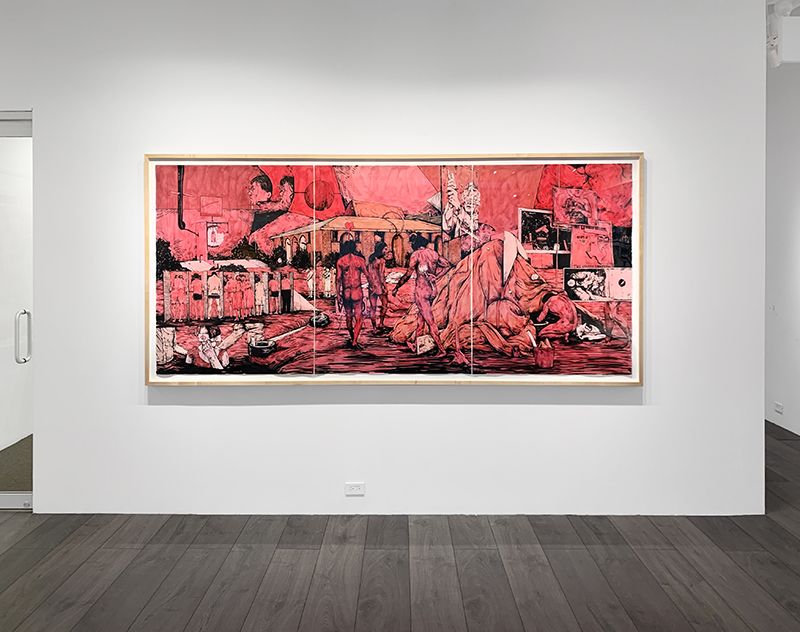
Sophisticated without feeling cold, this gallery creates the kind of environment where contemporary art can feel both elevated and approachable.
The presentation is crisp, deliberate, and visually confident from the first glance.
That atmosphere is central to the appeal of Hollis Taggart Gallery in Greenville.
Because it operates as a gallery rather than a traditional museum, the experience has a different kind of immediacy.
Works often feel closer to current artistic dialogue, and the setting encourages sharper attention to style, material, and curatorial pacing.
There is less institutional distance, which can make the encounter feel more direct and personal.
I find that especially valuable for visitors who want to understand how art circulates in living creative economies.
Here, you can sense the overlap between exhibition making, collecting, and public engagement.
That perspective adds another layer to a South Carolina art itinerary, showing how cultural ecosystems extend beyond nonprofit museum walls.
The gallery’s scale also works in its favor.
It invites concentration, allowing individual works and exhibition choices to register clearly without distraction.
Hollis Taggart Gallery offers a polished, immersive stop that demonstrates how commercial spaces can still provide serious visual discovery and alter the way you think about where meaningful art encounters happen.