
The most beautiful beach days are not always as simple as they appear. A smooth shoreline, sparkling water, and soft sand can create a peaceful scene, but hidden currents, cold ocean temperatures, and changing tides can quickly change the experience.
Massachusetts beaches offer some of New England’s most memorable coastal escapes, with scenic dunes, historic shorelines, and wide-open views of the Atlantic. Yet some of these popular destinations have conditions that deserve extra attention before anyone steps into the water.
Knowing what makes each beach unique helps visitors enjoy the scenery while making smarter choices. From family-friendly stretches to dramatic coastal landscapes, these places remind us that the ocean deserves both appreciation and respect.
Explore 10 Massachusetts beaches that look calm at first glance but reveal important risks worth understanding before your next visit.
Coast Guard Beach

Sunlight can make the shoreline look gentle here, especially when the dunes glow gold and the foam slides in neat white lines. Then a bigger set rolls through, the water pulls hard, and the beach suddenly feels much less friendly.
At Coast Guard Beach in Eastham, the hidden trouble is a mix of rip currents, strong surf, and water so cold it can shock tired swimmers. Even on warm days, the Atlantic can sap energy fast.
Lifeguards and posted flags matter here.
Families often come for the wide sand and the Cape Cod National Seashore scenery, and the bicycle trail nearby adds to the easygoing mood. Still, smart visitors stay where guards can see them, avoid rough days, and keep children close at the edge.
If you get caught in a rip current, swim parallel to shore, stay calm, and signal for help.
Head of the Meadow Beach
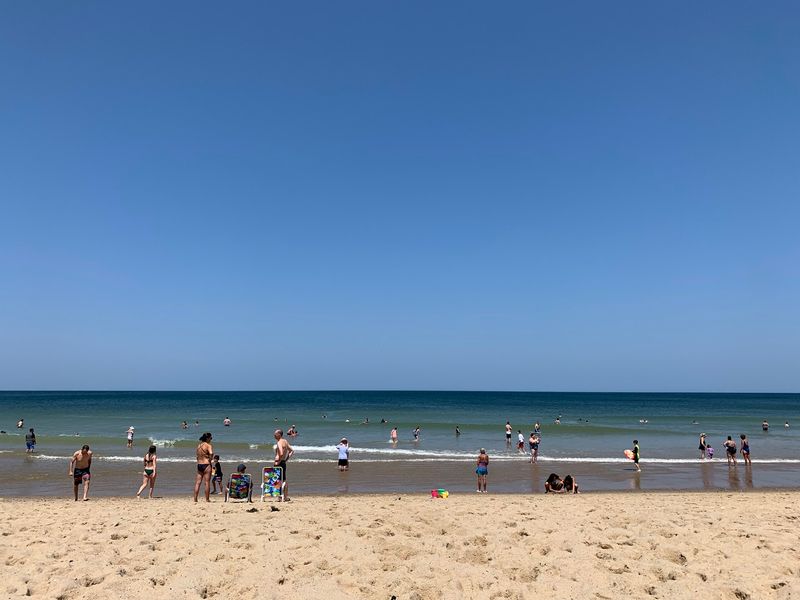
The first thing many people notice is the quiet rhythm of the waves and the long sweep of sand. It feels roomy and peaceful, the kind of place where you want to wander barefoot and forget the clock.
Head of the Meadow Beach in Truro has a more complicated side. Rip currents can form around shifting sandbars, and those sandbars change where waves break from one day to the next.
Add cold Atlantic water and heavy surf, and a normal swim can become exhausting very quickly.
People love the dune views and the chance to spot seals offshore, which makes the beach feel wild in a memorable way. The safest plan is to check conditions before entering, stay near lifeguards, and avoid going too far out even if the water first looks flat.
Children should stay in the shallows, and weaker swimmers are often better off keeping their visit to walking, shell hunting, and photos.
Race Point Beach

Wind often gives this place a restless energy before your feet even touch the water. The horizon feels huge, the waves look clean and inviting, and the whole scene can trick you into thinking a quick swim will be simple.
Race Point Beach in Provincetown is known for strong rip currents, rough surf, powerful tides, and very cold water. Those conditions can wear people down fast, especially visitors who are used to calmer bayside beaches.
What seems manageable from the sand can feel very different once the current starts moving.
Beachgoers come for the striking views, dramatic sunsets, and the chance to spot seals and passing whales offshore. That wild beauty is part of the draw, but it deserves respect.
Stay close to guarded areas, watch the surf before entering, and never swim alone here. If the water looks rough or the wind picks up, enjoying the lighthouse views and long shoreline walk is often the smarter choice.
Herring Cove Beach

At sunset, the water here can look almost silky, with soft light spreading across the shore and walkers lingering for one more photo. That calm appearance is exactly what makes the hidden danger easy to miss.
Herring Cove Beach in Provincetown sits near waters influenced by Race Point, where strong tidal currents and shifting conditions can build faster than many visitors expect. A beach that seems easy early in the day can feel very different later, especially when the tide changes and swimmers drift farther than planned.
Locals love the glowing evening views and the relaxed drive through the Province Lands. The setting feels welcoming, which is part of its charm.
A safer visit means checking tide timing, keeping float toys close to shore, and paying extra attention when children play at the edge. Wade carefully, do not fight moving water head-on, and remember that even quieter beaches can carry force below the surface that your eyes do not catch right away.
Nauset Beach

Big surf can make a beach feel exciting long before anyone steps into the water. Kids race toward the foam, surfers scan the sets, and the whole shoreline hums with energy that seems playful at first.
Nauset Beach in Orleans is one of those places where beauty and risk sit side by side. Large Atlantic waves, cold water, and rip currents create frequent rescue situations, especially when people underestimate how quickly they can be knocked down or pulled away.
Strong swimmers can struggle here too.
The beach is famous for its long shoreline, lively surf culture, and snack-bar mood in summer, which gives it a classic Cape daytrip feeling. Still, practical choices matter more than confidence.
Check warning boards, keep bodyboarding near supervised zones, and be careful with children near the shore break. If waves are pounding hard, enjoy the ocean from the sand and save swimming for a calmer day.
Sometimes the smartest beach memory is the one where you never had to test the water.
Marconi Beach
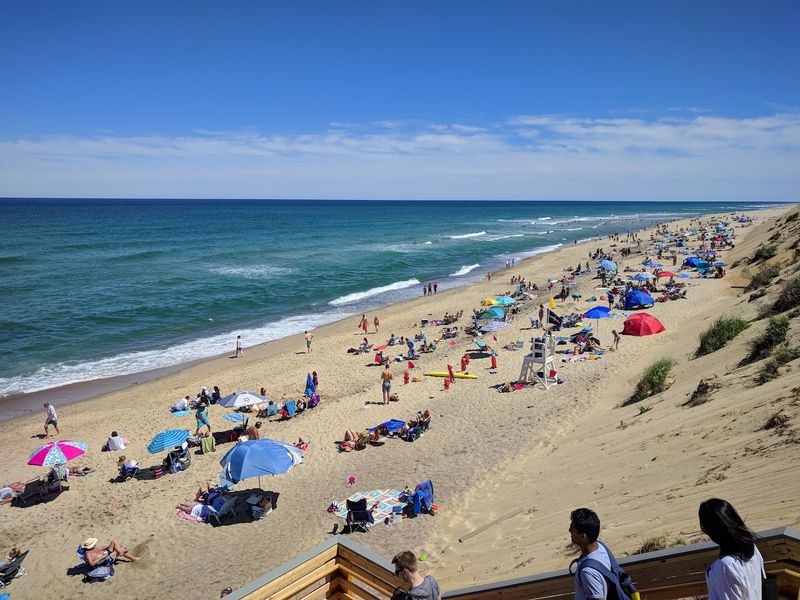
Standing above the sand, the view can feel almost cinematic. The bluffs are high, the beach looks endless, and the waves seem tidy from a distance, like lines drawn across a postcard.
Down at Marconi Beach in Wellfleet, the water tells a tougher story. Strong surf, rip currents, a steep beach profile, and cold Atlantic temperatures can surprise people who enter too casually.
Because the shoreline drops off quickly in spots, even a few steps forward can put swimmers into much deeper water than expected.
The bluff-top scenery and historic Marconi site make this stretch of Cape Cod especially memorable, and that mix of history and ocean drama is hard to forget. To stay safer, pause and watch the break before going in, keep a close eye on kids, and avoid turning your back on the surf.
Conditions can change within minutes. When the ocean looks restless, many visitors find that a long walk, a few photos, and time listening to the waves are more than enough.
Ballston Beach

Some beaches feel safer just because they are quiet. Fewer crowds, more open sand, and the sound of wind in the grass can create a peaceful mood that makes people let their guard down.
Ballston Beach in Truro carries hidden risks that deserve extra respect. Rip currents and heavy surf can turn a simple swim into a serious problem, and the more isolated setting can slow emergency response compared with busier, more closely watched beaches.
That extra distance matters when conditions change quickly.
The remote beauty here is part of the appeal, especially for people who like long walks, broad dunes, and a less commercial stretch of coast. There is a thoughtful, almost old-Cape feeling to the place.
Still, visitors should avoid swimming alone, keep phones charged, and tell someone where they are headed before arriving. If the surf looks rough, enjoy the quiet from shore.
A hidden risk at a peaceful beach is often more dangerous because it catches people when they are least prepared.
Cahoon Hollow Beach

A laugh from the parking lot, a salty breeze, and the smell of fried seafood nearby can make the day start light and easy. By the time you reach the sand, the ocean looks thrilling rather than threatening.
Cahoon Hollow Beach in Wellfleet is famous for a strong shore break, rip currents, and sudden drop-offs. That means waves can hit with more force than expected right at the edge, knocking people off their feet before they even get far into the water.
It is a place where timing and caution matter.
Many visitors pair the beach with a stop at the well-known beach bar above the bluff, which adds to the fun, social mood. But rough water does not care how relaxed everyone feels.
Enter slowly, watch several wave sets first, and stay alert if children are jumping in the wash. Body surfers should be especially careful on energetic days.
Sometimes the smartest move is treating the beach as a place to watch the Atlantic show off, not a place to challenge it.
Salisbury Beach
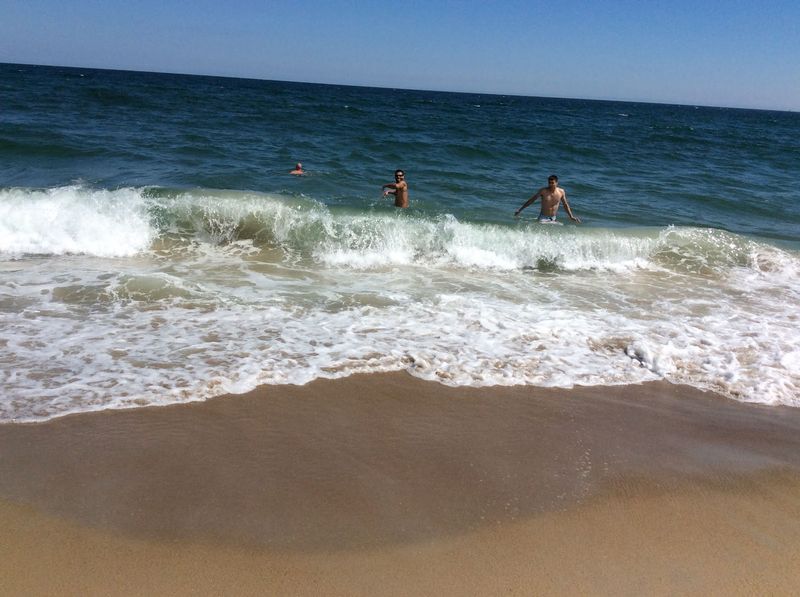
On bright days, the beach can feel cheerful and familiar, with snack stands, families carrying chairs, and a classic summer-boardwalk spirit in the air. That easygoing scene can hide how fast the ocean changes when wind and weather shift.
Salisbury Beach in Essex County can become dangerous during storms and high-wave events, when rip currents and rough surf grow stronger than many people expect. Even outside major storms, leftover wave energy can create tough swimming conditions.
Water that looked simple in the morning may not feel simple by afternoon.
People come for the long sandy stretch, nearby state reservation, and the old-school summer atmosphere that still feels part nostalgic, part lively. A good visit starts with checking the forecast and watching posted warnings.
If waves are pounding or the shore break feels forceful, keep your day focused on walking, flying kites, or enjoying fries by the beach instead of swimming. The ocean here rewards respect, especially when the weather adds a little edge to an otherwise friendly scene.
Nantasket Beach

Some days, the water seems almost welcoming, with a broad sandy arc and just enough surf to make the shoreline sparkle. Then the wind turns onshore, and the sea starts pushing sideways in a way many swimmers do not notice right away.
At Nantasket Beach in Hull, longshore currents are a key hidden risk, especially during rougher weather. Instead of pulling straight out, the water can move people steadily along the beach, separating kids from parents or shifting swimmers far from where they entered.
Strong surf can add to the confusion.
The beach has a classic South Shore feel, with easy access, long views, and plenty of people out walking or grabbing ice cream nearby. That familiar setting can make it seem less serious than wilder beaches, but water movement still matters.
Use landmarks to track where you are drifting, stay near lifeguards, and bring weaker swimmers only into shallow areas. When waves build, ankle-deep fun and a boardwalk snack can be the better plan.