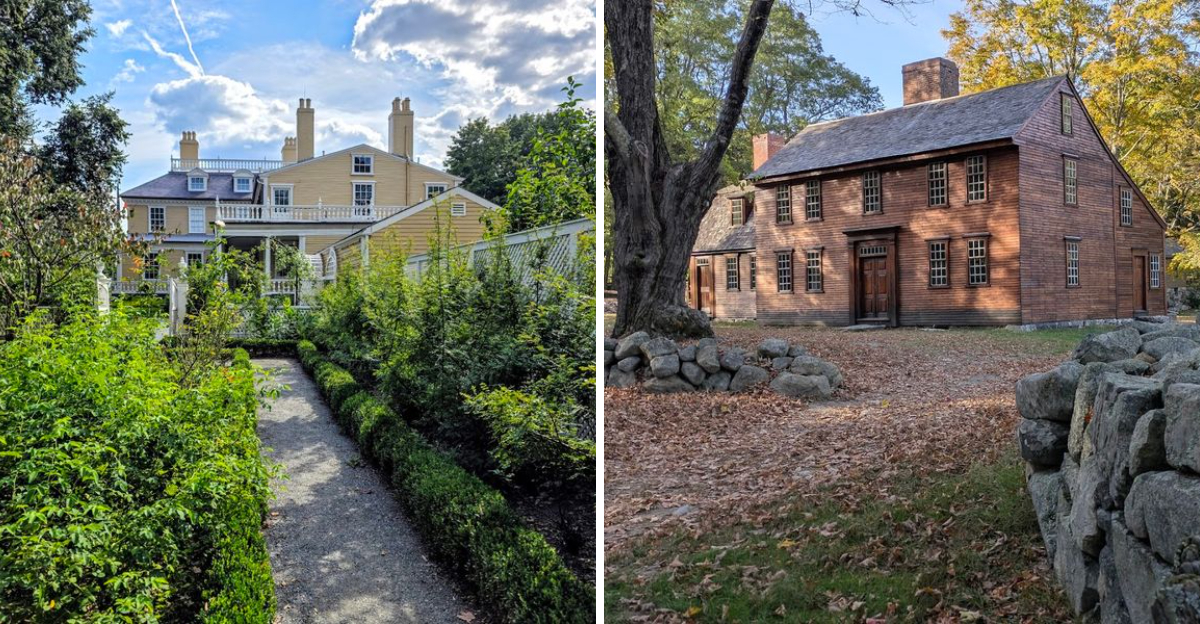
Massachusetts doesn’t whisper its history—it shouts it from old stone walls, cobblestone paths, and battlefields still marked by time.
Step into these parks and you’re not just walking for fresh air. You’re crossing ground where revolutions began, where presidents once lived, and where factory whistles once ruled the day.
One trail might lead you past colonial meeting houses. Another might pull you along quiet rivers where mill towns rose and fell.
Every step carries echoes of lives that shaped the country.
These places turn an ordinary walk into something unforgettable, where history doesn’t sit behind glass—it moves right beside you.
Boston Common
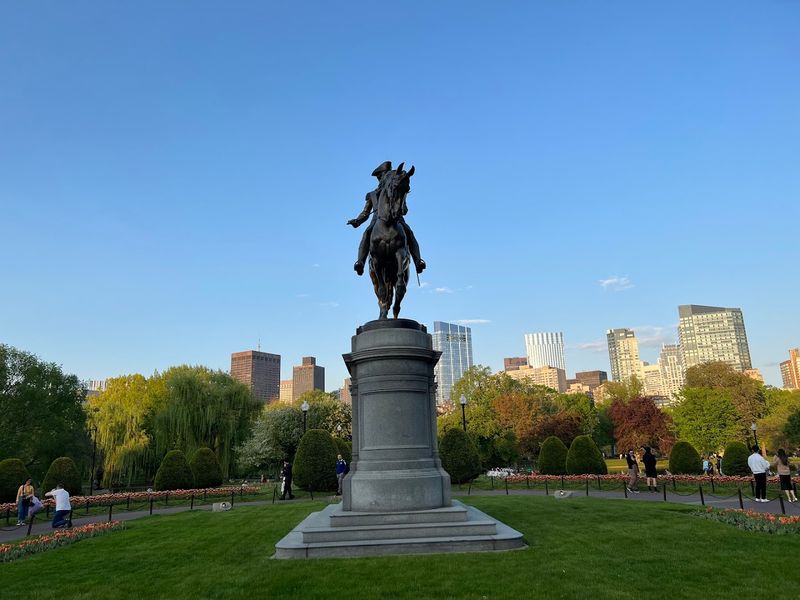
America’s oldest public park opened its gates way back in 1634, making it older than the United States itself. Walking across its 50 acres feels like stepping into a living history book where colonists once gathered and Revolutionary soldiers camped.
The park sits right in downtown Boston, surrounded by modern skyscrapers that create an interesting contrast with its ancient grounds. You’ll find monuments commemorating important moments, from the Founders Memorial to the Soldiers and Sailors Monument.
The Frog Pond at the center has been a favorite spot for generations, serving as a wading pool in summer and ice skating rink in winter.
Paths crisscross the Common, connecting it to the Boston Public Garden and the Freedom Trail. You can easily spend an hour or more wandering through, reading plaques that explain what happened on these very grounds.
Street performers, food carts, and benches offer plenty of reasons to pause and soak in the atmosphere.
The park remains free and open year-round, welcoming millions of visitors who want to experience where American public park history began. Comfortable shoes are all you need to explore this historic green space.
Minute Man National Historical Park
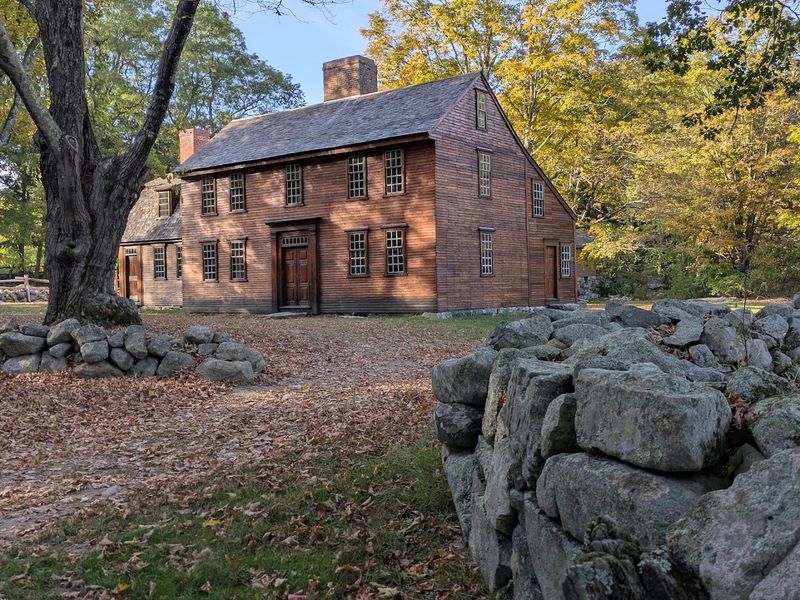
Picture this: April 19, 1775, when British soldiers marched toward Concord and changed American history forever. Walking the Battle Road Trail today puts you on the exact route where the first shots of the Revolutionary War rang out, earning the famous description as the shot heard round the world.
The park stretches across Lexington, Lincoln, and Concord, covering 970 acres of protected historical landscape. Original stone walls, period homes, and restored buildings line the five-mile trail.
Rangers in period clothing sometimes demonstrate musket firing or explain military tactics used during those desperate early battles.
Hartwell Tavern stands as a beautifully preserved example of a colonial-era inn where travelers once stopped for rest and refreshment. The North Bridge area features a famous statue of a Minuteman and offers peaceful riverside walking paths.
Wayside, home to authors Louisa May Alcott and Nathaniel Hawthorne, adds literary significance to the military history.
Spring brings wildflowers alongside historical markers that explain troop movements and skirmishes. Fall transforms the trails into corridors of brilliant foliage.
No admission fee makes this extraordinary walk through Revolutionary history accessible to everyone seeking authentic American heritage.
Adams National Historical Park
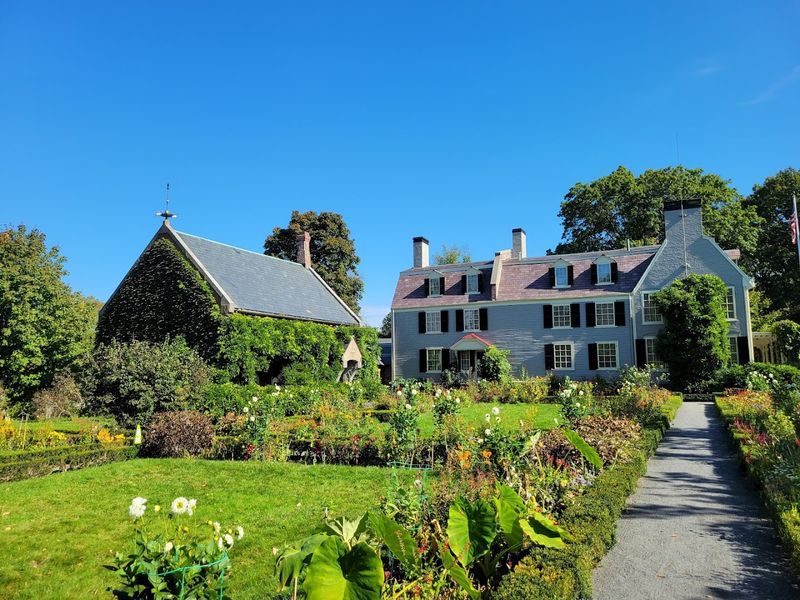
Two U.S. Presidents called these elegant buildings home, creating a unique presidential legacy rarely found anywhere else.
John Adams and his son John Quincy Adams both lived, worked, and shaped American policy within these walls, making them among the most politically significant homes in the nation.
The park includes several historic structures spread across downtown Quincy, connected by trolley during your visit. Peacefield, the family mansion, contains four generations of Adams family possessions, from furniture to books to personal letters.
The birthplaces of both presidents stand nearby, humble saltbox houses that contrast sharply with the grand estate they later occupied.
Guided tours lead you through rooms where crucial decisions about independence and early governance happened. The Stone Library holds over 14,000 volumes collected by family members across generations.
Gardens surrounding the properties offer quiet walking spaces perfect for reflecting on early American political life.
Tours require reservations and run seasonally from mid-April through mid-November. Knowledgeable guides share stories about family dynamics, political challenges, and daily life during America’s founding decades.
The intimate scale of these homes makes history feel personal and accessible rather than distant and formal.
Salem Maritime National Historic Site
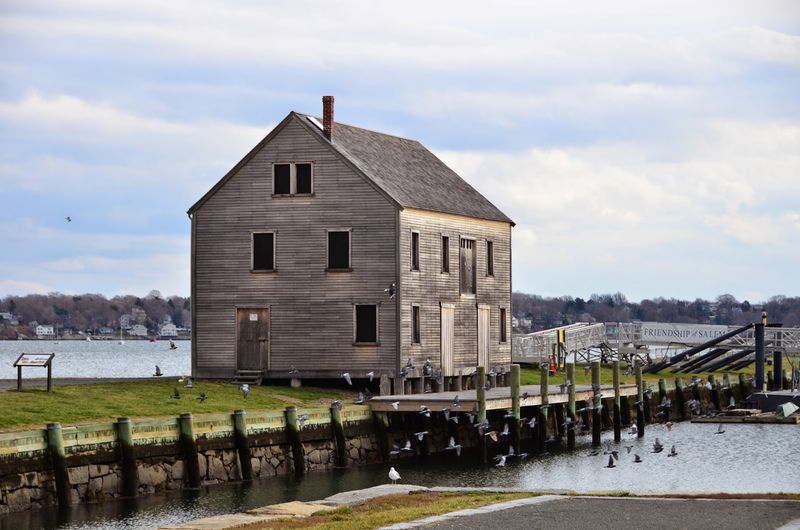
When America was young, Salem’s harbor bustled with ships carrying exotic goods from China, India, and beyond. Walking along Derby Wharf today, you can almost hear the creaking of wooden vessels and shouts of sailors unloading precious cargo that made Salem one of the richest cities in early America.
The site preserves nine acres of waterfront property including historic wharves, warehouses, and the stunning Federal-style Custom House. The Friendship, a full-scale replica of a 1797 merchant vessel, docks here and offers tours that show how sailors lived during long ocean voyages.
Rangers demonstrate navigation techniques and explain the dangerous realities of 18th-century seafaring life.
Red brick buildings line the waterfront, each telling stories about global trade, immigration, and economic development. The Scale House, where cargo was weighed and taxed, stands as a tiny but important piece of American commercial history.
Walking paths connect all the buildings, making it easy to explore at your own pace.
Harbor views provide beautiful backdrops for your historical exploration, especially during sunset. Free admission and year-round access mean you can visit whenever curiosity strikes about America’s maritime heritage and early global connections.
Boston National Historical Park
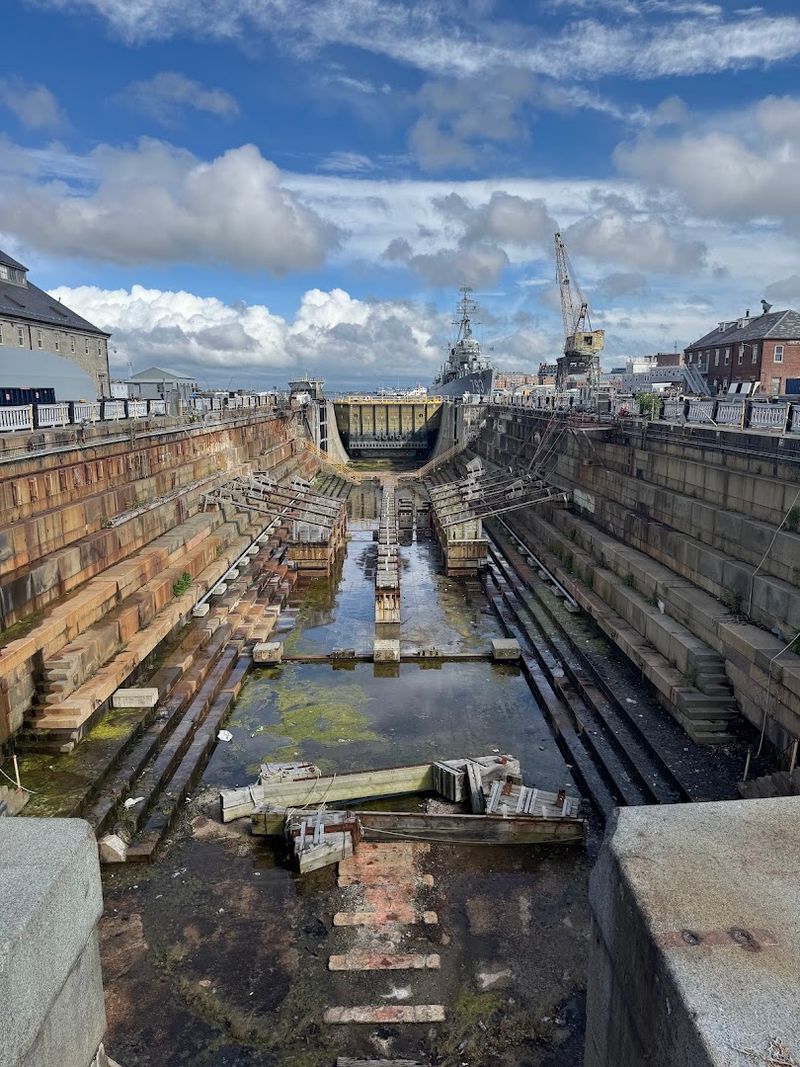
Imagine exploring eight different Revolutionary War sites without needing a car or spending a fortune. Boston National Historical Park connects famous landmarks like Bunker Hill, Faneuil Hall, and the Old State House through the iconic Freedom Trail, marked by a red brick line winding through city streets.
Each site reveals different aspects of colonial rebellion and early American independence. Faneuil Hall, called the Cradle of Liberty, hosted fiery speeches that fueled revolution against British rule.
The Old South Meeting House witnessed debates that led directly to the Boston Tea Party. Paul Revere’s House stands as the oldest building in downtown Boston, where the famous messenger lived with his large family.
Walking the 2.5-mile trail takes about two to four hours depending on how long you linger at each stop. Street-level markers and costumed guides help you understand the significance of every location.
The Bunker Hill Monument rewards those who climb its 294 steps with spectacular city views and a deeper appreciation for the battle fought there.
Most sites offer free entry, though some historic houses charge small fees. Rangers provide talks throughout the day, bringing Revolutionary events to life with vivid storytelling and historical details rarely found in textbooks.
Charlestown Navy Yard
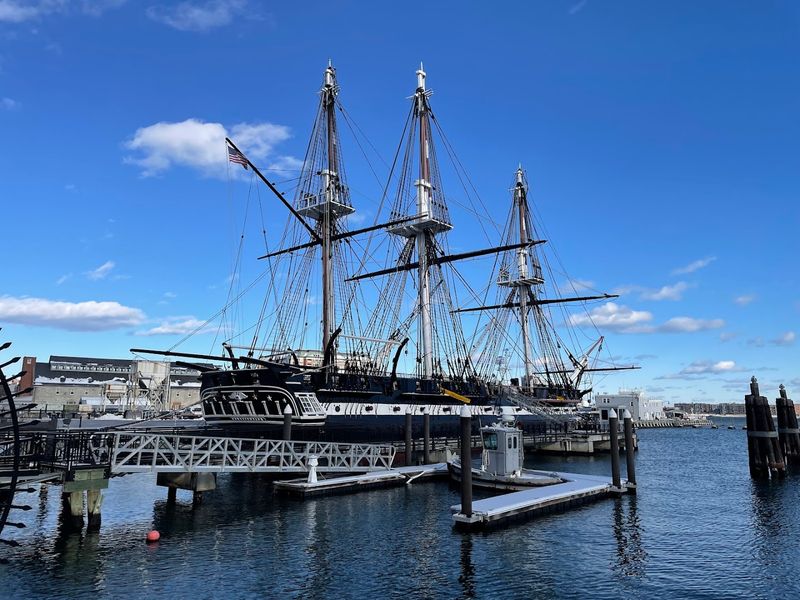
Standing on the deck of USS Constitution, the world’s oldest commissioned warship still afloat, you’re touching genuine American naval history. Launched in 1797, this incredible vessel earned the nickname Old Ironsides during the War of 1812 when British cannonballs seemed to bounce right off her strong oak sides.
The Navy Yard operated as a major shipbuilding facility from 1800 to 1974, constructing and repairing hundreds of vessels that defended American interests worldwide. Today, the preserved site includes massive dry docks, the elegant Commandant’s House, and the fascinating USS Constitution Museum.
Interactive exhibits let you experience what sailors endured during long sea voyages, from hauling heavy ropes to sleeping in cramped hammocks.
Waterfront walking paths offer stunning harbor views while interpretive signs explain how naval technology evolved over nearly two centuries. The Harborwalk connects you to downtown Boston and other historical sites, making it easy to combine maritime history with urban exploration.
Active-duty Navy sailors serve as guides aboard Constitution, sharing their knowledge with obvious pride in their ship’s legendary past. The Navy Yard Museum and ship tours remain free, making this an affordable family destination that combines education with waterfront beauty and military heritage.
Longfellow House–Washington’s Headquarters National Historic Site
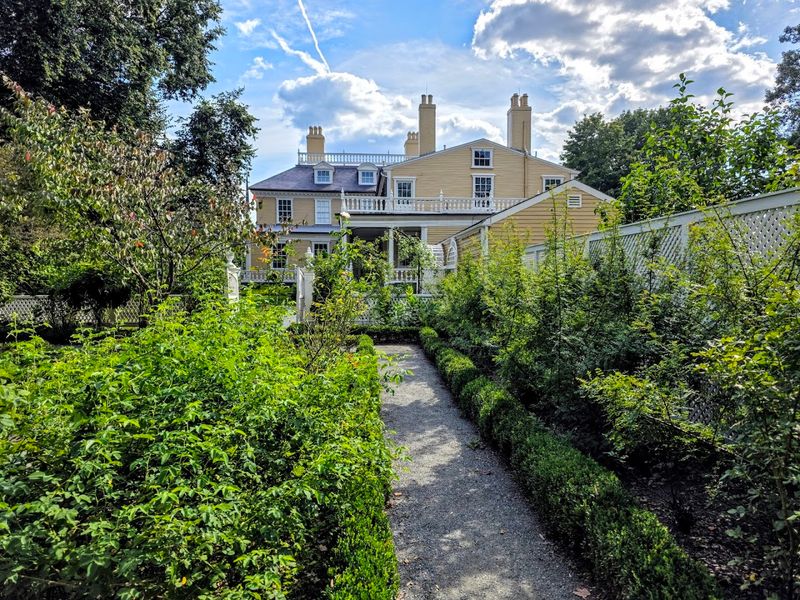
George Washington planned military strategy against the British from this elegant yellow mansion during 1775 and 1776. Later, beloved poet Henry Wadsworth Longfellow lived here for nearly five decades, writing classics like Paul Revere’s Ride and The Song of Hiawatha in its book-filled study.
The house combines two distinct historical periods seamlessly, showing both its Revolutionary War significance and its literary golden age. Original furnishings fill the rooms, from Washington-era military maps to Longfellow’s personal library of 10,000 books.
The poet’s study remains arranged exactly as he left it, with his writing desk positioned near windows overlooking beautiful gardens.
Formal gardens designed by the Longfellow family invite peaceful wandering among historic trees and seasonal plantings. Walking paths wind through the grounds, offering quiet spots perfect for reading poetry or simply enjoying the landscape.
The property feels like a gentle escape from busy Cambridge streets just beyond the gates.
Guided tours share fascinating stories about both Washington’s strategic decisions and Longfellow’s creative process. Rangers explain how the house evolved from military headquarters to cultural landmark.
Seasonal hours and tour schedules vary, so checking ahead ensures you won’t miss this unique blend of military and literary American history in one remarkable location.
Lowell National Historical Park
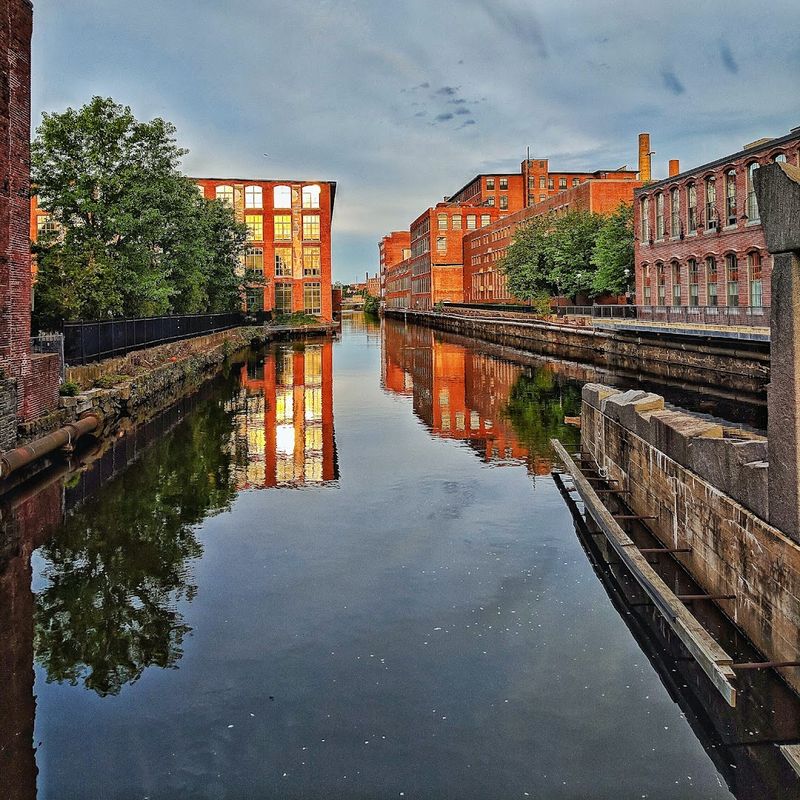
Massive red brick mills tower over historic canals where America’s Industrial Revolution roared to life during the 1820s. Walking through Lowell feels like entering a time machine that shows how textile factories transformed the United States from an agricultural nation into an industrial powerhouse practically overnight.
The park preserves 5.6 miles of canals, numerous mill buildings, and entire neighborhoods where workers lived in company-owned boarding houses. Young women, called mill girls, came from rural farms seeking independence and wages, creating one of America’s first female labor forces.
Their stories of hard work, activism, and community building resonate throughout the exhibits.
Guided tours take you inside working mill demonstrations where massive looms clatter and shake just as they did 200 years ago. The deafening noise helps you understand why many workers lost their hearing.
Canal boat rides explain the clever engineering that powered these massive factories using only flowing water.
Walking paths follow the canal system, connecting different mill complexes and worker housing areas. Interpretive signs describe labor conditions, technological innovations, and immigrant experiences.
The Boott Cotton Mills Museum houses the most impressive machinery displays. Free trolleys help you navigate between distant park sites, making exploration easy even on tired feet.
Walden Pond State Reservation
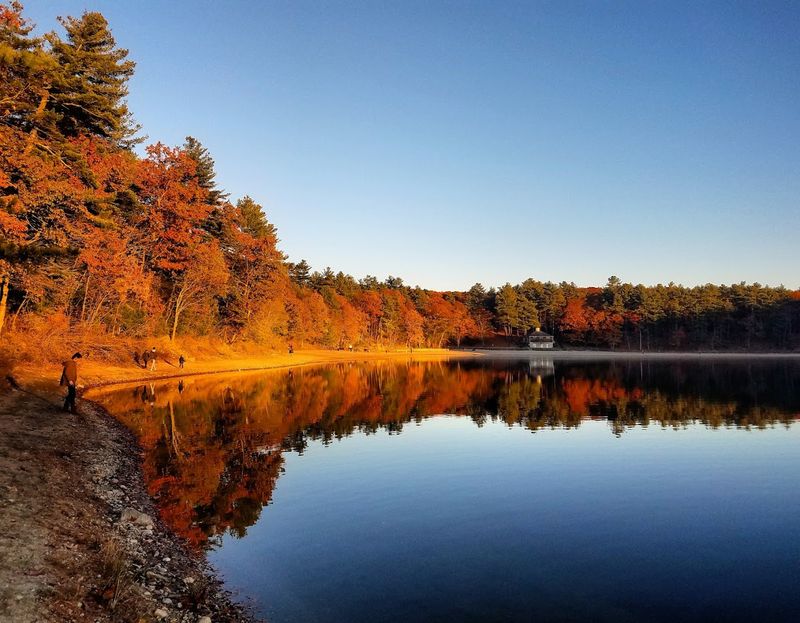
Henry David Thoreau spent two years in a tiny cabin here, writing observations that became Walden, one of American literature’s most influential works about nature and simple living. Walking around the pond’s 1.7-mile path, you’ll pass the site where his cabin stood and perhaps understand why this place inspired such profound thoughts about life’s meaning.
Crystal-clear water reflects surrounding forests in every season, creating scenes of natural beauty that have attracted visitors since long before Thoreau’s time. Swimming from the beach provides refreshing breaks during warm months.
The pond reaches depths of over 100 feet, fed by underground springs that keep it remarkably clean and cold.
Trails extend beyond the pond loop into the surrounding Walden Woods, offering longer walks through the landscape Thoreau described so lovingly. You’ll find quotes from Walden carved on stones along the path, encouraging reflection about nature, solitude, and what truly matters in life.
A cairn of stones marks the cabin site where visitors traditionally add one more rock.
Parking reservations are required during busy seasons due to the site’s popularity and limited capacity. Early morning visits offer the most peaceful experience, with mist rising from the water just as Thoreau witnessed it nearly 180 years ago.
Castle Island
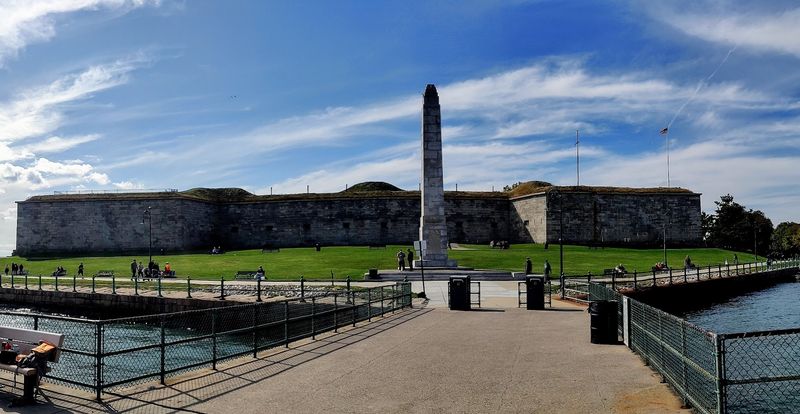
A massive granite fortress dominates this peninsula that has protected Boston Harbor since colonial days. Fort Independence, the current structure built between 1834 and 1851, stands as the eighth fortification on this strategic spot where military engineers recognized the perfect position for defending the city from sea attacks.
Walking the perimeter path offers incredible harbor views, with planes descending toward Logan Airport overhead and sailboats gliding past historic lighthouses. The two-mile loop remains flat and easy, perfect for all fitness levels and families with strollers.
Sea breezes keep you cool even on hot summer days while seagulls circle and waves lap against the rocky shore.
Free tours of Fort Independence run during summer months, taking you through dark tunnels and onto ramparts where soldiers once watched for enemy ships. Edgar Allan Poe served here briefly in 1827, and local legend suggests one of his famous stories was inspired by events at the fort.
Sullivan’s, a beloved local restaurant, serves hot dogs, fried clams, and ice cream near the parking area, making Castle Island perfect for combining history with classic seaside snacks. The park never closes, welcoming sunrise joggers, sunset watchers, and everyone in between who seeks waterfront beauty mixed with military heritage.