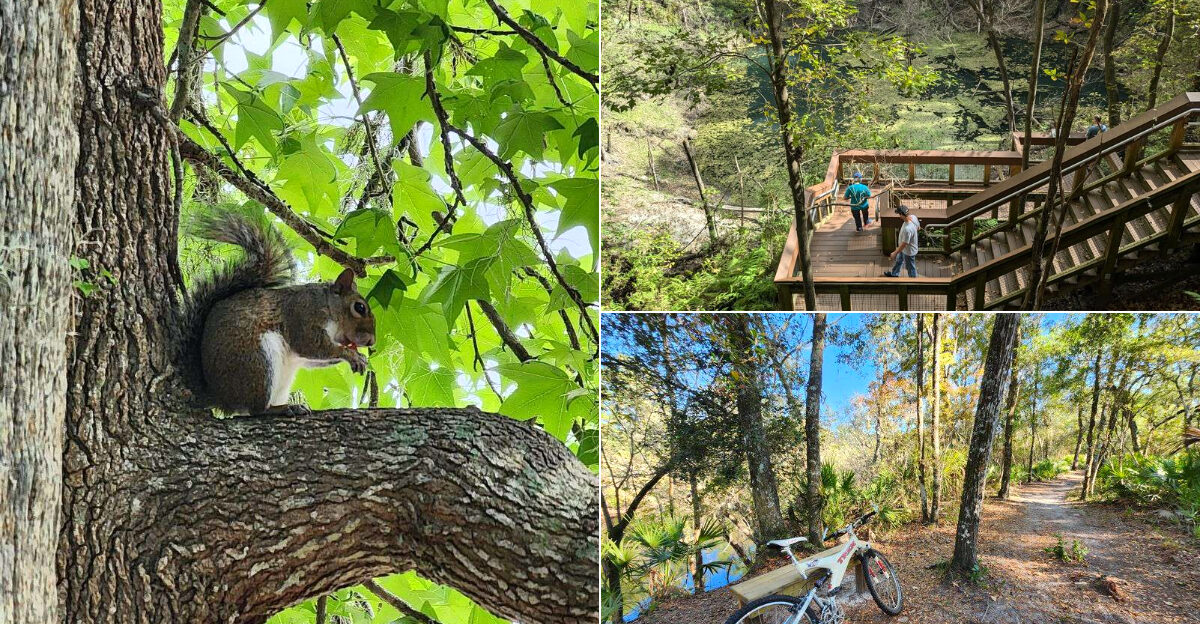
Florida’s theme parks and beach boardwalks get all the attention, but there’s a quieter side to the state worth chasing.
We went looking for it and found trails that felt like a completely different world.
Spring-fed rivers ran crystal clear beneath cypress canopies, and boardwalks stretched deep into swamps alive with birdsong.
Sinkholes plunged into cool, ferny grottos, and sandy bluffs rose higher than we ever expected to find in Florida.
Every stop reminded us how much more there is to Florida once you step off the beaten path.
Here are twelve Florida nature trails that made us happily leave the tourist crowds behind.
1. Big Shoals Trail, White Springs, Hamilton County
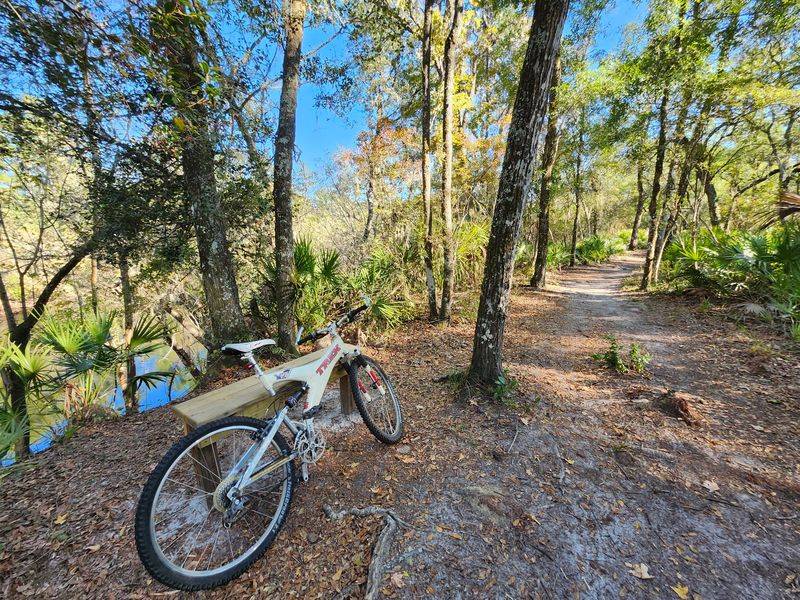
The sound arrives before the view, a steady rush that feels surprising in flat Florida.
Along the Big Shoals Trail, near White Springs in Hamilton County, hikers follow the Suwannee River toward the state’s largest whitewater rapids when water levels are right.
The path is mostly sandy and shaded, with pine trees, oaks, and palmettos giving it a wild North Florida feel.
Plan for a longer outing, because the trail system can stretch several miles depending on your route.
Bring water, bug spray, and shoes that can handle roots, loose sand, and occasional mud.
The best reward is the overlook, where dark river water tumbles over limestone shoals and breaks the quiet in the best way.
Kayakers sometimes test the rapids, which adds a little excitement to the scene.
Wildlife watchers may spot turtles, deer tracks, or birds moving through the river corridor.
Because this park sits away from the usual vacation routes, it often feels peaceful even on pretty days.
Check river conditions before going, since the rapids look different after rain or dry weather.
For anyone craving space, sound, and real Florida character, this trail delivers.
2. Ravine Gardens State Park Trail, Palatka, Putnam County
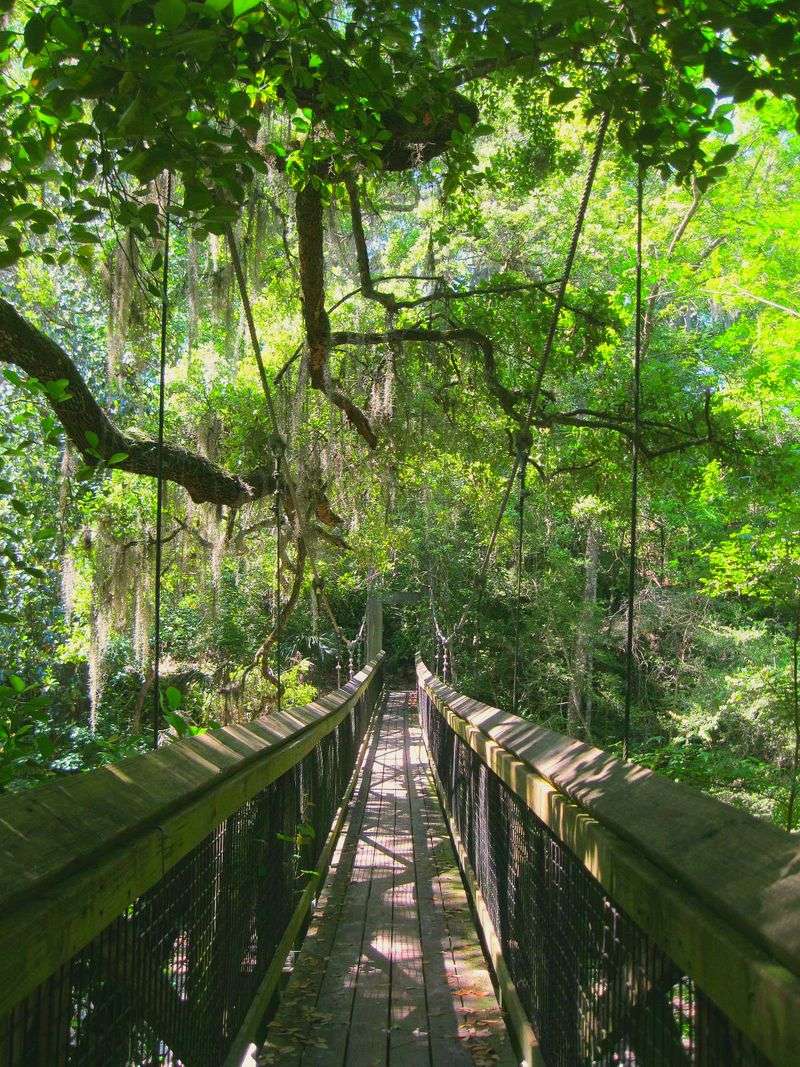
Steep green walls make this walk feel more like a secret garden than a typical Florida stroll.
At Ravine Gardens State Park Trail in Palatka, Putnam County, paths dip into deep ravines formed by natural springs and years of erosion.
The park is famous for azaleas, especially in late winter and early spring, when bright blooms line the slopes.
Even outside flower season, the shaded bridges, stonework, and winding steps make the route feel charming and old-fashioned.
Some sections are steep, so take your time and use handrails where they are provided.
A paved road loops through the park too, which helps visitors choose an easier option if needed.
Families can enjoy short walks, while curious hikers can link paths for a fuller visit.
Listen for birds in the trees and watch for water trickling in low spots after rain.
The setting feels calm, yet it is close enough to town for a simple half-day trip.
Wear shoes with grip, because leaves and damp steps can get slick.
If you want beauty without beach traffic, this colorful ravine walk is a lovely surprise.
3. Torreya State Park Bluff Trail, Bristol, Liberty County
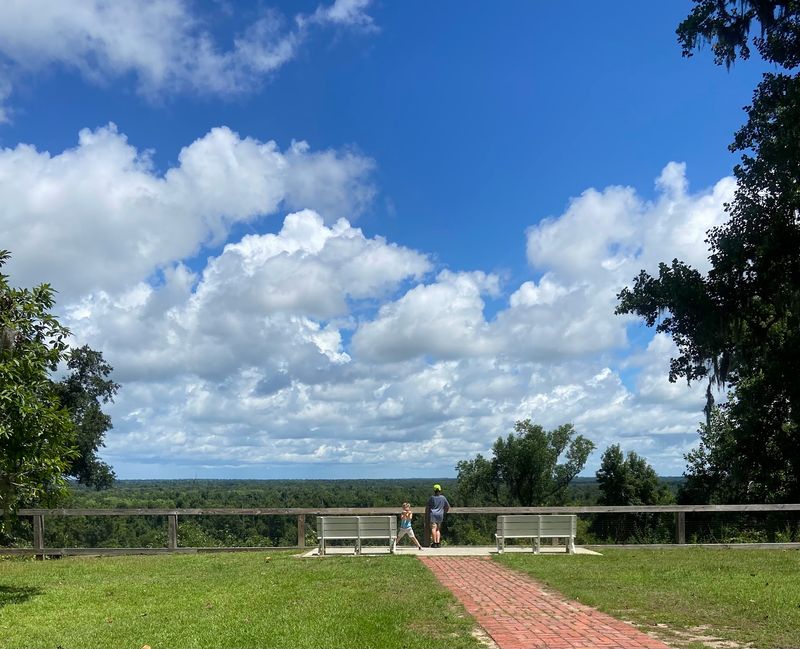
A high river view can change how you picture Florida in just a few steps.
The Bluff Trail at Torreya State Park, near Bristol in Liberty County, climbs and curves through one of the state’s most unusual landscapes.
Here, hikers find steep slopes, hardwood trees, and overlooks above the Apalachicola River.
The area feels closer to the Southeast hills than the flat roads many visitors expect.
The trail can be challenging, with roots, elevation changes, and narrow sections that ask for steady footing.
Go slowly, especially after rain, and carry more water than you think you need.
The park is named for the rare torreya tree, a small evergreen with a long survival story.
History fans may also enjoy nearby old buildings and Civil War era connections.
Birds move through the canopy, and the river view is a fine place to pause for snacks.
Because this park sits in the Panhandle, it feels far from Florida’s busiest vacation centers.
Visit in cooler months for the most comfortable hike.
For hikers who want hills, quiet, and a big view, this trail is worth the drive.
4. Fakahatchee Strand Boardwalk Trail, Copeland, Collier County
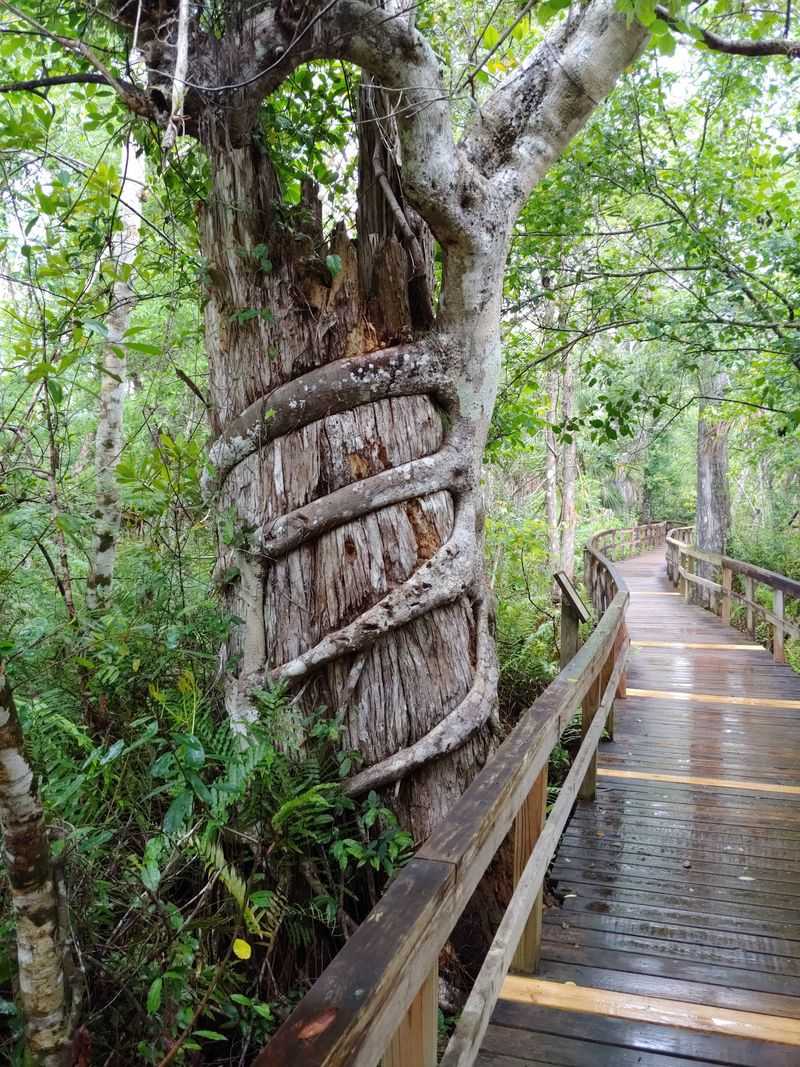
Everything seems to drip, shine, and whisper inside this swampy forest.
Fakahatchee Strand Boardwalk Trail, near Copeland in Collier County, gives visitors a safe and easy way to enter a famous South Florida strand swamp.
The raised boardwalk passes cypress trees, ferns, pond apples, and palms without making you wade through water.
This preserve is known for rare orchids and bromeliads, though many blooms are small or high in the trees.
Move slowly, because the best sights often hide in plain view.
You might see barred owls, butterflies, lizards, or alligator signs near wetter areas.
Mosquitoes can be bold, especially in warm months, so repellent is not optional.
The boardwalk is short compared with many hikes, but it feels rich because every few feet offers a new texture.
Early morning light makes the swamp look especially magical and keeps temperatures lower.
Stay on the path to protect fragile plants and avoid unsafe ground.
For travelers tired of packed beaches, this trail feels like stepping into Florida’s wilder imagination.
Bring a camera, but remember to simply stand still and listen.
5. Myakka River State Park Canopy Walkway Trail, Sarasota, Sarasota County
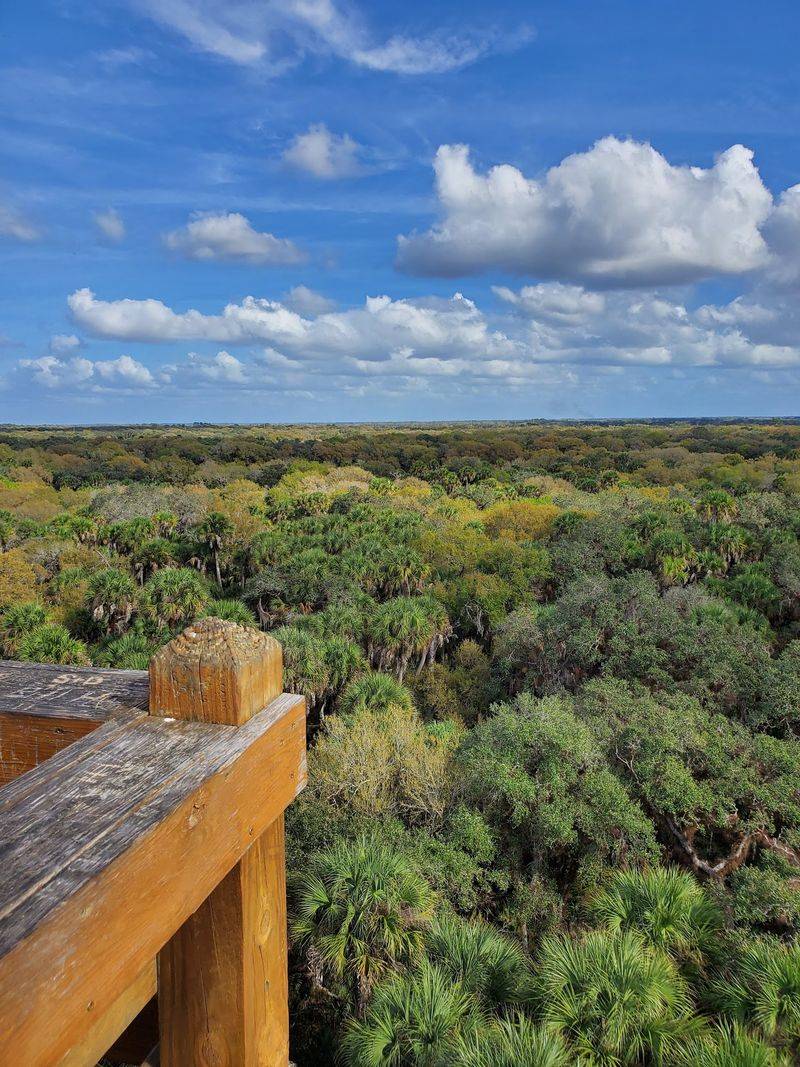
A wobbly bridge high in the trees can make even a short walk feel like an adventure.
At Myakka River State Park Canopy Walkway Trail in Sarasota, Sarasota County, visitors climb into the oak canopy for a fresh look at one of Florida’s oldest state parks.
The walkway is not long, but the feeling of standing above the forest floor is memorable.
An observation tower nearby gives wider views across treetops, wetlands, and open prairie.
Go early if you want cooler air and fewer people on the bridge.
The trail connects easily with other park paths, so you can make the outing longer if time allows.
Myakka is also known for alligators, wading birds, deer, and dramatic skies over the river basin.
Keep a respectful distance from wildlife, especially near water.
Kids often love the height and movement, but adults should watch younger hikers closely on stairs.
Bring binoculars, since birds may perch at eye level from the walkway.
Afterward, explore the scenic drive or river areas for more quiet views.
This stop proves you do not need a huge hike to feel far away.
6. Hillsborough River Trail, Thonotosassa, Hillsborough County
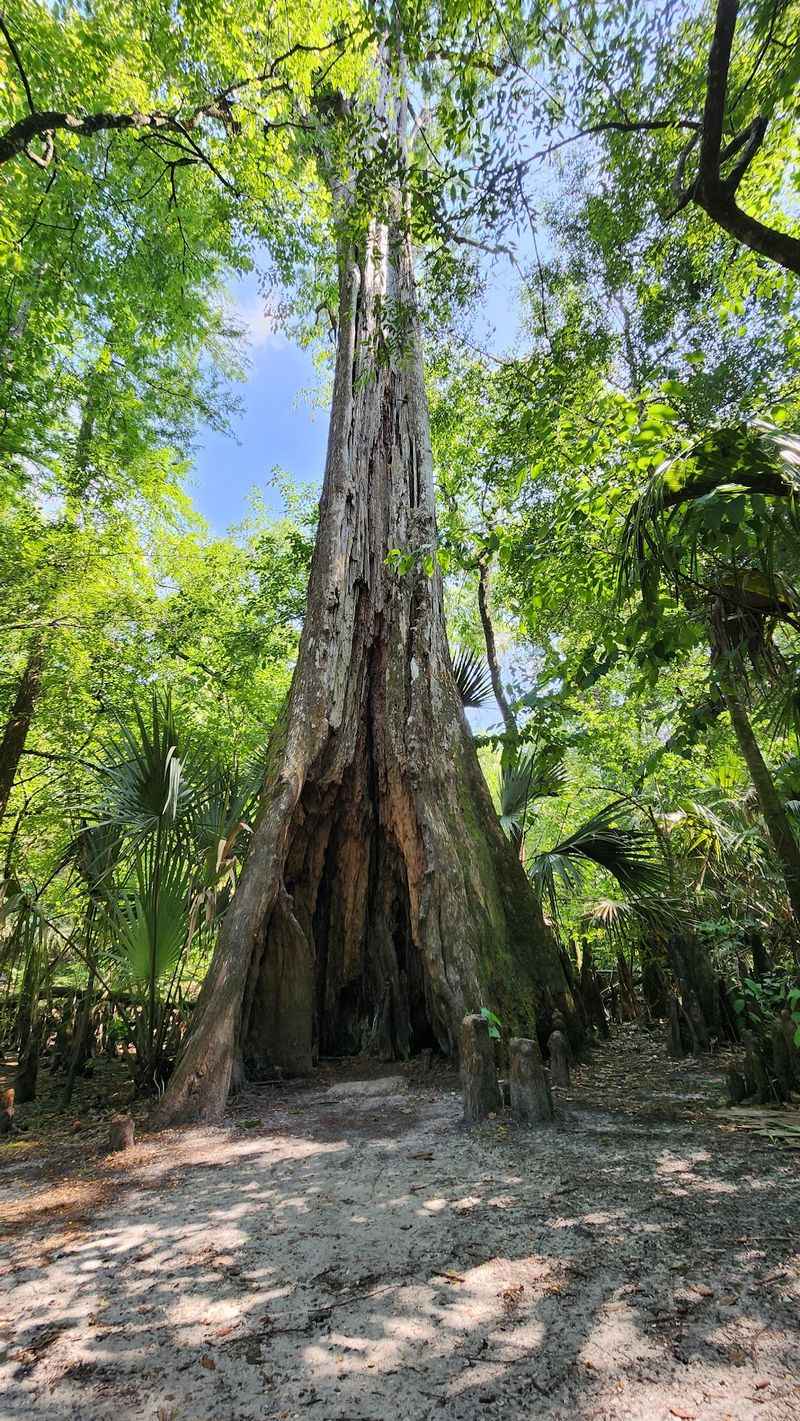
Dark water curls around cypress knees while the forest hums with small sounds.
The Hillsborough River Trail in Thonotosassa, Hillsborough County, follows one of the most scenic rivers near Tampa without feeling trapped in the city’s rush.
Hikers pass hardwood hammock, palmetto patches, and river views where turtles often line up on logs.
Some sections are easy, while others can feel rooty, narrow, or damp after heavy rain.
Check the park map before starting, because several trails connect and distances can add up quickly.
The river here has small rapids, which are rare in Florida and fun to hear from the bank.
Alligators live in the area, so stay back from the water’s edge and never feed wildlife.
Shaded stretches make the route pleasant, but heat still builds fast in summer.
A morning visit gives you better wildlife activity and a calmer mood.
Bring water, snacks, and a phone or map for route finding.
The trail works well for people who want nature close to Tampa but not the crowds of bigger attractions.
It is simple, green, and quietly rewarding.
7. Alexander Springs Loop Trail, Altoona, Lake County
Clear blue water beside sandy woods is a hard combination to beat.
Alexander Springs Loop Trail, near Altoona in Lake County, circles through part of the Ocala National Forest around one of Florida’s beautiful first magnitude springs.
The walk is short and friendly, making it a good choice for families, casual hikers, or anyone saving energy for a swim.
Expect pine flatwoods, cabbage palms, boardwalk sections, and views toward the spring run.
The water often looks like glass, with fish and waving plants visible below the surface.
Arrive early on warm weekends, because the swimming area can fill even when the trail stays calmer.
Bring a towel, reef-safe sunscreen, and dry shoes if you plan to explore after getting in the water.
Stay on marked paths to protect the sandy soil and plants around the spring.
Birds, dragonflies, and turtles add small surprises along the route.
The loop is also a nice teaching trail for kids learning how springs feed rivers.
When the beach crowds feel too loud, this place offers a softer kind of Florida fun.
Go slowly and enjoy the shine.
8. Blackwater River Trail, Milton, Santa Rosa County
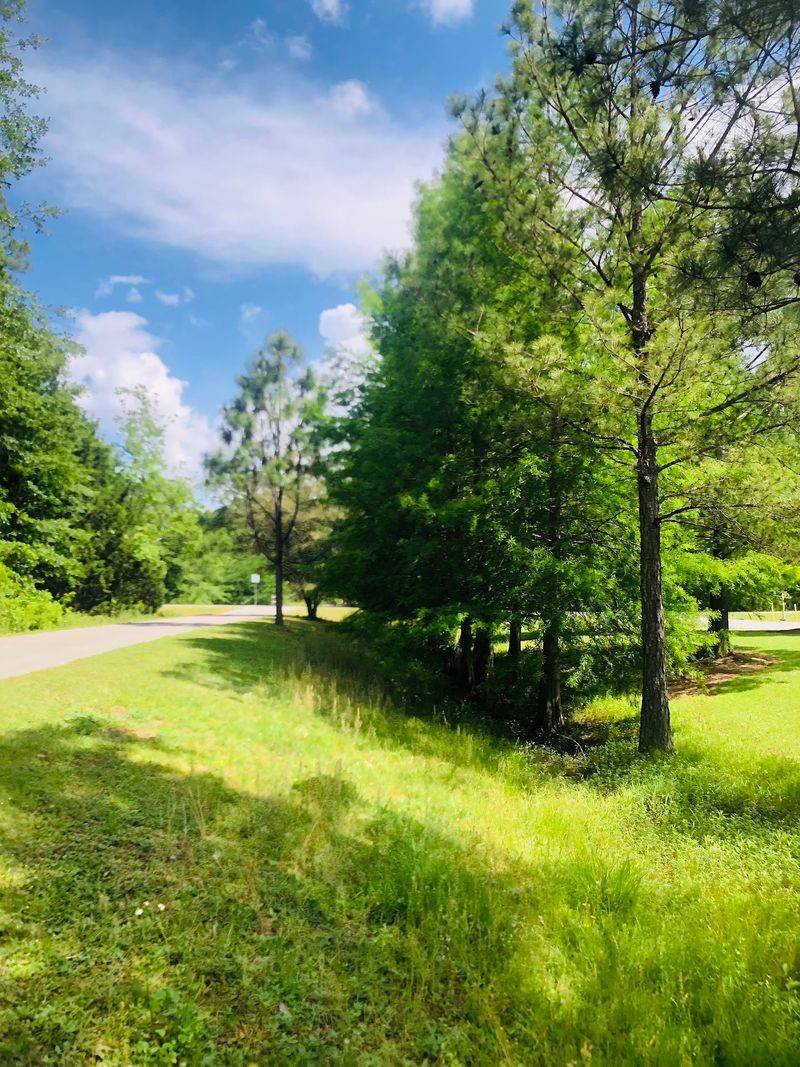
White sand underfoot and tea-colored water nearby create a scene that feels almost painted.
Blackwater River Trail near Milton, Santa Rosa County, shows off the bright, clean beauty of the Florida Panhandle.
The river gets its dark color from tannins released by leaves and roots, but the water can still be very clear.
Trails in this area often pass longleaf pines, wiregrass, sandy banks, and quiet river bends.
Wear shoes that handle soft sand, because walking can take more effort than it looks.
Pack plenty of water, since open pine areas can feel sunny and warm.
Many visitors combine hiking with tubing, paddling, or a picnic on a sandbar.
If you do, watch river levels and follow local safety rules.
The setting is excellent for relaxed wildlife watching, from woodpeckers to small fish near shore.
Spring and fall bring comfortable weather and fewer biting insects.
This trail area is a great choice when you want fresh air without souvenir shops around every corner.
It feels clean, open, and wonderfully simple.
Leave no trash, because the pale sand shows everything.
9. San Felasco Hammock Trail, Alachua, Alachua County
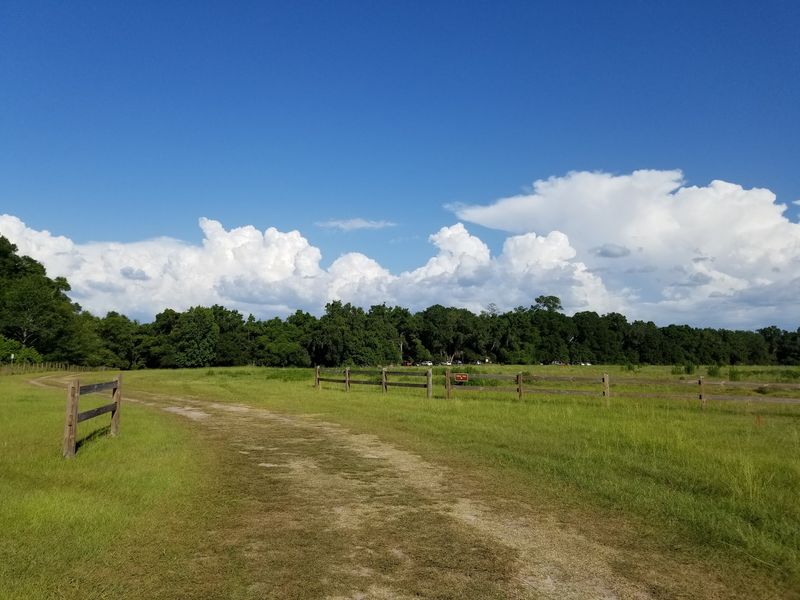
The forest here feels layered, with leaves overhead, roots below, and quiet all around.
San Felasco Hammock Trail in Alachua, Alachua County, winds through one of North Florida’s largest protected hardwood forests.
Instead of big views, the reward is shade, texture, and the feeling of being wrapped inside old woods.
Trails pass live oaks, magnolias, sinkholes, limestone features, and ferny low spots.
Some routes are shared with cyclists or horses, so check signs and choose the section that fits your pace.
Hikers should bring a map, because the preserve has many connectors and loops.
The ground can be uneven, with roots and occasional muddy patches after rain.
Cooler months are excellent, but the thick shade helps even when the day warms up.
Listen for pileated woodpeckers and rustling leaves from small animals.
History adds depth too, since the area has long been connected to travel routes, farming, and settlement.
Stay alert, walk softly, and you may feel like the busy world is miles away.
For Gainesville area visitors, this preserve is a peaceful reset button.
10. Juniper Springs Nature Trail, Silver Springs, Marion County
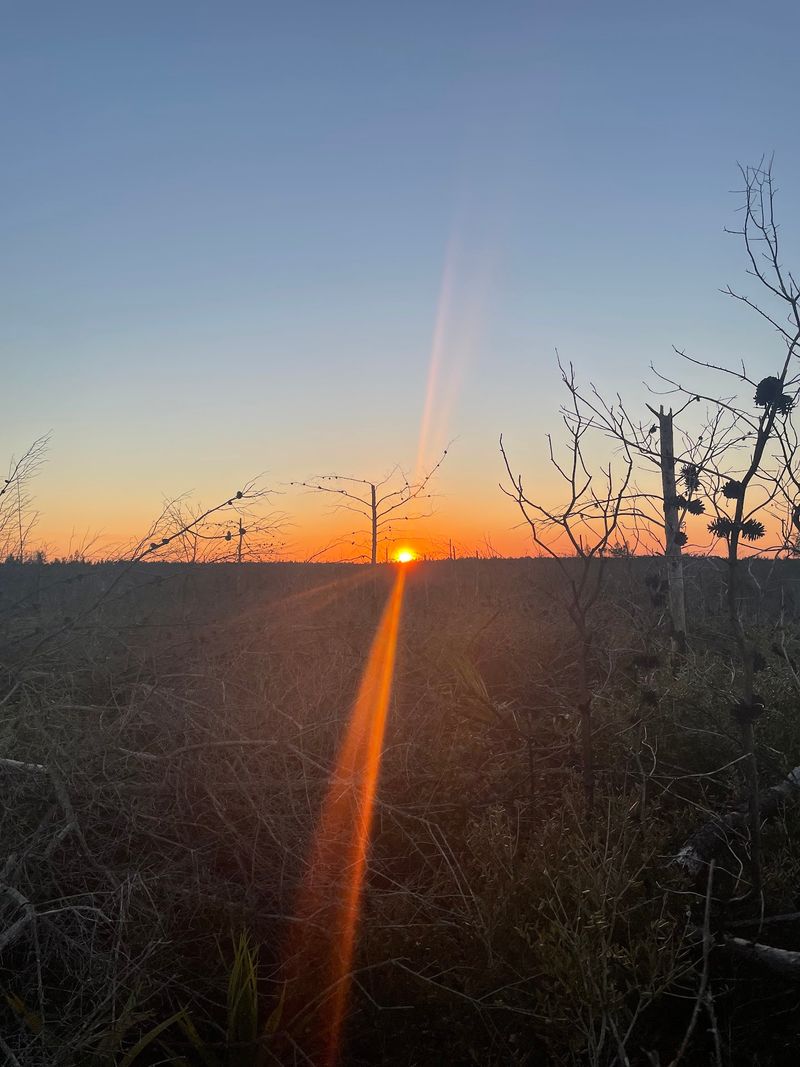
A tiny old millhouse, clear water, and jungle-like plants give this walk a storybook mood.
Juniper Springs Nature Trail in Silver Springs, Marion County, sits inside the Ocala National Forest and offers a short route with plenty to notice.
The spring water glows blue-green as it moves past ferns, palms, and shaded banks.
Because the trail is not very long, it is perfect for stretching your legs before swimming or canoeing.
Boardwalks and footpaths guide visitors through delicate wet areas while keeping feet mostly dry.
Take your time near the historic millhouse, which adds a fun glimpse of earlier park life.
The nearby recreation area can get busy in summer, so arrive early for parking and quieter photos.
Bring bug spray, a refillable bottle, and shoes you do not mind getting sandy.
Watch for fish in the run and birds slipping through the trees.
Swimming is refreshing, but always follow posted rules and protect the spring by avoiding litter.
This trail is a small package with a big Florida personality.
It is easy, pretty, and full of cool shade.
11. Wakulla Springs Trail, Wakulla Springs, Wakulla County
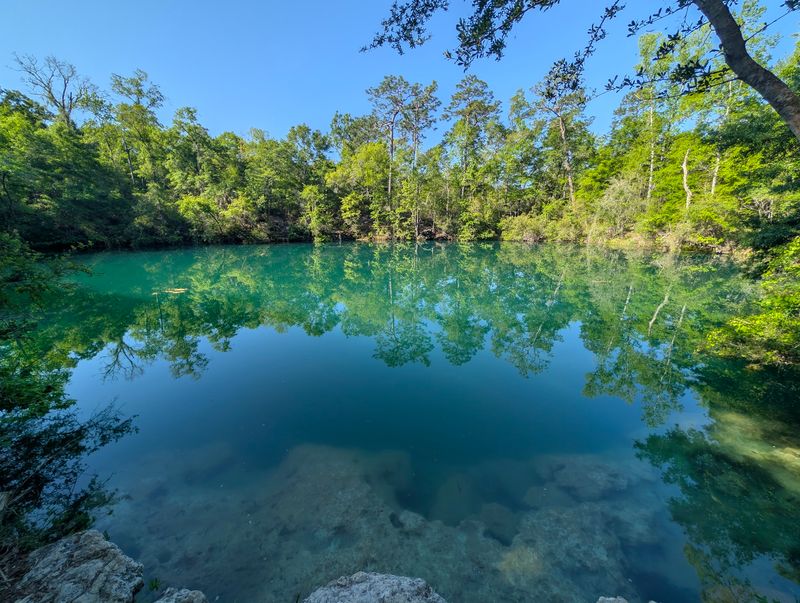
Spanish moss hangs like curtains while one of the world’s largest and deepest freshwater springs waits nearby.
Wakulla Springs Trail in Wakulla Springs, Wakulla County, gives visitors a calm land-based look at a place many people know for boat tours and swimming.
The forest around the spring includes grand live oaks, palms, and low wet areas full of wildlife signs.
Keep your eyes open for birds, turtles, and maybe manatees in cooler months near the water.
The trail experience is usually gentle, but Florida heat can still make a short walk feel longer.
Bring water and use insect repellent, especially after rain.
The historic lodge nearby adds a classic Old Florida touch, with a sense of travel from another time.
If you can, pair your walk with a ranger-led boat tour to see more of the river ecosystem.
Stay on marked paths and avoid disturbing shoreline plants.
This area reminds visitors that springs are not just pretty swimming spots, but living systems that need care.
For a quieter day near Tallahassee, Wakulla offers shade, history, and clear water wonder.
It feels graceful rather than flashy.
12. Devil’s Millhopper Trail, Gainesville, Alachua County
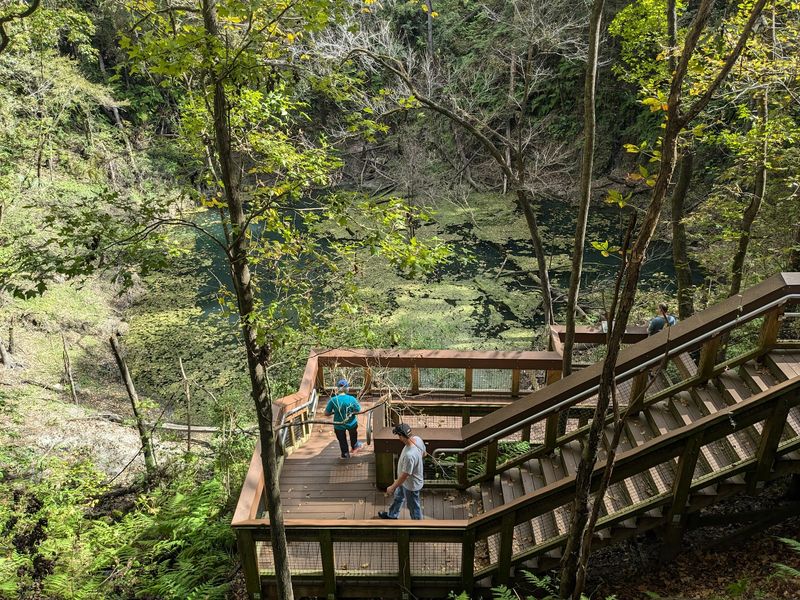
A giant bowl in the earth turns a simple walk into a trip through time.
Devil’s Millhopper Trail in Gainesville, Alachua County, leads visitors down into a deep limestone sinkhole filled with ferns, damp walls, and tiny waterfalls after rain.
The wooden stairway is the main feature, and it makes the descent feel safe while protecting the fragile slopes.
Every level seems cooler and greener than the one above.
Signs explain geology, fossils, and how water shaped the site over many years.
Because stairs are involved, be ready for the climb back up and take breaks if needed.
Good walking shoes help, especially when the steps are wet.
The park is small, so it works well as a short stop during a Gainesville visit.
Still, the setting feels far removed from traffic and campus noise.
Look closely at the plant life, since the cooler sinkhole creates a different mini-world from the forest above.
After heavy storms, check park updates because conditions can change.
For curious hikers, this trail is part science lesson, part hidden garden, and fully memorable.