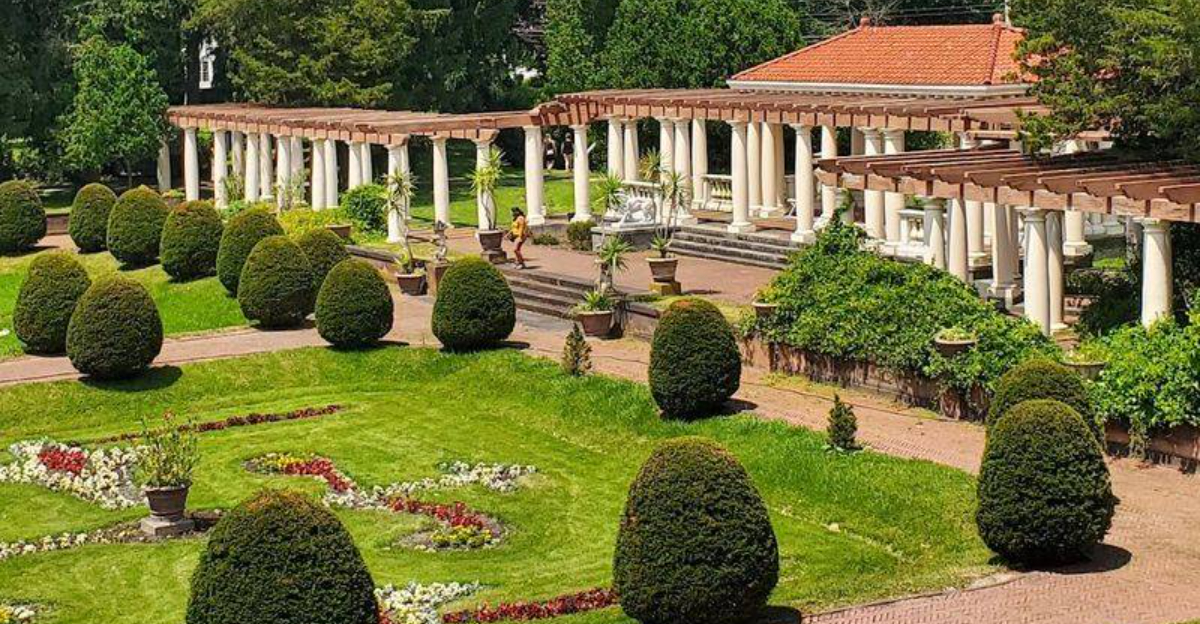
The most memorable escapes are sometimes hidden behind garden gates. A few quiet steps can lead from busy streets or winding roads into a world of blooming roses, shaded pathways, glass conservatories, and landscapes designed to make visitors pause and look closer.
Across New York, gardens offer nature lovers a chance to experience carefully crafted beauty alongside history, art, and peaceful outdoor spaces. From grand estates along the Hudson River to botanical gardens filled with rare plants and seasonal displays, these destinations reveal a different side of the state beyond its famous cities and scenery.
For travelers who find joy in flowers, old trees, and slow afternoons outdoors, these New York gardens are worth adding to any nature-filled itinerary. Discover 12 remarkable gardens where every path leads to another reason to linger.
New York Botanical Garden
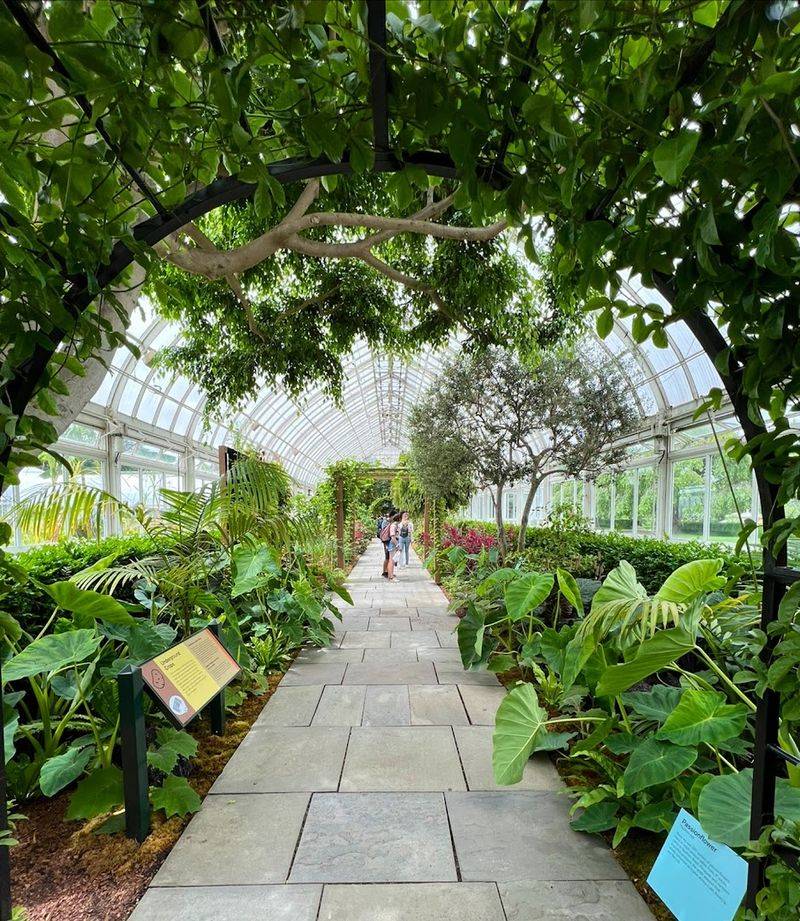
The city noise falls away faster than you expect, replaced by rustling leaves and the faint damp scent of greenhouse air. One minute you are in the Bronx, and the next you are moving through a landscape so expansive it feels like a countryside detour.
That shift is part of the magic.
At the New York Botanical Garden, 250 acres unfold in layers: the Enid A. Haupt Conservatory with its warm glass glow, the Native Forest with towering trees, and the rose garden when it is full of color.
Seasonal flower shows add a different mood depending on when you arrive.
I like how the place gives you options without feeling scattered. You can chase specific blooms, linger over labeled collections, or simply wander until a bench and a birdsong-heavy path decide the afternoon for you.
Brooklyn Botanic Garden
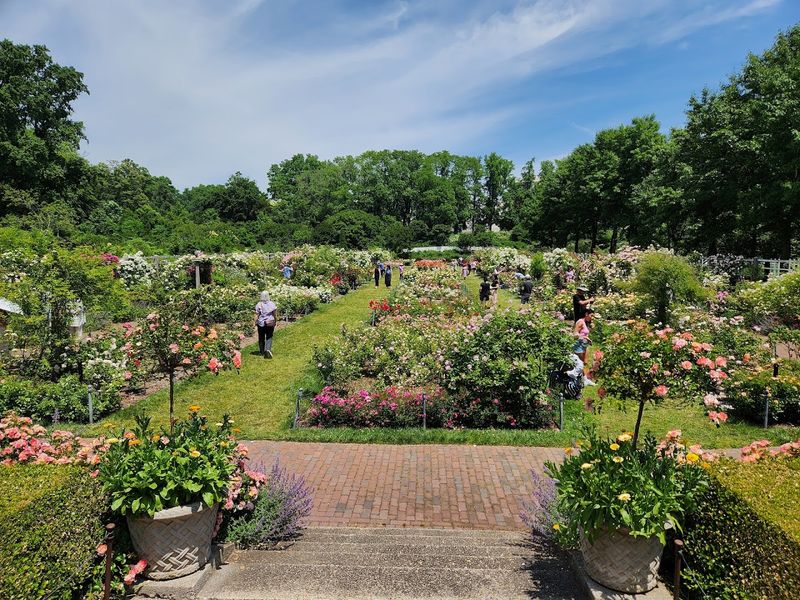
In spring, the air seems tinted pink before you even spot the blossoms. Paths fill with that particular hush people get around beautiful things, phones lowered for a moment so they can actually look.
Even outside cherry season, the mood stays gentle and observant.
Brooklyn Botanic Garden layers its spaces beautifully, from the Japanese Hill-and-Pond Garden to the Shakespeare Garden and the Cranford Rose Garden. The Cherry Esplanade gets the headlines, but the Desert Pavilion offers a totally different texture, all sharp silhouettes and sunlit geometry.
What stays with me is the balance between intimacy and variety. You can come for peak bloom and still end up remembering a quiet bridge, the sound of water near a stone lantern, or the small relief of finding such calm beside Prospect Park.
Planting Fields Arboretum State Historic Park
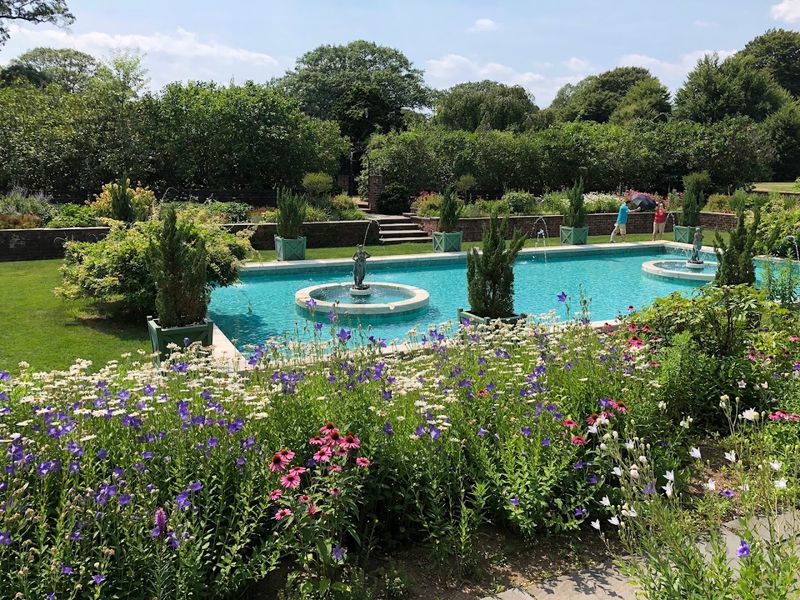
There is something deeply satisfying about a garden that still carries the grandeur of another era without feeling frozen in it. Gravel crunches underfoot, old trees frame wide lawns, and every turn suggests a weekend once designed around leisure.
You feel invited to slow down accordingly.
At Planting Fields Arboretum State Historic Park in Oyster Bay, the scale is part of the experience. Its 409-acre estate includes formal gardens, greenhouses, camellia collections, and woodland walks that can shift the mood from stately to quietly meditative in a matter of minutes.
I love how the place never asks you to choose between horticulture and atmosphere. One moment you are admiring careful plantings near historic buildings, and the next you are under a canopy of leaves, wondering why more afternoons are not spent exactly like this.
Untermyer Gardens Conservancy
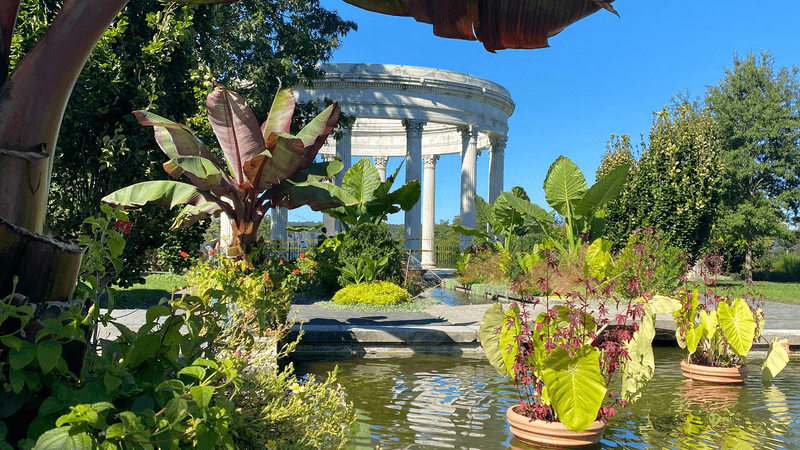
Few gardens create drama so quickly. You step into a world of symmetry, clipped greenery, and water that catches the light like polished metal, then look up and remember the Hudson is just beyond.
The contrast between intimacy and big landscape makes the first impression unforgettable.
Untermyer Gardens Conservancy in Yonkers is best known for its Persian-inspired Walled Garden, but the experience keeps widening as you explore. There is the Temple of Love, carefully restored historic design, and a vista that opens toward the river with real theatrical timing.
What I appreciate most is how intentional everything feels without seeming stiff. The geometry gives structure, the river view gives breath, and the whole place carries a slightly unexpected sense of wonder, especially when late afternoon sun turns the walls and plantings almost luminous.
Queens Botanical Garden
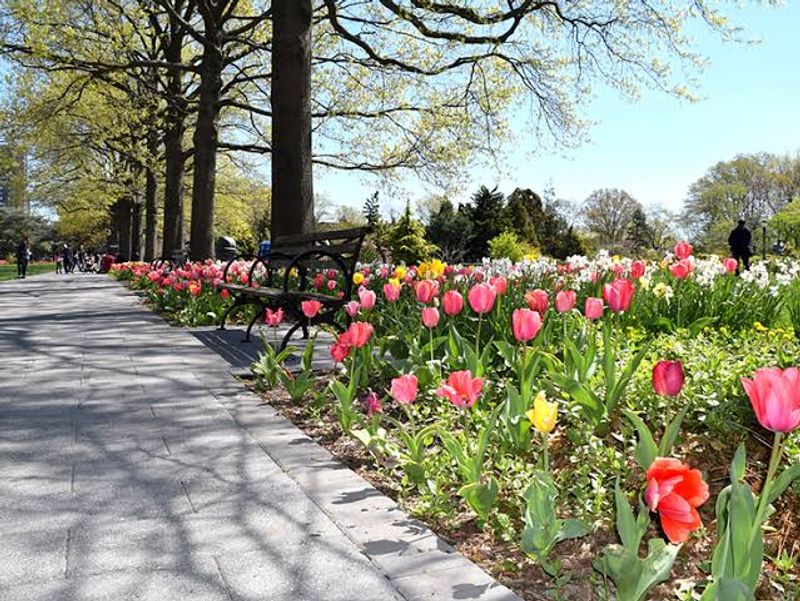
Sometimes the most memorable gardens are the ones that feel immediately welcoming rather than grand. The paths are approachable, the plantings feel close enough to study, and there is a freshness in the air that makes you notice scent before spectacle.
It feels personal in the best way.
That is the charm of Queens Botanical Garden in Flushing, where sustainable design is not just a concept but part of the atmosphere. The Bee Garden hums with life, the Fragrance Walk invites you to slow down, and seasonal blooms keep the scene changing throughout the year.
I find this garden especially easy to recommend because it rewards attention without demanding expertise. You can come simply wanting a peaceful hour, then leave remembering pollinators at work, a particularly fragrant planting, and the rare pleasure of finding nature woven so thoughtfully into the neighborhood.
Conservatory Garden
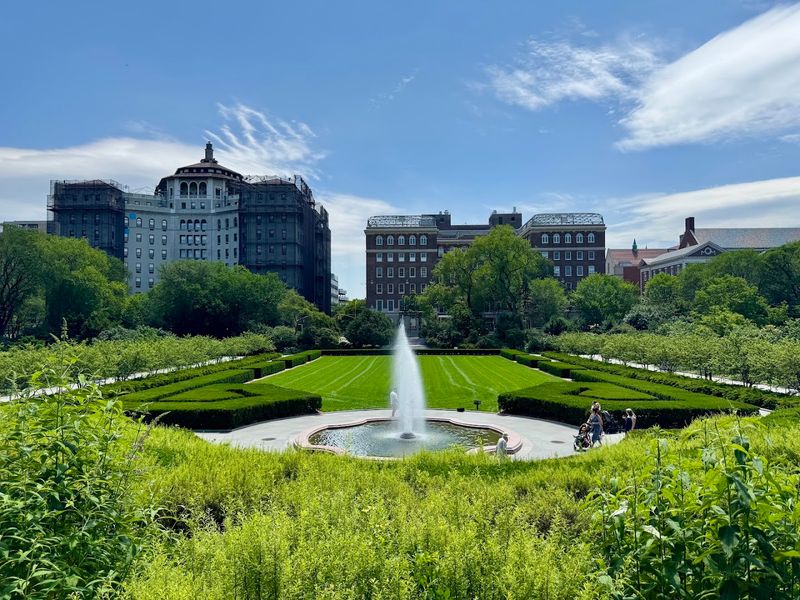
Behind its ornate gates, the city suddenly feels edited down to fountains, petals, and birdsong. It is one of those Manhattan experiences that still catches people off guard, a formal garden hidden inside a park famous for bigger gestures.
The effect is graceful rather than flashy.
Conservatory Garden, on the quieter northern end of Central Park, is arranged in Italian, French, and English garden rooms. Depending on the season, you might find tulips lifting the whole place into color, neat hedges framing walkways, or fountains adding a gentle soundtrack.
I always think this is where New York shows its softer side. The symmetry makes it feel composed, but the shifting blooms keep it from becoming too perfect, and that little tension between order and life is exactly what makes a slow stroll here feel so restorative.
Old Westbury Gardens
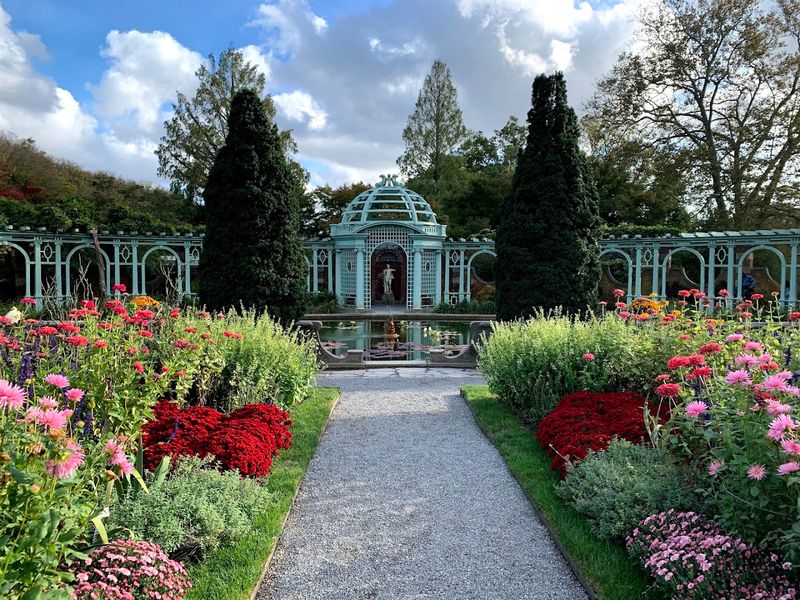
There is a certain kind of beauty that feels inseparable from old houses, long lawns, and afternoons with nowhere urgent to be. The breeze moves through the trees, gravel paths pull you forward, and the whole scene seems designed for lingering.
It is easy to imagine a different century here.
Old Westbury Gardens delivers that atmosphere with unusual ease. The Charles II-style mansion anchors rose-filled spaces, a walled garden adds intimacy, and woodland trails offer a quieter counterpoint when you want to trade elegance for shade and birdsong.
What makes this place memorable is not just the architecture or the flowers, but the rhythm of moving between them. One moment you are admiring formal design, and the next you are walking under trees, carrying that cinematic estate mood with you a little longer than expected.
Sonnenberg Gardens & Mansion State Historic Park
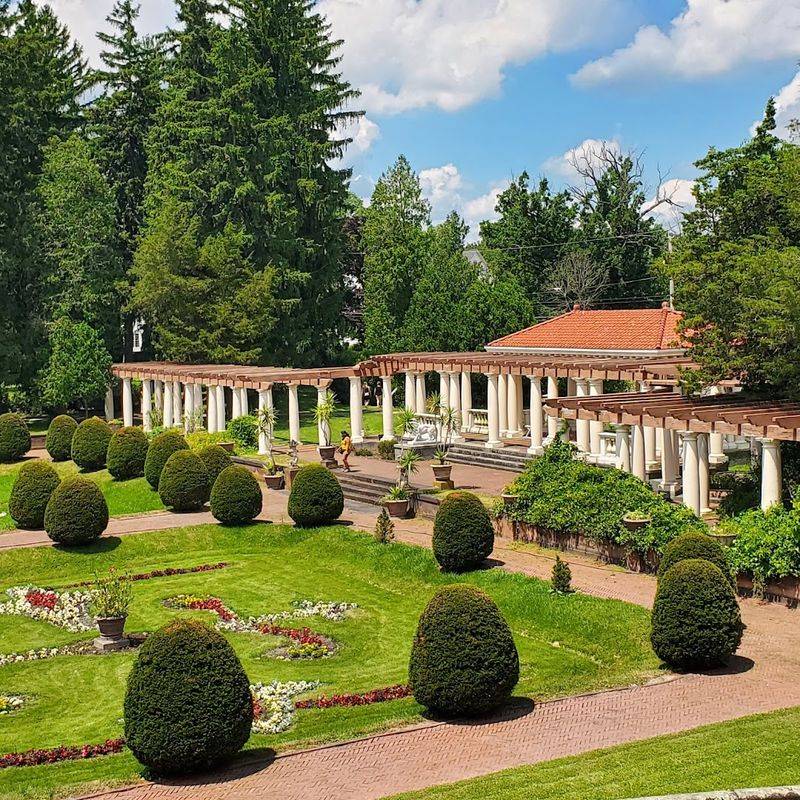
The Finger Lakes have a way of making landscapes feel spacious and intimate at once, and this garden leans fully into that mood. You move from one designed scene to another, yet nothing feels rushed or overly arranged.
Instead, it unfolds like a long afternoon with excellent pacing.
Sonnenberg Gardens & Mansion State Historic Park in Canandaigua is known for its nine historic gardens, each with a distinct personality. The Japanese Garden offers calm and reflection, the Italian Garden brings formality and flourish, and the greenhouse complex adds texture for anyone drawn to cultivated detail.
I like that the estate invites comparison without becoming repetitive. Every section changes the tone a little, so your attention stays fresh, and by the end you are not just remembering flowers, but transitions – from terrace to path, from still water to open lawn, from one era to another.
Cornell Botanic Gardens
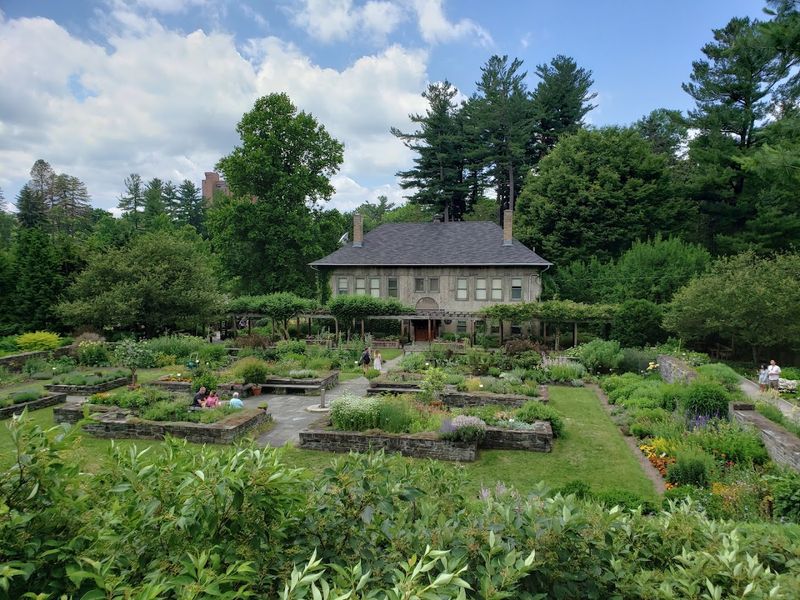
Some gardens feel most alive when they blur the line between curated and wild. The paths rise and dip with Ithaca’s terrain, and the air carries that upstate mix of leaf scent, moisture, and open sky.
It feels less like entering a display and more like entering an ecosystem.
Cornell Botanic Gardens spreads that feeling across an arboretum, a wildflower garden, the Mullestein Winter Garden, and extensive natural areas. Because it is part of the Cornell landscape, there is a thoughtful, studied quality here, but it never overshadows the simple pleasure of walking.
What stays with me is the sense of discovery. You might notice labeled plants and careful design one moment, then find yourself drawn to a broader view, a wooded path, or the way seasonal color settles over the hills around Ithaca and changes the whole pace of the day.
Boscobel House and Gardens
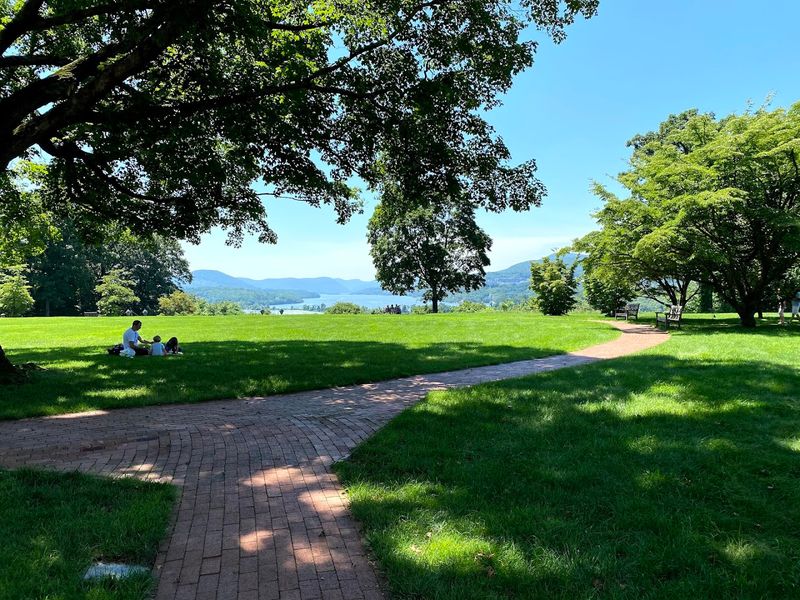
The first thing that grabs you here is not a bloom but a horizon. Light moves across the Hudson in broad strokes, the mountains sit beyond like a painted set, and the garden seems to know exactly when to step back and let the view do its work.
It is quietly stunning.
Boscobel House and Gardens in Garrison pairs formal plantings with woodland paths and one of the most memorable river outlooks in the region. The historic estate setting adds polish, but the atmosphere never feels stiff, especially when the breeze picks up across the lawn.
I find this place especially appealing near the end of the day, when the scenery softens and everything feels a little suspended. You come for gardens, yes, but you also leave remembering perspective – the long waterline, the open sky, and how beautifully the Hudson Valley holds both.
Innisfree Garden
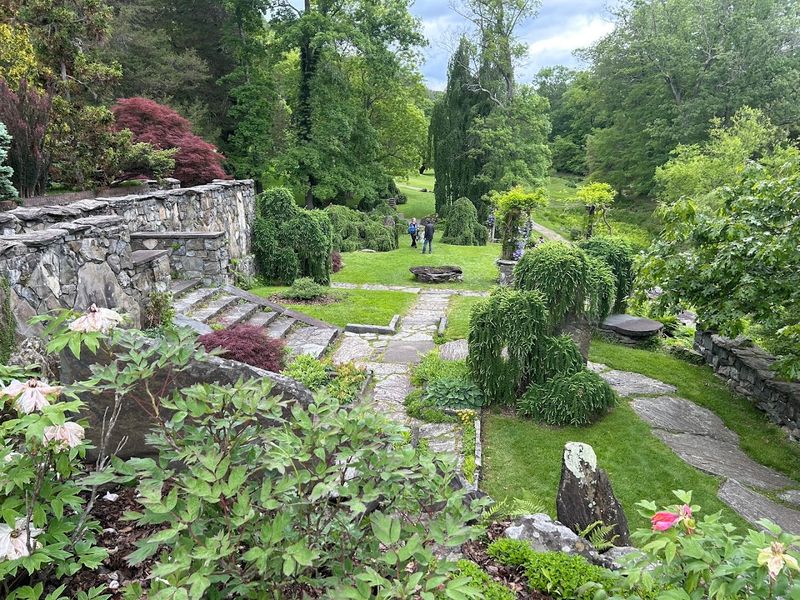
Stillness can be a design principle, and you feel that almost immediately here. Water reflects trees with barely a ripple, pathways encourage a measured pace, and each turn seems arranged to quiet the mind rather than impress it.
The effect is subtle, which is exactly why it lingers.
Innisfree Garden in Millbrook is one of America’s finest Asian-inspired gardens, built around a lake and a sequence of thoughtful landscapes. Sculptures appear without fanfare, walking trails frame long views, and the composition feels less formal than deeply considered.
What makes it worth seeking out is the way it changes your attention. Instead of rushing toward a single famous feature, you start noticing edges, reflections, stones, and the spacing between things, and that slower kind of seeing becomes the real souvenir long after the Hudson Valley drive home.
Landis Arboretum
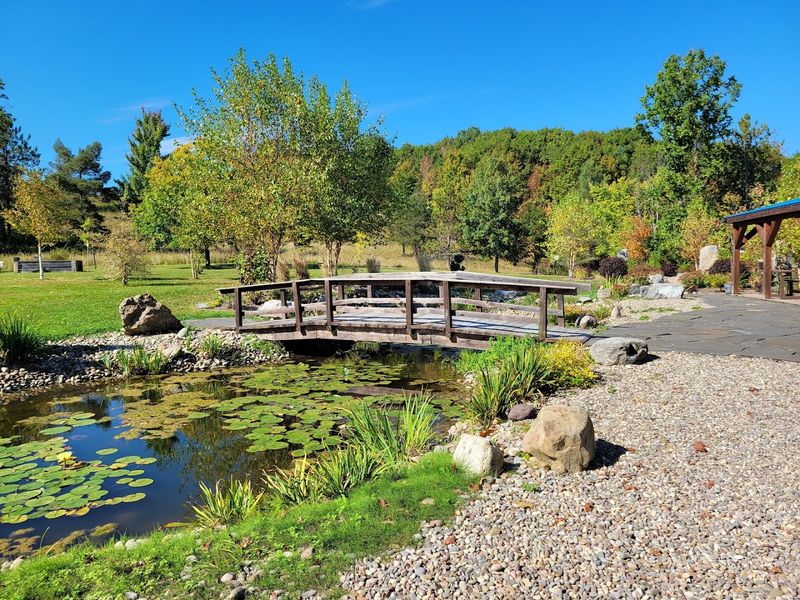
Not every memorable garden needs polished grandeur. Sometimes what you want is open space, honest quiet, and the feeling that trees matter as much as flowers.
This is the kind of place where the landscape seems to breathe a little deeper, and you tend to do the same.
Landis Arboretum in Esperance offers native trees, woodland gardens, and educational trails that make the experience feel grounded rather than ornamental. It is public, accessible, and refreshingly unpretentious, with room to walk, notice changing seasons, and reconnect with the basics of the natural world.
I like it for the absence of pressure. You are not chasing a single signature view or perfect bloom; you are simply moving through a living collection that feels rooted in place, and that straightforward relationship between people, paths, and plants gives the visit a quiet kind of clarity.