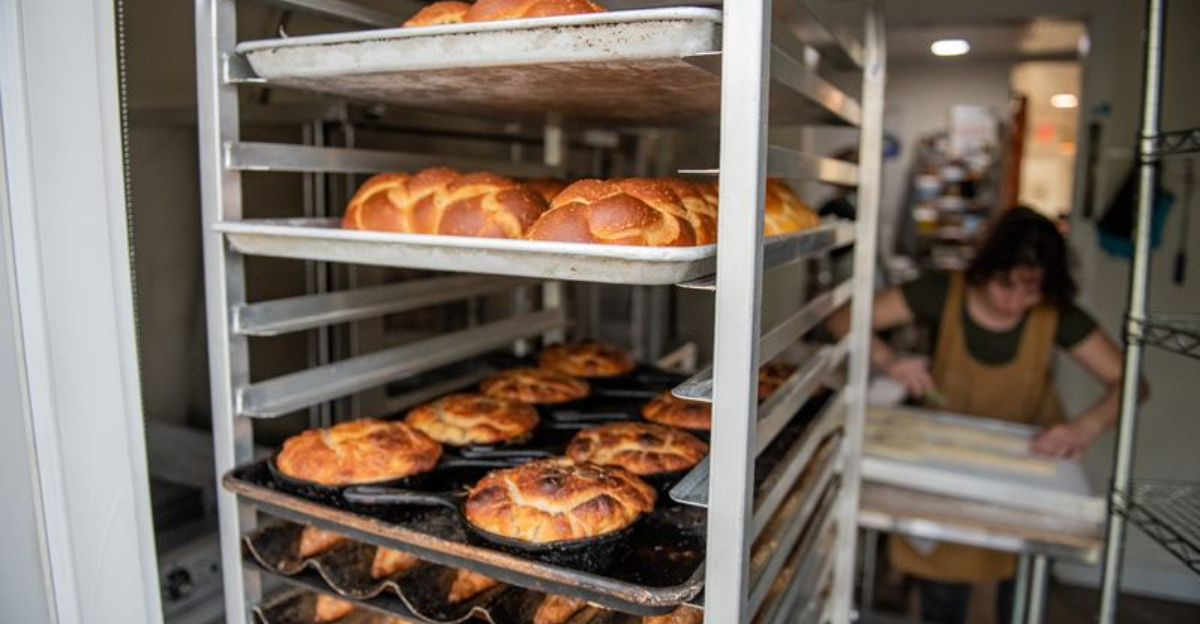
The first time dough rises on your counter, it feels almost like a little kitchen miracle — until you learn the simple movements behind it. A gentle fold, the right amount of kneading, and a little patience can transform flour and water into a loaf worth sharing.
Across North Carolina, baking classes are helping home cooks discover that homemade bread does not have to be intimidating. In welcoming kitchens and hands-on workshops, instructors guide beginners through everything from mixing dough to shaping beautiful loaves, with the scent of fresh bread filling the room along the way.
These classes offer more than a recipe; they create a relaxed space to learn a timeless skill and enjoy the process. Explore these 10 North Carolina baking classes where making homemade bread feels approachable, rewarding, and surprisingly easy.
Sur La Table
The first thing you notice is how quickly your shoulders drop once flour hits the counter. Bread sounds technical until someone places warm dough in your hands and breaks the process into simple, manageable steps.
Suddenly the idea of making a golden loaf at home feels less like a project and more like a weekend habit.
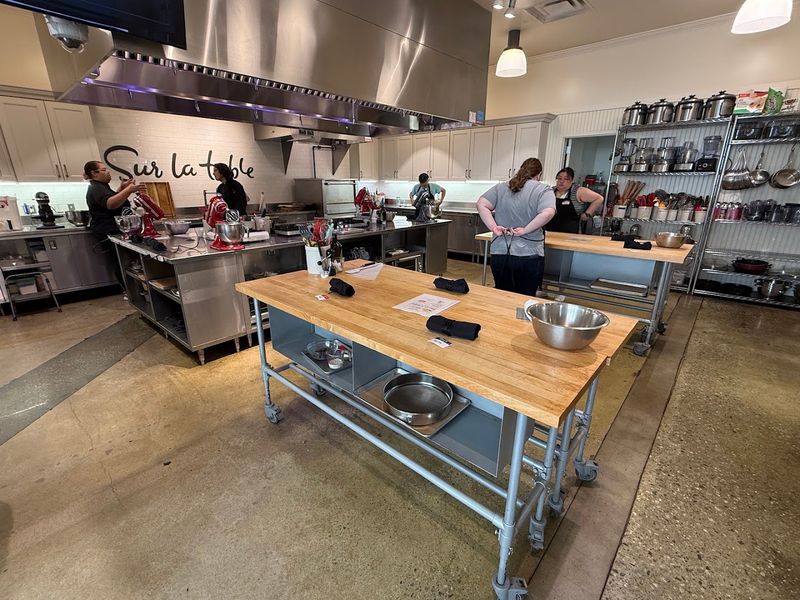
That is the quiet magic at Sur La Table in Raleigh, where instructor-led classes often cover artisan bread, French loaves, brioche, croissants, and sourdough. Inside the store on Six Forks Road, the setting feels polished but never stiff, and beginners are guided through mixing, shaping, and reading texture with confidence.
I like that the experience balances precision with reassurance. You leave remembering the scent of butter, the look of properly proofed dough, and a few practical tricks that make your own kitchen seem far less intimidating afterward.
Asheville Mountain Kitchen
Mountain light has a way of making everything feel calmer, even the messy business of sticky dough and butter layers. In a small class, you can actually hear questions being answered, smell yeast waking up, and notice the exact moment a nervous beginner starts trusting the process.
That intimacy changes everything.
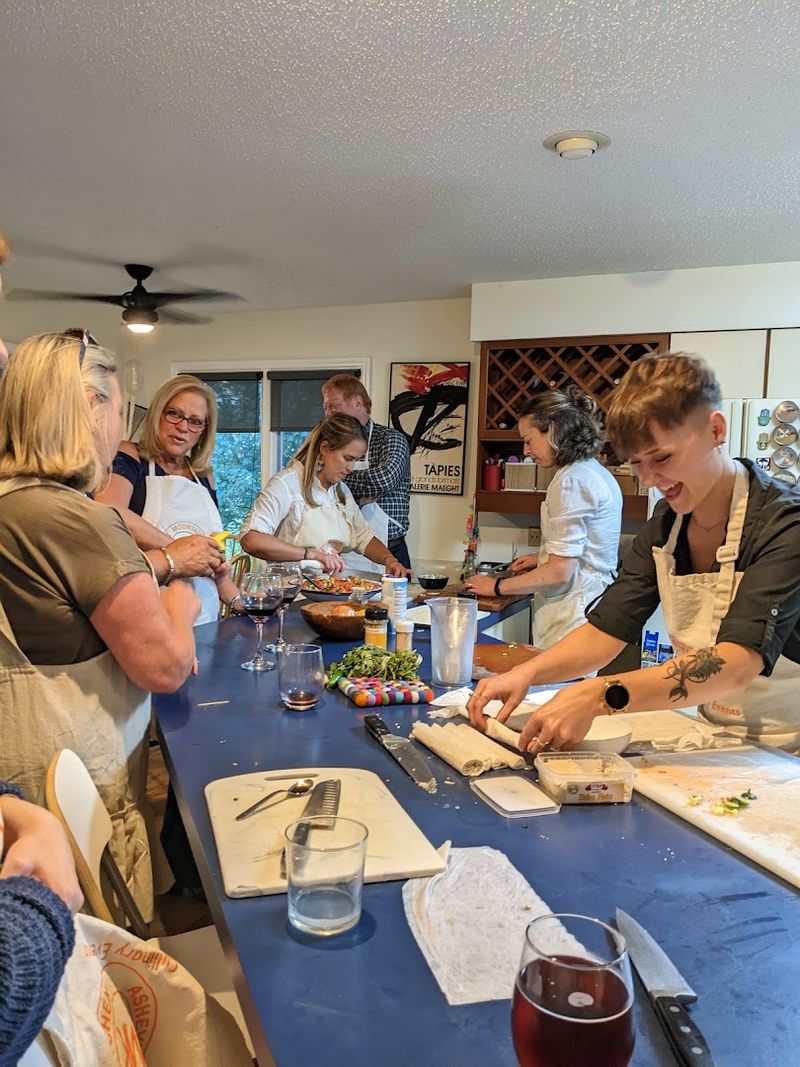
At Asheville Mountain Kitchen, tucked on East Sondley Drive in Asheville, the hands-on atmosphere feels personal rather than performative. Seasonal workshops often move through croissants, artisan breads, and European-style baking, with enough attention from the instructor that small corrections become memorable breakthroughs instead of confusing notes.
What stays with you is the sense of care. One class might send you home thinking about crackling crust, another about laminated dough and cold butter, but either way you leave with techniques that feel usable, not distant, and a little more confidence than you expected.
The Asheville Kitchen
Some kitchens feel instantly conversational, the kind of place where strangers start comparing flour preferences before the oven even preheats. There is an easy, neighborhood energy that takes the pressure off and lets curiosity lead.
When bread is taught in that setting, the learning feels natural instead of overly serious.
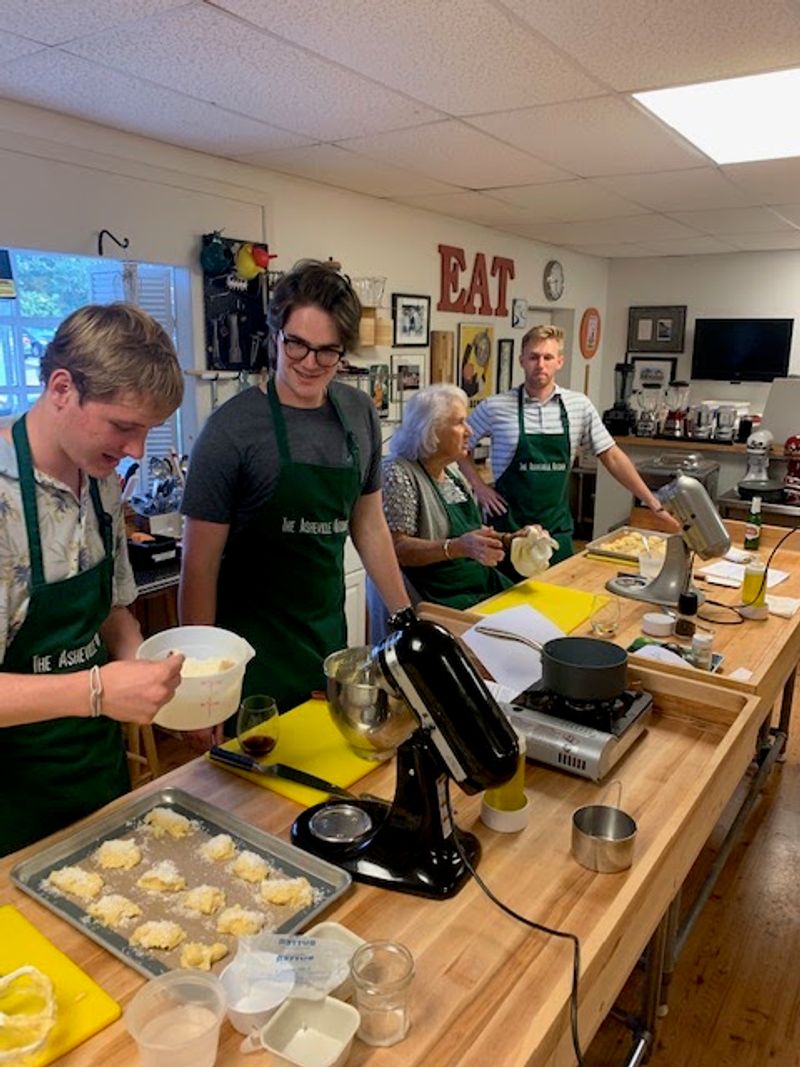
That is part of the appeal at The Asheville Kitchen on Merrimon Avenue in Asheville. Its baking-focused classes rotate with the season, so bread and pastry workshops can feel timely, fresh, and connected to whatever people are craving at that moment, from crusty loaves to more delicate baked treats.
I appreciate places that leave room for discovery. Here, you are not just following a fixed script but paying attention to dough texture, oven timing, and the small visual cues that make home baking easier later, especially when you want results that look rustic but still feel intentional.
Wynton’s World Cooking School
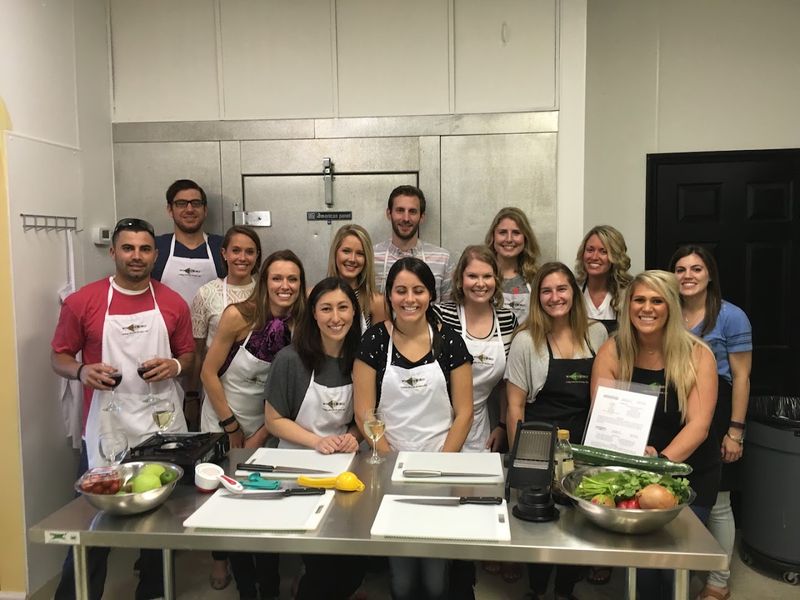
There is something reassuring about watching technique replace guesswork in real time. A dough that seemed unruly five minutes ago suddenly smooths out, and the instructor explains why, not just how.
That difference matters when you want to repeat the result at home instead of hoping luck shows up again.
Wynton’s World Cooking School in Cary gives that kind of clarity. At the North Harrison Avenue location, baking fundamentals sit alongside specialty bread and pastry classes, making it a strong fit for home bakers who want to sharpen skills without feeling like they have enrolled in a rigid culinary boot camp.
The atmosphere leans approachable, but the instruction still feels purposeful. You might leave thinking about shaping, oven spring, or the texture of enriched dough, yet the biggest takeaway is simpler: bread becomes less mysterious once someone teaches you how to notice the little details that actually matter.
Little Loaf Bakery and Schoolhouse
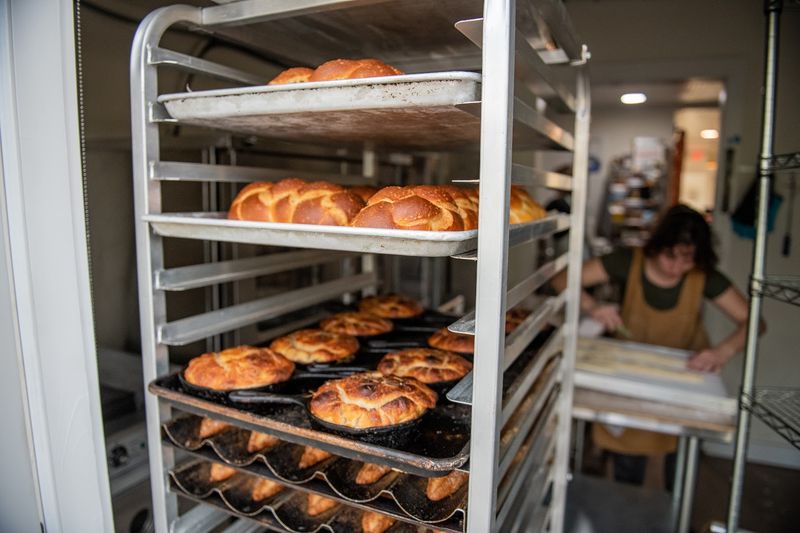
The smell alone is enough to slow you down: toasted crust, a hint of tang, and that deep grainy warmth that only real fermentation seems to create. Bread can feel wonderfully alive in a place like this, where time matters and shortcuts are not the point.
You start paying closer attention without even trying.
At Little Loaf Bakery and Schoolhouse in Wilmington, the focus on naturally fermented breads gives classes a grounded, craft-forward rhythm. On Wrightsville Avenue, students work through sourdough ideas that once seemed overly complicated, learning how starter behavior, shaping, and baking all connect in practical ways.
I love that the lessons feel rooted in a real bakery environment rather than a purely theoretical one. You come away remembering the blistered crust, the weight of a proofing basket, and the simple comfort of realizing that patient bread can still fit into an ordinary home routine.
Flour Petals Sourdough
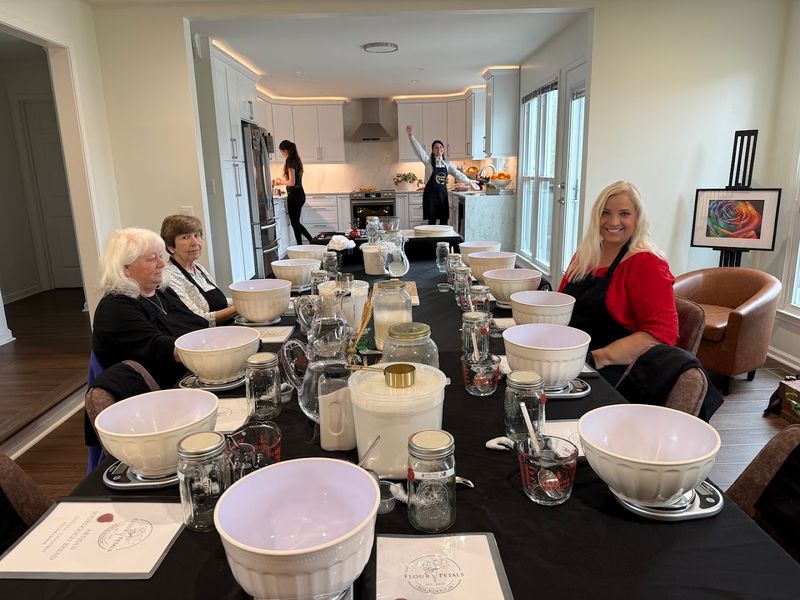
Few things in baking seem more intimidating than a jar of starter with its own schedule and personality. Then someone explains it plainly, lets you see the bubbles, and shows how fermentation is less magic than observation.
That shift from confusion to curiosity is what makes sourdough finally click.
Flour Petals Sourdough focuses specifically on that journey, offering North Carolina classes centered on starter maintenance, fermentation, shaping, and baking technique. Because the subject stays narrow, the instruction can go deeper, helping you understand why dough rises unevenly, how timing affects flavor, and what signs to trust.
What I find most useful is the practical confidence it builds. Instead of leaving with vague inspiration, you leave with a mental map for feeding a starter, handling sticky dough, and baking a loaf with a crisp ear and a tender interior that actually feels repeatable at home.
Flour Power Cooking Studio North Hills
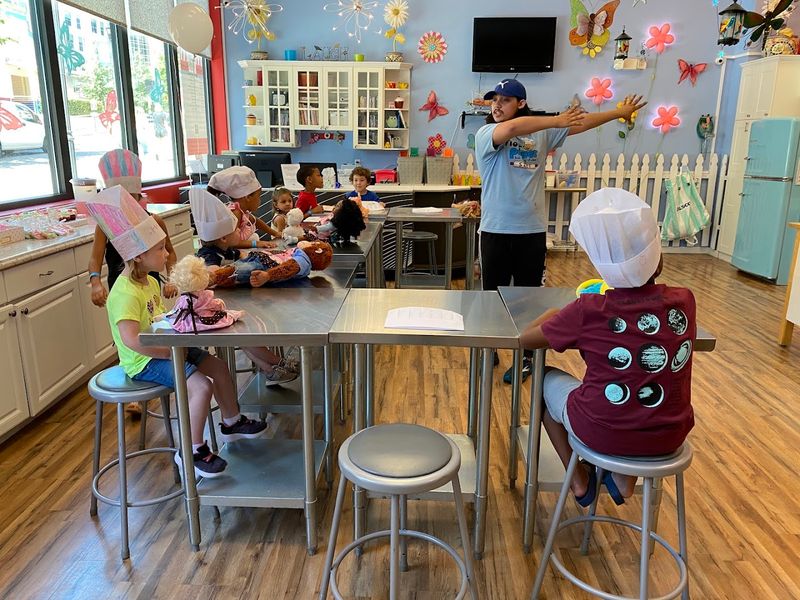
Sometimes the best way to make bread feel easy is to stop treating it like a solemn project. In a room with laughter, a little flour on everyone’s sleeves, and dough that is meant to be touched, baking becomes playful again.
That lighter mood can be exactly what hesitant beginners need.
Flour Power Cooking Studio in North Hills, Raleigh, leans into that welcoming energy with family-friendly classes that often include bread, rolls, pizza dough, and sweeter baking projects. The Park at North Hills location feels bright and social, making it easier to focus on doing rather than overthinking every step.
I like this kind of class for building comfort fast. One minute you are stretching dough for pizza, the next you are learning how texture changes with kneading, and before long the whole process feels accessible enough to recreate on a busy weeknight or a low-key Sunday afternoon.
Central Piedmont Community College – Baking & Pastry Arts
Big cities can make craft feel anonymous, yet bread has a way of pulling attention back to the tactile and specific. You notice the drag of dough against the table, the warmth near the oven door, and the exact shade where crust turns from blond to ready.
Those details become the lesson.
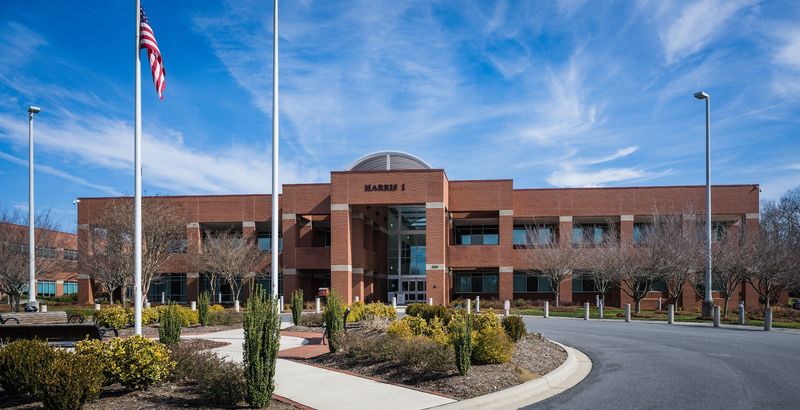
Central Piedmont Community College in Charlotte offers a comprehensive baking program where artisan bread production is part of the core training. That broader setting can be especially useful if you want your bread skills to sit within a stronger understanding of pastry, production rhythm, and the discipline of a working kitchen.
What I like here is the sense of momentum. Instead of treating bread as an isolated hobby, the program places it inside a larger craft, which can sharpen your eye for consistency and timing while still giving you those satisfying, flour-dusted moments that make a fresh loaf feel personal and immediate.
Asheville-Buncombe Technical Community College – Baking & Pastry Arts
In a city that already appreciates handmade food, learning bread can feel tied to a larger culture of craft. You sense that people care about texture, fermentation, and good butter, and that shared seriousness makes even beginner questions feel welcome.
It is an encouraging environment for building real skill.
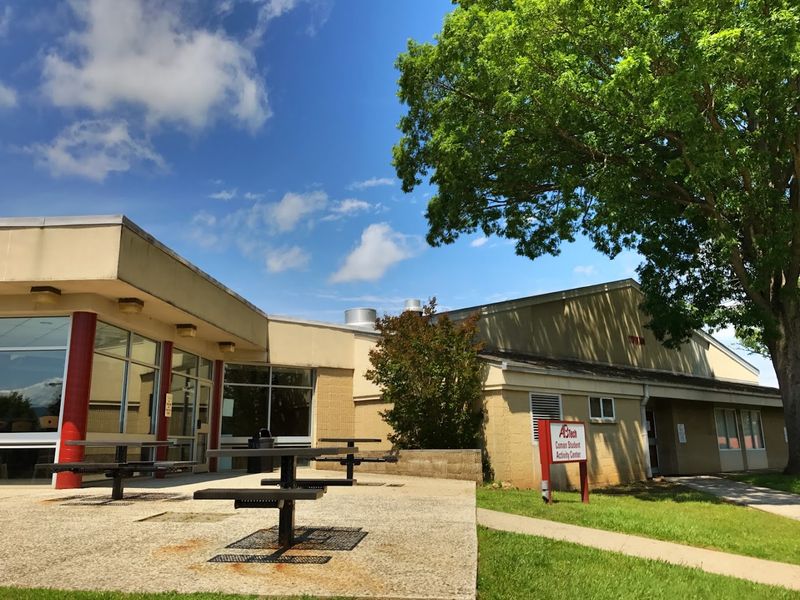
Asheville-Buncombe Technical Community College brings that spirit into its Baking and Pastry Arts instruction, where artisan bread training is part of an accredited program. In Asheville, the setting offers a practical path for students who want more than a one-off workshop and prefer a deeper, structured approach.
The value, to me, is in the repetition and context. When bread is taught alongside broader pastry knowledge, you begin to understand not just how to produce a loaf, but how ingredients behave, how timing changes outcomes, and why a few small adjustments can turn a decent bake into something genuinely memorable.
The Stocked Pot Culinary Team Building Events
Bread gets easier when it becomes social. Someone laughs at a lopsided roll, another person masters shaping first, and before long the room feels more like a dinner party in progress than a class.
That kind of shared energy lowers the stakes in the best possible way.
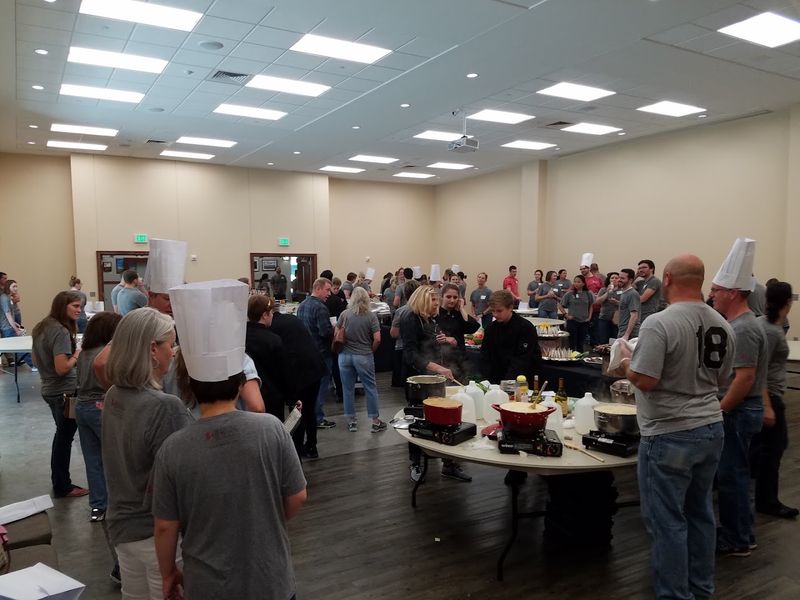
The Stocked Pot in Lewisville offers private and scheduled culinary events that periodically include bread-making and baking workshops. At the Kings Tree Road location, the setup works especially well for small groups, where conversation, hands-on learning, and a little friendly comparison can keep the experience relaxed but still instructive.
I think this format suits people who learn by doing rather than obsessing over recipes alone. You remember the feel of the dough, the moment trays go into the oven, and the smell when everything emerges browned and ready, which makes it easier to imagine repeating the process with friends in your own kitchen.