Your favorite everyday products have stories far more surprising than you might imagine.
North Carolina is filled with places where chocolate bars, cheese, pickles, coffee, cookies, and even musical instruments begin their journey. Step behind the scenes and you’ll find skilled hands, humming machinery, and recipes or techniques that have been perfected over decades.
These factory tours bring everyday items to life in ways a grocery store shelf never could.
The smell of fresh cookies drifting through the air, molten chocolate pouring into molds, or beer bubbling inside giant fermentation tanks turns a simple visit into something you’ll remember long after you leave.
Whether you’re planning a weekend road trip or simply love seeing how things are made, these North Carolina destinations offer a rare chance to witness the craftsmanship behind products millions of people enjoy every day.
You may never look at your favorite foods and household favorites the same way again.
French Broad Chocolate Factory
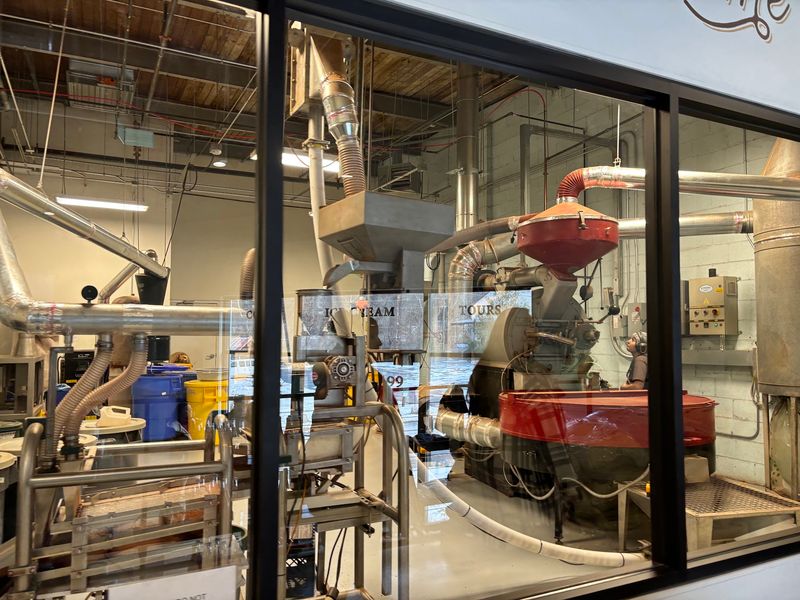
Chocolate lovers step into pure magic when they enter this Asheville chocolate paradise. The air smells sweet and rich as cacao beans tumble in giant roasting machines, starting their journey from raw ingredient to smooth candy bar.
You’ll watch workers pour molten chocolate into molds and learn why good chocolate takes patience and skill.
The guided tours reveal every secret step of bean-to-bar production. Expert guides explain how different cacao beans create unique flavors, just like grapes make different wines.
Tasting samples throughout the tour lets you experience these differences firsthand.
What makes this factory special is its commitment to quality over speed. They source beans directly from farmers in South America and handle everything in-house.
Kids especially love seeing the chocolate waterfall and getting free samples.
Tours run daily and include generous tastings of finished products. You can watch chocolatiers hand-wrap truffles and create seasonal specialties.
The factory store sells fresh chocolate you just saw being made, perfect for gifts or treating yourself.
Sierra Nevada Brewing Company
Massive copper brewing kettles tower above you like giant science experiments bubbling with future beer. Sierra Nevada’s Mills River facility stretches across acres of production space, making millions of bottles and cans each year.
The scale amazes first-time visitors who expected something smaller.
Tours guide you through each brewing stage, from grain delivery to packaging. You’ll smell hops being added to boiling wort and see fermentation tanks holding thousands of gallons.
The brewery’s sustainable systems capture heat, recycle water, and even turn spent grain into cattle feed.
Beer geeks love the technical details about precise temperatures and timing. Regular folks just enjoy seeing how simple ingredients become complex flavors.
Either way, the process fascinates everyone who witnesses it.
The tasting room at tour’s end offers samples of signature beers and seasonal experiments. Knowledgeable staff answer questions about recipes and brewing science.
Large windows overlook mountains, making this one of America’s most scenic breweries. Tours book up fast during peak seasons, so reserve ahead.
Ashe County Cheese Factory
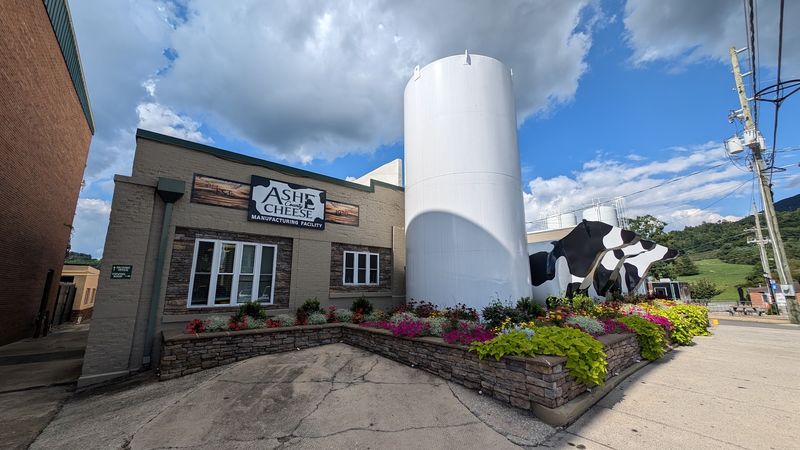
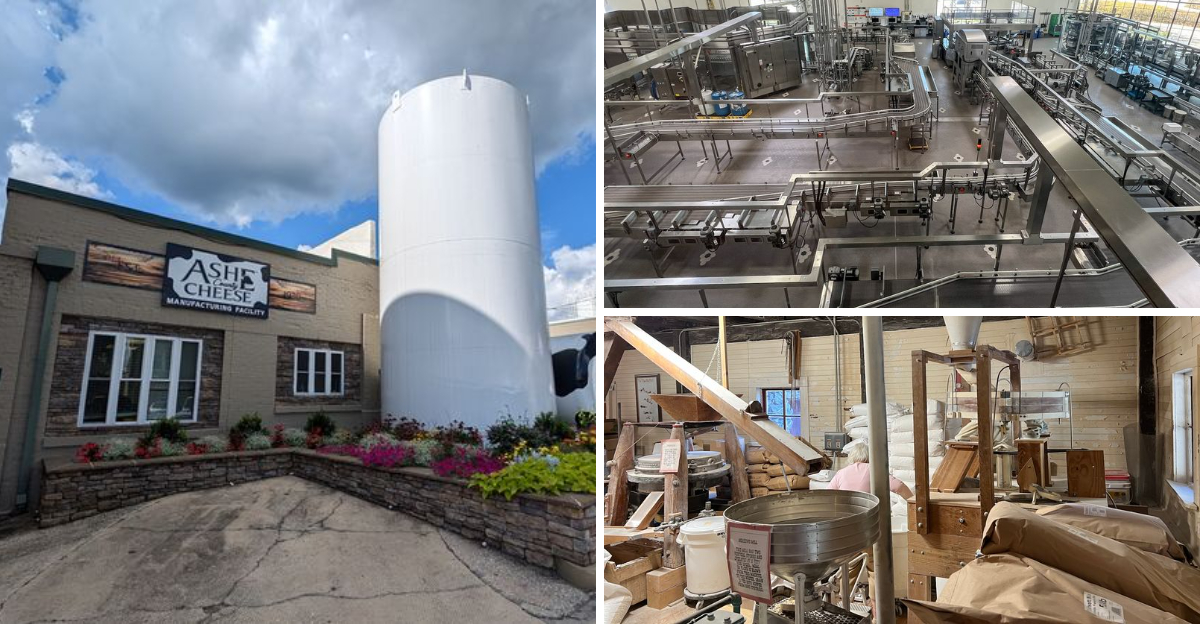
North Carolina’s oldest cheese factory still operates like it did decades ago, using traditional methods passed down through generations. Large viewing windows let you watch the entire cheesemaking process unfold on the production floor below.
Fresh milk arrives from nearby farms and transforms into cheese wheels right before your eyes.
Workers stir giant vats of warming milk, add cultures, then cut and press curds by hand. The process moves slowly and deliberately, nothing rushed or automated.
You can actually see individual cheese wheels being formed and wrapped.
Fresh samples await in the attached store, featuring varieties you just watched being made. The cheddar tastes sharper and creamier than supermarket versions, made without artificial ingredients or shortcuts.
Many visitors stock up on pounds of cheese to take home.
The factory sits in scenic West Jefferson, surrounded by mountain views. Small-town charm makes the experience feel personal and authentic.
Kids press their noses against viewing windows, mesmerized by swirling milk turning solid.
New Belgium Brewing
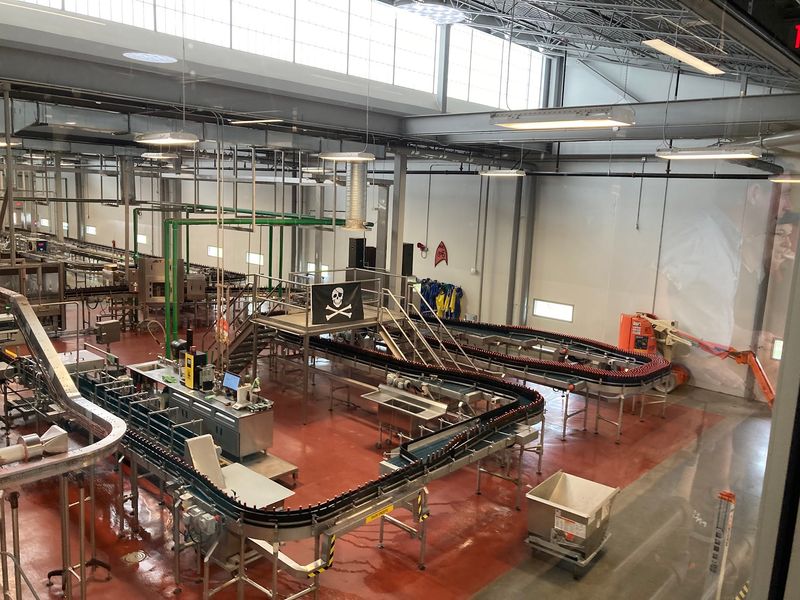
Walking into this Asheville brewery feels like entering a futuristic beer laboratory filled with shiny steel and precise technology. New Belgium invested heavily in environmental systems that reduce waste and save energy at every production step.
Solar panels, water recycling, and heat capture systems work quietly behind the scenes, making beer with minimal environmental footprint.
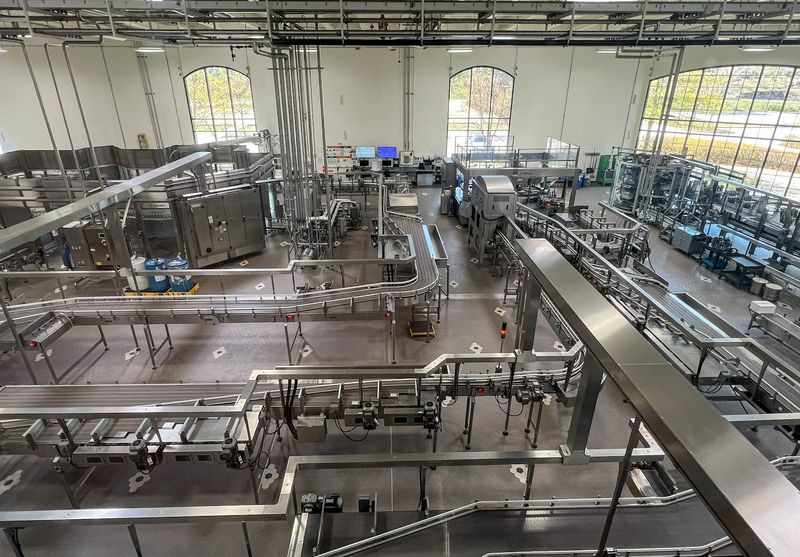
The tour explains how raw ingredients journey through modern brewing equipment. You’ll see computer-controlled fermentation and quality testing that ensures every beer tastes identical.
Canning lines move so fast the bottles blur, filling thousands per hour with robotic precision.
What sets New Belgium apart is their sustainability mission matching their beer quality. They’ll show you exactly how they minimize environmental impact while maximizing flavor.
It’s brewing for the future, not just today’s profits.
Sample beers in their spacious tasting room after tours finish. Fat Tire remains their flagship, but experimental brews rotate constantly.
Outdoor patios offer mountain views and food trucks serving local food. The facility welcomes families, with non-alcoholic options available.
Red Oak Brewery
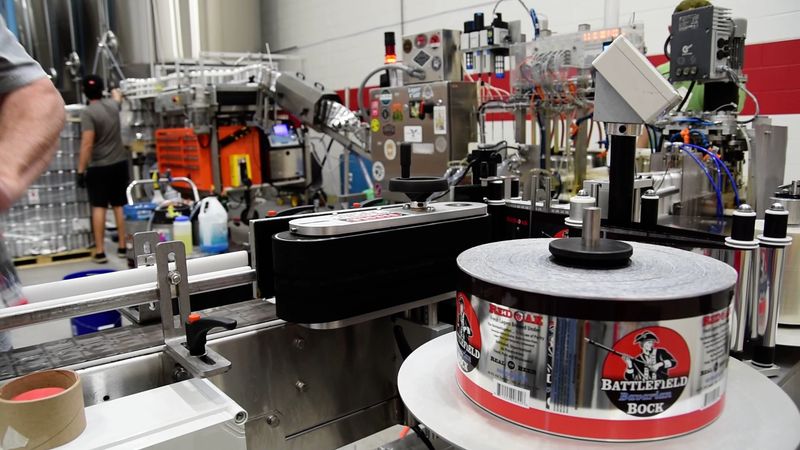
Bavarian brewing traditions thrive in North Carolina thanks to this Whitsett brewery’s dedication to old-world methods. Red Oak specializes in German-style lagers that require patience and precise temperature control, unlike quick-fermenting ales.
Their unfiltered beers taste cloudy but pure, just like Munich beer halls serve.
Tours showcase copper brewing equipment imported from Germany decades ago. You’ll descend into cool aging cellars where lagers rest for weeks, developing smooth flavors.
The slow process can’t be rushed without ruining the beer’s character.
Brewmasters explain why lagers need cold fermentation and extended aging. Most American breweries skip these steps because they’re expensive and time-consuming.
Red Oak refuses to compromise, creating authentic German beer in the American South.
Tasting includes several lager styles, from light pilsners to dark bocks. The naturally carbonated beers taste different from force-carbonated versions, smoother and more complex.
Many visitors become lager converts after trying truly well-made versions. The intimate brewery feels personal compared to massive corporate facilities.
Staff know regulars by name and share genuine passion for traditional brewing.
Mrs. Hanes’ Moravian Cookies
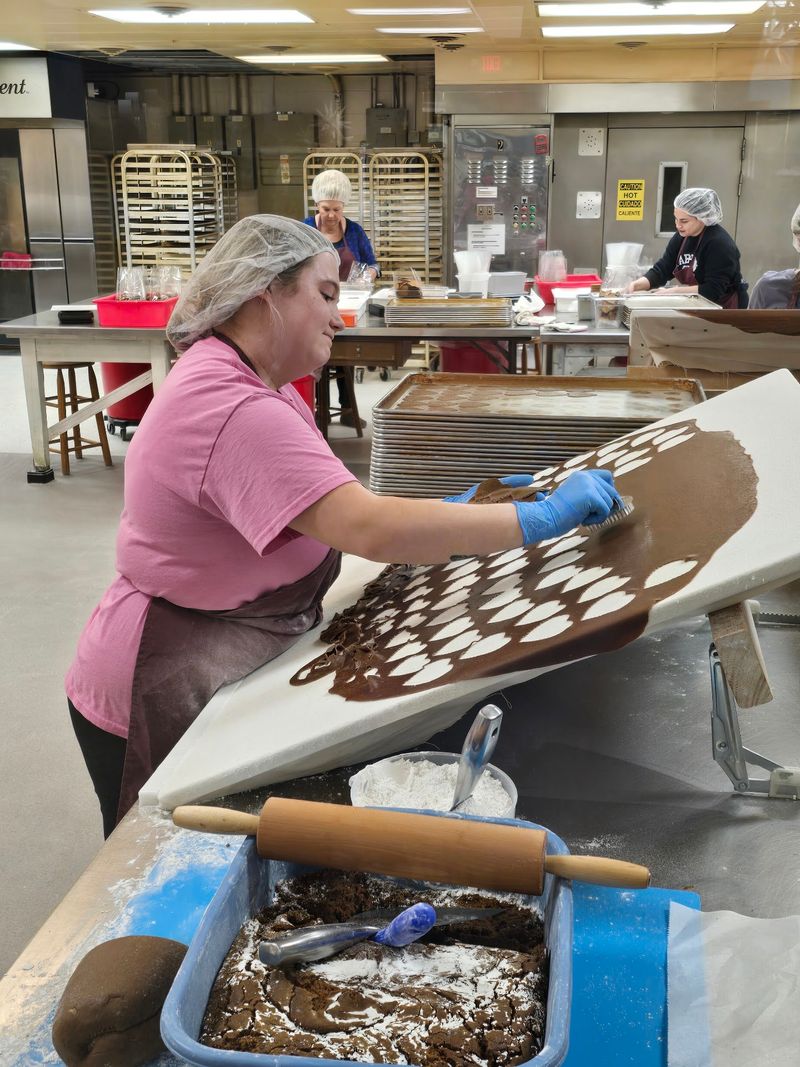
Paper-thin cookies snap and crackle as workers lift them from vintage ovens, filling the Winston-Salem factory with spicy-sweet aromas. Mrs. Hanes’ Moravian Cookies has baked these delicate treats using recipes dating back generations, preserving a cultural tradition.
The cookies are so thin you can almost see through them.
Visitors watch dough being mixed with molasses, ginger, and secret spices. Skilled workers roll dough incredibly thin before cutting shapes and sliding sheets into ovens.
The baking process requires constant attention and perfect timing.
What makes these cookies special is their connection to Moravian settler history. These weren’t just snacks but important cultural symbols brought from Europe.
The recipe survived centuries with minimal changes.
Fresh cookies emerge from packaging still warm, perfect for immediate sampling. Different seasonal flavors rotate throughout the year, from traditional ginger to lemon and butterscotch.
Many families order cookies year after year as holiday traditions. The factory store sells packaged cookies and shares historical information about Moravian communities.
Tour guides share stories about cookie-making traditions and family recipes passed through generations.
Videri Chocolate Factory
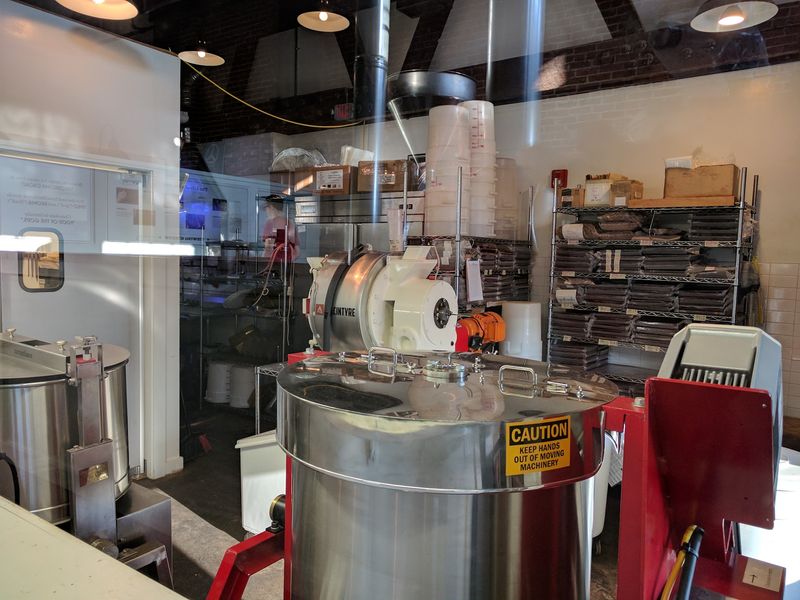
Self-guided exploration makes Videri’s Raleigh location perfect for curious visitors who prefer moving at their own pace. Large windows reveal the bean-to-bar chocolate-making process happening just feet away.
You can stand and watch as long as you want without rushing through a scheduled tour.
The small-batch approach means you might see different production stages each visit. Sometimes workers roast beans, other times they’re molding bars or hand-wrapping finished chocolates.
Organic ingredients and careful attention create premium chocolate sold nationwide.
A cafe serves espresso drinks paired with chocolate bars and bonbons made on-site. You can taste single-origin chocolate bars and notice how beans from different countries create distinct flavors.
Ecuador chocolate tastes fruity while Madagascar beans have citrus notes.
The intimate factory setting lets you ask chocolatiers questions directly. They’ll explain why tempering matters and how they select beans.
Kids enjoy watching the grinders transform whole beans into smooth chocolate paste. Downtown Raleigh location makes Videri easy to combine with other activities.
The factory stays open evenings, unusual for production facilities.
Old Mill of Guilford
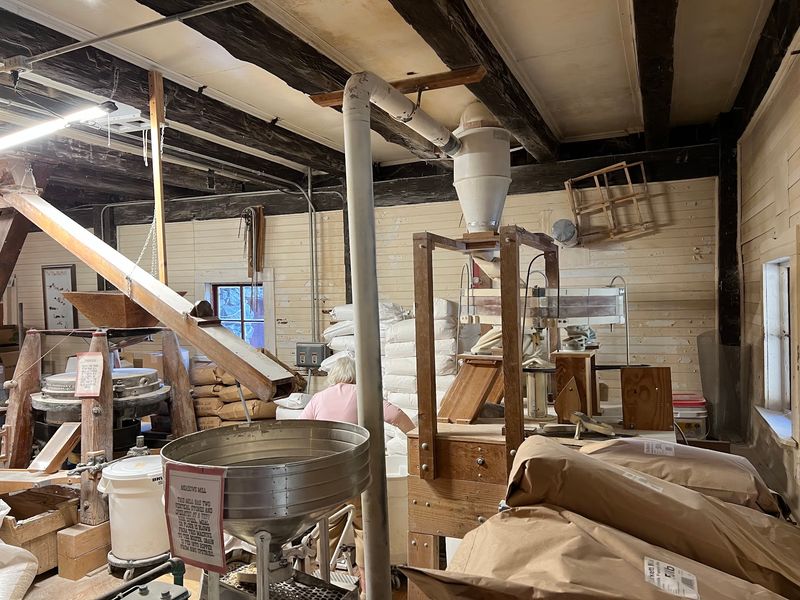
Massive stone wheels grind corn and wheat just like they did when America was young, powered by methods unchanged for centuries. The Old Mill of Guilford preserves traditional grain milling in Oak Ridge, showing how pioneers made flour without electricity or modern machinery.
Water or diesel power turns these historic stones slowly and steadily.
You’ll hear the grinding sound and smell fresh cornmeal being produced. Stone-ground flour tastes different from factory versions because low temperatures preserve nutrients and natural oils.
The slow process creates better flavor even if it’s less efficient.
Historic buildings transport visitors back to simpler times when local mills served whole communities. The mill once provided essential services to area farmers and families.
Today it keeps those traditions alive for educational purposes.
Fresh stone-ground cornmeal and flour are available for purchase. Home bakers appreciate the superior taste for cornbread and biscuits.
Many customers return regularly for authentic products. The mill offers a peaceful break from modern life’s constant rush.
Watching simple machinery do useful work feels almost meditative.
Homeland Creamery
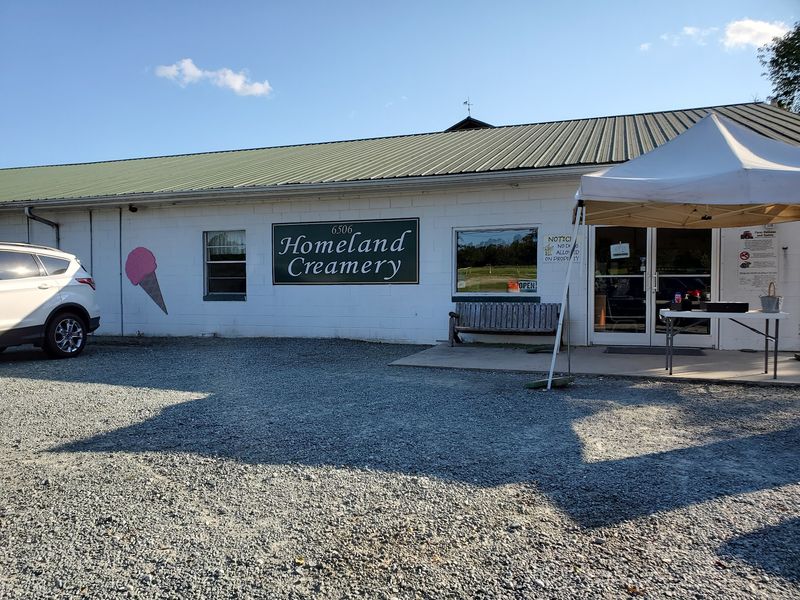
Farm animals graze peacefully while ice cream production happens nearby at this Julian dairy operation combining agriculture with delicious desserts. Guided farm tours show where milk begins its journey from happy cows to frozen treats.
You’ll meet the animals and see their living conditions firsthand.
The dairy operation handles milk processing and ice cream creation on-site. Workers explain how fresh milk becomes ice cream base, then gets flavored and frozen.
Local ingredients flavor many varieties, connecting dessert to surrounding farmland.
Kids absolutely love farm tours that include animal encounters and ice cream samples. Learning where food comes from becomes fun rather than just educational.
Many city children have never seen dairy cows up close.
The farm store sells ice cream in dozens of flavors made that week. Popular options include seasonal fruit varieties and classic favorites.
Some flavors use fruits and ingredients from nearby farms. Homeland Creamery proves small-scale dairy farming can thrive by connecting directly with customers.
Families return regularly for fresh ice cream and farm visits. Supporting local agriculture tastes extra sweet here.
Duplin Winery
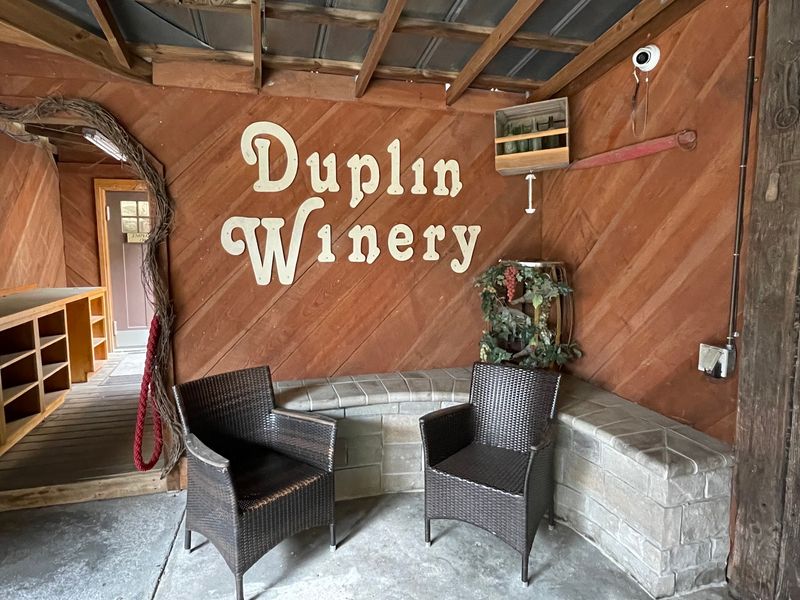
Massive stainless-steel tanks holding nearly two million gallons of wine dwarf visitors touring North Carolina’s largest winery. Duplin Winery in Rose Hill processes enormous quantities of Muscadine grapes into sweet wines beloved throughout the South.
The scale of production surprises people expecting a quaint boutique operation.
Tours costing thirteen to fifteen dollars start at the crushing pad where grapes begin their transformation. You’ll walk among giant tanks and learn about fermentation controlling wine’s sweetness and alcohol.
Active bottling lines fill thousands of bottles daily with mechanical precision.
The tour concludes with two wine samples and a free souvenir bottle to take home. Sweet Muscadine wines taste different from dry California varieties, appealing to those who dislike traditional wines.
The fruity flavors pair well with Southern cuisine.
North Carolina’s Muscadine grapes thrive in humid climates that destroy European grape varieties. Duplin helped establish the state’s wine industry by proving local grapes could make commercial success.
They’ve won numerous awards for their sweet wines. The winery also features gardens, gift shops, and event spaces for celebrations.