North Carolina has one of the most fiercely debated food cultures in the country, and almost all of it comes down to barbecue.
Eastern style versus Lexington style, whole hog versus shoulder, vinegar versus tomato: these are the kinds of arguments that define friendships and family reunions across the state.
But barbecue is only part of the story, because North Carolina also has a fried chicken tradition, a biscuit culture, and a growing fine dining scene that draws from the same deep-rooted Southern pantry.
Some have been around for generations; others are newer but just as committed to the ingredients and traditions that make North Carolina food worth seeking out.
Here are eleven spots that any serious eater traveling through the Tar Heel State should have on their list.
1. Lexington Barbecue, Lexington, Davidson County
Smoke hangs in the air like a welcome sign before lunch even begins.
In Lexington, Davidson County, Lexington Barbecue has helped define the city’s famous pork shoulder style since 1962.
Locals often call it Monk’s, a nod to founder Wayne Monk, and that nickname alone shows how personal the place feels.
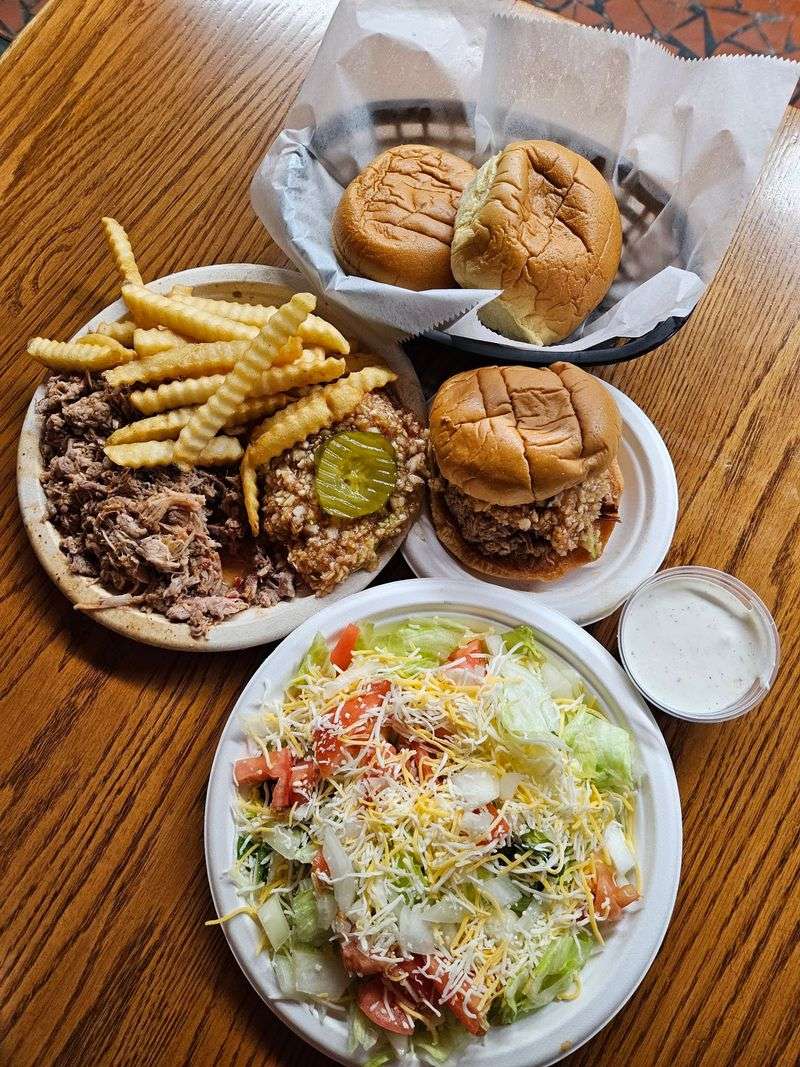
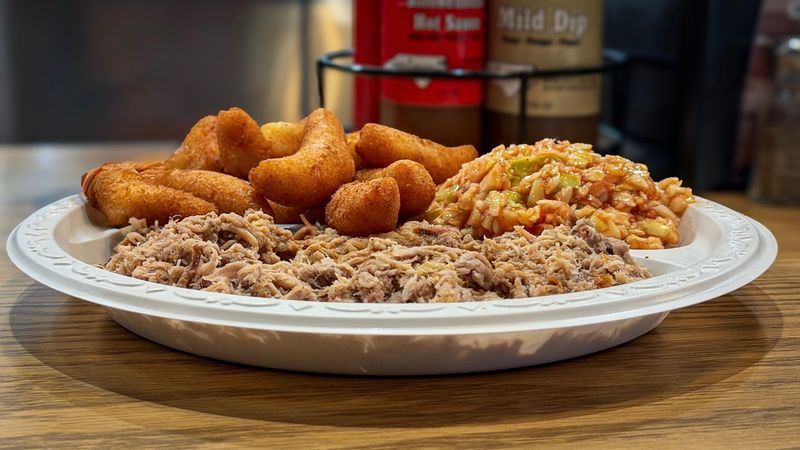
The barbecue is usually chopped or sliced, then served with a tangy vinegar and ketchup dip that gives Lexington style its bright kick.
Red slaw, hush puppies, fries, and sweet tea turn the plate into a full lesson in Piedmont food culture.
If you are new to North Carolina barbecue, ordering a coarse chopped tray is a smart, classic choice.
Arrive early if you can, because the best barbecue spots work on smoke time, not fast-food time.
Notice the woodpile, the steady crowd, and the no-fuss service.
Everything points to a tradition built on patience, pride, and repeat visits.
What makes this stop special is not fancy decoration.
It is the way one plate can explain a region’s taste, history, and loyalty.
2. Skylight Inn BBQ, Ayden, Pitt County
A building with a little dome on top might not look like a food landmark at first glance.
Yet in Ayden, Pitt County, Skylight Inn BBQ has earned national attention for whole-hog barbecue served with remarkable confidence.
The Jones family tradition goes back generations, and the restaurant keeps the menu focused instead of complicated.
Eastern North Carolina barbecue uses the whole pig and a sharp vinegar pepper sauce, so the flavor is clean, smoky, and lively.
The chopped pork often includes tiny crisp bits of skin, which add texture many regulars love.
Cornbread, slaw, and a paper tray keep the meal humble, direct, and easy to enjoy.
Visitors should know that this is not a place for a long menu search.
Order barbecue, trust the pit, and pay attention to the balance of smoke, vinegar, pork, and crunch.
That simple approach is part of the charm.
Skylight Inn captures Southern eating because it respects skill passed down by hand.
Nothing feels overdone, and every bite reminds you that tradition can still taste exciting.
3. Stamey’s Barbecue, Greensboro, Guilford County
Game days, family dinners, and road trips all seem to fit comfortably inside this Greensboro classic.
Stamey’s Barbecue in Greensboro, Guilford County, has been connected to North Carolina pit cooking for decades, with roots reaching back to founder Warner Stamey.
Its location near the Greensboro Coliseum makes it a favorite stop before concerts, basketball games, and community events.
The pork is cooked over hardwood coals, then chopped and paired with a thin, tangy dip.
Hush puppies arrive hot, slaw cools the plate, and Brunswick stew adds a cozy side option when you want something extra.
The flavor leans familiar, which is exactly why many people return again and again.
For a first visit, try a barbecue plate instead of rushing through a sandwich.
You will get a better feel for the sides, sauce, and old-school pacing.
Bring cash or check current payment details before you go, since long-running spots sometimes keep practical habits.
Stamey’s shows how Southern food can become part of a city’s rhythm.
It feeds crowds, honors old methods, and still feels relaxed enough for a weeknight meal.
4. Krispy Krunchy Chicken, Charlotte, Mecklenburg County
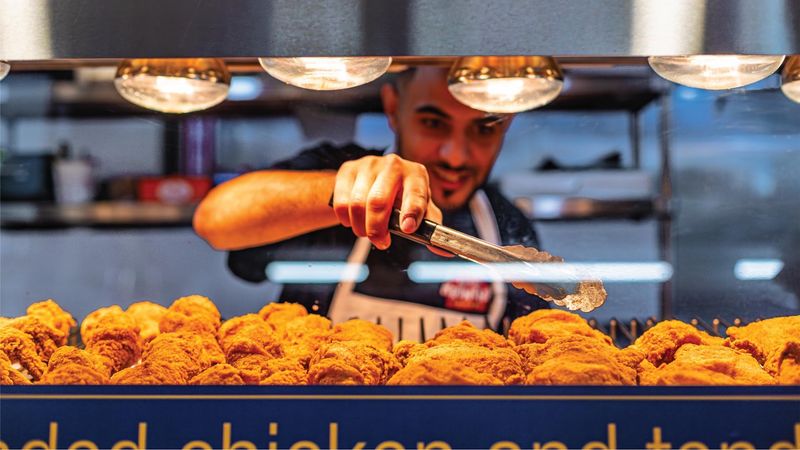
The smell of fried chicken once pulled people down South End streets like a magnet.
Krispy Krunchy Chicken in Charlotte, Mecklenburg County, became famous for takeout boxes packed with crispy chicken, hush puppies, slaw, and tater rounds.
Although the original spot closed in 2021, its memory still carries serious weight in North Carolina food conversations.
Including it here matters because Southern eating is not only about places still open today.
It is also about beloved counters that shaped neighborhoods, lunch breaks, family traditions, and late-afternoon cravings.
Krispy Krunchy Chicken proved that simple food, done well, could create a loyal following across generations.
The chicken was known for a crackly crust and juicy meat, the kind of meal best eaten right away from the box.
There were no fancy dining rooms or long speeches.
Customers came for flavor, speed, value, and the feeling that they were part of a Charlotte ritual.
Travelers cannot line up there now, but they can learn from its legacy.
Look for local fried chicken places that value freshness, quick service, and honest portions.
Krispy Krunchy Chicken remains a reminder that Southern food memories can be as powerful as any current menu.
5. Mama Dip’s Kitchen, Chapel Hill, Orange County
A plate at Mama Dip’s can feel like someone saved you a seat at Sunday dinner.
In Chapel Hill, Orange County, Mama Dip’s Kitchen grew from the cooking talent and big personality of Mildred Council, known lovingly as Mama Dip.
Her restaurant became a landmark for Southern comfort food and a symbol of Black entrepreneurship in the community.
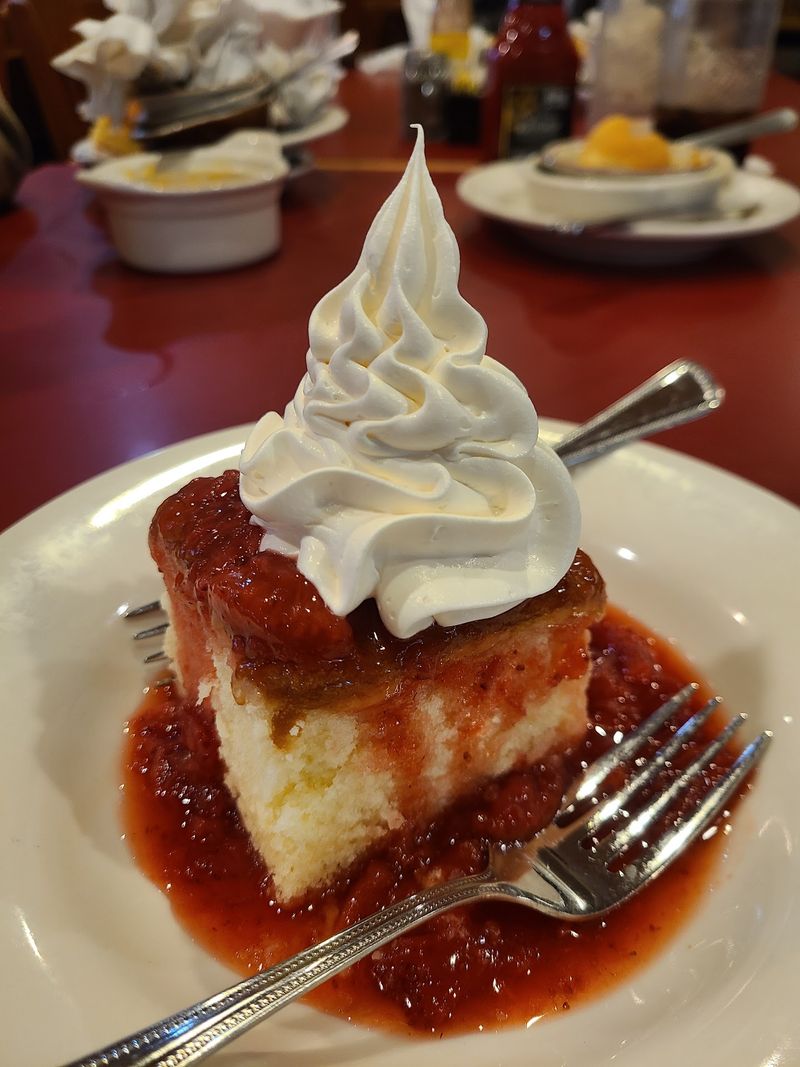
The menu has often included fried chicken, country-style vegetables, biscuits, cornbread, pork chops, pies, and other dishes tied to home cooking.
What stands out is the sense of care behind familiar food.
Good vegetables matter here, not just the meat at the center of the plate.
If you visit, come hungry and leave room for dessert.
Ask about daily specials, because Southern kitchens often shine brightest when seasonal sides and old favorites meet.
The experience is best when you slow down instead of treating the meal like a quick stop.
Mama Dip’s captures Southern eating through warmth, skill, and memory.
It reminds diners that recipes can carry family history, community strength, and personal courage.
Few places explain comfort food with such heart.
6. The Angus Barn, Raleigh, Wake County
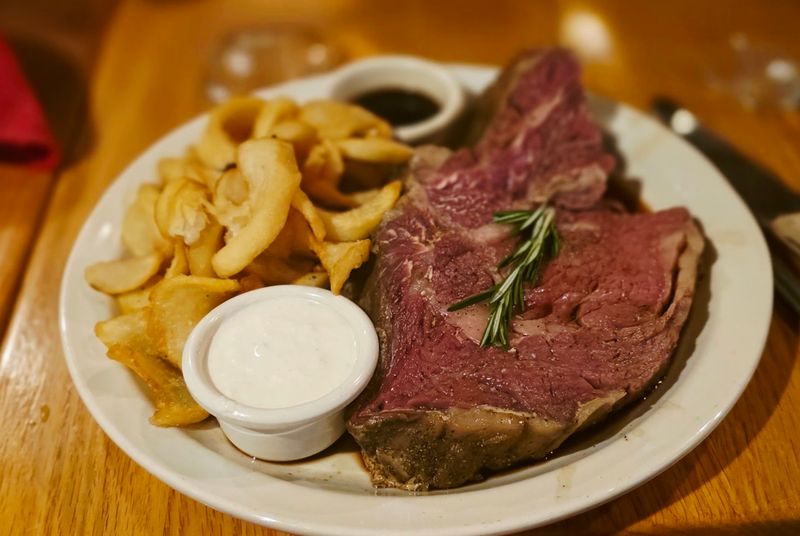
Red barn walls, warm lights, and the smell of steak make dinner feel like an occasion here.
The Angus Barn in Raleigh, Wake County, has been serving guests since 1960 and remains one of North Carolina’s best-known restaurants.
It blends steakhouse polish with a strong sense of Southern welcome.
People come for aged beef, ribs, seafood, loaded sides, house-made desserts, and the famous cheese and crackers that often start the meal.
The restaurant is also known for its huge wine cellar and holiday decorations, which turn a simple reservation into a memory.
This is a good choice for birthdays, anniversaries, family celebrations, or visitors who want something classic.
Plan ahead, because popular nights book quickly.
Dress can be comfortable but neat, and arriving a little early gives you time to enjoy the setting.
Servers are used to helping first-timers, so asking for recommendations is a smart move.
The Angus Barn shows another side of Southern eating.
Not every special meal comes from a small counter or smokehouse.
Sometimes hospitality means a grand room, careful service, and a steak cooked exactly right.
7. Crook’s Corner, Chapel Hill, Orange County
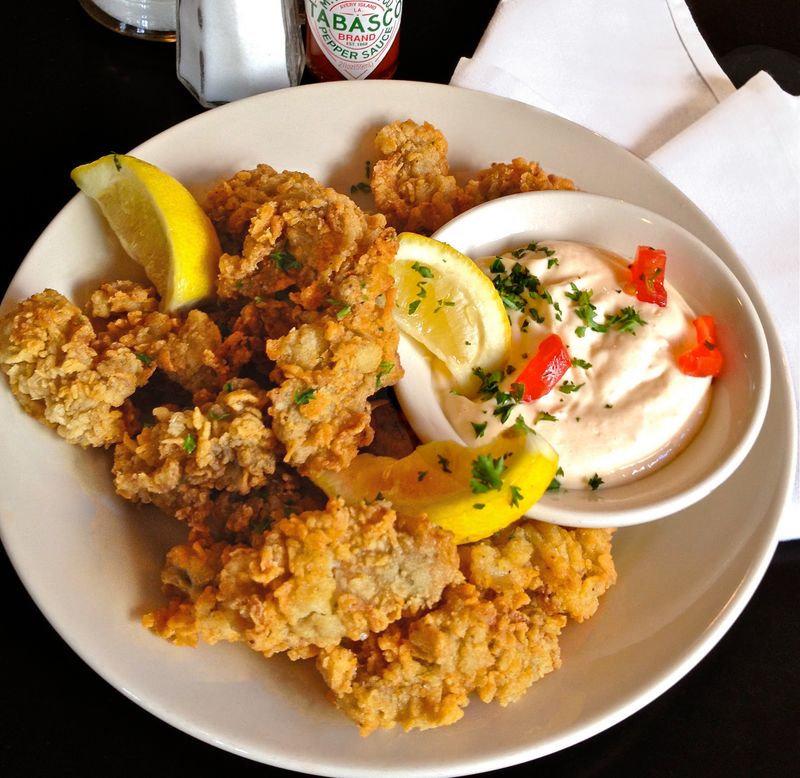
A neon pig and a plate of shrimp and grits helped change how people saw Southern cooking.
Crook’s Corner in Chapel Hill, Orange County, became a legendary restaurant by treating regional food as creative, smart, and worthy of attention.
Chef Bill Neal played a major role in bringing shrimp and grits from coastal kitchens to wider fame.
The original restaurant closed, but its influence still matters deeply.
Crook’s helped prove that Southern food could be both rooted and inventive, with dishes that respected farms, seafood, vegetables, and old recipes.
Its spirit lives on in cookbooks, memories, and restaurants that now proudly list grits, greens, and local produce.
For readers planning food trips, Crook’s is a reminder to study restaurant history as well as current openings.
A closed dining room can still shape what appears on menus today.
Knowing that story makes each modern bowl of shrimp and grits more meaningful.
Crook’s Corner captures the thoughtful side of Southern eating.
It showed that comfort and creativity do not have to compete.
Instead, they can share a table and make the whole region look richer.
8. Biscuitville, Burlington, Alamance County

Morning feels easier when a hot biscuit is waiting in a paper wrapper.
Biscuitville began in Burlington, Alamance County, and grew into a regional breakfast favorite built around fresh, handmade biscuits.
The open biscuit-making area is part of the appeal, because customers can actually see dough being rolled, cut, and baked.
The menu keeps breakfast simple but satisfying.
You can order biscuits with country ham, sausage, bacon, eggs, cheese, fried chicken, or gravy, plus sides like grits and hash browns.
For many North Carolinians, it is the kind of stop that fits school mornings, work commutes, and weekend errands.
A smart first order is a classic sausage biscuit or country ham biscuit, depending on whether you like rich or salty flavors.
Add coffee or sweet tea if you want the full local rhythm.
Because biscuits are best hot, eat soon after ordering instead of saving them too long.
Biscuitville captures Southern eating by making one humble food feel important every day.
It shows how breakfast can be quick without losing craft, comfort, or a strong sense of place.
9. The Pik-N-Pig, Carthage, Moore County
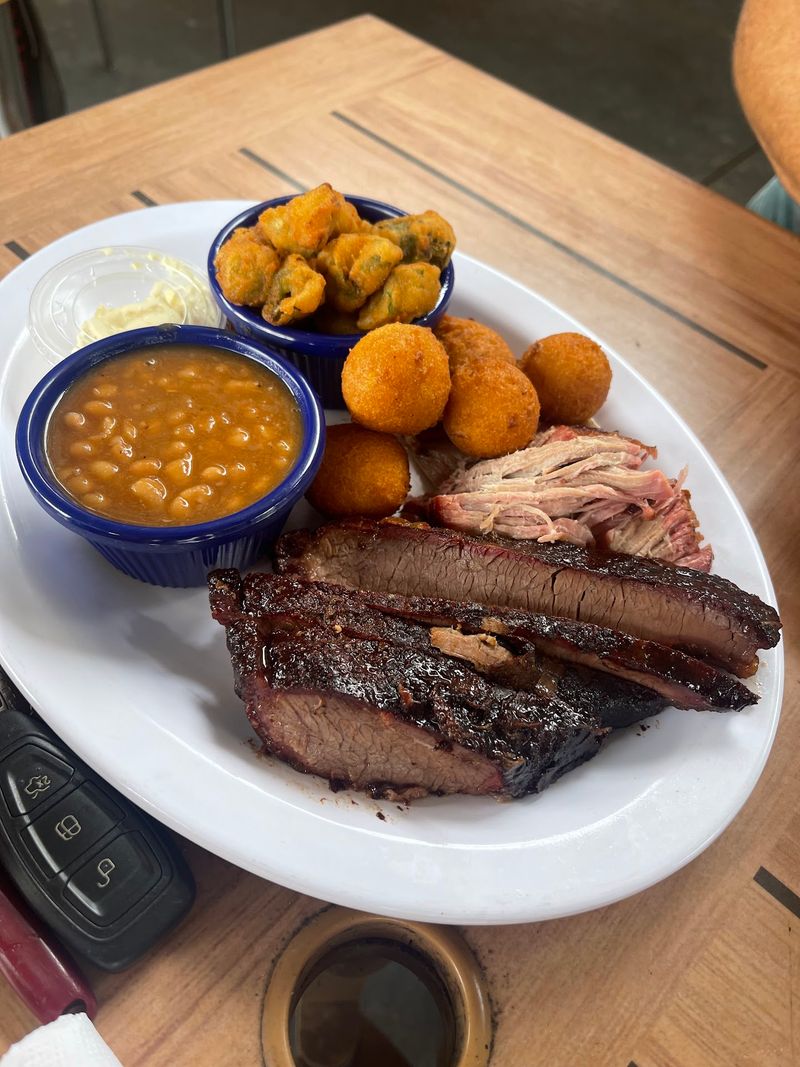
Airplanes, barbecue smoke, and picnic tables make this Moore County stop feel wonderfully unexpected.
The Pik-N-Pig in Carthage sits by a small airport, so diners may watch planes come and go while waiting for smoked meats.
That playful setting gives the restaurant a personality all its own.
The menu often features pulled pork, ribs, smoked chicken, brisket, sandwiches, hush puppies, slaw, and hearty sides.
It is the kind of place where kids can stay entertained and adults can settle into a relaxed meal.
The combination of casual food and runway views makes it more than just another barbecue stop.
Check hours before driving out, especially if weather or special events could affect crowds.
If you like variety, order a plate with more than one meat so you can compare smoke, seasoning, and texture.
Outdoor seating can be especially fun on a clear day.
The Pik-N-Pig captures Southern eating because it turns a meal into a small adventure.
Good food matters, but so does the story you bring home afterward.
Here, that story may include sauce on your fingers and planes overhead.
10. Chef & the Farmer, Kinston, Lenoir County
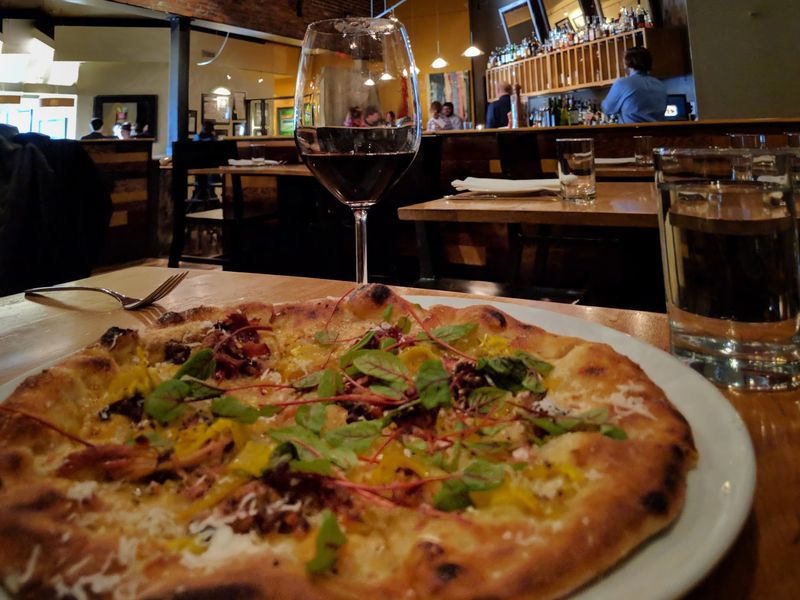
A small eastern North Carolina city became a food destination because one restaurant believed local stories belonged on the plate.
Chef & the Farmer in Kinston, Lenoir County, is closely tied to chef Vivian Howard and the farms, families, and ingredients around her hometown region.
It helped bring national attention to rural Southern foodways.
The cooking has often mixed fine-dining ideas with everyday Southern ingredients like corn, tomatoes, peas, pork, fish, sweet potatoes, and collards.
Instead of hiding the region’s roots, the restaurant has celebrated them with care and imagination.
That approach helped many diners see familiar foods in a fresh way.
Reservations are wise, and checking the current menu matters because seasonal cooking changes often.
Go with an open mind, especially if a dish uses an ingredient you thought you already knew.
Part of the fun is discovering how ordinary produce can become surprising.
Chef & the Farmer captures Southern eating as a living tradition, not a museum piece.
It respects older flavors while asking new questions.
For travelers, it proves that some of the state’s most exciting meals can happen far from its biggest cities.
11. Southern Salt Seafood, Atlantic Beach, Carteret County
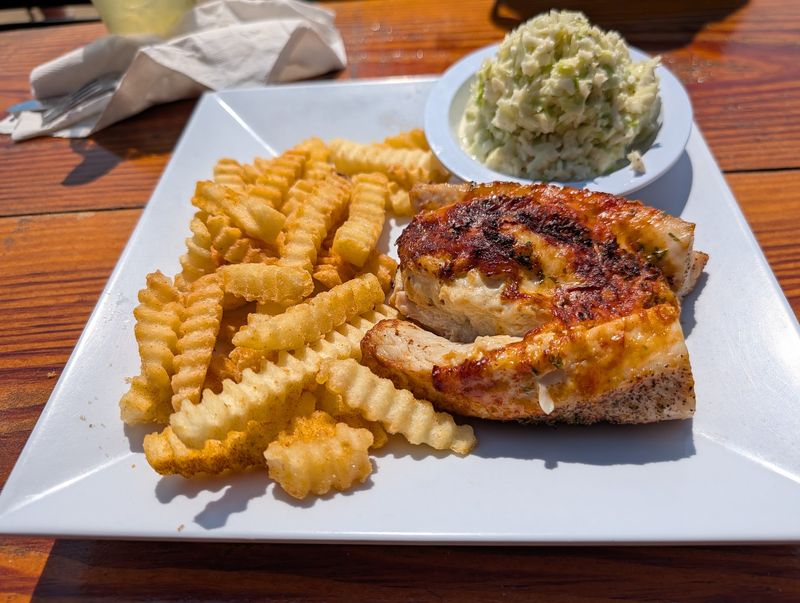
After a day of sun, sand, and saltwater, casual seafood tastes better than almost anything.
Southern Salt Seafood in Atlantic Beach, Carteret County, fits that beach-town mood with a relaxed setting near the Crystal Coast.
Places like this remind visitors that Southern eating is also coastal, breezy, and tied to the water.
Expect the kind of menu that works well after swimming or walking the shore, with seafood baskets, sandwiches, cold drinks, and easygoing plates.
Shrimp, fish, fries, slaw, and hush puppies match the rhythm of a vacation day.
The point is not formality, but freshness, friendliness, and comfort in flip-flops.
Check seasonal hours before going, because beach restaurants can change schedules outside the busiest months.
If local seafood is available, ask what is fresh that day.
Eating near the coast is more rewarding when you pay attention to what came from nearby waters.
Southern Salt Seafood captures Southern eating by adding ocean air to the story.
Barbecue and biscuits may get more attention, but the coast brings its own delicious voice.
A simple seafood plate can feel like the perfect ending to a Carolina beach day.