Think snorkeling requires a passport, a palm tree, and a tiny umbrella drink? North Carolina would like a cheerful word.
From clear soundside shallows to shell-strewn inlets where fish zip past your mask like underwater confetti, the Tar Heel State serves up surprisingly fun places to peek below the surface without going full castaway.
If you have ever wanted to trade the usual beach towel routine for something splashier, this list is your sign to grab fins, check conditions, and discover eleven coastal spots where local water can sparkle with more life than you might expect.
Some are calm, some are wild, and all of them prove a tropical vibe is more about what is under your nose than what is on the postcard.
Ready to stop just looking at the ocean and actually meet it? Start here, snorkel smart, and let North Carolina show off a seriously underrated underwater side.
1. Wrightsville Beach
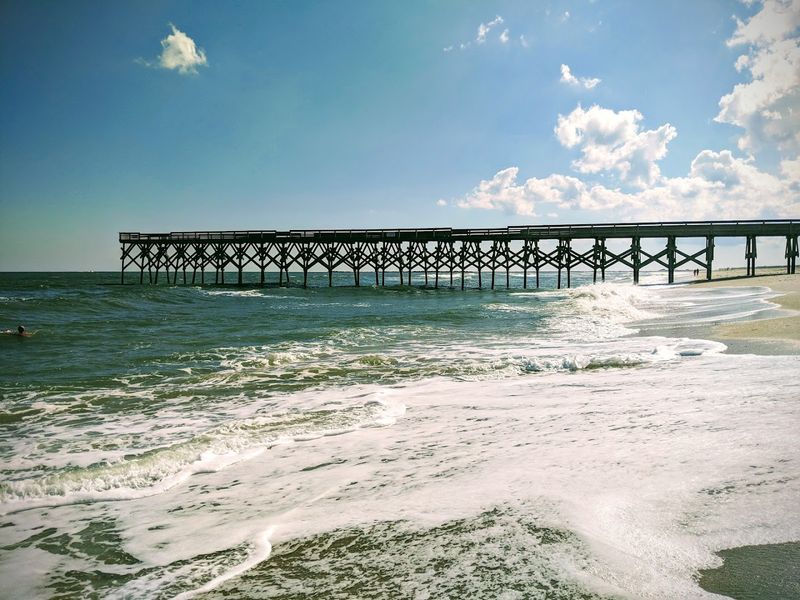
Just off the busy sand, Wrightsville Beach hides a surprisingly playful underwater side.
You can wade into clearer stretches near the inlets and sandbars and spot minnows, crabs, and the occasional stingray gliding by.
The water is not always Caribbean-blue, but on calm summer mornings it can turn impressively transparent.
Mason Inlet and the shallower zones near the south end often attract curious snorkelers who time visits around slack tide.
That timing matters because currents here can get pushy fast, and this beach is far better for cautious exploring than random drifting.
I would treat it as a short-session snorkel spot, then reward myself with a long stroll or fish taco afterward.
Visibility usually improves after several rain-free days, especially when wind stays light and surf remains modest.
You may notice schools of finger mullet, little baitfish flashing silver, and shells scattered across the sandy bottom.
Bring bright gear so boaters and paddlers can spot you more easily in shared water.
Wrightsville Beach sits just east of Wilmington, so access, parking, and food are refreshingly convenient.
If you want a beginner-friendly introduction with easy logistics, this one earns a place on your list.
Sometimes the best surprise is finding adventure hiding beside a classic beach town.
2. Fort Macon State Park (Jetty Area)
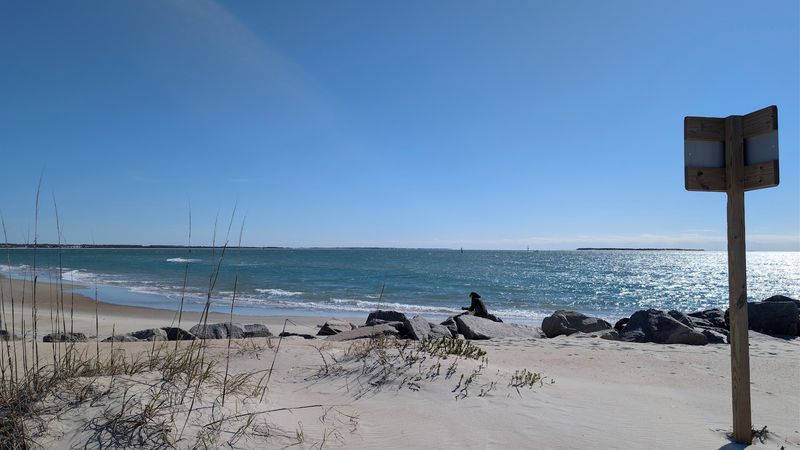
Rocks change everything, and Fort Macon’s jetty proves it with style.
Unlike long sandy stretches with little structure, this Atlantic Beach area gives fish places to hide, feed, and generally show off.
That means snorkelers often get more action here than at a featureless shoreline.
The jetty near Fort Macon State Park can attract sheepshead, small flounder, baitfish, and all kinds of marine critters using the rocks as cover.
When the ocean settles and the water clears, the scene below the surface feels busy in the best way.
It is the sort of place where you keep lifting your head just to say, did you see that?
Care matters here because rocks, waves, and currents can turn a fun outing into a clumsy one if you get careless.
Water shoes or fins with sturdy footing help, and entering during gentle conditions is the smart move.
I would also keep a respectful distance from fishing activity and avoid peak surf.
Fort Macon sits at the eastern end of Bogue Banks in Atlantic Beach, with easy park access and a bonus history fix on land.
You can pair a quick snorkel with a fort visit and feel wildly efficient.
For variety, structure, and a little coastal drama, this spot punches above its sandy weight.
3. Radio Island
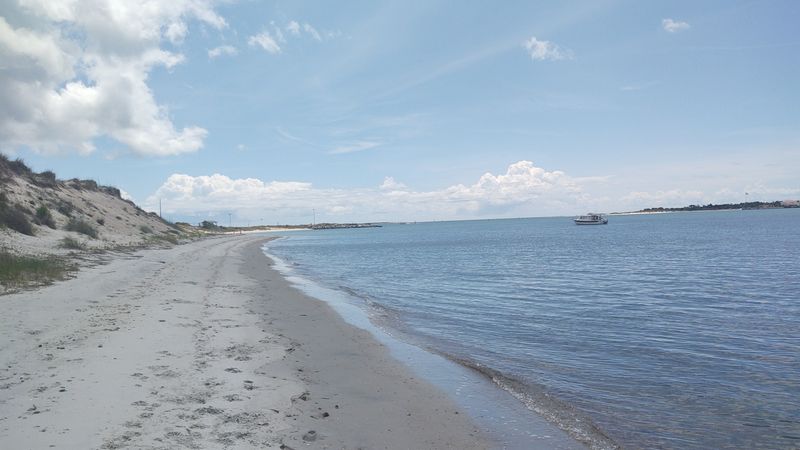
Calm water fans, Radio Island might be your North Carolina love language.
This small island near Beaufort has shallower, often gentler conditions than many oceanfront beaches, which makes it appealing for easy snorkeling.
On a clear day, the soundside water can reveal small fish, crabs, and sandy bottom details without much drama.
The island sits between Beaufort and Morehead City, so it feels surprisingly accessible for a place with such a laid-back vibe.
Because currents and boat traffic vary, choosing a quiet stretch and staying visible are essential.
I would not roam far here, but for a close-to-shore peek underwater, it can be pleasantly rewarding.
You are not coming for coral towers or tropical fanfare.
You are coming for manageable conditions, a chance to spot marine life in shallows, and the simple joy of floating where the water often behaves itself.
That alone can feel like a luxury during a windy beach week.
Morning usually offers the best odds for calmer water and better visibility.
Bring a dive flag if you head anywhere beyond the immediate shoreline, and keep an eye on local guidance before getting in.
Radio Island is proof that sometimes the unsung places end up being the most charming ones in the bunch.
4. Shackleford Banks (Cape Lookout National Seashore)
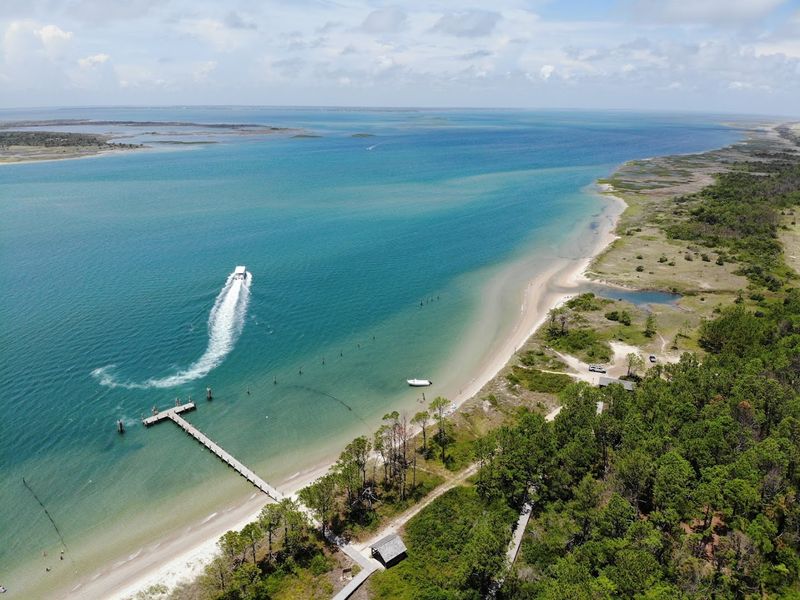
Wild horses onshore and fish offshore is a pretty strong sales pitch.
Shackleford Banks, part of Cape Lookout National Seashore, offers an undeveloped barrier island setting where snorkeling feels wonderfully removed from everyday noise.
The water can range from murky to dazzling, but on good days it is a genuine treat.
You reach the island by ferry or private boat from the Beaufort or Harkers Island area, which adds an expedition feeling before your mask even hits the water.
Near calmer shoreline stretches, snorkelers may spot baitfish, crabs, rays, and shells scattered across sandy patches.
Because this is a natural, exposed coast, conditions matter more than wishful thinking.
Wind direction, tide stage, and recent weather can quickly shape what you see.
I would go early, pack more water than seems necessary, and treat the outing like a beach adventure with snorkeling as the bonus star.
There are no snack shacks here, and honestly that is part of the charm.
Stay mindful of currents and avoid disturbing wildlife, including those famous horses.
The payoff is a raw, spacious coastal experience that feels worlds away from crowded resort beaches.
If your ideal snorkel day includes a little wilderness and a lot of horizon, Shackleford Banks absolutely delivers.
5. Bald Head Island
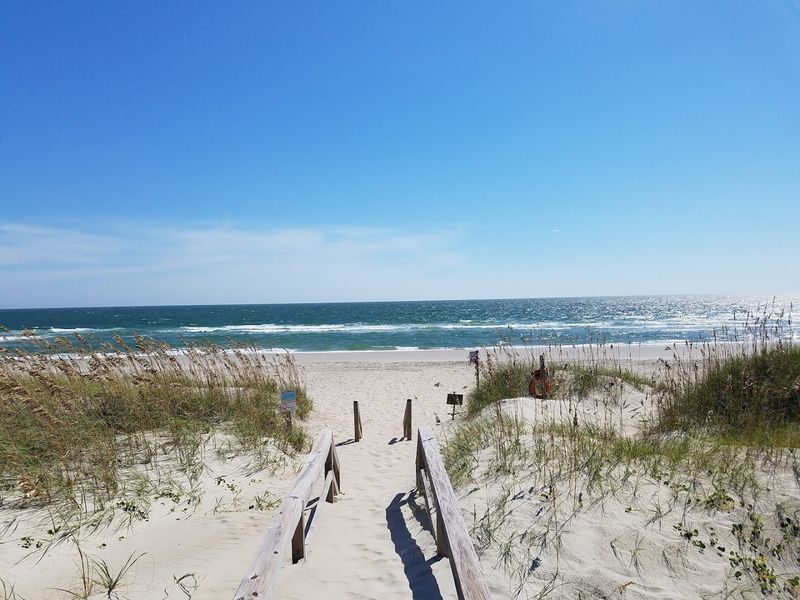
Bald Head Island feels polished above water and pleasantly curious below it.
This car-free island at the mouth of the Cape Fear River has beaches where calmer summer days can create solid snorkeling conditions close to shore.
You are not guaranteed perfect clarity, yet the island often rewards patient timing and low expectations with memorable little sightings.
Look toward gentler stretches with fewer breaking waves, especially on the south beach side when winds cooperate.
In the shallows, you might see silvery baitfish, shells, small crabs, and occasional rays passing through like quiet VIPs.
The fun here comes from subtle details rather than blockbuster underwater scenery.
Because Bald Head is reached by ferry from Deep Point Marina near Southport, the trip already feels like a mini escape.
Once there, beaches, maritime forest, and the famous lighthouse make it easy to turn snorkeling into part of a full island day.
I would call it a classy choose-your-own-adventure with more sunscreen.
Do watch currents and local guidance, especially near shoals and channel areas where water movement can be deceptive.
Early morning often brings the friendliest visibility and fewer beach crowds.
For an outing that blends relaxed island charm with a chance to peer into North Carolina’s coastal shallows, Bald Head earns its buzz.
6. Topsail Island
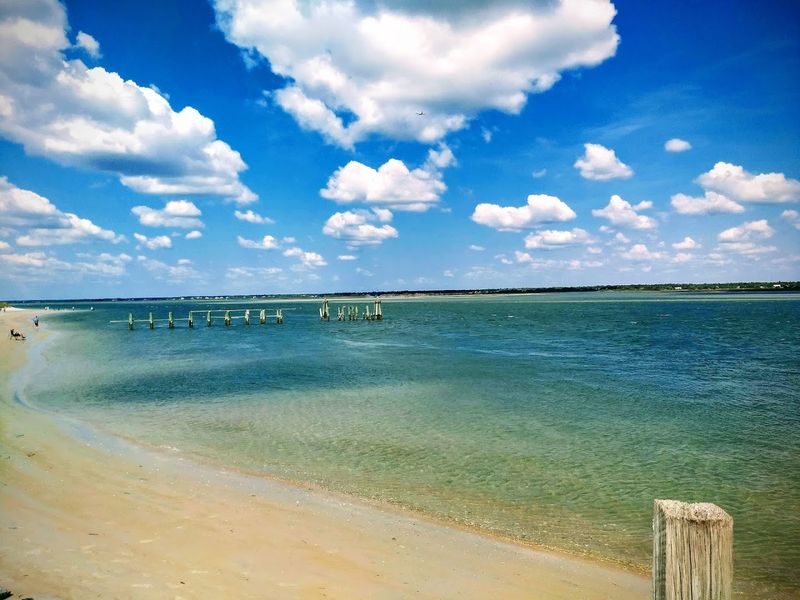
Topsail Island likes to keep snorkelers guessing, which is half the fun.
Stretching through Surf City, Topsail Beach, and North Topsail Beach, this island offers miles of shoreline where sandbars and calmer pockets can briefly turn into underwater windows.
Catch it on the right day and you may wonder why more people are not wearing masks.
The best approach is flexible rather than stubborn.
Look for small surf, greenish-clear water, and areas where the bottom settles enough to reveal fish, shells, and darting ghost crabs at the edges.
After storms or strong wind, visibility often drops fast, so patience pays better than optimism.
Families often like the easier access points and familiar beach-town services, which make short snorkel sessions simple to add between other plans.
Surf City offers convenience, while quieter stretches farther south can feel more relaxed.
I would pack light, check the tide, and be ready to move if one section looks churned up.
As always, avoid crowded fishing zones and stay aware of current changes near inlets and piers.
When conditions line up, Topsail delivers a cheerful mix of laid-back beach energy and just enough marine life to keep you grinning behind the snorkel.
Call it a treasure hunt where the treasure occasionally wiggles away.
7. Emerald Isle
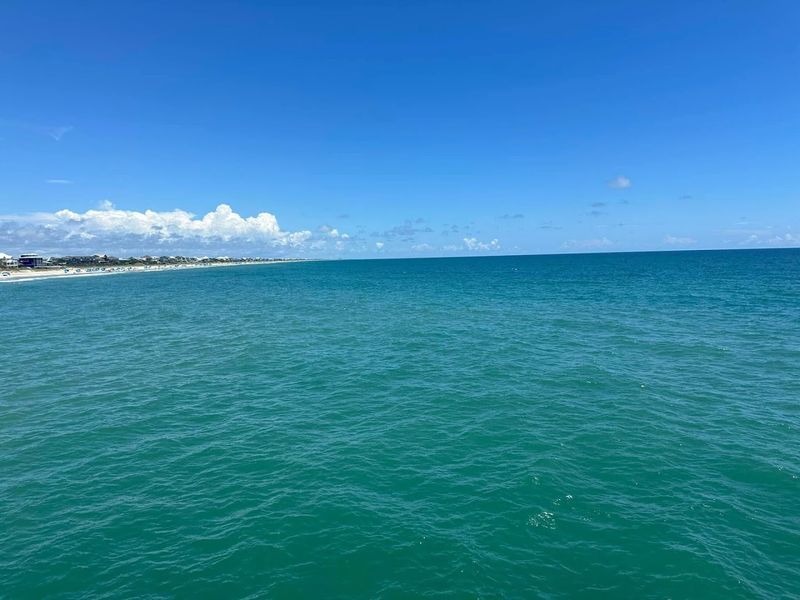
The name alone sets a high bar, and Emerald Isle can actually flirt with it.
This western Bogue Banks beach is known for family-friendly shorelines, and during calm, clear spells the nearshore water can be inviting for casual snorkeling.
No, it is not a giant aquarium, but it can still produce a surprisingly lively peek beneath the surface.
Sandbars, troughs, and shell-rich patches create the best chances for spotting small fish, crabs, and rays cruising through shallows.
Mornings after several settled weather days usually offer the clearest look.
If the wind stays light and the surf behaves, that is your cue to gear up.
Emerald Isle is easy to pair with a classic beach vacation because restaurants, rentals, and public access keep logistics simple.
That convenience matters when you want a low-fuss outing instead of a grand marine expedition.
I like places where adventure does not require a spreadsheet.
Stay away from fishing crowds on piers and use extra caution near inlets where currents can strengthen quickly.
The town sits on the Crystal Coast, about an hour from Jacksonville and within easy reach of other Bogue Banks stops.
For a breezy, approachable snorkel day with solid odds of seeing something interesting, Emerald Isle more than earns its sparkling reputation.
8. Masonboro Island Reserve
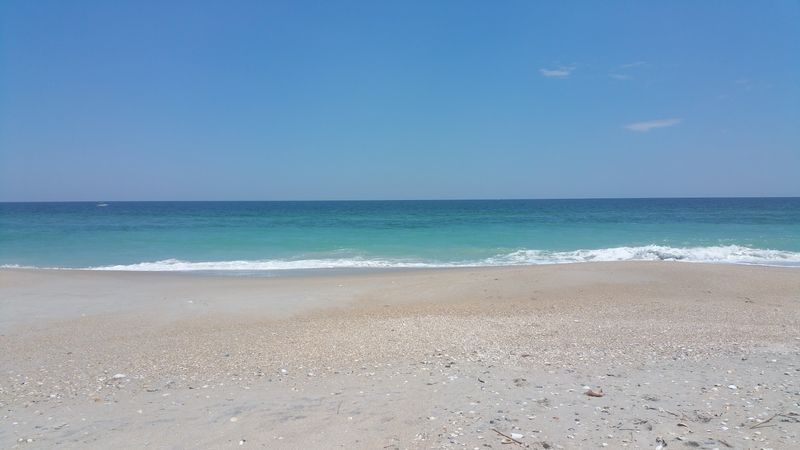
If you prefer your beaches with fewer buildings and more birds, Masonboro Island Reserve is calling.
This undeveloped barrier island south of Wrightsville Beach offers a wilder setting where clear shallows, tidal flats, and soundside areas can make snorkeling surprisingly worthwhile.
It feels less like a beach day and more like sneaking into nature’s private lounge.
You will need a boat, kayak, or arranged transport to reach many spots, which naturally keeps crowds lighter.
That extra effort can pay off with calmer water on the sound side and chances to see fish, crabs, and bottom textures you would miss in rougher surf.
Conditions vary constantly, so local knowledge is worth its weight in dry bags.
The reserve protects important habitat, so low-impact behavior matters here.
Avoid trampling sensitive areas, pack out everything, and keep wildlife disturbance to a minimum.
I would frame this trip as equal parts exploration, floating, and respectful nosiness about coastal ecosystems.
Masonboro lies just off Wilmington and is managed for conservation, not heavy tourism.
That means fewer amenities but a much stronger sense of discovery.
For snorkelers who like their adventures quiet, scenic, and slightly salty in the soul, Masonboro Island Reserve brings the goods without needing a single tiki torch.
9. Pea Island National Wildlife Refuge
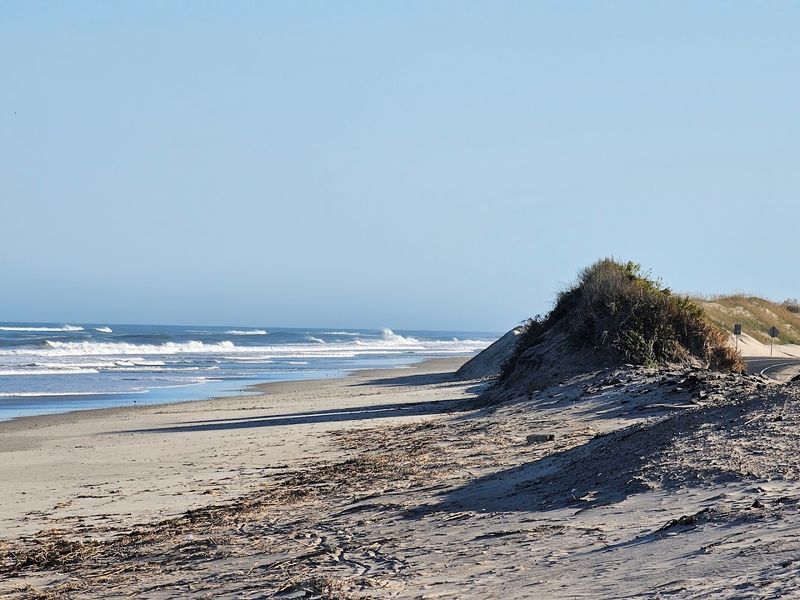
Pea Island is better known for birds than snorkels, which is exactly why it deserves a closer look.
Located near Rodanthe on the Outer Banks, this protected refuge includes coastal waters where calm conditions can create intriguing shallow-water views.
It is not a mainstream snorkel stop, but that underdog status gives it real charm.
You need to be selective and cautious here, favoring sheltered edges and only entering where conditions are safe, legal, and minimally disruptive.
When water clarity cooperates, you may see small fish, crabs, and sandy-bottom life in a setting that feels wonderfully uncommercial.
Bring patience, because this is a nature-first destination, not a guaranteed spectacle.
The surrounding refuge is famous for migratory birds, marsh habitats, and broad open scenery.
That means even if the water does not perform, the trip still delivers serious coastal beauty.
I respect any place that keeps your backup plan this scenic.
Pea Island sits between the Atlantic Ocean and Pamlico Sound, and that geography can create shifting conditions fast.
Check weather, surf, and local regulations before entering any water, and keep expectations tuned to exploration rather than perfection.
For travelers who enjoy quiet wonder more than flashy crowds, this refuge offers a refreshingly different kind of snorkel adventure.
10. Cape Hatteras National Seashore
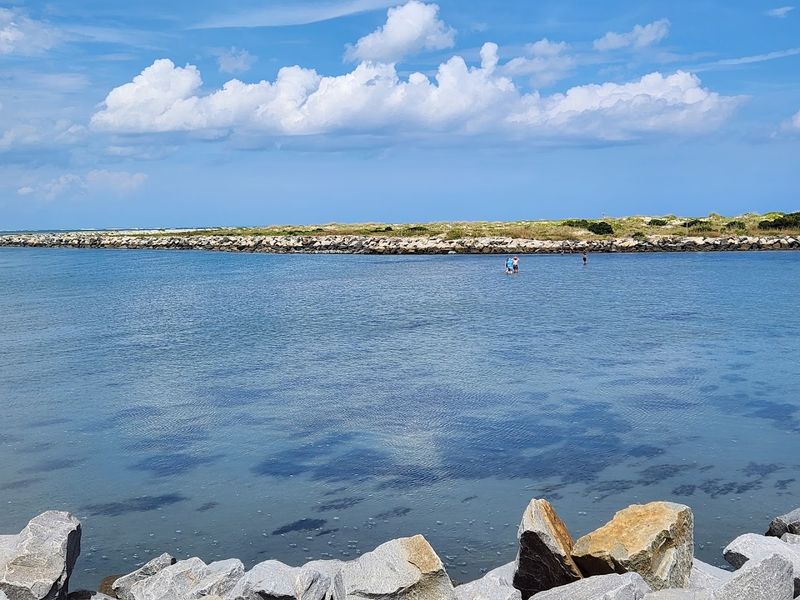
Big scenery, shifting sand, and a little swagger define Cape Hatteras National Seashore.
Spanning much of the Outer Banks, this protected coastline offers occasional snorkeling opportunities in calmer surf zones, soundside areas, and near certain sheltered beaches.
When the ocean settles, the water can reveal a lively world that many road-trippers speed right past.
The Atlantic side can be energetic, so not every beach day here is a snorkel day.
That said, gentle mornings with light wind may bring decent visibility over sandy bottoms where fish and rays cruise through the shallows.
The nearby soundside waters can sometimes provide a more forgiving option for curious beginners.
Because the seashore stretches across multiple villages and access points, scouting conditions is part of the game.
Buxton, Frisco, and Hatteras each offer different beach personalities, and local outfitters can help you read the day’s mood.
I love a destination that rewards both planning and a little improvisation.
Respect rip currents, avoid inlets unless you truly know the water, and always put safety ahead of ambition.
Cape Hatteras is less about guaranteed clarity and more about catching the coast at its best.
Do that, and you may score a snorkel session framed by some of North Carolina’s most unforgettable scenery.
11. Fort Fisher State Recreation Area
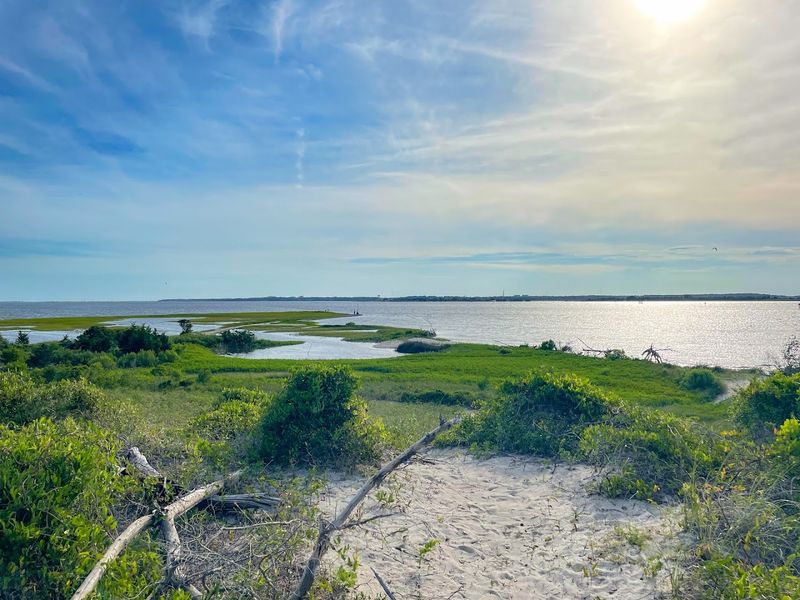
Fort Fisher closes this list with a strong finish and a little coastal grit.
At the southern end of Pleasure Island in Kure Beach, this state recreation area offers interesting nearshore habitat, especially around its rocky basin and varied shoreline.
Structure in the water often means better chances of seeing marine life, and that is good news for snorkelers.
On calm days, you may spot fish weaving around rocks, crabs hugging crevices, and shells decorating sandy patches nearby.
The area can be more visually interesting than a plain beach bottom, which keeps even short snorkel sessions engaging.
It is the kind of place where you stay in longer than planned because one more peek sounds reasonable.
Conditions are everything, though.
Wind, surf, and current can reduce visibility quickly, and rocky footing means careful entry matters.
I would choose water shoes, watch for anglers, and avoid forcing a session when the ocean clearly says not today.
Fort Fisher is easy to reach from Wilmington and pairs nicely with the nearby aquarium, ferry area, and Civil War historic site.
That makes it ideal for travelers who like a side of learning with their saltwater fun.
For accessible adventure with a touch of underwater variety, Fort Fisher earns its final-bow moment.