Ohio’s natural springs are distinctive geographic landmarks where regional geology, local folklore, and historical settlement patterns have intersected for generations.
From early settlers to entrepreneurs who recognized the economic potential of these hydrological resources, these springs served as catalysts for social and infrastructural development across the Midwest.
Variations in soil composition and geomorphological features gave each spring its own unique character, directly influencing the growth of nearby communities and shaping traditions of outdoor recreation.
Today, these preserved natural sites stand as historical reminders of early travel culture, local legends, and the enduring relationship between people and the landscape.
Here is a look at 11 springs in Ohio that continue to capture attention and spark curiosity generations later.
Blue Hole Spring – Castalia
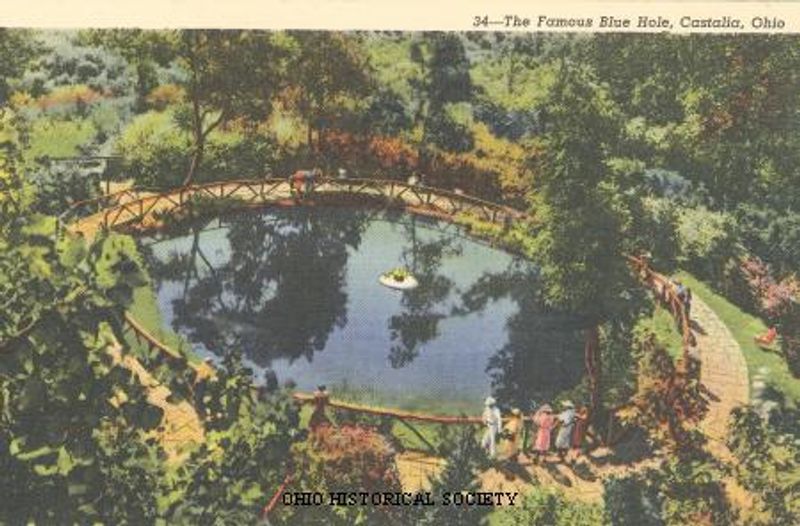
Beneath a modest opening in the ground, an almost unreal blue pool creates the kind of color that makes people stop mid sentence and stare twice.
Curious residents once imagined hidden caverns, bottomless depths, or unusual minerals at work, and those stories helped turn the site into one of the state’s most discussed natural wonders.
Scholars later studied temperature, clarity, and underground flow, finding a remarkable example of groundwater moving through limestone in a way that produces striking visual effects.
Meanwhile, the spring became part of a regional tourism boom, drawing families who arrived expecting a novelty and left talking about science, beauty, and mystery together.
Historic postcards, excursion culture, and roadside conversation kept its reputation alive well beyond the immediate area.
Today, even after generations of attention, the basin still feels slightly improbable, as if nature arranged a demonstration of color simply to challenge assumptions about what Ohio landscapes are supposed to look like.
Big Spring – Tiffin
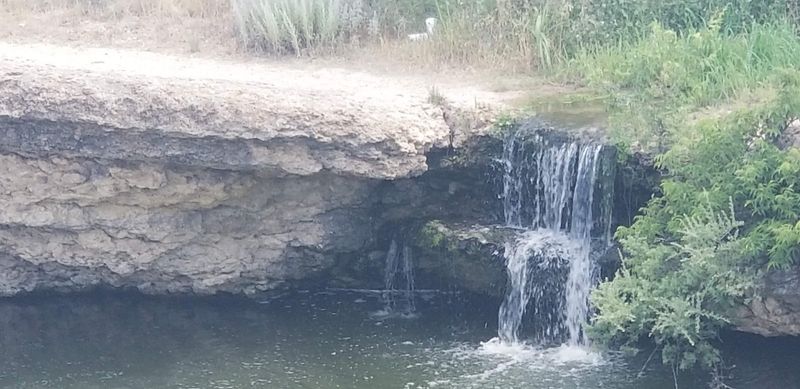
Early families depended on a dependable flow like this because settlement could not thrive where drinking supplies ran short or turned unreliable.
Nearby homesteads, businesses, and gathering places benefited from a feature that offered both practical security and a clear reason to organize civic life around a dependable natural asset.
Local memory still treats the spring as more than scenery, since it helped anchor the confidence required for expansion during a period when infrastructure remained limited.
Residents eventually folded the site into community identity, linking it with stories about endurance, neighborly cooperation, and the steady pace of town building.
Beyond its immediate usefulness, the spring represented constancy, a quality that shaped how people understood their surroundings and their future there.
Present-day interest often centers on the connection between natural geography and human choice.
It serves as a reminder that a thriving community can begin with something as simple as fresh groundwater emerging in the right place at the right time.
Glen Helen Spring – Yellow Springs
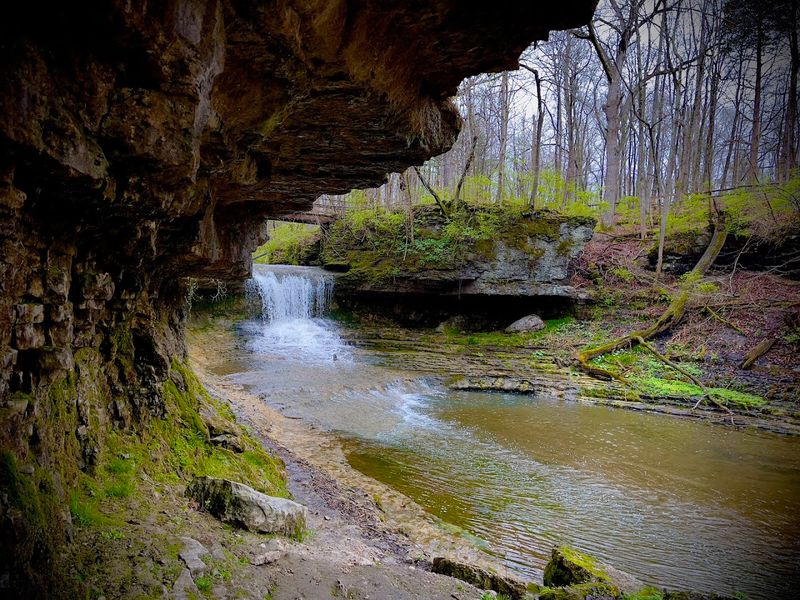
Protected forest around this spring tells a different Ohio story, one centered on stewardship, field study, and patient observation rather than spectacle alone.
Students, naturalists, and hikers have long used the surrounding preserve as an outdoor classroom where flowing groundwater helps explain erosion, habitat diversity, and the quiet complexity of a healthy watershed.
Because the ravines, seep lines, and shaded corridors remain carefully managed, the spring contributes to a living lesson about how conservation can preserve both scenery and scientific value.
Unlike heavily commercialized sites, this landscape built its reputation through education, restoration, and a sense of responsibility shared by institutions and local supporters.
Trail experiences here encourage slower attention, inviting you to notice birdsong, layered rock, damp soil, and the small botanical changes that reveal how moisture shapes the woods.
Such details helped define the character of the wider area, giving it a reputation for environmental awareness that still distinguishes it from many communities of similar size.
Yellow Spring – Yellow Springs
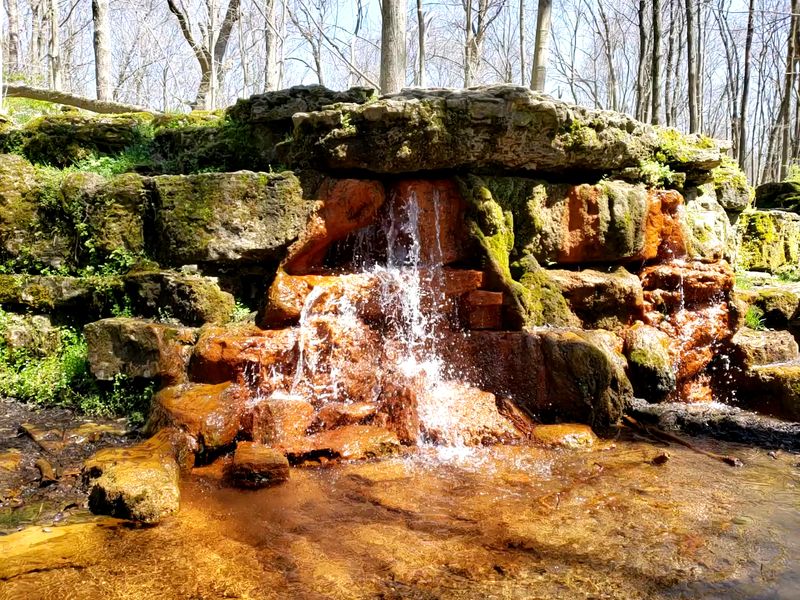
Stained rock around this spring gave the surrounding community its memorable name, turning a geologic quirk into a civic identity that has lasted far beyond the first curious glance.
Mineral rich seepage colored the stone in warm tones, and that unusual appearance quickly encouraged public fascination during an era when notable natural features often drew excursion seekers and health minded travelers.
Printed descriptions, local promotion, and word of mouth presented the spring as both a scenic novelty and a place where nature seemed eager to leave visible evidence of hidden processes.
Rather than fading into obscurity, the site remained woven into the town’s self image as generations continued to link local distinctiveness with the colored outcrop.
Interpretive interest now leans toward geology, early tourism culture, and the way communities build identity around memorable features that are modest in scale yet rich in symbolism.
Seen today, the spring still offers that rare combination of concrete physical detail and lingering public imagination that keeps conversations going.
Cedar Bog Springs – Urbana
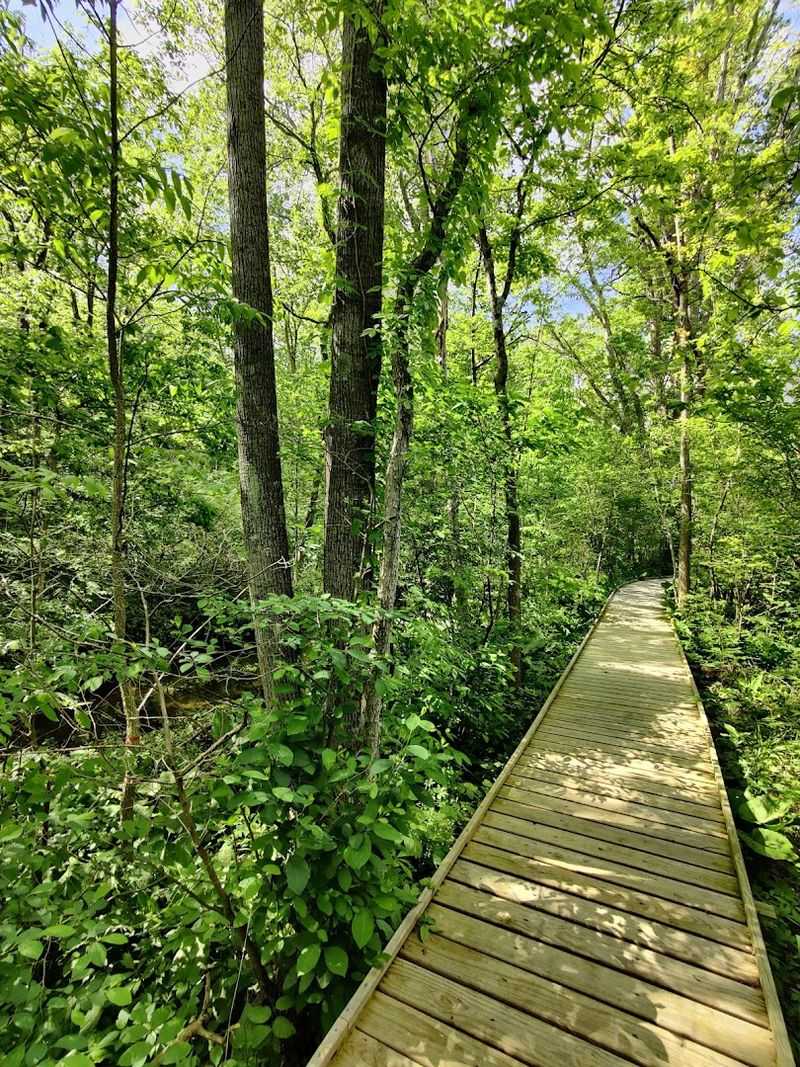
Fed by groundwater moving through buried limestone and glacial deposits, this remarkable wetland developed conditions rare enough to attract generations of scientists.
Researchers value the site because cool mineral influenced flow supports specialized plant communities more often associated with distant northern landscapes than central Ohio.
Within its sedges, orchids, and insect life, you can read a long environmental history written by chemistry, hydrology, and patient ecological succession.
Conservation became essential once people recognized how easily drainage, development, and trampling could damage such a sensitive system.
Boardwalk access and long term study helped balance public curiosity with protection, allowing the area to serve as both classroom and refuge without sacrificing its biological integrity.
Far from being a simple marsh, the spring-fed fen reveals how hidden groundwater can support an entire ecosystem of uncommon species.
It remains one of the state’s strongest examples of why scientific study and environmental preservation often go hand in hand.
Crystal Spring – Xenia
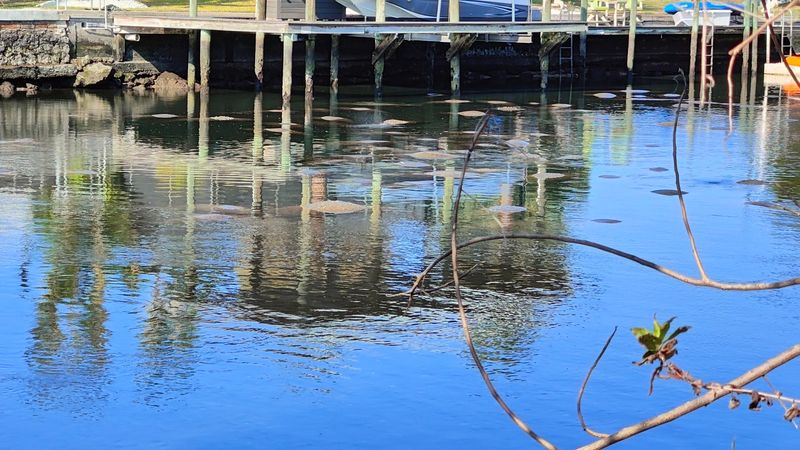
Generations of townspeople treated this spring as part utility, part meeting place, and part familiar backdrop to civic life.
Historic gathering spaces often formed around natural features that offered refreshment, shade, and a sense of permanence, and this one fit neatly into that pattern as the community evolved.
Newspaper references, local recollections, and public routines suggest a place where everyday life and natural abundance crossed paths in memorable ways.
Holidays, strolls, and ordinary conversations gave the spring a social role that extended beyond geology or practical need.
Neighbors came to associate the site with continuity, especially as streets, institutions, and public priorities changed around it over time.
Looking at its history today, it becomes clear that even a modest natural feature could influence civic development.
The site encouraged shared public spaces, local traditions, and the belief that nature should remain part of everyday town life rather than exist beyond the community’s boundaries.
Old Man’s Cave Springs – Hocking Hills
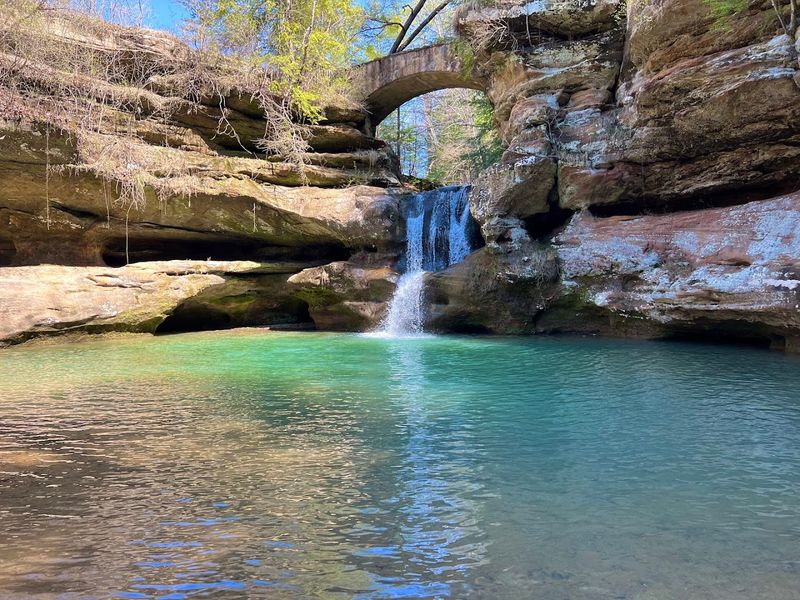
Carved through sandstone and shale, the ravines here owe much of their drama to groundwater emerging along rock layers and feeding streams that continue reshaping the gorge.
Folklore attached itself naturally to such a landscape, where shadowed recesses, echoing overhangs, and persistent seepage make every turn feel older than the trail beneath your feet.
Hikers may arrive for the famous scenery, yet the springs are what keep the cliffs damp, the moss vivid, and the erosional story active.
Some local tales connected hidden shelters and lonely figures with the cool recesses, though those stories survive best when understood as tradition rather than verified history.
Geologists, meanwhile, focus on how fractures, perched aquifers, and resistant rock create the dripping walls and seasonal cascades that define the region’s visual identity.
Few landscapes combine geology, groundwater systems, and local folklore as effectively as this one.
That unusual combination helps explain why the area remains both scientifically significant and emotionally resonant for visitors.
Spring Valley Wildlife Area Springs – Spring Valley
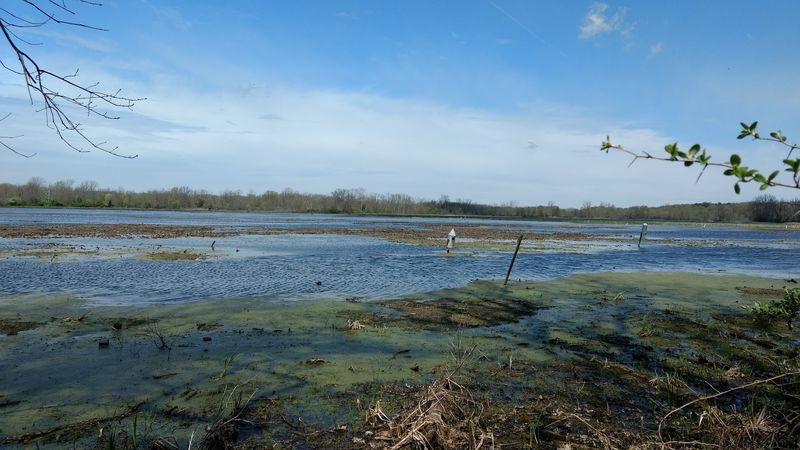
Habitat diversity across this wildlife area depends heavily on groundwater, which sustains wet spots, cool channels, and seasonal conditions many species need.
Anglers, birders, and wildlife managers all benefit from those hidden flows, even when the springs themselves appear understated beside larger open landscapes.
Management decisions here reveal a practical truth: healthy ecosystems often begin below ground, where steady discharge shapes breeding areas, vegetation patterns, and food availability.
During different seasons, the influence becomes visible in migratory bird use, amphibian activity, and the resilience of marshy pockets during dry periods.
Recreation therefore shares space with stewardship, since hunting, fishing, and observation work best when hydrology remains intact and habitat quality stays high.
The lesson becomes especially clear in places where modest seeps quietly support remarkable ecological diversity.
They serve as a reminder that conservation is not only about protecting dramatic landscapes, but also about preserving the hidden natural processes that sustain them.
Clifton Gorge Springs – Clifton
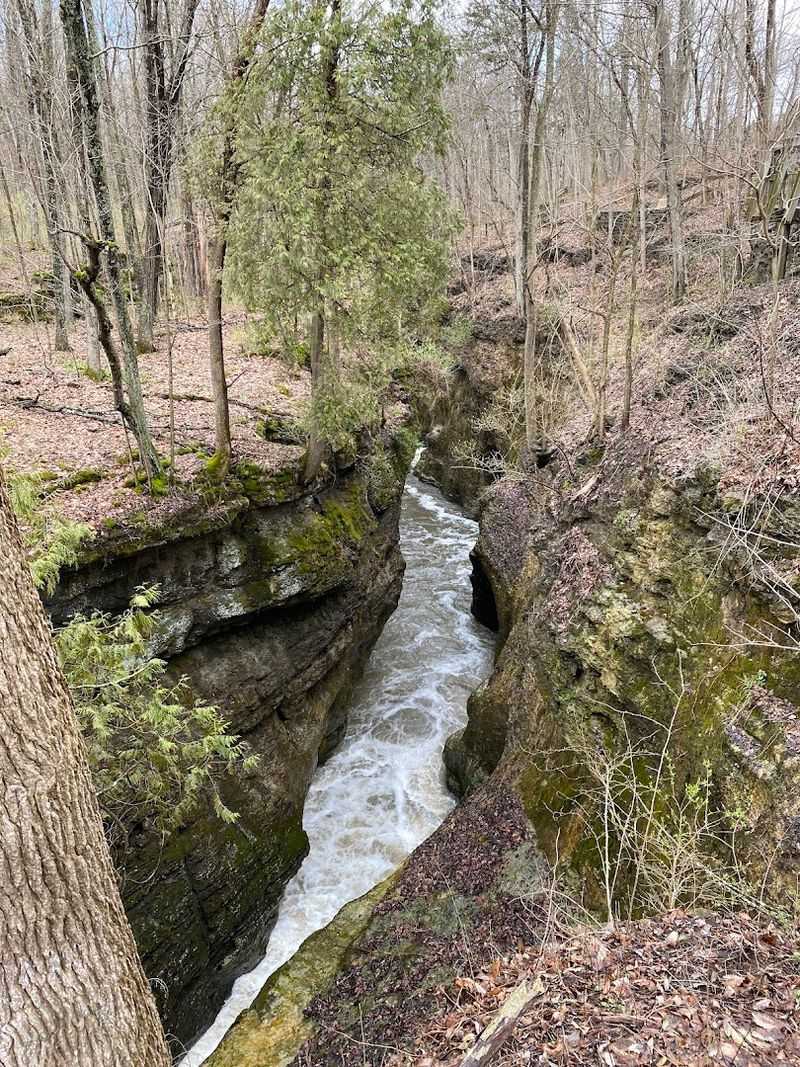
Hidden within one of Ohio’s most dramatic natural landscapes, these springs helped shape a gorge that has fascinated generations of visitors, naturalists, and local residents.
Layers of limestone and flowing groundwater worked together over thousands of years to create a setting that feels noticeably different from the surrounding countryside.
Early travelers often arrived out of curiosity, drawn by stories of unusual rock formations, cool shaded passages, and constantly moving water that seemed to transform the landscape with every season. Scientific interest later joined popular fascination as researchers studied the area’s geology and ecological diversity.
Walking trails encouraged exploration while preserving a sense of discovery, allowing people to experience the gorge from multiple perspectives.
Community efforts to protect the site ensured that future generations could continue to appreciate its distinctive character rather than see it altered by development.
Unlike places that gained fame through commercial promotion, this destination built its reputation through natural spectacle and word-of-mouth admiration.
Visitors were drawn by curiosity and the desire to experience something unusual for themselves.
Lake Hope Spring Area – McArthur
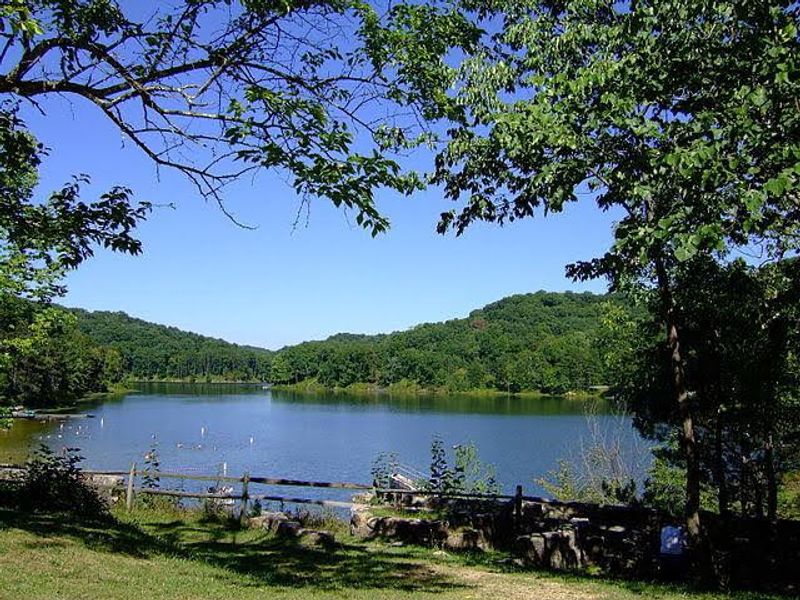
High wooded ridges and folded Appalachian terrain give this spring area a setting very different from Ohio’s glacial lowlands.
Forest ecology here depends on cool moisture moving through slopes, hollows, and shaded ground, creating conditions that support ferns, mosses, and the damp atmosphere hikers immediately notice on quiet trails.
Recreation thrives because the spring contributes to the broader health of the surrounding landscape, linking footpaths, campsites, and scenic overlooks to a functioning woodland system.
Historically, the region’s environmental story includes extraction, regrowth, and eventual recognition of the value of protected public land.
Trailside experience now carries that layered past, allowing you to see how recovering forests and persistent groundwater together shape a more resilient place.
Set within this rugged landscape, the spring is more than an isolated natural feature.
It forms part of a broader Appalachian environment where geology, wildlife habitats, and outdoor traditions remain closely connected.
West Liberty Great Spring – West Liberty
Long before modern utilities, a large spring like this could shape reputation as surely as any courthouse, railroad stop, or public square.
Public interest grew from its scale, reliability, and unusual prominence, which made it easy for generations to treat the site as a point of orientation and conversation.
Community tradition also attached stories to the spring, and while those accounts belong to local legend, they helped deepen the sense that this was no ordinary feature.
Measured against countless smaller seeps scattered across the state, the spring stood out because people could readily imagine both practical importance and unexplained depth in the same place.
Historic curiosity, civic pride, and repeated retelling kept its profile alive even as everyday dependence faded with changing infrastructure.
Year after year, attention returns because the spring offers a satisfying blend of visible natural power and inherited memory, showing how one hydrologic feature can become a durable emblem of place.