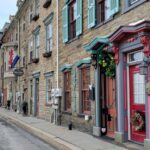
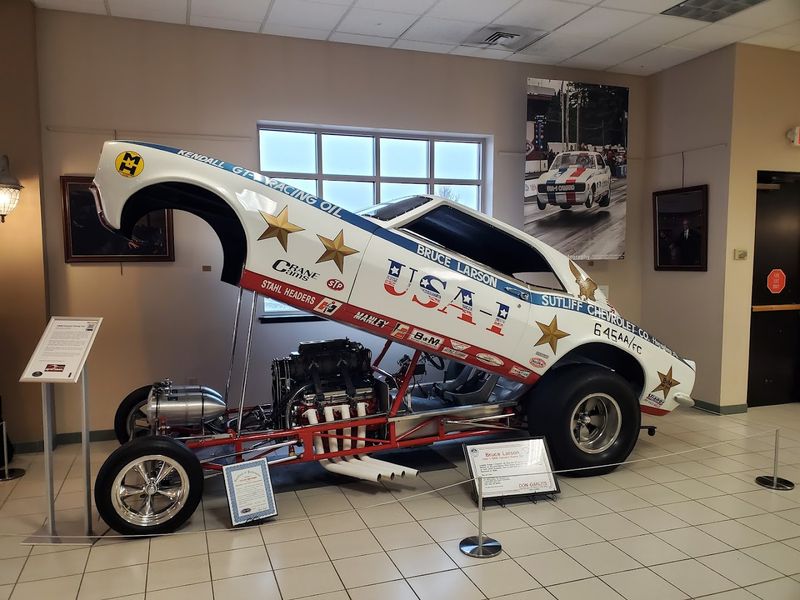
Polished headlights reflecting off cracked concrete floors, the faint echo of tools in old service bays, and the quiet presence of machines that once defined entire eras give Pennsylvania’s automotive spaces a character that feels almost cinematic. These aren’t static displays—they’re preserved moments of motion, ambition, and design frozen just long enough to be studied up close.
Across the state, Pennsylvania car museums reveal the many layers of America’s automotive story, from brass-era pioneers and muscle-era icons to racing legends and locally built machines that shaped industrial towns. Each location offers a different perspective, blending craftsmanship, history, and the personal passion of collectors and curators who kept these vehicles alive.
This guide to Pennsylvania car museums showcasing automotive history at its finest highlights standout destinations where that legacy still feels tangible. Inside, you’ll discover 11 places where engines, stories, and heritage come together, turning every visit into a deeper look at how America learned to move.
AACA Museum, Inc. (America’s Transportation Experience)
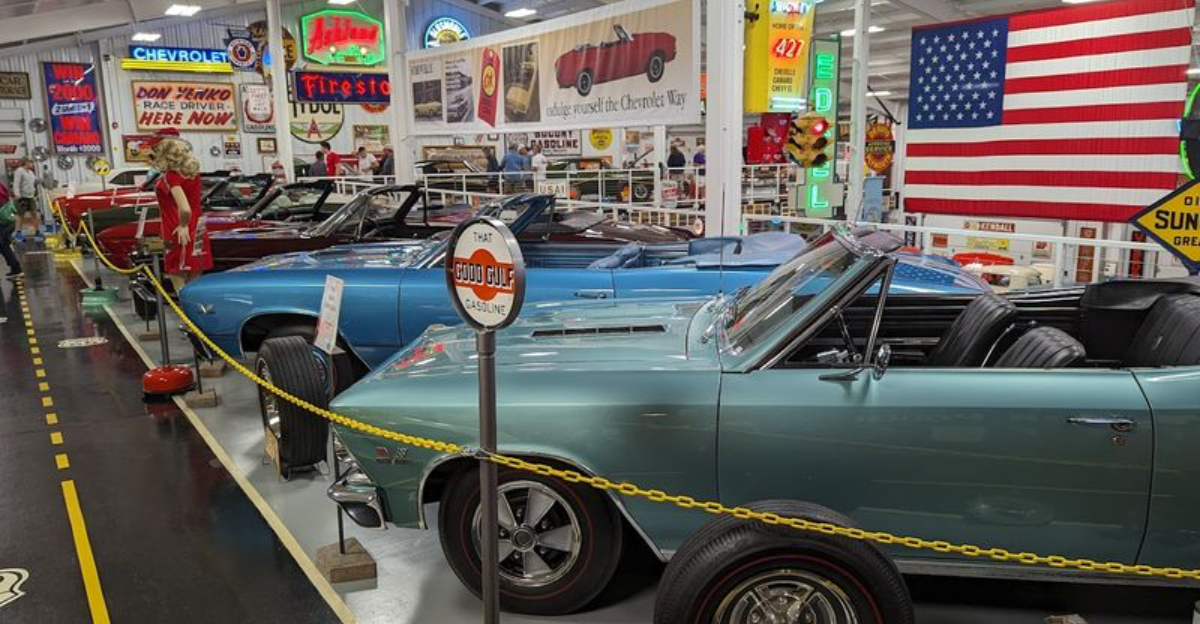
The first thing you notice is the shine – not just chrome, but the kind of care that makes every curve feel newly important. One room pulls you toward a futuristic Tucker, while another invites a slower look at elegant touring cars and beautifully restored buses.
It feels less like a static display and more like stepping through changing ideas of freedom.
In Hershey, the AACA Museum turns transportation history into a layered, surprisingly emotional experience. You can trace how family travel, public transit, and American design evolved side by side, often within a few steps.
Even the larger vehicles hold your attention, especially when their scale contrasts with delicate hood ornaments and dashboard details.
Afterward, the town’s chocolate-scented air feels like a fitting backdrop for a place so rooted in nostalgia. This is where serious collectors, curious kids, and casual road trippers all seem to find something memorable.
Simeone Foundation Automotive Museum
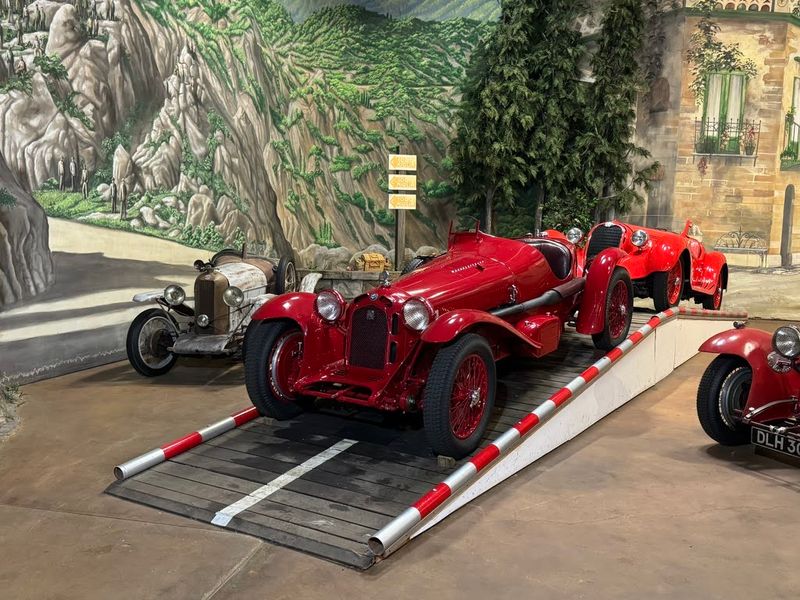
There is a certain electricity in a room full of racing legends, even when everything is perfectly still. Curved fenders, low-slung bodies, and scarred endurance machines suggest noise, heat, and split-second courage.
You do not need to be a motorsports expert to feel the pulse of competition here.
In Philadelphia, the Simeone Foundation Automotive Museum presents one of the world’s great collections of racing cars with remarkable clarity. Ferraris, Bugattis, Alfa Romeos, and Jaguars stand not as trophies alone, but as proof of eras defined by innovation and risk.
The displays are clean and focused, which lets details like leather straps, tiny windscreens, and battle-worn finishes tell their own stories.
It helps that the museum treats racing history as human history too. You leave thinking about mechanics, drivers, and impossible road courses, then step back outside hearing phantom engines in your head.
America On Wheels Museum
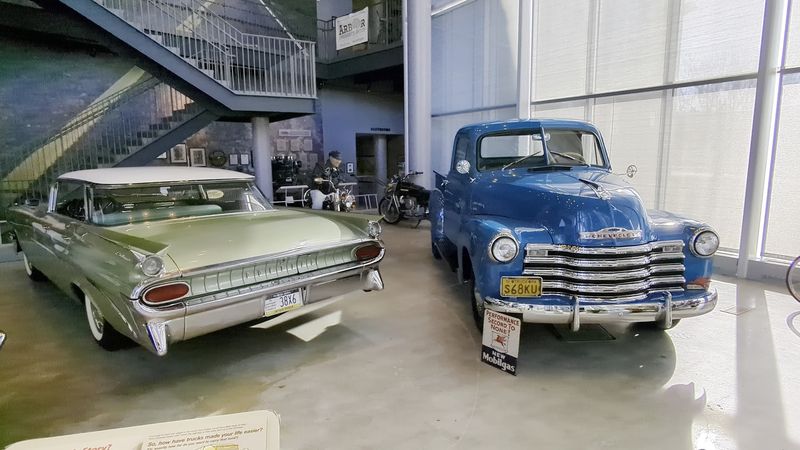
Some museums make history feel distant, but this one brings it right to curb level. You move from bicycles to trucks to classic cars and begin seeing how everyday motion shaped entire towns, jobs, and routines.
There is a friendly, approachable energy here that keeps the story moving.
In Allentown, America On Wheels looks beyond glamorous automobiles to the broader culture of transportation in the United States. That wider lens makes the experience richer, especially when a beautifully restored sedan sits near delivery vehicles or motorcycles with their own kind of swagger.
Period signs and themed displays add texture without overwhelming the collection.
This is an easy place to enjoy at your own pace, whether you want technical details or simple visual delight. Nearby downtown stops make it a comfortable part of a longer Lehigh Valley day, with lunch and wandering built in.
Boyertown Museum of Historic Vehicles
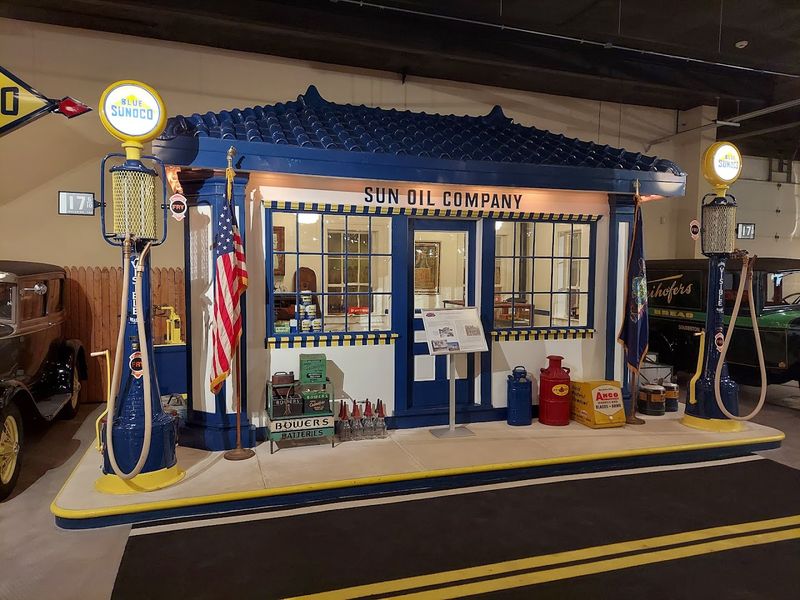
Brick walls and old workshop character give this museum an intimacy that larger institutions sometimes miss. You can almost picture tools clinking in the background and craftsmen shaping metal panels by hand.
That setting makes the vehicles feel connected to labor, pride, and local invention.
In Boyertown, the Museum of Historic Vehicles celebrates transportation built in Pennsylvania, which gives the collection a strong regional heartbeat. Cars, trucks, and commercial vehicles tell stories not just of style, but of industry and communities that depended on them.
Housed in a former carriage factory and body shop, the museum gains extra depth from the building itself.
Details linger here: painted logos, sturdy wheels, coachwork lines, and the practical elegance of machines made to serve real needs. It is especially rewarding if you enjoy places where craftsmanship matters as much as celebrity, and where local history quietly outshines flash.
Swigart Museum (America’s Oldest Car Museum)
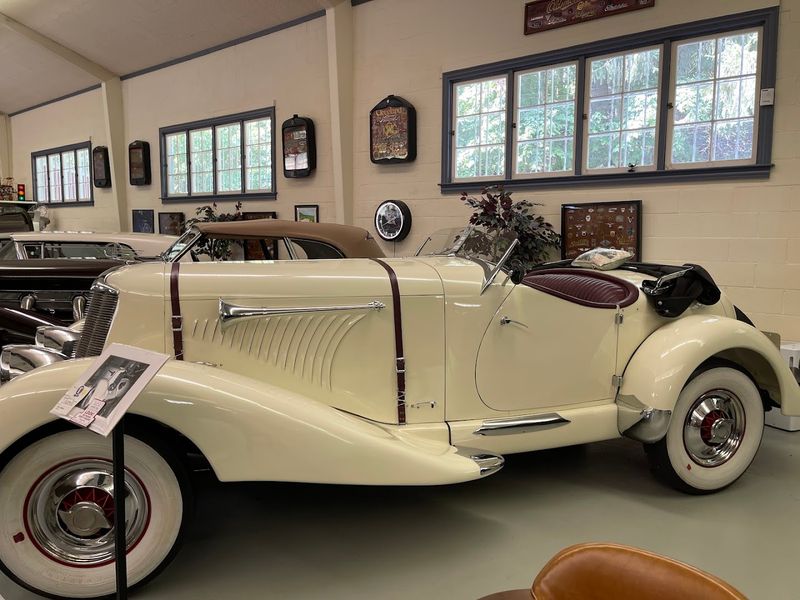
The mood here is quieter, almost reverent, as if the earliest years of motoring are still catching their breath. Brass fittings, upright cabins, and delicate emblems remind you how experimental the automobile once felt.
Instead of speed, the atmosphere leans toward wonder.
In Huntingdon, the Swigart Museum carries the distinction of being America’s oldest car museum, and that history gives it unusual weight. Beyond antique automobiles, you will find license plates, badges, and memorabilia that reveal how car culture slowly took shape.
The collection offers a close look at the period when manufacturers, drivers, and entire rules of the road were still being invented.
There is something satisfying about seeing these machines in a setting that does not rush you. Small details become the real reward, from dashboard hardware to hand-lettered graphics, making this a thoughtful stop rather than a flashy one.
Frick Car & Carriage Museum (Frick Pittsburgh)
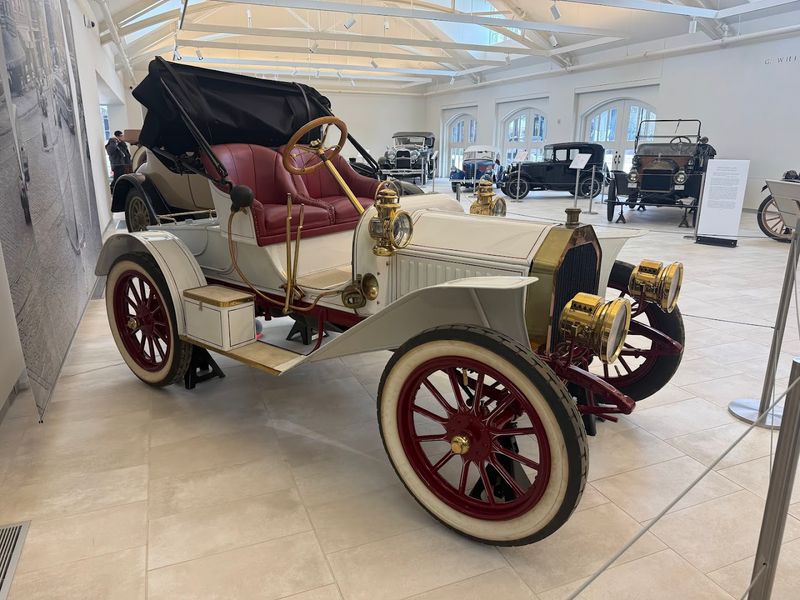
It begins with a sense of transition, the kind that changes daily life forever. One moment you are admiring horse-drawn carriages with polished wood and graceful lines, and the next you are facing early automobiles that promised an entirely different future.
Few museums show that shift with such elegance.
At Frick Pittsburgh, the Car and Carriage Museum sits within a broader historic estate, which gives the whole visit added texture. You are not just looking at transportation, but at changing ideas of status, convenience, and modernity.
The collection is beautifully presented, and the contrast between carriage craftsmanship and emerging automotive design is especially compelling.
Outside, the grounds invite you to slow down and absorb the setting a little longer. Pairing the museum with the estate’s architecture and garden atmosphere makes this feel less like a checklist stop and more like a deeply considered afternoon.
Mack Trucks Historical Museum
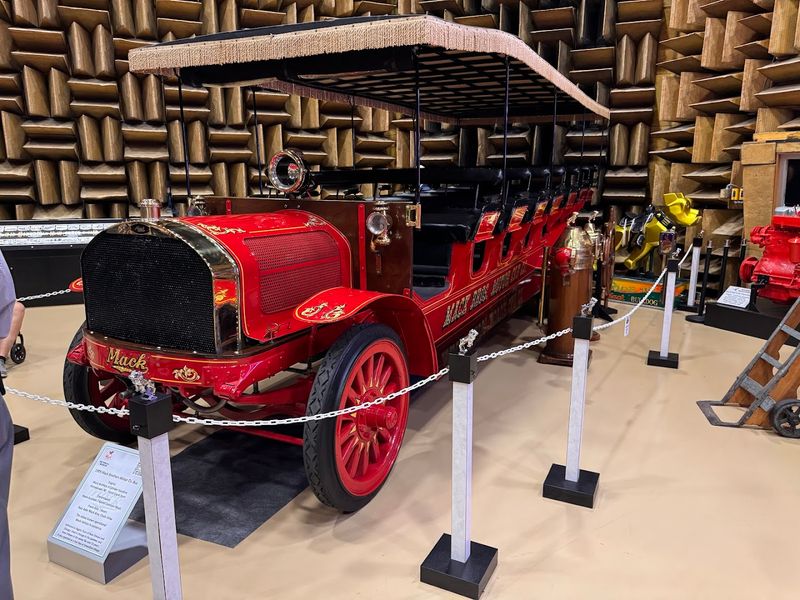
Not every automotive story is about glamour, and that is exactly why this place works so well. Massive grilles, weathered logos, and bulldog hood ornaments tell a tougher, more industrial kind of history.
It is the story of hauling, building, delivering, and keeping a country moving.
In Allentown, the Mack Trucks Historical Museum honors one of Pennsylvania’s most recognizable transportation legacies. The collection traces how heavy-duty trucks evolved in design and purpose, from early workhorses to more modern machines.
Even if trucks are not usually your thing, the scale alone pulls you in, and the engineering details become surprisingly fascinating.
You leave with a different appreciation for roads, warehouses, and the hidden systems behind everyday life. Pair it with another Allentown museum stop and the day starts to feel like a fuller portrait of American movement, not just car culture alone.
Louis J. Mascaro Automotive Museum
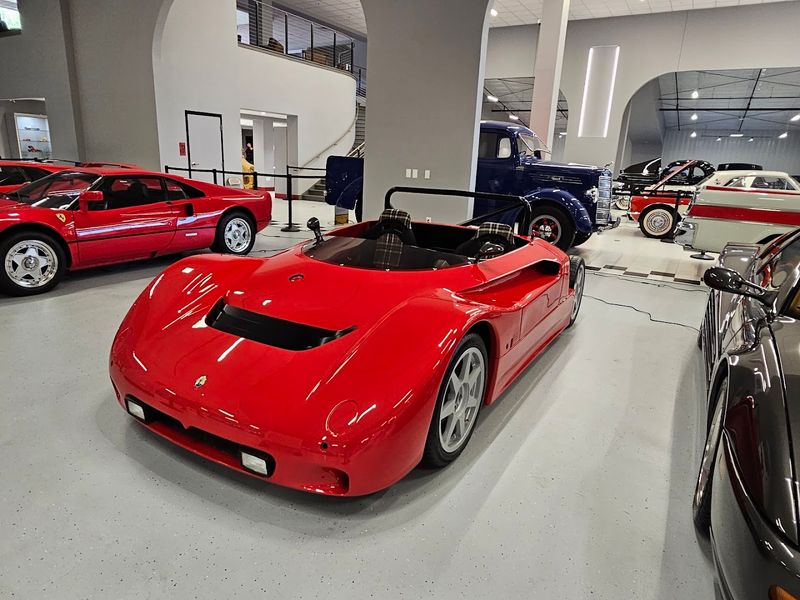
Here, the mood changes fast – less sepia-toned nostalgia, more adrenaline held under glass. Sharp lines, exotic paint, and supercar silhouettes create a visual jolt after a string of antique collections.
It is a reminder that automotive history did not stop being daring once chrome fins disappeared.
In Birdsboro, the Louis J. Mascaro Automotive Museum leans into rare modern performance cars and high-end exotics.
The setting feels sleek and focused, allowing each machine’s design language to stand out, whether you are drawn to sculpted air intakes, carbon fiber, or jewel-like wheels. Because the collection is private and selectively open, the experience has a slightly insider quality.
What makes it memorable is the contrast it offers within a Pennsylvania museum road trip. After early touring cars and work trucks, this stop brings the story squarely into the present, where speed, prestige, and engineering still spark immediate fascination.
Eagles Mere Auto Museum
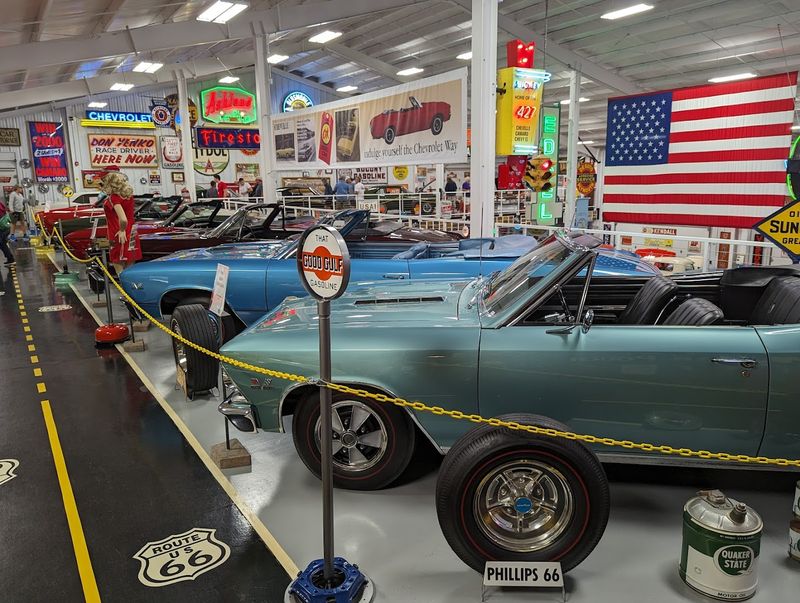
Some places feel like summer before you even walk through the door. Vintage signs, polished classics, and a touch of Americana create a museum experience that is as much about mood as machinery.
It feels pleasantly unhurried, like the automotive version of a small-town postcard.
In Eagles Mere, the Auto Museum pairs rotating antique and classic vehicles with decor that deepens the sense of time travel. The mountain village setting adds to the appeal, especially if you spend part of the day near the lake or wandering the quiet streets.
Inside, the changing exhibits keep the museum feeling fresh while preserving a cozy, nostalgic tone.
This is the kind of stop that rewards curiosity rather than checklist urgency. You might come for a specific era of car, then stay for the atmosphere, the regional charm, and the simple pleasure of seeing old design presented with warmth.
Rolls-Royce Foundation Museum
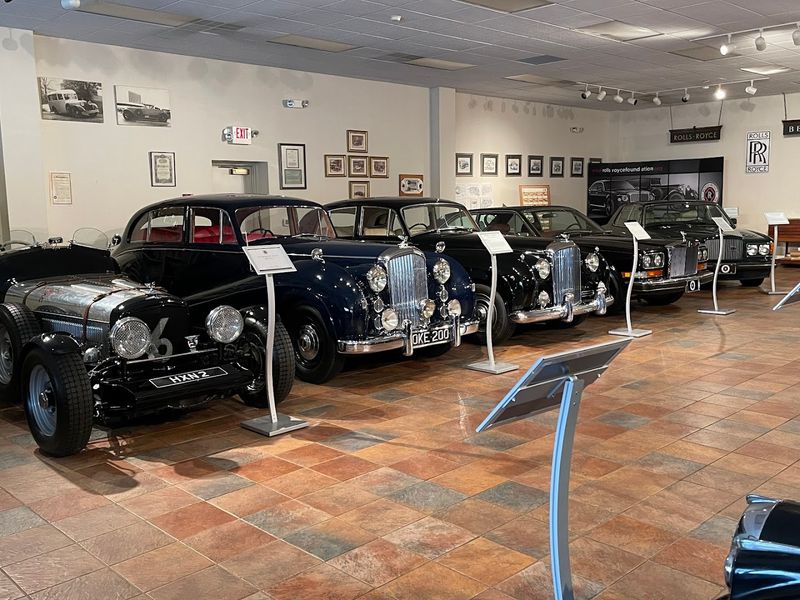
Luxury can be loud, but here it feels almost scholarly. The beauty is obvious at first glance – long bodies, impeccable trim, and stately grilles – yet the deeper appeal comes from the careful preservation of stories, records, and engineering detail.
It is grandeur with context.
In Mechanicsburg, the Rolls-Royce Foundation Museum explores the heritage of Rolls-Royce and Bentley through vehicles as well as archival material. That combination gives the visit real depth, especially if you enjoy learning how ownership, design, and coachbuilding traditions evolved across decades.
The cars are gorgeous, of course, but the surrounding documentation makes them feel less mythic and more human.
What stays with you is the balance between elegance and research. This is not just a room full of prestigious names, but a place where craftsmanship, maintenance, and history are treated seriously, making the whole experience richer than simple admiration alone.
L. B. Smith Ford / Antique Auto Displays (regional exhibitions)
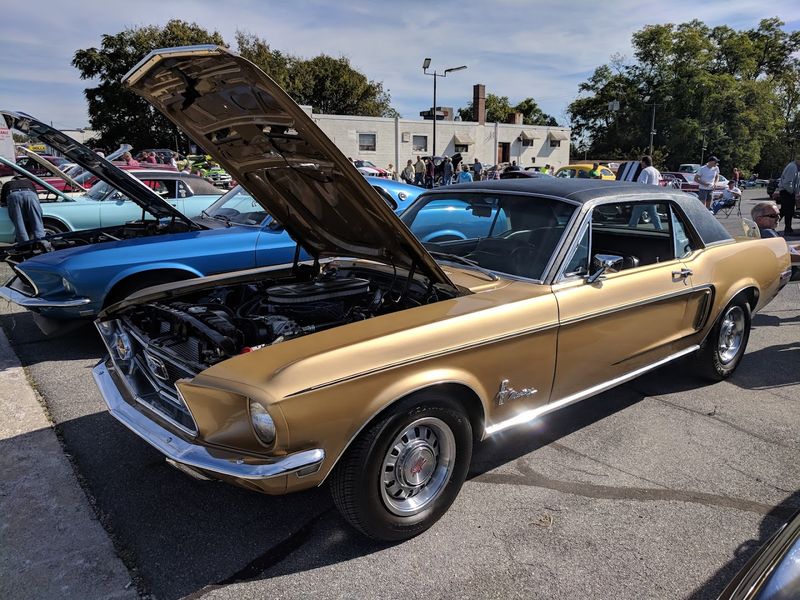
Sometimes the most enjoyable automotive stops are the ones with a little unpredictability built in. Rotating displays and regional exhibitions bring a community energy that feels different from permanent museum halls.
There is a sense that on any given visit, you may catch a rare Ford or a local favorite with a great backstory.
In the Lemoyne and Harrisburg area, L. B.
Smith Ford related antique auto displays offer that looser, event-like experience. The focus tends to center on classic Ford models and collector presentations, which gives the exhibits a familiar American throughline.
Because these showings can vary, they often feel more conversational, shaped by enthusiasts who genuinely love talking about what is on view.
If you enjoy seeing cars in a setting that feels accessible rather than formal, this kind of stop lands well. Pair it with a riverside Harrisburg afternoon and you get both machinery and a lively regional snapshot.