Forget everything you think you know about museums because these Pennsylvania favorites turn every visit into an adventure you can jump right into. This is where pushing buttons, building creations, climbing through exhibits, and asking endless questions are all part of the fun.
Across the state, you’ll find places where science, history, art, and nature come alive through hands-on experiences.
One moment you’re walking through a giant human heart, the next you’re solving engineering challenges or ringing the bell on a vintage trolley.
These museums aren’t just for kids, either. Parents, grandparents, and curious adults often find themselves joining the fun, proving that play has no age limit.
If you’re searching for family outings that spark laughter, curiosity, and unforgettable memories, these 11 Pennsylvania museums belong at the top of your must-visit list.
The Franklin Institute – Philadelphia
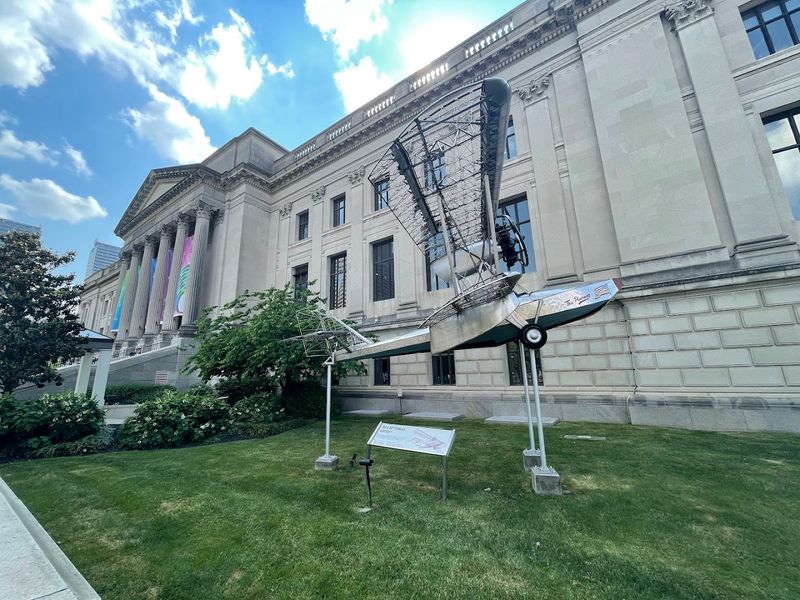
Walking through a beating heart the size of a small room might sound impossible, but at The Franklin Institute, it’s just another Tuesday. This legendary science museum has been making visitors fall in love with learning since 1824, and it shows no signs of slowing down.
Every corner offers something amazing to touch, test, or try. You can launch rockets, understand electricity through live demonstrations, or explore the mysteries of space in their planetarium.
The physics exhibits let you experiment with motion, energy, and forces in ways that make textbooks seem boring by comparison.
What makes this place special is how it treats every visitor like a scientist. Kids aren’t just watching experiments—they’re conducting them.
Whether you’re figuring out how pulleys work or discovering what makes airplanes fly, you’re learning by doing. The STEM displays are designed to spark questions and encourage exploration, proving that science education works best when it feels like an exciting adventure rather than a classroom lesson.
Please Touch Museum – Philadelphia
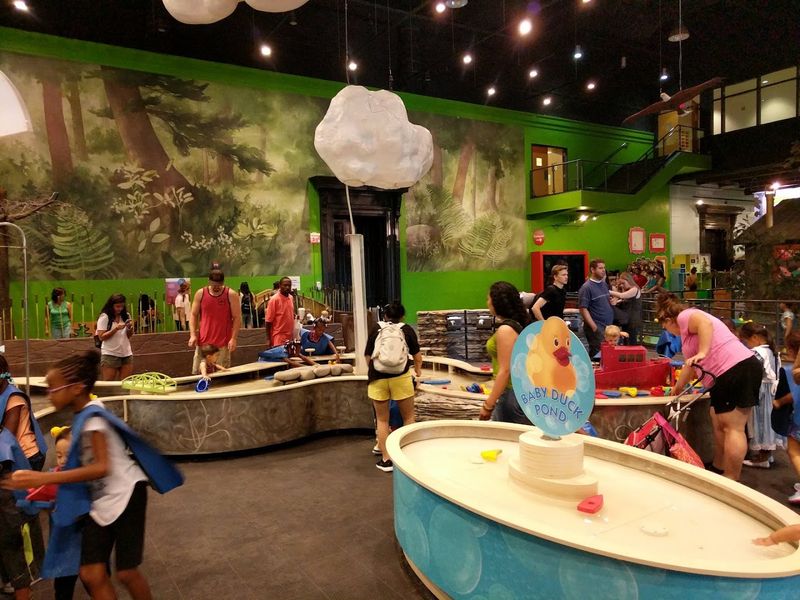
Sometimes the best museum rule is the simplest one: please touch everything. Built specifically for children under seven, this Philadelphia treasure understands that little kids learn best when they can climb, build, and imagine freely.
Every exhibit invites tiny hands to explore. Children can pretend they’re running a restaurant, climbing aboard a real city bus, or creating art in the studio.
The Alice in Wonderland display lets them tumble down the rabbit hole, while the construction zone gives them tools to build and problem-solve.
Transportation exhibits teach kids about how things move while they’re busy having too much fun to notice they’re learning. The grocery store lets them practice math and social skills while pretending to shop.
Story-based areas bring beloved books to life in ways that make reading feel magical.
Parents love how the museum wears kids out in the healthiest way possible. After a few hours of non-stop exploration, children leave exhausted, happy, and filled with new ideas about how the world works.
Children’s Museum of Pittsburgh – Pittsburgh
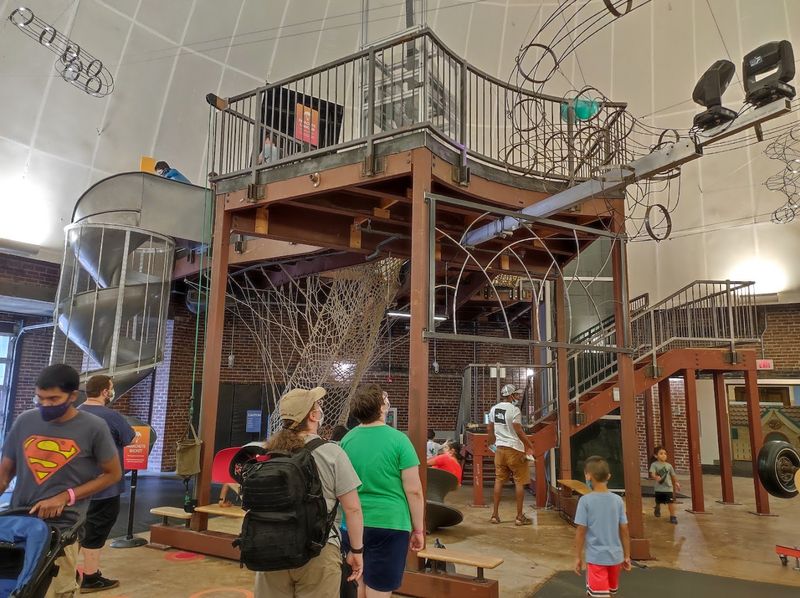
Real hammers, actual saws, and genuine power tools in a children’s museum? Absolutely.
The Makeshop here trusts kids to work with authentic materials, and the results are incredible. Young builders create everything from wooden toys to electronic circuits under expert guidance.
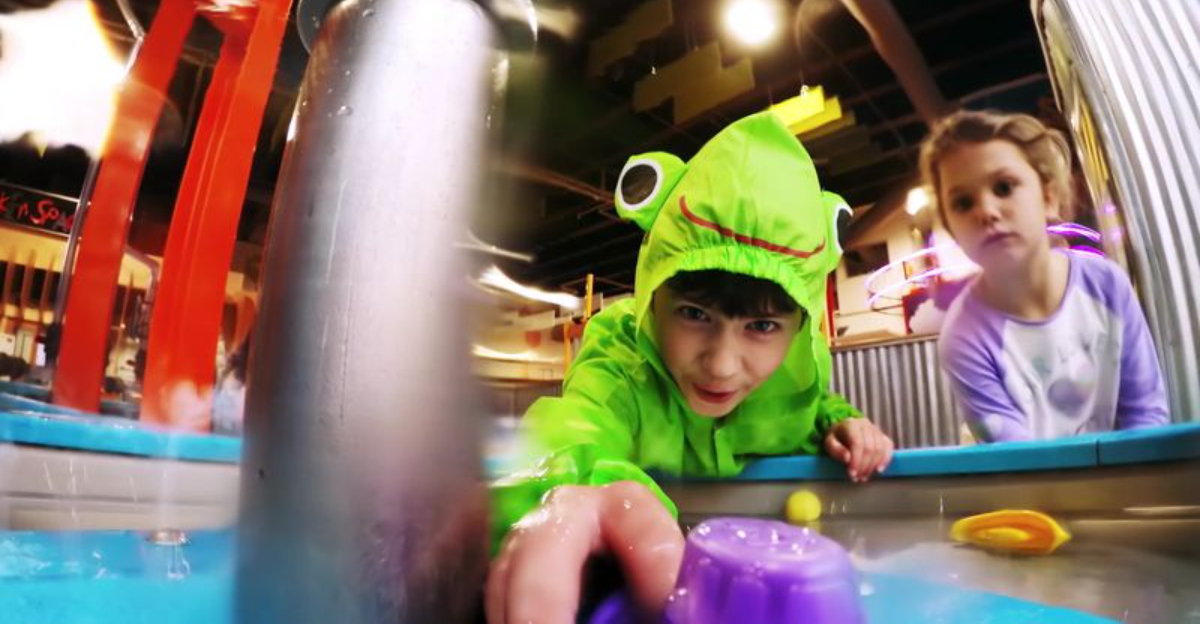
Waterplay is exactly what it sounds like—and way more fun than you’d imagine. Children engineer dams, redirect streams, and figure out how water moves while getting appropriately soggy.
The Garage takes recycled materials and transforms them into art, teaching sustainability while encouraging creativity.
This museum believes in messy, hands-on learning. Paint-covered hands, wet sleeves, and sawdust in hair are badges of honor here.
Kids aren’t just observing how things work; they’re building, inventing, and problem-solving using real methods.
What sets Pittsburgh’s museum apart is its respect for children’s capabilities. Instead of dumbing things down, exhibits challenge kids to think critically and work persistently.
When a six-year-old successfully hammers together their first birdhouse, the pride on their face says everything about why this approach works so brilliantly.
Da Vinci Science Center – Allentown
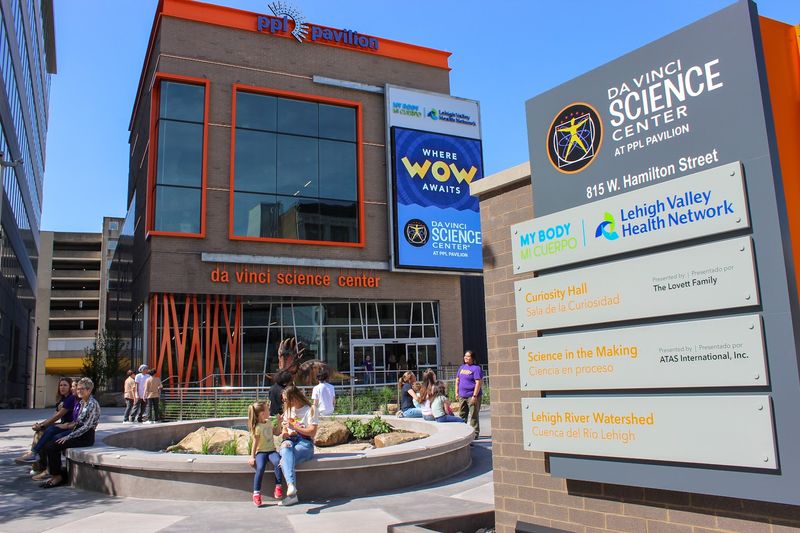
Named after history’s most famous inventor, this Allentown science center recently moved into a bigger, better space packed with next-generation exhibits. Leonardo da Vinci would definitely approve of how visitors here test, tinker, and discover through hands-on experimentation.
The health gallery teaches kids about their bodies using interactive technology that makes anatomy fascinating. Engineering stations challenge visitors to build structures that can withstand earthquakes and wind.
Physics becomes playground material when you’re launching projectiles and testing gravity yourself.
Digital experiences blend seamlessly with physical exhibits, creating immersive environments where learning feels futuristic. Live demonstrations happen throughout the day, with educators making science concepts explode into life—sometimes literally.
The nature exhibits connect outdoor exploration with indoor discovery.
Visitors love how the center makes complex concepts accessible. Instead of reading about friction, you’re testing it on different surfaces.
Rather than memorizing facts about the human body, you’re interacting with displays that show how systems work together. Every station encourages questions, and staff members are ready with answers that lead to even more curiosity.
Lancaster Science Factory – Lancaster
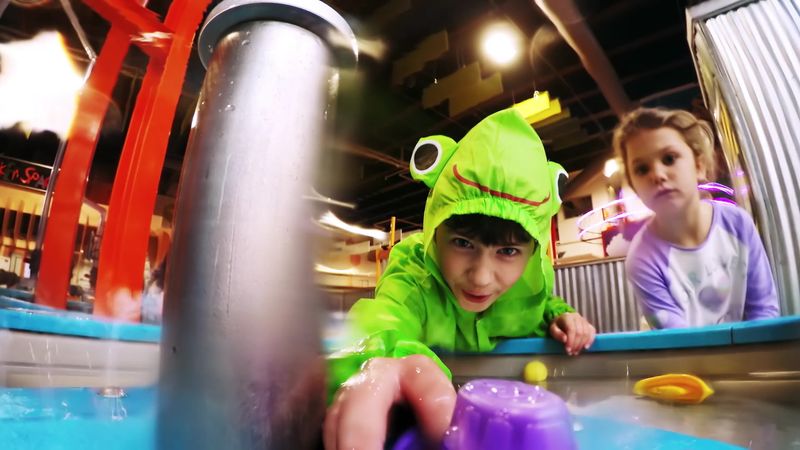
Seventy-five ways to experiment, and not a single “do not touch” sign in sight. Lancaster Science Factory operates on a brilliant philosophy: kids learn science best when they’re too busy having fun to realize they’re being educated.
Magnet stations let children discover attraction and repulsion through play. Water exhibits teach fluid dynamics while kids splash and redirect streams.
Electricity displays safely demonstrate circuits and conductivity with lights, buzzers, and hands-on challenges.
Robotics corner introduces programming concepts through kid-friendly interfaces. Construction areas provide building materials for testing engineering principles.
Simple machines become exciting when you’re using them to lift, move, and launch objects yourself.
Every station encourages experimentation without fear of failure. If your bridge collapses, you rebuild it stronger.
When your circuit doesn’t light up, you troubleshoot until it does. This trial-and-error approach teaches persistence and problem-solving better than any textbook ever could.
What parents appreciate most is how the museum works for all ages. Toddlers find age-appropriate activities while older kids tackle more complex challenges.
Everyone leaves with dirty hands, tired feet, and minds buzzing with new scientific understanding.
Hands-on House, Children’s Museum of Lancaster – Lancaster
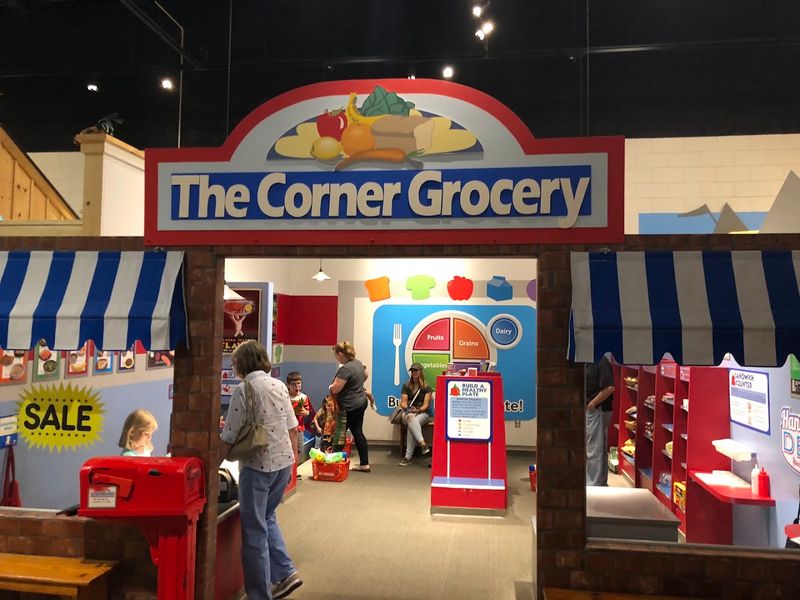
Ever wonder what it would be like if your entire town shrunk down to kid-size? Hands-on House creates exactly that experience, letting children run their own miniature community where imagination drives every activity.
The grocery store teaches math and money skills while kids scan items and bag groceries. Young farmers milk pretend cows and learn where food comes from at the agricultural exhibit.
Construction equipment responds to little operators, teaching cause and effect through play.
Health exhibits make learning about nutrition and wellness engaging rather than preachy. Children can explore a kid-sized doctor’s office, learning that medical visits aren’t scary.
The fire safety area teaches important lessons through pretend emergency scenarios.
Designed specifically for ages two through ten, every exhibit sits at the right height and complexity level. Toddlers find simple activities that develop motor skills, while older kids engage with more sophisticated pretend play scenarios.
Role-playing here builds social skills, confidence, and understanding of how communities function.
Parents often joke that their kids don’t want to leave. When learning feels like playing house in the world’s coolest neighborhood, time flies faster than anyone expects.
Discovery Space of Central Pennsylvania – State College
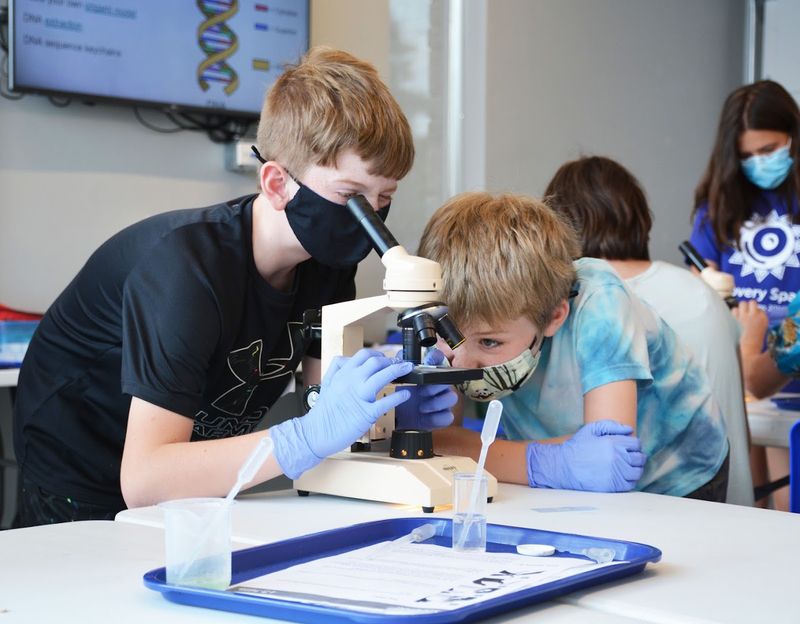
State College’s science center proves that learning doesn’t need to choose between education and entertainment—it can deliver both simultaneously. With over forty interactive exhibits, families find new favorites every visit, making this a destination worth returning to repeatedly.
Engineering challenges invite kids to build, test, and improve their designs. The marine life center brings ocean creatures to central Pennsylvania, teaching aquatic biology through close-up encounters.
Rotating activities keep the experience fresh, introducing new concepts and seasonal themes throughout the year.
What makes Discovery Space special is how it balances structure with freedom. Some exhibits guide visitors through specific learning goals, while others encourage open-ended exploration.
This combination respects different learning styles and lets each child discover science in their own way.
Creative elements blend with technical ones beautifully. After building a robot, kids might create art inspired by scientific principles.
Following an experiment about light, they could explore color theory through hands-on activities. This integration shows children that STEM fields connect to everything, including creativity and artistic expression, making science feel accessible and relevant to all interests and abilities.
expERIEnce Children’s Museum – Erie
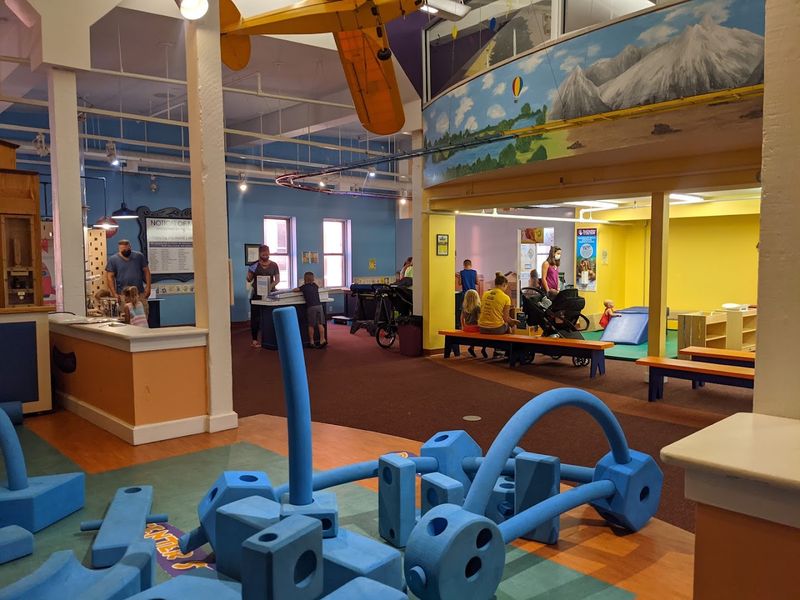
Erie’s children’s museum capitalizes its name in an unusual way, but once you visit, the emphasis on EXPERIENCE makes perfect sense. Everything here focuses on active participation, transforming abstract STEAM concepts into tangible, touchable reality.
Water play areas let physics happen naturally as kids redirect flows and create miniature waterways. Building stations provide endless materials for construction projects that teach engineering principles.
Maker spaces encourage tinkering, taking things apart, and figuring out how they work.
Art projects connect creativity with science concepts. Children might explore color mixing through chemistry or create sculptures that demonstrate balance and structure.
The museum understands that artistic thinking and scientific thinking aren’t opposites—they’re partners in problem-solving.
Exhibits change regularly, giving repeat visitors new discoveries. One month might focus on simple machines, while the next explores sound and music.
This variety keeps kids engaged and introduces them to the full breadth of STEAM fields.
Staff members facilitate rather than lecture, asking questions that guide discovery without giving away answers. When children figure things out themselves, the learning sticks better.
Erie families return often, knowing each visit brings new insights wrapped in memorable, hands-on fun.
The Children’s Museum – Bloomsburg
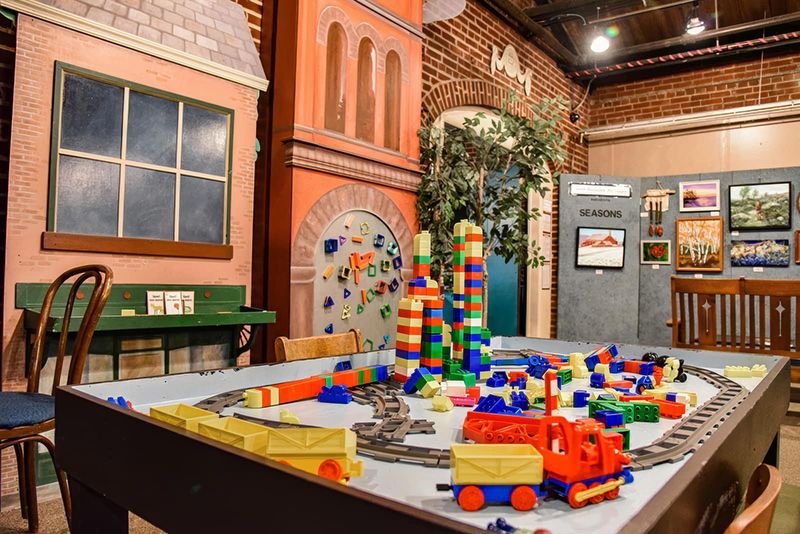
How many museums let you explore an Egyptian tomb, climb into a giant bird’s nest, and descend into a coal mine—all before lunch? Bloomsburg’s children’s museum packs incredible variety into its exhibits, ensuring every family member finds something fascinating.
The Egyptian replica introduces ancient history through exploration rather than reading. Kids can examine artifacts, solve puzzles, and imagine life thousands of years ago.
The coal mine honors Pennsylvania’s industrial heritage, letting children experience what miners faced in dark, narrow passages.
Nature exhibits feel magical. That oversized bird’s nest gives kids a bird’s-eye perspective—literally—on wildlife.
The butterfly garden teaches ecology and life cycles while beautiful insects flutter nearby. Children learn to respect nature through close encounters that create lasting memories.
Health displays make wellness education interactive and fun. Kids learn about nutrition, exercise, and how their bodies work through games and challenges.
The museum understands that healthy habits start early, and making them engaging helps lessons stick.
Bloomsburg proves that smaller cities can host world-class museums. The diverse exhibits ensure that whether your child loves history, science, nature, or health, they’ll find plenty to explore, touch, and discover throughout multiple visits.
Punxsutawney Weather Discovery Center – Punxsutawney
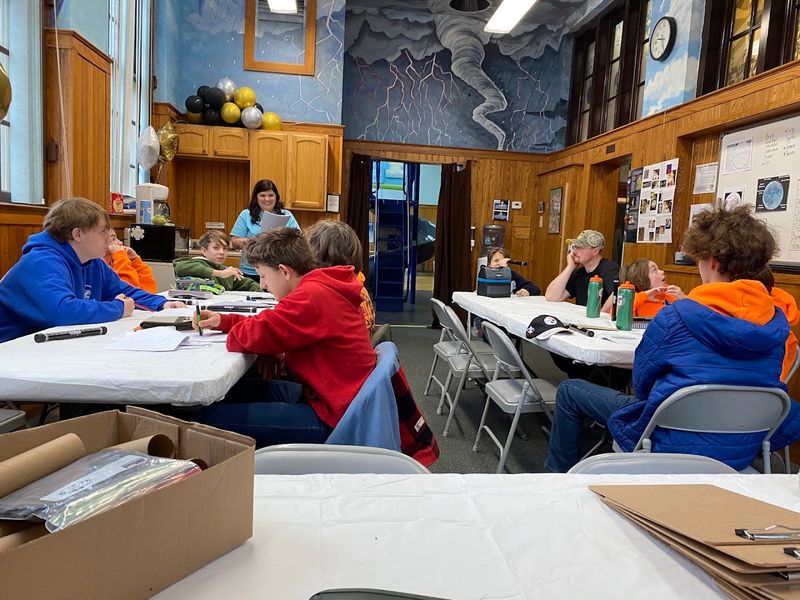
Everyone knows Punxsutawney Phil, but few realize his hometown hosts an entire museum dedicated to weather science. The Weather Discovery Center transforms meteorology from boring forecast watching into an interactive adventure that makes kids want to become meteorologists.
Tornado simulators create controlled vortexes that children can touch and manipulate, teaching them how these powerful storms form. Forecasting stations let kids play weatherperson, using real instruments and data to predict conditions.
They’ll never watch the weather channel the same way again.
Broadcasting experiences put visitors in front of cameras with green screens, showing how television meteorologists create those maps and graphics. Interactive displays explain everything from how snowflakes form to why the sky changes color at sunset.
Complex atmospheric concepts become understandable through hands-on demonstrations.
The Groundhog Day connection adds local charm and shows how weather folklore intersects with modern science. Kids learn why people historically looked to animals for weather predictions and how today’s technology has changed forecasting accuracy dramatically.
This unique museum proves that specialized topics can engage broad audiences when presented creatively. After visiting, children watch storms differently, understanding the science behind the spectacle and appreciating meteorology’s importance in daily life.
Pennsylvania Trolley Museum – Washington
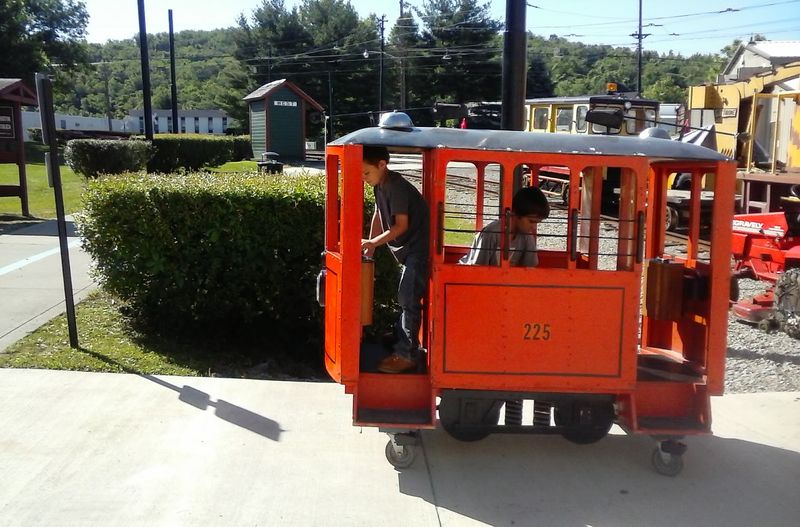
History stops being boring when you can climb aboard and take it for a ride. The Pennsylvania Trolley Museum preserves beautifully restored vintage streetcars and, more importantly, lets visitors experience them exactly as passengers did decades ago.
Real trolley rides transport families through time and countryside. The gentle swaying, the characteristic sounds, and the conductor’s commentary make history come alive in ways no textbook can match.
Children who normally tune out during history lessons find themselves captivated by this moving classroom.
Indoor exhibits explain how electric railways revolutionized transportation and shaped Pennsylvania communities. Interactive displays show how trolley systems worked, from power generation to route planning.
Kids can try operating controls and learn why streetcars disappeared from most American cities.
The restoration shop fascinates visitors interested in how these magnificent machines are preserved. Seeing craftspeople carefully bring old trolleys back to life demonstrates the dedication required to maintain history.
Children learn that preserving the past takes real work and specialized skills.
This museum appeals to all ages because everybody loves trains. Whether you’re a transit enthusiast, history buff, or just a kid who enjoys rides, the trolley museum delivers an authentic experience that connects Pennsylvania’s past with its present in memorable, rolling fashion.