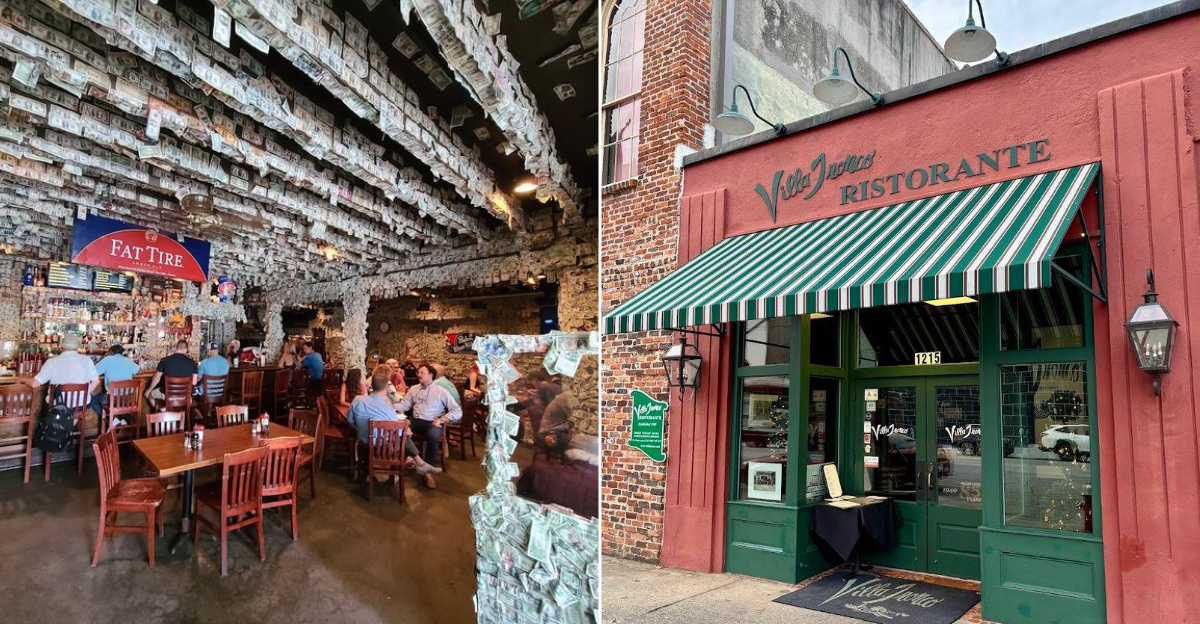
Some of South Carolina’s best meals begin long before the kitchen gets to work. They start in centuries-old buildings, along weathered waterfronts, and inside dining rooms where every creaking floorboard seems to hold a story of its own.
Across South Carolina, historic restaurants invite guests to experience more than memorable food. From restored mills and former carriage houses to family-run seafood shacks and landmark gathering places, these destinations blend local flavors with rich histories that continue to shape the communities around them.
Every visit offers a chance to enjoy regional favorites while soaking in the character, traditions, and remarkable stories that make each stop unforgettable.
If you love discovering places where the setting is just as meaningful as the menu, you’re in the right place. These 10 South Carolina restaurants prove that great dining and fascinating history often share the very same table.
Poogan’s Porch
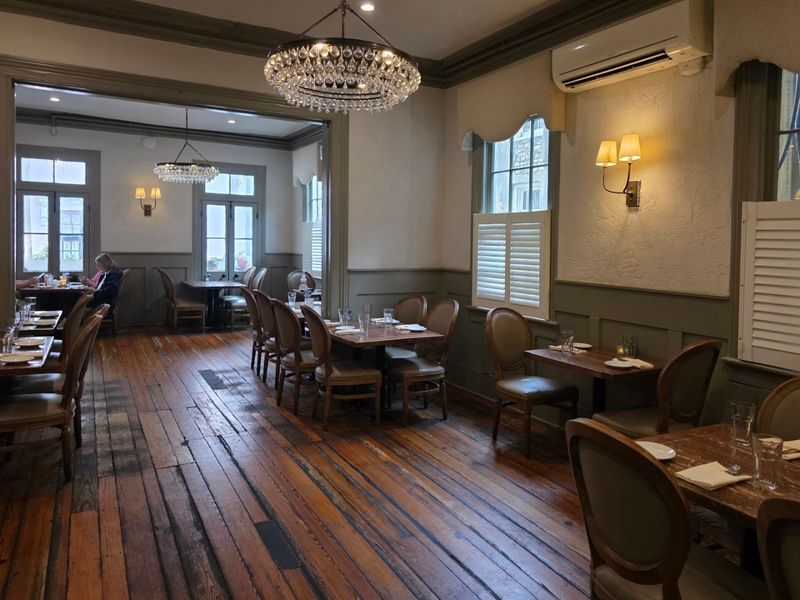
The creak of an old porch can sound a little like a welcome and a warning at the same time. Window light spills across polished floors, and the whole place feels as if it has kept every conversation ever whispered there.
Even before dinner arrives, you sense that this house has opinions.
That mood fits Poogan’s Porch in Charleston, tucked into a restored Victorian home on Queen Street. The restaurant takes its name from a friendly neighborhood dog who once greeted visitors, and locals still love repeating the tale almost as much as the ghost stories.
A plate of shrimp and grits or pimento cheese fritters lands with the kind of comfort this setting deserves.
What stays with you is not just the meal, but the layered personality of the house itself. It feels playful, slightly haunted, deeply Charleston, and impossible to mistake for anywhere else.
Circa 1886 Restaurant
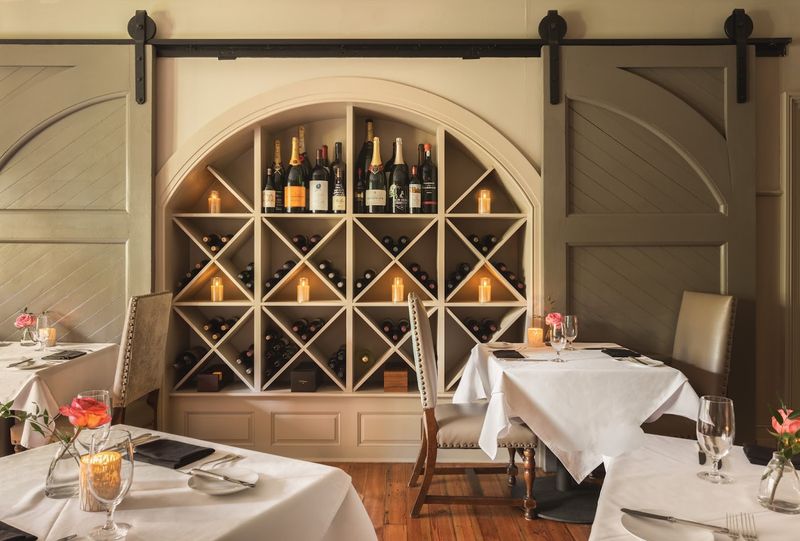
There is a certain hush that only old brick and low light can create, the kind that makes every glass clink sound elegant. You step inside and the city suddenly feels far away, replaced by candlelight, quiet confidence, and the faint sense that this room has always known how to host a long evening.
It is history dressed for dinner.
Behind the Wentworth Mansion in Charleston, Circa 1886 occupies the property’s original carriage house, and that origin shapes the entire experience. The architecture gives the dining room an intimate depth, while refined Lowcountry dishes bring the past into the present without fuss.
You might remember a beautifully composed seafood plate, but also the warmth of the exposed brick around it.
What makes it linger in your mind is the balance. Nothing feels museum-like or stiff.
Instead, the setting lets Charleston’s nineteenth-century elegance breathe in a way that feels quietly alive.
Hyman’s Seafood
Noise can be part of the charm when a room has truly earned it. Here, the chatter rises off the tables, the walls seem busy with memories, and every corner gives you something else to notice before the server even reaches you.
It feels less like entering a restaurant than stepping into a local institution mid-story.
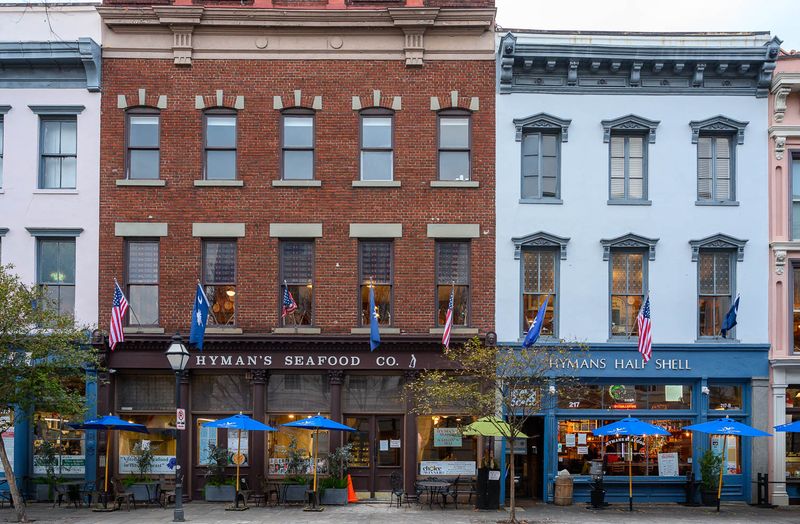
In downtown Charleston, Hyman’s Seafood grew from a late nineteenth-century dry goods store into one of the city’s most recognizable dining landmarks. That former life still matters, because the building carries a mercantile sturdiness that matches the generous seafood platters and cups of she-crab soup.
Signed memorabilia adds another layer, making the walls read like a scrapbook of visitors and decades.
You go for fried shrimp, hush puppies, or a loaded po’boy, but the real appeal is the lived-in energy. This place has personality in abundance, and it never tries to hide it.
High Cotton Charleston Restaurant
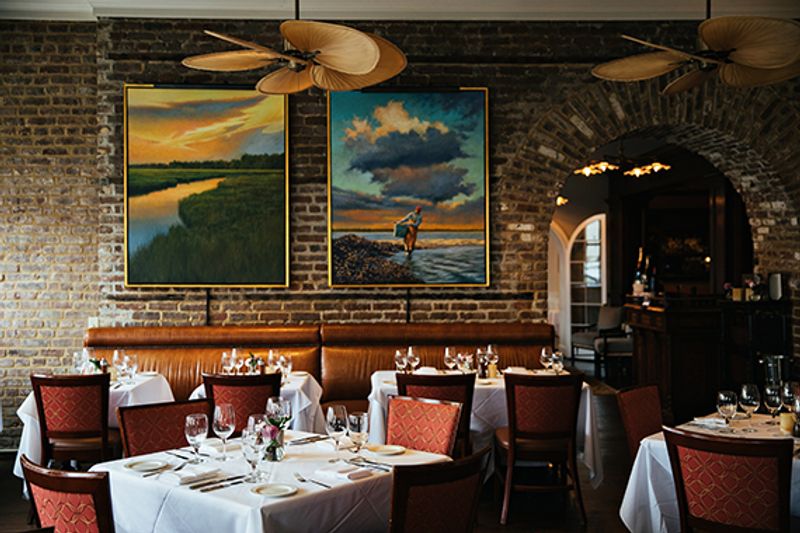
Some dining rooms carry themselves with the easy confidence of a city that remembers its own importance. You notice it in the tall proportions, the worn textures, and the rhythm of a space built for trade before it was built for dinner.
The air feels polished, but never cold.
That sense of inherited character defines High Cotton on East Bay Street in Charleston’s old warehouse district. Its name nods to the city’s cotton history, and the setting still reflects the commercial backbone that once shaped the harbor nearby.
Inside, refined Southern cooking and a well-timed cocktail feel right at home against brick, wood, and a room designed to linger in.
A steak, a thoughtful seafood dish, or live jazz in the background may be what you remember first. Yet the deeper pull is the way the restaurant translates Charleston’s past into atmosphere, without turning it into a lesson.
It simply lets the place speak.
Slightly North of Broad Restaurant
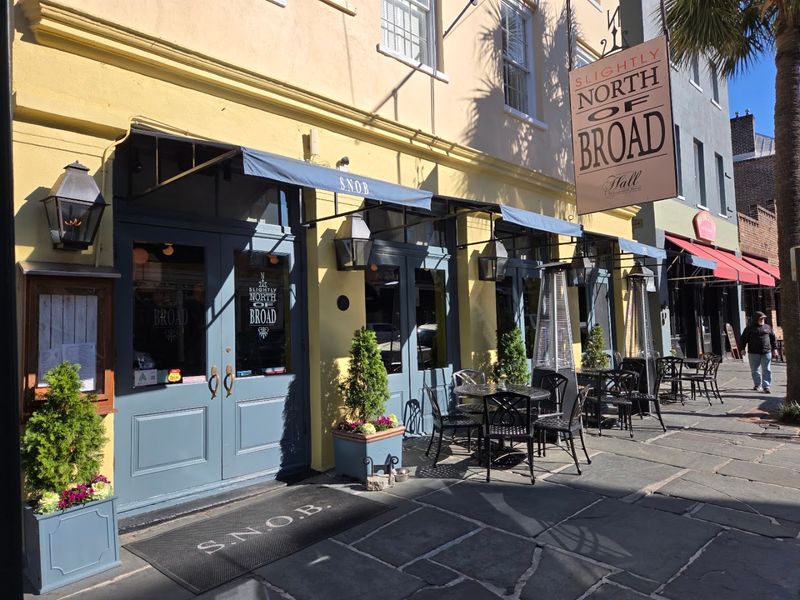
The first impression is warmth, not grandeur. Light bounces off glasses, conversation moves easily, and the room feels tuned to Charleston without becoming precious about it.
There is a relaxed assurance here that makes you settle in fast.
Slightly North of Broad, known to most people simply as SNOB, sits in a historic downtown setting where Lowcountry traditions are treated like living things rather than relics. On East Bay Street in Charleston, the restaurant folds local ingredients and regional instincts into a menu that feels rooted yet current.
A bowl of shrimp and grits, a seasonal fish preparation, or something with sweet corn and benne can make the city’s flavors feel very immediate.
What gives the place its staying power is tone. It captures the spirit of old Charleston without relying on nostalgia alone.
You leave with the sense that tradition, when handled well, can still feel fresh and deeply personal.
The Griffon
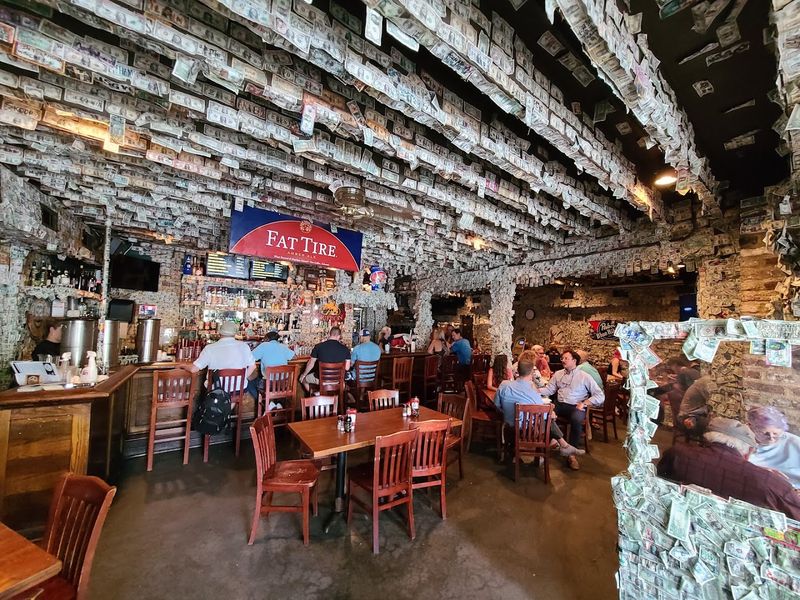
Not every memorable place announces itself with elegance. Sometimes the magic is in dim light, old wood, a little maritime grit, and the feeling that generations have passed through for a quick drink before heading back toward the water.
That kind of atmosphere does not need polishing.
The Griffon, near Charleston’s harbor on Vendue Range, lives inside a centuries-old waterfront building that wears its age well. The setting feels part tavern, part neighborhood hideaway, with enough nautical spirit to remind you how closely this city has always lived with the sea.
A burger, fish and chips, or a basket of fries somehow tastes better when the room feels this anchored in place.
What makes it worth seeking out is its refusal to become overly curated. It is casual, a little timeworn, and deeply comfortable.
In a historic city full of polished beauty, that unpretentious authenticity can feel especially refreshing.
Henry’s On The Market
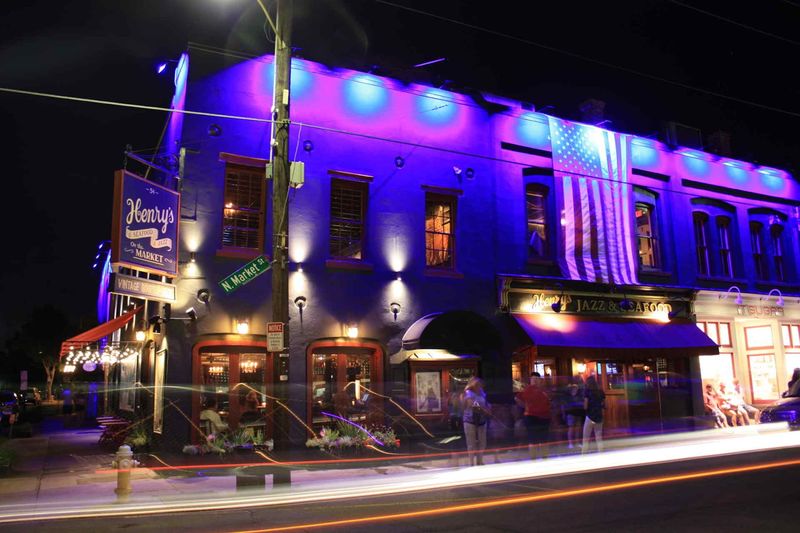
There is something satisfying about eating in a place that has always liked a crowd. Footsteps from the market, the energy shifts between daytime bustle and evening glow, and you can almost feel the city layering itself around you.
It is the sort of address that seems built for stories to overlap.
Henry’s On The Market sits near Charleston City Market, where generations of locals and visitors have passed through for food, conversation, and a look at the city’s daily theater. Its long history as a gathering place gives the restaurant a social character that feels bigger than one meal.
Order Southern staples, linger over a drink, and the surrounding streets do half the storytelling for you.
The appeal is not only what is on the plate. It is the sense that this corner has watched Charleston reinvent itself again and again, while still keeping room for people to meet, talk, and stay longer than planned.
Olde Town Hall Restaurant & Pub
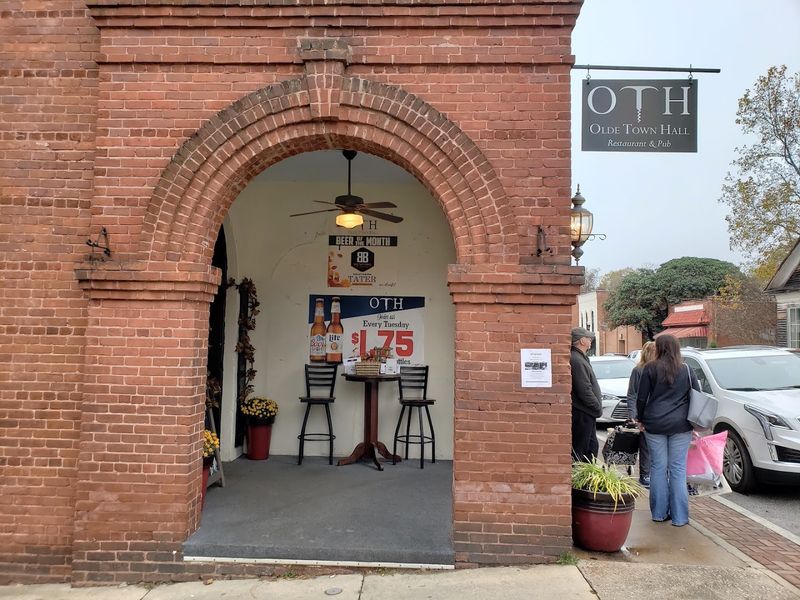
In a small town, an old public building can hold a different kind of intimacy. The walls once meant business, decisions, and civic life, but now they frame laughter, plates, and the slower pleasure of staying awhile.
That contrast gives the room its quiet charm.
In Ridgeway, Olde Town Hall Restaurant and Pub occupies the restored 1904 town hall, and the building’s former purpose still lingers in the details. Instead of speeches and meetings, you will find a comfortable meal in a place that still feels central to the community.
Hearty pub fare and a relaxed pace fit naturally within the old structure, making the history feel present rather than preserved behind glass.
What makes this stop memorable is the way it reflects its town. Nothing feels oversized or showy.
You are simply invited into a chapter of local life where architecture, memory, and dinner all share the same address in the most unforced way.
Old Mill Brewpub
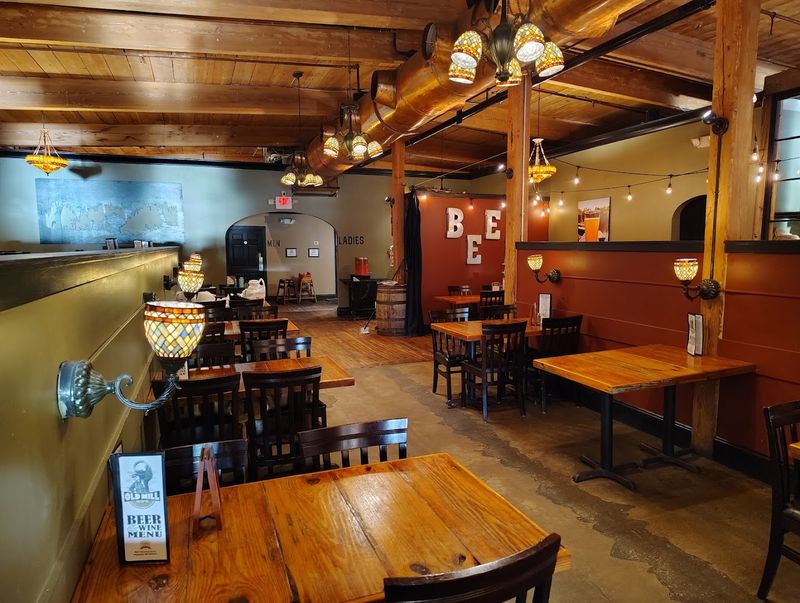
Brick walls have a way of holding onto labor, even after the machines are gone. In places like this, the industrial past is not erased so much as softened, turning workspaces into gathering spaces without losing the sense of what happened there before.
You can feel the transformation the moment you walk in.
Old Mill Brewpub in Lexington sits inside a restored textile mill, and that origin gives the restaurant its distinctive rhythm. The bones of the building do much of the talking, from the sturdy materials to the spacious feel that hints at another era of production.
A burger, a plate of pub food, and a local beer flight land differently when the setting still reflects the town’s manufacturing story.
That mix of history and ease is what stays with you. The place feels grounded, not themed.
It offers a reminder that old industrial spaces can become unexpectedly warm, especially when they continue serving the community in a new form.
Villa Tronco
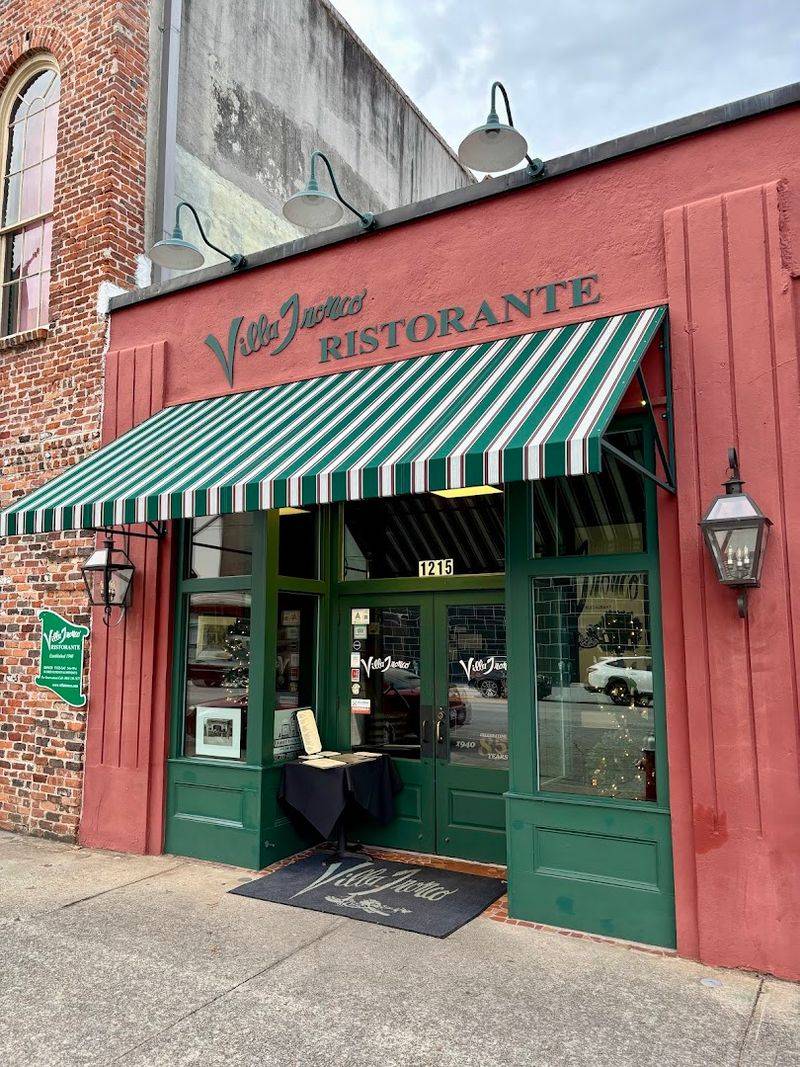
Some places feel like family before you know a single name. The room glows with that old-fashioned kind of hospitality, where the meal seems connected to birthdays, reunions, and habits passed down so often they became tradition.
It is comforting in a way that modern design can rarely imitate.
In Columbia, Villa Tronco carries the distinction of being South Carolina’s oldest Italian restaurant, and its home in a historic firehouse only deepens the story. Generations have come through for red sauce classics, pasta, and the unmistakable feeling that this restaurant belongs to the city’s personal history as much as its dining scene.
You are not just eating Italian American comfort food. You are stepping into continuity.
That is why it resonates beyond nostalgia. The setting, the longevity, and the family-rooted atmosphere create a sense of permanence that feels increasingly rare.
It offers a reminder that heritage can be tasted, but also felt in the room itself.